Bosphorus Restaurant
Our verdict
Bosphorus Restaurant on N Harrison Avenue brings Turkish and Eastern Mediterranean cooking to Cary, NC, a dining scene more accustomed to Southern staples and suburban American fare. The address places it squarely in a corridor where independent international restaurants are still a relative rarity, making it a reference point for the area's slow but steady shift toward broader culinary representation.

Pearl is the En Primeur Club membership app — saves, bookings, and concierge access live there. Same editors, same standards.
- Address
- 329 N Harrison Ave Suite A, Cary, NC 27513
- Phone
- (919) 460-1300
- Hours
- Mon ClosedTue–Sat 11 AM–9 PMSun 12–9 PM
- Website
- bosphorus-nc.com
- Directions
- Get directions
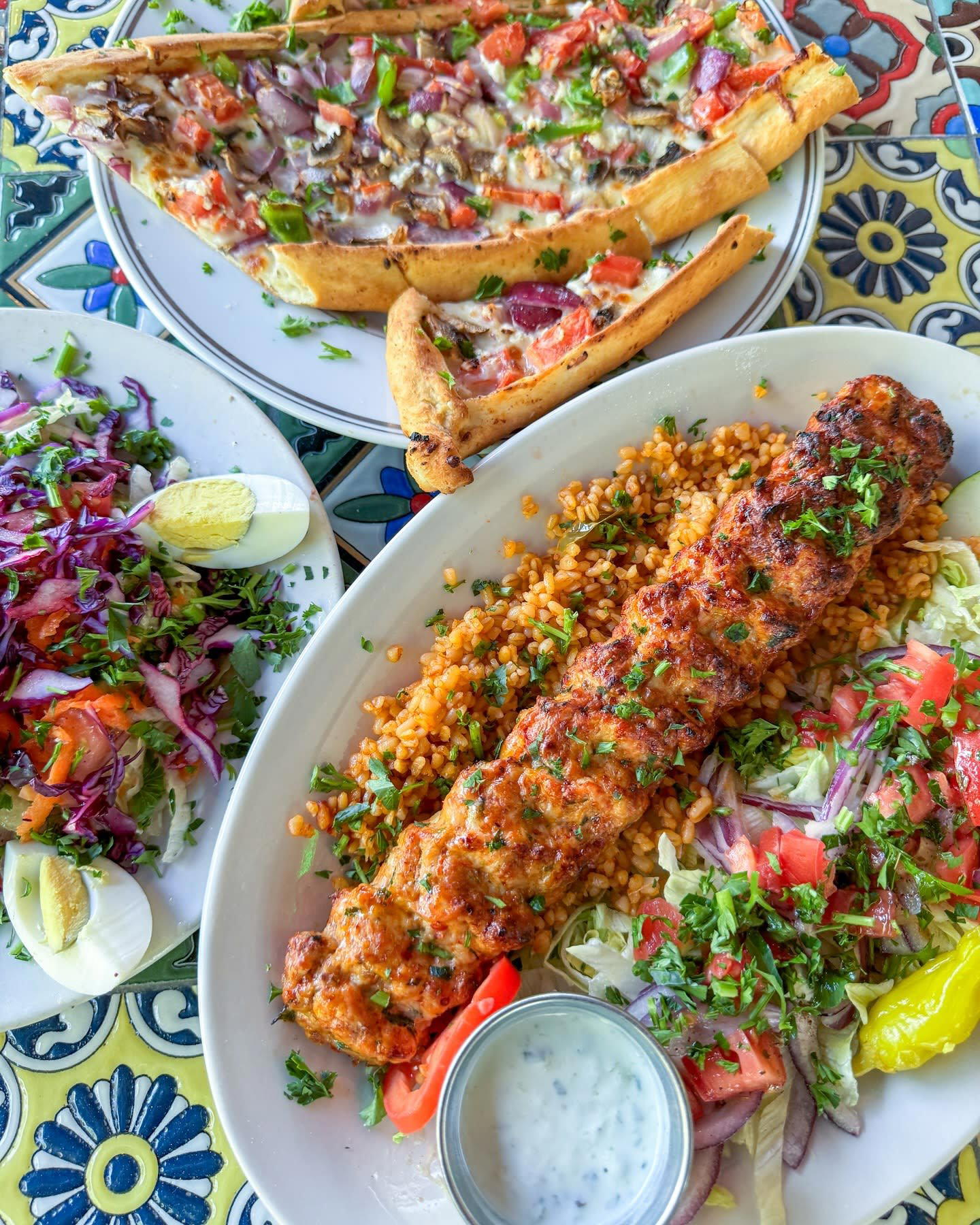
The menu
What to order
- Doner Kebab
- Pide
- Kofta Kebab
- Lamb Shish Kebab
- Baklava
Where Cary Meets the Eastern Mediterranean
North Carolina's Research Triangle has spent the last decade diversifying its restaurant stock faster than most mid-sized American metros. Cary, long understood as the quieter, more residential edge of that triangle, has followed at a measured pace, with independent international restaurants emerging along commercial corridors that once ran almost exclusively to chain dining. North Harrison Avenue is one of those corridors in transition, and it is in that context that Bosphorus Restaurant holds a particular kind of interest for anyone tracking where the area's table is headed.
Turkish cuisine occupies a specific and underrepresented position in American dining broadly, and in the Research Triangle specifically. Unlike the Greek or Lebanese traditions that have found wider suburban footholds, Turkish cooking remains less familiar to many American diners, which means that any restaurant working seriously in this register is, by default, doing some cultural translation alongside the cooking. The tradition it draws from is substantial: the Ottoman kitchen is one of the most layered in the world, a centuries-long accumulation of technique, spice logic, and ingredient relationships that connects the Aegean coast to the Anatolian plateau and beyond.
The Ingredient Question in Eastern Mediterranean Cooking
For any restaurant working in this tradition outside its home geography, ingredient sourcing becomes the defining challenge. The Eastern Mediterranean pantry relies on a specific canon of ingredients, many of which do not have close American equivalents: sumac with its particular tartness, dried Urfa and Aleppo peppers with their fruity, slow heat, quality olive oil with genuine provenance, fresh herbs used in quantities that require reliable supply chains, and lamb cuts that reflect specific butchery traditions. How a restaurant resolves these sourcing questions says more about its culinary ambitions than almost anything else.
The broader pattern among serious Turkish and Eastern Mediterranean restaurants in the United States, from the well-regarded spots in New York's outer boroughs to the handful of destination-level operations in cities like Chicago, is that the leading tend to import key pantry items while sourcing proteins and produce locally where quality allows. This kind of hybrid sourcing strategy is not a compromise; it is actually consistent with how modern Turkish chefs in Istanbul approach their own cooking, given that the city's food culture now oscillates between deep tradition and contemporary European technique. Venues like Smyth in Chicago and Blue Hill at Stone Barns in Tarrytown have demonstrated in their respective traditions how rigorous sourcing can anchor a restaurant's entire identity, and the principle applies equally to Mediterranean cooking.
North Carolina, it is worth noting, is not without agricultural resources relevant to this cuisine. The state has a strong lamb and goat ranching presence, a growing number of specialty herb farms, and access to quality seafood from both the Atlantic coast and inland aquaculture. A Turkish kitchen with an eye on local sourcing has genuine options to work with in this geography, even if the specialty imports still need to come from outside the region.
Cary's Dining Context and Where Bosphorus Sits
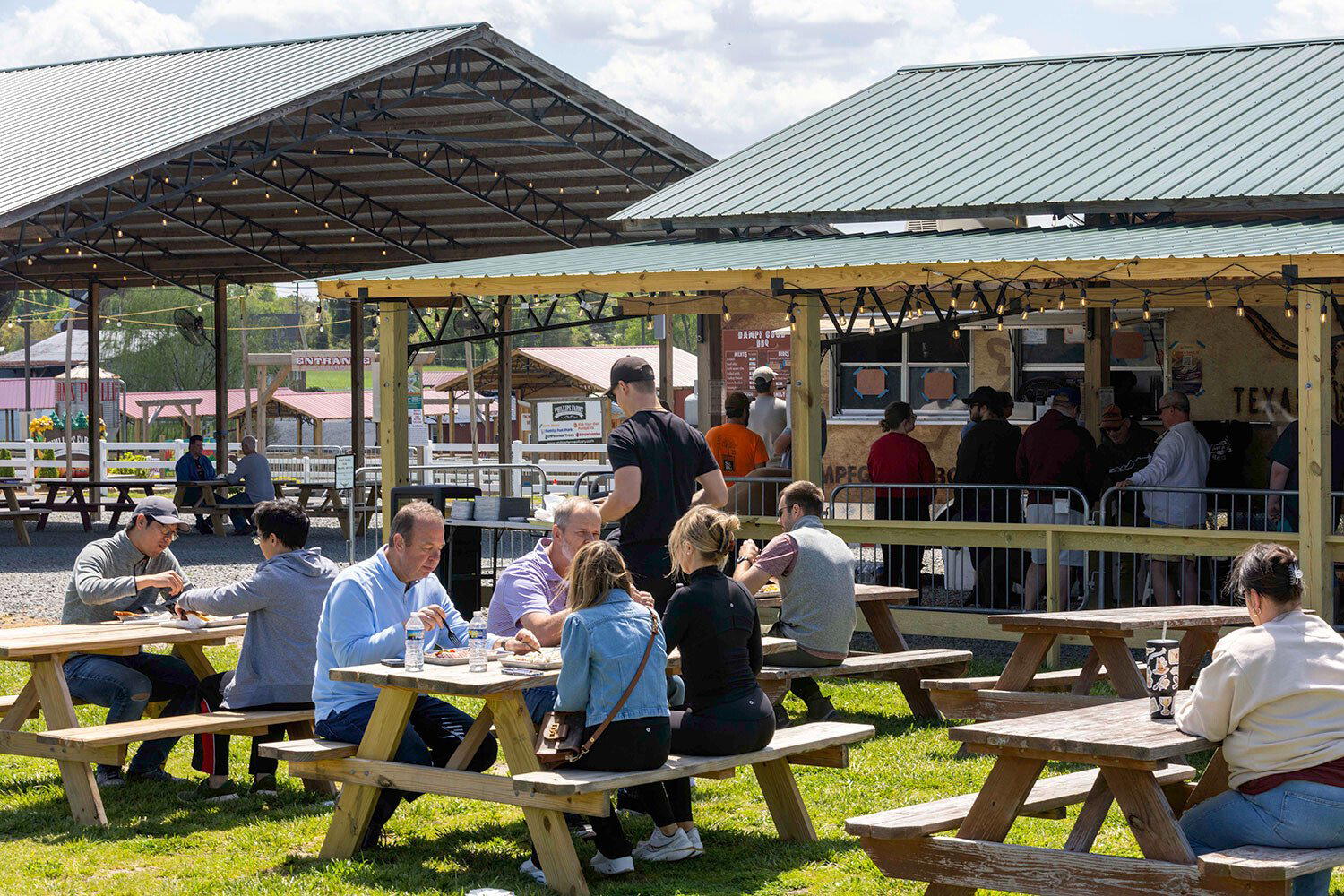
To understand Bosphorus Restaurant's position, it helps to map the Cary dining scene briefly. The town's restaurant stock runs heavily toward accessible American, barbecue, and a handful of Asian concepts that serve the significant South and East Asian professional communities in the area. Dampf Good BBQ represents the local barbecue tradition at a no-frills price point, while Herons at the Umstead Hotel operates at the opposite end of the formality register, with Southern Cuisine reframed through fine dining technique. Brewery Bhavana at Fenton represents a newer wave of destination-style concepts anchoring the town's revitalized retail districts. Gonza Tacos y Tequila adds a Mexican register. What is notably thinner on the ground is serious Middle Eastern or Turkish cooking, which places Bosphorus in a relatively uncrowded category locally.
That positioning matters for a practical reason: when a cuisine is underrepresented in a market, a single restaurant effectively sets the reference point for what that cuisine is. This is a different kind of pressure than operating in a saturated category, and it tends to reward restaurants that commit to specificity rather than defaulting to a generalized pan-Mediterranean menu designed to reassure unfamiliar diners. The Turkish dining tradition is specific enough, and distinctive enough from Greek and Lebanese cooking, that it rewards that kind of commitment.
Planning Your Visit to 329 N Harrison Avenue
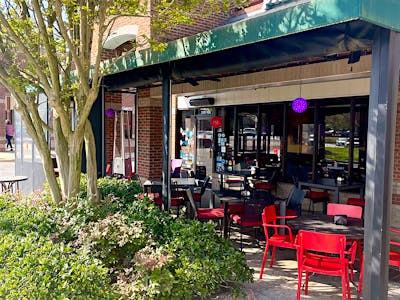
Bosphorus Restaurant is at 329 N Harrison Avenue, Suite A, in Cary, NC 27513, a commercial strip address with the practical advantages of accessibility and parking that suburban dining rooms typically offer over denser urban environments. For anyone coming from central Raleigh or Durham, North Harrison Avenue is a direct drive, and the suite format suggests a shopping-center or retail-plaza setting, which is typical for independent international restaurants in this part of the Triangle that have found their footing in affordable commercial real estate rather than high-rent destination corridors.
For readers who use Bosphorus as a starting point for thinking about Turkish and Eastern Mediterranean cooking more broadly, the tradition connects to a wider conversation about ingredient-driven cooking that is happening at very different scales across American dining. Single Thread Farm in Healdsburg and Providence in Los Angeles represent the high-formality end of sourcing-first American cooking, while Addison in San Diego and The Inn at Little Washington show how regional identity can anchor fine dining ambitions. The underlying logic, that knowing where your ingredients come from changes what you can do with them, applies as much to a Turkish kitchen in Cary as it does to any of those larger-stage operations.
Frequently asked questions
Would Bosphorus Restaurant be comfortable with kids?
Bosphorus Restaurant is located in a commercial strip space at 329 N Harrison Avenue, Suite A — a format that typically seats mixed groups without the hushed formality of a fine-dining room. Eastern Mediterranean menus generally offer familiar proteins, flatbreads, and rice dishes that tend to work across age ranges.
Is Bosphorus Restaurant better for a quiet night or a lively one?
The address on N Harrison Avenue in Cary places it in a commercial suite strip rather than a high-traffic entertainment corridor, which usually means a more relaxed dining tempo than a downtown room. Eastern Mediterranean restaurants in this format tend toward neighborhood-local energy: conversational rather than loud, unhurried rather than buzzy. It reads more as a weeknight dinner option than a scene.
Is Bosphorus Restaurant in Cary one of the few Eastern Mediterranean options in the Research Triangle?
The Research Triangle's restaurant scene has grown considerably over the past decade, but dedicated Eastern Mediterranean dining remains a narrower category compared to the area's wider Asian and Latin offerings. Bosphorus Restaurant at 329 N Harrison Avenue, Cary occupies a relatively open lane in that local context, serving a cuisine tradition that spans Turkish, Levantine, and Aegean influences. For Cary residents specifically, it represents one of the closer-to-home options in that category without driving into Raleigh or Durham.
What's the must-try dish at Bosphorus Restaurant?
Eastern Mediterranean kitchens in this region frequently anchor their menus around grilled meats, mezze spreads, and slow-cooked legume dishes — checking directly with the restaurant before your visit will get you the most reliable current picture.
What part of town is Bosphorus Restaurant in?
Bosphorus Restaurant is located at 329 N Harrison Ave Suite A, Cary, NC 27513, Cary.
Can I walk in to Bosphorus Restaurant?
No reservation policy is publicly documented for Bosphorus Restaurant at 329 N Harrison Avenue, Suite A, Cary, NC 27513. For a suburban commercial-strip address like this one, walk-ins are often accommodated outside peak hours, but confirming availability before arriving will save a wasted trip.
At-a-Glance Comparison
| Venue | Cuisine | Price | Awards | Notes |
|---|---|---|---|---|
| Bosphorus RestaurantThis venue — the venue you are viewing | Authentic Turkish & Mediterranean | $10–20 | Not listed | Not listed |
| Herons | Modern American Fine Dining | Not listed | Michelin Plate · La Liste Top Restaurants | Southern Cuisine |
| Dampf Good BBQ | Texas-Style BBQ | $20–30 | Michelin Plate | Barbecue |
| The Umstead Hotel & Spa | Progressive American Regional Fine Dining | $150–200 | World's Best Wine Lists Awards WBWL 3-Star | Not listed |
| Brewery Bhavana - Fenton | Dim Sum & Craft Beer | $30–50 | Not listed | Not listed |

Details
- Classic
- Cozy
- Rustic
- Casual Hangout
- Family
- Group Dining
- Standalone
- A La Carte
- Vegetarian Friendly
- Vegan Options
- Gluten Free Options
- Halal
Current opening hours
- Monday
- Closed
- Tuesday
- 11 AM–9 PM
- Wednesday
- 11 AM–9 PM
- Thursday
- 11 AM–9 PM
- Friday
- 11 AM–9 PM
- Saturday
- 11 AM–9 PM
- Sunday
- 12–9 PM
Hours can change for holidays and private events. Last verified .
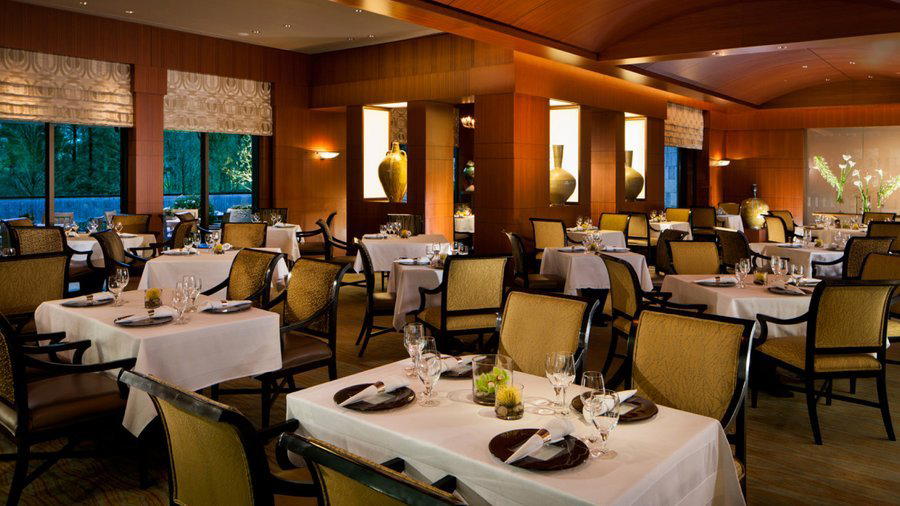
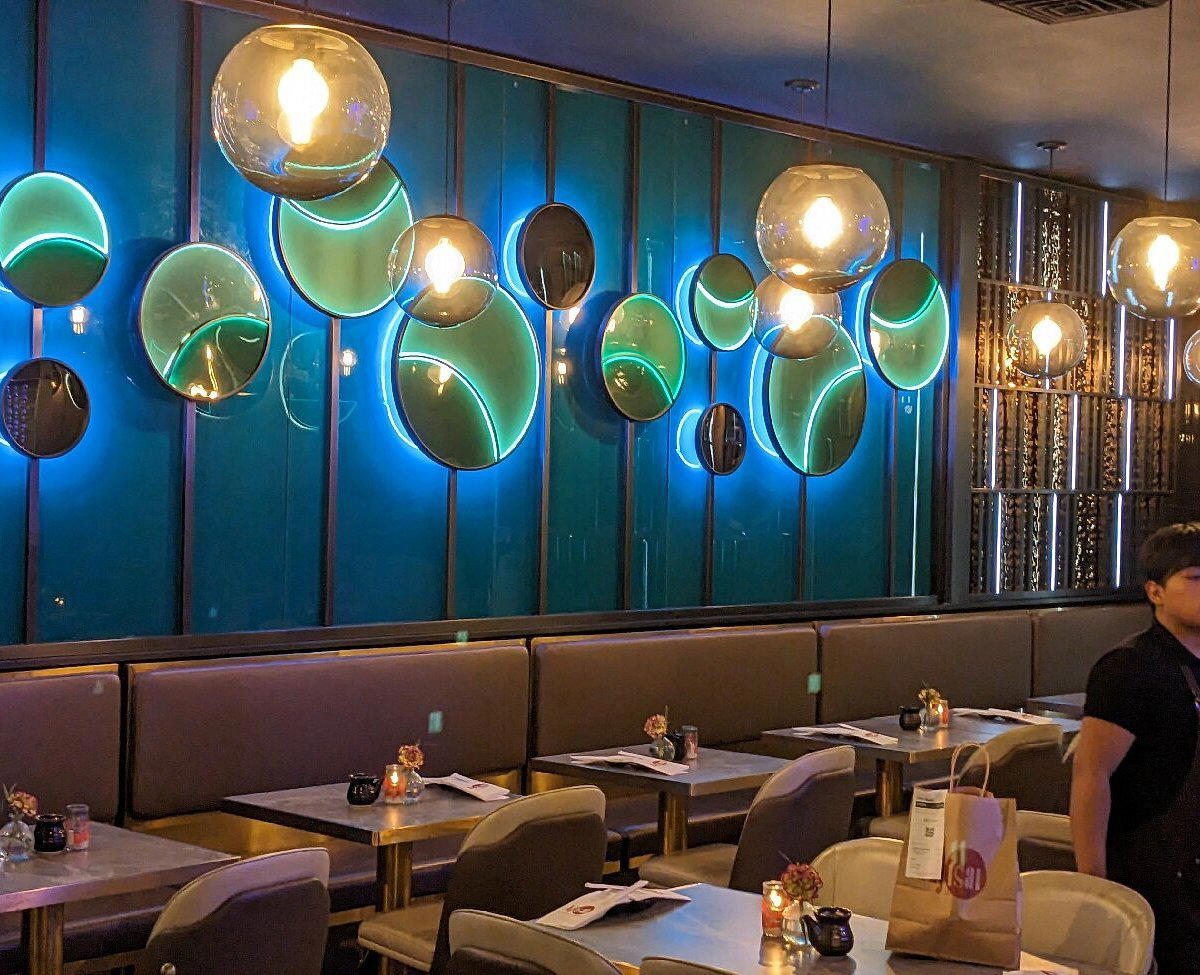
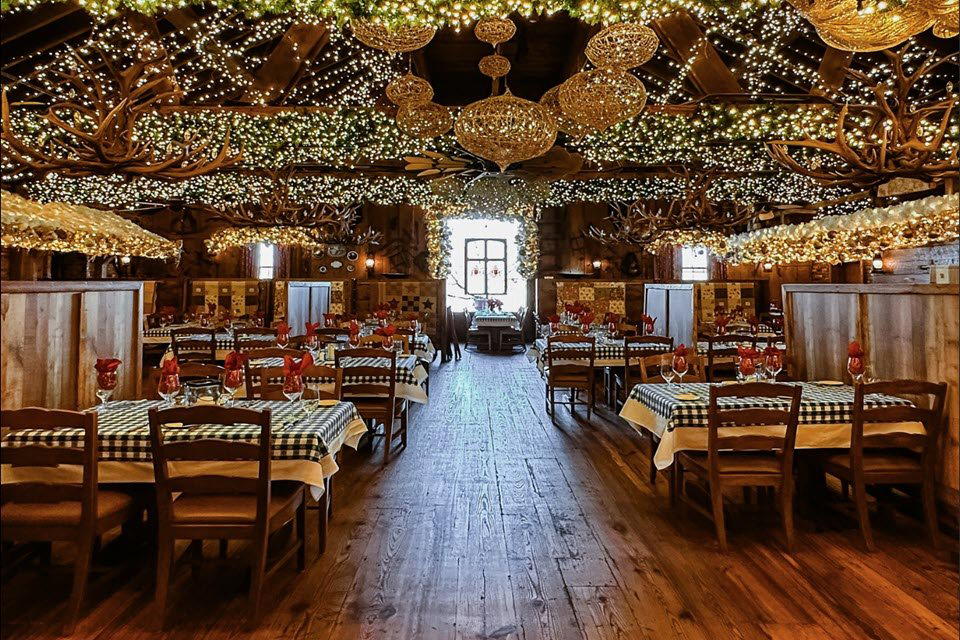
Warm and welcoming family-run sanctuary with soulful ambiance reflecting Turkish hospitality and tradition.