Gelato in a University City: What Uppsala's Appetite for the Craft Reveals Sparrisgatan sits in a quieter residential corridor of Uppsala, a street that sees foot traffic from locals rather than tourists working through a checklist. The address...
 Discover on Pearl
Pearl is the En Primeur Club membership app — saves, bookings, and concierge access live there. Same editors, same standards.
- Address
- Sparrisgatan 3a, 754 46 Uppsala, Sweden
- Phone
- +46769450817
- Website
- uppsalagelateria.se
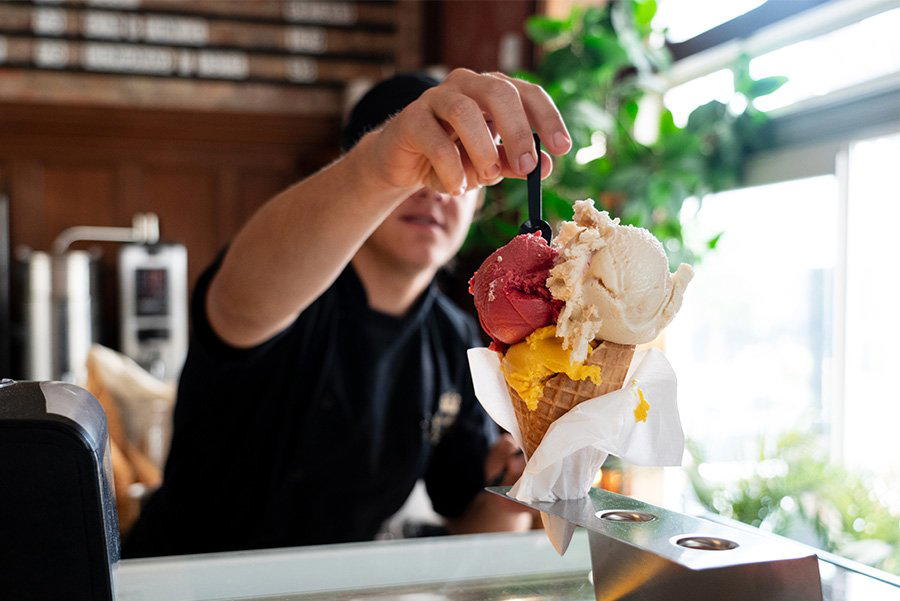
Gelato in a University City: What Uppsala's Appetite for the Craft Reveals
Sparrisgatan sits in a quieter residential corridor of Uppsala, a street that sees foot traffic from locals rather than tourists working through a checklist. The address at number 3a places Uppsala Gelateria within walking distance of the city's everyday rhythms, students, families, and the kind of afternoon pedestrian pace that Uppsala sustains even when Stockholm, forty minutes south, is humming at full volume. Arriving here, the proposition is clear before you step inside: this is a neighbourhood-scale operation in a city that has, in recent years, developed a noticeably more considered food culture. Uppsala Gelateria is a casual Italian gelato shop in Uppsala, Sweden, with a 4.7 Google rating.
Uppsala's dining scene has expanded well beyond its historic university-town identity. Alongside more formal restaurants such as Aaltos Italian Grill & Garden, Brezza, and Dryck & Mat, a layer of casual specialists has taken hold, the kind of producers who care about ingredient origin in ways that once belonged exclusively to fine dining. Uppsala Gelateria fits that pattern. Gelato, done at any serious level, is less about technique alone and more about what goes into it: the fat content of the dairy, the provenance of fruit, the choice between fresh and stabilised bases. In that sense, a gelateria is one of the most ingredient-transparent formats in food retail. There is nowhere to hide a weak source.
The Sourcing Argument at the Heart of Serious Gelato
Across Scandinavia, the strongest gelato and ice cream producers have aligned themselves with the region's broader shift toward traceable ingredients. That movement has roots in the New Nordic wave that put places like Frantzén in Stockholm and Vollmers in Malmö on international maps, but its influence has filtered into less formal categories. A gelato producer operating in Uppsala in this environment is, whether explicitly or not, operating in the context of a regional food culture that scrutinises provenance.
Good gelato is built on dairy with enough character to carry flavour, typically higher-fat milk or cream from breeds and farms that prioritise quality over yield. Fruit flavours depend almost entirely on the quality of the base ingredient: an undersourced strawberry produces a flat, one-dimensional result regardless of how competently it is processed. Swedish summers are short but produce berries, lingonberry, cloudberry, black currant, with concentrated acidity and depth that perform unusually well in frozen applications. Whether Uppsala Gelateria draws on regional fruit specifically, the surrounding agricultural context of Uppland, a region with dairy farming and summer berry harvests within reasonable proximity, makes local sourcing a plausible part of the operation's identity. This is the kind of detail that separates a gelateria with a point of view from one that sources generic commodity inputs.
The same logic applies to nut pastes, vanilla, and chocolate, categories where the distance between commodity and specialist-grade product is significant and directly legible in the finished scoop. Italian-trained producers, and those who have studied under Italian masters, tend to approach these inputs with specificity: particular hazelnut origins, single-origin cacao, Madagascar versus Tahitian vanilla. Scandinavian gelaterie that operate at a serious level have increasingly adopted this framework, placing them in conversation with producers in Bologna, Florence, and Rome rather than with the soft-serve chains that dominate the mid-market everywhere.
Uppsala as a Context for Specialist Food Producers
Uppsala is Sweden's fourth-largest city by population and home to one of Scandinavia's oldest universities, founded in 1477. That academic density creates a consumer base with both curiosity and, at least among the faculty and professional class, the economic capacity to support specialist producers. It is a structural condition that has supported serious food retail in university cities across Europe: the sustained presence of an educated, internationally travelled population keeps demand for quality inputs alive even in years when broader economic conditions soften.
The city also benefits from proximity to Stockholm without being absorbed by it. Producers in Uppsala occupy a distinct local market rather than competing directly with the concentration of food operators in the capital. For a gelateria, that positioning matters: it allows for a loyal repeat customer base, the lifeblood of any operation selling a daily-consumption product, rather than dependence on tourist volumes that can fluctuate sharply. Compare this to the situation facing food operators at high-traffic Stockholm locations, where the pressure to scale and standardise is constant. Uppsala's pace suits a small-production model.
Other Uppsala restaurants reflect this dynamic. Bryggeriet Ångkvarn and Faraos Falafel both operate as local institutions rather than outposts of a wider hospitality trend, serving regular customers within walking or cycling distance. That model of embedded neighbourhood operation is, in a real sense, the foundation that allows a specialist gelateria to sustain itself.
Where Uppsala Gelateria Sits in a Wider Swedish Conversation
Sweden's premium food scene is geographically distributed in ways that can surprise visitors expecting concentration in the major cities. Michelin-recognised operations exist in towns such as VYN in Simrishamn, ÄNG in Tvååker, and Knystaforsen in Rydöbruk, alongside well-regarded city restaurants like Signum in Mölnlycke, 28+ in Gothenburg, PM & Vänner in Växjö, Adrian Restaurang in Borås, and Brasserie Park in Jönköping. This distribution signals that Swedish food culture has matured beyond the capital-centric model. A gelateria operating at a specialist level in Uppsala participates in that distributed quality, even at a very different price point and format than a tasting-menu restaurant.
The format comparison is worth making. In the way that Le Bernardin in New York City or Atomix in New York City represent the disciplined, ingredient-obsessed end of restaurant formats, a specialist gelateria represents something analogous at the other end of the price register: small production runs, daily batching, ingredient selection that drives the menu rather than the other way around. The structural commitment to quality is comparable even when the price per serving is not.
Planning a Visit
Uppsala Gelateria is located at Sparrisgatan 3a, 754 46 Uppsala. Uppsala is directly connected to Stockholm Central by frequent rail service, with journey times typically under forty-five minutes, making it viable as a day visit from the capital. The gelateria's position on Sparrisgatan places it within the residential fabric of the city rather than on a primary tourist corridor, which means visitors should plan the address in advance rather than expecting to stumble upon it. Uppsala Gelateria is open Thursday through Sunday from 10 AM to 6 PM and closed Monday through Wednesday.
How It Stacks Up
Comparable venues nearby, for context on price, style, and recognition.
| Venue | Cuisine | Price | Awards | Notes |
|---|---|---|---|---|
| Uppsala GelateriaThis venue — the venue you are viewing | Authentic Italian Gelato | $ | , | |
| Bryggeriet Ångkvarn | Swedish Gastropub | $$ | , | City Center |
| Villa Anna | Modern European Fine Dining | $$$ | 1 recognition | Old Town |
| La Ruelle | French Bistro with Swedish Touch | $$$ | 1 recognition | Centre Uppsala |
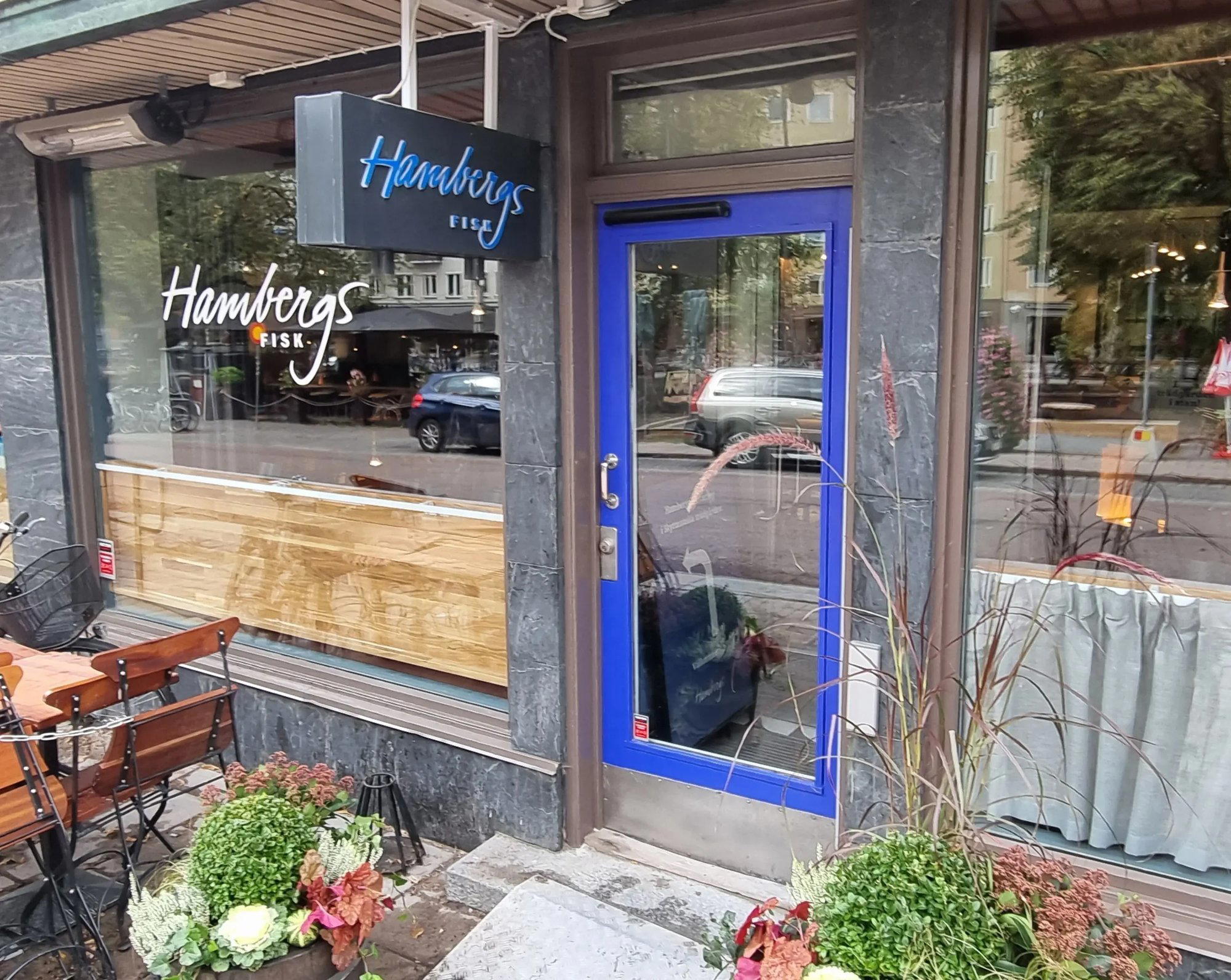
| Hambergs Fisk | Nordic Seafood & Oyster Bar | $$$$ | 1 recognition | City Centre |
| Aaltos Italian Grill & Garden | Italian Grill & Garden | $$ | 1 recognition | Old Town |
Continue exploring
More in Uppsala
Restaurants in Uppsala
Browse all →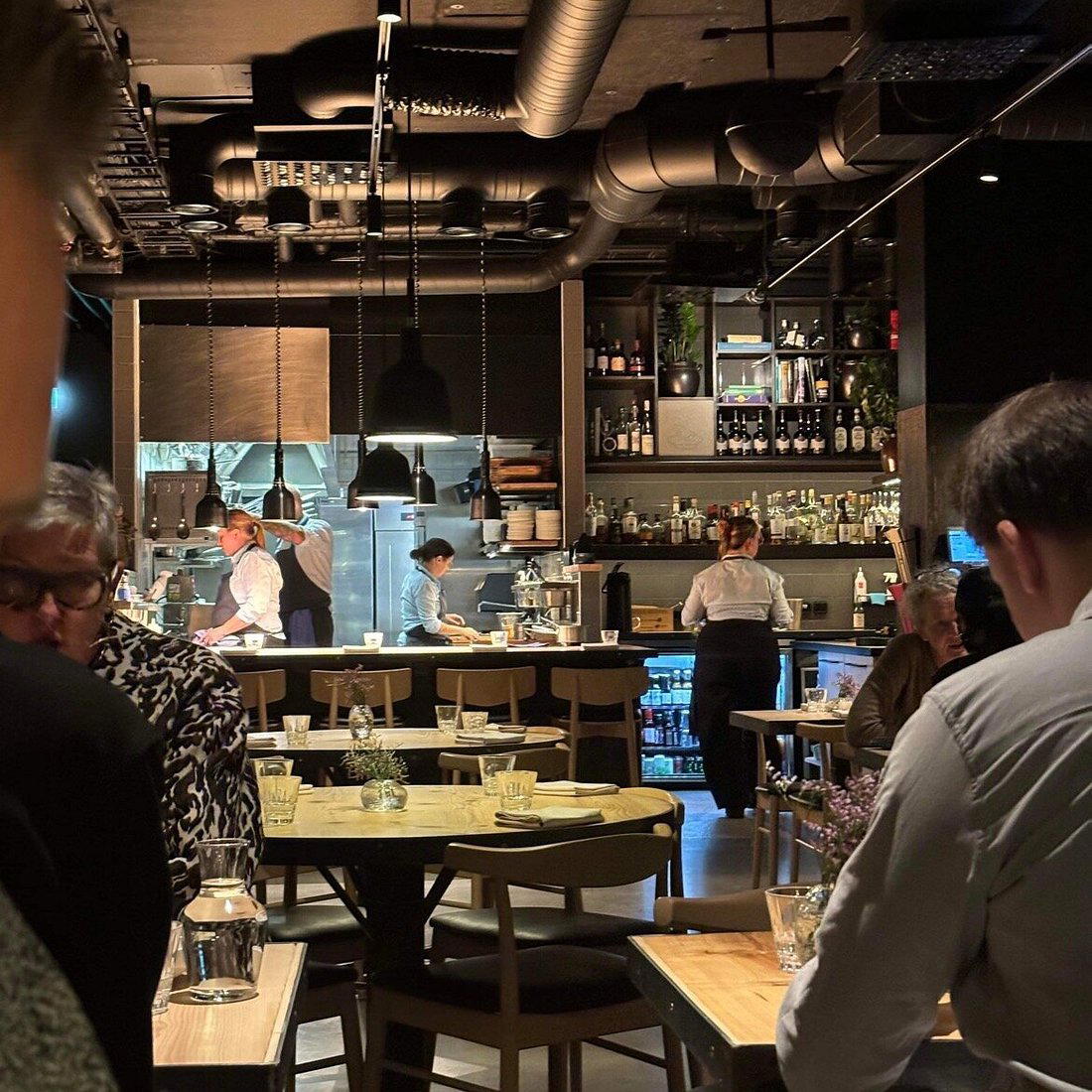
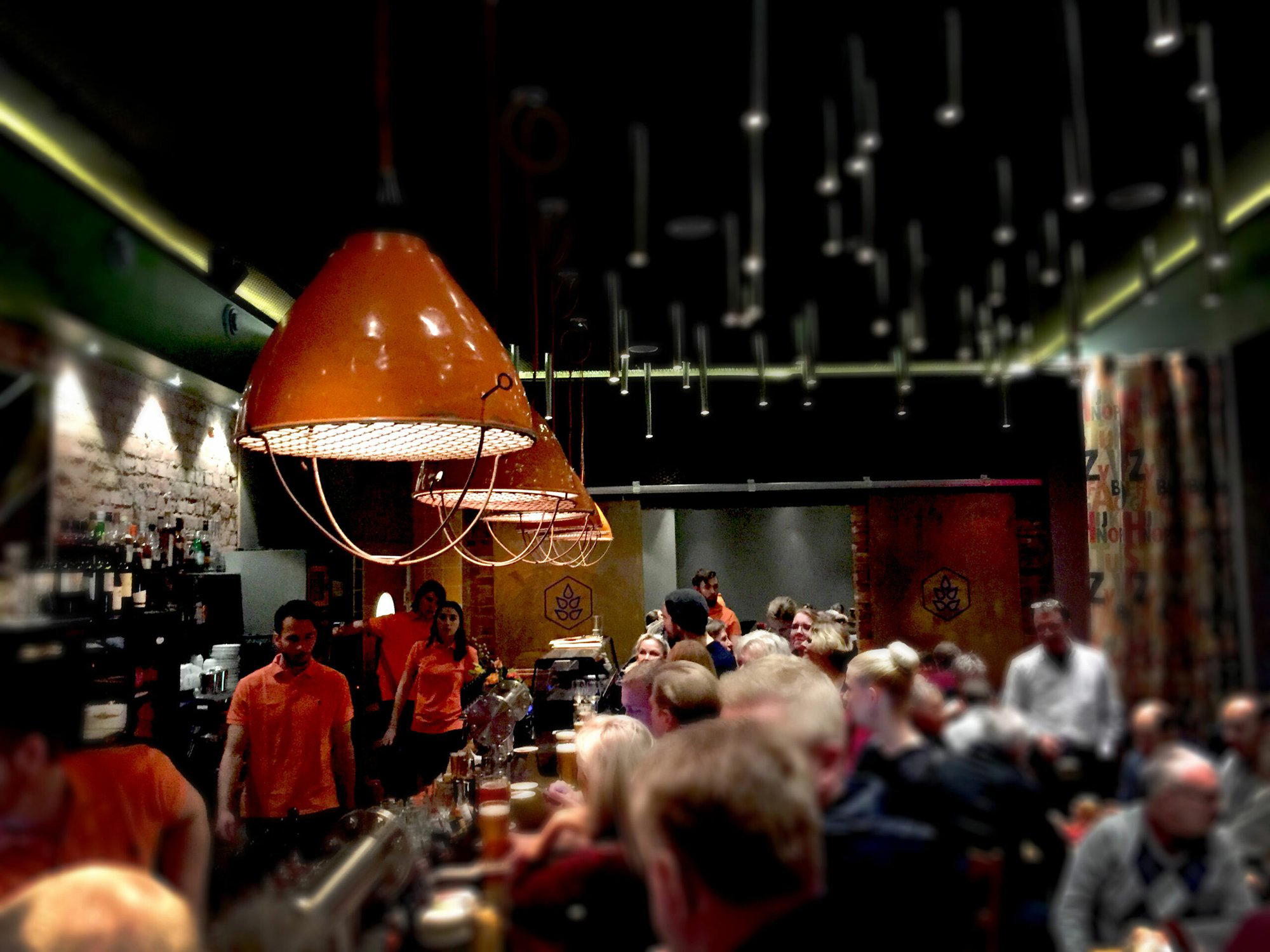
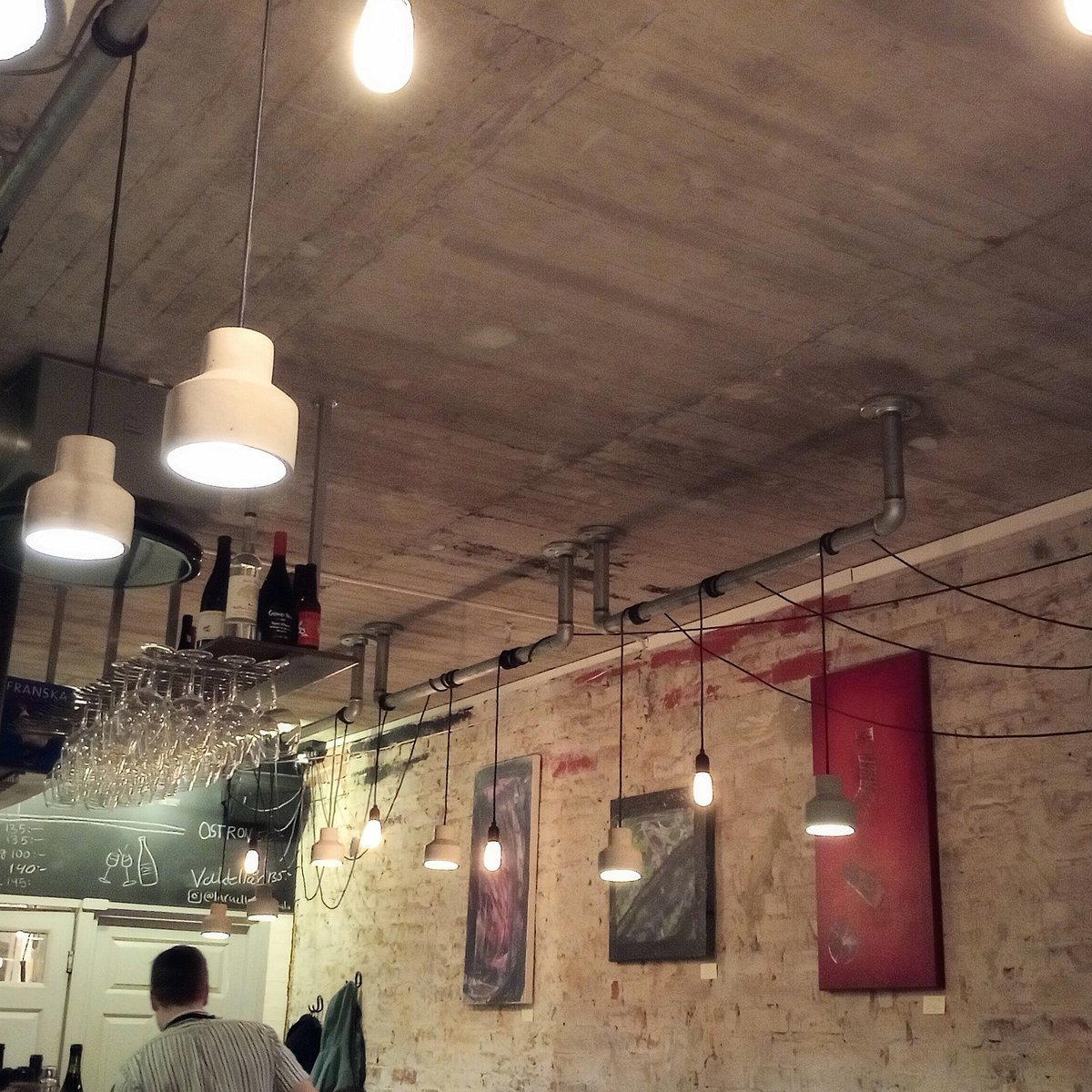
Bars in Uppsala
Browse all →

Hotels in Uppsala
Browse all →
At a Glance
- Cozy
- Trendy
- Casual Hangout
Trivsam (cozy and pleasant) environment with indoor seating and an outdoor altan (deck).