A brewpub occupying a converted riverside mill on Östra Ågatan, Bryggeriet Ångkvarn sits at the point where Uppsala's craft brewing culture meets its appetite for locally sourced food. The industrial bones of the old steam mill provide the setting for a meal that tracks the agricultural rhythms of central Sweden, making it a sensible address for anyone after substance rather than spectacle.
Pearl is the En Primeur Club membership app — saves, bookings, and concierge access live there. Same editors, same standards.
- Address
- Östra Ågatan 59, 753 22 Uppsala, Sweden
- Phone
- +46184180200
- Website
- bryggerietangkvarn.se
- Directions
- Get directions
 Saves & bookings on Pearl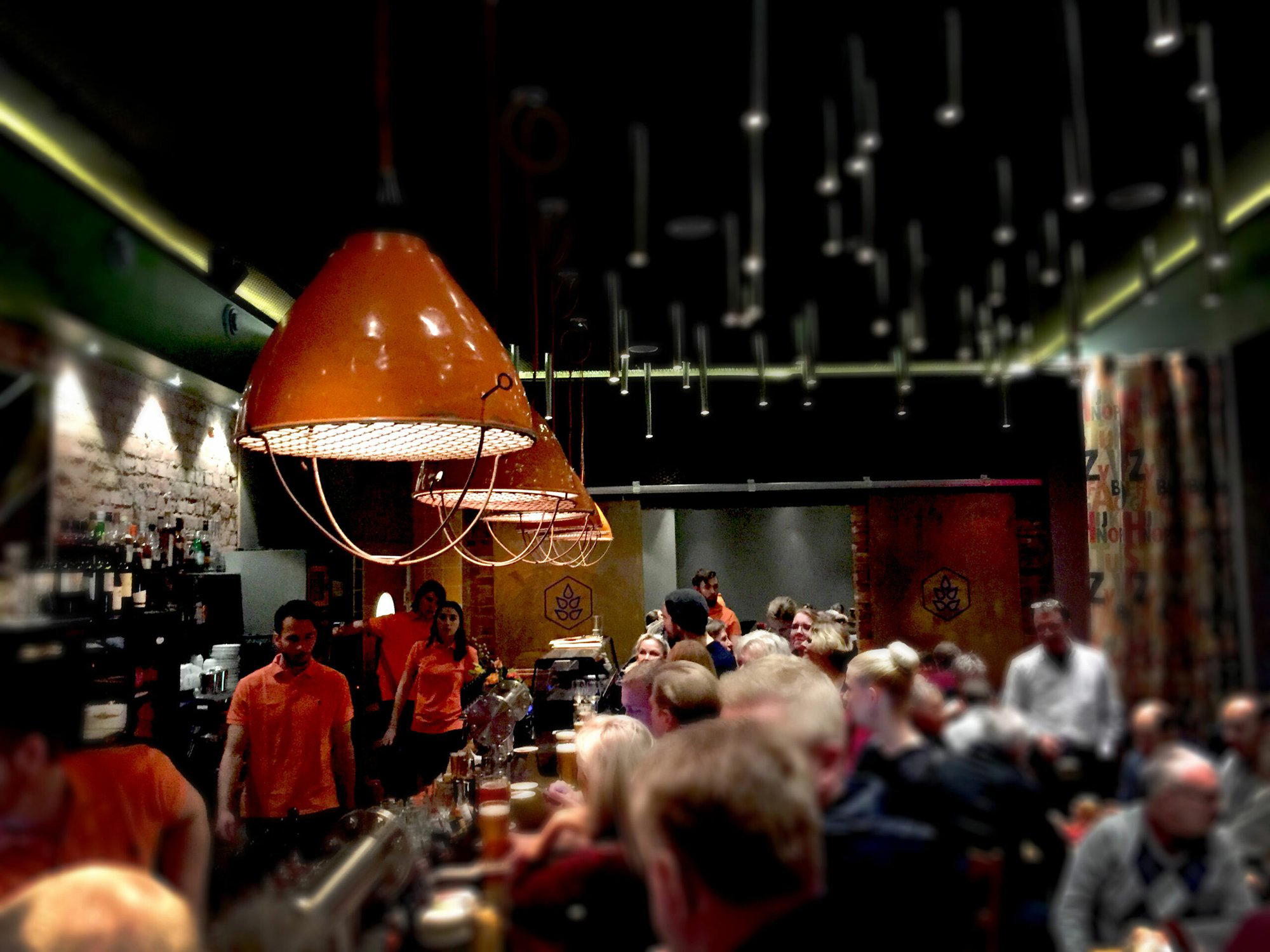
Where the River Meets the Grain
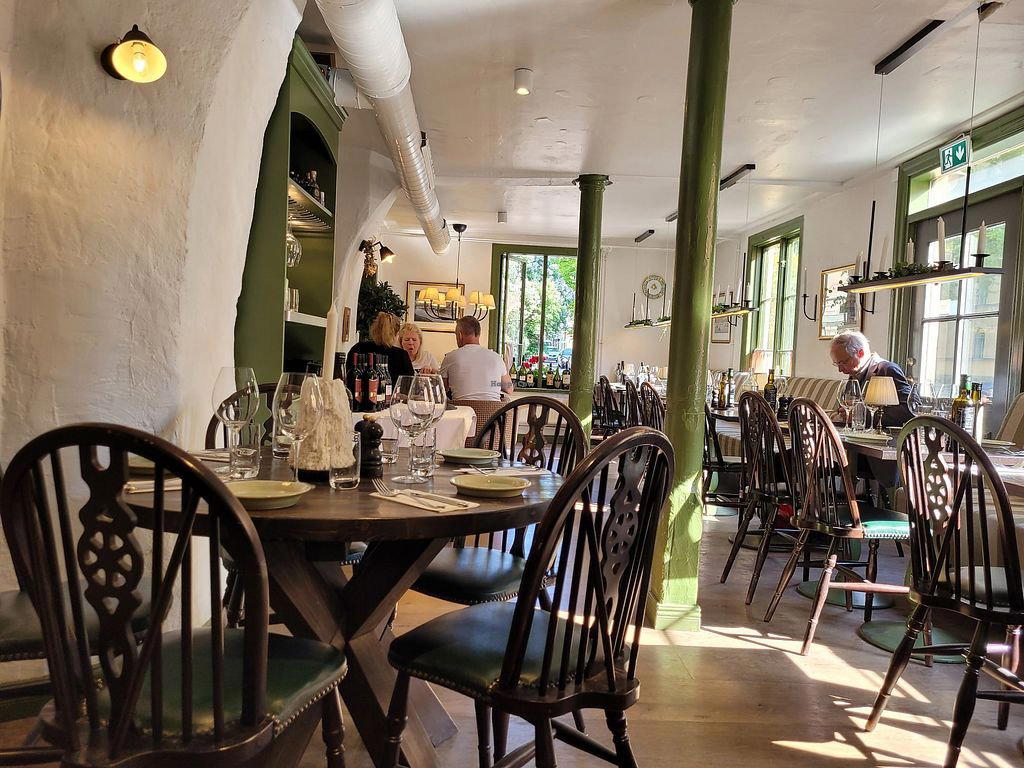
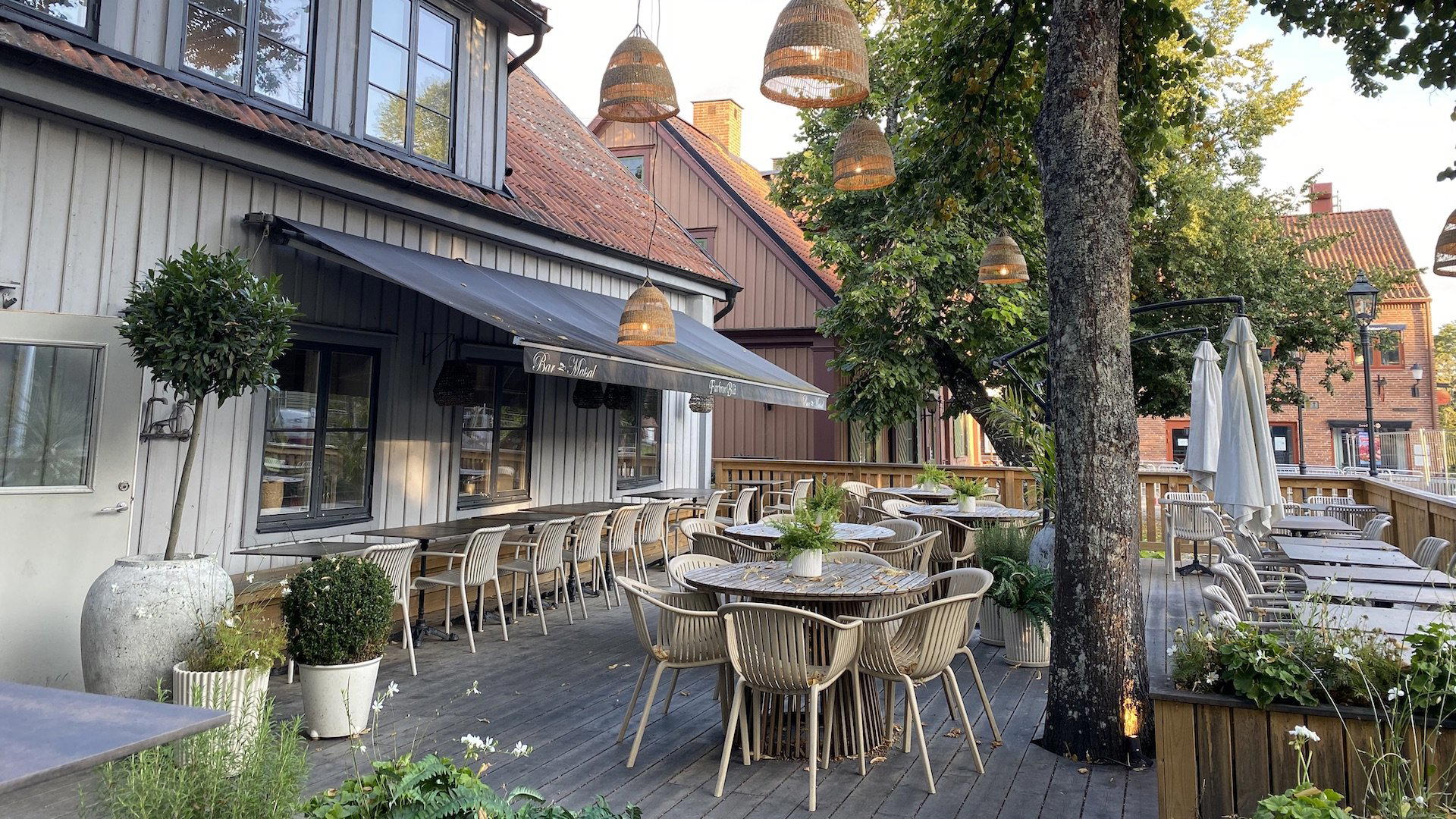
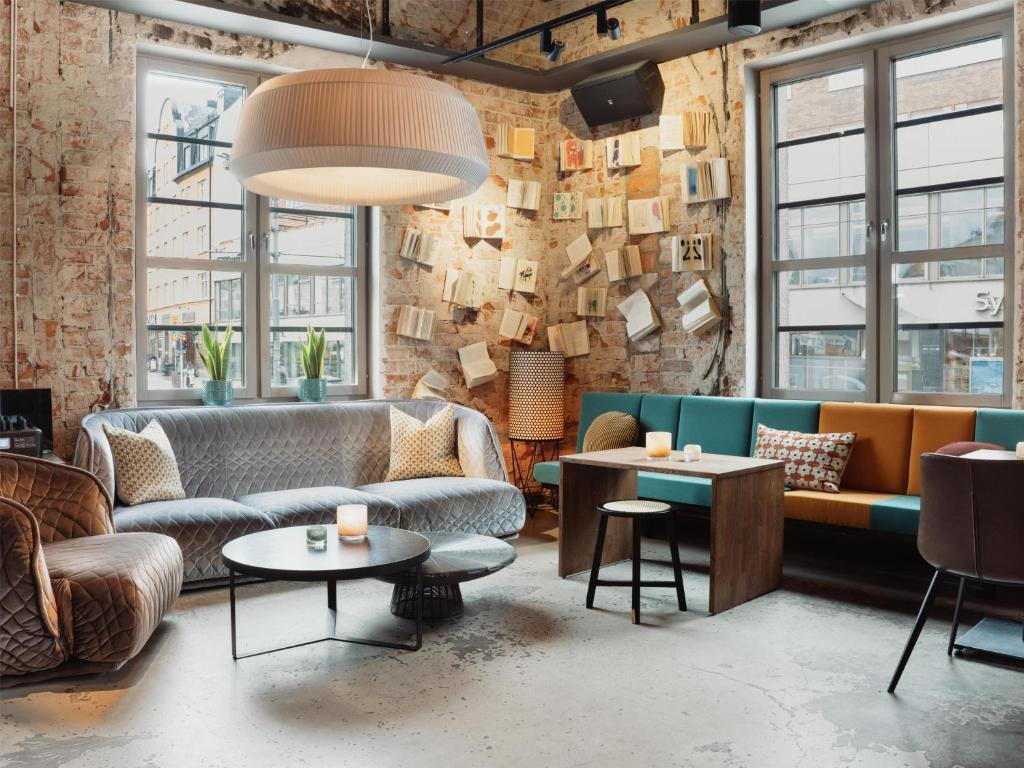
Östra Ågatan runs along the eastern bank of the Fyrisån through central Uppsala, and the stretch near the old mill buildings carries a different character from the cathedral quarter a few hundred metres upstream. The facades here are heavier, more functional, shaped by a century of industrial use rather than ecclesiastical ambition. Bryggeriet Ångkvarn occupies one of these converted spaces at number 59, where the brick and timber structure of a former steam mill creates a physical context that the interior does not attempt to disguise. The exposed materials, the scale of the original building, and the proximity to the water establish the atmosphere before a single plate arrives.
This kind of setting is common enough across northern Europe, where post-industrial conversions have become a default move for hospitality concepts seeking character without the cost of listed historic interiors. What distinguishes Uppsala's version from similar exercises in Stockholm or Gothenburg is the relative intimacy of the city itself. Uppsala has roughly 170,000 residents and a large student population attached to one of Scandinavia's oldest universities, founded in 1477. That combination produces a dining public with range: academics and researchers who eat out regularly, students working within budget, and a professional layer that draws comparison-shoppers from Stockholm, less than an hour south by rail.
Sourcing as the Organising Principle
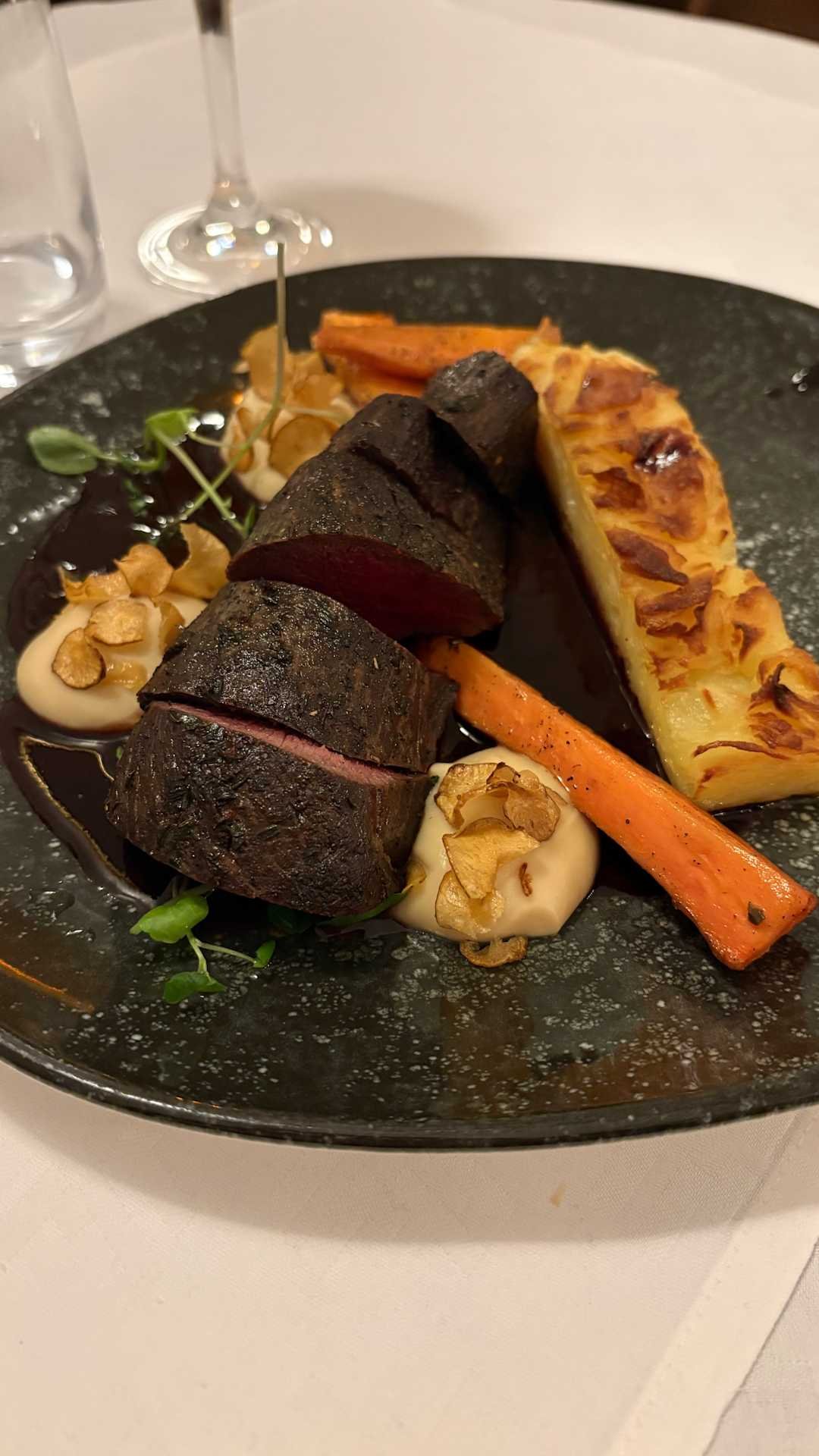
Swedish kitchen culture has moved firmly in the direction of regional provenance over the past decade, and Uppsala sits in a useful position for that story. Central Sweden, specifically the counties of Uppland and Västmanland, produces grain, root vegetables, freshwater fish from the extensive lake systems, and dairy from farms whose supply chains are short enough to make seasonality a practical reality rather than a marketing gesture. The brewery component at Ångkvarn connects directly to that grain culture: brewing beer from locally sourced malt is, in Scandinavian terms, an extension of the same philosophy that shapes a menu built around what the surrounding landscape can actually produce at a given point in the calendar.
This is the logic that separates ingredient-led Swedish restaurants from the decorative version of New Nordic, which became a global export category after Noma's first decade of recognition. In venues like this one, the sourcing argument is built into the physical premise: a mill building, a brewery, a location on a river that historically served as both a transport corridor and a food source. The ingredients do not need to be positioned as premium signals; they are the reason the place exists in the form it does.
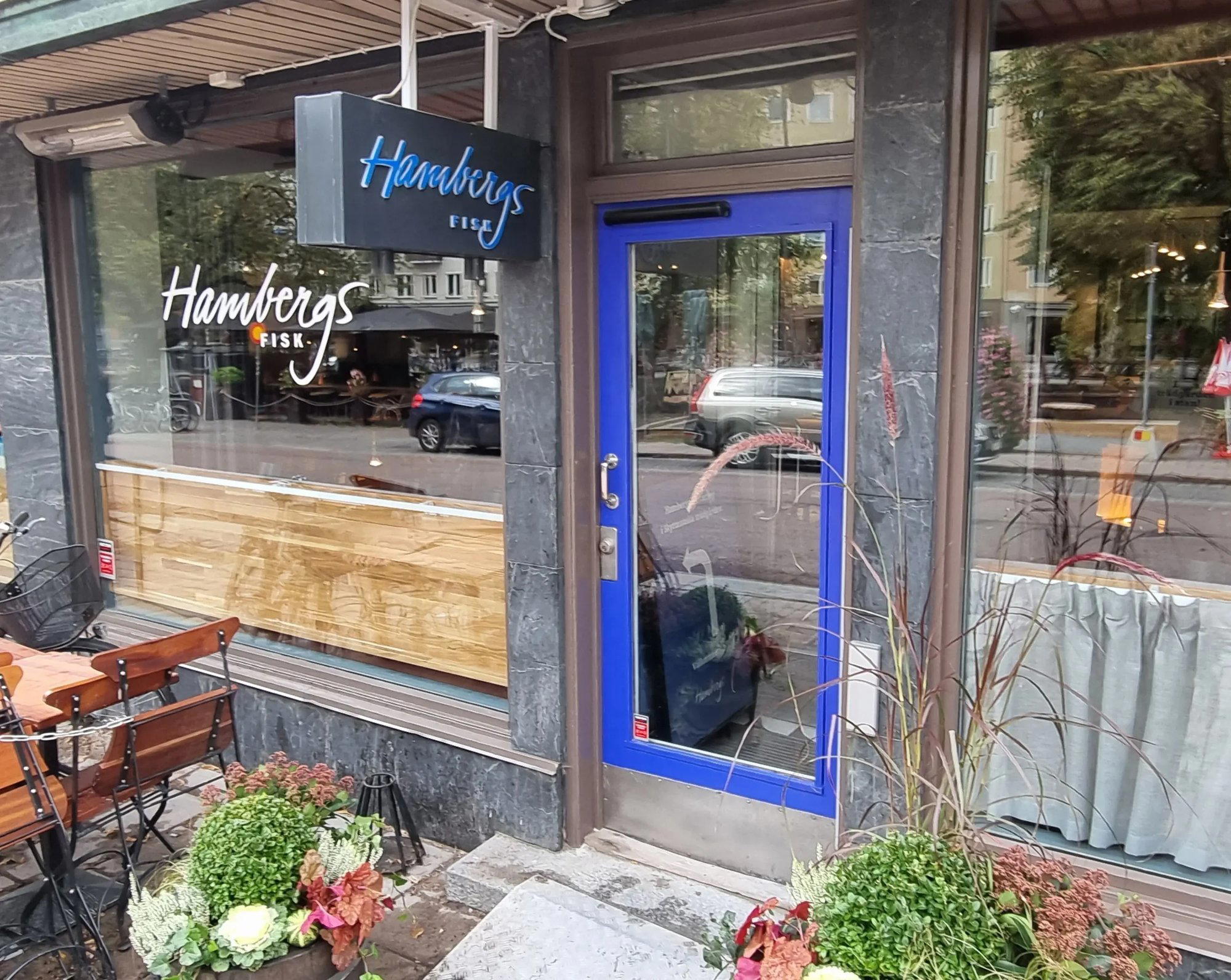
For comparison, Uppsala's wider restaurant offer covers this material differently depending on the venue. Hambergs Fisk approaches the same regional ingredient story through a fish-focused lens, with freshwater and coastal species from Swedish waters. Dryck & Mat pairs its sourcing approach with a drinks program that treats Swedish producers with the same seriousness as the kitchen. Brezza and Aaltos Italian Grill & Garden occupy a different register, drawing on Mediterranean traditions rather than local provenance as their primary frame.
Bryggeriet Ångkvarn in the Swedish Context
To understand where a venue like this sits in the broader Swedish dining picture, it helps to map the category. At the upper tier of Swedish fine dining, the benchmark addresses are concentrated but spread across the country. Vollmers in Malmö and VYN in Simrishamn operate at the level where sourcing and technique converge into award-recognised tasting menus. Signum in Mölnlycke and ÄNG in Tvååker represent the regional-excellence model, drawing destination diners to addresses outside Sweden's three major cities. Knystaforsen in Rydöbruk takes that logic to a more remote conclusion entirely. Frantzén in Stockholm, operating at the highest Michelin level, represents the apex of the Stockholm-anchored tier.
Bryggeriet Ångkvarn does not compete in that tier. Its positioning is closer to a well-executed brewpub with a credible food offer, operating in a city that historically underperforms its population size in terms of destination dining. That is not a criticism; it accurately describes the category where this kind of venue does its leading work. The comparison set includes Hoze in Gothenburg and PM & Vänner in Växjö, both of which operate in mid-sized Swedish cities with similarly distributed audiences. Internationally, the food-led brewpub model has produced serious kitchens at venues like Lazy Bear in San Francisco, though the formats diverge significantly beyond the shared commitment to provenance. For pure technique at scale, Le Bernardin in New York City demonstrates how ingredient sourcing can be taken to its formal extreme, though the reference point is instructive rather than competitive.
Planning a Visit
Uppsala is accessible from Stockholm's central station in approximately 40 minutes by frequent SJ regional rail services, making it a realistic day-trip or evening destination for Stockholm-based visitors. Östra Ågatan is walkable from Uppsala Central station, a journey of around 15 minutes on foot along the river. The address puts the venue within easy reach of other Uppsala options along the same waterfront corridor, including Faraos Falafel for a different price point and format, and Claesgatan 8 in Malmö for those building a wider Sweden itinerary around similar industrial-heritage dining settings. Sydkustens at Pillehill in Skivarp offers a southern Sweden counterpoint for readers building a broader picture of how regional ingredient sourcing works across the country.
Reservations are recommended, and opening hours are Monday closed; Tuesday to Thursday 3 to 10:30 PM, Friday and Saturday 12 PM to 12 AM, and Sunday 12 to 8 PM.
How It Stacks Up
Comparable venues nearby, for context on price, style, and recognition.
| Venue | Cuisine | Price | Notes |
|---|---|---|---|
| Bryggeriet ÅngkvarnThis venue — the venue you are viewing | Swedish Gastropub | $$ | Not listed |
| Il Forno Italiano | Classic Italian Trattoria | $$ | central Uppsala |
| Aaltos Italian Grill & Garden | Italian Grill & Garden | $$ | Old Town |
| Villa Anna | Modern European Fine Dining | $$$ | Old Town |
| Jay Fu's | Amasian Steakhouse | $$$ | S:T Eriks Torg |
| Uppsala Gelateria | Authentic Italian Gelato | $ | Årsta |
At a Glance
- Lively
- Rustic
- Industrial
- Casual Hangout
- After Work
- Late Night
- Open Kitchen
- Historic Building
- Beer Program
- Local Sourcing
Current opening hours
- Monday
- Closed
- Tuesday
- 3–10:30 PM
- Wednesday
- 3–10:30 PM
- Thursday
- 3–10:30 PM
- Friday
- 12 PM–12 AM
- Saturday
- 12 PM–12 AM
- Sunday
- 12–8 PM
Hours can change for holidays and private events. Last verified .
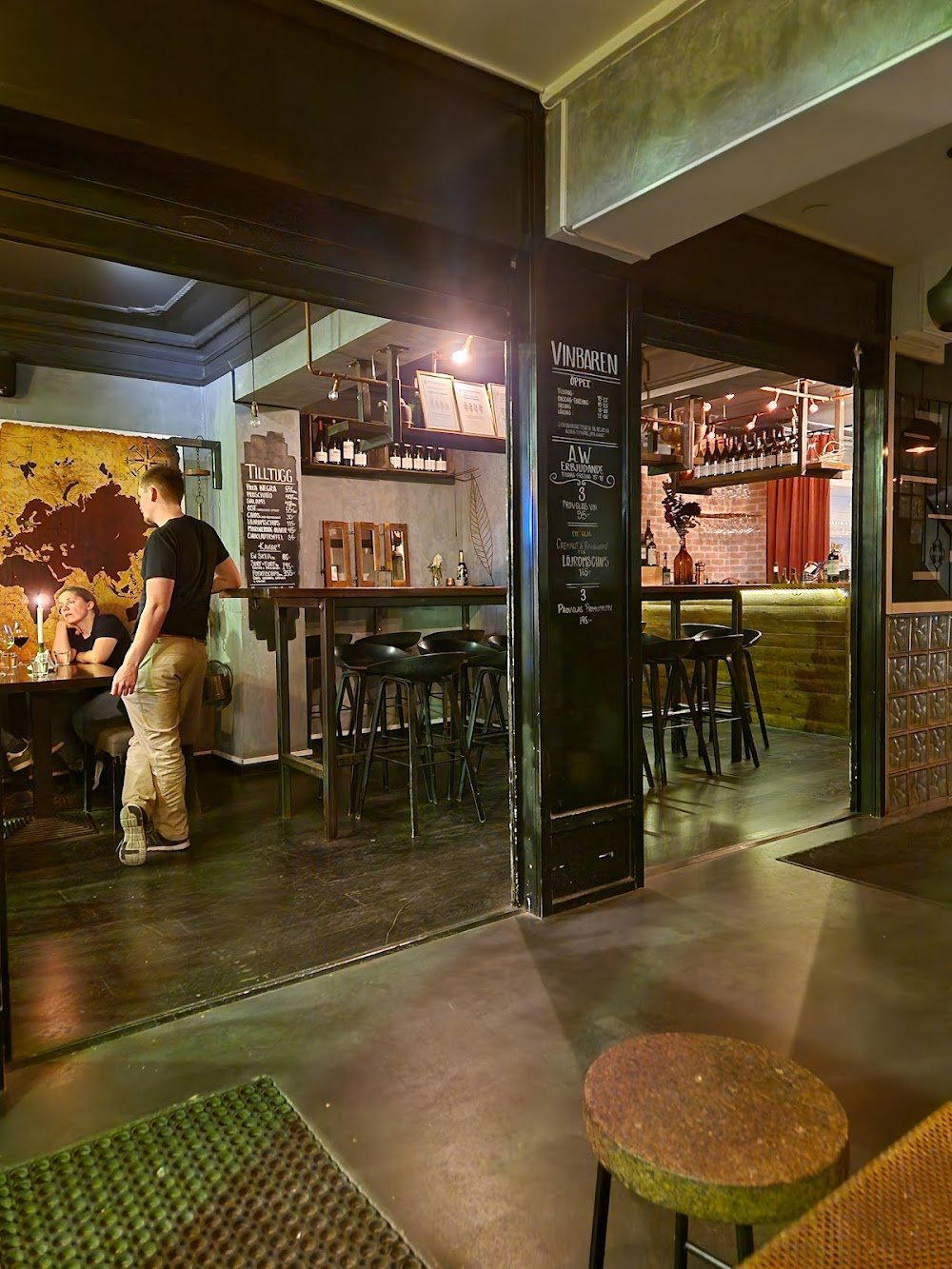
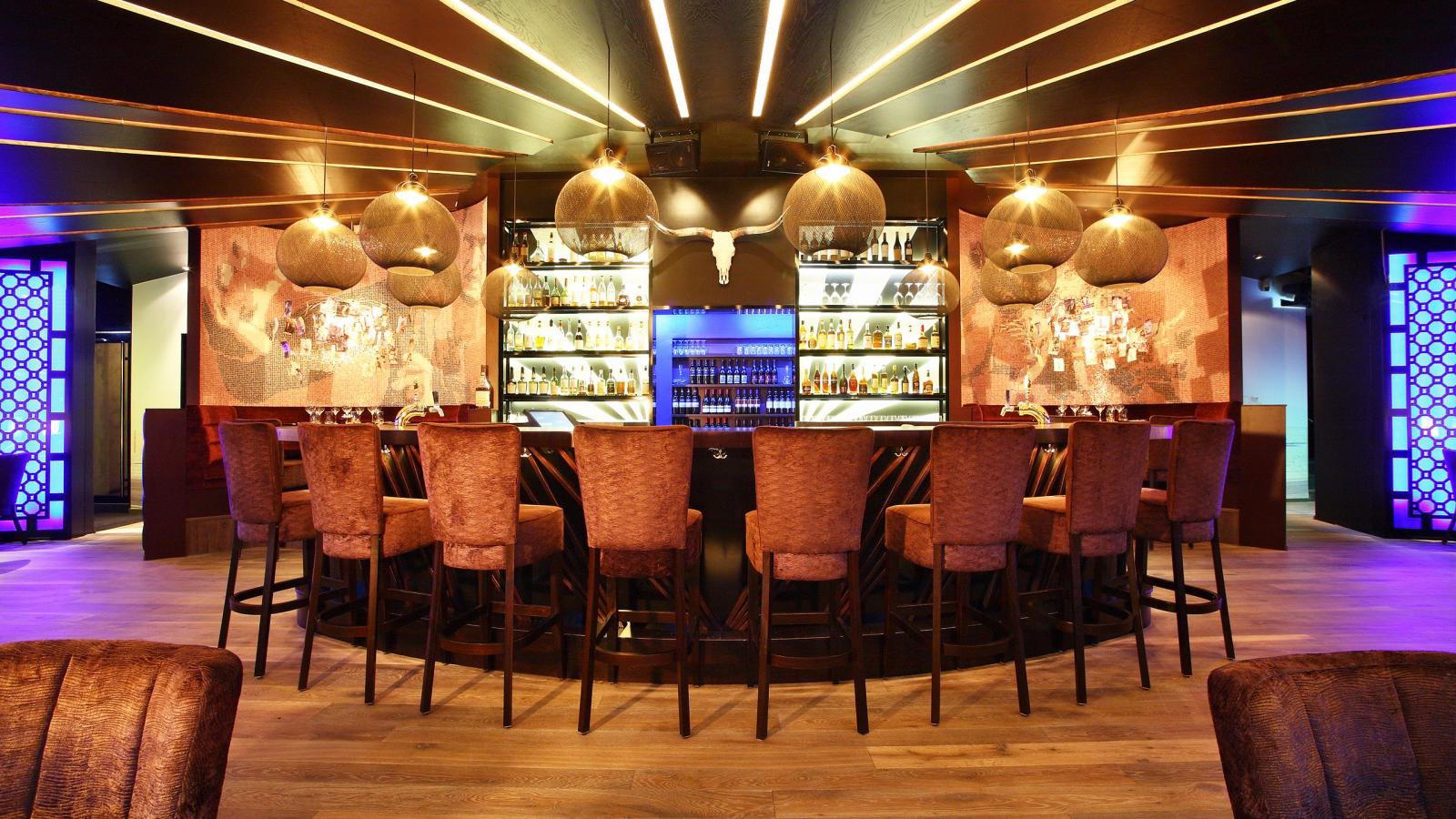
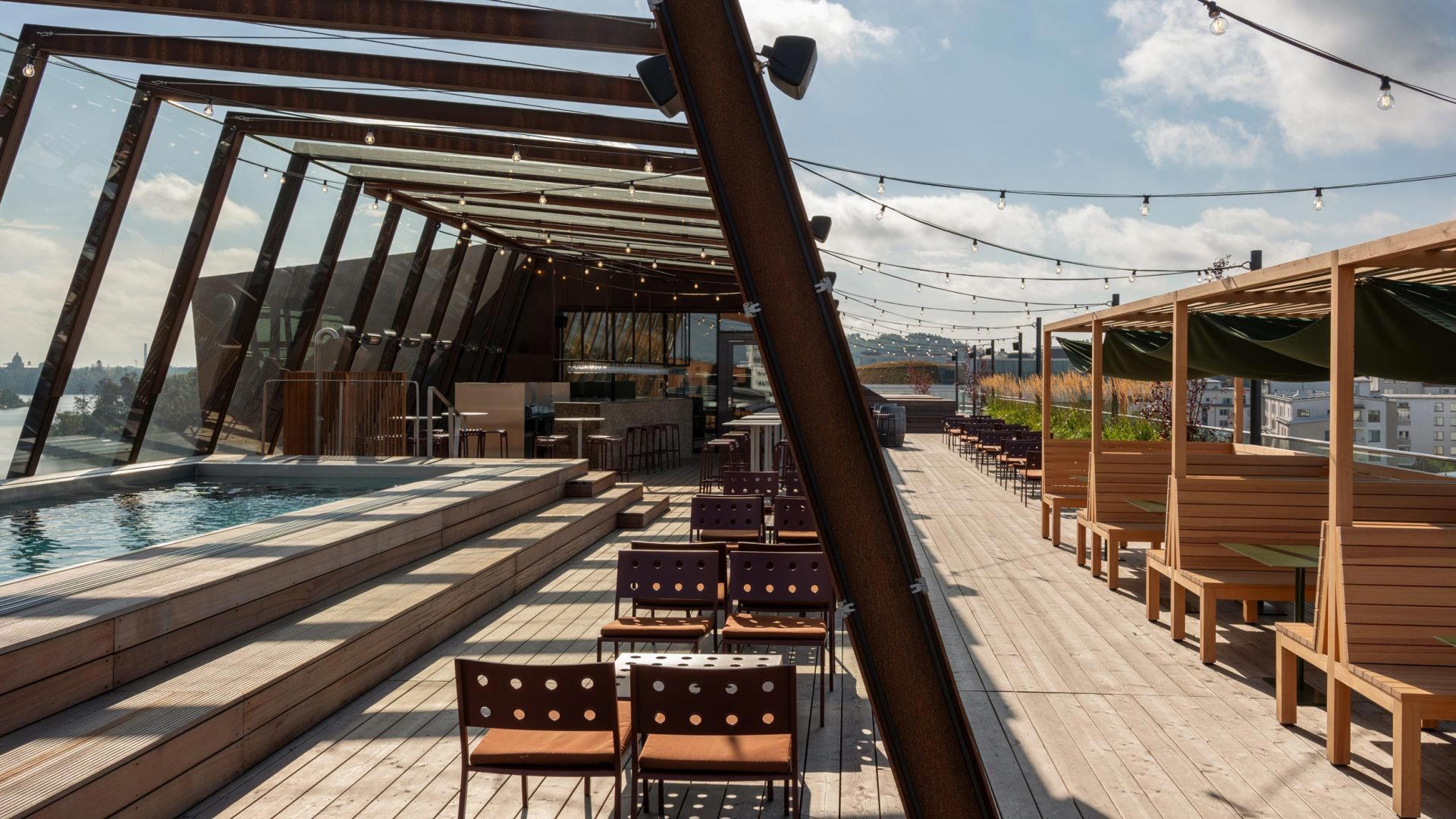
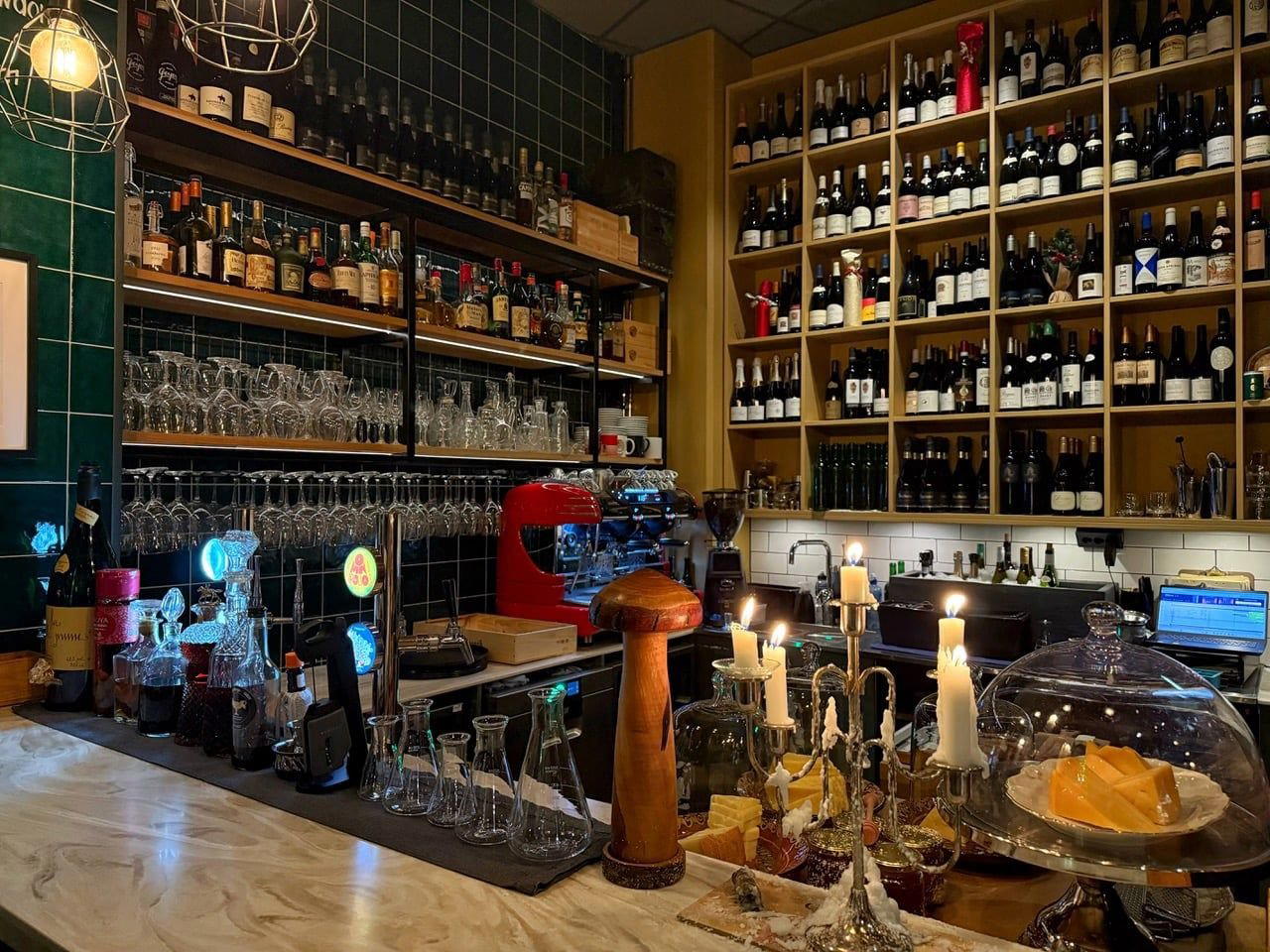
Inviting gastropub atmosphere with brewery behind the bar, rich malt and hops scents during brewing, and a lively pub vibe.