Faraos Falafel is a falafel counter in Uppsala, Sweden, operating within a city dining scene that ranges from Nordic fine dining to casual street-food formats. Falafel has deep roots in the Levantine food tradition and has become among the more widely eaten casual formats across Scandinavian university cities. Practical details including hours and booking information are best confirmed directly with the venue.
Pearl is the En Primeur Club membership app — saves, bookings, and concierge access live there. Same editors, same standards.
- Address
- S
- Phone
- +46730619643
- Website
- faraosfalafel.se
- Directions
- Get directions
 Saves & bookings on Pearl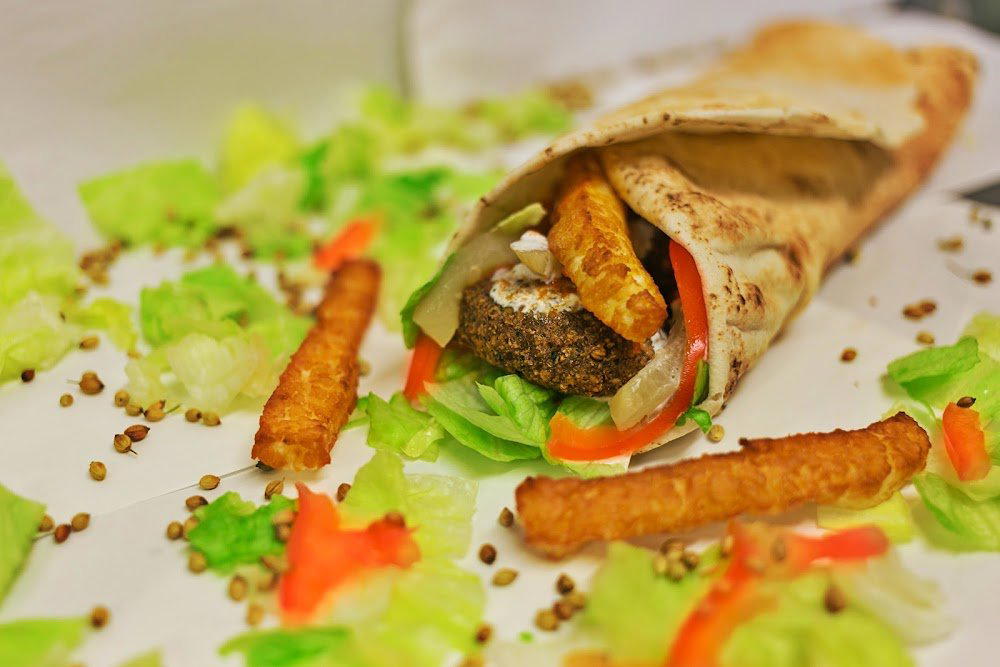
Falafel in a University City: Uppsala's Casual Dining Register
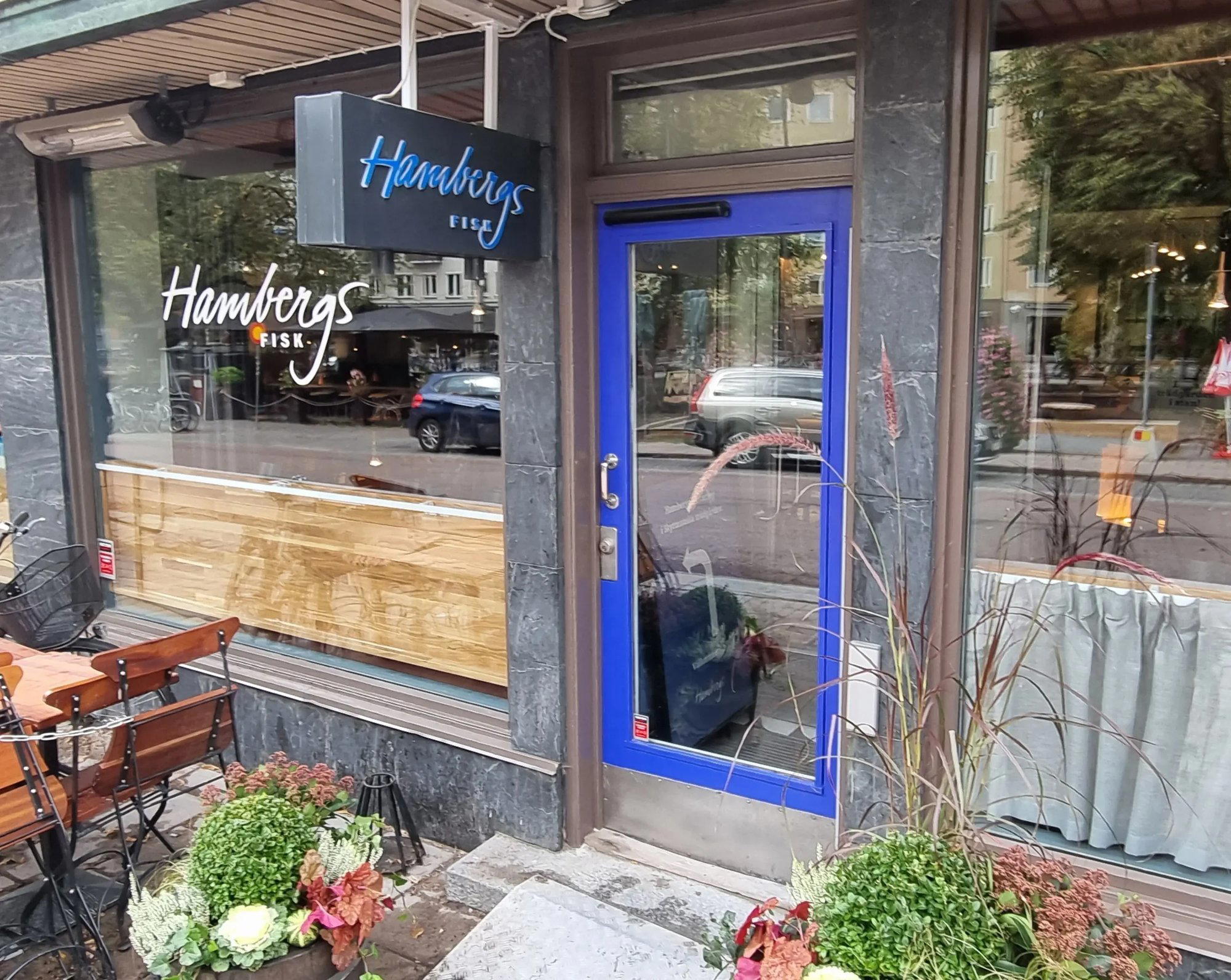
Uppsala's restaurant scene divides fairly cleanly between two registers. On one side sit the white-tablecloth establishments along the Fyris riverbanks, venues like Hambergs Fisk and Bryggeriet Ångkvarn that serve a more formal crowd of academics, visiting researchers, and diners from Stockholm making the 70-kilometre trip north. On the other side sits a dense, fast-moving casual tier shaped largely by the rhythm of Uppsala University, one of Scandinavia's oldest and largest universities, whose roughly 50,000 enrolled students exert a significant gravitational pull on the city's food economy. Faraos Falafel belongs to that second register: the everyday counter-service format that feeds the city between lectures, late into the evening, and across the weekly grind of term time.
That context matters for understanding what a falafel counter in a place like Uppsala actually represents. This is not a niche or novelty format here. Falafel has been part of Swedish street-food culture since the 1970s and 1980s, when Levantine and Middle Eastern immigrant communities established the first counters in Stockholm and Gothenburg. By the 1990s, the format had spread into university towns across the country, and it has remained among the more persistent casual-dining categories in Sweden, showing a staying power that many trendier formats have not managed. In Uppsala specifically, the combination of student density and a relatively compact city centre has produced a casual food culture where falafel counters operate alongside pizza, kebab, and Asian noodle shops as the default weeknight option for a large portion of the population.
The Levantine Tradition Behind the Counter
Falafel's origins are contested, with Egypt, Lebanon, and Israel each asserting a strong claim, but the format's Levantine identity is not. Ground chickpeas or fava beans, deep-fried to a crust and packed into flatbread with tahini, pickled vegetables, and fresh herbs, this is a street-food architecture that has been refined over generations, with enormous regional variation in spicing, binding ratios, and accompaniments. What arrived in Sweden was not a single fixed recipe but a range of interpretations, adapted further by each operator over time. The leading counters in Scandinavian cities have developed their own house formulas, adjusting frying temperature, herb ratios, and condiment selection to suit local tastes while keeping the structural logic of the original intact.
For diners coming from the fine-dining end of Uppsala's offer, the comparison is instructive. Venues in the city's more formal tier, including Dryck & Mat and Aaltos Italian Grill & Garden, operate on long reservation windows and a considered, multi-course logic. Faraos Falafel operates on the opposite principle: immediacy, volume, and a format where the quality signal comes not from awards or critic recognition but from repeat custom and queue length. These are different products serving different needs, and the Swedish dining culture is comfortable holding both simultaneously. The country's relationship with casual food is not hierarchically weighted against it, a well-executed falafel wrap is taken seriously on its own terms.
Sweden's broader food culture has also become more attentive to plant-forward eating over the past decade, a shift visible at the fine-dining level through venues like ÄNG in Tvååker and evident at the casual end through the continued strength of falafel and vegetable-centred street food. Falafel is inherently plant-based, and that alignment with current dietary preferences has reinforced its position in cities like Uppsala rather than eroding it.
Uppsala's Casual Food Circuit
The geography of casual eating in Uppsala tends to cluster around the central station area, the Stora Torget square, and the streets running between the university buildings and student housing to the north and west. These zones support high foot traffic throughout the day and evening, and counters in these areas typically see their heaviest custom during the lunch hour and again in the late evening. The student calendar shapes demand peaks: term start and end periods, examination weeks, and the long summer break all create distinct trading patterns that a counter-service operator in Uppsala reads differently from a fine-dining room that depends on reservation flow.
For visitors to Uppsala who are already exploring the city's more formal dining options, adding a casual stop at a falafel counter is a reasonable way to understand the full range of what the city eats. Uppsala is not a city that presents itself only through its fine-dining tier. The casual register is genuinely part of the local food identity, and Brezza represents the midpoint between these two poles, but falafel counters occupy one accessible and high-frequency end of the spectrum. A visitor who has eaten at Hambergs Fisk for dinner and wants lunch the next day is exactly the kind of diner for whom a counter like Faraos Falafel exists.
For reference on what the Swedish fine-dining tier looks like at its most decorated level, venues such as Vollmers in Malmö, Signum in Mölnlycke, and VYN in Simrishamn represent the Michelin-recognised end of the national spectrum. The restaurant operates in a categorically different tier, but that is not a hierarchy of importance, it is a difference in function, format, and audience. A full picture of Swedish food culture requires both ends of that range. For those interested in how the informal tier looks across other Swedish cities, Hoze in Gothenburg and Claesgatan 8 in Malmo offer further points of comparison, as does our full Uppsala restaurants guide for those building a longer itinerary in the city.
Planning a Visit
The restaurant is open Mon to Fri from 11 AM to 7 PM, Sat from 12 PM to 7 PM, and Sun from 12 PM to 5 PM; it is walk-in friendly. The counter-service format means no reservation is typically required, and the price point for falafel in this tier of Swedish street food is generally among the more accessible in the city's dining range.
Price and Recognition
Comparable venues nearby, for context on price, style, and recognition.
| Venue | Cuisine | Price | Notes |
|---|---|---|---|
| Faraos FalafelThis venue — the venue you are viewing | Not listed | $ | Not listed |
| Uppsala Gelateria | Årsta, Authentic Italian Gelato | $ | Not listed |
| Jay Fu's | Not listed | $$$ | S:T Eriks Torg, Amasian Steakhouse |
| Aaltos Italian Grill & Garden | Old Town, Italian Grill & Garden | $$ | Not listed |
| Bryggeriet Ångkvarn | City Center, Swedish Gastropub | $$ | Not listed |
| Il Forno Italiano | Not listed | $$ | central Uppsala, Classic Italian Trattoria |
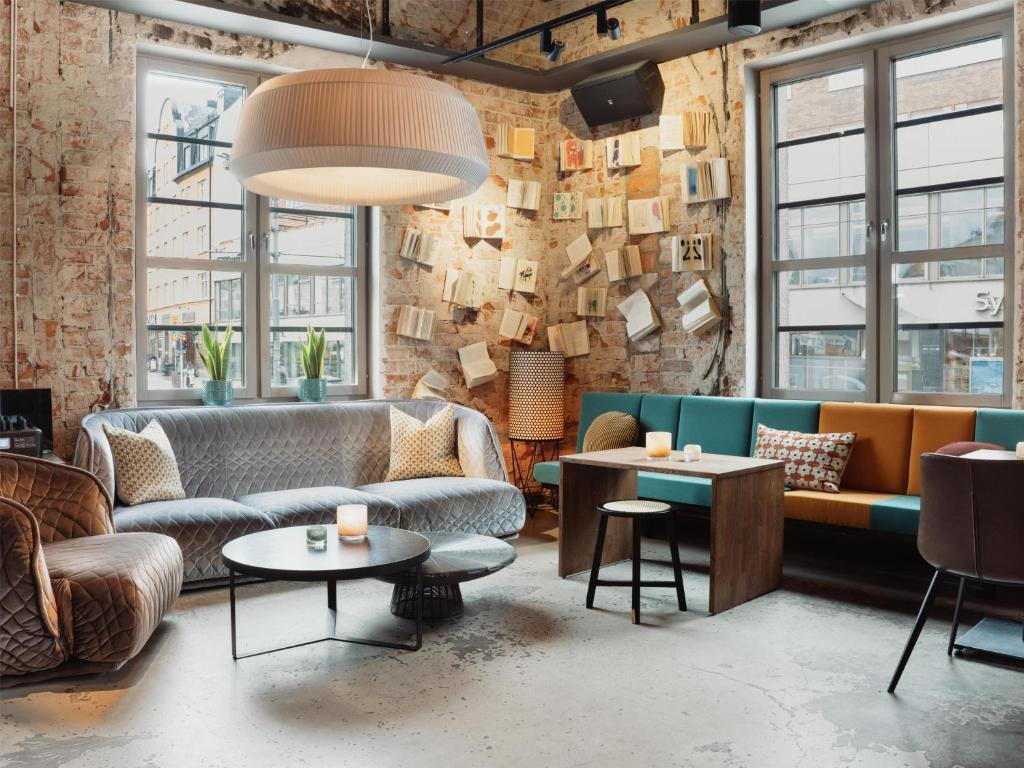
At a Glance
- Lively
- Casual Hangout
- Open Kitchen
- Street Scene
Current opening hours
- Monday
- 11 AM–7 PM
- Tuesday
- 11 AM–7 PM
- Wednesday
- 11 AM–7 PM
- Thursday
- 11 AM–7 PM
- Friday
- 11 AM–7 PM
- Saturday
- 12–7 PM
- Sunday
- 12–5 PM
Hours can change for holidays and private events. Last verified .
Casual street food truck atmosphere with quick service.