Umu Japanese&Thai
Our verdict
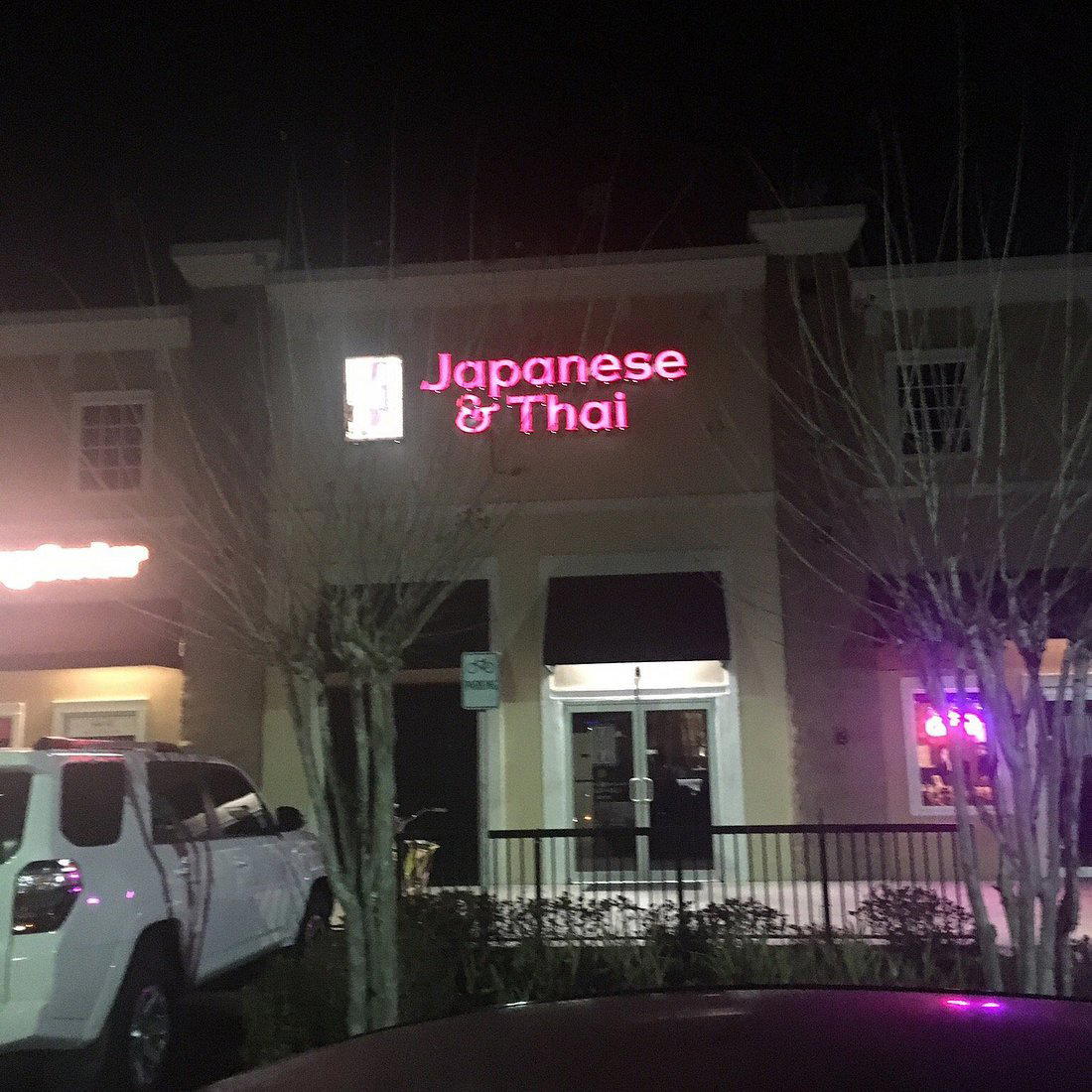
Umu Japanese & Thai brings two distinct Asian culinary traditions together at a single address on Bruce B Downs Boulevard in Wesley Chapel. The combination reflects a broader shift in Florida's suburban dining corridor, where multicultural menus respond to increasingly diverse residential communities. Find it at 2653 Bruce B Downs Blvd, Suite 120A.

Pearl is the En Primeur Club membership app, where members save venues, book tables and use the concierge.
The menu
What to order
- Sea Master Roll
- Caribbean Roll
- The Lobster Roll
- Pad Thai
- Green Curry
- Hamachi Crudo
Where Two Culinary Traditions Share a Kitchen in Wesley Chapel
Strip-mall dining in Florida's fastest-growing suburbs has evolved considerably in the past decade. What once defaulted to chain restaurants and fast-casual formats now increasingly accommodates independent operators working across multiple culinary traditions under a single roof. Along Bruce B Downs Boulevard in Wesley Chapel, that shift is visible at several addresses, and Umu Japanese & Thai is part of that pattern. The combination of Japanese and Thai cooking on a single menu is not accidental in this context: the corridor serves a residential population that has grown substantially since the early 2010s, and the demand for Asian dining options has outpaced the slower pace of suburban restaurant development.
The pairing of Japanese and Thai cuisines reflects something real about ingredient logic. Both traditions draw heavily on rice-based staples, fermented condiments, fresh herbs, and seafood prepared with restraint. Where French cooking builds flavor through reduction and fat, both Japanese and Thai cooking tend toward brightness, acidity, and layered aromatics. The overlap in pantry essentials makes a dual-concept kitchen more coherent than it might first appear, and it positions a restaurant like Umu to serve tables that contain mixed preferences without forcing a compromise that satisfies nobody.
Ingredient Logic and What It Signals
Across the American restaurant scene, the sourcing conversation has largely been driven by high-end operators: places like Blue Hill at Stone Barns in Tarrytown or Single Thread Farm in Healdsburg have built entire identities around farm-to-table sourcing with documented supply chains. That level of traceability is a different tier of operation entirely, and it would be misleading to suggest neighborhood Asian restaurants in suburban Florida operate on the same terms. What matters at the community level is something more practical: whether a kitchen is using fresh produce and proteins at a frequency that reflects genuine daily cooking, and whether the flavor profiles delivered to the table read as made-from-scratch rather than assembled from prepared bases.
Thai cooking, in particular, is a useful diagnostic. The distinction between a pad thai or green curry built from fresh aromatics, including lemongrass, galangal, kaffir lime leaf, and fresh chili, versus one assembled from pre-made pastes is immediately detectable in the finished dish. Similarly, Japanese cooking, whether in the form of ramen broth, a composed sashimi plate, or a tempura batter, depends on timing and freshness in ways that cannot be easily faked at the table. The degree to which a kitchen in this category takes those distinctions seriously tells a reader most of what they need to know about the experience.
For context on what sourcing-led intent looks like at the highest tier, restaurants like Le Bernardin in New York City and Providence in Los Angeles have built Michelin-recognized programs around documented seafood sourcing. Addison in San Diego and The French Laundry in Napa represent the white-tablecloth end of ingredient provenance in American dining. Umu operates in an entirely different tier, one defined by neighborhood accessibility rather than destination dining, but the underlying ingredient logic that makes both Japanese and Thai food work is the same regardless of price point.
Wesley Chapel's Dining Corridor in Context
Wesley Chapel has added significant residential density in recent years, and the dining infrastructure along Bruce B Downs has grown to match, though not always at the same pace. Independent restaurants now compete alongside casual chains for a customer base that commutes to Tampa but increasingly prefers to dine locally. Venues like The Living Room at Wiregrass represent the more polished end of Wesley Chapel's dining offer, while community-focused independents like Umu occupy the accessible middle, where frequency of visit matters more than occasion dining.
The broader Florida suburban dining scene is distinct from the kind of program-driven restaurants that have defined American culinary ambition elsewhere. Operators like Lazy Bear in San Francisco, Alinea in Chicago, and Atomix in New York City exist at the far end of the spectrum: ticketed, researched, months-ahead-reserved. Community Asian restaurants in suburban Tampa serve a different function entirely, one that is no less legitimate in what it provides to the neighborhoods around it. For readers working through our full Wesley Chapel restaurants guide, locating Umu within the corridor rather than in isolation gives a clearer sense of where it sits.
Other strong independent programs across the country, including Bacchanalia in Atlanta, Frasca Food & Wine in Boulder, and Causa in Washington, D.C., demonstrate how regional and neighborhood operators can build genuine reputations without national awards machinery behind them. Brutø in Denver and The Inn at Little Washington show how differently that ambition can manifest depending on format and market. None of those comparisons translate directly to Umu's context, but they frame the range of what independent restaurant identity can mean in the American dining conversation.
Planning Your Visit
Umu Japanese & Thai is located at 2653 Bruce B Downs Blvd, Suite 120A, Wesley Chapel, FL 33544, in a multi-tenant retail strip that is accessible by car from the surrounding residential zones. For current hours, menu details, and any booking requirements, contacting the restaurant directly or checking current listings is the most reliable approach, as operational details for independent operators in this category can shift without advance notice. Given the accessible price positioning typical of neighborhood Japanese-Thai concepts in the Tampa metro area, the format suits both weekday dinners and family weekend visits without the planning overhead required at destination-tier restaurants.
Frequently asked questions
Would Umu Japanese & Thai be comfortable with kids?
Located in a multi-tenant retail strip at 2653 Bruce B Downs Blvd in Wesley Chapel, Umu Japanese & Thai sits in a suburban corridor built around family residential density. The strip-mall setting generally signals an accessible, low-formality environment. For specifics on high chairs or kids' menu options, contacting the restaurant directly before visiting is advisable.
What's the vibe at Umu Japanese & Thai?
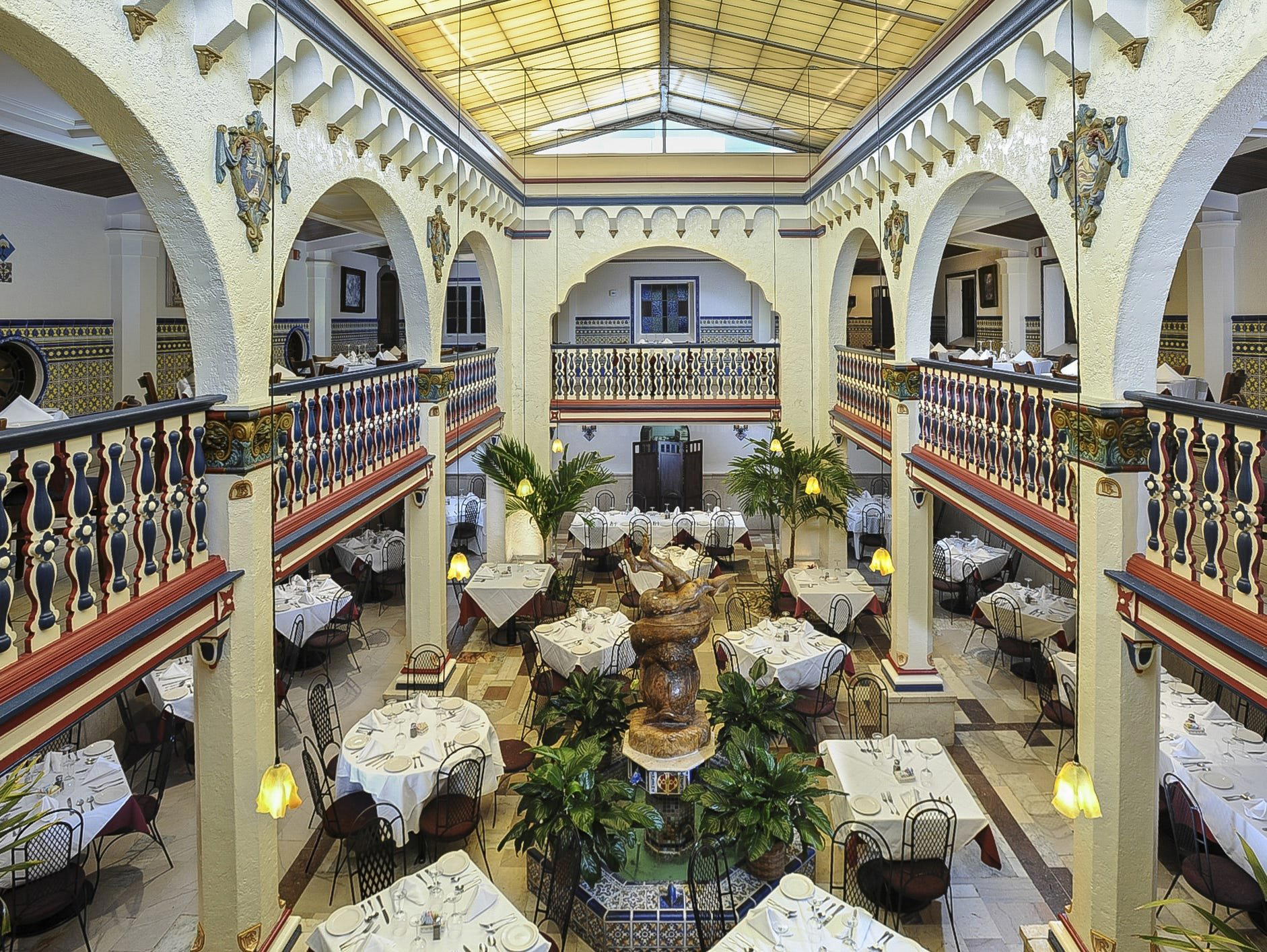
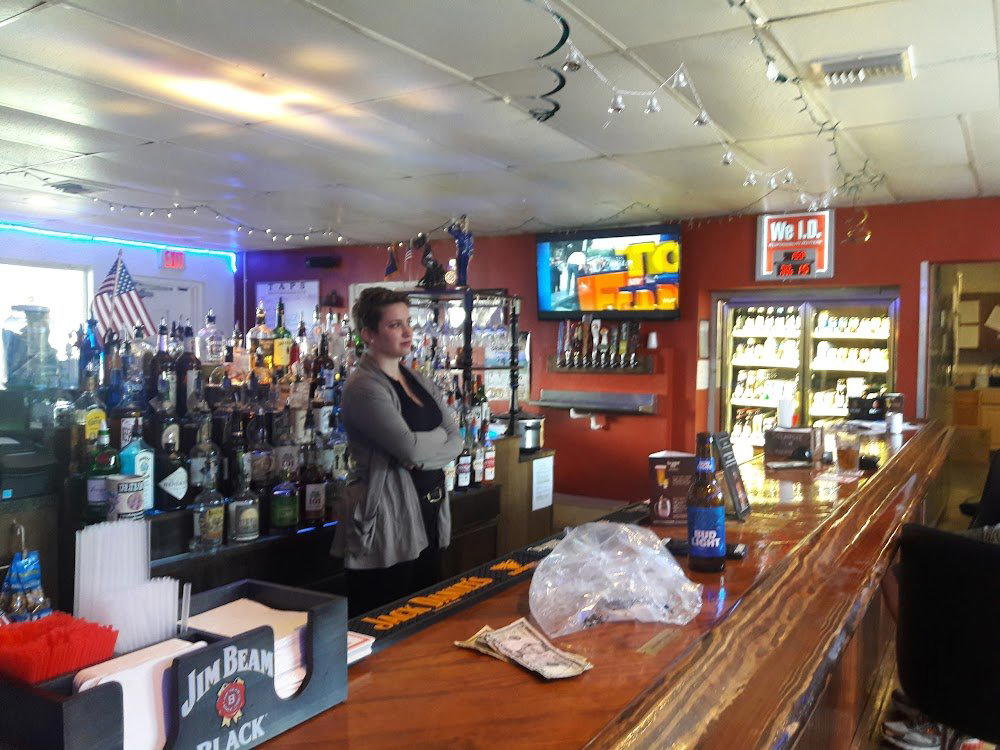
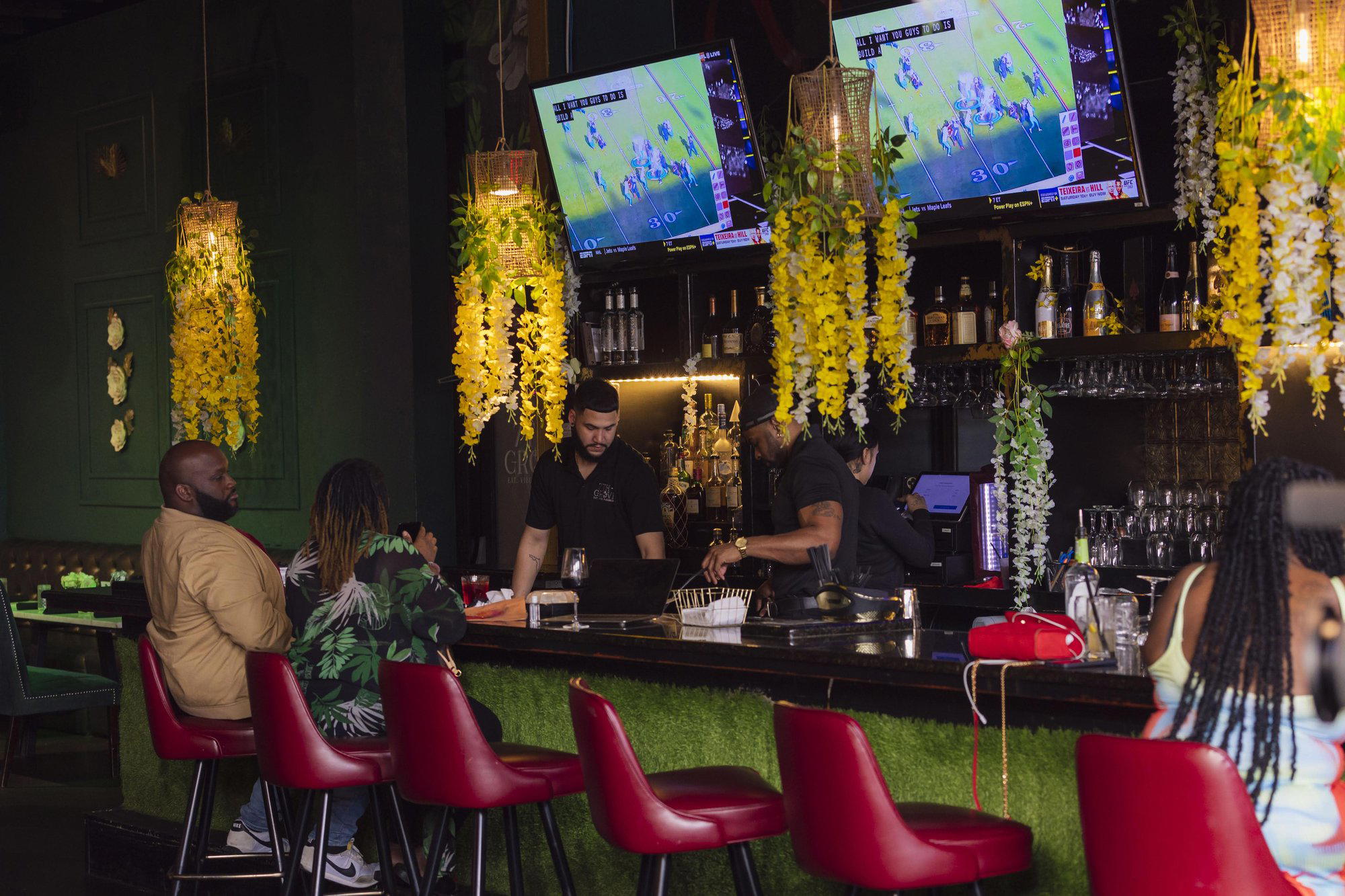
Umu occupies Suite 120A of a retail strip along Bruce B Downs Boulevard, a corridor that has grown alongside Wesley Chapel's residential expansion. The dual Japanese and Thai focus points toward a neighborhood restaurant serving everyday dining rather than a destination tasting experience. Expect a casual, functional atmosphere oriented around the food rather than the setting.
What do people recommend at Umu Japanese & Thai?
Umu Japanese & Thai runs a kitchen that spans two distinct culinary traditions, Japanese and Thai, which gives the menu an unusually wide range for a single suburban address in Wesley Chapel. Without current menu documentation, the safest approach is to ask the staff what is made in-house that day, as dual-tradition kitchens often have rotating strengths depending on staffing and sourcing.
Is Umu Japanese & Thai the only restaurant in Wesley Chapel serving both Japanese and Thai food under one menu?
Few restaurants along the Bruce B Downs corridor in Wesley Chapel combine Japanese and Thai cooking within a single kitchen, which places Umu in a specific category of dual-tradition operator. The combination is relatively uncommon in Florida's suburban dining strips, where single-cuisine concepts tend to dominate. Whether that translates to the only such option in the immediate area is worth confirming locally, but the pairing itself is a clear differentiator in the Wesley Chapel market.
Side-by-Side Snapshot
Comparable venues nearby, for context on price, style, and recognition.
| Venue | Cuisine | Price | Notes |
|---|---|---|---|
| Umu Japanese&ThaiThis venue (the venue you are viewing) | Japanese & Thai Sushi Fusion | $30–50 | Not listed |
| The Living Room - at Wiregrass | New American with Global Influences | $20–30 | The Shops at Wiregrass |
| Sushi Time | Japanese Sushi and Hibachi | $20–30 | Hammocks |
| Kobé Japanese Steakhouse - Tampa | Teppanyaki Japanese Steakhouse | $30–50 | Tampa |
| Jpan Sushi & Grill | Modern Japanese Sushi & Grill | $20–30 | University Town Center |
| Maki Hibachi | Japanese Hibachi & Sushi | $20–30 | Lake Nona |
Continue exploring
More in Wesley Chapel
Restaurants in Wesley Chapel
All restaurants in Wesley Chapel →
Details
- Modern
- Lively
- Trendy
- Casual Hangout
- Group Dining
- After Work
- Open Kitchen
- A La Carte
- Counter Dining
- Vegetarian Friendly
- Vegan Options
Current opening hours
- Monday
- 11:30 AM–2:30 PM, 4:30–10 PM
- Tuesday
- 11:30 AM–2:30 PM, 4:30–10 PM
- Wednesday
- 11:30 AM–2:30 PM, 4:30–10 PM
- Thursday
- 11:30 AM–2:30 PM, 4:30–10 PM
- Friday
- 11:30 AM–2:30 PM, 4:30–10:30 PM
- Saturday
- 4:30–10:30 PM
- Sunday
- 4:30–9:30 PM
Hours can change for holidays and private events. Hours as of .
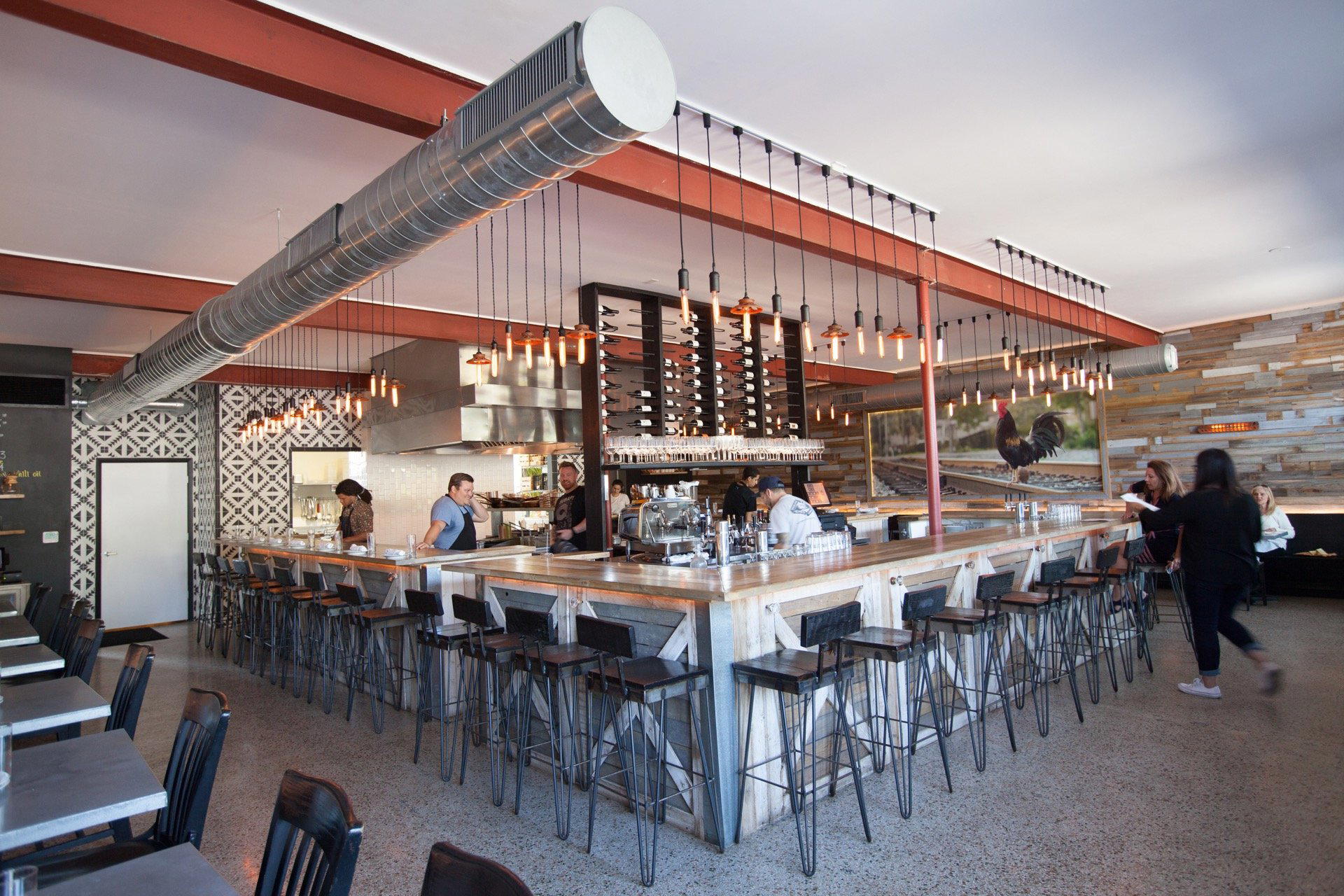
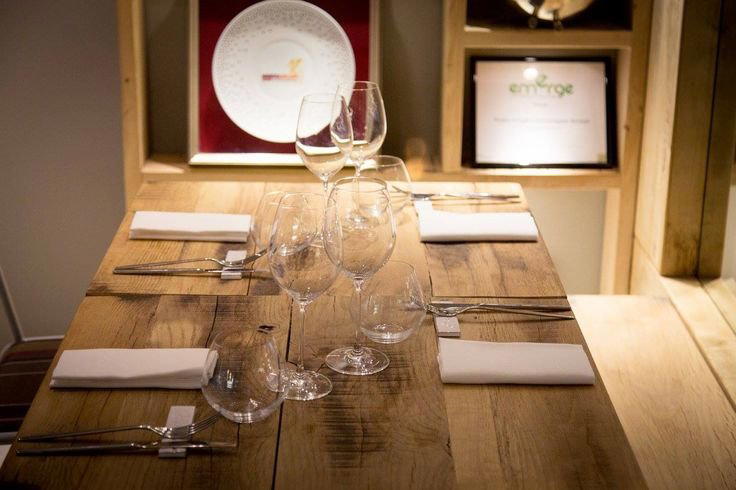
Stylish, modern dining room with young, upbeat energy and an open exhibition kitchen creating liveliness and excitement.