
Tabelog 100 #3
Our verdict
Umatama Ya belongs to Kanda’s compact, workday dining culture: small counter rooms, fast rail access, and yoshoku built for regulars rather than ceremony. Its omurice focus, 8-seat counter format, and Tabelog 100 Yoshoku EAST 2025 selection put it in a precise Tokyo category where everyday pricing and narrow specialization carry more weight than luxury signals.

Pearl is the En Primeur Club membership app, where members save venues, book tables and use the concierge.
The menu
What to order
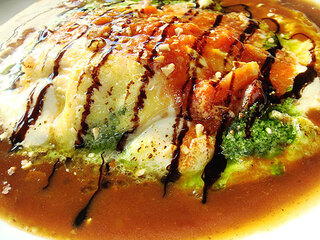
- Omuhayashi (omelette rice with hayashi demi-glace)
- Omurice with assorted toppings
- All-toppings Omurice
The approach is pure Tokyo: everyday urban rhythm, practical dining formats, and the city’s compressed pace rather than the polished hush of a destination dining district. Umatama Ya occupies a practical urban niche where yoshoku is treated as specialist craft, not nostalgic afterthought. Tokyo’s Western-influenced Japanese cooking is often reduced to comfort-food shorthand, but the stronger addresses are judged by repetition, proportion, and tight execution of a focused brief.
Umatama Ya sits in that lane. Its public identity is tied to yoshoku and omurice, a category that looks simple until compared across Tokyo: egg texture, rice seasoning, sauce balance, and speed all matter. The 2025 Tabelog Hyakumeiten recognition gives the restaurant a useful signal in a crowded field, especially because yoshoku is less internationally codified than some other Japanese dining categories. The recognition matters less as trophy language than classification: a Tokyo specialist measured inside a yoshoku context, not a general tourist restaurant trading on location.
Tokyo yoshoku, stripped to specialist scale
Tokyo has always been good at practical food. The city’s dining culture rewards places that serve repeat customers without theatrical delay, as much as it rewards special-occasion rooms. That is different from the slower rhythm of formal destination dining. A focused specialist setting here reads as function, not minimalism for effect.
That context explains omurice’s staying power in Tokyo. Yoshoku began as Japan’s adaptation of Western dishes, then became its own urban language: sauces, cutlets, rice dishes, and omelette rice shaped around Japanese expectations of portion, texture, and timing. The point is not European authenticity, but fluency in a Japanese genre absorbed into daily city life. Umatama Ya’s category listing, Yoshoku and Omurice, places it in that tradition with unusual focus.
Compared with other Tokyo options in the supplied set, the price tier matters. Kanda Koju, Hicho Kurata, Kuzushi Teppan AVAGURA Kanda ten, Andhra Dhaba Katana, and Loup de Mer all sit in the same broader city map for readers building meals around different moods and formats. Umatama Ya operates in a JPY 2,000 to JPY 2,999 lunch and dinner band, changing the reader decision. This is not a substitute for a formal Japanese dinner, but a sharp lunch or casual dinner for travelers who want a Tokyo-specific comfort genre handled by a recognized specialist.
Recognition without ceremony
The Tabelog Hyakumeiten 2025 listing is the main trust signal. In Tokyo, category recognition is useful because yoshoku has no single global ranking system casual visitors can decode quickly. Broader international attention often skews toward fine dining and better-known Japanese forms. Tabelog’s genre lists can be more revealing for everyday categories where local diners have strong preferences and the difference between competent and memorable comes down to narrow execution.
The format also tells the reader what to expect. Umatama Ya should be approached as a focused yoshoku stop rather than a place for assumptions about lingering groups, private-room entertaining, or broad menu discussion. The appeal is practical and direct: a modest price band, a clear category identity, and a plate-led reason to be there rather than a room-led one.
There is useful restraint in that. Tokyo can make visitors chase prestige signals until every meal becomes a reservation campaign. Umatama Ya offers another precision: modest spend, specialist cooking, and a category that folds easily into a day moving across the city. For travelers mapping a wider eating itinerary, this stop balances heavier commitments elsewhere. Pair it with broader planning through Our full Tokyo restaurants guide, then save the longer evening for another category.
How to place it in a Tokyo itinerary
The strongest use case is a focused Tokyo meal built around yoshoku rather than a broad night out. City logistics matter here: the restaurant works best when treated as a compact food stop between other plans, errands, shopping, museums, or drinks. Its appeal also contrasts with more polished Tokyo dining rooms, reminding visitors that some serious city food culture lives in practical, workaday formats where convenience and specialization are not opposites.
There are limits to plan around. Umatama Ya is not the kind of venue to over-engineer from abroad with assumptions about private rooms, elaborate service rituals, or a long tasting-menu arc. Treat it as a Tokyo yoshoku specialist with recognized credentials, a listed Tabelog score of 3.66, and a JPY 2,000 to JPY 2,999 budget for both lunch and dinner.
For nearby or adjacent Tokyo context, diners can compare the mood with other Tokyo dining rooms, while broader city planning might include unnamed casual stops, specialist counters, cafés, bars, or more formal restaurants depending on the day’s rhythm. For non-restaurant planning, use Our full Tokyo hotels guide, Our full Tokyo bars guide, Our full Tokyo wineries guide, and Our full Tokyo experiences guide.
Japan itineraries beyond Tokyo can read Umatama Ya as part of a larger pattern: specialists with narrow identities and strong local logic. Compare that generically with other Japanese casual formats, regional specialists, and city restaurants elsewhere in the country. For readers linking Japanese casual formats with diaspora dining, unnamed overseas examples can make useful reference points, though the Tokyo culture here is its own thing: direct, practical, and dependent on the city’s everyday habits.
Same-City Peers
Comparable venues side-by-side for orientation.
| Venue | Cuisine | Price | Awards | Notes |
|---|---|---|---|---|
| Umatama YaThis venue (the venue you are viewing) | Omurice-focused Yoshoku (Japanese-style Western) counter | $20–30 | Tabelog 100 #3 | Not listed |
| Kanda Koju | Traditional Japanese Izakaya & Sake Bar | $50–100 | Tabelog 100 #41 | JPY 8,000 - JPY 9,999 |
| Hicho Kurata | High-End Yakitori Omakase | $200–300 | Tabelog 100 #92 | JPY 20,000 - JPY 29,999 |
| Andhra Dhaba Katana | Authentic Andhra Indian | $20–30 | Tabelog 100 #42 | Not listed |
| Loup de Mer | Yoshoku (Japanese-style Western) | $10–20 | Tabelog 100 #72 | Yoshoku (Western) |
| Kuzushi Teppan AVAGURA Kanda ten | Modern Teppanyaki | $50–100 | Tabelog 100 #100 | JPY 8,000 - JPY 9,999 JPY 6,000 - JPY 7,999 |
Recognition history
Dated appearances from independent guides and award organizations, with the underlying list record or original source where available.
Tabelog 100 #3 · No. 3
Tabelog · Tabelog 100 - Yoshoku - EAST - 2025
Continue exploring
More in Tokyo
Restaurants in Tokyo
All restaurants in Tokyo →



Details
- Cozy
- Lively
- Classic
- Intimate
- Casual Hangout
- After Work
- Solo
- Standalone
- Street Scene
- A La Carte
- Counter Dining
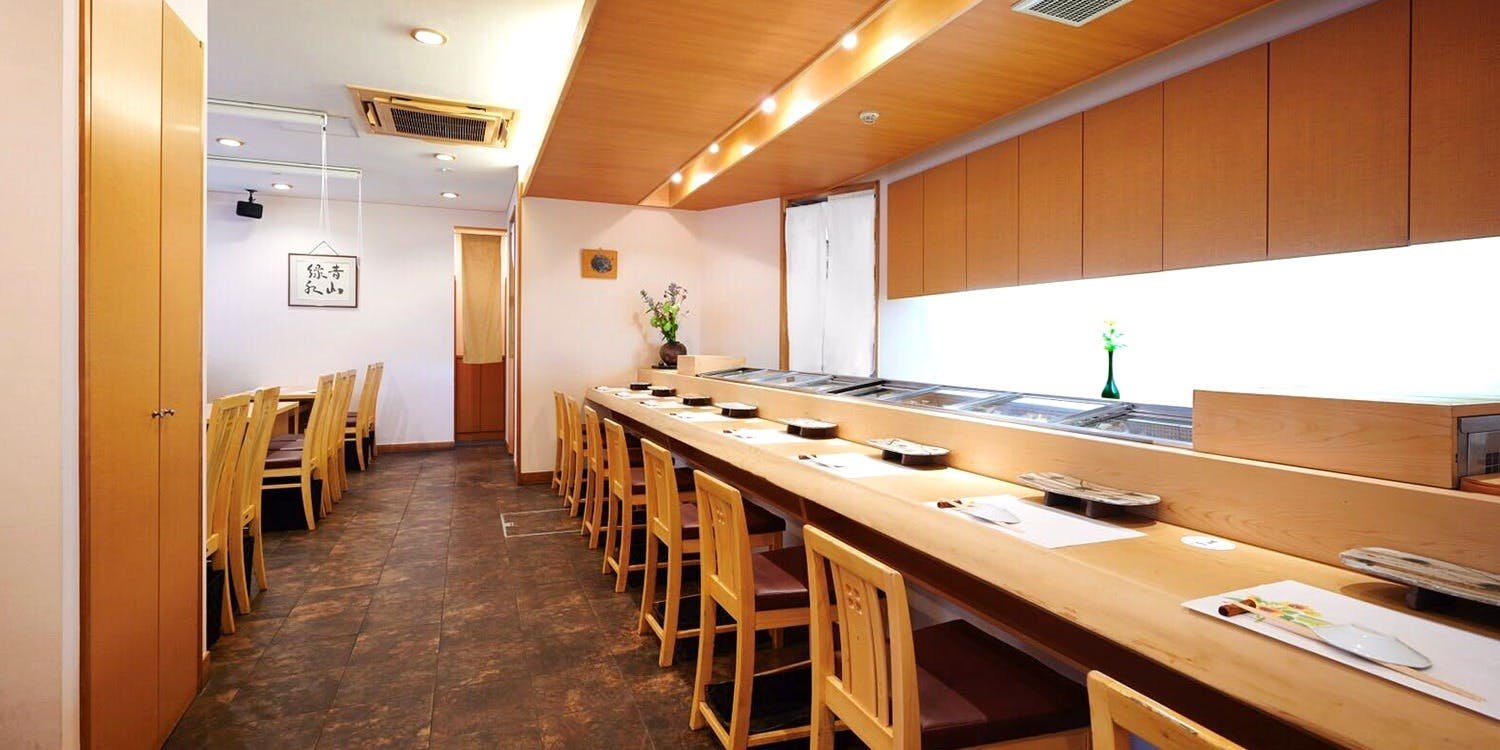
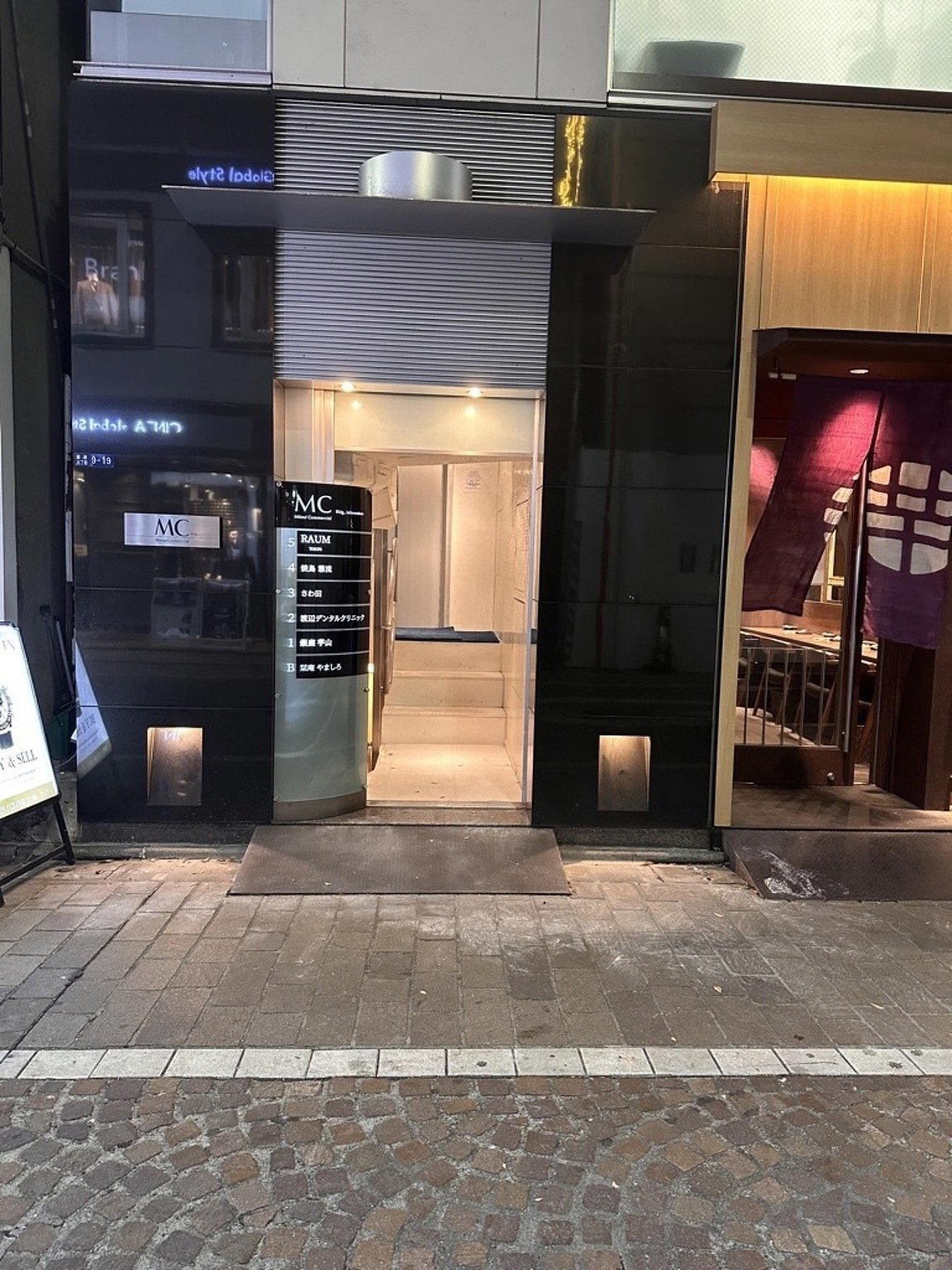
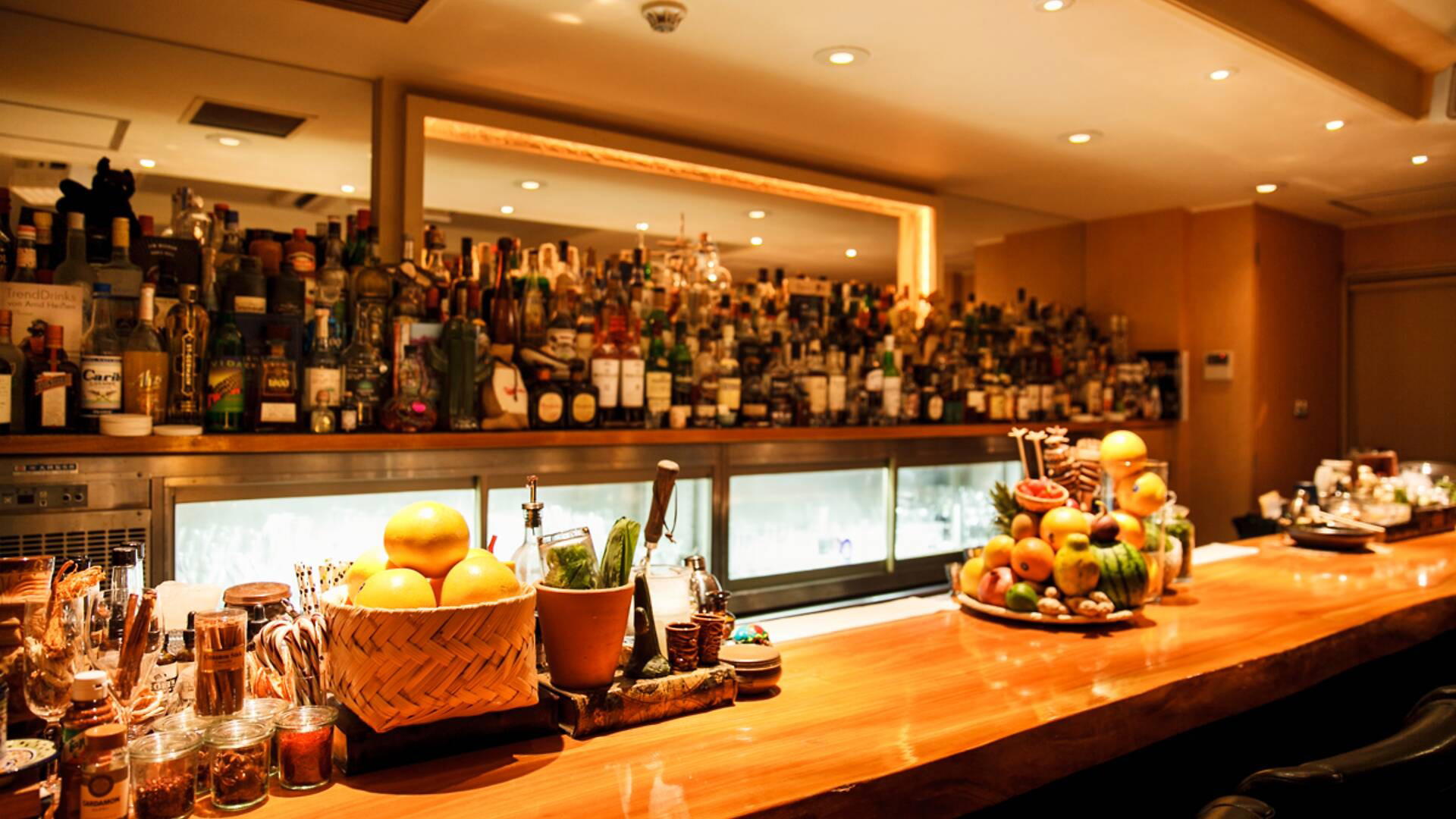
A compact, counter-only spot tucked under the JR overpass near Kanda Station, with a casual, bustling feel at peak lunch and dinner times and the nostalgic atmosphere of a classic Japanese yoshoku diner.