
Tabelog 100 #41
Our verdict
Kanda Koju belongs to Tokyo’s serious izakaya tier: sake-led, compact, and more deliberate than the salaryman tavern stereotype. Its Tabelog 100 Izakaya EAST 2025 selection, long run since 2003, and focus on nihonshu and shochu place it in the city’s grown-up drinking-dining tradition rather than its quick-stop pub culture.

Pearl is the En Primeur Club membership app, where members save venues, book tables and use the concierge.
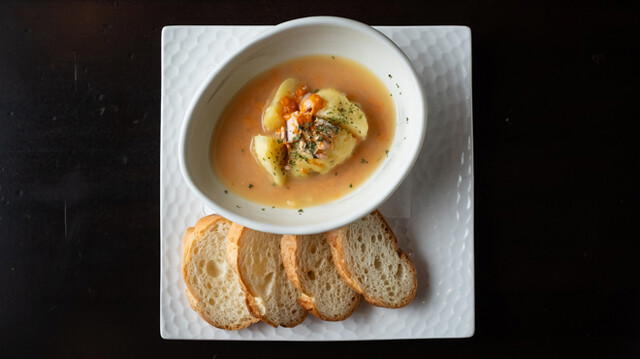
The menu
What to order
- Sashimi assortment
- Medium fatty tuna sashimi from Misaki Port
- Japanese omelette
- Japanese chicken kara-age
- Assorted appetizer plate (soup plus 8 dishes)
The first read is not spectacle but compression: a Tokyo setting, a compact-feeling restaurant format, and the particular hush that can surround Tokyo rooms built around sake rather than speed. In a city where post-work drinking can mean casual chains and quick drinks, the serious izakaya can point in a different direction: smaller-feeling rooms, tighter food programs, and drinks lists treated as the spine of the meal rather than an afterthought.
Kanda Koju fits that evolution. It belongs to the kind of Tokyo izakaya that helps detach the category from the idea of casual drinking only. The format remains social and informal in structure, yet the signals are more disciplined: an izakaya identity, a Japanese sake-bar identity, and an experience that can feel closer to a specialist dining room than a sprawling pub. Its 2025 Tabelog recognition places it inside a field where consistency matters, not just novelty.
Sake-led izakaya dining after the salaryman tavern era
Tokyo’s izakaya culture has always been elastic. At one end are low-cost rooms built for speed and noise; at the other are restaurants that use the izakaya grammar, shared plates, steady drinking, no rigid formal choreography, to deliver a more composed evening. The city’s current premium izakaya tier often leans toward the second model. Sake selection becomes a mark of seriousness, food moves beyond filler, and the guest decision shifts from “where to drink” to “where to drink with intent.”
The evidence here is not a tasting-menu theatre play. It is category discipline. The restaurant is listed as an izakaya and Japanese sake bar, with sake central to the offer. That matters in Tokyo because sake-led rooms compete differently from quick specialist counters, casual food stops, and other informal addresses. A comparison with Tokyo venues such as Kikanbo, Curry Notoriko, or Fukuo Shoten shows the split clearly: this is not a quick category stop, but an evening built around pacing, drinking, and small-plate range.
That range is part of the modern izakaya’s survival. Tokyo diners can be unforgiving about generic pub food, especially in areas with dense dining competition. The better sake bars now need enough kitchen seriousness to hold attention across the first drink, the second pour, and the final plate. For Kanda Koju, the more useful editorial point is structural: the meal can be approached with intent rather than treated as a purely improvised stop, without losing the shared-table logic that defines the genre.
A Tokyo room shaped by restraint, not theatre
Tokyo gives the restaurant its context. The city’s dining map moves between after-work evenings, older eating streets, destination counters, and casual specialist rooms. That range suits the serious izakaya. It can serve small groups and visitors who want a grown-up sake evening without the ceremony or cost profile of other high-end Japanese dining formats.
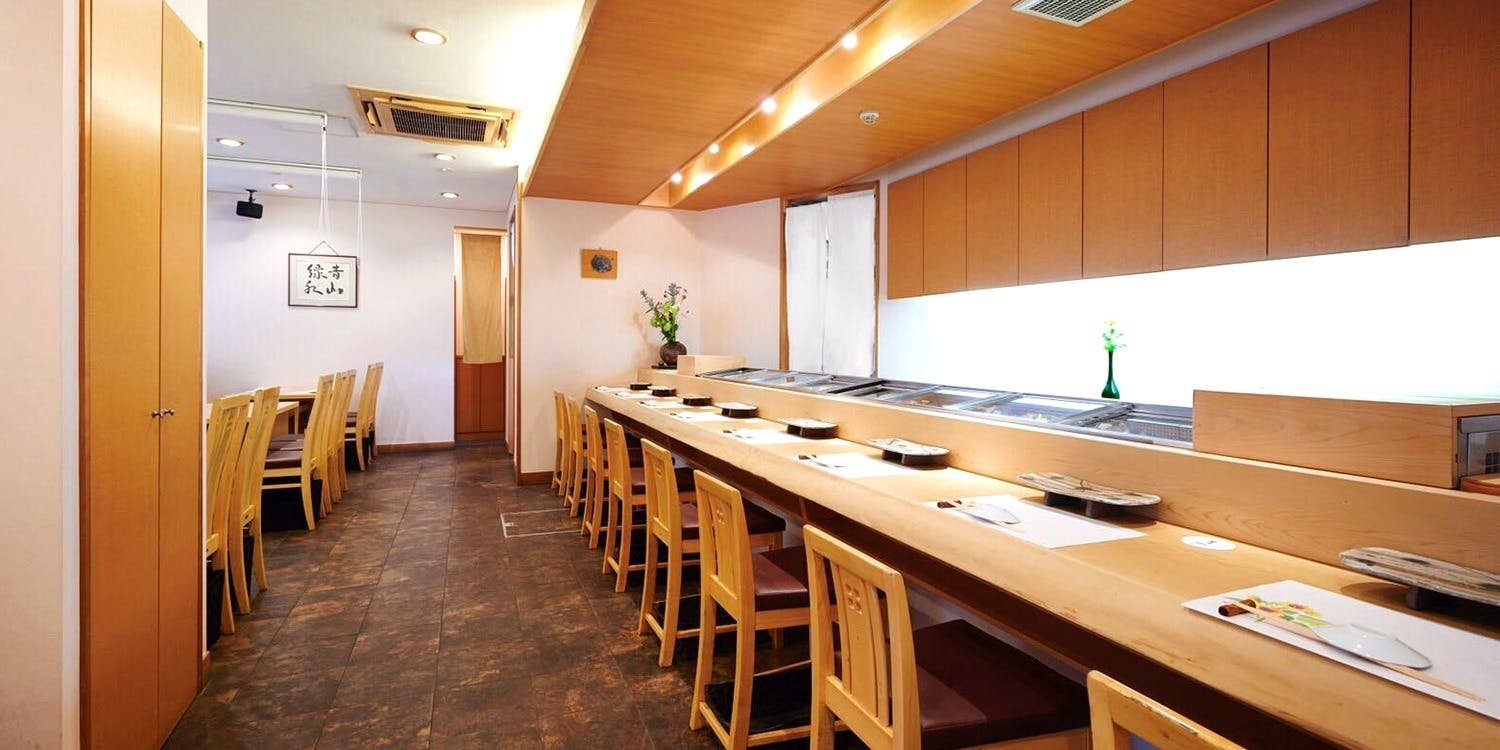
Scale is part of the point. A restrained izakaya setting changes behavior: groups stay contained, the room’s rhythm matters, and the kitchen can feel more personal than a chain tavern. The democratic izakaya principle remains intact: the room is shared, but the drinking can be considered. That makes the venue better read as a focused small-group address than as a generic banquet solution.
The recognition gives the place more weight than a passing mention. A restaurant visible in the 2025 Tabelog conversation sits within Tokyo dining cycles that include interest in craft sake, inbound travel, the return to compact local rooms, and the current preference for reservations that feel specific rather than grand. Relevance here is less about a public pivot than about staying legible as the izakaya category itself becomes more precise.
How to place it within a Tokyo dining itinerary
For travelers, the decision is mainly categorical. This is a sake-centered izakaya for an evening in Tokyo, not a substitute for other formal Japanese dining formats. It works when the goal is to understand how Tokyo drinks with food at a higher level of care than the chain-tavern template. It is also useful as a counterpoint to more specialized itineraries: Kikanbo, Umatama Ya, Curry Notoriko, Nemurian, and small retail-food stops such as Fukuo Shoten occupy different lanes.
That distinction helps when planning across the city. Nearby restaurant research might include other Tokyo dining rooms, cafés, specialist counters, and casual restaurants, but those examples map a city of categories rather than direct substitutes. For broader trip-building, use Our full Tokyo restaurants guide, Our full Tokyo hotels guide, Our full Tokyo bars guide, Our full Tokyo wineries guide, and Our full Tokyo experiences guide.
Japan’s wider dining map also clarifies the difference between local specialization and destination planning. A sake-led Tokyo izakaya is a different proposition from unnamed dining rooms in other Japanese cities, where local formats, budgets, and expectations can shift substantially. Internationally, sake culture takes another shape outside Japan, while Japanese comfort formats travel differently abroad. The Tokyo original has less need to explain itself; the confidence lies in format, rhythm, and drink focus.
Style and Standing
Comparable venues by cuisine and price in the same metro.
| Venue | Cuisine | Price | Awards | Notes |
|---|---|---|---|---|
| Kanda KojuThis venue (the venue you are viewing) | Traditional Japanese Izakaya & Sake Bar | $50–100 | Tabelog 100 #41 | Not listed |
| Akasaka Tan-tei | Okinawan Kaiseki | $100–150 | Not listed | Akasaka |
| Teppanyaki Kurosawa | Teppanyaki Wagyu & Seafood | $100–150 | Tabelog 100 #51 | Chūō |
| Hon to Saya | Traditional Charcoal Yakiniku | $50–100 | Tabelog 100 #54 | Taitō |
| Tempura Osaka | Seasonal Tempura Omakase | $100–150 | Tabelog 100 #94 | Minato |
| YAKITORI燃es | Premium Yakitori | $50–100 | Not listed | Minato |
Recognition history
Dated appearances from independent guides and award organizations, with the underlying list record or original source where available.
Tabelog 100 #41 · No. 41
Tabelog · Tabelog 100 - Izakaya - EAST - 2025
Continue exploring
More in Tokyo
Restaurants in Tokyo
All restaurants in Tokyo →


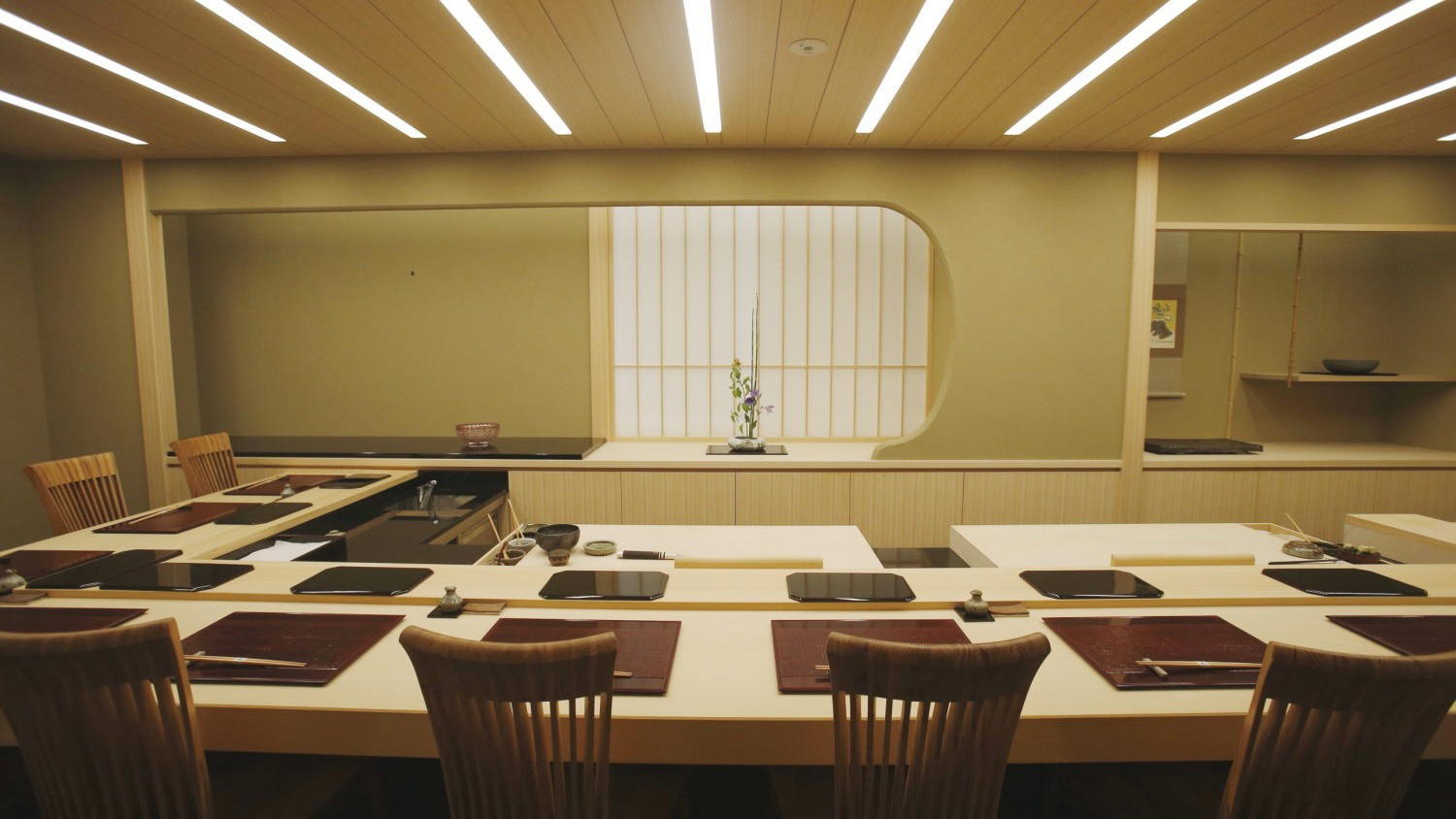
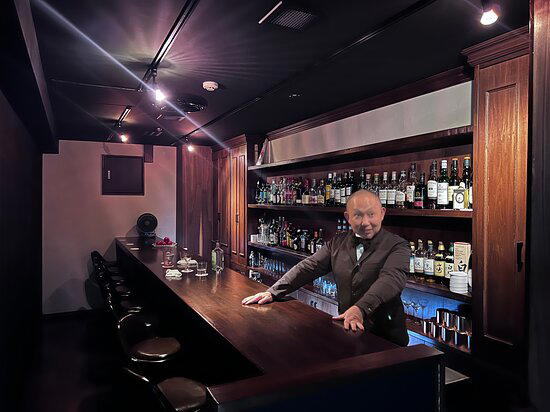
Bars in Tokyo
All bars in Tokyo →





Details
- Cozy
- Lively
- Intimate
- After Work
- Casual Hangout
- Group Dining
- Date Night
- Late Night
- Standalone
- Sake Program
- Beer Program
- A La Carte
- Small Plates
- Sake
- Beer
Current opening hours
- Monday
- 5–10 PM
- Tuesday
- 5–10 PM
- Wednesday
- 5–10 PM
- Thursday
- 5–10 PM
- Friday
- 5–10 PM
- Saturday
- Closed
- Sunday
- Closed
Hours can change for holidays and private events. Hours as of .
A small, warmly lit izakaya with counter and table seating, creating a cozy yet energetic atmosphere ideal for relaxed drinks and shared plates after work.