Uchi Scottsdale
Uchi Scottsdale brings the Austin-born Japanese-influenced concept to the Sonoran Desert, translating a menu architecture built around omakase sensibility and seasonal fish into a city more accustomed to steakhouses and Southwestern fare. The address on North Scottsdale Road places it inside a dining corridor that skews heavily toward crowd-pleasing formats, which makes Uchi's technical precision and raw-fish focus a genuine counterpoint in the local scene.
Pearl is the En Primeur Club membership app — saves, bookings, and concierge access live there. Same editors, same standards.
- Address
- 3821 N Scottsdale Rd, Scottsdale, AZ 85251
- Phone
- +14809160916
- Website
- uchi.uchirestaurants.com
- Directions
- Get directions
 Saves & bookings on Pearl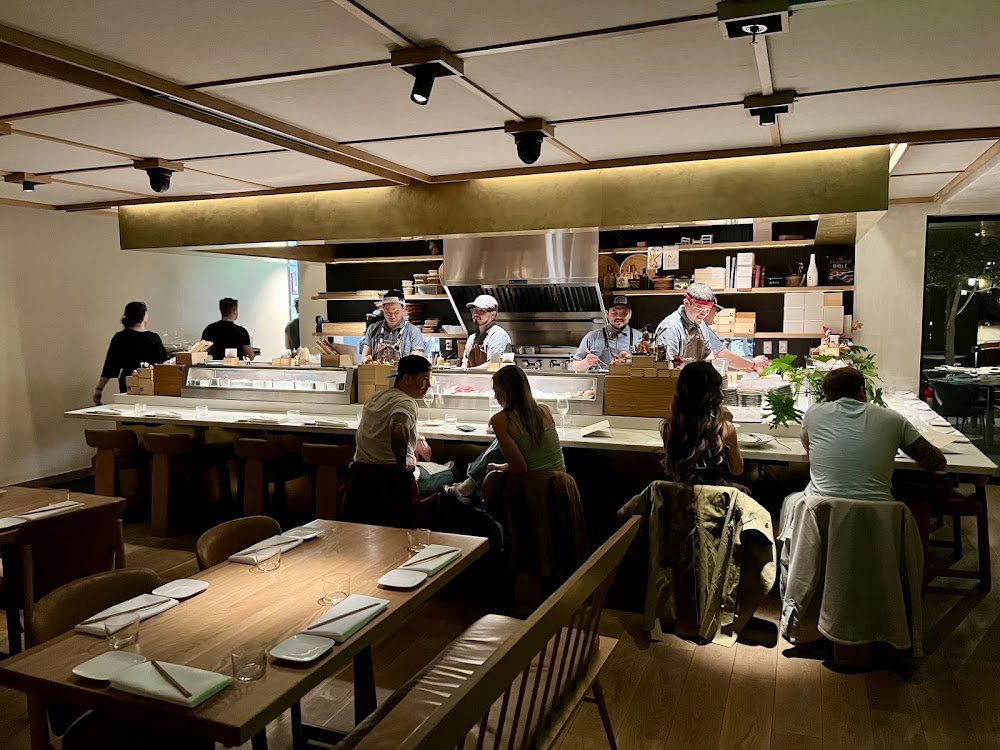
Japanese Precision in a Steakhouse City
Scottsdale's dining reputation has long been anchored in red meat and Southwestern tradition. Steakhouses dominate the premium tier, and the few serious alternatives tend toward New American formats like Atlas Bistro or European-inflected continuity dining such as Andreoli Italian Grocer and Arrivederci Pinnacle Peak. Into that context, Uchi Scottsdale lands as something structurally different: a Japanese-influenced concept with roots in Austin, Texas, built around the omakase tradition's emphasis on fish quality, knife discipline, and seasonal product, rather than the theatrical tableside service or portion-size calculus that defines much of the local premium market.
The Uchi brand began in Austin under chef Tyson Cole, whose training in Japanese technique produced a restaurant that won the James Beard Award for Best Chef: Southwest in 2011. That credential matters here not as biography but as category signal: Uchi sits in the tier of American restaurants whose Japanese influence is grounded in documented technique and sustained peer recognition, comparable in ambition (if not identical in format) to the kind of precision that defines destinations like Atomix in New York City or the sustained craft visible at Providence in Los Angeles. The Scottsdale outpost carries that lineage into the Arizona market.
The Architecture of the Menu
The omakase tradition in Japan is built on trust: the diner surrenders ordering control to a chef who sequences dishes according to season, product quality, and cumulative flavour logic. American interpretations of that tradition vary widely, from strict counter-format experiences where no substitutions are possible, to hybrid menus that preserve omakase's sequencing philosophy while allowing à la carte entry points. Uchi has historically operated in the latter register, offering both curated tasting experiences and individual plates that draw on the same technique and sourcing principles.
That approach places Uchi in a different competitive frame than a conventional sushi restaurant. Where a neighbourhood sushi bar competes on roll variety and value, and a strict omakase counter competes on procurement exclusivity and seat count, Uchi's hybrid format addresses a broader audience: guests who want Japanese-influenced precision without committing to a fixed, multi-hour sequence. It is a model that has found traction in markets where serious fish culture is still developing, and Scottsdale, despite its affluent demographic, is such a market.
Japanese-American Dining and the Question of Cultural Translation
The movement of Japanese culinary technique into American fine dining has followed a recognisable arc over the past three decades. Early adaptation tended toward fusion, combining Japanese ingredients with French architecture in ways that sometimes produced genuinely interesting food and sometimes produced confusion. The more durable influence has come from restaurants that absorbed Japanese technique at a structural level: fish handling, temperature discipline, the role of umami as a building block rather than an accent, and the refusal to over-sauce product that is intrinsically good.
Uchi sits in that second current. The concept's Austin origin is relevant because Texas is not, historically, a city associated with serious Japanese fish culture. Building a credible Japanese-influenced program there required disciplined sourcing and a kitchen culture that valued restraint, qualities that translate well to Scottsdale, where the desert climate creates similar sourcing challenges and where the dominant dining culture historically rewards volume and spectacle over precision.
Internationally, the tension between cultural authenticity and creative interpretation is visible at restaurants like 8 1/2 Otto e Mezzo Bombana in Hong Kong, where Italian technique is transplanted to a Chinese metropolis with similarly complex results. The question for Uchi Scottsdale is the same one any transplanted concept faces: whether the sourcing, technique, and kitchen culture travel with the brand, or whether geography and market pressure erode the founding standards.
Scottsdale as a Setting
North Scottsdale Road, where Uchi occupies its address at 3821, is a commercial corridor that concentrates a significant portion of the city's restaurant density. The area draws from a resident demographic with high disposable income and from a visitor base that trends toward resort-and-golf tourism, meaning demand for premium dining is real but the sophistication of that demand is uneven. The corridor's other serious restaurants, AC Kitchen for continental breakfast, the formal ritual of Afternoon Tea at the Phoenician, suggest a market that rewards polish and presentation but does not necessarily demand technical depth.
That dynamic positions Uchi as something of an outlier in its own postcode: a restaurant whose intellectual framework (Japanese technique, omakase sequencing, fish-first sourcing) addresses a more demanding audience than the corridor typically produces. Whether that audience exists in sufficient density in Scottsdale to sustain the concept at the level the brand demands is the question that any Uchi expansion into a non-coastal, non-major-Japanese-market city inevitably raises.
Planning a Visit
Uchi Scottsdale sits at 3821 N Scottsdale Rd, placing it within easy reach of the city's main resort belt. Reservations are essential, particularly for weekend evening slots. The Uchi format tends to reward guests who engage with the kitchen's recommended sequencing rather than ordering selectively from a single category; the menu is designed to build across courses rather than deliver isolated hits.
In Context: Similar Options
Comparable venues nearby, for context on price, style, and recognition.
| Venue | Cuisine | Price | Notes |
|---|---|---|---|
| Uchi ScottsdaleThis venue — the venue you are viewing | Modern Japanese Sushi and Omakase | $$$$ | Not listed |
| Nobu | Japanese-Peruvian Fusion | $$$$ | South Scottsdale |
| Kauboi | Japanese Steakhouse with Robata Grill | $$$ | Old Town Scottsdale |
| Roka Akor | Modern Japanese Robata Steakhouse | $$$$ | Resort Corridor |
| Hiro Sushi | Traditional Japanese Sushi | $$$ | Central Scottsdale |
| Pure Sushi | Japanese Sushi | $$$ | Downtown Scottsdale |
Continue exploring
More in Scottsdale
Restaurants in Scottsdale
Browse all →
Bars in Scottsdale
Browse all →
Hotels in Scottsdale
Browse all →


At a Glance
- Modern
- Elegant
- Sophisticated
- Trendy
- Date Night
- Special Occasion
- Business Dinner
- Open Kitchen
- Private Dining
- Terrace
- Sake Program
- Craft Cocktails
Current opening hours
- Monday
- 4–10 PM
- Tuesday
- 4–10 PM
- Wednesday
- 4–10 PM
- Thursday
- 4–10 PM
- Friday
- 11:30 AM–2:30 PM, 4–11 PM
- Saturday
- 11:30 AM–2:30 PM, 4–11 PM
- Sunday
- 11:30 AM–2:30 PM, 4–10 PM
Hours can change for holidays and private events. Last verified .
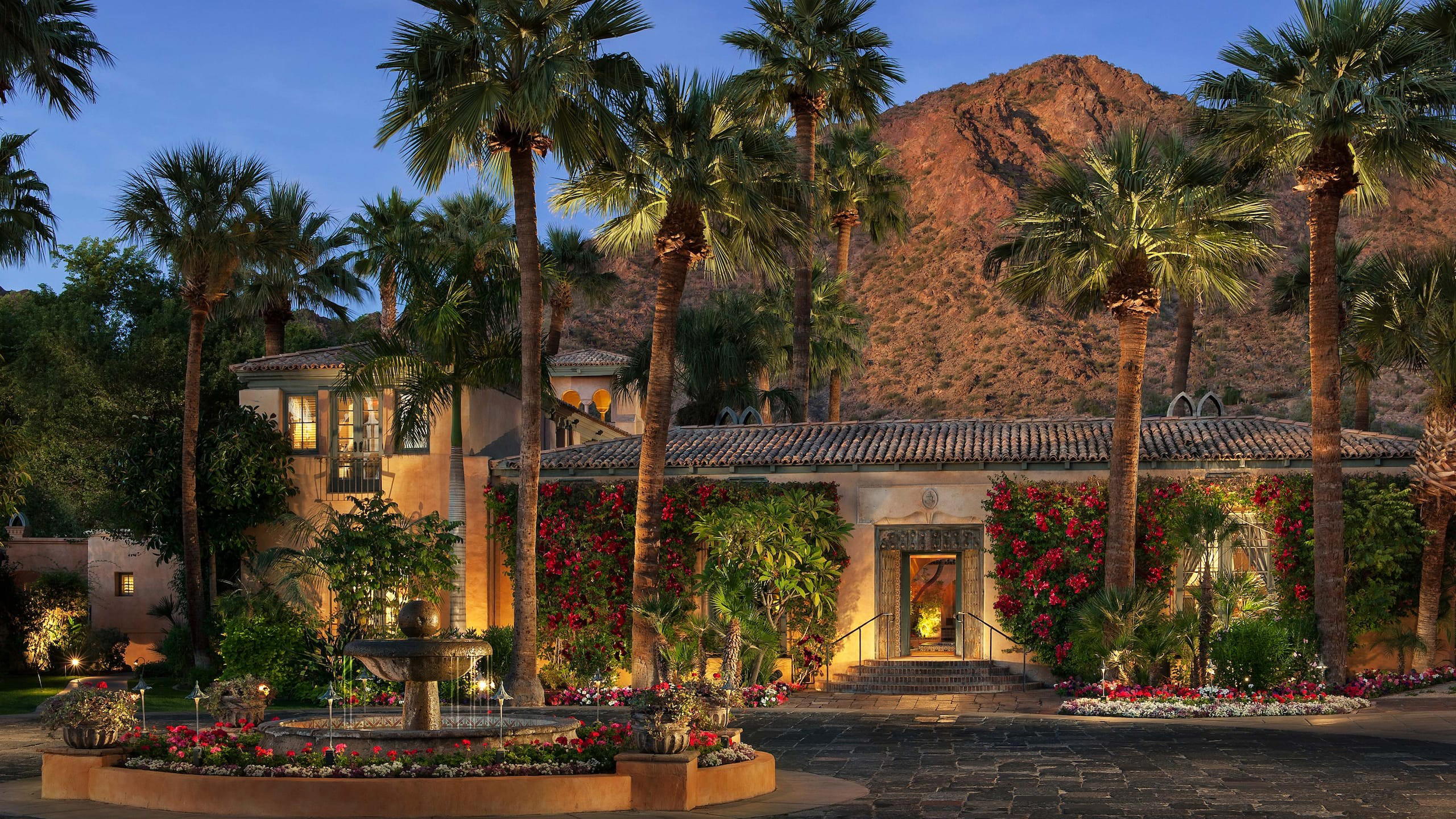
Warm and welcoming with sculptural wooden ceilings inspired by southwestern ramadas, blending intimacy of a sushi bar throughout the space with precise service and engaging energy.