Pure Sushi
Pure Sushi occupies a spot on Hayden Road in north Scottsdale, where the city's appetite for Japanese dining has grown well beyond casual rolls into more considered omakase and precision counter formats. The restaurant sits within a dining corridor that rewards repeat visitors who track changes in kitchen approach and seasonal sourcing across Arizona's evolving Japanese scene.
Pearl is the En Primeur Club membership app — saves, bookings, and concierge access live there. Same editors, same standards.
- Address
- 20567 Hayden Rd, Scottsdale, AZ 85255
- Phone
- +14803550999
- Website
- puresushibar.com
- Directions
- Get directions
 Saves & bookings on Pearl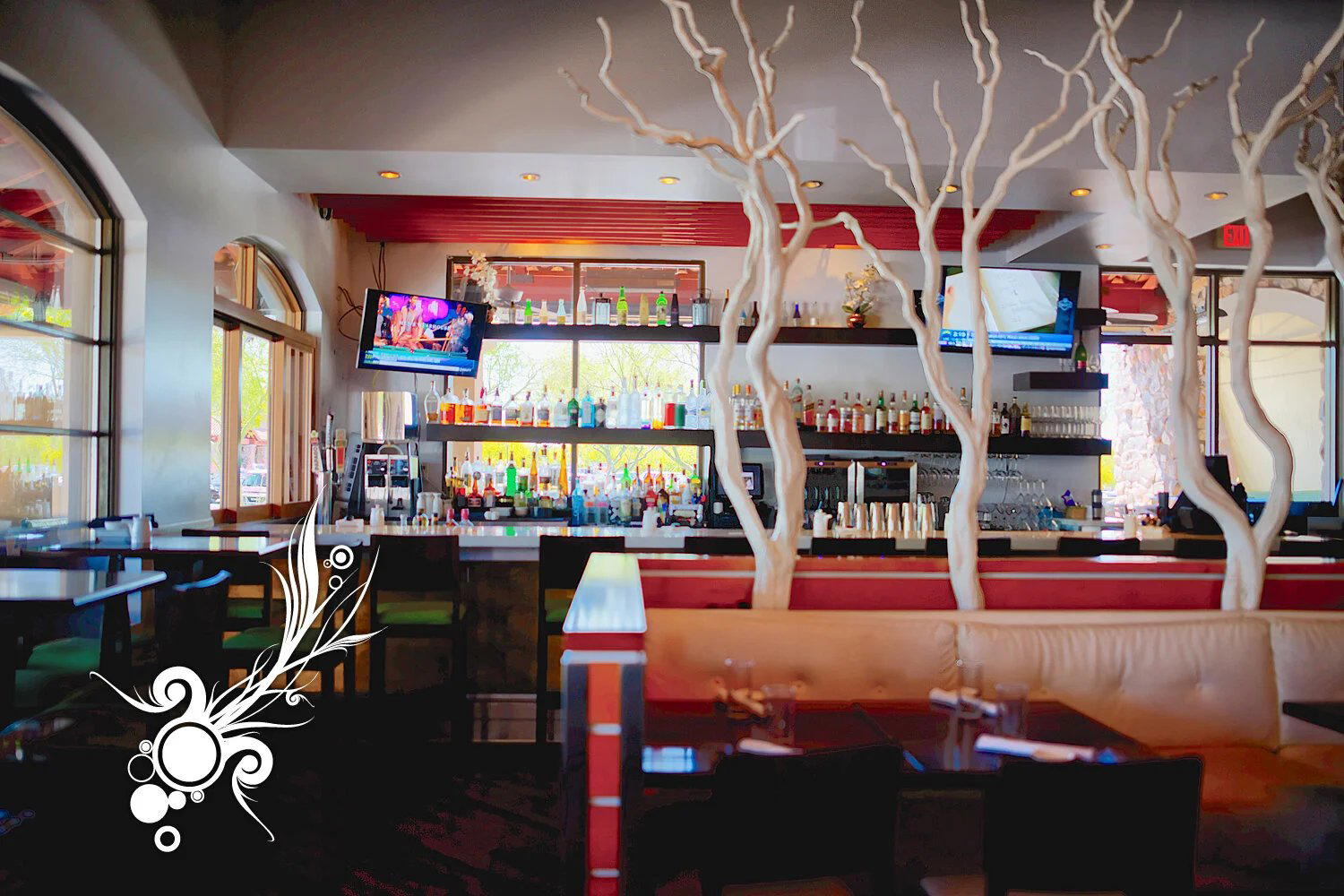
North Scottsdale and the Shift in Japanese Dining
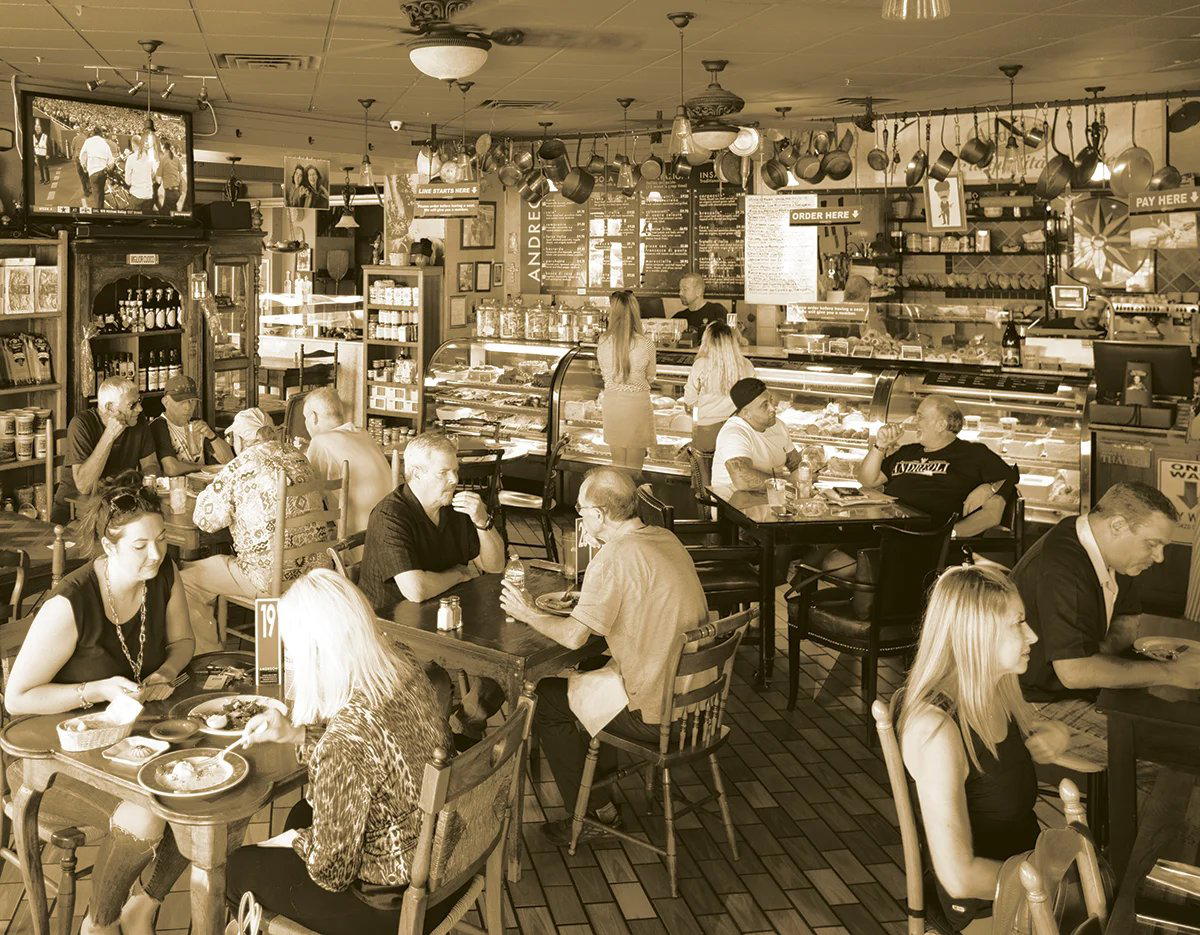
Scottsdale's Japanese dining scene has moved through several phases over the past two decades. What began as a market dominated by Americanized maki and teriyaki combinations has, in the north corridor along Hayden Road and its adjacent blocks, gradually produced a more considered tier of sushi-focused restaurants. The clientele in this part of the city tends toward repeat visitors with developed palates, which creates the commercial conditions for kitchens to push beyond accessible crowd-pleasers toward tighter, more technique-dependent menus. Pure Sushi occupies a position in this environment at 20567 Hayden Rd, Scottsdale, AZ 85255, where the surrounding dining scene includes everything from contemporary European formats like AC Kitchen to refined Italian operators such as Andreoli Italian Grocer and Arrivederci Pinnacle Peak. That competitive mix matters: it signals a neighborhood with genuine range, where diners are making deliberate choices rather than defaulting to convenience.
What the Room Signals Before You Order
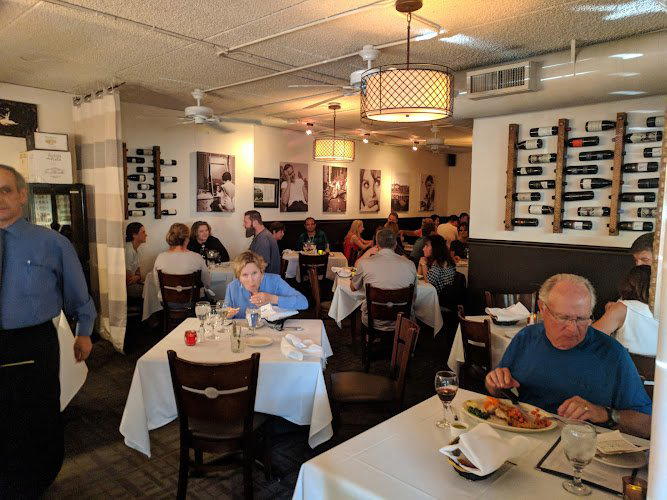
The physicality of a sushi counter communicates intent before a single piece of fish is placed. In the better Japanese formats across the American Southwest, design choices function as editorial statements about the kitchen's relationship with its product. A long cypress or hinoki counter keeps the diner proximate to the cutting board, collapsing the usual distance between preparation and consumption. The lighting, whether warm or deliberately spare, tells you whether the room is optimized for atmosphere or for seeing exactly what you're eating. North Scottsdale's better sushi operations have learned from both the West Coast's established counter culture and from the transparency increasingly expected by diners who follow operations like Atomix in New York City or reference the precision-driven ethos of restaurants such as Providence in Los Angeles. The physical environment at a serious sushi counter is never incidental.
Team Dynamics at the Counter
In the most coherent Japanese dining formats operating in the United States today, the gap between the cutting board, the floor staff, and the beverage program has narrowed considerably. At the highest tier, represented nationally by restaurants like Le Bernardin in New York City or The French Laundry in Napa, the integration between kitchen output and front-of-house pacing has become as technically demanding as the cooking itself. A sushi counter creates a version of this challenge in compressed form: the itamae's rhythm sets the tempo for every other moving part in the room. Front-of-house staff at a serious counter need to read that rhythm and match it, ensuring that sake or wine pairings land in the right window, that palate-cleansing elements don't arrive as afterthoughts, and that the progression from lighter, more delicate cuts to richer, fattier fish unfolds at the pace the kitchen intends. This kind of operational synchronization is what separates a technically competent sushi counter from one with genuine hospitality intelligence, and it's the axis on which Arizona's better Japanese restaurants are increasingly being judged. Elsewhere in Scottsdale's dining scene, this same team-dynamic question plays out in formats as different as the tasting menus at Atlas Bistro or the ceremony-conscious service at Afternoon Tea at the Phoenician.
Where Pure Sushi Sits in the Arizona Market
Arizona's sushi market does not operate at the same density as Los Angeles, San Francisco, or New York, which means individual operators face less competitive pressure from direct peers but also less ecosystem support in terms of high-quality fish distribution networks, trained itamae pipelines, and a dining public that visits Japanese counters multiple times per month. That context shapes what is achievable and what a serious operator must actively build rather than inherit. The restaurants nationally that have solved this kind of market-infrastructure problem tend to be those that commit to direct sourcing relationships with fish suppliers outside their immediate geography, invest disproportionately in staff training relative to their market size, and cultivate a core repeat-visitor base. Comparable challenges have been addressed in different culinary traditions by operations like Addison in San Diego and Single Thread Farm in Healdsburg, both of which operate in markets that required deliberate audience-building rather than benefiting from preexisting demand density. For the Scottsdale dining scene overall, the presence of a focused sushi operation in the north corridor adds meaningful diversity to a restaurant mix that runs heavily toward steakhouses and contemporary American formats.
Planning Your Visit
Pure Sushi is located at 20567 Hayden Rd in the 85255 zip code, which places it in north Scottsdale's residential-commercial corridor. In general, north Scottsdale's better dining rooms tend to fill Thursday through Saturday evenings from mid-autumn through spring, which represents the city's peak dining season as temperatures drop to comfortable outdoor levels. Visitors arriving during that window would do well to plan ahead rather than walking in. Proximity to comparable dining across different categories makes this corridor workable for a multi-stop evening, with options like Atlas Bistro and Andreoli Italian Grocer filling different positions on the spectrum from casual to considered.
Continue exploring
More in Scottsdale
Restaurants in Scottsdale
Browse all →
Bars in Scottsdale
Browse all →


At a Glance
- Trendy
- Cozy
- Modern
- Date Night
- Casual Hangout
- Open Kitchen
- Sake Program
Current opening hours
- Monday
- 11 AM–9 PM
- Tuesday
- 11 AM–9 PM
- Wednesday
- 11 AM–9 PM
- Thursday
- 11 AM–9 PM
- Friday
- 11 AM–9:30 PM
- Saturday
- 11 AM–9:30 PM
- Sunday
- 11 AM–9 PM
Hours can change for holidays and private events. Last verified .
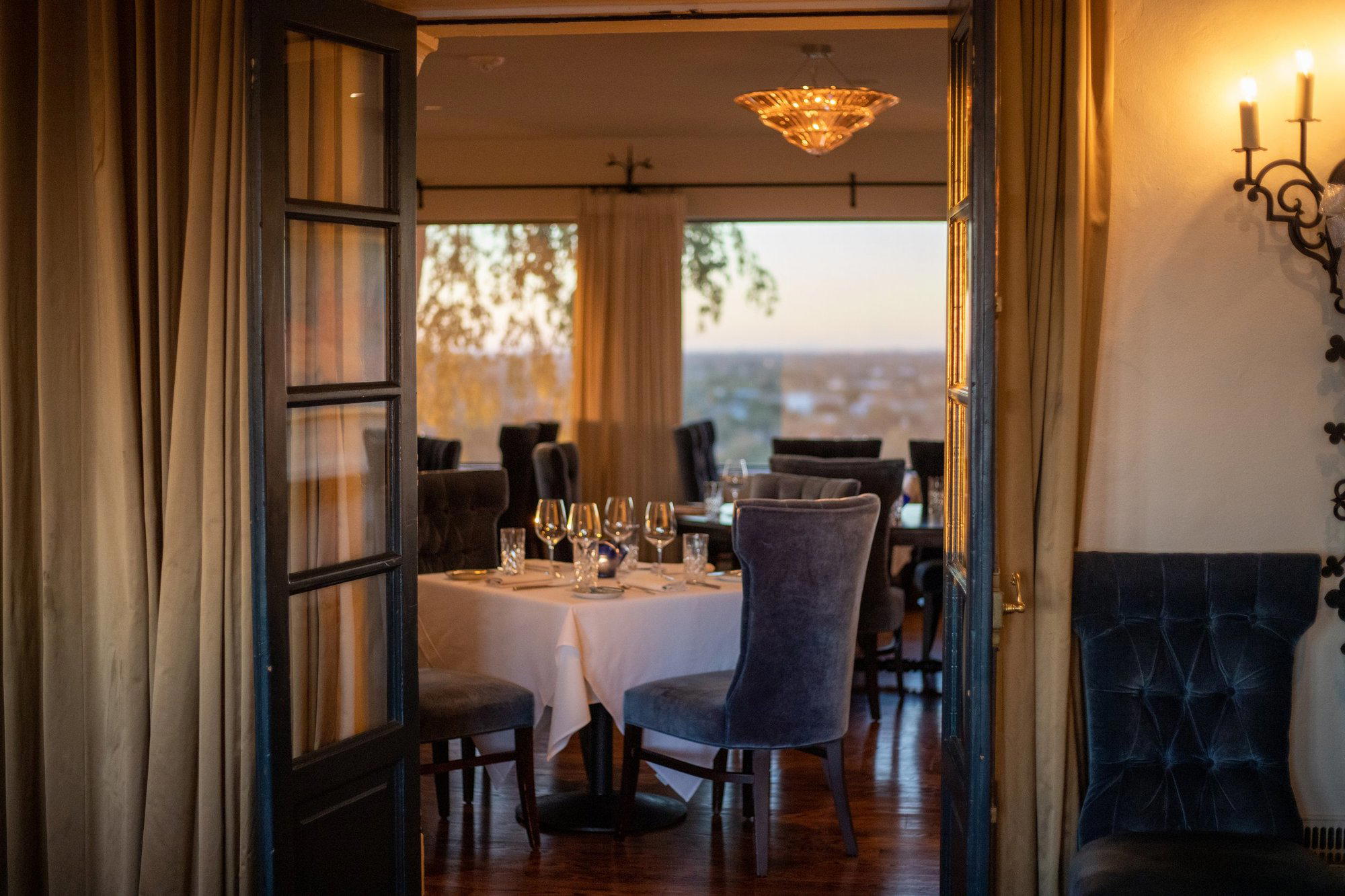
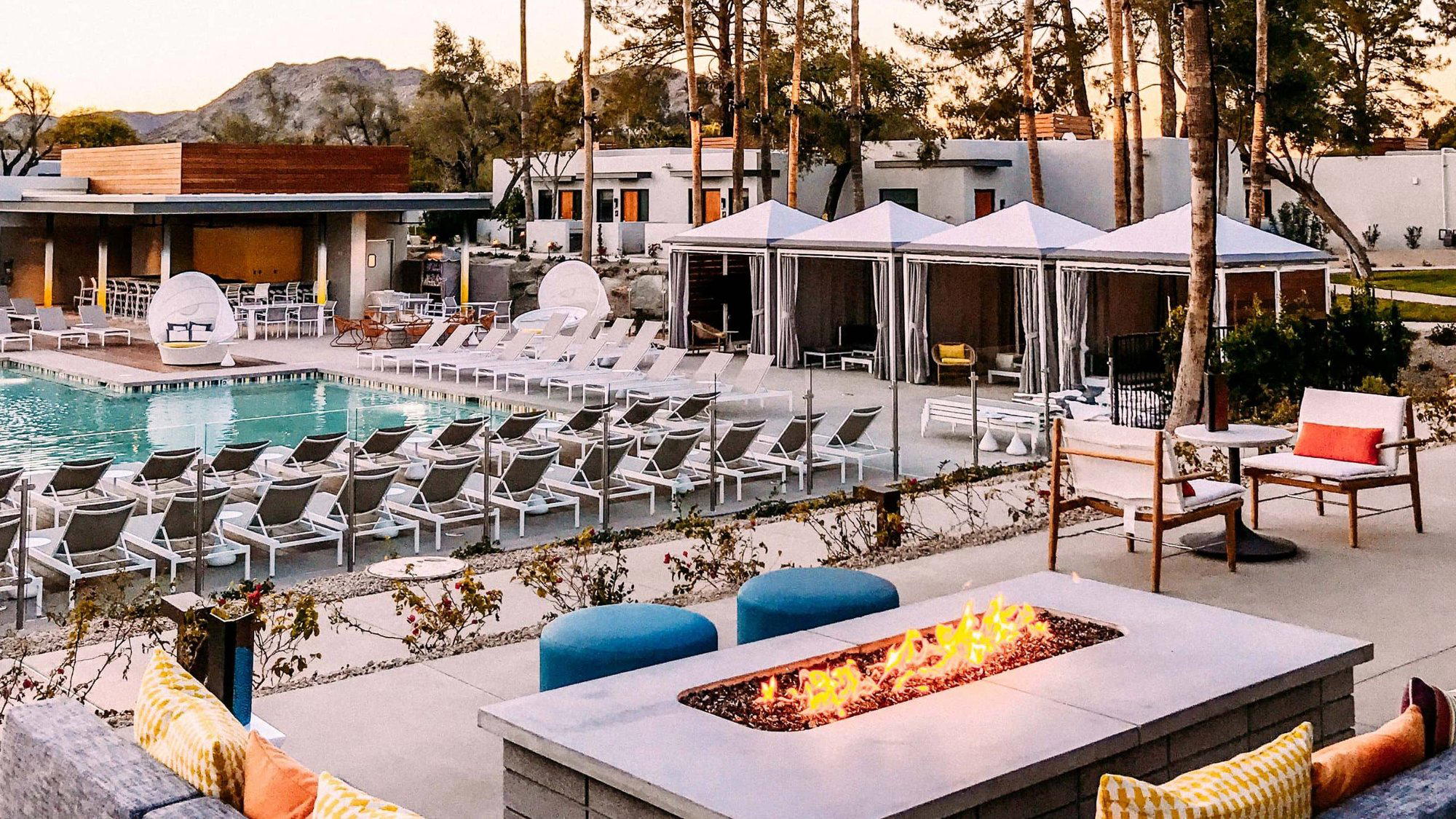
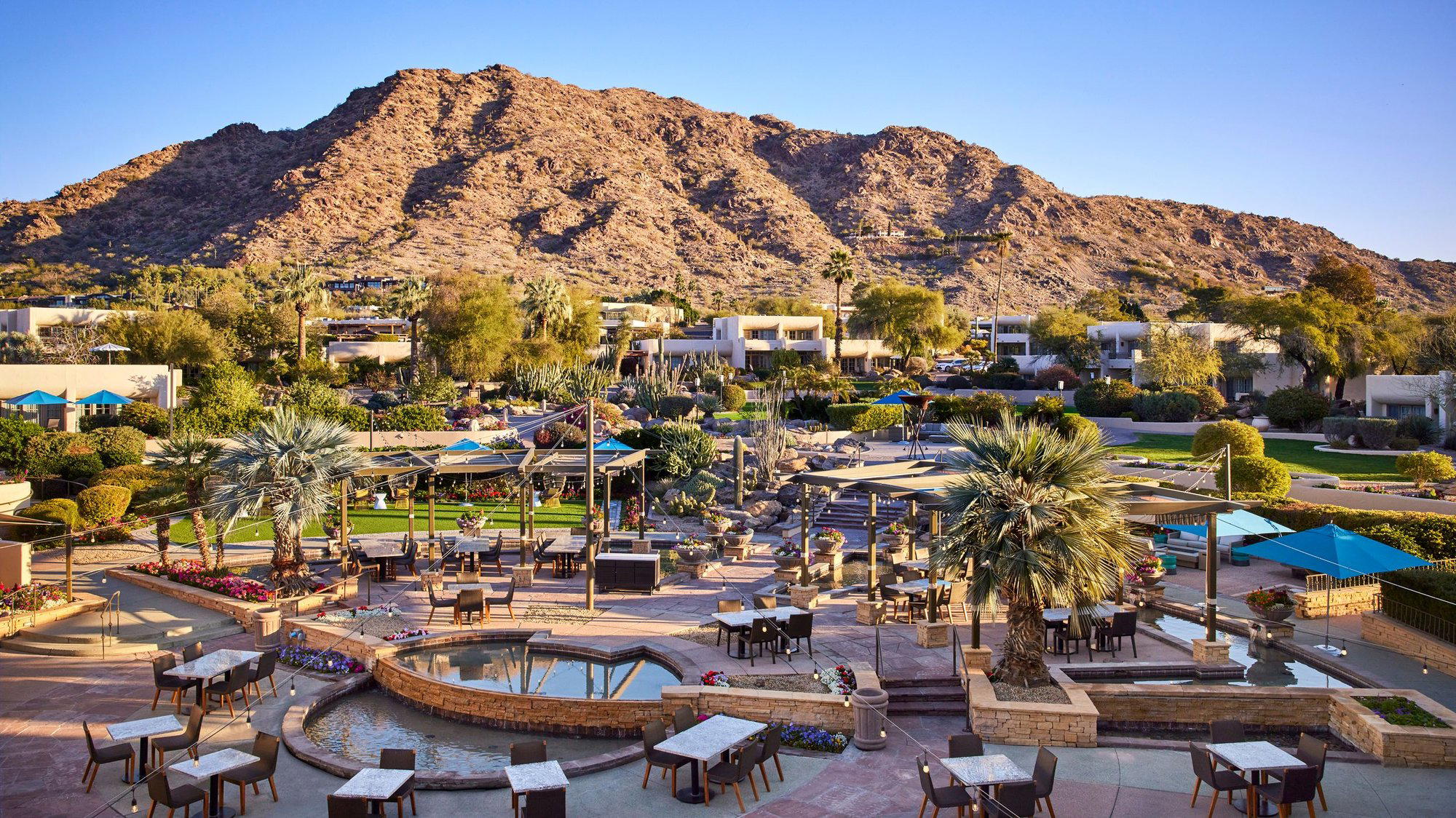
Inviting and intimate atmosphere with beautiful indoor and outdoor patio dining options.
Know Before You Go
- Getting there
- 20567 Hayden Rd, Scottsdale, AZ 85255