Nobu
Our verdict
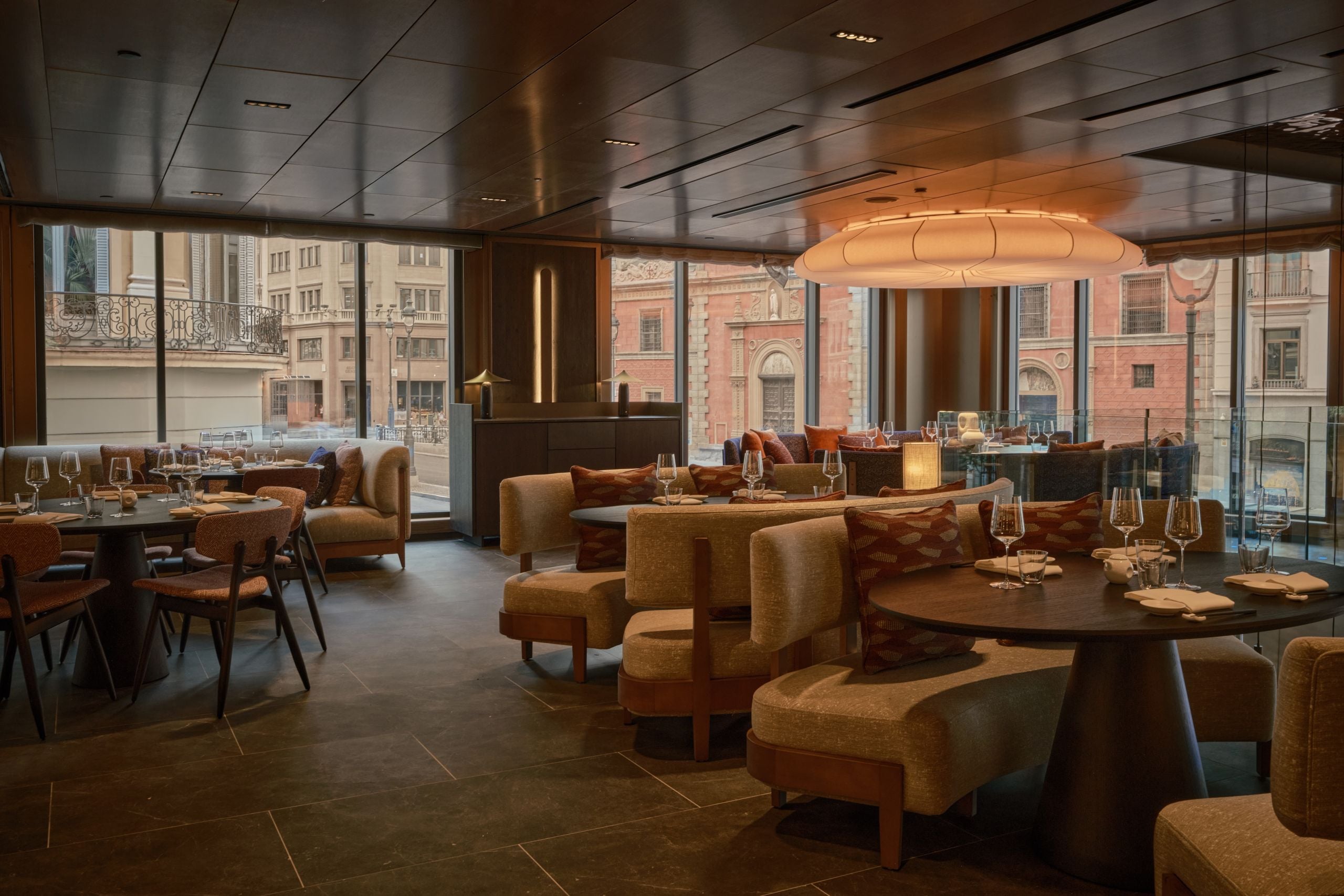
Nobu serves Japanese-Peruvian fusion with an open kitchen, a leisurely pace, and conversational noise; brunch or dinner fits the format.

Pearl is the En Primeur Club membership app — saves, bookings, and concierge access live there. Same editors, same standards.

The menu
What to order
- Yellowtail Jalapeño
- Black Cod Miso
- Rock Shrimp Tempura
The Nobu Format as Occasion Architecture
Among global restaurant groups that operate at premium price points, Nobu Hospitality occupies a particular position. The brand built its reputation on a Japanese-Peruvian fusion framework developed in New York in the 1990s, a format that introduced miso-cured fish preparations, tiradito-adjacent crudo treatments, and sake-forward beverage programs to markets that had little exposure to that hybrid vocabulary. Decades later, the Nobu format has become a benchmark category of its own: recognizable enough to anchor a celebration for guests unfamiliar with Japanese dining conventions, technically grounded enough to satisfy guests who have eaten across serious omakase counters in Tokyo or Los Angeles.
That dual-audience positioning is exactly what makes it function as occasion dining. When a group organising a milestone dinner needs confidence that every guest will find something to engage with, the Nobu menu architecture delivers: raw preparations alongside cooked, seafood alongside meat, assertive sauces alongside cleaner, more austere presentations. The format does not ask guests to commit to a fixed progression the way a pure omakase counter does, which removes friction for mixed-experience tables. For guests who want a point of comparison, properties like Le Bernardin in New York City or The French Laundry in Napa operate at the fixed-progression end of the spectrum; Nobu sits on the other side of that continuum, where the guest controls pacing and selection.
What to Order: Navigating the Menu Framework
Without fabricating specific dishes or current menu items, it is possible to describe the category logic that Nobu menus follow across locations. The cold preparations section, which typically includes tartare, tiradito, and miso-marinated raw fish, is where the kitchen's Japanese-Peruvian synthesis is most concentrated. These dishes draw on Peruvian citrus acids and chilli heat applied to Japanese cutting techniques and fish sourcing standards. Ordering from this section first establishes a reference point for the rest of the meal.
Warm small plates tend to anchor the middle of a Nobu meal, with black cod appearing in various guises as one of the format's most replicated signatures across global locations. That dish, developed in New York decades ago and since absorbed into mainstream Japanese-American restaurant vocabulary, represents the clearest example of how a single technique, long miso marination followed by high-heat finishing, can generate a flavour profile that is now widely imitated but remains more precise in its original context.
For groups planning a celebration dinner, the shareable format of the Nobu menu allows a table to cover significant range without committing to a chef's menu. That flexibility is worth noting when planning against event constraints like dietary restrictions within a group or a table that includes guests at different price-sensitivity thresholds. Addison in San Diego, Providence in Los Angeles, or Alinea in Chicago, though those are considerably more format-committed and technically demanding experiences. Nobu addresses a gap that steakhouses do not: guests who want tableside ceremony and visual complexity alongside their proteins, with a beverage program that skews toward Japanese whisky and sake rather than purely Napa Cabernet.
For guests interested in Korean fine dining as a comparison point, Atomix in New York City represents the more tasting-menu-driven end of Asian fine dining, while 8 1/2 Otto e Mezzo Bombana in Hong Kong shows how European-Asian crossover formats operate at the upper end of the Hong Kong market.enprimeurclub.enprimeurclub.enprimeurclub. The full range of options is mapped in Lazy Bear in San Francisco, Single Thread Farm in Healdsburg, Blue Hill at Stone Barns in Tarrytown, The Inn at Little Washington, and Emeril's in New Orleans each represent a different model of occasion dining, from chef-driven tasting formats to farm-anchored progressive menus. The Nobu Hospitality format across its global portfolio tends toward designed, textural interiors suited to group dining and celebrations, making it a functional choice for occasion meals in a city with an active resort-driven event calendar.
Frequently asked questions
What kind of setting is Nobu?
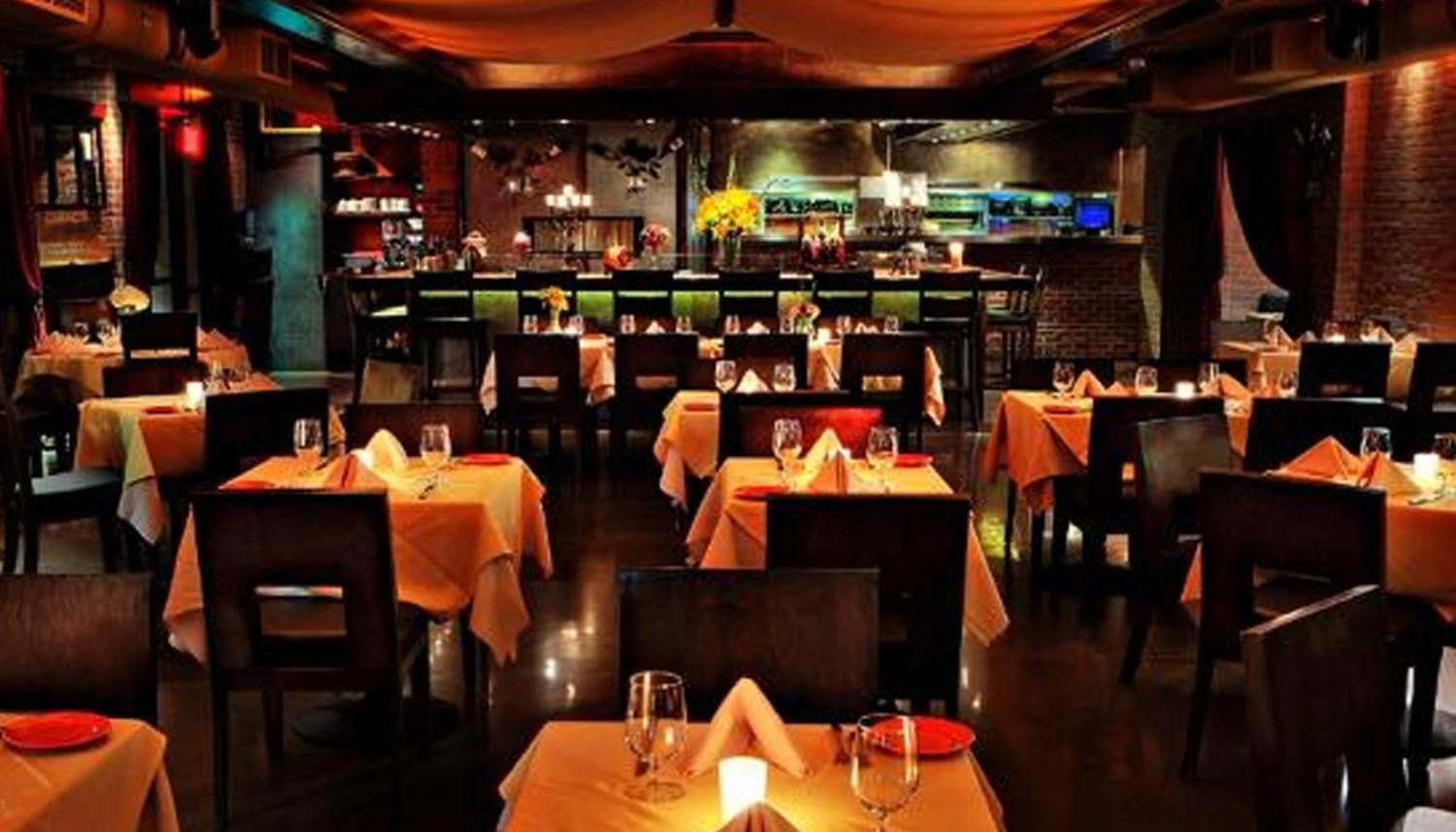
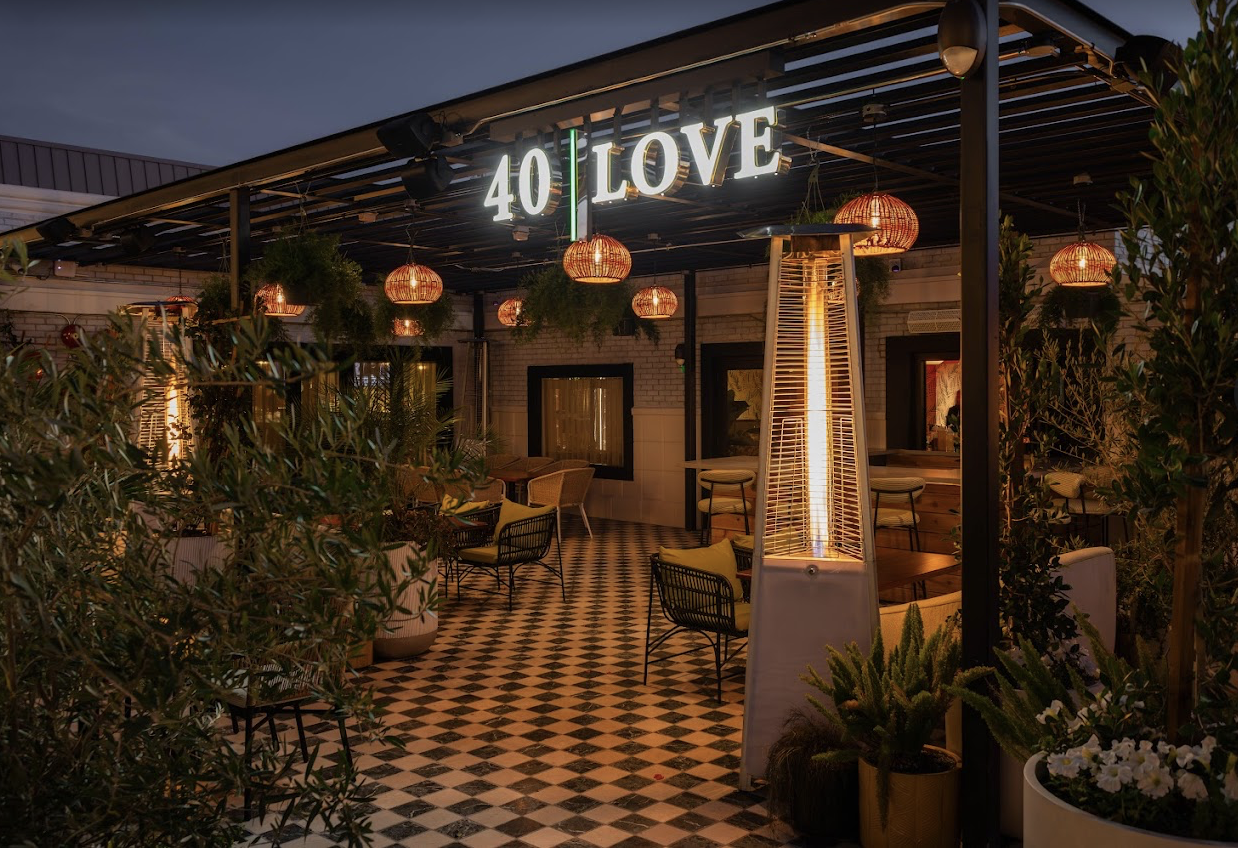
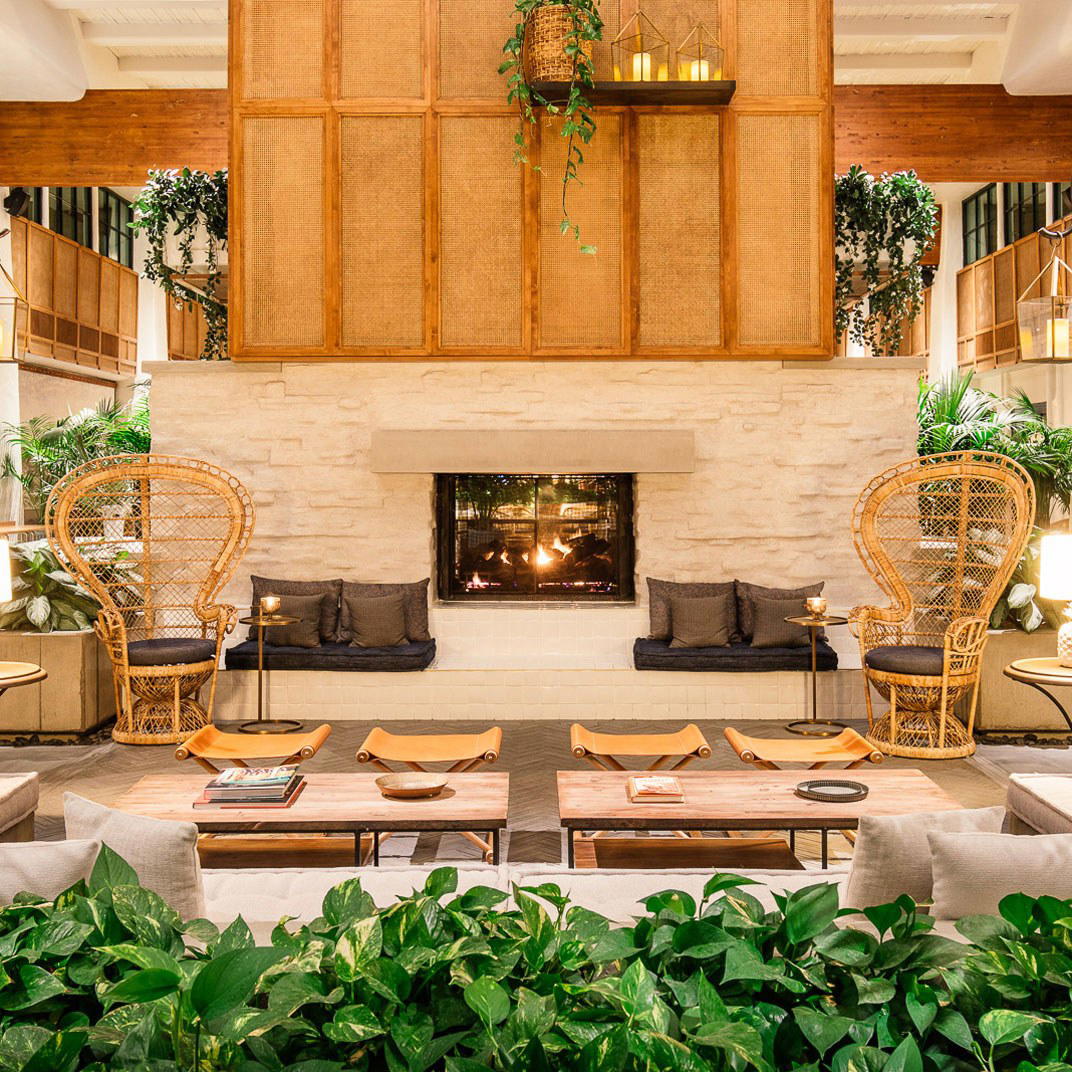
Nobu Scottsdale sits inside Scottsdale Fashion Square at 7014 E Camelback Rd, placing it firmly in the city's upscale retail and hospitality corridor. The Nobu Hospitality format favors polished, design-forward interiors that read as occasion spaces without formal dress requirements. Expect a room built for group celebrations and business dinners rather than quiet solo meals.
What's Nobu's location?
Nobu is located at î7014 E Camelback Rd #1170, Scottsdale, AZ 85251, Scottsdale.
Is Nobu Scottsdale a good choice for a group dinner or private event in Arizona?
The Nobu brand is structured around high-volume, multi-party service, making it one of the more operationally suited options in Scottsdale for groups of six or more. Located at 7014 E Camelback Rd within Scottsdale Fashion Square, the venue benefits from adjacent parking and proximity to several major resort properties. For private dining or large-party reservations, contacting the restaurant directly will clarify room configurations and minimum spend requirements that vary by season.
What should I eat at Nobu?
Nobu menus across US locations are structured around cold dishes, hot dishes, and sushi, with the Japanese-Peruvian fusion approach running through most sections. Signature preparations tied to the global brand — including yellowtail with jalapeño and black cod with miso — appear consistently at domestic locations, though confirming current availability at the Scottsdale location directly is advisable before visiting. The format rewards ordering across multiple categories rather than anchoring on a single course.
How far ahead should I plan for Nobu?
Scottsdale operates on a pronounced high season between October and April, when resort occupancy and corporate event traffic push reservation demand at premium restaurants. Booking two to three weeks ahead covers most mid-week visits during shoulder periods; weekend tables and holiday windows warrant four weeks or more. Confirm directly with the restaurant for current lead times.
What makes Nobu worth seeking out?
The Nobu Hospitality group built its global presence on a format that few competitors have replicated at scale: a Japanese technique base crossed with Peruvian ingredient logic, executed with consistent kitchen discipline across dozens of locations. In Scottsdale's occasion-dining tier, that cross-cultural framework sets Nobu apart from the New American and steakhouse options that otherwise dominate the city's premium segment. The Camelback Road address also makes it logistically convenient for guests staying in the Fashion Square corridor.
Comparable Spots, Quickly
Comparable venues nearby, for context on price, style, and recognition.
| Venue | Cuisine | Price | Awards | Notes |
|---|---|---|---|---|
| NobuThis venue — the venue you are viewing | Japanese-Peruvian Fusion | $100–150 | Not listed | Not listed |
| Kauboi | Japanese Steakhouse with Robata Grill | Not listed | Not listed | Old Town Scottsdale |
| Orange Sky | Contemporary American Steakhouse with Seafood | $50–100 | Not listed | Scottsdale |
| BOURBON STEAK | Modern American Steakhouse | $100–150 | Wine Spectator Best of Award of Excellence | North Scottsdale |
| Persian Room Fine Dining | Traditional Persian Fine Dining | $50–100 | Not listed | North Scottsdale |
| Luna By Giada | Modern Italian with California Influences | $50–100 | Wine Spectator Award of Excellence | Central Scottsdale |