U Pinkasù
Our verdict
A long-standing Czech pub and restaurant on Jungmannovo náměstí, U Pinkasù occupies a central position in Prague's traditional hospoda scene. The address puts it within reach of the Old Town and Nové Město without sliding into pure tourist territory. It represents a category of Prague dining where beer, Czech cooking, and a certain unforced civic character still coexist.

Pearl is the En Primeur Club membership app — saves, bookings, and concierge access live there. Same editors, same standards.
- Address
- Jungmannovo nám. 756 /16, 110 00 Můstek, Czechia
- Phone
- +420221111152
- Website
- upinkasu.de
- Directions
- Get directions
The menu
What to order
- Czech sirloin
- Traditional beef goulash with dumplings
- Freshly baked pork knee
- Pilsner Urquell hladinka
Where Prague's Pub Tradition Still Has Weight
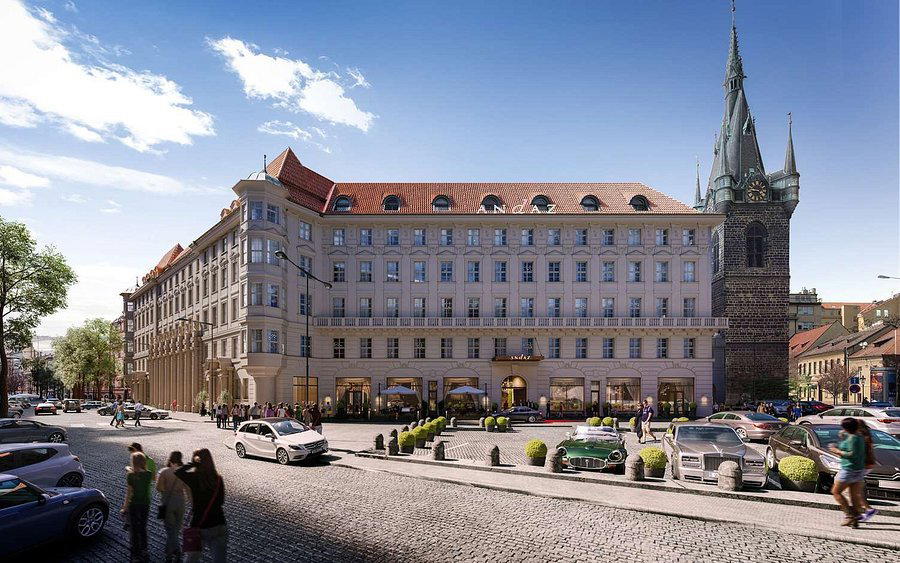
Jungmannovo náměstí sits at a crossroads that most visitors pass through without stopping. The square connects Wenceslas Square's commercial sprawl to the quieter streets that feed toward the Old Town, and the buildings along it carry the kind of functional dignity that defines central Prague's architectural middle register. U Pinkasù stands on this square with the bearing of a place that has never needed to explain itself. The facade, the worn interior details, the particular hum of a room where Czech is spoken as often as English — these are not cultivated effects. They are residues of actual duration.
This matters because Prague's central dining scene has split sharply over the past decade. One segment has moved toward ambitious tasting menus and wine-forward formats — places like La Degustation Bohême Bourgeoise, which works at the intersection of French technique and Czech culinary heritage, or Alcron, positioned firmly in the modern European bracket. The other segment has largely capitulated to tourist expectations, cycling through goulash-and-svíčková combinations with minimal regard for sourcing or execution. U Pinkasù occupies a third position: traditional Czech in format, but with the institutional credibility that comes from serving a local clientele that would notice the difference.
The Ingredient Question in Czech Pub Cooking
Czech pub food carries a reputation, not always flattering, for being built around shelf-stable ingredients and economies of scale. Heavy sauces, long-cooked meats, and bread dumplings that absorb rather than complement, this is the template that most tourist-facing establishments default to, often without apology. The more interesting question, for the few traditional addresses that take their kitchen seriously, is where the raw material actually comes from and how much that sourcing changes what lands on the table.
Svíčková na smetaně, beef sirloin in cream sauce, is the dish that most reliably exposes this gap. When the beef is sourced with attention to breed and aging, and when the root vegetable base of the sauce reflects actual seasonal variation rather than a fixed industrial formula, the dish reads differently. The same logic applies to roast duck, to pork knee, to the pickled and fermented accompaniments that function as textural counterpoints throughout Czech cooking. In the city's traditional hospody, sourcing rarely gets discussed explicitly, but it shows in the consistency and depth of dishes that, at lesser addresses, taste interchangeable.
This is the frame through which U Pinkasù's position in the Prague dining map becomes legible. Traditional Czech cooking done with care for its raw material is a narrower category than it appears, and the address on Jungmannovo náměstí has maintained standing in that category across years of increasing competition from tourist-optimized alternatives.
Beer as Context, Not Backdrop
Czech beer culture is not incidental to Czech food culture, it is structurally embedded in it. The logic of heavy, fat-rich dishes becomes more coherent when the table also carries cold, well-kept Pilsner Urquell or Kozel. The bitterness of Czech lager, the particular minerality that comes from Bohemian water sources, and the carbonation levels that Czech brewing tradition favors all function as palate counterpoints to slow-cooked meat and dumpling-heavy plates.
A hospoda that takes its beer service seriously, temperature, pour, glass cleanliness, tap maintenance, is signaling something about its overall standards. Prague has seen a wave of craft beer bars and import-heavy taprooms, particularly in neighborhoods like Vinohrady and Žižkov, but the traditional pivnice format remains its own distinct register. U Pinkasù operates in that register, where beer is not decoration for the dining experience but a co-equal element of it. For those approaching Prague through its culinary architecture rather than its tourist itinerary, understanding this distinction is worth the time.
Placing U Pinkasù in Central Prague's Dining Map
The area between Můstek and Národní třída contains a denser concentration of dining options than almost anywhere else in the city, which makes positioning both easier and harder. Easier, because visible peer references are close. Harder, because the tourist density in this corridor pushes many kitchens toward safe, high-margin defaults. For contemporary Czech cooking at the higher price tier, 420 Restaurant and Alma operate in a different register entirely. Amano and Emperor Square in Prague 1 represent further variation in how the central district absorbs different formats.
U Pinkasù's comparison set is not these addresses. Its peer group is a smaller collection of long-standing Czech hospody that have maintained local relevance through quality and consistency rather than concept reinvention. That is a harder category to sustain in a city center subject to the commercial pressures that Prague's Old Town and surrounding squares now generate.
For readers planning a broader Czech trip, the country's dining character extends well beyond the capital. BRATRS in Brno represents a different regional inflection, while Bylo, nebylo in Liberec, U Lípy in Hrensko, and ARRIGŌ in Děčín each map to distinct parts of the country's culinary geography. Outside the Czech Republic, the EP Club's coverage of Hello Vietnam in Karlovy Vary, La Chica in Plzen, Gokana in Ostrava, and Restaurace Dr. Grill in Havirov documents how the country's regional cities are building distinct dining identities outside the capital's shadow. Wine drinkers planning time in Moravia should consult Vinařství Gurdau in Kurdejov. Our full Prague restaurants guide provides the broader city context.
For reference points outside Central Europe, the EP Club's coverage of Le Bernardin in New York City and Atomix in New York City illustrates what ingredient-sourcing discipline looks like at a different scale and price tier, useful benchmarks for understanding how seriously a kitchen takes its raw material, whatever the cuisine.
Planning a Visit
U Pinkasù is located at Jungmannovo náměstí 756/16, in the Můstek district of Prague's Nové Město. The square is a short walk from both Můstek metro station (lines A and B) and Národní třída station (line B), making it accessible without a taxi from most central accommodation.
Frequently asked questions
What part of town is U Pinkasù in?
U Pinkasù is located at Jungmannovo nám. 756 /16, 110 00 Můstek, Czechia, Prague.
Is U Pinkasù a good option for a Czech pub meal close to Prague's Old Town?
U Pinkasù sits on Jungmannovo náměstí in Nové Město, a short walk from both the Můstek metro stop and the edge of the Old Town. That proximity makes it one of the few traditional hospoda addresses in Prague's centre that hasn't repositioned for the tourist trade. For visitors who want Czech pub cooking in a central location without crossing into the Old Town's more commercially driven options, the address is a reasonable and specific choice.
What should I order at U Pinkasù?
The kitchen operates in the traditional Czech pub format, with slow-cooked meats, cream-based sauces, and bread or potato dumplings forming the core of the menu. These dishes are built to pair with Czech lager, which shapes the logic of the cooking. Order according to that framework rather than against it — rich, sauce-forward plates are the point, not the problem.
How hard is it to get a table at U Pinkasù?
Traditional hospody at this quality level in central Prague face consistent pressure, particularly on weekend evenings and across the spring-to-autumn tourist season. Jungmannovo náměstí's position between Můstek and Wenceslas Square puts U Pinkasù in one of the city's highest-footfall corridors. Arriving early or booking ahead during peak periods is the practical approach.
What has U Pinkasù built its reputation on?
The address holds its position through longevity and consistency in a segment of Prague's dining scene under sustained pressure from tourist-oriented operations. In the Můstek district, where most traditional pub formats have been replaced or hollowed out, maintaining the hospoda model at a credible standard carries its own weight. That record, rather than any single dish or accolade, is what keeps a local and visitor following.
Fast Comparison
A quick peer list to put this venue’s basics in context.
| Venue | Cuisine | Price | Awards | Notes |
|---|---|---|---|---|
| U PinkasùThis venue — the venue you are viewing | Traditional Czech Pub | $10–20 | Not listed | Not listed |
| La Degustation Bohême Bourgeoise | Modern Czech Fine Dining | $100–150 | 1 Michelin Star · La Liste Top Restaurants | French-Czech |
| Alcron | Modern Central European with Plant-Forward Focus | $50–100 | Star Wine List | Modern European |
| Benjamin | Modern Czech Tasting Menu | $50–100 | Michelin Plate · Wine Spectator Award of Excellence | Modern Cuisine |
| Café Imperial | Classic Czech Brasserie | $30–50 | Michelin Plate | Traditional Cuisine |
| Dejvická 34 by Tomáš Černý | Modern Italian & Mediterranean | $30–50 | Michelin Bib Gourmand · Falstaff Restaurant - 93 Falstaff Points | Italian |
Details
- Classic
- Rustic
- Well Known
- Cozy
- Casual Hangout
- Group Dining
- Family
- After Work
- Private Event
- Historic Building
- Garden
- Terrace
- Standalone
- Beer Program
- Garden
- A La Carte
- Pilsner Urquell Beer
- Traditional Czech Beer Pours
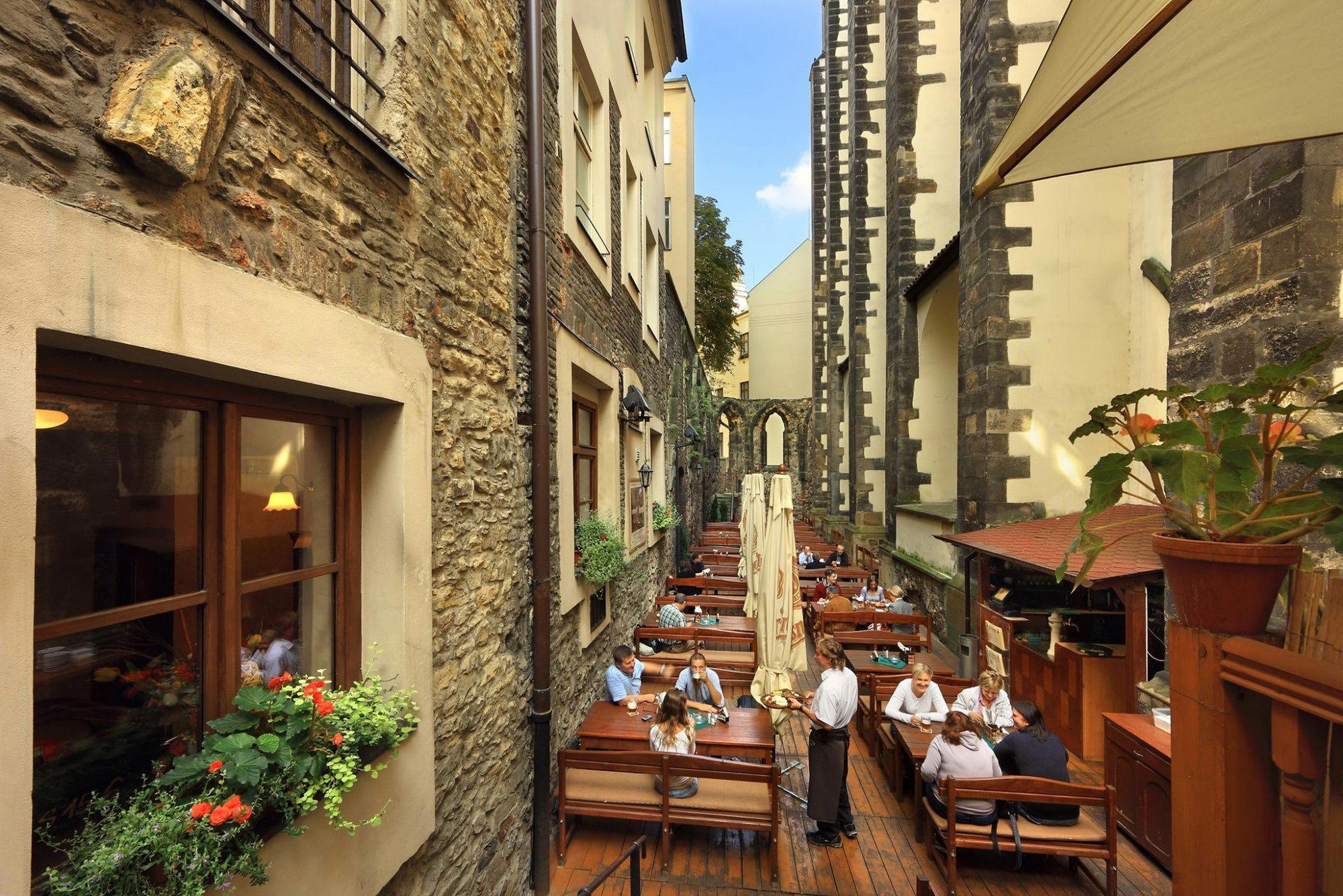
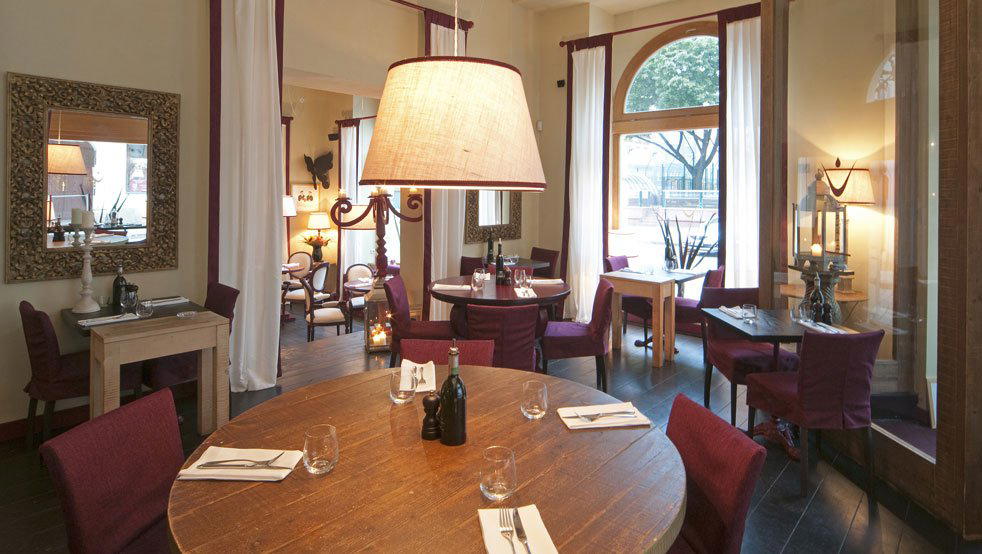
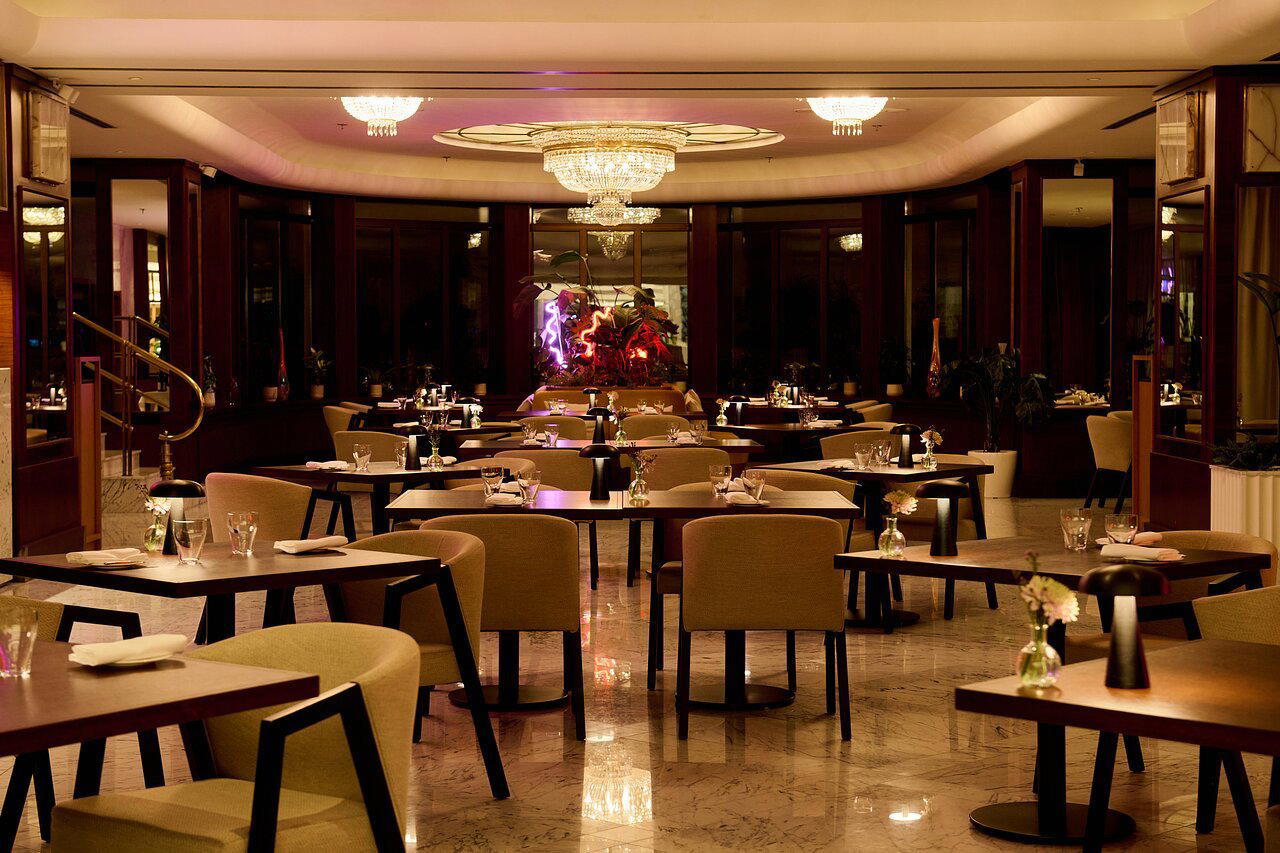
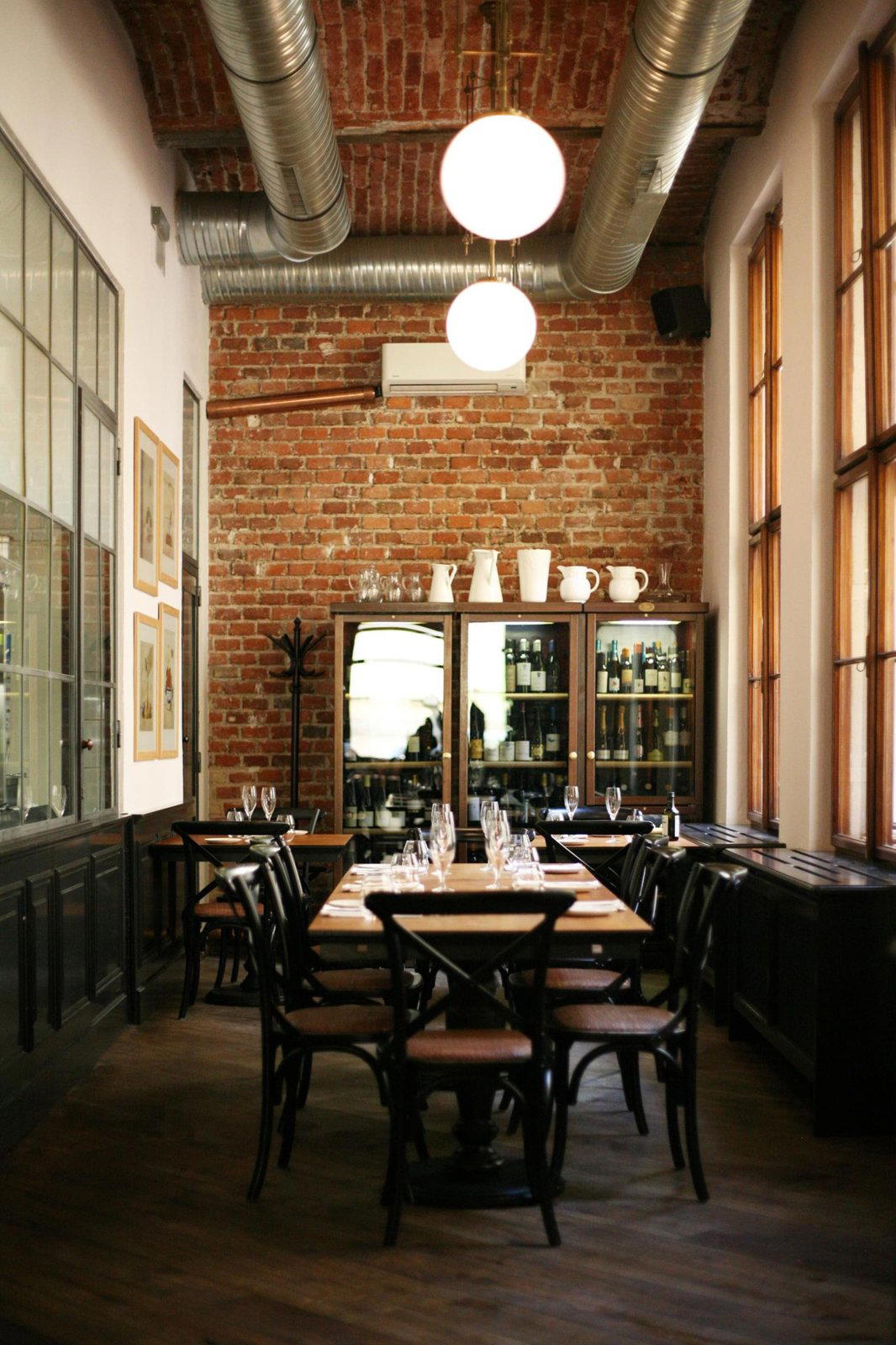
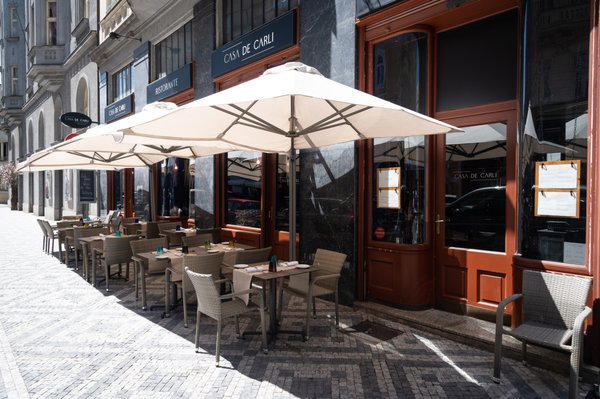
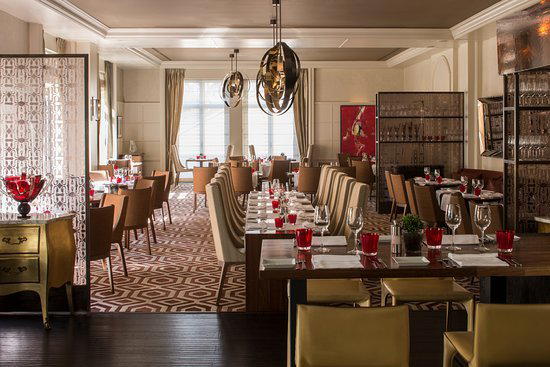
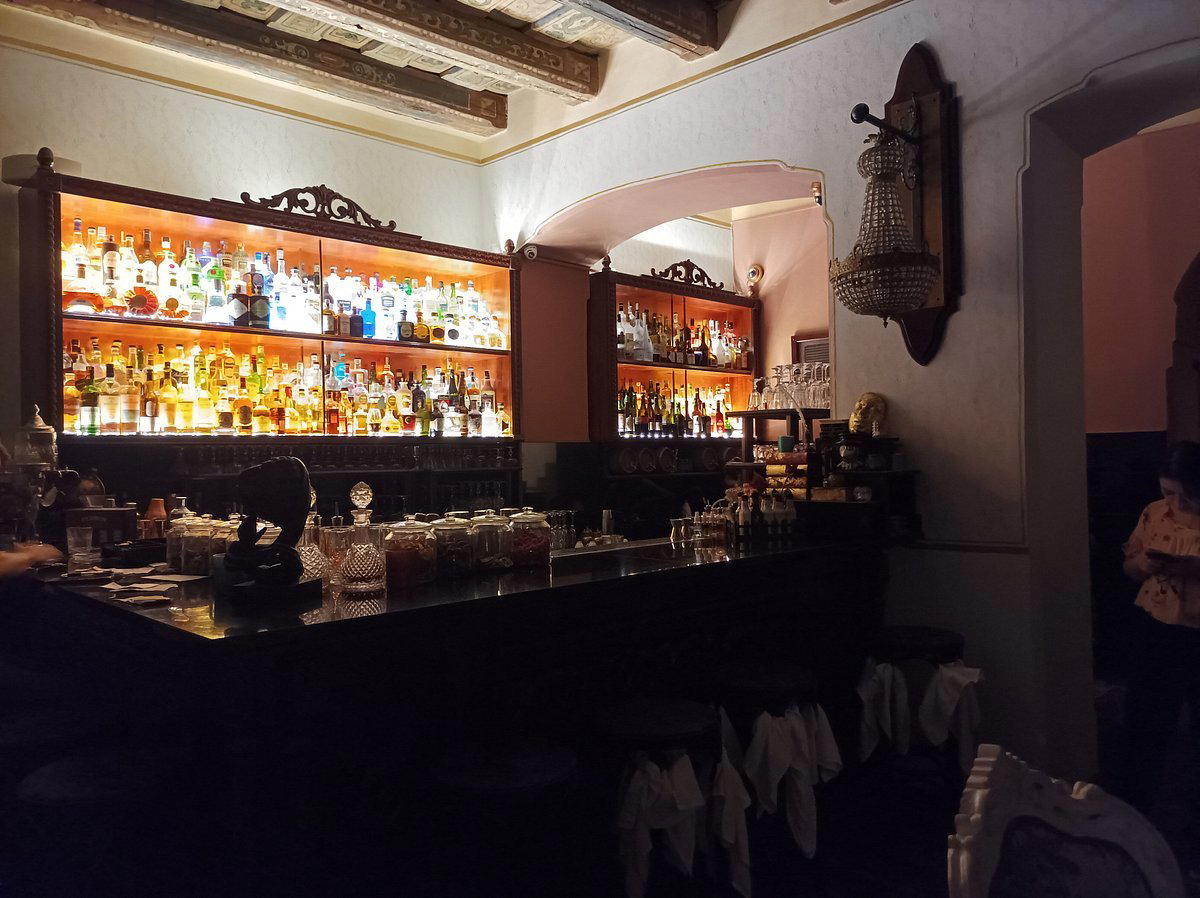
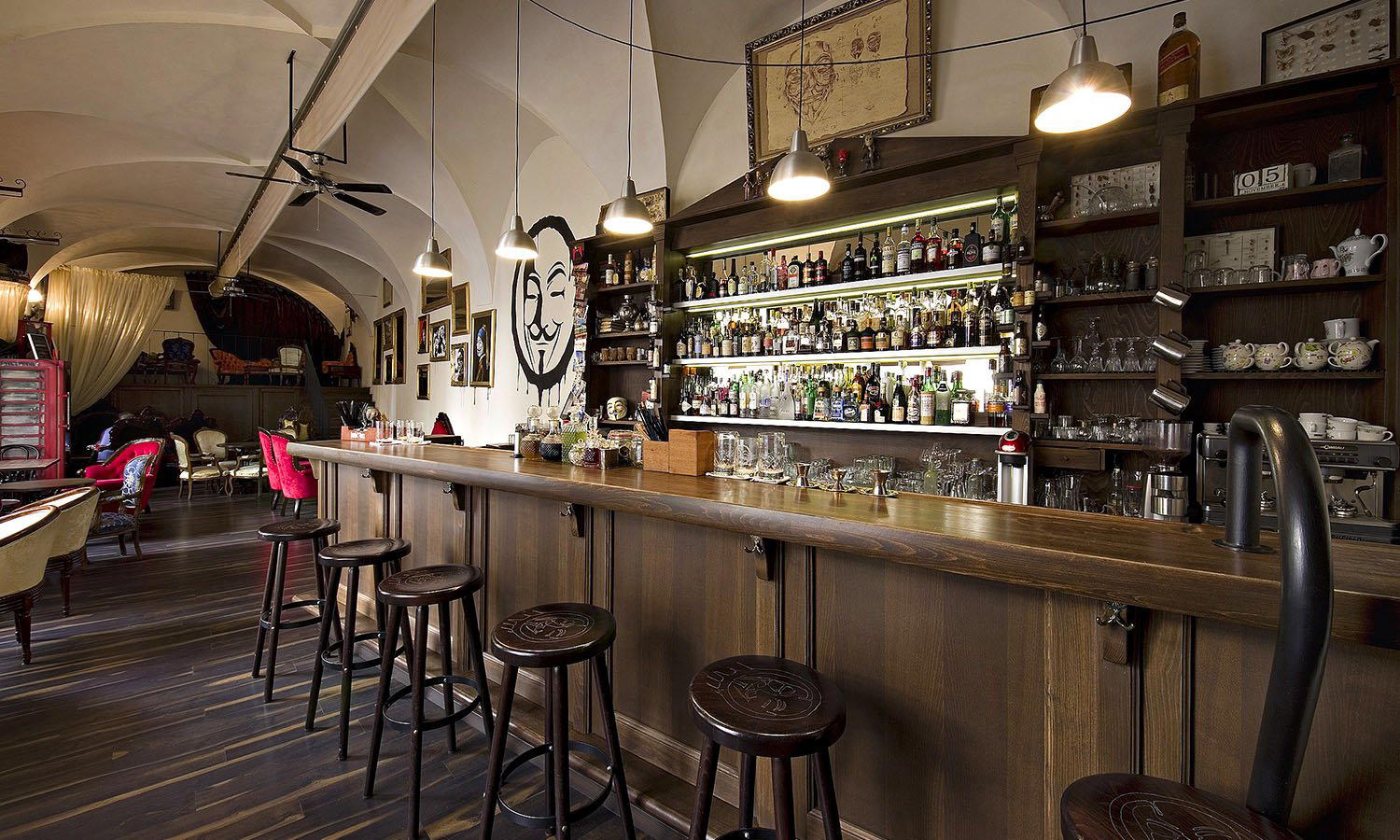
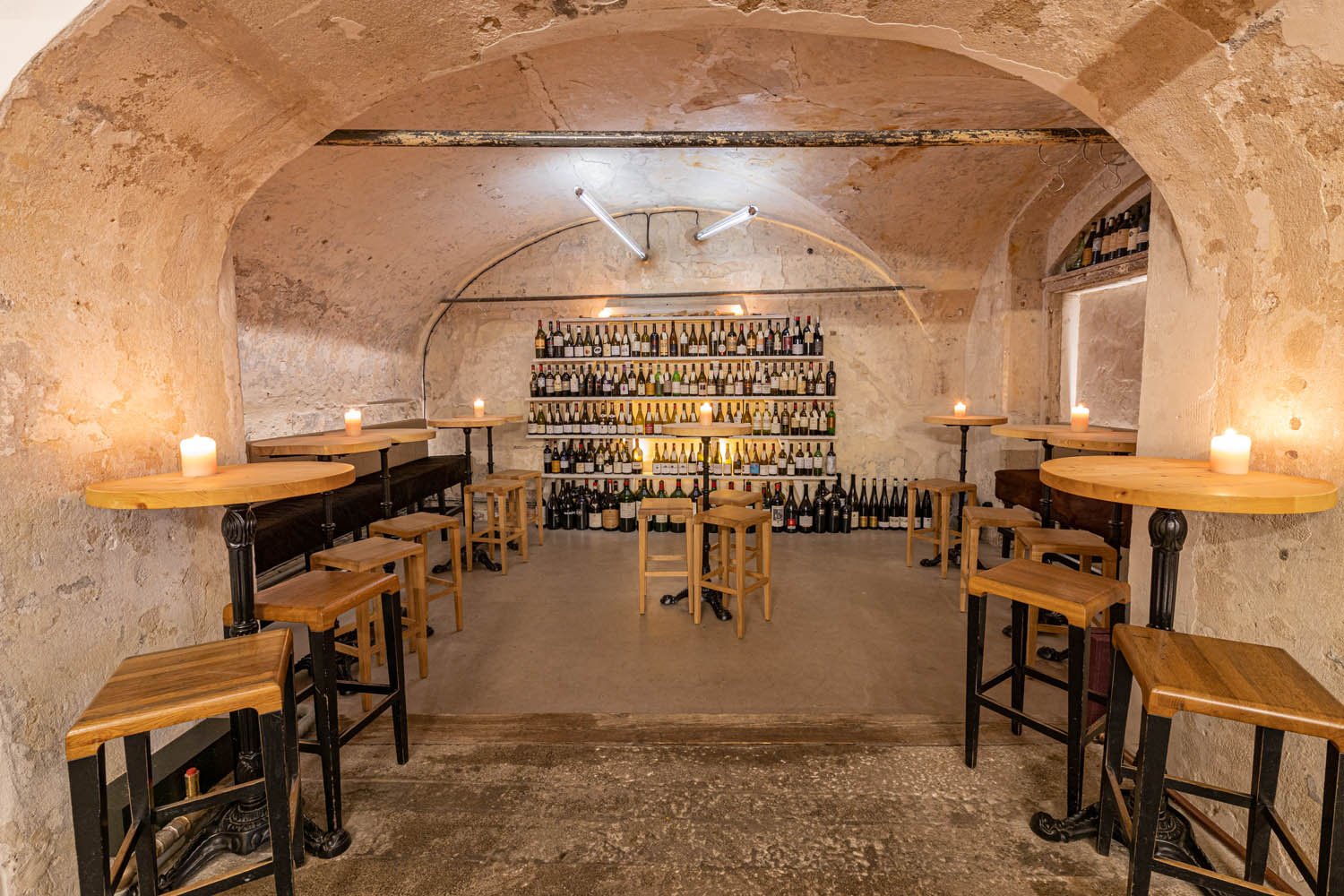
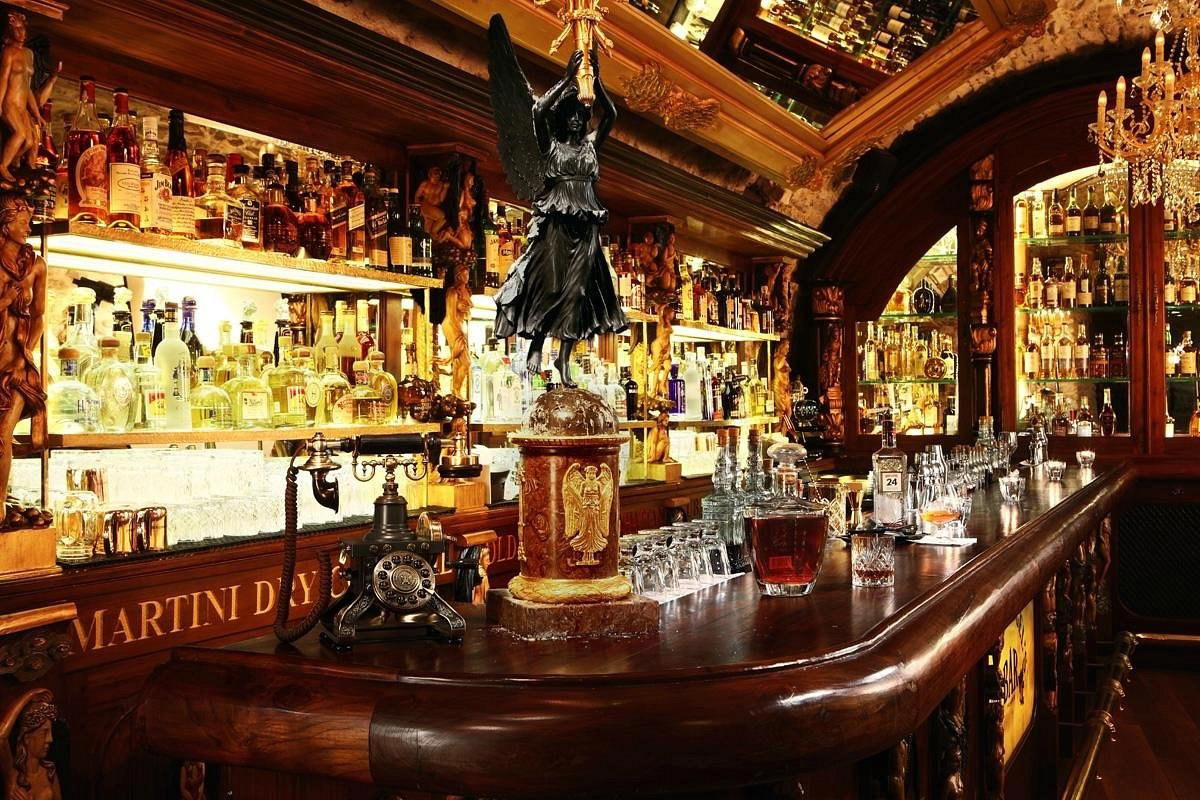
Traditional and historic, with period interiors, Gothic vaults, a homey pub atmosphere, and a quieter seasonal garden patio in central Prague.