Google: 4.4 · 1,830 reviews
U Kalendů
.png)
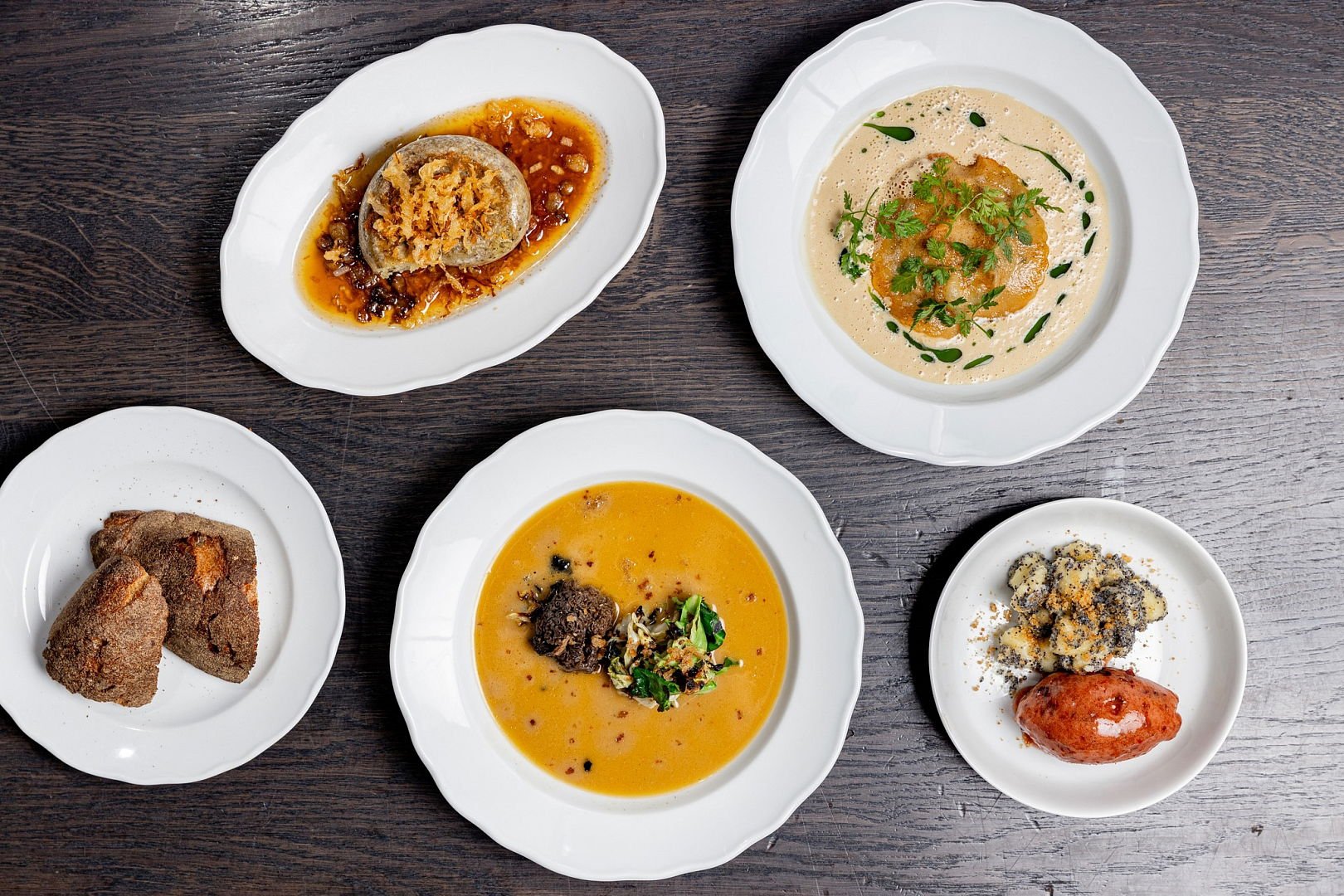
On the Nové Město embankment a short walk from the centre, U Kalendů pairs a tight menu of regional Czech classics with bread and pastries from its own adjoining bakery. Braised hare leg, pork cheeks, and duck gizzards sit alongside sweet yeast dumplings, all prepared with a craft that critics have recognised as among the more honest expressions of Czech cooking in the city.
 Discover on Pearl
Pearl is the En Primeur Club membership app — saves, bookings, and concierge access live there. Same editors, same standards.
Where the Vltava Sets the Frame
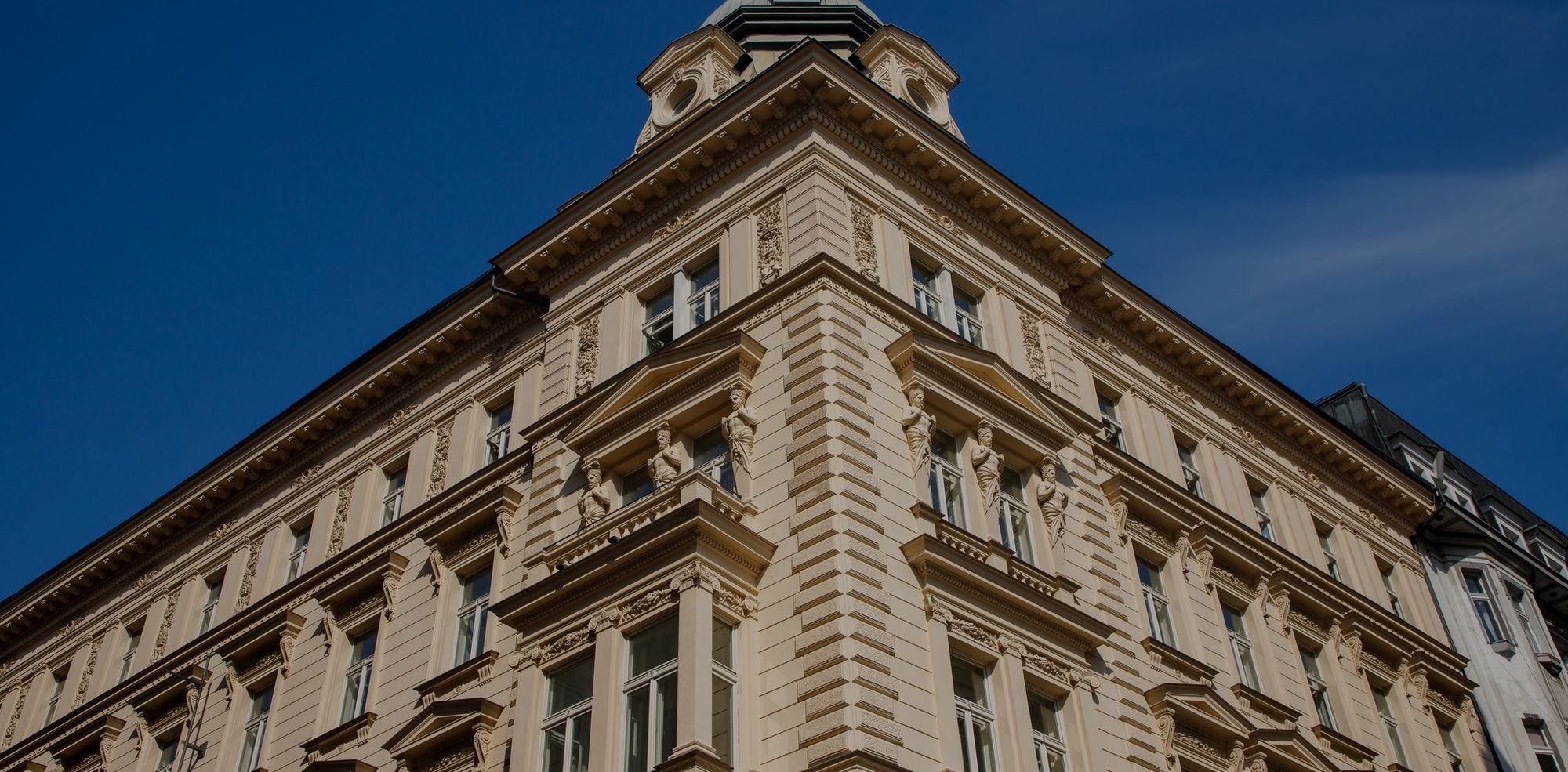
The Rašínovo nábřeží embankment runs along the eastern edge of Nové Město, and the address places U Kalendů in a part of Prague that most short-stay visitors only glimpse from a tram window. The tourist density of Staré Město and Josefov stays on the far bank; here, the street separates the restaurant from the river directly, and the shift in atmosphere is immediate. Prague's heavier restaurant traffic gravitates toward the Old Town core or the hotel dining rooms of the first district, which means that a room worth finding on the embankment tends to stay quieter than its quality would suggest in a more conspicuous postcode.
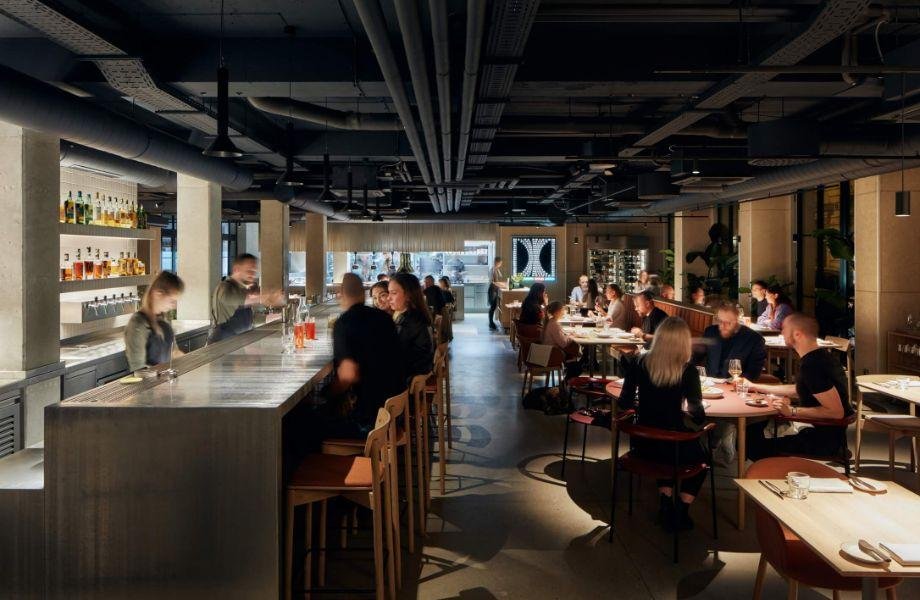
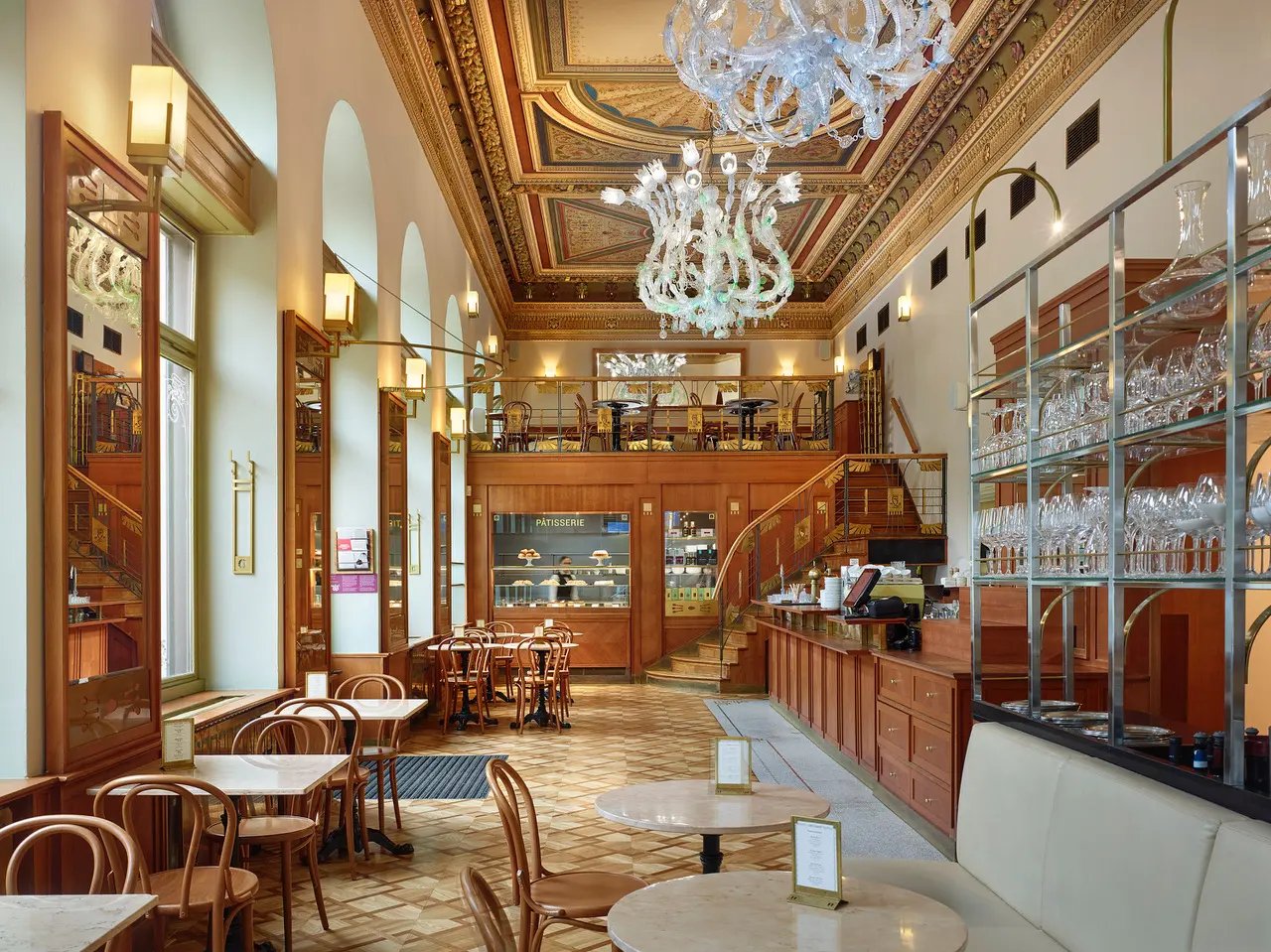
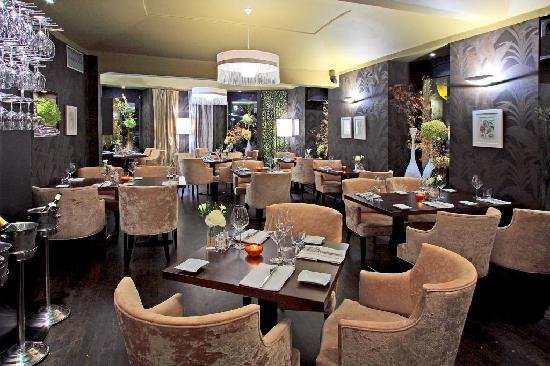
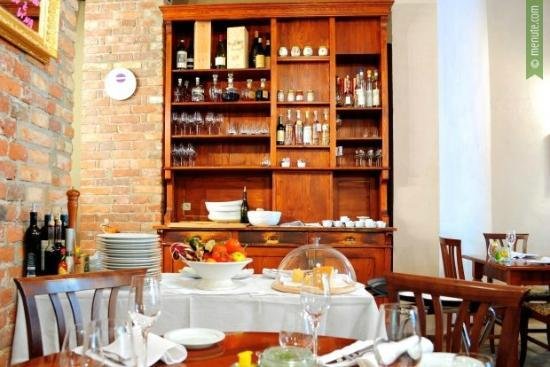
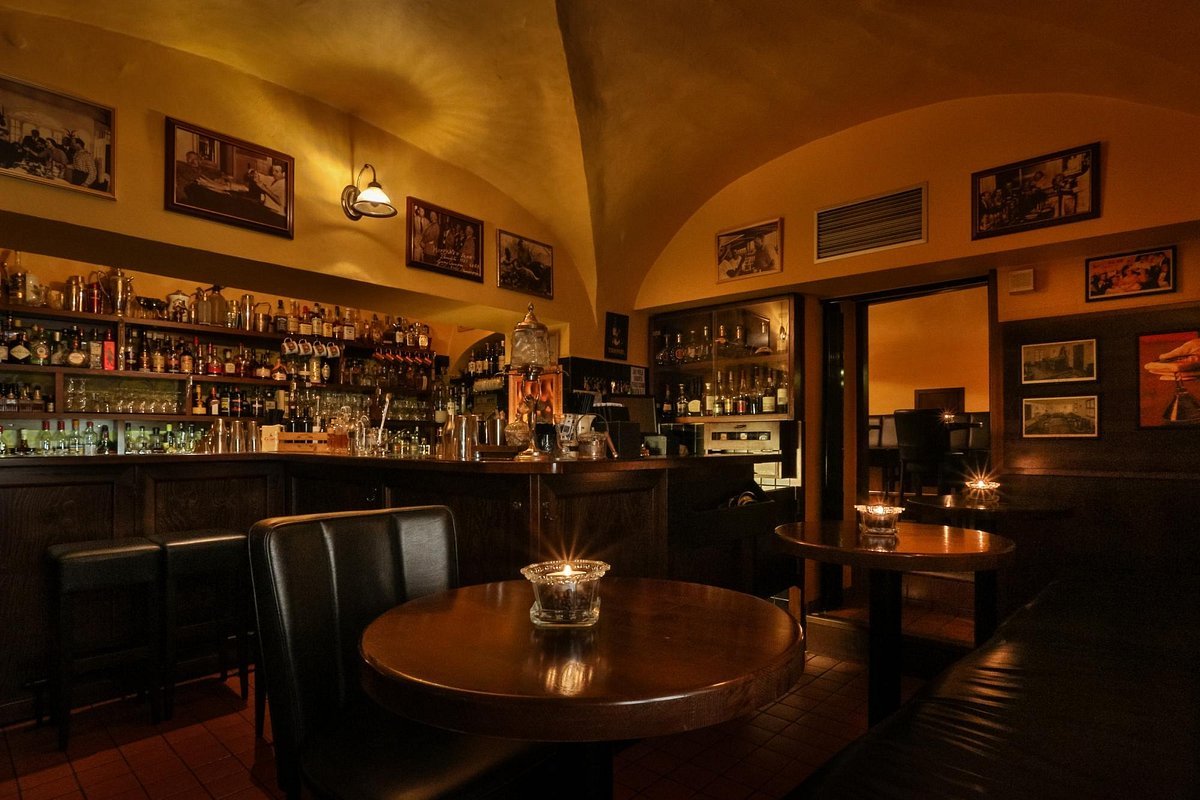
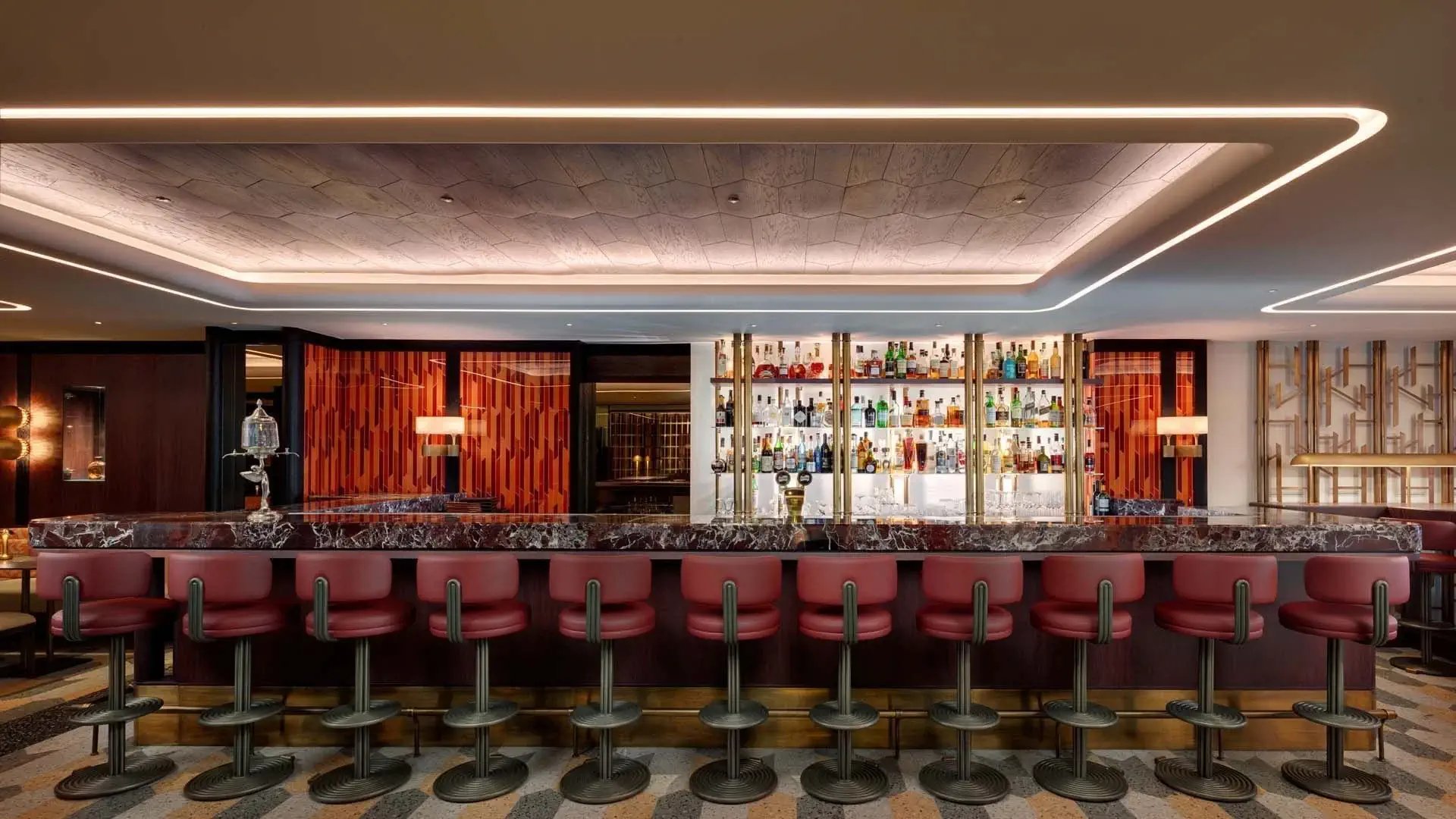
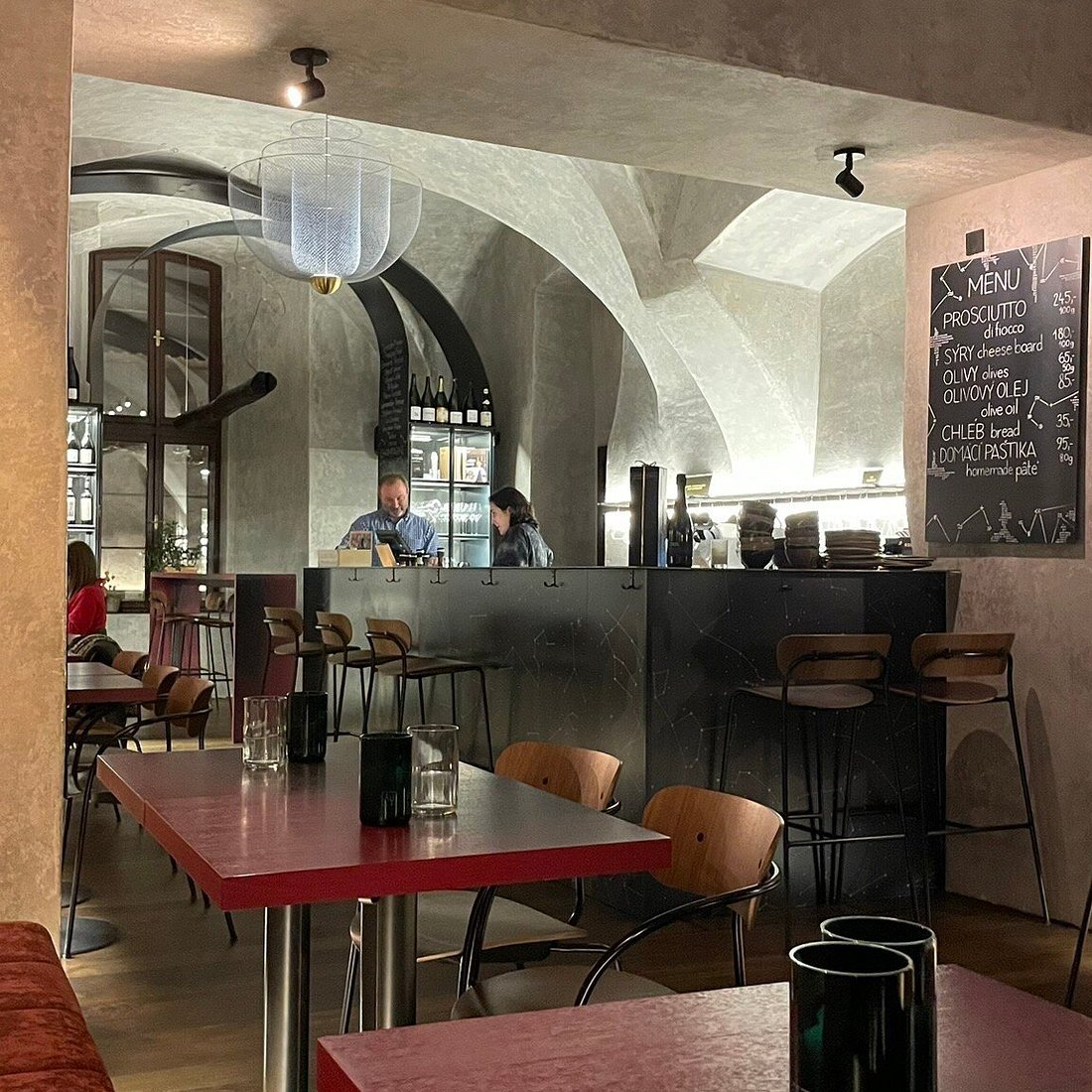
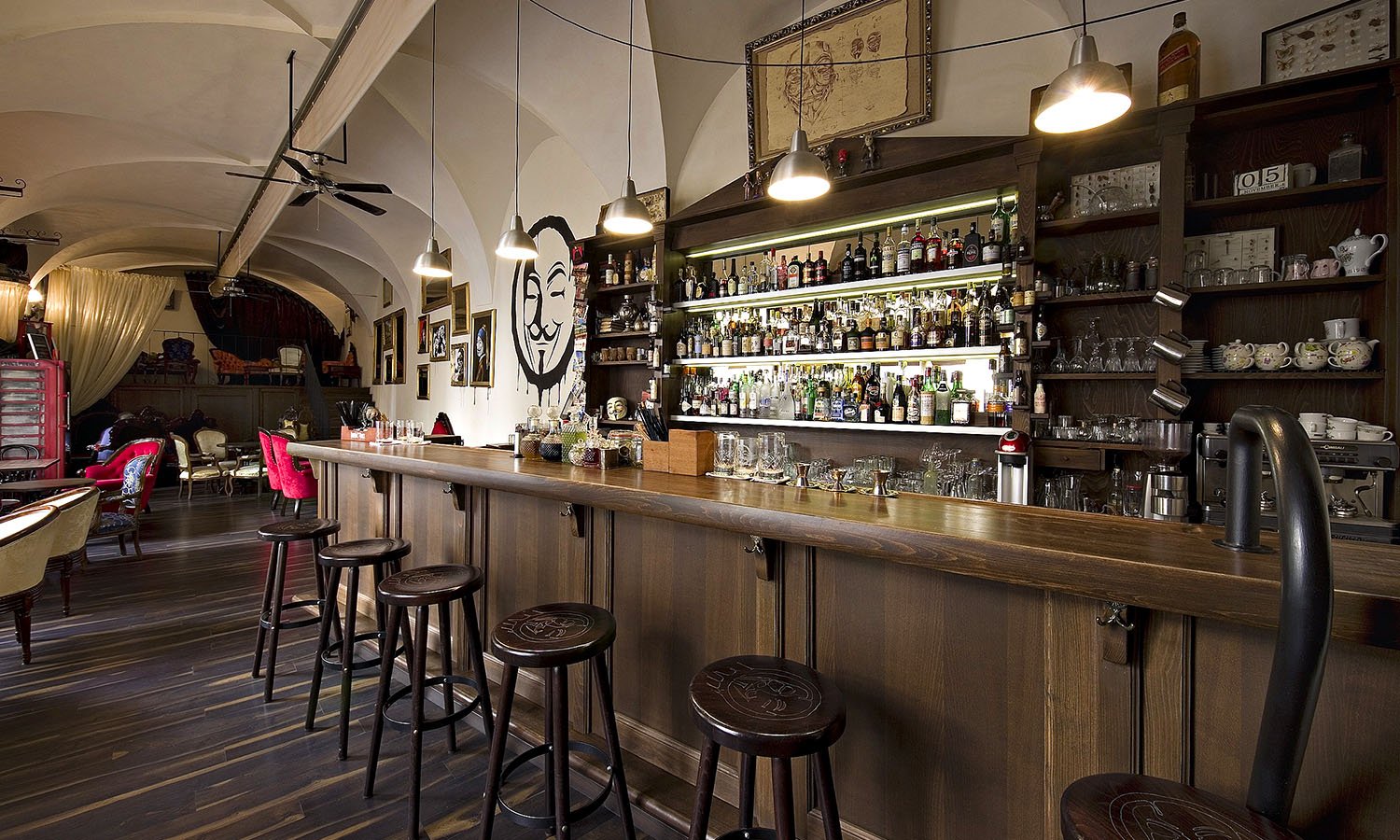
That geography matters for how U Kalendů functions as a place to eat. The setting is physically simple: a room at the front where diners can watch the kitchen through a window, and a rear area with a view into the open bakery. No theatrical lighting or programmatic design. The slightly rustic character of the space corresponds to what the kitchen is doing, which is cooking Czech food without any particular anxiety about how Czech food is perceived internationally.
Regional Cooking in a City That Has Often Apologised for It
Czech cuisine has spent much of the post-1989 restaurant era in an uncomfortable position. Prague's dining scene developed rapidly toward French and Italian references, with traditional Czech dishes often relegated to tourist-facing beer halls or stripped of their complexity in the name of commercial volume. The more serious end of the market moved toward French-Czech fusion, a register occupied at its highest tier by places like La Degustation Bohême Bourgeoise, where historical Bohemian recipes are filtered through modern European fine-dining technique.
U Kalendů occupies a different position in that same conversation. The approach here is not fusion or reinterpretation, but preparation: taking the established canon of Bohemian cooking and executing it with the kind of ingredient selection and technical care that the cuisine deserves but rarely receives outside domestic kitchens. Braised hare leg, pork cheeks, and duck gizzards are not unusual dishes in this city, but the concentration of craft that goes into them here gives the menu a distinct character. Where Alcron works in a modern European register and 420 Restaurant takes a contemporary Czech direction, U Kalendů's commitment is to the original form, prepared well.
The small menu is a structural signal, not just a practical one. A tight selection in a kitchen of this type indicates sourcing discipline: the ingredients are chosen before the menu is written, not the other way around. That sequence produces a different kind of cooking from the large Czech-themed restaurants that anchor menus around availability and margin rather than ingredient quality.
The Bakery as a Second Argument
The adjacency of the bakery to the restaurant is more than a convenience. In Czech culinary culture, bread and pastry carry considerable historical weight, and the relationship between a restaurant and its bread supply has long served as a reliable indicator of how seriously a kitchen takes the full meal. At U Kalendů, the bakery is physically integrated into the dining experience: guests seated at the rear tables look directly into it. The sweet yeast dumplings that appear as dessert come from the same production that supplies the table bread and the pastries available from the front of the building.
This integration is relatively uncommon in Prague's restaurant scene at any price point. The city has seen growth in artisan bakeries over the past decade, and a number of better restaurants have developed relationships with specialist suppliers, but the in-house model at U Kalendů places it in a smaller category. The bread alone functions as a trust signal before the main courses arrive.
How It Sits Among Its Peers
Within Prague's broader restaurant offer, U Kalendů occupies a mid-range tier that is considerably less developed than either the budget beer-hall segment or the fine-dining bracket. Alma and Amano work in the same general price territory with different culinary orientations, while Czech restaurants at a comparable quality level are genuinely sparse. Outside Prague, the regional picture includes places like Babiččina zahrada in Průhonice and Bohém in Litomyšl, which suggest that serious Czech cooking is more likely to appear in smaller towns than in the capital's central districts.
Against the international reference points that frame how food critics discuss Central European cooking, the comparison is instructive. The commitment to regional ingredients and classical preparation at U Kalendů is a different project from the precision seafood cooking at Le Bernardin or the Korean-inflected tasting menus at Atomix, but the underlying principle of sourcing-led menus executed without compromise translates across categories. The scale and register differ; the discipline does not.
Planning a Visit
The restaurant sits on Rašínovo nábřeží in Nové Město, a short walk from the Palacký Square tram stop and accessible from the centre on foot in under fifteen minutes from the Old Town side of the Vltava. The embankment location means the area is quieter in the evenings than the Old Town, and the restaurant draws a largely local crowd rather than the hotel-guided traffic that fills tables at more centrally positioned addresses. Booking ahead is advisable given the small menu format, which generally implies a limited number of covers. Contact and reservation details are available directly through the restaurant's current listings. For a wider view of where U Kalendů sits within Prague's dining options, the full Prague restaurants guide covers the range from fine dining to neighbourhood tables across all districts. Those planning a longer stay will also find relevant context in the Prague hotels guide, the bars guide, and the experiences guide for the city.
Czech restaurants worth seeking out beyond Prague include ARRIGŌ in Děčín, ATELIER bar and bistro in Brno, Cattaleya in Čeladná, and Chapelle in Písek, each of which operates in a different culinary register but shares the same orientation toward the Czech Republic's own ingredients and traditions. The Prague wineries guide is relevant for those interested in Moravian and Bohemian wine alongside the food.
The Quick Read
A short peer set to help you calibrate price, style, and recognition.
| Venue | Notes | Price |
|---|---|---|
| U Kalendů | This venue | |
| La Degustation Bohême Bourgeoise | French-Czech, €€€€ | €€€€ |
| Alcron | Modern European | |
| Benjamin | Modern Cuisine, €€€ | €€€ |
| Café Imperial | Traditional Cuisine, €€ | €€ |
| Dejvická 34 by Tomáš Černý | Italian, €€ | €€ |

At a Glance
- Cozy
- Rustic
- Hidden Gem
- Casual Hangout
- Date Night
- Group Dining
- Open Kitchen
- Local Sourcing
Cozy, laid-back pub-like atmosphere with warm, welcoming service and view of baking process.