Google: 4.5 · 641 reviews
Twist
On Crawford Street in Marylebone, Twist occupies a quieter tier of London dining where the focus falls on considered sourcing and environmental intent rather than spectacle. The address sits within walking distance of some of the city's most recognised fine-dining corridors, yet the restaurant draws a crowd that prioritises provenance over prestige signalling. Book ahead and arrive with time to spare.
 Discover on Pearl
Pearl is the En Primeur Club membership app — saves, bookings, and concierge access live there. Same editors, same standards.
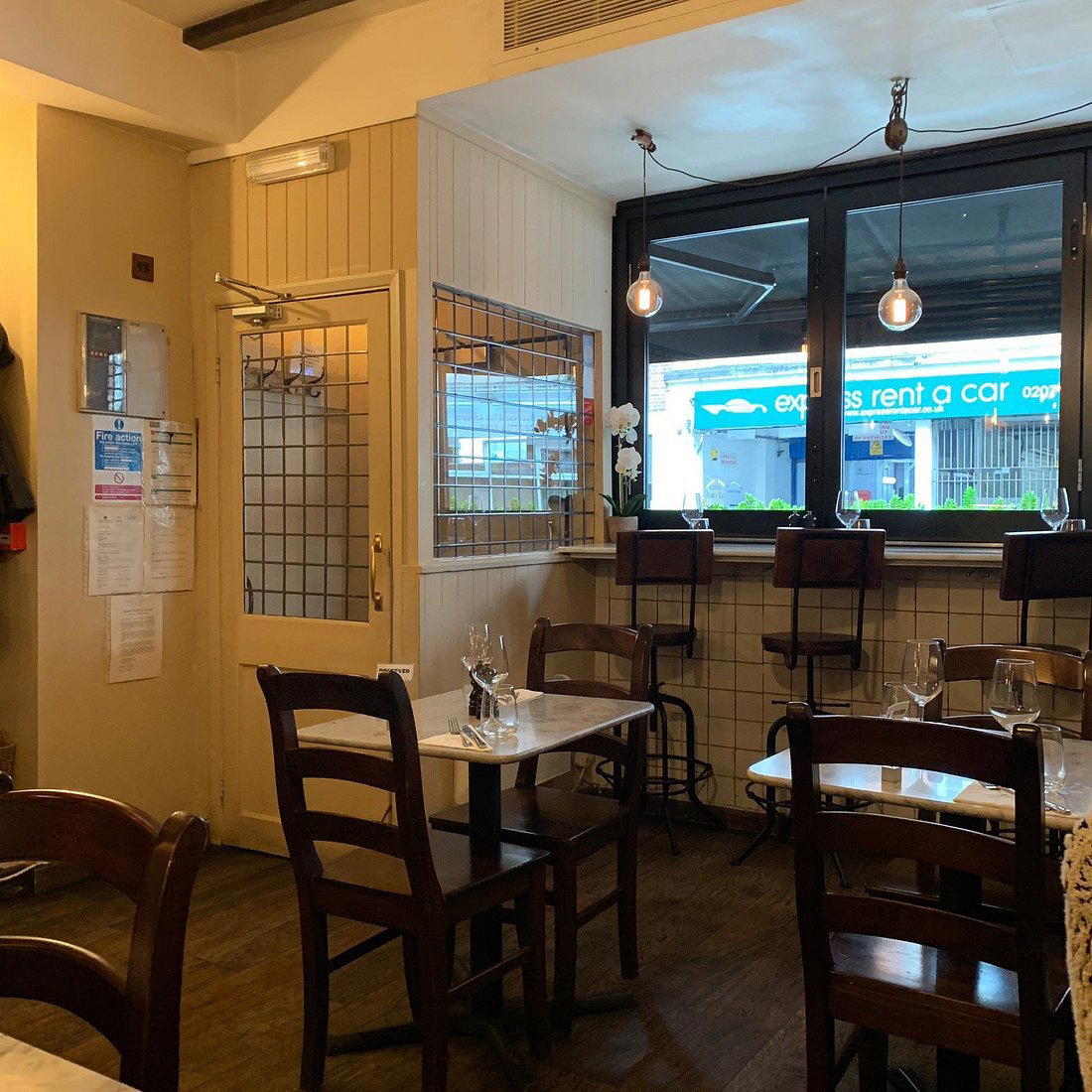
A Marylebone Address in a City Rethinking What Fine Dining Owes the Planet
If there is one shift worth tracking across London's serious restaurant scene right now, it is the slow decoupling of ambition from excess. The city's highest-profile addresses, from CORE by Clare Smyth to The Ledbury, have spent the past decade redefining what a tasting menu can achieve without the theatrical waste that defined an earlier era. Twist, at 42 Crawford Street in Marylebone, sits inside that same broader movement: a London restaurant where the sustainability lens is not a marketing add-on but the organising principle behind sourcing decisions, menu structure, and kitchen philosophy.
Crawford Street places Twist in a neighbourhood that has gradually shed its reputation as a secondary option between Mayfair and Fitzrovia. Marylebone has built a coherent dining identity around independent operators and a clientele that values depth over drama. For visitors working through London's broader restaurant map, Twist offers a different register from the grand-room formalism of Restaurant Gordon Ramsay or the maximalist staging of Sketch's Lecture Room and Library. The address rewards those prepared to seek it out rather than those defaulting to the well-lit boulevards of W1.
Sourcing as the Central Editorial Argument
The most consequential shift in British fine dining over the past decade has not been in technique but in traceability. Restaurants operating at any serious price point are now expected to account for where ingredients originate, how they were grown or raised, and what their extraction cost the environment. This expectation has pushed sourcing from a box-ticking exercise into a genuine differentiator, separating kitchens with real supplier relationships from those using provenance language as decor.
Twist positions itself at the more rigorous end of that spectrum. The emphasis on ethical sourcing and waste reduction aligns it with a cohort of British restaurants that treat environmental consciousness as a structural commitment rather than a seasonal gesture. Comparable approaches can be seen further afield: L'Enclume in Cartmel operates its own farm to close the loop between kitchen and land, while Moor Hall in Aughton has built supplier networks that prioritise proximity and ecological practice. Twist, working from a city address without access to estate farming, faces a different version of the same challenge: maintaining sourcing integrity inside an urban supply chain where shortcuts are always available.
That urban constraint is actually instructive. It forces a discipline that countryside properties can sometimes sidestep. Every ingredient decision in a London kitchen involves navigating a more complex logistics environment, which means that genuine commitment to waste reduction and ethical provenance carries more operational weight here than it would at a rural property with a kitchen garden fifty metres from the pass.
The Wider British Context
London's sustainability-led dining conversation does not happen in isolation from the broader British scene. Properties like Le Manoir aux Quat' Saisons in Great Milton established the template for kitchen gardens attached to serious dining destinations decades ago. Gidleigh Park in Chagford draws on Devon's agricultural ecosystem, while Hand and Flowers in Marlow has built its identity around a more grounded, less wasteful approach to produce than many of its Michelin-decorated peers. The argument connecting all of them is that serious cooking and environmental responsibility are not competing priorities.
For international visitors calibrating expectations against other markets, it is worth noting that this conversation has parallels in New York, where restaurants like Le Bernardin and Atomix have built sourcing programs into their core identity. The difference in London is that the sustainability argument intersects with a post-Brexit supply chain disruption that has made provenance questions more operationally pressing, not just philosophically fashionable. Kitchens that invested in domestic supplier relationships before 2021 found themselves better positioned than those relying on European import chains.
The creative tension between technical ambition and environmental constraint has produced some of the most interesting cooking in Britain right now. Dinner by Heston Blumenthal approaches this from a historical angle, recovering pre-industrial British ingredients and techniques. The Fat Duck in Bray operates in a different register entirely, prioritising conceptual invention. Twist's position, as far as the available evidence suggests, is closer to the former: a kitchen interested in what British ingredients can do when treated with intelligence rather than transformation for its own sake.
Placing Twist in Its Peer Set
Marylebone's restaurant offering has matured to a point where it sustains a range of serious operators across price tiers. Twist sits in a neighbourhood where diners arrive with considered expectations rather than casual impulse. The Crawford Street address is not the kind of location that generates walk-in foot traffic from West End theatre crowds or tourist circuits; it draws people who have done the work of finding it.
That self-selecting audience matters for how the room operates. Sustainability-focused restaurants tend to perform better with guests who understand the sourcing argument and are prepared to let the kitchen's ingredient logic set the terms of the meal, rather than arriving with fixed expectations about what a dish should contain. London's more environmentally conscious dining cohort has grown significantly since the early 2010s, and Marylebone attracts a disproportionate share of the city's residents and visitors who fit that profile.
For those building a London itinerary that moves across different registers, Twist works alongside rather than against the city's grander addresses. The full London restaurant guide maps the broader scene; the London hotels guide, bars guide, and experiences guide cover the complementary territory. The London wineries guide is worth consulting for those whose interest in provenance extends from plate to glass.
Planning Your Visit
Twist sits at 42 Crawford Street, W1H 1JW, within easy reach of Baker Street and Marylebone stations. Given the restaurant's profile and neighbourhood demand, booking ahead is advisable rather than optional. Specific hours, pricing, and reservation methods are leading confirmed directly with the venue, as operational details are subject to change and no third-party source should be treated as authoritative on current availability.
Quick reference: 42 Crawford St, London W1H 1JW. Book directly with the venue to confirm hours and current menu format before your visit.
Peers You’d Cross-Shop
A compact peer snapshot based on similar venues we track.
| Venue | Cuisine | Price | Notes |
|---|---|---|---|
| Twist | This venue | ||
| The Ledbury | Modern European, Modern Cuisine | ££££ | Modern European, Modern Cuisine, ££££ |
| Sketch, The Lecture Room and Library | Modern French | ££££ | Modern French, ££££ |
| CORE by Clare Smyth | Modern British | ££££ | Modern British, ££££ |
| Restaurant Gordon Ramsay | Contemporary European, French | ££££ | Contemporary European, French, ££££ |
| Dinner by Heston Blumenthal | Modern British, Traditional British | ££££ | Modern British, Traditional British, ££££ |
Continue exploring
More in London
Restaurants in London
Browse all →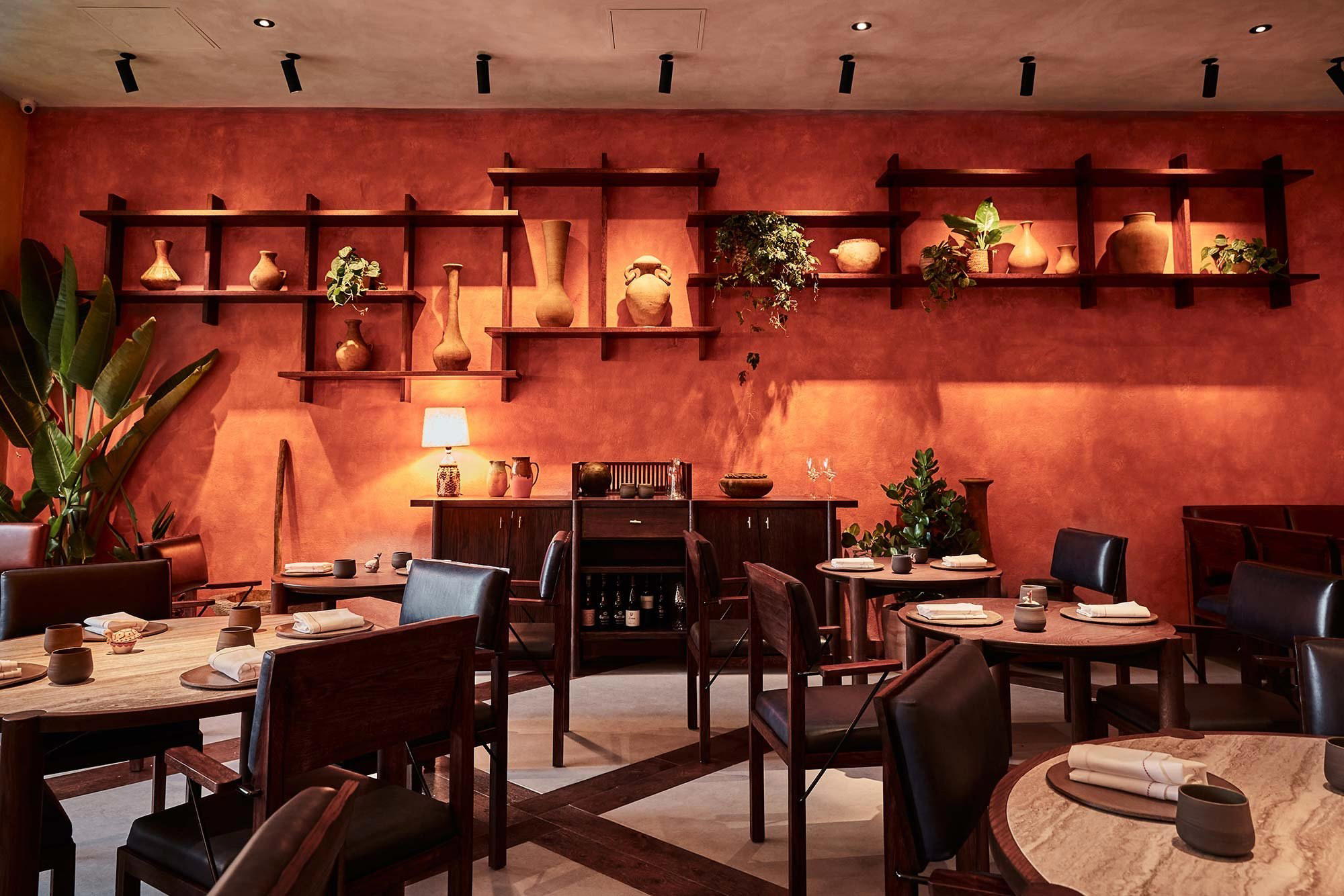
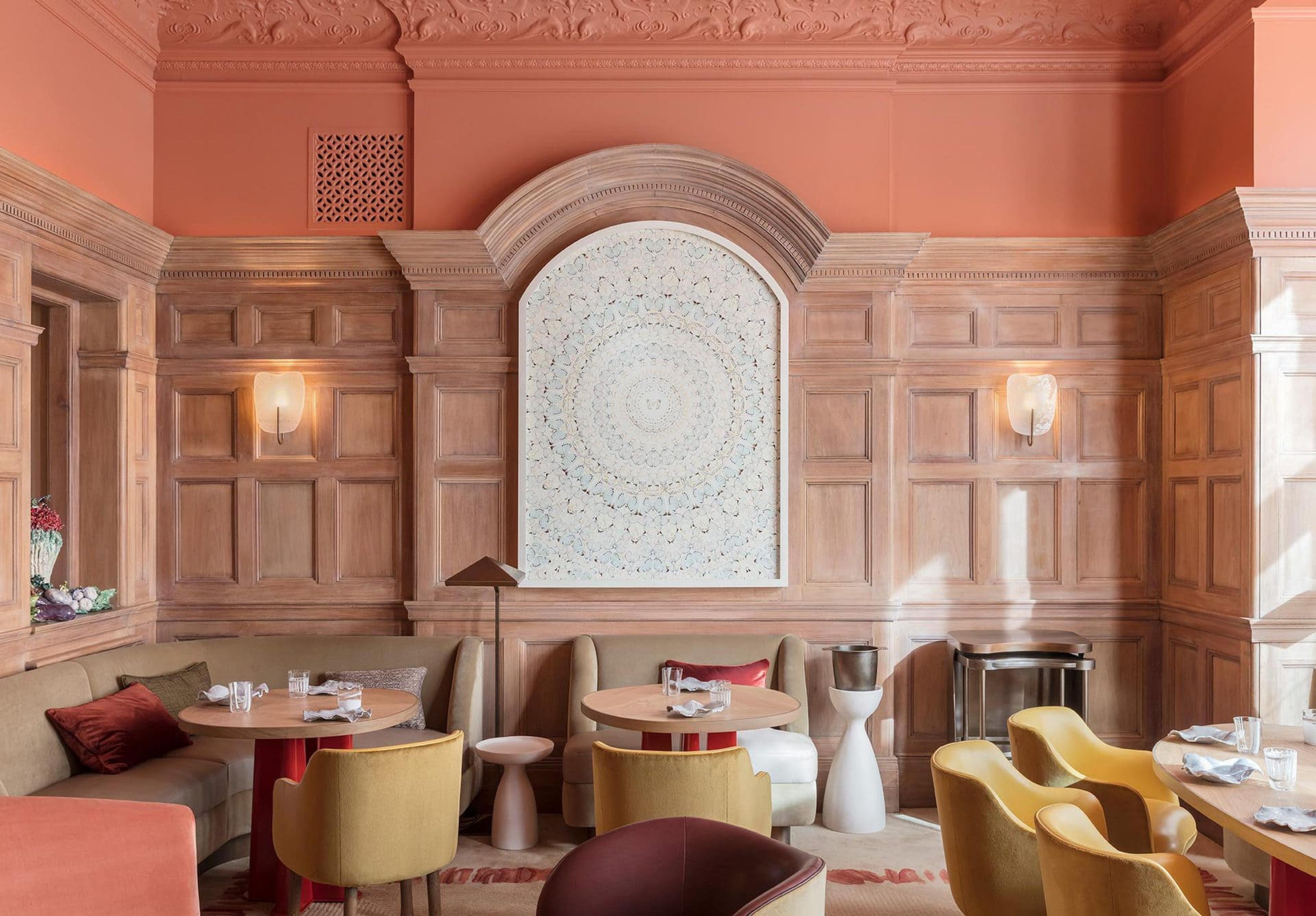
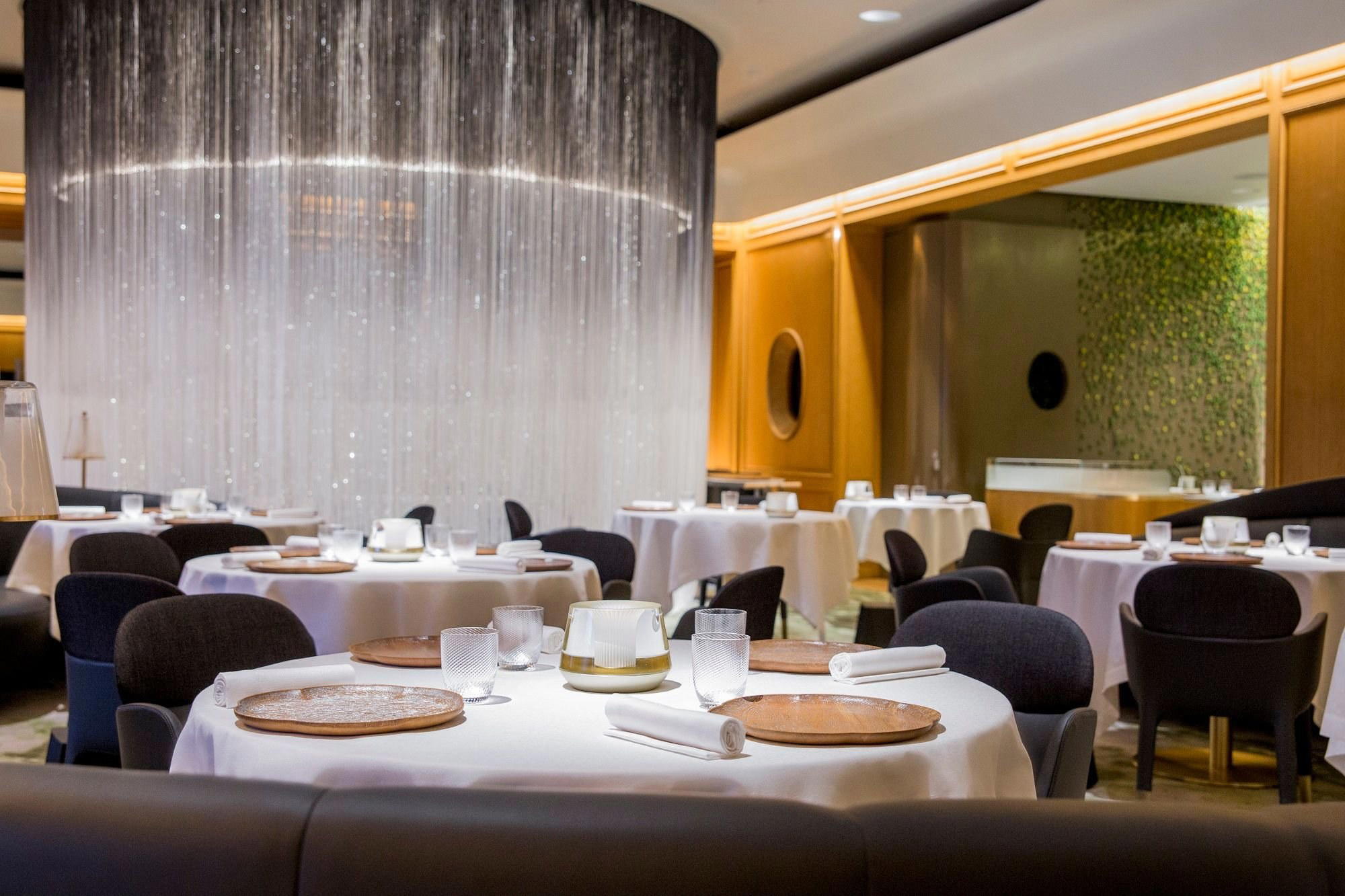
Bars in London
Browse all →
Hotels in London
Browse all →

Wineries in London
Browse all →
At a Glance
- Intimate
- Cozy
- Elegant
- Date Night
- Special Occasion
- Open Kitchen
- Extensive Wine List
Charming and intimate with a warm, sociable neighborhood feel; cozy upstairs with kitchen views, buzzy atmosphere, and rustic-chic decor.