Tsurī sushi & fusion
Tsurī sushi & fusion occupies a corner of Ostrava's dining scene where Japanese technique meets Central European sensibility. In a city more accustomed to hearty Moravian cooking than raw fish and soy, it represents a considered bet on imported culinary discipline. The address on U Soudu places it within reach of the city centre, making it a practical choice for those seeking an alternative to the region's dominant grill and wine format.
Pearl is the En Primeur Club membership app — saves, bookings, and concierge access live there. Same editors, same standards.
- Address
- U Soudu 6200/19, 708 00 Ostrava 8, Czechia
- Phone
- +420731891209
- Website
- tsuri.cz
- Directions
- Get directions
 Saves & bookings on Pearl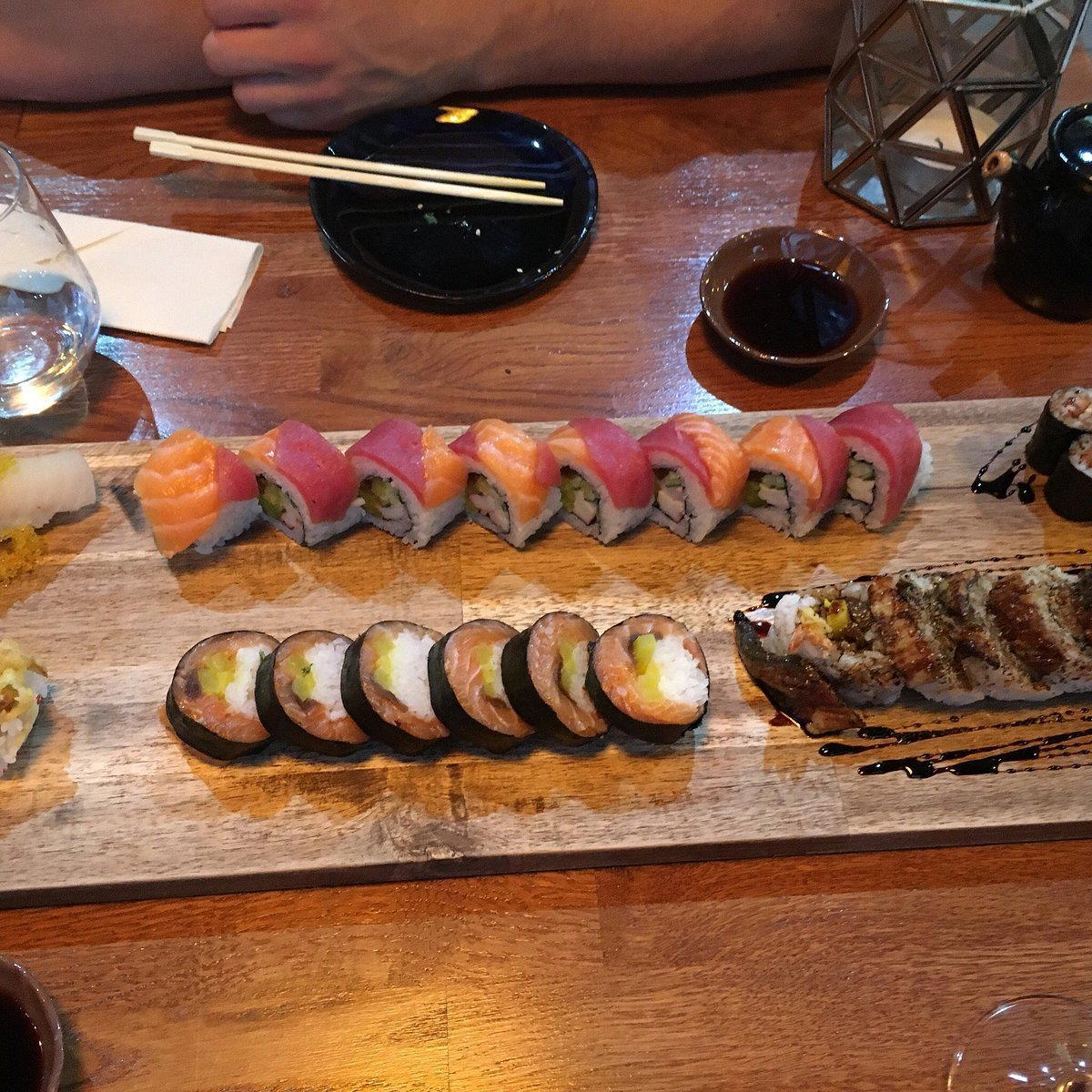
Japanese Technique in an Unlikely Central European Setting
Ostrava's dining identity has long been built around the kind of cooking that mirrors its industrial heritage: substantial, meat-forward, and grounded in Moravian and Silesian tradition. The city's restaurant scene has been expanding its range in recent years. Sushi and Japanese-inflected fusion sit at the sharper end of that bet. Venues like BERNIES GRILL & WINE RESTAURANT anchor the more familiar end of Ostrava's dining offer, while addresses such as Tsurī signal an ambition to pull the city's range further east.
The address at U Soudu 6200/19 in Ostrava 8 sits away from the city's most theatrical dining corridor. Sushi operations that open in secondary locations rather than prime retail frontage tend to rely on repeat custom from a loyal neighbourhood base rather than walk-in tourist traffic.
What Fusion Actually Means Here
The fusion label carries considerable baggage in European dining. Across the continent, the term has covered everything from thoughtful cross-cultural dialogue to the kind of confused assemblage that satisfies neither tradition. In the Czech Republic, Japanese-fusion formats have developed along a more disciplined axis than in some Western European markets, partly because the domestic fine-dining reference point, anchored by addresses like La Degustation Bohême Bourgeoise in Prague, has consistently valued technique and sourcing rigour over decorative novelty.
At its most coherent, sushi-fusion in a Central European context means applying Japanese knife discipline and seasoning logic to ingredients that are either locally sourced or selected for their compatibility with that framework. The challenge is not philosophical but practical: sourcing fish of sufficient quality in a landlocked country requires relationships with specialist importers, and the quality of those supply chains is the single most important variable in whether a sushi operation delivers on its premise. For venues like Gokana Japanese restaurant, which shares Ostrava's Japanese dining niche, the same supply-chain question applies.
Ingredient Sourcing and the Landlocked Problem
Operating a credible sushi program in Ostrava presents a specific logistical challenge that doesn't arise in coastal cities. Prague's better Japanese operations have solved this through direct import relationships with Scandinavian salmon farms, Dutch auction houses, and specialist distributors who move Tsukiji-grade product into Central Europe via Frankfurt or Vienna cold-chain networks. Ostrava, further east and with a smaller hospitality market, typically receives product one step further down that distribution chain.
That structural reality matters because the gap between premium sushi-grade fish and adequate fish is not subtle. It shows in the texture of salmon belly, in whether tuna arrives with the right fat distribution, and in the shelf-life of product by the time it reaches the cutting board. Czech operations that have built reputations in this category, including those tracked by guides covering the broader region, tend to be explicit about their sourcing, naming suppliers or origin regions as a trust signal to guests who understand the difference. This is not mere marketing; it is the mechanism by which a landlocked sushi operation earns its credibility.
The fusion dimension of Tsurī's offer opens a secondary sourcing question: which local or regional ingredients are being brought into dialogue with Japanese technique? Moravia produces strong agricultural outputs, including freshwater fish from managed ponds, seasonal vegetables with genuine character, and dairy that could plausibly appear in a fusion context. Particularly interesting sushi-fusion operations in inland European cities have used local freshwater species, wild herbs, and regional ferments as the connective tissue between the two culinary traditions.
The Ostrava Context: A City Finding Its Dining Register
Ostrava is in the middle of a longer-term repositioning. The city's post-industrial identity, once defined by steelworks and coal, has given way to a cultural programme that includes festivals, a renovated urban core, and a hospitality sector that is broadening its ambitions. Across the Czech Republic, that pattern has played out in cities like Brno, where venues such as BRATRS in Brno have demonstrated that secondary-city dining can carry genuine editorial weight, and in Liberec, where Bylo, nebylo in Liberec represents a similar appetite for format ambition outside Prague. Ostrava is following a comparable trajectory, if on its own timetable.
For a Japanese-fusion operator in this context, the moment is neither too early nor too late. Early enough that the format still carries differentiation value; late enough that a local guest base with experience of Prague or international travel exists and knows what a credible sushi operation should feel like. That informed local audience is both the leading customer and the hardest to satisfy.
For a broader sweep through the Czech Republic's dining circuit, see Cattaleya in Čeladná, which operates in the same Moravian-Silesian region, and Restaurace Dr. Grill in Havirov, another near-Ostrava address worth tracking. Further afield in the country, La Chica in Plzen and Bylo, nebylo in Liberec each illustrate how regional cities are building coherent dining identities distinct from Prague's established hierarchy. For reference points, the Japanese-Korean precision of Atomix in New York City and the seafood sourcing discipline at Le Bernardin in New York City define the standard against which any serious fish-focused operation can be measured.
Planning a Visit
Tsurī sushi & fusion is located at U Soudu 6200/19 in Ostrava 8, a district accessible from the city centre by tram.
Visitors building a regional itinerary around food should note that the Moravian-Silesian corridor connects Ostrava with Havirov, Čeladná, and, further south, the wine country around Kurdejov, where Vinařství Gurdau in Kurdejov represents the region's producer-table offer. Combining the urban Japanese-fusion format with a vineyard visit to the south makes for a coherent two-day food itinerary through a part of the Czech Republic that rarely features in mainstream travel coverage.
Comparable Venues
Comparable venues nearby, for context on price, style, and recognition.
| Venue | Cuisine | Price | Notes |
|---|---|---|---|
| Tsurī sushi & fusionThis venue — the venue you are viewing | Japanese Sushi & Fusion | $$$ | Not listed |
| Gokana Japanese restaurant | Modern Japanese Sushi | $$$ | Moravská Ostrava a Přívoz |
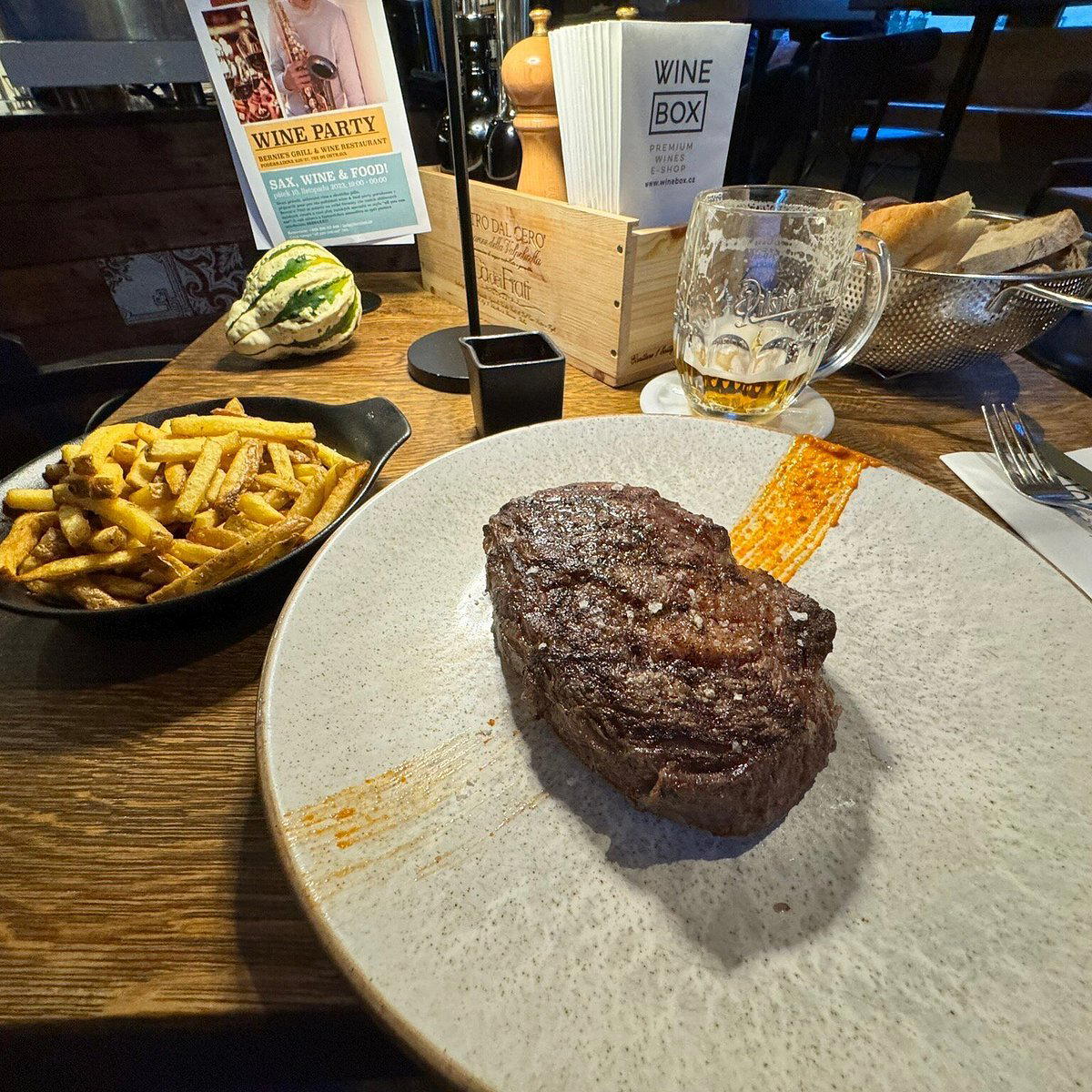
| BERNIES GRILL & WINE RESTAURANT | Steakhouse & Grill with Wine Focus | $$$ | Stodolní |
| BON | Authentic Japanese Ramen & Soba | $$ | Vinohrady |
| Pizzeria La Famiglia | Authentic Neapolitan Pizza & Italian Trattoria | $$ | Stará Louka |
| Restaurace Dr. Grill | American Grill & Burgers | $$ | Město |

At a Glance
- Cozy
- Modern
- Intimate
- Date Night
- Casual Hangout
- Open Kitchen
- Sake Program
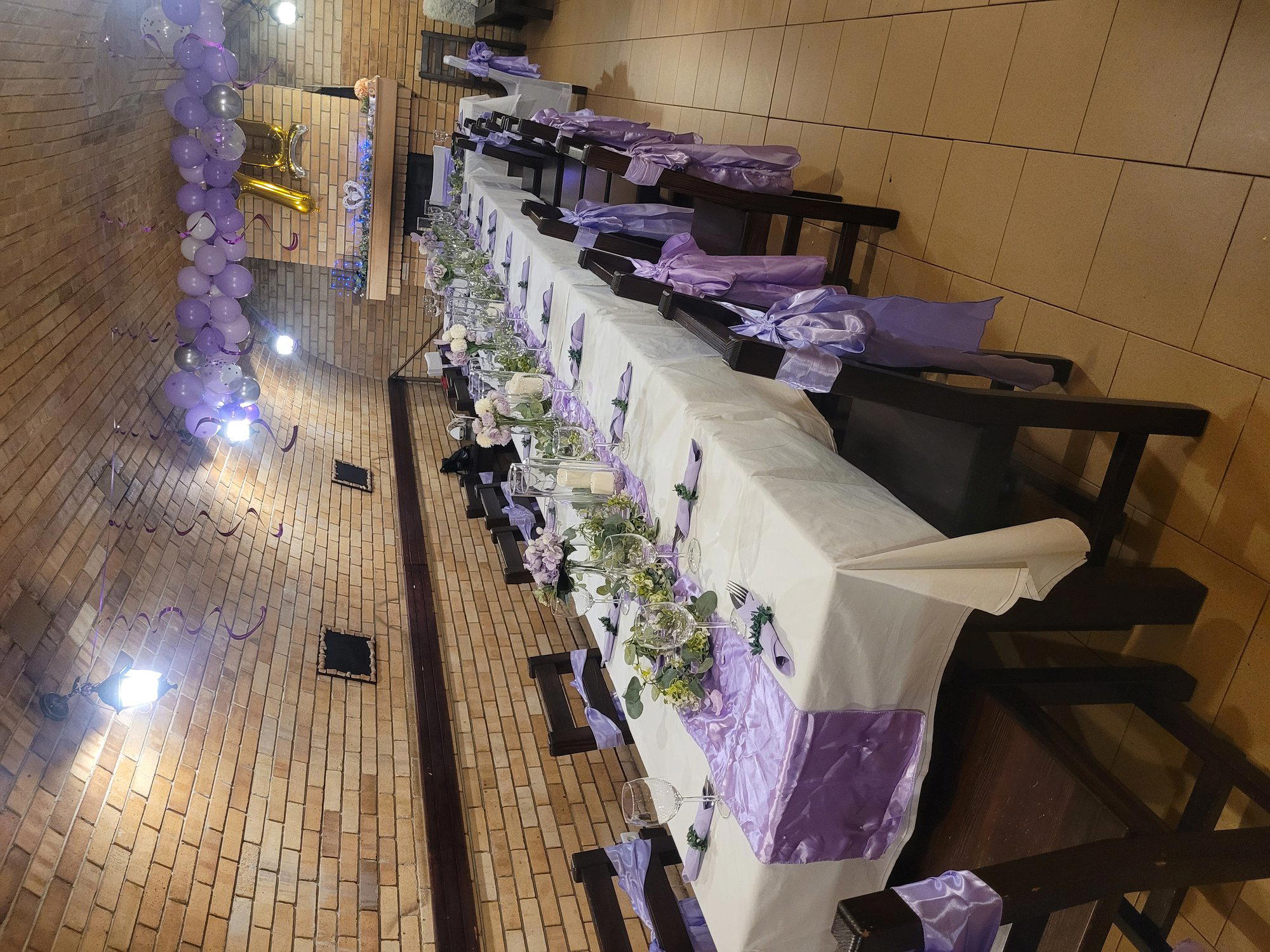
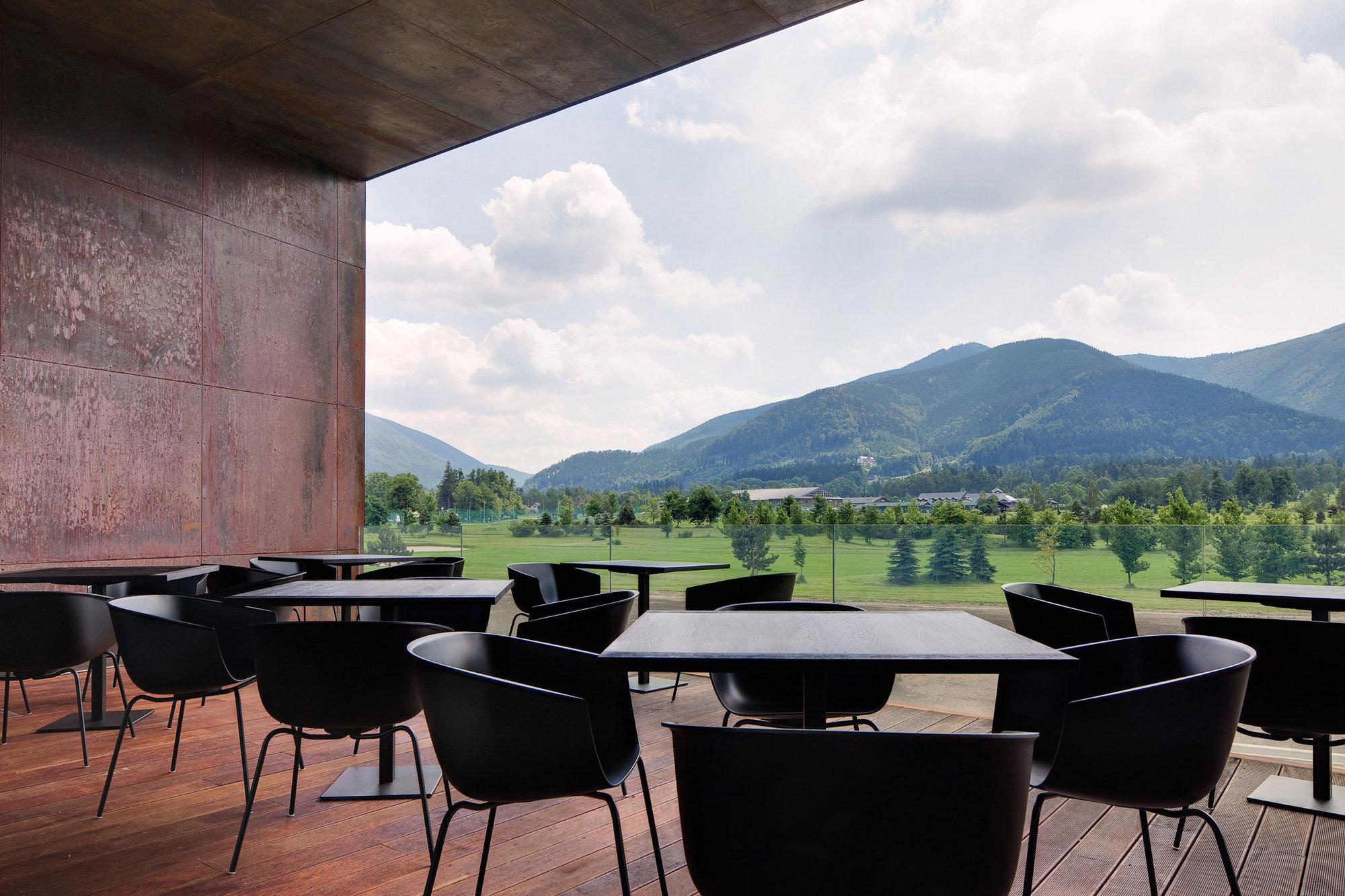
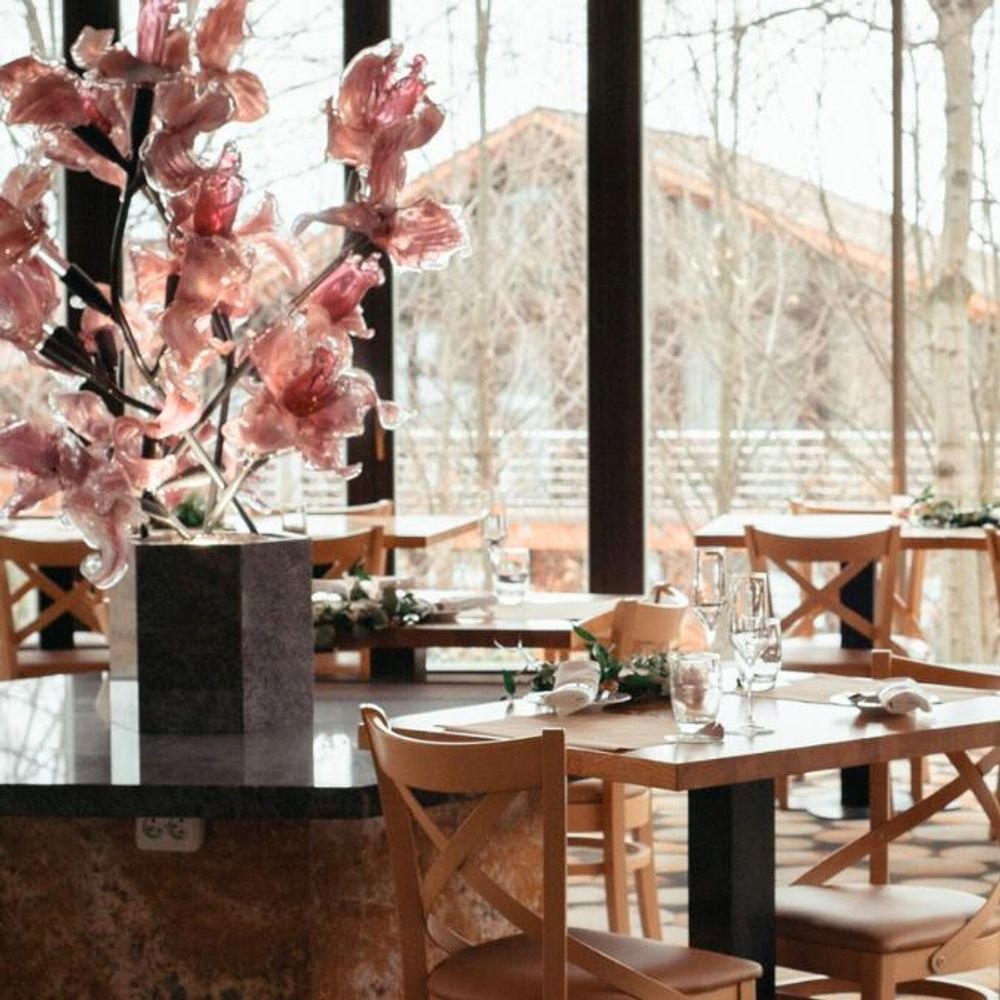
Stylish, modern-contemporary interior with a cozy, relaxed, and pleasant atmosphere.