
Tabelog 100 #53
Our verdict
Hiroshima’s Italian dining tier is not only about imported technique; it is also about how far a kitchen can translate regional produce through pasta, pizza and wine. TRATTORIA-PIZZERIA polipo sits in that conversation with Italian and pizza categories, Tabelog 100 selections across Pizza and Italian WEST, and a format that reads as trattoria rather than ceremony.

Pearl is the En Primeur Club membership app, where members save venues, book tables and use the concierge.
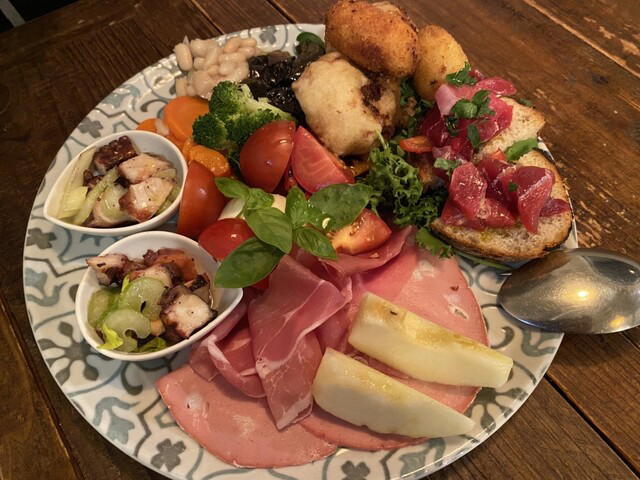
The menu
What to order
- Neapolitan pizza
- Pasta dishes
- Housemade desserts
Approaching the restaurant in Hiroshima, the mood shifts from the city’s busier dining corridors to a quieter, more deliberate register. Here, a trattoria-pizzeria format makes sense: less performance, more dough, heat, wine-friendly pacing and daily Italian discipline. In Hiroshima, where local seafood, vegetables and casual dining shape expectations, Italian food earns attention when it feels anchored rather than transplanted.
TRATTORIA-PIZZERIA polipo sits in the city’s serious Italian bracket without the hushed codes of a tasting-menu room. Its public classification is Italian and Pizza, and that dual identity matters. In Japan, ambitious pizzerias often balance neighborhood comfort with specialist craft, while trattorias must show range through a broader Italian meal rhythm. Polipo’s Tabelog Hyakumeiten recognition in 2025 validates the format. The signal suggests a place understood not only through the oven, but more broadly as an Italian restaurant in Hiroshima.
Italian cooking in Hiroshima, judged through produce rather than ceremony
Hiroshima’s restaurant identity is often reduced to familiar local specialties, but its deeper pattern is ingredient proximity. Regional kitchens can draw on seafood, vegetables and other local products in ways that fit Italian technique cleanly. A pizzeria-trattoria can use that advantage better than a rigid fine-dining format because its grammar is flexible: dough, tomato, cheese, olive oil, herbs, seasonal vegetables and seafood can move between casual and polished registers without long explanation.
That is the useful lens for Polipo. Hiroshima does not need Italian food to imitate Naples or Tokyo; a regional Japanese city can absorb Italian structure and let local sourcing do quiet work. Pizza tests fermentation, oven control and restraint. Pasta tests timing and ingredient balance. A trattoria-pizzeria meal places dinner in a relaxed Italian tradition rather than a purely quick casual category. The result fits Hiroshima’s appetite for directness: less theatrical luxury, more technical clarity.
Locally, that puts Polipo in a different lane from the kaiseki formality of Nakashima or the counter-focused beef theatre of Teppanyaki Yamaoka. Soraya occupies another Hiroshima dining lane, while ハナワイン and ミル speak to the city’s smaller specialist scene. Polipo’s listed dinner and lunch budget, together with its 2025 recognition, place it closer to a destination neighborhood restaurant than a quick casual stop. For a full city itinerary, it pairs naturally with broader Hiroshima dining research through Our full Hiroshima restaurants guide, while hotel, bar, wine and activity planning sit in Our full Hiroshima hotels guide, Our full Hiroshima bars guide, Our full Hiroshima wineries guide and Our full Hiroshima experiences guide.
A trattoria-pizzeria format with a clear Italian and Pizza award signal
Japan’s Tabelog Hyakumeiten lists often catch specialist excellence outside the Michelin orbit, especially where craft is visible to regular diners over repeated meals. Polipo’s 2025 listing is the trust signal: recognition for an Italian and Pizza address in Hiroshima. Its listed Tabelog score of 3.72 reinforces a high-attention tier on a platform where small score differences matter to Japanese diners.
The trattoria-pizzeria configuration also defines the experience. This is not presented as a scarcity-driven chef-counter model; it can serve a broader evening rhythm while preserving a focused restaurant feel. In Hiroshima, where many higher-interest restaurants are intimate Japanese counters or casual shops with limited ceremony, an Italian room becomes a bridge category: polished enough for a planned dinner, relaxed enough for conversation, and flexible enough for a meal built around pizza, pasta and shared dishes.
For visitors building a Hiroshima food route, the smarter comparison is not only Italian versus Japanese, but how each meal uses the city. Some Hiroshima dining rooms frame the region through a more authored contemporary lens. Others point toward drink-led Japanese dining, bakery culture, casual specialties or focused local stops. Against that spread, Polipo’s value is its Italian framework: familiar enough to reset the palate, serious enough to justify a reservation in a city already full of compelling Japanese meals.
How to place it in a wider Japan itinerary
Japan’s restaurant scene rewards specificity. Travelers moving between cities should not chase the same genre at a higher rating; the better strategy is to let each city’s strengths change the brief. Hiroshima can support a seafood-led Japanese dinner, refined kaiseki booking, okonomiyaki stop and grounded Italian meal without repetition. Polipo belongs in that last slot, especially for diners who want produce-aware Italian cooking and pizza craft rather than another formal counter.
The same principle applies outside Hiroshima. A wider Japan plan may move from regional meals to casual charcoal cooking, café culture, contemporary dining, Vietnamese cooking, curry specialization or other highly focused neighborhood formats. For North American readers linking Japanese dining habits back to their own cities, the useful comparison is how Japanese formats travel and change once they leave Japan, rather than treating every restaurant as a fixed template.
The editorial call is clear: this is a Hiroshima Italian booking for diners who care about category credibility, ingredient fit and a rhythm that does not need luxury signaling to feel serious. Tabelog Hyakumeiten recognition in 2025 gives it a measurable reason to make a shortlist; the trattoria-pizzeria structure gives it usefulness within an actual trip. In a city where strong meals often come from confident specialization, Polipo’s strength is how Italian technique can absorb Hiroshima’s produce culture without turning dinner into a lecture.
Frequently asked questions
What price level is TRATTORIA-PIZZERIA polipo?
Pricing at TRATTORIA-PIZZERIA polipo is listed as Dinner: JPY 6,000 - JPY 7,999; Lunch: JPY 5,000 - JPY 5,999.
What are the operating hours at TRATTORIA-PIZZERIA polipo?
Specific operating hours are not provided in the available venue information; confirm directly with TRATTORIA-PIZZERIA polipo before visiting.
What's the address for TRATTORIA-PIZZERIA polipo?
TRATTORIA-PIZZERIA polipo is located in Hiroshima.
What's the standout thing about TRATTORIA-PIZZERIA polipo?
Its strongest credential is the Tabelog Hyakumeiten 2025 recognition, alongside a listed Tabelog score of 3.72. The format is specific as well: TRATTORIA-PIZZERIA polipo is publicly categorized as Italian and Pizza in Hiroshima.
Quick Comparison
Comparable venues by cuisine and price in the same metro.
| Venue | Cuisine | Price | Awards | Notes |
|---|---|---|---|---|
| TRATTORIA-PIZZERIA polipoThis venue (the venue you are viewing) | Neapolitan trattoria & pizzeria | $30–50 | Tabelog 100 #53 | Not listed |
| NICON | Modern Italian | Not listed | Tabelog Bronze #313 | Naka |
| ル・トリスケル | Classic French Fine Dining | $50–100 | Not listed | Naka |
| Napul | Neapolitan Pizza & Italian | $20–30 | Tabelog 100 #29 | Nishi |
| Chisou Sottakuito (馳走啐啄一十) | Modern Japanese Omakase | $200–300 | Tabelog Silver #15 | Fujimicho, Naka Ward |
| Akai | Modern Japanese-French Fusion Kappo | Not listed | Not listed | Miyajimaguchi, Hatsukaichi |
Recognition history
Dated appearances from independent guides and award organizations, with the underlying list record or original source where available.
Tabelog 100 #53 · No. 53
Tabelog · Tabelog 100 - Italian - WEST - 2025
Continue exploring
More in Hiroshima
Restaurants in Hiroshima
All restaurants in Hiroshima →
Bars in Hiroshima
All bars in Hiroshima →
Details
- Cozy
- Lively
- Classic
- Date Night
- Family
- Group Dining
- Casual Hangout
- After Work
- Celebration
- Standalone
- A La Carte
- Wine
- Beer
- Vegetarian Friendly
Current opening hours
- Monday
- 12–2 PM, 6:30–8 PM
- Tuesday
- Closed
- Wednesday
- Closed
- Thursday
- 12–2 PM, 6:30–8 PM
- Friday
- 12–2 PM, 6:30–8 PM
- Saturday
- 11:30 AM–2 PM, 6:30–8 PM
- Sunday
- 11:30 AM–2 PM, 6:30–8 PM
Hours can change for holidays and private events. Hours as of .
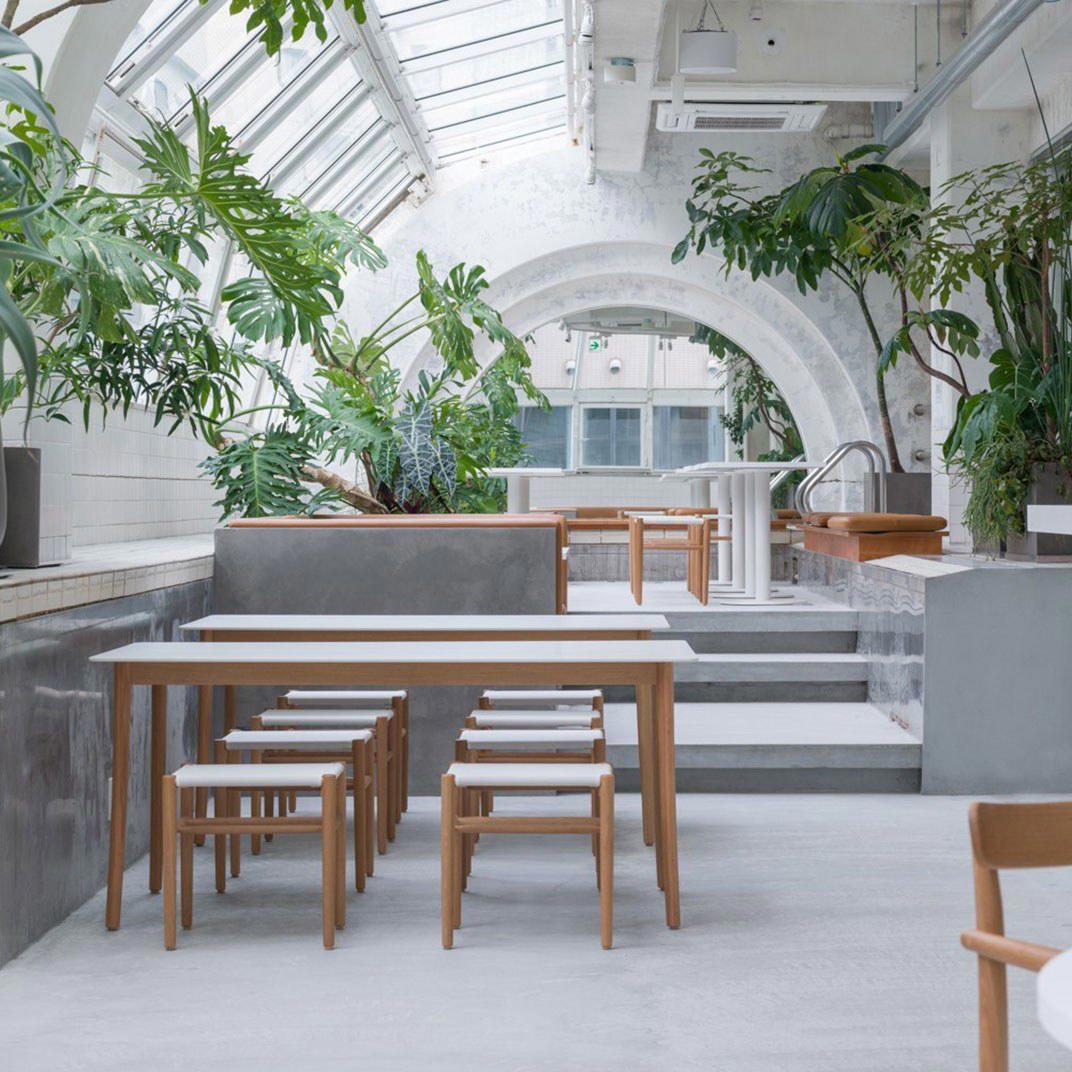
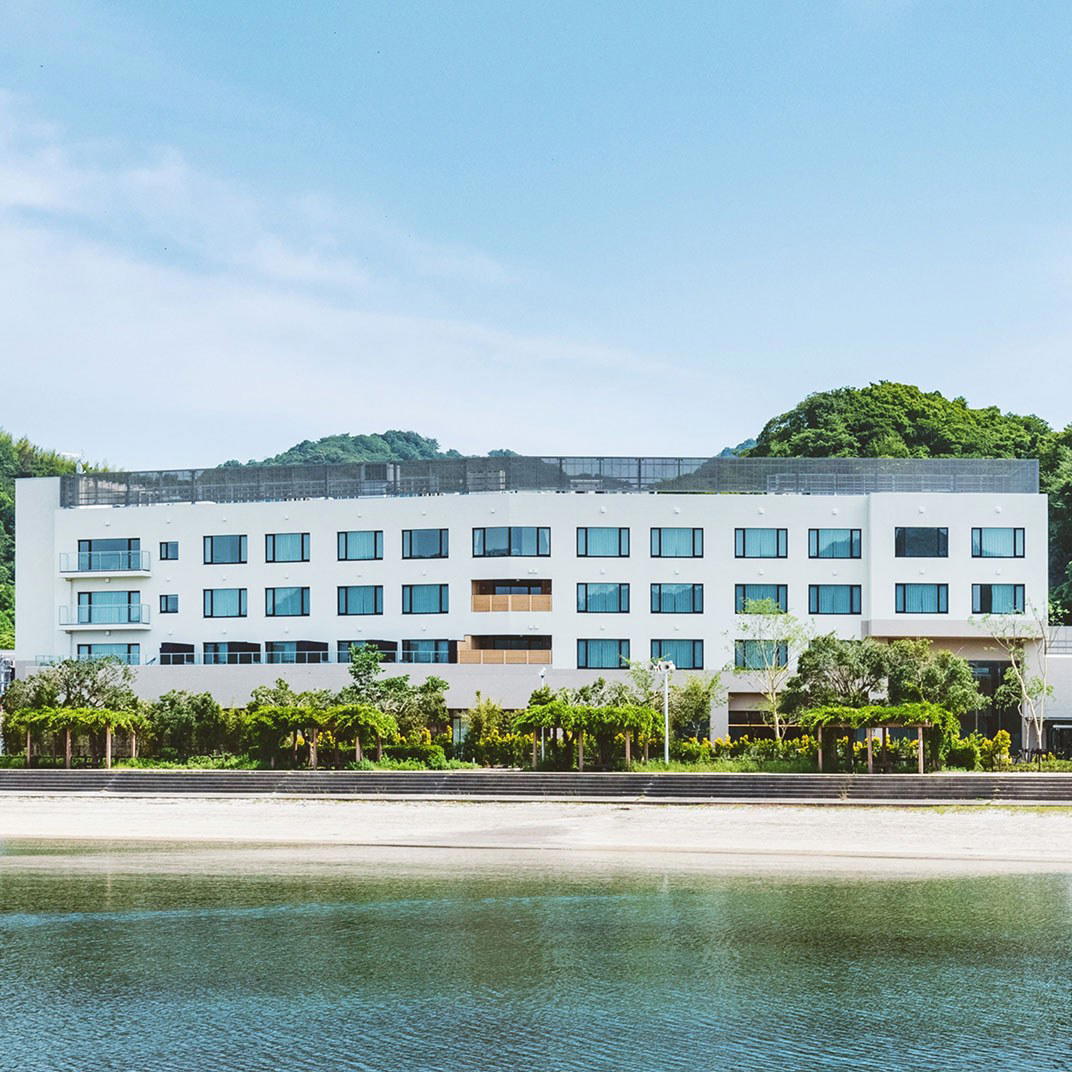
Warm and friendly neighborhood trattoria atmosphere with comfortable, unfussy interiors focused on the wood‑fired pizza and casual Italian dining.