Trattoria Limoncello sits in Cancun's Zona Hotelera at Punta Cancun, positioning itself within the area's Italian dining tier rather than the Mexican coastal mainstream. Against a field that leans heavily toward seafood houses and steakhouses, it offers a trattoria format that prioritizes multi-course progression over beach-casual dining. For visitors cross-referencing the Hotel Zone's Italian options, it represents a distinct category choice.
Pearl is the En Primeur Club membership app — saves, bookings, and concierge access live there. Same editors, same standards.
- Address
- Blvd. Kukulcan Km 10.5, Punta Cancun, Zona Hotelera, 77500 Cancún, Q.R., Mexico
- Phone
- +529988831433
- Website
- opentable.com
- Directions
- Get directions
 Saves & bookings on Pearl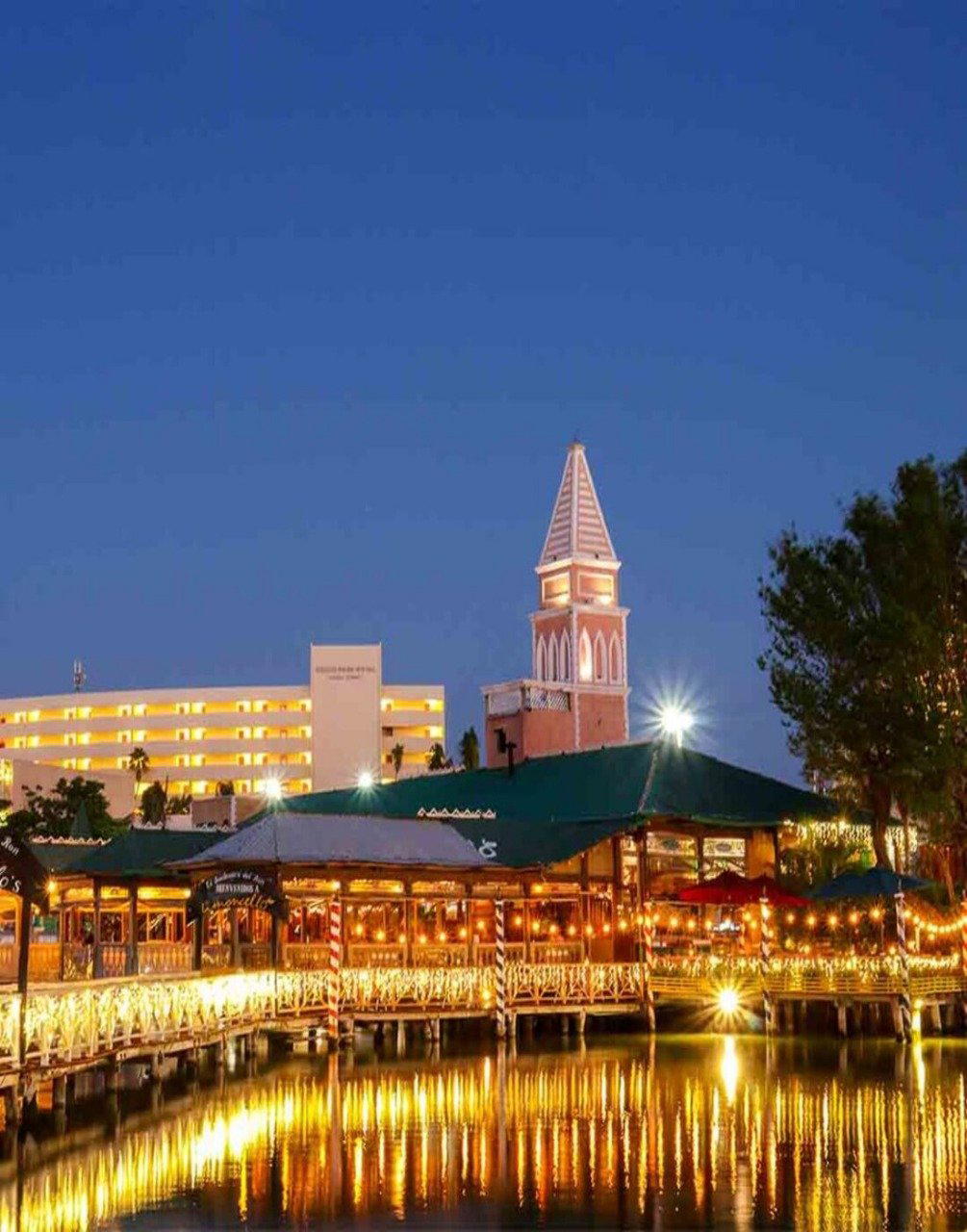
Italian Format in a Seafood-Dominant Zone
The Zona Hotelera in Cancun organizes itself around a particular dining logic: oceanfront seafood, Mexican steakhouses, and international hotel restaurants compete for the same tourist dollar along a narrow strip of Boulevard Kukulcan. Lorenzillo's anchors the high-end seafood tier; Le Basilic handles French seafood for the Ritz-Carlton crowd; the Mexican-leaning middle is filled by operations like La Casa de las Mayoras and The Club Grill. Against that backdrop, a trattoria format occupies a genuinely different position. Italian dining in resort corridors typically splits between hotel-operated pasta programs, which prioritize volume over craft, and independent trattorias, which trade on warmth, informality, and a multi-course rhythm that the Hotel Zone rarely sustains across an entire meal. Trattoria Limoncello, located at Km 10.5 in Punta Cancun, sits in that independent category.
The Punta Cancun location matters more than it might initially suggest. Km 10.5 places the restaurant at the tip of the Hotel Zone's northern curve, surrounded by the dense commercial and hotel concentration that defines Cancun's most trafficked stretch. Foot traffic here is substantial, but so is the competition for attention. Restaurants in this pocket face an audience that is simultaneously time-pressured and price-aware, which makes the trattoria format's natural tendency toward lingering, multi-course meals a structural choice rather than just a stylistic one. Committing to that format in this location signals something about how the kitchen approaches the meal.
How the Meal Moves
Trattoria model, as it operates across Italy and in its better international interpretations, builds a meal in arcs rather than as a sequence of unrelated plates. The antipasto stage functions as calibration: lighter preparations, cured elements, small composed dishes that read the kitchen's confidence before anything requires sustained attention.
From antipasto, the Italian progression moves through primo to secondo, a structure that separates starches and sauces from proteins in a way that the combined-plate American format does not. That separation matters because it changes the pacing of a meal significantly. A well-executed primo, whether a pasta dressed simply with olive oil and bottarga or a risotto that requires timing and attention at service, creates a natural pause in the meal's forward momentum. It is the course that most distinguishes a trattoria from a casual Italian restaurant. When that course is handled well, the meal has a narrative quality that is hard to replicate with a single composed plate. The secondo that follows can then be simpler, relying on the accumulated context rather than compensating for the absence of it. Dessert and digestivi, if present, close the arc rather than starting a new one. This is the underlying logic of the trattoria format, and it is the structure through which Limoncello should be read. For broader comparison on how this multi-course approach plays out in Mexican dining more generally, Le Chique in Puerto Morelos operates a tasting menu format that applies similar progression discipline within a different culinary vocabulary.
Where It Sits in the Cancun Field
Cancun's dining scene in the Zona Hotelera rewards visitors who cross-reference categories rather than defaulting to resort convenience. The seafood houses are legitimate, and the Mexican steakhouse tier has its own logic. But Italian dining in this corridor occupies a smaller, less scrutinized niche, which means that a competent trattoria faces less direct comparison pressure than it would in, say, a major metropolitan market. That dynamic cuts both ways: the category is undersupplied enough that a solid execution stands clearly against competitors like the hotel pasta programs, but it also means there is less external accountability in the form of critical coverage or award recognition. The broader field across categories and price points can be mapped separately for visitors who want a fuller picture.
For reference on what Italian-leaning formats look like at the summit of the Mexican market, the gap is substantial. Operations like Pujol in Mexico City and Alcalde in Guadalajara represent the standard that Mexico's most ambitious kitchens are reaching for, while KOLI Cocina de Origen in Monterrey and Levadura de Olla Restaurante in Oaxaca demonstrate how regional Mexican traditions anchor fine dining elsewhere in the country. Cancun's Zona Hotelera operates in a different register than those cities, oriented more toward tourist volume than toward the domestic fine-dining circuit that sustains those programs. Within that context, Limoncello's trattoria format represents a particular kind of visitor-facing Italian operation rather than a kitchen competing in Mexico's wider critical conversation.
Visitors who want to compare Italian-adjacent options within the broader Yucatan Peninsula corridor can also consider the European-influenced dining programs at HA' in Playa del Carmen, where the tasting format applies a similar multi-course logic to Yucatecan ingredients. For those who want to see what the Baja California wine country produces in combination with European technique, Animalón in Valle de Guadalupe, Lunario in El Porvenir, and Olivea Farm to Table in Ensenada illustrate how the European trattoria model gets reimagined in a Mexican wine region context. Pangea in San Pedro Garza Garcia adds a further data point on how Italian-European hybrids function in Mexico's northern city dining scenes.
Within the Zona Hotelera's own Italian and European-adjacent category, Limoncello's closest natural comparators are the Hotel Zone's independent European operations rather than the Mexican-concept restaurants. Operations like Bodega Argentina, Asador La Vaca Argentina, and Bombay Cancún all represent non-Mexican independent restaurants competing for the same visitor who has stepped outside the resort dining circuit. Capri Pizza Moderna operates in the Italian category more directly, though its format is distinct from a full-service trattoria. Café con Gracia rounds out the independent European-leaning options at a different price and formality tier.
Planning a Visit
Trattoria Limoncello operates from its Boulevard Kukulcan Km 10.5 address in Punta Cancun, accessible by the R-1 bus line that runs the length of the Hotel Zone or by taxi from any point along the strip. Punta Cancun is especially concentrated section among the Zona Hotelera in terms of restaurant and hotel density, so arriving by taxi from the hotel zone requires minimal navigation. The restaurant is open Wednesday through Sunday from 1 to 11 PM and is closed Monday and Tuesday. Reservations are recommended.
Compact Comparison
Comparable venues nearby, for context on price, style, and recognition.
| Venue | Cuisine | Price | Notes |
|---|---|---|---|
| Trattoria LimoncelloThis venue — the venue you are viewing | Cancún, Authentic Italian Trattoria | $$ | Not listed |
| La Pizzarra Plaza La Isla | Cancún, Casual Italian Pizza and Pasta | $$ | Not listed |
| La Dolce Vita | Not listed | $$ | 2300500010120, Italian Pasta and Seafood |
| Restaurante Labna | Not listed | $$ | 2300500010101, Authentic Yucatecan Mayan Cuisine |
| La Parrilla | Zona Hotelera, Traditional Mexican Grill | $$ | Not listed |
| Cenacolo Plaza La Isla | Not listed | $$$ | 2300500011701, Emilia-Romagna Italian |


At a Glance
- Romantic
- Cozy
- Elegant
- Scenic
- Date Night
- Special Occasion
- Family
- Celebration
- Waterfront
- Terrace
- Live Music
- Waterfront
Current opening hours
- Monday
- Closed
- Tuesday
- Closed
- Wednesday
- 1–11 PM
- Thursday
- 1–11 PM
- Friday
- 1–11 PM
- Saturday
- 1–11 PM
- Sunday
- 1–11 PM
Hours can change for holidays and private events. Last verified .
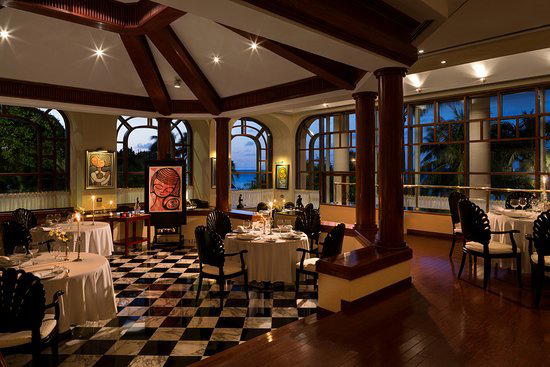
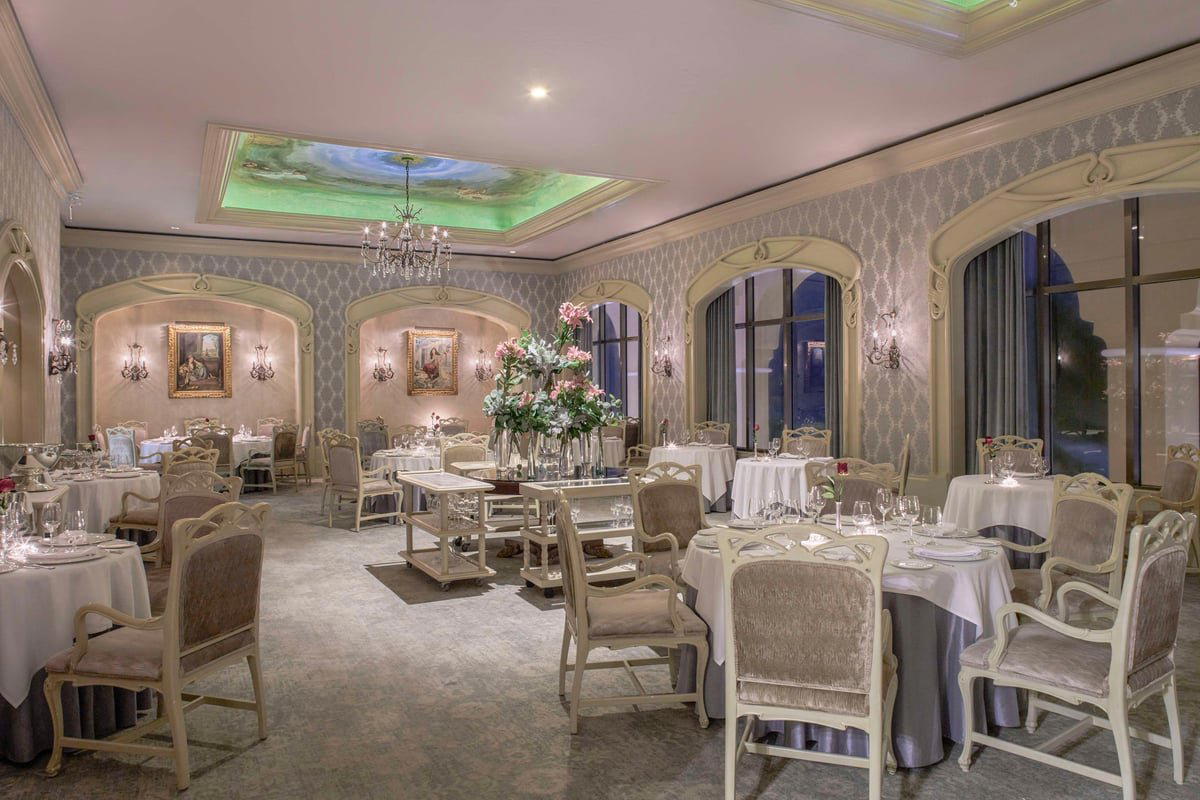
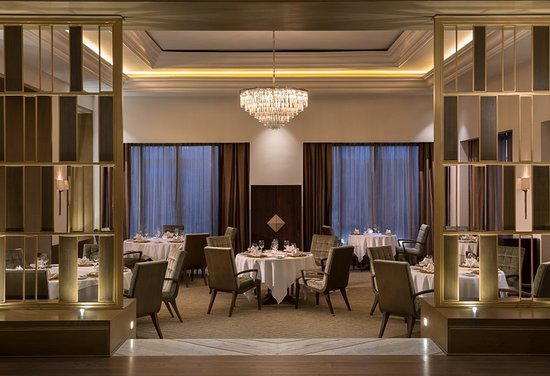
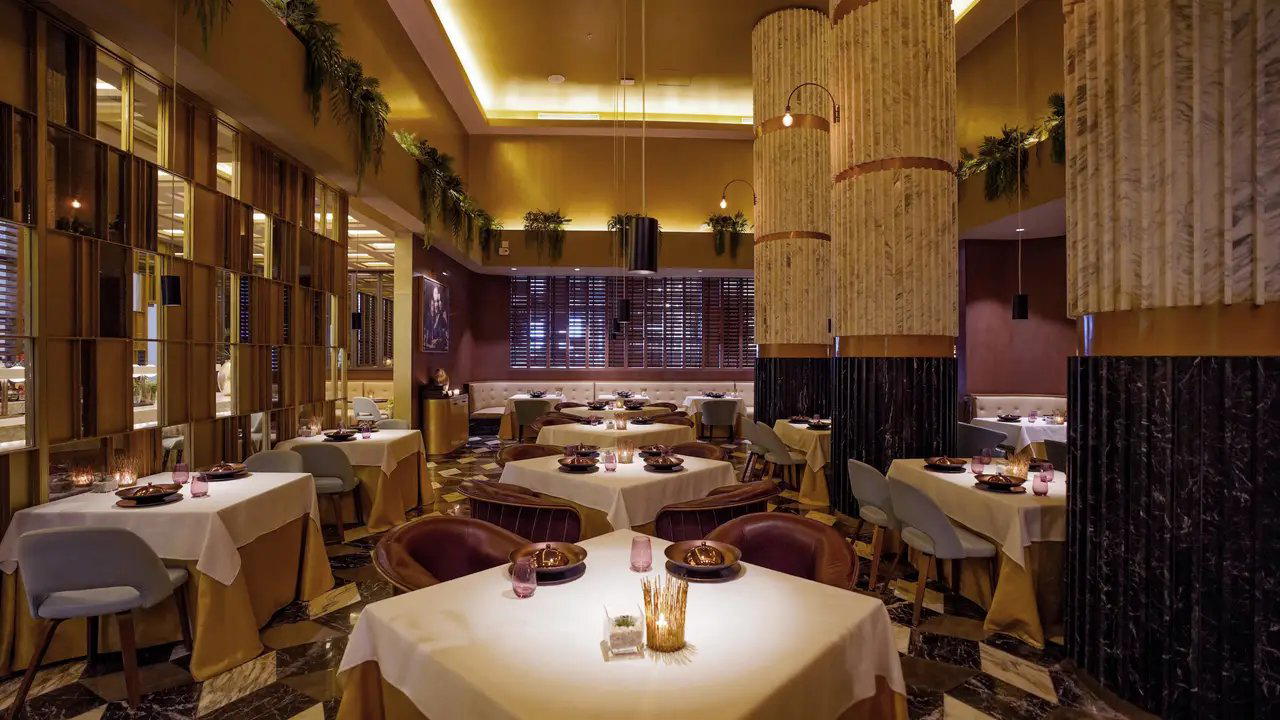
Cozy Tuscan-inspired atmosphere with warm lighting, elegant service, and romantic lagoon vistas.