Trastámara

A Spanish tapas address in rural Cantabria, Trastámara earns an Expression of the Terroir distinction for its rootedness in local produce and tradition. Chef Renzo Orbegoso Hinojosa brings a precise hand to the format, working from a remote setting in Las Presillas that rewards the detour.
Pearl is the En Primeur Club membership app — saves, bookings, and concierge access live there. Same editors, same standards.
- Address
- Diseminado Presillas, 104, 39679 Las Presillas, Cantabria, Spain
- Phone
- +34 942 94 50 51
- Website
- palaciohelguera.com
- Directions
- Get directions
 Saves & bookings on Pearl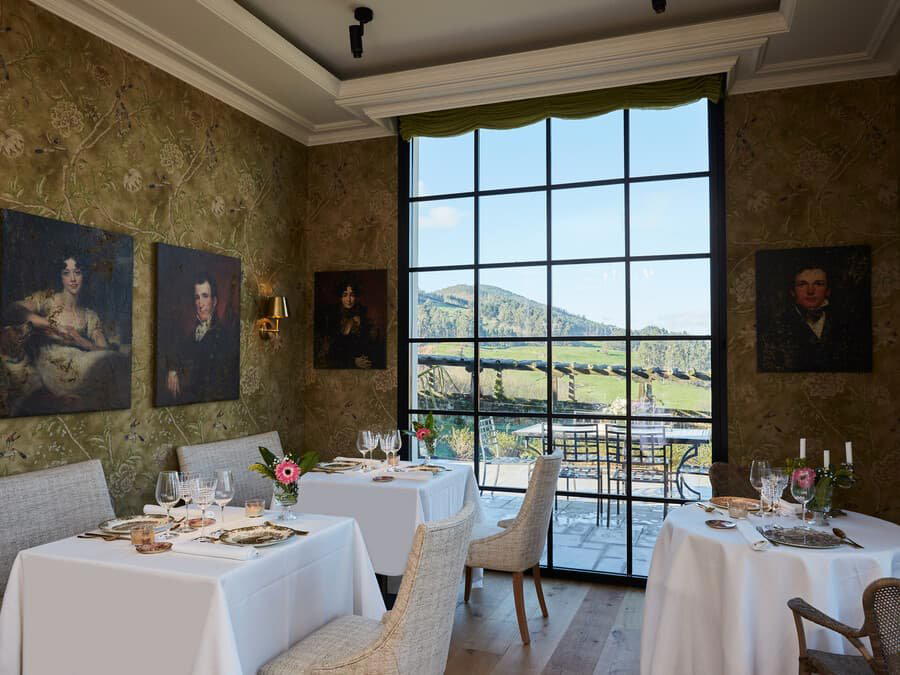
Where Cantabrian Country Roads Meet the Tapa Tradition
Trastámara is a restaurant in Las Presillas, Cantabria, serving modern Cantabrian cuisine with Peruvian fusion. Price per person is about $150, and the kitchen is led by chef Renzo Orbegoso Hinojosa. Trastámara, set in Las Presillas in the hills of Cantabria, belongs squarely to that tradition. The address, Diseminado Presillas 104, places it outside the village proper, reached by the kind of road that requires commitment. That physical remoteness is not incidental, it is part of the premise.
Cantabria as a dining region sits in a productive tension between its coastal identity (anchovies, bonito, merluza) and its inland character (aged cheeses, cured meats, beans slow-cooked with chorizo). Las Presillas sits inland, in the foothills of the Cantabrian mountains, which means the kitchen here tilts toward the latter tradition. This is ham-and-cured-meat country in the fullest sense: households in this part of Spain still maintain the rhythms of the matanza, the annual pig slaughter, and the curing calendar shapes how a cook thinks about flavour, time, and patience in ways that no amount of formal training can replicate.
The Jamón Frame: Curing Craft as Editorial Lens
To understand what Trastámara represents within Spanish tapas culture, it helps to understand the weight that cured pork carries in the national tradition. Jamón Ibérico de Bellota, the category at the apex of Spanish ham production, requires a minimum of 24 months of cave or cellar curing, a pig breed with at least 50 percent Iberian genetics, and a finishing period on acorns in the dehesa oak forest. The result is a fat-streaked, mahogany-coloured product that functions less like a snack and more like a statement about terroir, the landscape, the pig's diet, and the microclimate of the bodega all register in the finished slice.
Serrano ham, the more widely produced alternative, works from a different logic: white pig breeds, shorter cure windows (typically nine to fifteen months), and a focus on clean, saline flavour rather than the nutty complexity of Ibérico. Both styles appear on tapas menus across Spain, but the way a kitchen handles them, the thickness of the slice, the temperature at which they are served, what they are paired with, says something meaningful about the kitchen's priorities. In the mountain towns of Cantabria, ham arrives as a working ingredient and a standalone pleasure in equal measure, with no flourish required.
Trastámara's Expression of the Terroir award signals that the kitchen is operating with this kind of specificity. The distinction, rare at the rural end of the tapas format, indicates a deliberate sourcing approach and a menu that reflects the particular character of this corner of northern Spain rather than a generic pan-Spanish tapa selection. For a visitor arriving from the coast or from Santander, some 60 kilometres to the north, that distinction is the difference between a stop and a destination.
Chef Renzo Orbegoso Hinojosa and the Tapas Counter
Within the broader pattern of Spanish regional dining, the arrival of chefs with South American training or heritage at rural Spanish kitchens has become a recurring story over the past two decades. Chef Renzo Orbegoso Hinojosa fits that pattern at Trastámara, bringing a perspective shaped outside the Iberian peninsula to a format that is entirely local in its ingredients and logic. What that combination tends to produce, when it works, is a kitchen fluent in the canon but unbound by its conservatism, capable of serving a perfectly traditional plate of cured meat alongside something that shows a different kind of technical intelligence.
The tapas format itself rewards this kind of precision. Unlike a tasting menu, where a single conceptual thread must carry across twelve courses, a tapas sequence allows the kitchen to move between registers, testing a single technique or ingredient in a concentrated form before moving on. At, the signal is that the kitchen is consistent rather than showy. In the context of restaurants where reputation travels entirely by word of mouth, that consistency is harder to maintain than any single impressive plate.
Las Presillas in the Cantabrian Dining Picture
Las Presillas does not function as a dining destination in the way that San Sebastián or Bilbao draws visitors specifically for their restaurant scenes. The comparison is instructive rather than dismissive: those cities have built institutions of international standing, from Arzak in San Sebastián to Azurmendi in Larrabetzu and Mugaritz in Errenteria, drawing guests who plan entire trips around a single reservation. Las Presillas operates on a different axis entirely, one where the draw is the region's agricultural character rather than any individual chef's celebrity. Trastámara shares something of that same rural-destination logic with places like Helguera Palacio Boutique & Antique, the other address in Las Presillas that EP Club tracks, both are premises that require the visitor to commit to the area rather than pass through it.
The wider Spanish tapas tradition, from Casa de Tapas Cañota in Barcelona to Coqueta in San Francisco, tends to translate the format into urban or export contexts. Trastámara runs in the opposite direction: this is the format as it exists before it gets translated, shaped entirely by the produce and habits of the immediate geography. For a comparison point on what Spanish creative cooking looks like at the far end of the ambition spectrum, DiverXO in Madrid, El Celler de Can Roca in Girona, and Disfrutar in Barcelona define a different tier entirely. Trastámara's interest lies elsewhere.
Planning a Visit
Reaching Las Presillas requires a car; the village is not served by rail and public transport connections are limited. From Santander, the drive runs south into the Pas valley, with journey times in the range of an hour depending on the route. Those combining the visit with a wider Cantabrian stay will find Las Presillas a logical stop on a circuit through the inland mountain villages, with accommodation options in the area covered in
Price and Recognition
Comparable venues nearby, for context on price, style, and recognition.
| Venue | Cuisine | Price | Notes |
|---|---|---|---|
| TrastámaraThis venue — the venue you are viewing | Spanish Tapas | $$$$ | Not listed |
| Helguera Palacio Boutique & Antique | Las Presillas, Cantabrian Fine Dining | $$$$ | Not listed |
| Sobretaula | Punta Negra, Authentic Spanish Tapas | $$$ | Not listed |
| Zortziko | Abando, Modern Basque Cuisine | $$$$ | Not listed |
| Asador Taskas | Not listed | $$$$ | Parque Empresarial Aeropuerto de Bilbao, Derio, Basque Grilled Seafood & Steakhouse |
| Hotel & Restaurant Mendigoikoa Bekoa | Not listed | $$$$ | Atxondo Valley, Axpe Achondo, Traditional Basque Cuisine |
Recognition history
Dated appearances from independent guides and award organizations, with the underlying list record or original source where available.
Relais Chateaux Award
Relais Chateaux
Continue exploring
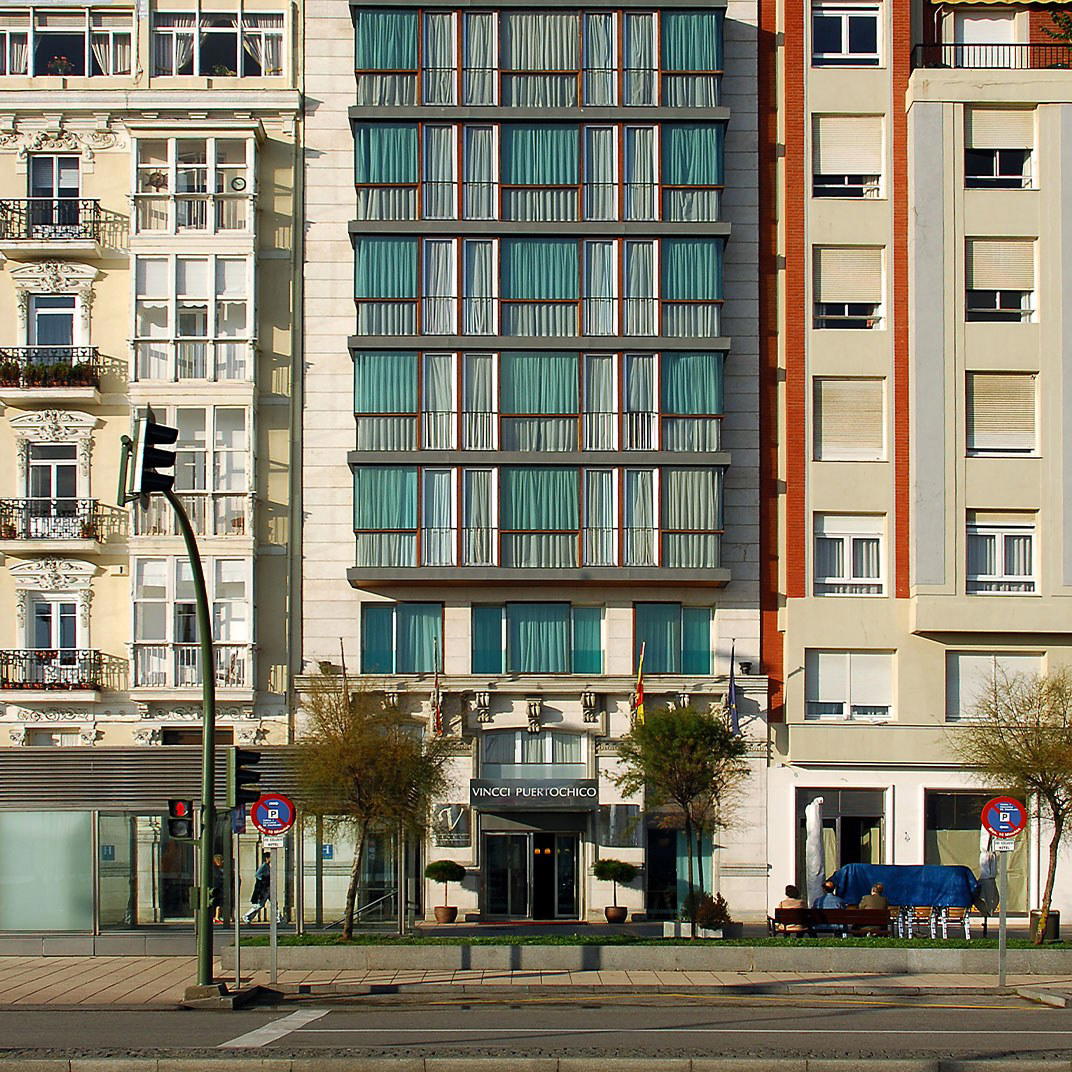
More in Las Presillas
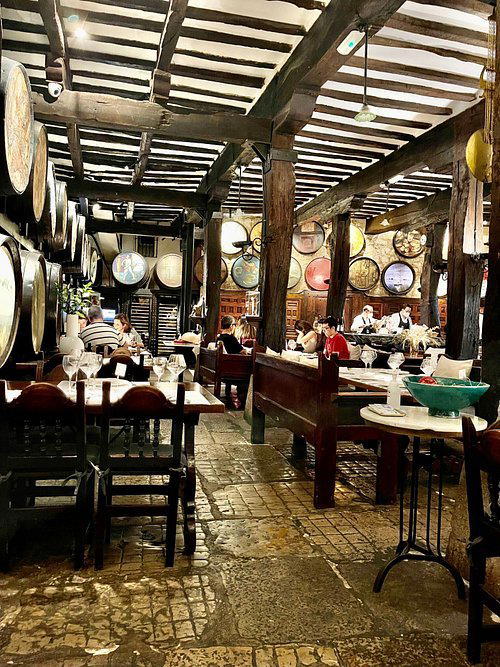
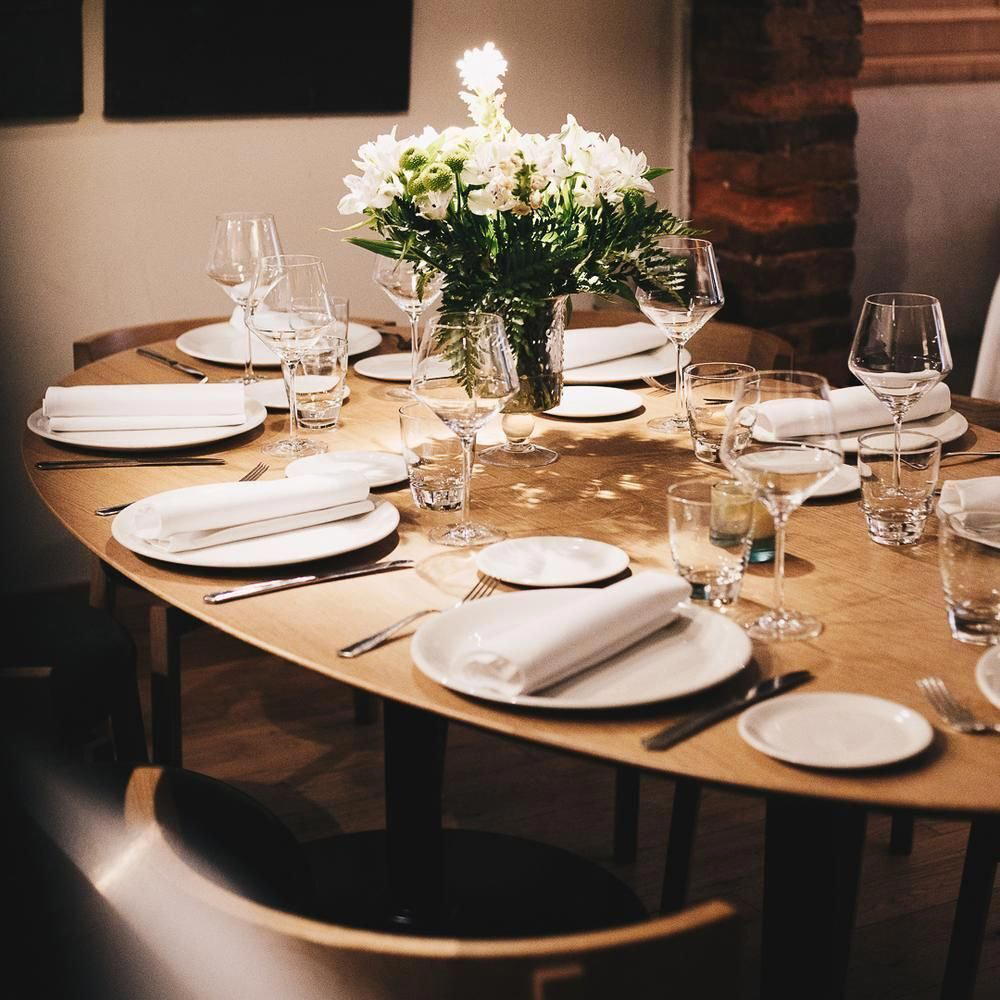
Restaurants in Las Presillas
Browse all →
Hotels in Las Presillas
Browse all →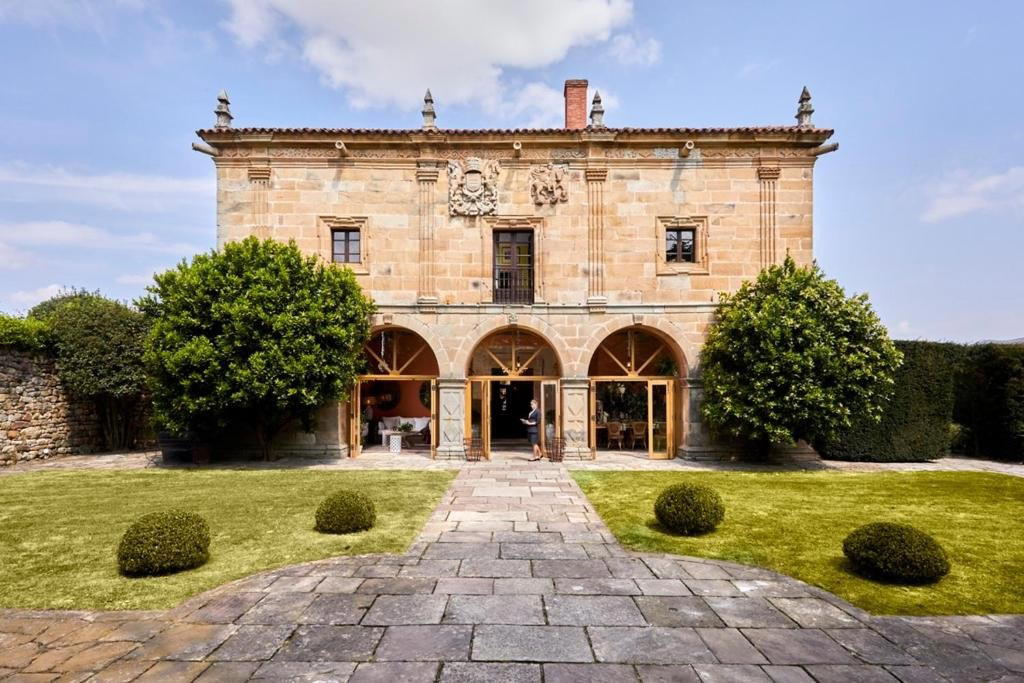
At a Glance
- Romantic
- Elegant
- Intimate
- Sophisticated
- Cozy
- Date Night
- Special Occasion
- Hotel Restaurant
- Historic Building
- Extensive Wine List
- Local Sourcing
Current opening hours
- Monday
- 1–2:30 PM, 8–9:30 PM
- Tuesday
- 1–2:30 PM, 8–9:30 PM
- Wednesday
- 1–2:30 PM, 8–9:30 PM
- Thursday
- 1–2:30 PM, 8–9:30 PM
- Friday
- 1–2:30 PM, 8–9:30 PM
- Saturday
- 1–2:30 PM, 8–9:30 PM
- Sunday
- 1–2:30 PM, 8–9:30 PM
Hours can change for holidays and private events. Last verified .
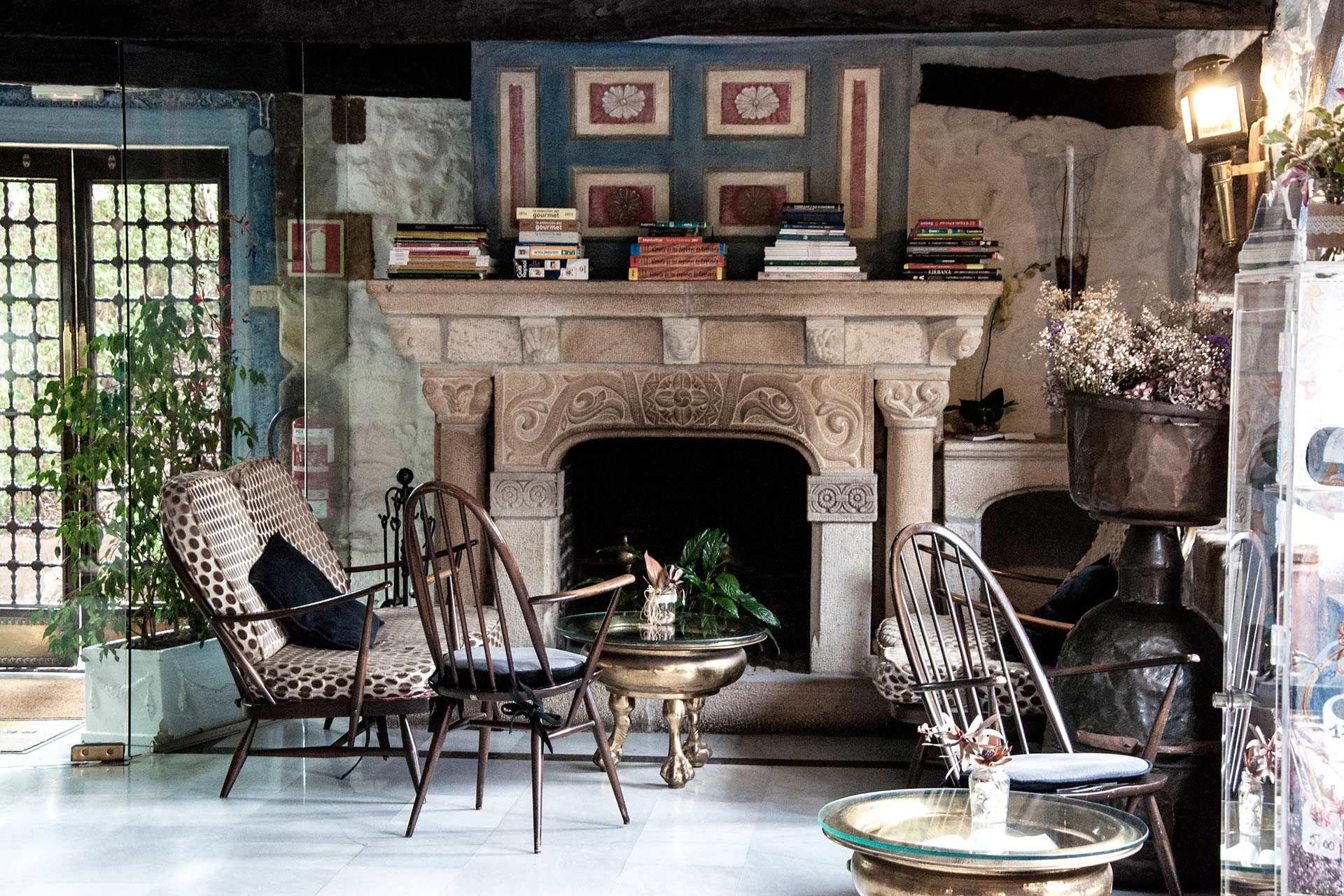
Noble and cozy atmosphere with utmost attention to detail, stylish design, 17th-century fireplace, and dramatic wall panels.