



Michelin Plate · Guía Repsol 2 Soles · Macarfi 8.4 Food Rating
Our verdict
El Nuevo Molino gives Arce a serious Cantabrian dining address: rural in setting, ingredient-led in implication, and recognised with 2 Soles in the Guía Repsol Soles 2026. The appeal is not big-city theatre but the logic of northern Spain’s pantry, where coast, dairy country, garden produce and mountain routes sit close enough to shape the table.

Pearl is the En Primeur Club membership app, where members save venues, book tables and use the concierge.
The menu
What to order
- Partridge
- Venison
- Roasted suckling lamb
- Salted trout with oloroso
- Cocido lebaniego cream
Approaching dining rooms in Arce changes the tempo before a plate arrives. The road narrows, the city noise drops away, and the meal starts to read less as an urban reservation and more as a conversation with the place around it. El Nuevo Molino belongs to that register. Its recognition with 2 Soles in the Guía Repsol Soles 2026 places it in Spain’s serious regional tier, where the question is not spectacle but how clearly a restaurant can make its setting feel coherent.
Arce is easily reduced to quick culinary shorthand, but that misses the more interesting point. The area’s dining appeal works because its distances are short and its contrasts are sharp. A restaurant in Arce can feel connected to the wider province while remaining outside a capital-city restaurant rhythm, which gives the room a different kind of pressure. The expectation is precision, but not metropolitan self-display.
Arce's table, read through sourcing rather than theatre
The strongest way to understand El Nuevo Molino is through sourcing as an editorial lens rather than through a narrow cuisine label. Better country restaurants tend to make their case through judgment before display: restraint, seasonality, and a sense that the meal belongs where it is being served. Without needing to turn every dish into a regional postcard, this is the grammar a place like Arce rewards. A kitchen here has to decide what to leave alone, what to modernise, and what to keep legible for diners who know the local context well.
That local literacy matters. In larger Spanish cities, regional cooking can be translated for visitors; in Arce, the audience may understand the reference points already. A too-polished version of place-led dining risks feeling detached from its surroundings. A too-rustic version risks nostalgia. The middle ground, the one rewarded by guides such as Repsol, is where technique sharpens the experience without making the setting disappear. El Nuevo Molino’s 2 Soles signal that it operates in that more demanding lane.
Compared with out-of-metro references such as Laila or Trastámara, the Arce address sits closer to the destination-restaurant end of the regional spectrum. Those comparisons are useful because they show how broad Spain’s non-capital dining map has become: contemporary rooms, informal formats, and ingredient-led country restaurants now compete for the same traveller attention. The smart itinerary does not treat them as interchangeable. A shorter, casual meal answers a different appetite from a longer Arce one.
Why the Repsol signal matters in Arce
Guía Repsol carries particular weight in Spain because it has long paid attention to regional dining outside the international spotlight. Michelin often frames ambition through global luxury codes; Repsol is better read as a map of Spanish eating culture by territory. A 2 Soles listing in 2026 is therefore not just a badge. It tells the traveller that the restaurant has moved beyond local convenience and into a curated Spanish conversation, while still being judged through the country’s own dining habits.
For Arce, that distinction is useful. The city does not need to behave like a capital to justify the detour. Its value lies in the quieter pace of a meal that can sit within a broader day rather than a single urban hit list. This is the kind of address that makes sense when a trip is planned around the area as a whole: city time, rural time, and Arce for restaurants that join those threads without over-explaining them.
The absence of a necessary public chef narrative also keeps the focus in the right place. Many restaurant stories lean too heavily on personality; here the more useful reading is structural. What matters is the restaurant’s position within Arce’s dining economy and within Spain’s guide-recognised regional tier. That makes it a better fit for travellers who care about context, not just a famous name on the reservation.
How to fit it into a northern Spain trip
El Nuevo Molino works well as part of an Arce day built around landscape, lunch, and a slower return, rather than as a squeezed-in stop between cities. The rhythm to expect is not fast-turnover convenience but a more deliberate restaurant stop, so the rest of the day should be planned accordingly. This is not the slot for rushed sightseeing on either side.
For readers mapping a broader stay, start with Our full Arce restaurants guide, then widen the trip through Our full Arce hotels guide, Our full Arce bars guide, Our full Arce wineries guide, and Our full Arce experiences guide. Spain’s broader dining map is worth reading sideways too: compare it with other dining in major cities, Andalusia, the Basque Country, the islands, Rioja country, Barcelona, the Canaries, the Pyrenees, Valencia, Mallorca, Castile, and, outside Spain, specialist Japanese formats in California.
The editorial read is clear: this is an Arce restaurant with national Spanish guide recognition, not a generic rural dining room. Go for the way the setting is likely to shape the meal, and for the contrast between Arce context and serious restaurant discipline.
Frequently asked questions
Can I bring kids to El Nuevo Molino?
El Nuevo Molino is in Arce, so families should check the restaurant’s current booking details and choose the sitting that best fits their day.
What's the overall feel of El Nuevo Molino?
The feel is place-led and anchored in Arce. Its 2 Soles in Guía Repsol 2026 places it in the regional dining tier that receives serious critical attention in Spain.
Is El Nuevo Molino open every day?
Check El Nuevo Molino’s current opening hours directly before planning around it, as schedules can change.
What is El Nuevo Molino known for?
El Nuevo Molino is known as a guide-recognised restaurant in Arce, with 2 Soles in the Guía Repsol Soles 2026.
Side-by-Side Snapshot
Comparable venues by cuisine and price in the same metro.
| Venue | Cuisine | Price | Awards | Notes |
|---|---|---|---|---|
| El Nuevo MolinoThis venue (the venue you are viewing) | Traditional Cantabrian Fine Dining | $50–100 | Michelin Plate · Guía Repsol 2 Soles | Not listed |
| El Hostal del Pericote | Traditional Cantabrian Meat Cuisine | $100–150 | Michelin Plate · Macarfi 7.9 Food Rating | Not listed |
| Laila | Contemporary Cantabrian | $50–100 | Michelin Plate · Macarfi 7.6 Food Rating | Contemporary |
| Trastámara | Modern Cantabrian with Peruvian Fusion | $150–200 | Relais Chateaux Award | Spanish Tapas |
Recognition history
Dated appearances from independent guides and award organizations, with the underlying list record or original source where available.
Michelin Plate
Michelin
Guía Repsol 2 Soles
Guía Repsol
Macarfi 8.4 Food Rating
Macarfi
Opinionated About Dining Top Restaurants in Europe Recommended
Opinionated About Dining
Full recognition history (5 entries)
Michelin Plate
Michelin
Continue exploring
More in Arce
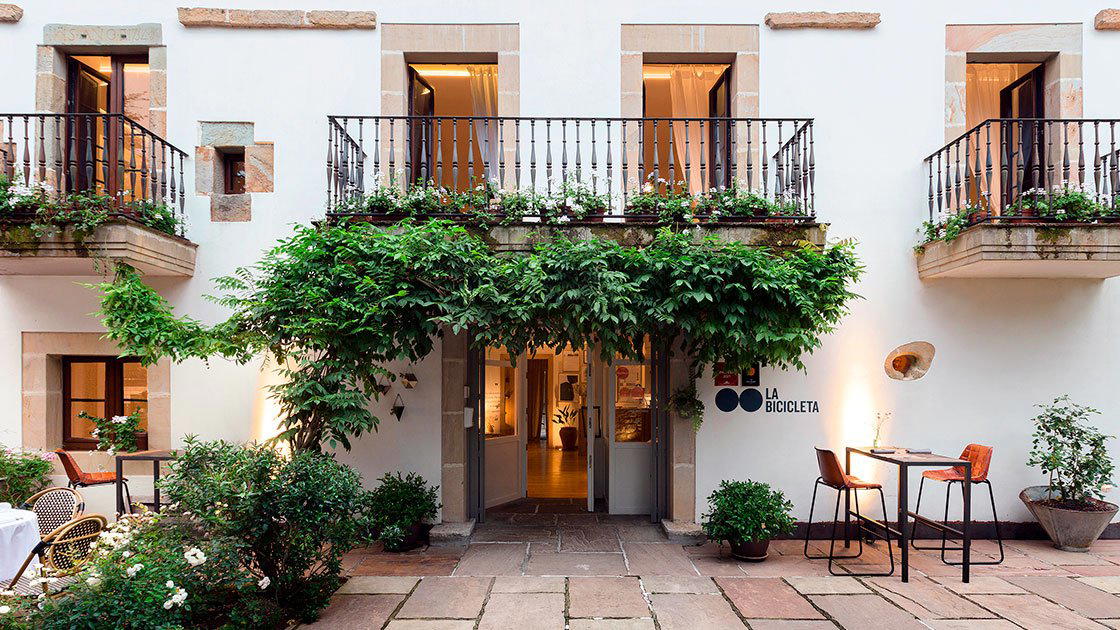
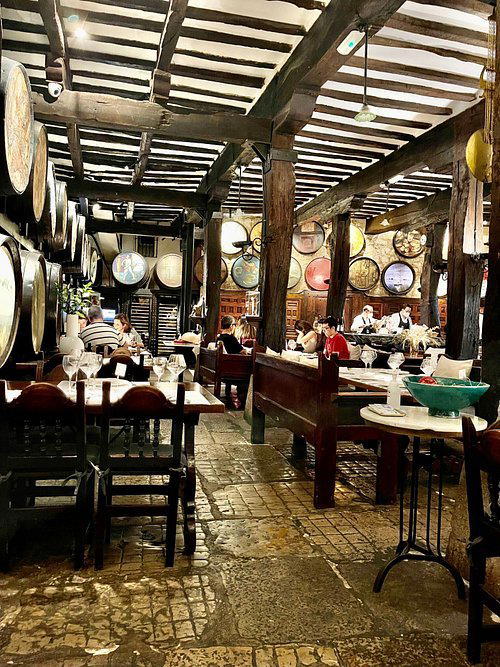
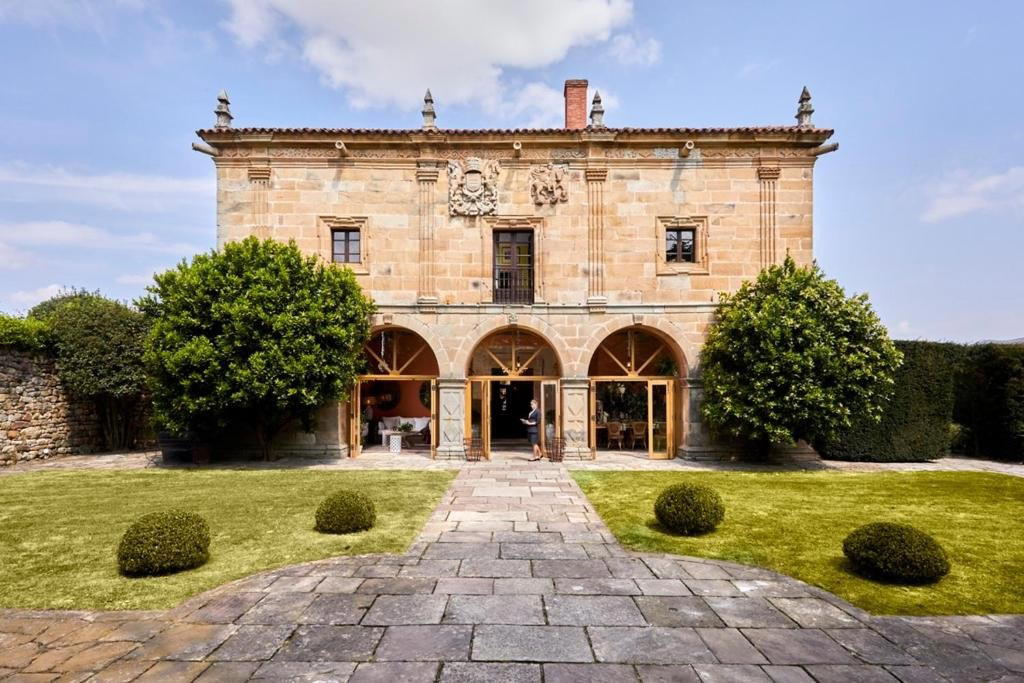
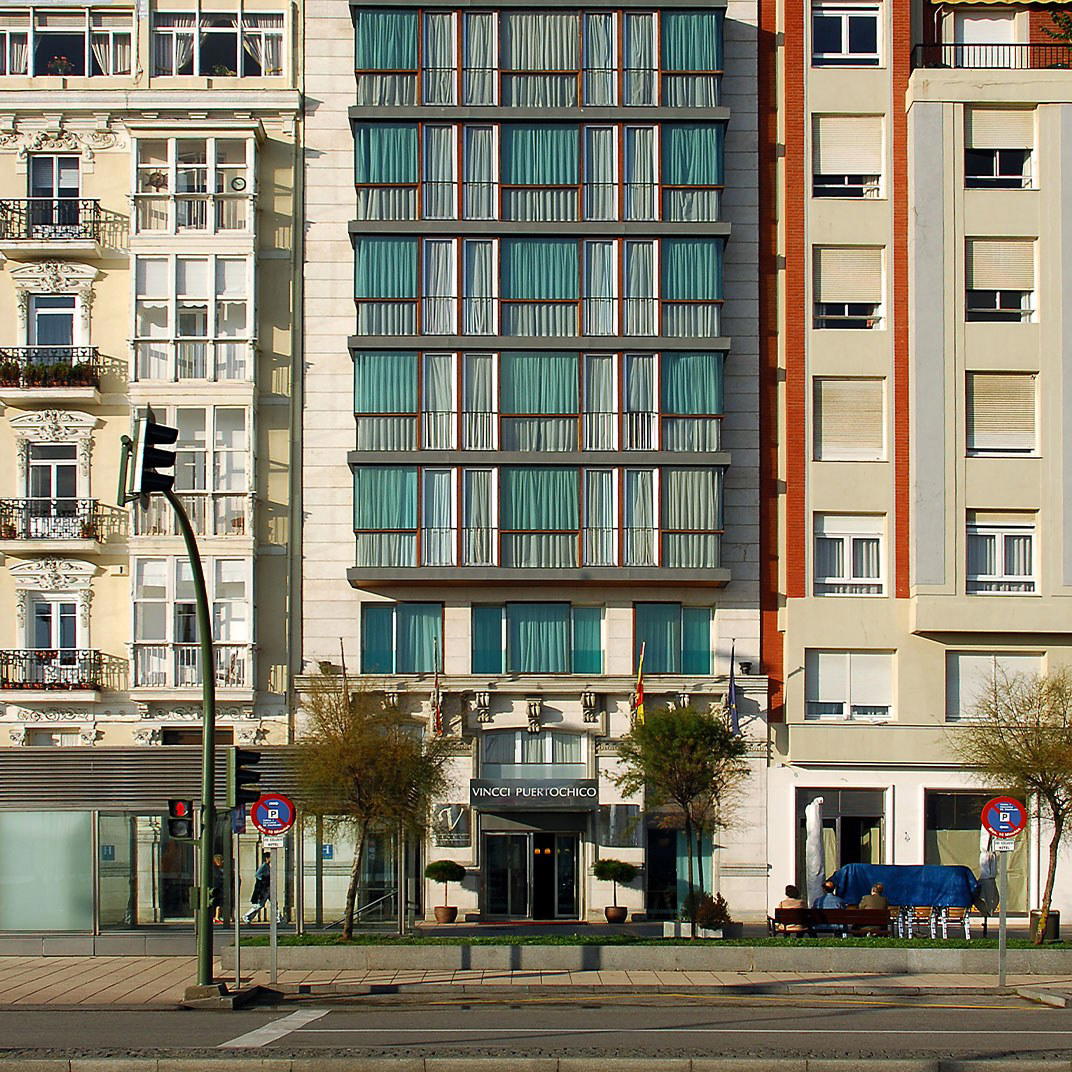
El Nuevo Molino
The wine
- Wine program
- Deep wine list
- Extensive wine list
- Sommelier-led
Details
- Scenic
- Rustic
- Classic
- Elegant
- Date Night
- Family
- Celebration
- Group Dining
- Special Occasion
- Garden
- Waterfront
- Historic Building
- Standalone
- Private Dining
- Extensive Wine List
- Sommelier Led
- Local Sourcing
- Farm To Table
- Waterfront
- Garden
- A La Carte
- Tasting Menu
- Set Menu
- Wine
- Pescatarian Friendly
- Vegetarian Friendly
Current opening hours
- Monday
- 1:30–4 PM
- Tuesday
- Closed
- Wednesday
- 1:30–4 PM
- Thursday
- 1:30–4 PM
- Friday
- 1:30–4 PM, 8:30–10:30 PM
- Saturday
- 1:30–4 PM, 8:30–10:30 PM
- Sunday
- 1:30–4 PM
Hours can change for holidays and private events. Hours as of .
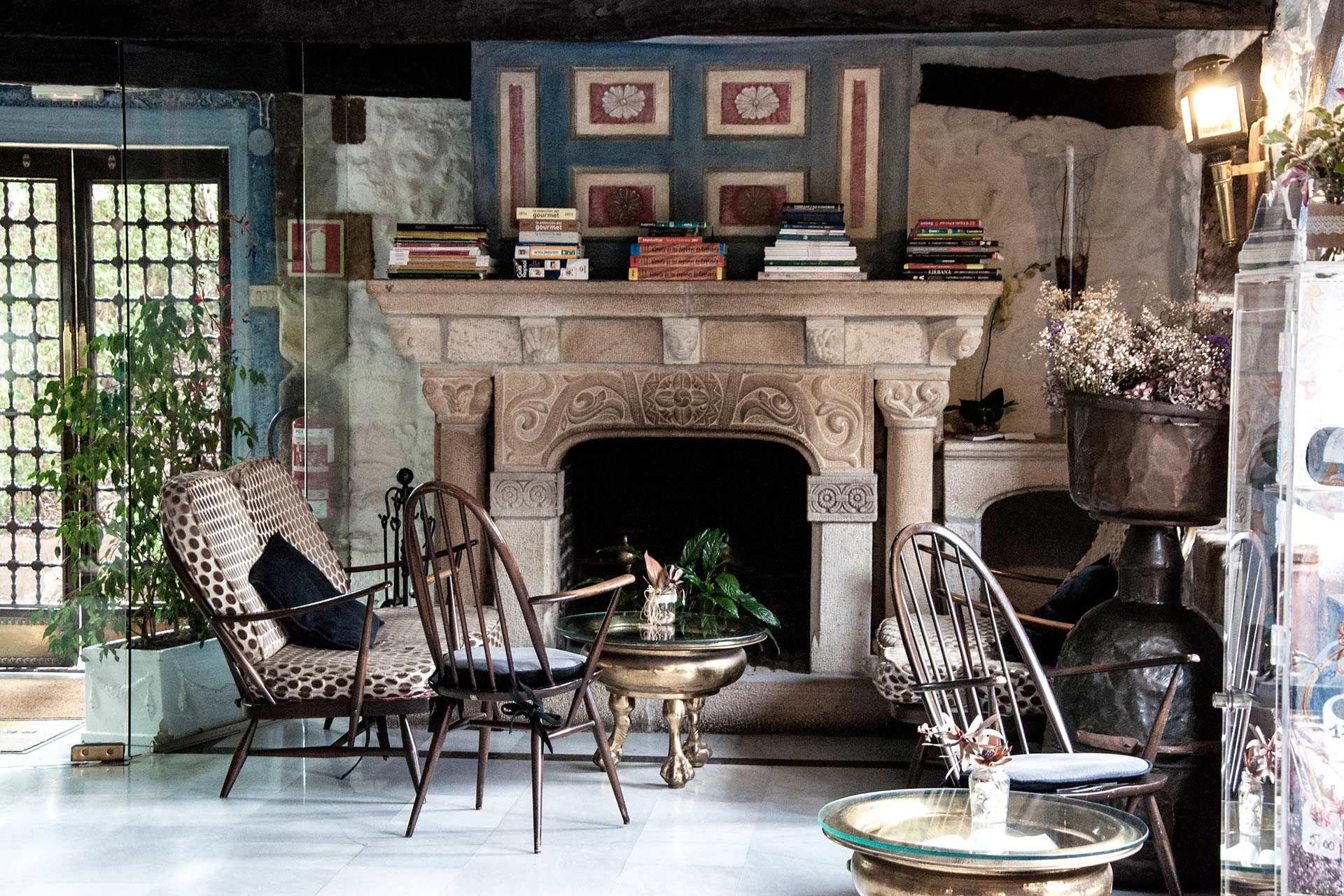
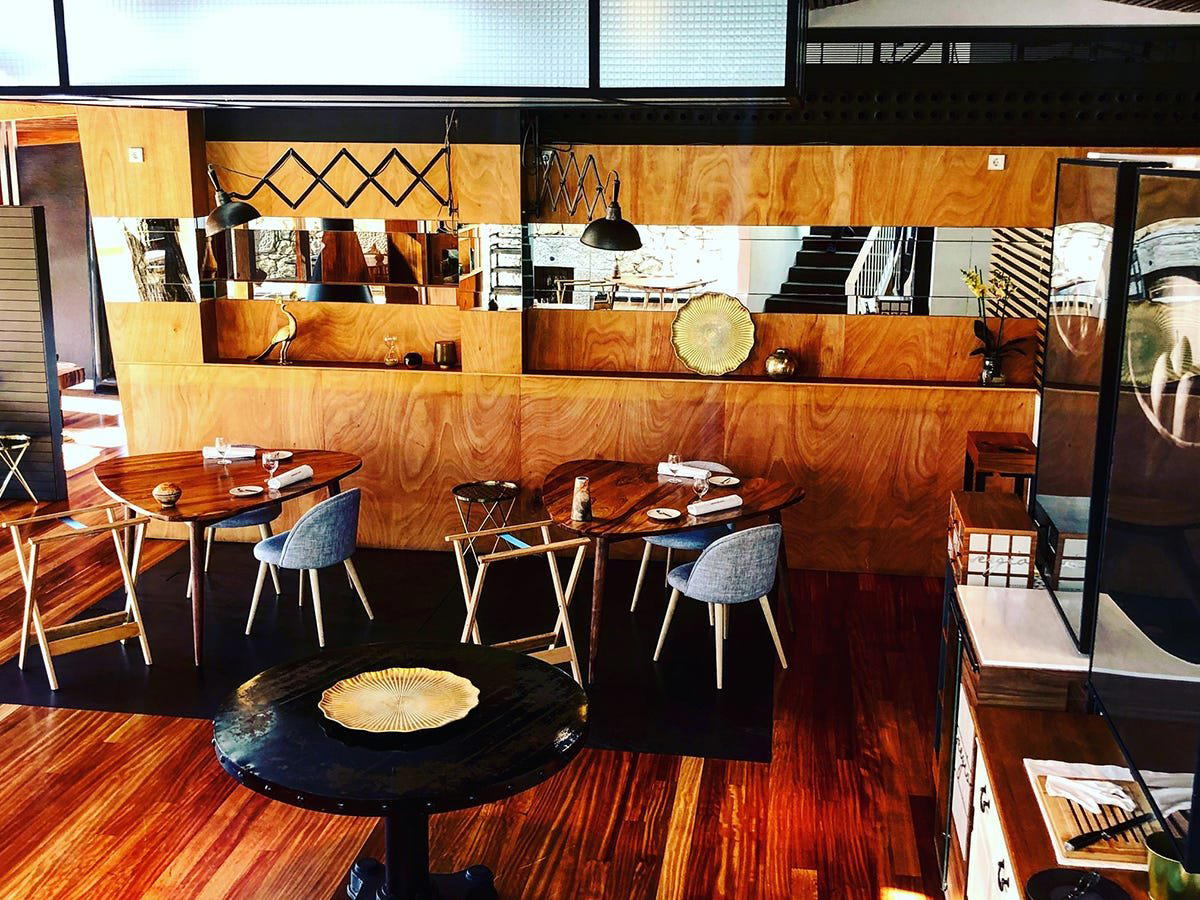
Rustic and refined, with historic mill architecture, noble woods, large garden-facing windows, and a relaxed bistro-style annex in the old granary.