Tosca

Wine Spectator Best of Award of Excellence
Our verdict
Tosca sits on North Street in Hingham, Massachusetts, a town where the South Shore dining scene has gradually developed enough critical weight to reward serious attention. The restaurant's address places it within walking distance of Hingham Harbor and alongside neighbors like Alma Nove and Caffe Tosca, giving the street a dining density unusual for a town this size.

Pearl is the En Primeur Club membership app — saves, bookings, and concierge access live there. Same editors, same standards.
- Address
- 14 North St, Hingham, MA 02043
- Phone
- (781) 740-0080
- Hours
- Mon ClosedTue–Fri 5–9 PMSat 4:30–10 PMSun 4:30–9 PM
- Website
- toscahingham.com
- Directions
- Get directions
- Booking
- Book on OpenTable

The menu
What to order
- Wood-Grilled Dry-Aged Pork Chop
- Wild Boar Bolognese
- Seared Sea Scallops
- Chicken Under a Brick
- Caesar Salad
North Street and the South Shore Dining Shift
Small coastal towns outside major American cities tend to develop dining scenes in one of two ways: they either remain perpetually casual, built around fried seafood and tourist traffic, or they attract a critical mass of serious operators who gradually pull the neighborhood into a different register. Hingham, Massachusetts has moved noticeably toward the latter. North Street, in particular, has accumulated a dining corridor with enough ambition to hold its own against comparable suburban stretches north of Boston or along the Connecticut coast. Tosca, at 14 North St, sits at the center of that shift.
The context matters. Hingham is roughly 15 miles south of Boston, close enough to draw comparison with the city's dining options, far enough that operators here cannot rely on the foot traffic or the critical attention that props up restaurants in the Seaport or the South End. Venues that work in Hingham tend to do so on the strength of their local proposition, and that places them in a different competitive logic than their urban counterparts. For a useful sense of what the surrounding dining offers, the our full Hingham restaurants guide maps the full picture.
Italian-American Tradition and What It Means at This Address
Italian cooking in American suburban settings carries a complicated legacy. The category spans an enormous range, from red-sauce institutions built on volume and nostalgia to more contemporary Italian-American kitchens that use the same basic architecture of pasta, protein, and wine but apply more exacting sourcing and technique. The name Tosca itself is a reference point: it evokes the Italian region, the operatic tradition, and a certain kind of old-world seriousness about the table. Whether a restaurant earns that weight or merely borrows it is the question worth asking.
The Italian-American dining tradition on the South Shore has deep roots, shaped by mid-twentieth-century immigration patterns and a regional appetite for dishes built around pasta, seafood, and long-cooked sauces. Restaurants that operate in this tradition are not simply nostalgic, they are responding to genuine demand from communities where Italian cooking carries cultural meaning. The better operators in this category understand that the tradition itself is a discipline, not a shortcut. It requires sourcing relationships, consistent execution, and a kitchen that respects the gap between a good bolognese and a mediocre one. That discipline is what separates places like this from the broader casual Italian category that occupies so much of American suburban dining.
For comparison, the distance between a South Shore Italian-American kitchen and the formal European-influenced rooms that hold Michelin recognition in American cities is instructive. Rooms like Le Bernardin in New York City or tasting-menu formats like Alinea in Chicago operate in an entirely different register of ambition and constraint. So do farm-anchored destination restaurants like Single Thread Farm in Healdsburg or Blue Hill at Stone Barns in Tarrytown. The point is not that Tosca belongs in that conversation, but that understanding where it sits relative to those benchmarks clarifies what kind of restaurant this is and what kind of experience a visitor should reasonably expect. It is a neighborhood anchor, not a destination in the 50 Best sense, and good neighborhood anchors are genuinely hard to find and worth protecting.
The Neighborhood Setting and Physical Approach
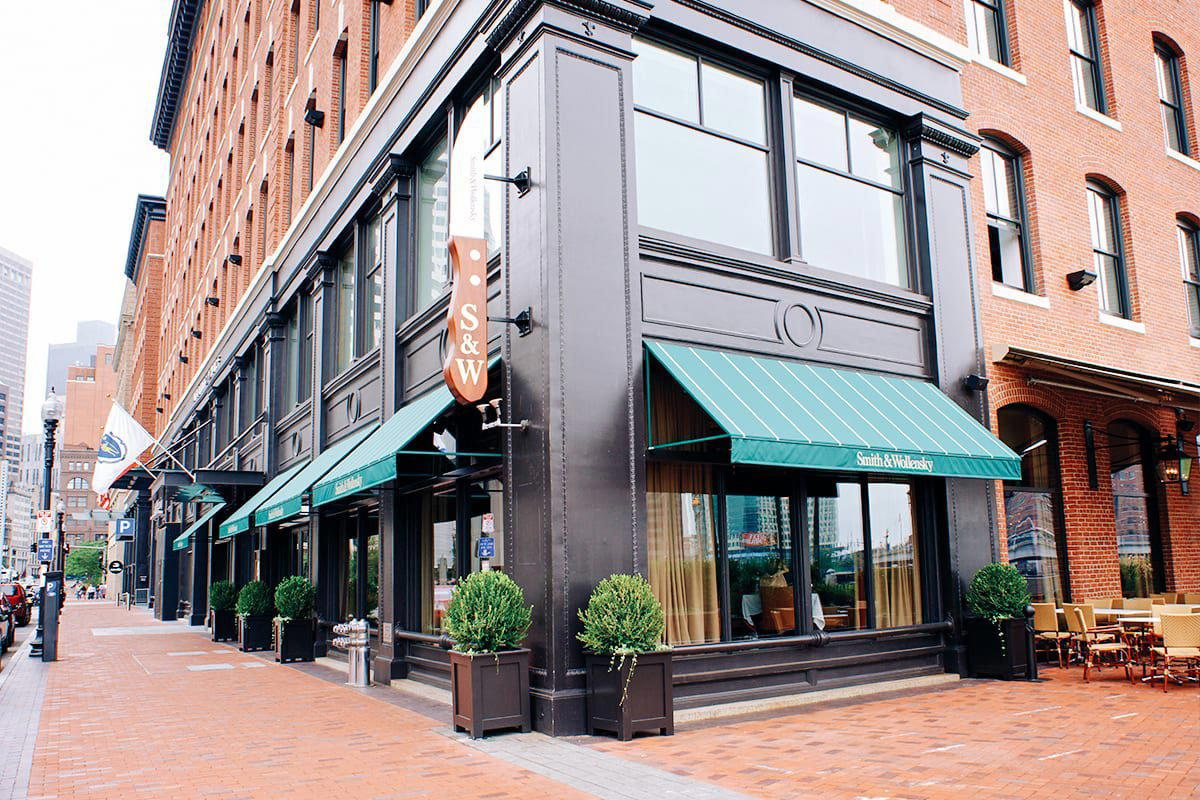
Walking North Street toward the harbor, the scale of Hingham's downtown becomes apparent quickly. The blocks are short, the storefronts are close together, and the town has the compressed quality of a New England coastal community where the street grid was laid out before the automobile. Arriving at Tosca means arriving in a context that is already doing some of the work: the harbor proximity, the historic building stock, and the presence of adjacent operators like Alma Nove and Caffe Tosca give the block a sense of accumulated intention. Wahlburgers operates nearby, confirming that the street draws across a wide demographic range, from casual to more considered dining.
That mix is actually a useful signal. Streets that sustain both casual and serious dining tend to have enough residential density and repeat-customer culture to support both, which is a better foundation than a tourist-dependent strip that rises and falls with seasonal traffic. Hingham's dining corridor appears to have that quality.
Placing Tosca in the American Fine-Casual Spectrum
Across American cities, the mid-tier dining category has been under pressure for the better part of a decade, squeezed between fast-casual volume operations and high-commitment tasting menus that demand advance booking and significant spend. Restaurants like Lazy Bear in San Francisco, Providence in Los Angeles, or Addison in San Diego have consolidated at the top of their markets, while the center of the dining spectrum has contracted in many cities. That contraction has, somewhat paradoxically, made good suburban operators more valuable to their communities. When Boston diners weigh the effort and cost of a tasting menu at a city-center destination against the reliability of a well-run neighborhood room 15 miles south, the calculation is not always obvious.
Tosca occupies that intermediate position: accessible enough to function as a regular dining destination for South Shore residents, serious enough to draw from Boston on occasions that warrant a short drive. Comparable operators in other American markets, including Bacchanalia in Atlanta, The Inn at Little Washington in Washington, and Brutø in Denver, demonstrate that this positioning can sustain significant critical recognition when the kitchen consistently performs.
Italian kitchens that attract sustained local loyalty, which is the more reliable signal of quality than any single review, tend to share a few properties: a menu that changes with seasonal availability, sourcing relationships that are visible on the plate, and a front-of-house rhythm that makes regulars feel recognized without making first-timers feel excluded. These are the hallmarks of a room that has earned its place in the neighborhood rather than simply occupying it. For international context on how Italian cooking translates across cities and continents, 8 1/2 Otto e Mezzo Bombana in Hong Kong and Emeril's in New Orleans each demonstrate how the Italian-American and Italian-European traditions adapt to local conditions while maintaining a recognizable culinary grammar. Similarly, Atomix in New York City shows how a deeply rooted culinary tradition can be interpreted with contemporary precision, a discipline that serious Italian kitchens in any market can usefully consider.
Planning Your Visit
Tosca is located at 14 North St, Hingham, MA 02043, on a walkable downtown block with parking available in the surrounding streets and municipal lots near the harbor. Hingham is accessible from Boston by commuter rail on the Greenbush Line, with Hingham station a short walk from North Street, making it a viable option for visitors who prefer not to drive. Weekend evenings on a street with this dining density will book ahead, so earlier planning is advisable for Friday and Saturday sittings.
Frequently asked questions
Would Tosca be comfortable with kids?
Hingham is a family-oriented South Shore town, and North Street's dining corridor reflects that demographic. The neighborhood context suggests accommodation is likely, but the level of formality at this address is worth confirming directly.
What's the overall feel of Tosca?
Tosca occupies a storefront on North Street in Hingham, a short walkable block that has developed enough dining density to draw diners from well beyond the immediate South Shore. The address places it within a corridor where the expectation has shifted from purely casual to something more deliberate. The Italian framing and the North Street setting together suggest a room built for occasions without requiring them.
Is Tosca in Hingham related to Caffe Tosca on the same street?
Tosca and Caffe Tosca share a name and a North Street address in Hingham, which is a reasonable source of confusion when booking. They occupy distinct spaces and operate separately. If you are looking for a specific format or reservation, confirming which venue you have contacted before arrival will save the trip.
What should I order at Tosca?
Italian kitchens at this level of the South Shore market typically anchor their menus to pasta and protein courses that shift with sourcing. Letting the server point you toward the current house focus is a more reliable approach than arriving with a fixed dish in mind.
Where exactly is Tosca?
Tosca is located at 14 North St, Hingham, MA 02043, Hingham.
Price Lens
Comparable venues nearby, for context on price, style, and recognition.
| Venue | Cuisine | Price | Awards | Notes |
|---|---|---|---|---|
| ToscaThis venue — the venue you are viewing | Creative Regional Italian with New England Flavors | $50–100 | Wine Spectator Best of Award of Excellence | Not listed |
| Alma Nove | Italian-Mediterranean | $50–100 | Not listed | Hingham Shipyard, Italian-Mediterranean |
| Caffe Tosca | Italian Pizza Bistro | $20–30 | Not listed | Hingham Harbor, Italian Pizza Bistro |
| Wahlburgers | American Burgers | $20–30 | Not listed | Hingham Shipyard, American Burgers |
| Capri Italian Steakhouse | Italian Steakhouse | $30–50 | Not listed | South End, Italian Steakhouse |
| Bacco | Contemporary Italian Trattoria | $30–50 | Not listed | North End, Contemporary Italian Trattoria |
Recognition history
Dated appearances from independent guides and award organizations, with the underlying list record or original source where available.
Wine Spectator Best of Award of Excellence
Wine Spectator
Continue exploring
More in Hingham
Restaurants in Hingham
Browse all →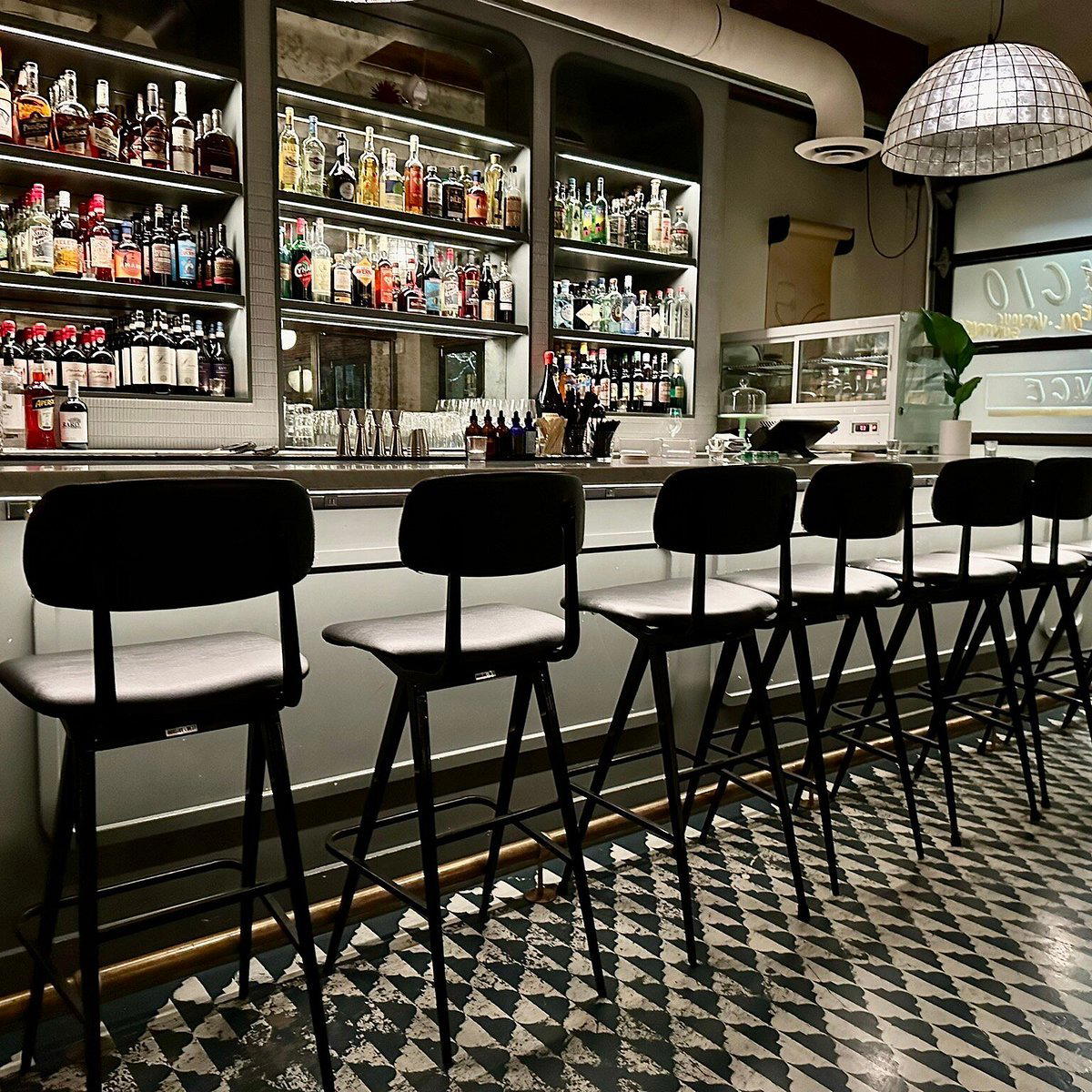
Bars in Hingham
Browse all →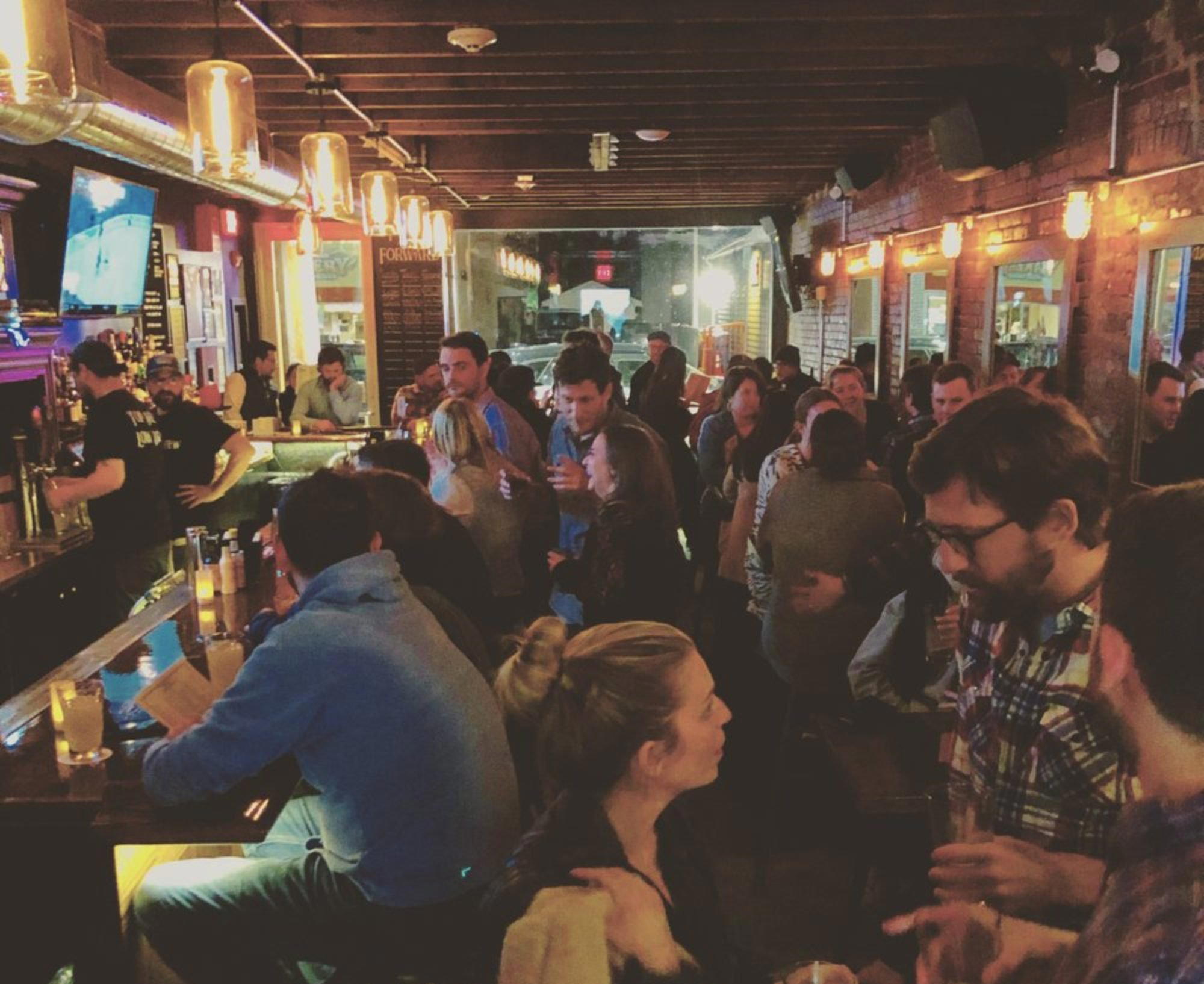
Hotels in Hingham
Browse all →
Wineries in Hingham
Browse all →
Tosca
The wine
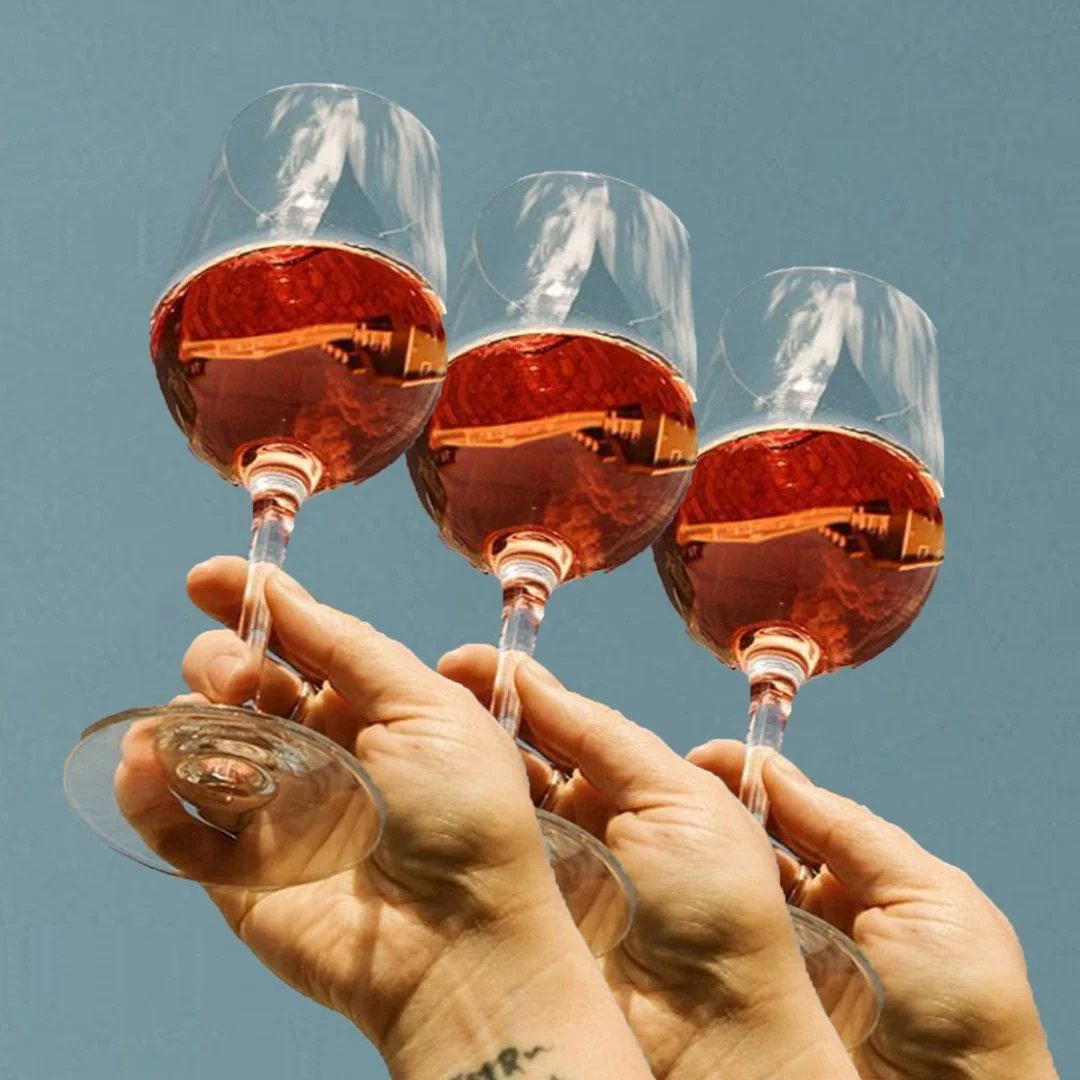
Tosca holds the Wine Spectator Best of Award of Excellence, which Wine Spectator gives to lists of usually 350 or more selections.
- Wine program
- Curated wine list
- Wine Spectator
- Wine Spectator Best of Award of Excellence
- Extensive wine list
- Craft cocktails
Details
- Romantic
- Elegant
- Rustic
- Sophisticated
- Cozy
- Date Night
- Business Dinner
- Celebration
- Special Occasion
- Group Dining
- Open Kitchen
- Waterfront
- Private Dining
- Historic Building
- Standalone
- Extensive Wine List
- Craft Cocktails
- Local Sourcing
- Waterfront
- A La Carte
- Family Style
- Wine
- Craft Cocktails
- Vegetarian Friendly
- Vegan Options
- Gluten Free Options
Current opening hours
- Monday
- Closed
- Tuesday
- 5–9 PM
- Wednesday
- 5–9 PM
- Thursday
- 5–9 PM
- Friday
- 5–9 PM
- Saturday
- 4:30–10 PM
- Sunday
- 4:30–9 PM
Hours can change for holidays and private events. Last verified .
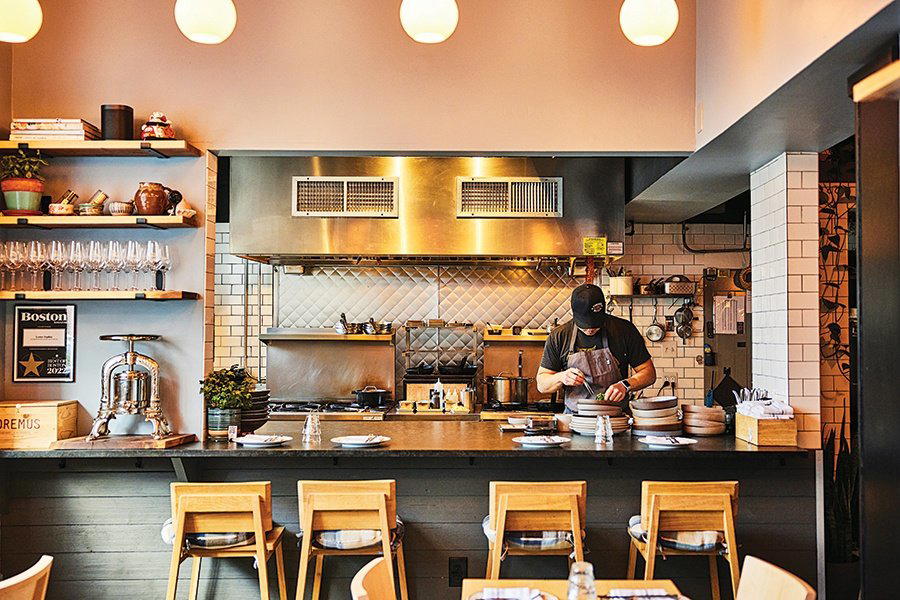
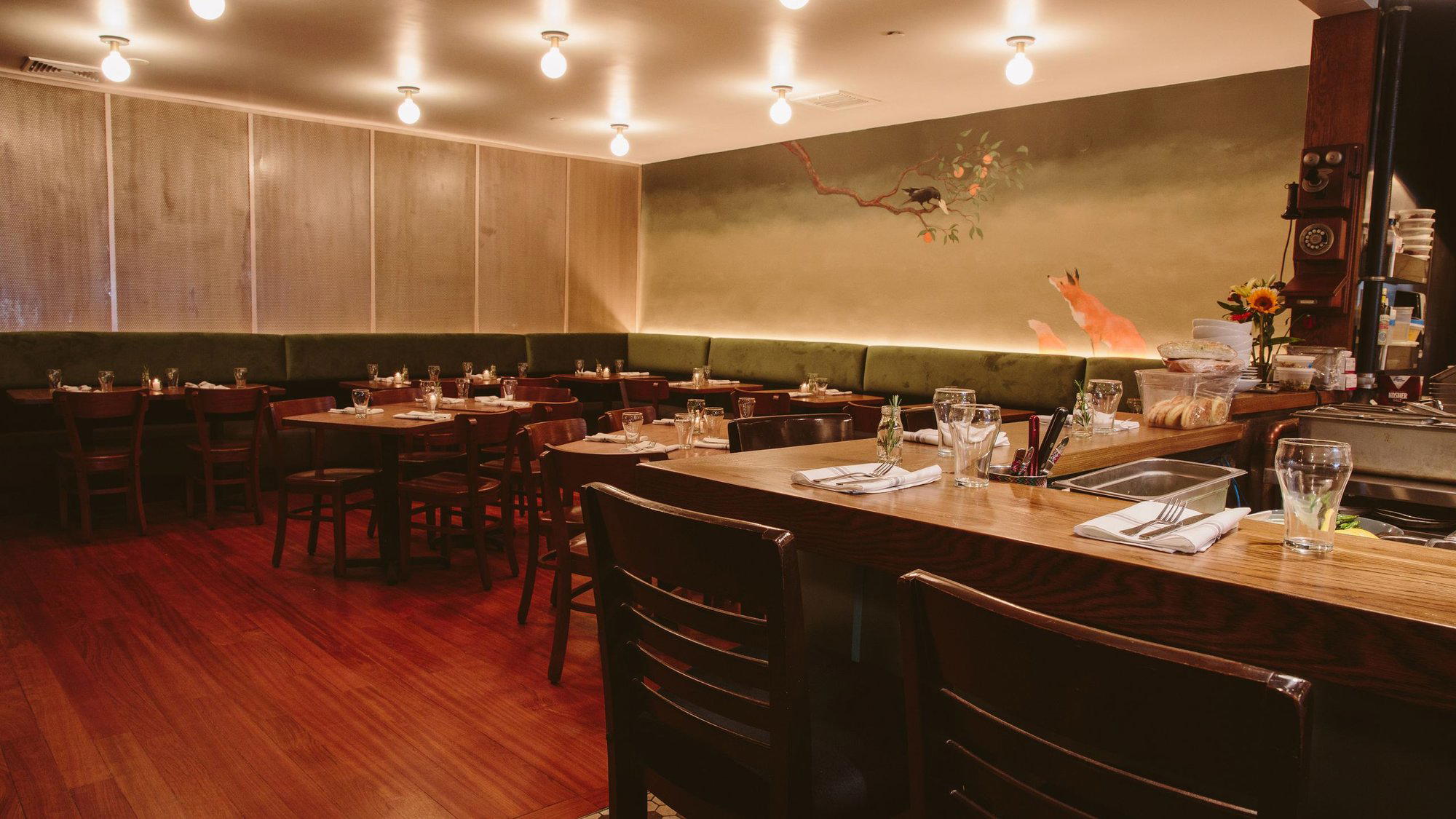
Dimly lit with low lighting, exposed brick walls, mahogany beams, and soaring ceilings creating a cozy yet sophisticated atmosphere with subtle theatrical drama.