Toro
Toro occupies a North Scottsdale address on Hayden Road, placing it within the corridor where the city's dining scene has shifted toward destination-driven formats over the past decade. The name carries associations with Spanish and Latin-influenced cooking traditions that have found considerable traction across the American Southwest, where the region's proximity to Mexico and a discerning dining public have made bold, fire-driven menus a credible alternative to the steakhouse dominance that long defined the area.
Pearl is the En Primeur Club membership app — saves, bookings, and concierge access live there. Same editors, same standards.
- Address
- 17020 Hayden Rd, Scottsdale, AZ 85255
- Phone
- +14805852694
- Website
- scottsdaleprincess.com
- Directions
- Get directions
 Saves & bookings on Pearl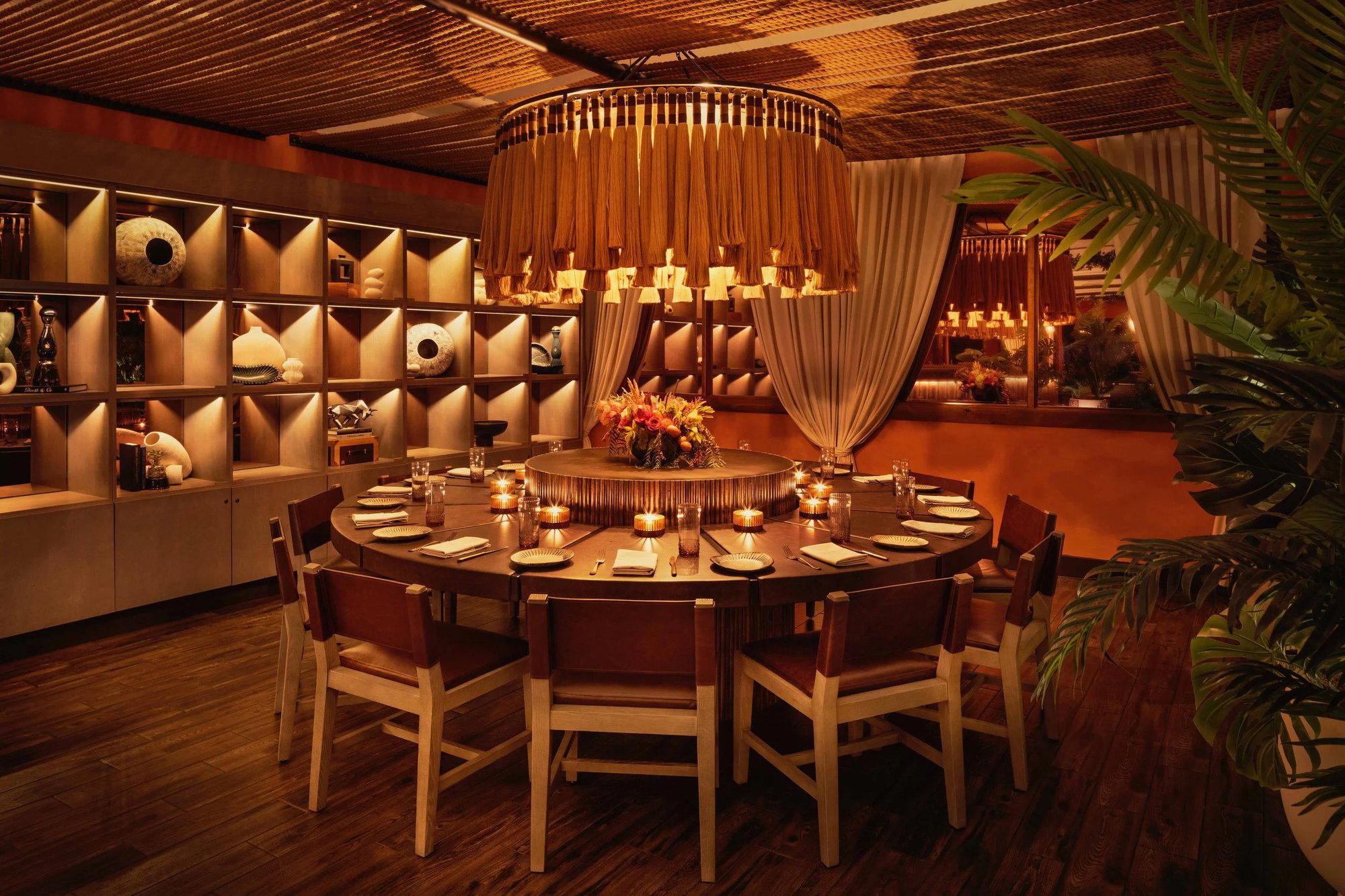
North Scottsdale's Dining Corridor and Where Toro Sits
The stretch of Hayden Road running through North Scottsdale has accumulated a concentration of destination restaurants over the last several years, functioning as a counterweight to the Old Town core where tourist volume shapes menus as much as culinary ambition does. At this latitude, the dining room tends to be quieter, the clientele more local, and the format more considered. Toro, at 17020 Hayden Road, operates in that context — a Scottsdale address that signals a neighborhood-driven intent rather than a visitors'-strip proposition.
Scottsdale's broader dining character has long been anchored by the steakhouse. From Atlas Bistro pushing New American formats to the established steakhouse tier represented by venues like Mastro's, the city has historically rewarded richness and scale. The Spanish and Latin traditions that the name Toro evokes sit somewhat apart from that dominant mode, aligning more with a coastal California or New York sensibility — the kind of cooking that prizes acid, char, and sharing formats over single-plate monument dishes. That positioning, in a market still largely defined by beef-and-butter logic, is itself a statement.
Lunch and Dinner: Two Different Propositions
In many American cities, the lunch-versus-dinner divide at a restaurant in this category is primarily a pricing question. In Scottsdale, it is also a social one. The city runs hot, literally and culturally, and the evening hours carry a different weight. Dinner in North Scottsdale is an event; lunch is often a working meal or a deliberate, quieter choice made by regulars who know the kitchen well enough to visit in daylight.
For venues drawing on Spanish or Latin culinary traditions, this divide has particular relevance. The tapas and sharing-plate format, which traces its logic to mid-afternoon bar culture in Spain, translates differently across a lunch service than it does across a dinner table. At lunch, smaller plates encourage a lighter, exploratory approach, two or three dishes, a glass of something cold, a shorter stay. At dinner, the same format invites accumulation: more dishes, longer pacing, the kind of extended table time that justifies a reservation made well in advance.
The Scottsdale climate reinforces this. From late spring through early fall, outdoor dining at lunch is largely impractical; interior spaces carry the service. As temperatures moderate in October through March, the city's patio culture activates fully, and the dinner-to-late-evening arc extends further into the night. A restaurant at the Hayden Road address would feel materially different on a February evening, when the desert air drops to a workable temperature and the drive up from Old Town feels like a worthwhile excursion, than it would on a July midday.
For planning purposes: if lunch is the goal, the midweek window typically offers the most relaxed pacing at restaurants in this tier. Weekend dinner in North Scottsdale can press toward full capacity, particularly in the October-to-April peak season when the metropolitan Phoenix area draws its largest influx of seasonal residents and visitors.
Placing Toro in the Regional Hierarchy
American fine and near-fine dining has consolidated around a set of benchmark formats in recent years. At the high end of the national spectrum, venues like Alinea in Chicago, The French Laundry in Napa, and Le Bernardin in New York City define a tier where tasting menus, Michelin recognition, and years-long reputations set the ceiling. Below that, a wide cohort of serious independent restaurants, including Lazy Bear in San Francisco, Addison in San Diego, Providence in Los Angeles, and Blue Hill at Stone Barns, work within regional identities and seasonal logic to build durable local authority.
Scottsdale sits outside the primary Michelin map (Arizona has not been part of the guide's active coverage as of this writing), which means local restaurants compete for attention through editorial recognition, local awards, and word-of-mouth among the city's well-traveled permanent and seasonal population. That population skews experienced: Phoenix-Scottsdale's affluent North Side draws retirees and second-home owners who have eaten at Atomix in New York City, Single Thread in Healdsburg, or The Inn at Little Washington and bring comparative standards to their local dining choices. A restaurant that reads as formulaic to that audience won't hold its position for long.
The more a restaurant commits to a defined cooking tradition, whether Italian, Latin, or otherwise, the more clearly it separates itself from the generic upscale casual tier that populates every American suburb at this price point.
The Broader Scottsdale Context
Scottsdale's dining week is structured around contrast. The formality of Afternoon Tea at the Phoenician occupies one register; the casual European morning rhythm at AC Kitchen occupies another. Between those poles, the mid-range and upper-mid-range restaurant tier does most of the city's serious eating. Spanish and Latin-influenced venues, whether drawing on Iberian tradition or the coastal Mexican cooking championed by places like Cielito, have found an audience in that space, partly because the format translates well to a climate that rewards sharing, grazing, and outdoor pacing when the season allows.
For anyone building a Scottsdale itinerary around serious eating, the full picture is worth consulting. Our Scottsdale restaurants guide maps the city's dining character across neighborhoods and formats, from Old Town to the North Scottsdale corridor where Toro sits. For international reference points at a similar culinary register, Emeril's in New Orleans and 8 1/2 Otto e Mezzo Bombana in Hong Kong offer useful comparison, restaurants that built lasting local authority outside the Michelin-mapped metropoles by committing to a defined identity in markets where that commitment is noticed.
Know Before You Go
Address: 17020 Hayden Rd, Scottsdale, AZ 85255
Neighbourhood: North Scottsdale, Hayden Road corridor
Leading season: October through April, when desert temperatures support evening dining without air-conditioning dependency
Phone / Website: Not listed, confirm current contact details before visiting
Continue exploring
More in Scottsdale
Restaurants in Scottsdale
Browse all →
Bars in Scottsdale
Browse all →

At a Glance
- Lively
- Trendy
- Group Dining
- Celebration
- Brunch
- Open Kitchen
- Private Dining
- Mountain
- Street Scene
Current opening hours
- Monday
- 6:30 AM–9 PM
- Tuesday
- 6:30 AM–9 PM
- Wednesday
- 6:30 AM–9 PM
- Thursday
- 6:30 AM–9 PM
- Friday
- 6:30 AM–9 PM
- Saturday
- 6:30 AM–9 PM
- Sunday
- 6:30 AM–9 PM
Hours can change for holidays and private events. Last verified .
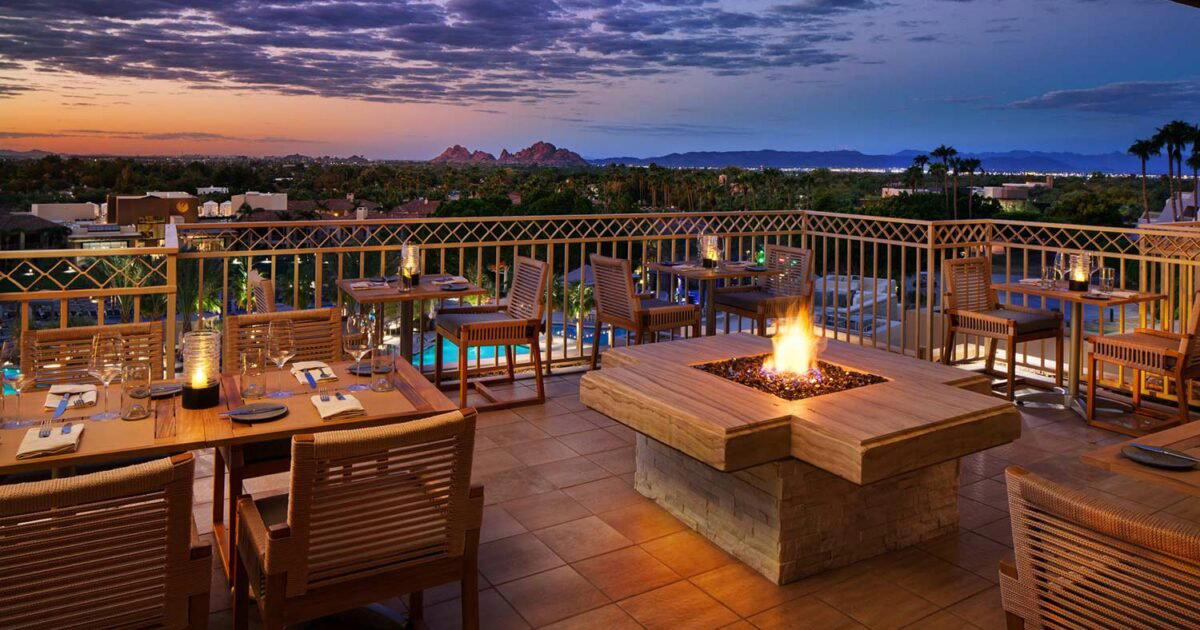
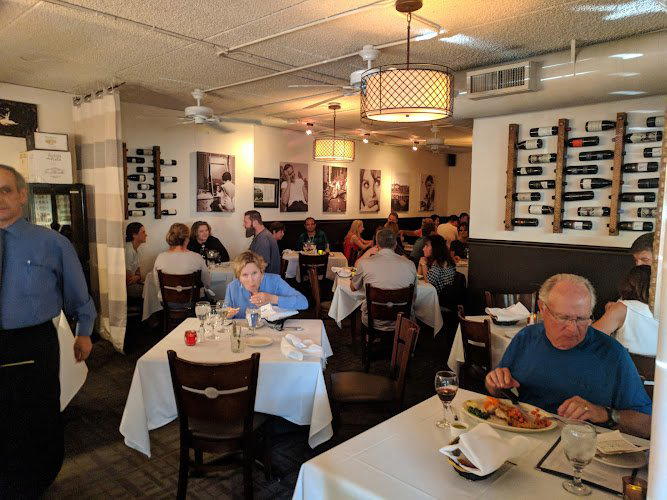
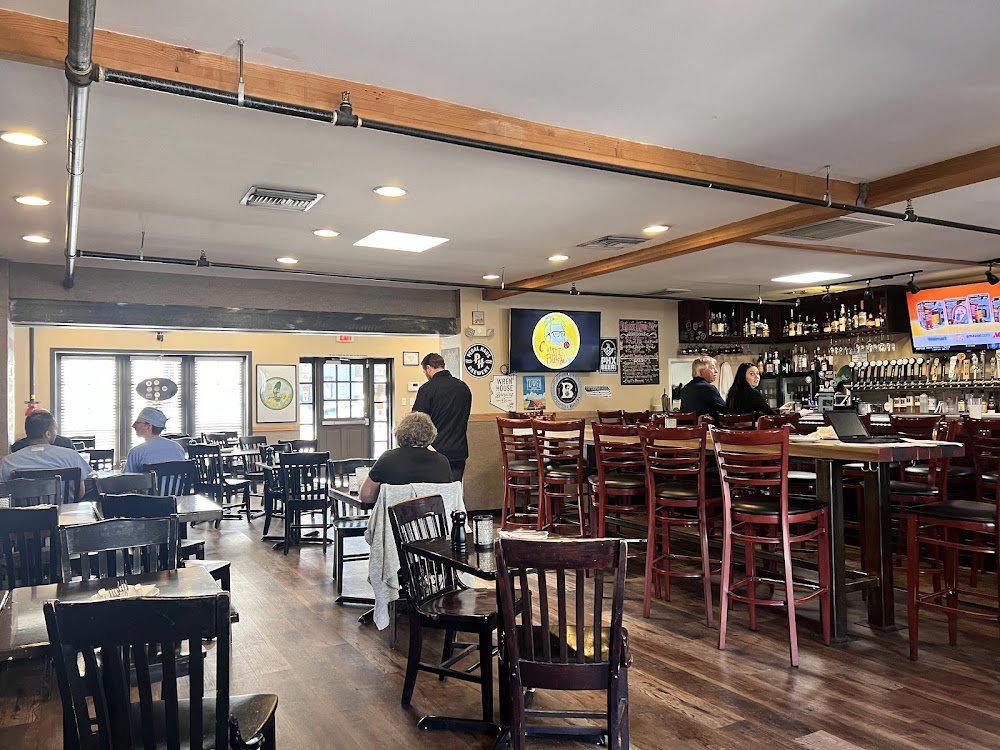
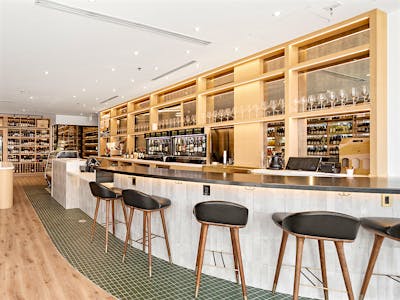
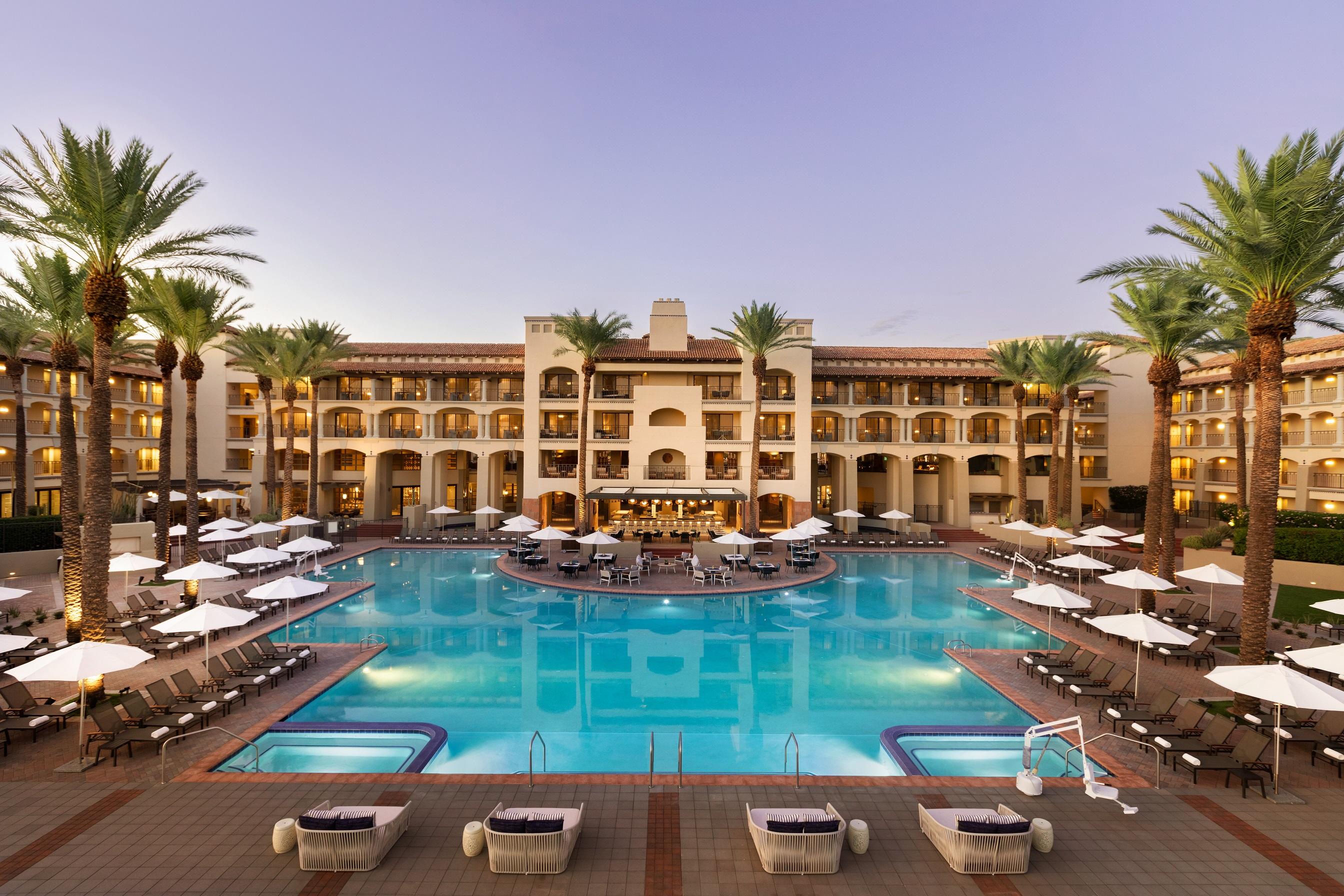
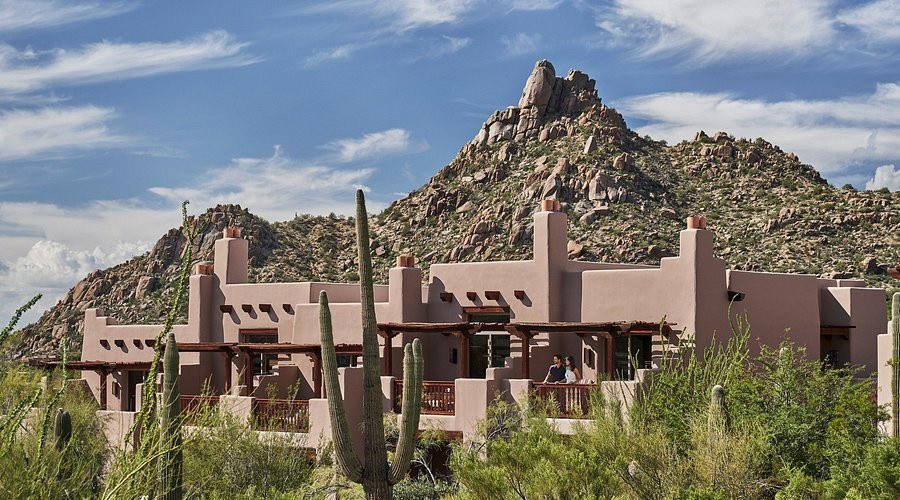
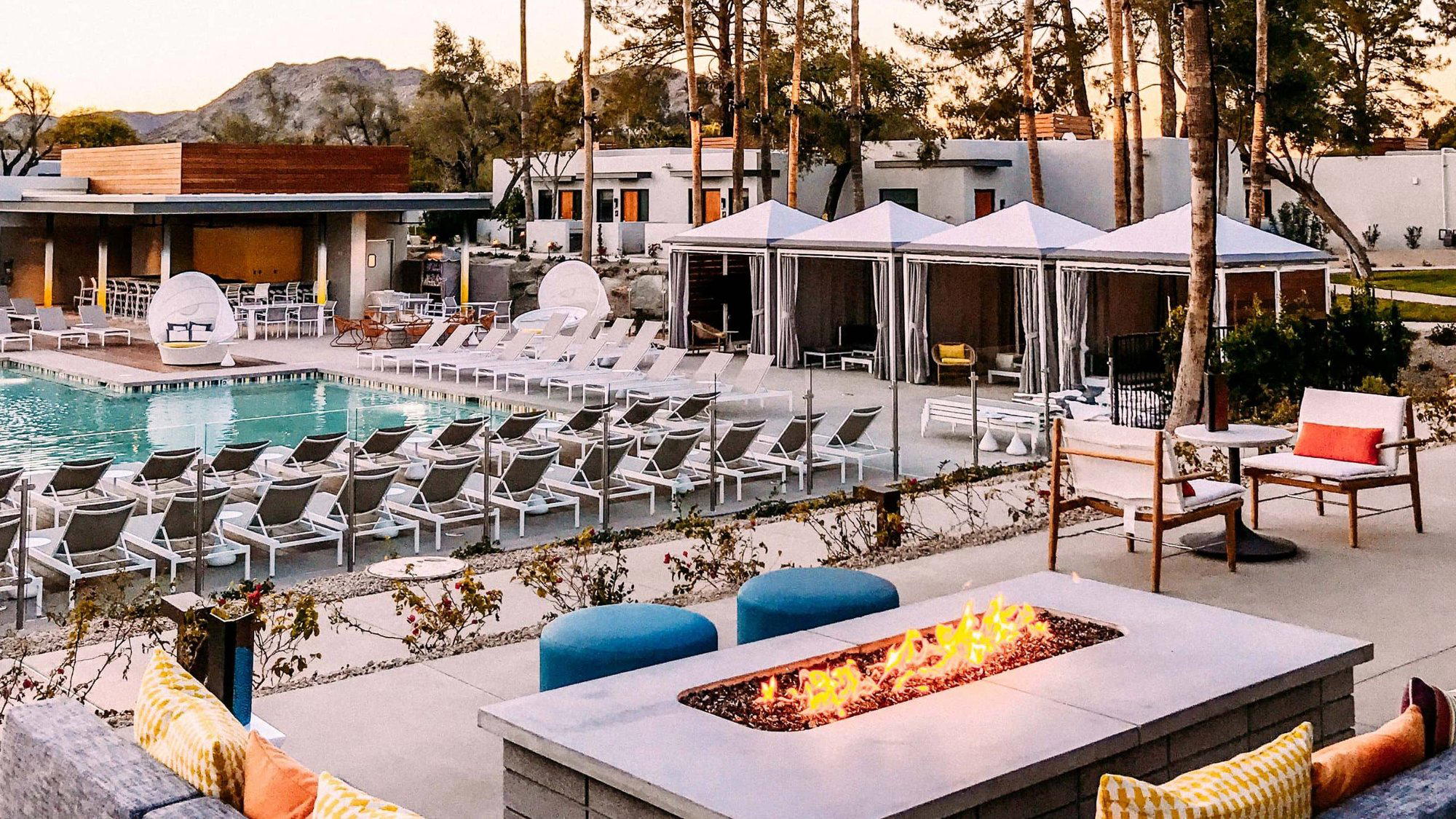
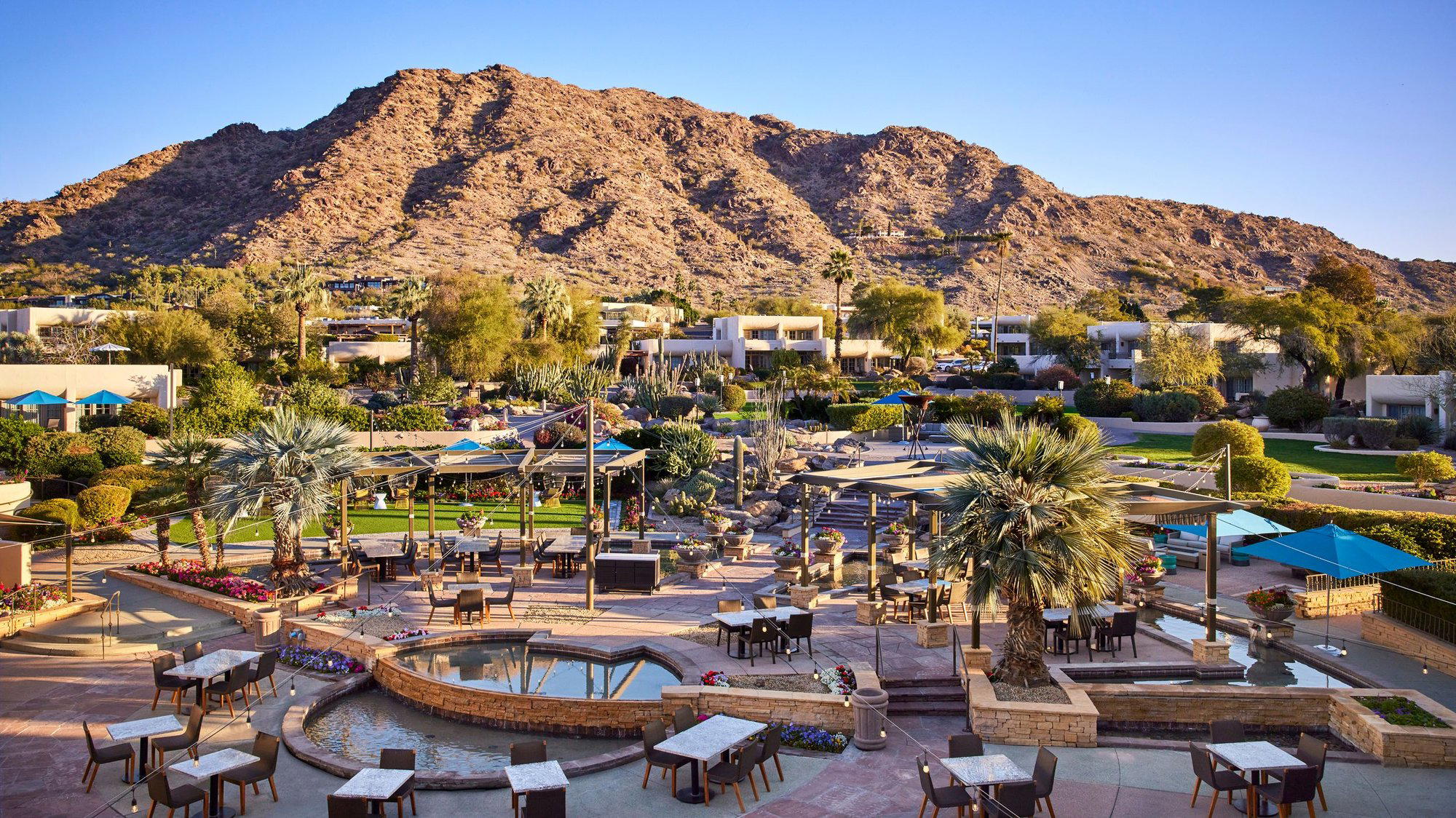
Moody lighting with rich leathers and lively greens inside, bright Sunset Bar on the patio with sunset views of mountains and golf course.
Know Before You Go
- Getting there
- 17020 Hayden Rd, Scottsdale, AZ 85255