The Mission Old Town
The Mission Old Town occupies one of Scottsdale's most atmospheric addresses on Brown Avenue, where the Old Town dining scene concentrates its most serious Latin-inflected cooking. For visitors working through Scottsdale's restaurant options, it anchors the neighbourhood's more considered end of the spectrum.
Pearl is the En Primeur Club membership app — saves, bookings, and concierge access live there. Same editors, same standards.
- Address
- 3815 N Brown Ave, Scottsdale, AZ 85251
- Phone
- +1 480 636 5005
- Website
- themissionaz.com
- Directions
- Get directions
 Saves & bookings on Pearl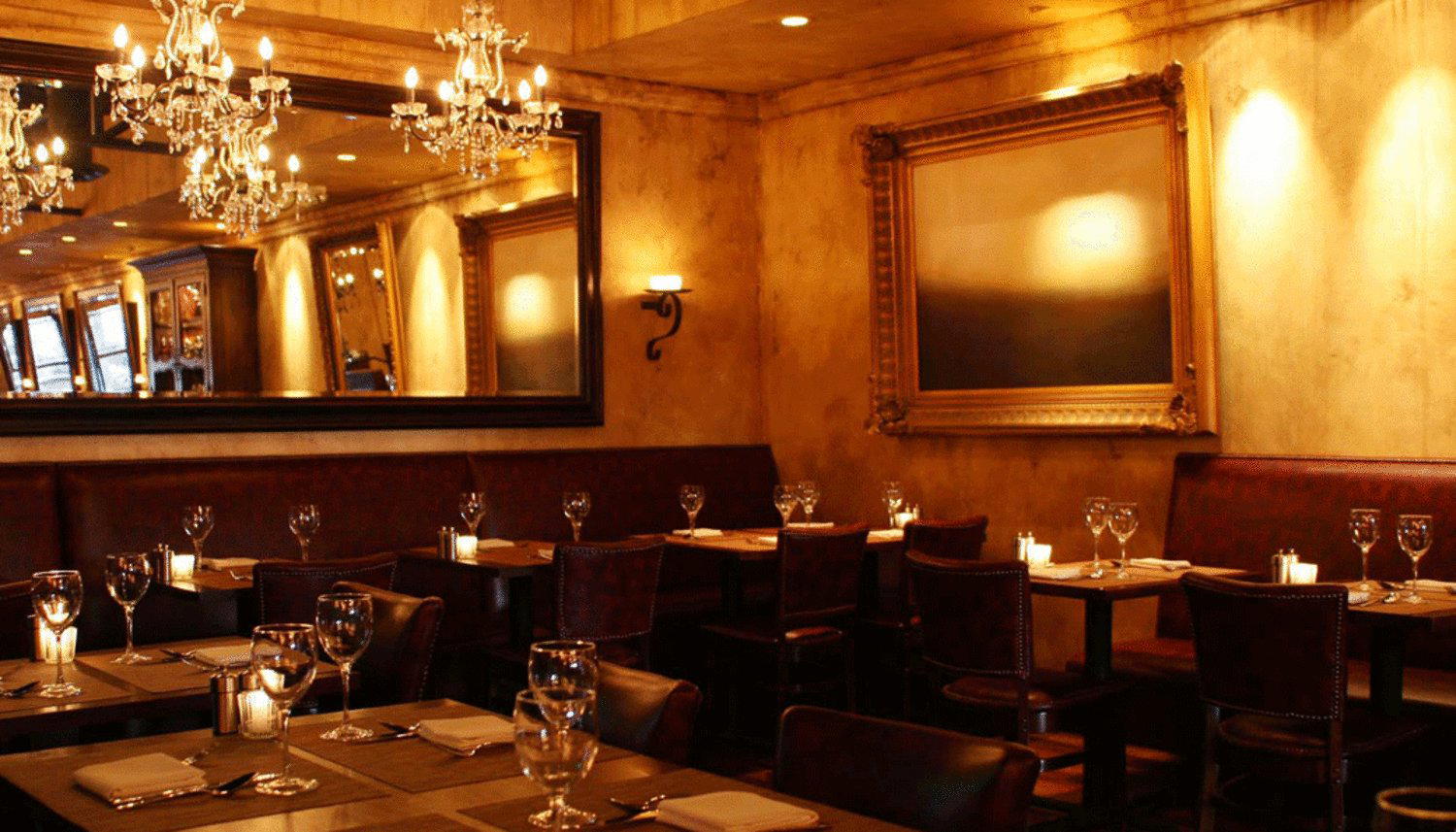
Old Town's Latin Kitchen, Placed in Context
Brown Avenue in Old Town Scottsdale has become a reliable indicator of where the neighbourhood's dining ambition concentrates. The corridor runs parallel to the galleries and boutiques that define Old Town's pedestrian character, and the restaurants along it tend to skew toward operators who have thought carefully about what kind of cooking fits a desert city that sits at the intersection of American Southwest and northern Mexican culinary traditions. The Mission Old Town, at 3815 N Brown Ave, occupies that intersection with more seriousness than the category label of "Latin kitchen" typically implies. The building itself sets an expectation before you sit down: adobe-inflected walls, low lighting, and a candle-heavy interior that draws on the visual language of old Mexican mission architecture. In a neighbourhood where many dining rooms feel interchangeable, that physical coherence matters.
The Wine Program as a Lens
Latin-focused restaurants in the American Southwest have historically carried wine lists that treat beverage service as an afterthought, defaulting to a short roster of domestic bottlings and a few Spanish imports. What distinguishes the more serious operators in this category is a cellar that treats the cuisine's range as an invitation rather than a constraint. Modern Latin cooking, especially at the kitchen's upper register, spans acid-driven ceviches, char-forward meats, and complex mole preparations that each demand a different approach from the glass. A list built only around Tempranillo and Malbec closes off most of those possibilities.
That comparison matters: Scottsdale has developed a category of independently operated restaurants where the beverage program functions as a genuine differentiator rather than a margin play. Visitors accustomed to evaluating wine lists at properties like Single Thread Farm in Healdsburg or Smyth in Chicago will apply a similar framework here, asking whether the list has editorial coherence and whether it was assembled by someone who knows the food.
At Latin-focused kitchens operating at this tier, the strongest lists tend to draw from Baja California producers, Argentine natural wine importers, and Spanish regions beyond Rioja, particularly Galicia and the Canary Islands, where volcanic soils and Atlantic influence produce whites that handle spice and citrus with real precision. Whether The Mission's current list reaches into those corners is information leading confirmed directly with the room before visiting, but the restaurant's positioning in Old Town's more considered dining tier suggests the beverage program has been given more than routine attention.
What the Scottsdale Scene Provides as Context
Scottsdale sits in a peculiar position among American dining cities. It has the per-capita spending profile of a serious restaurant market, driven by a combination of resort visitors, seasonal residents from colder states, and a permanent population with meaningful disposable income. That profile has historically attracted steakhouses and hotel-anchored dining rooms rather than the kind of independently operated, cuisine-focused restaurants that define cities like San Francisco or Chicago. The resort corridor along Camelback and Scottsdale Road pulls diners toward properties associated with major hotel groups, while Old Town operates on a different rhythm, with a street-level, neighbourhood-scale energy that supports restaurants with lower overhead and more culinary specificity.
The Mission benefits from that Old Town dynamic. Its position on Brown Avenue places it within walking distance of the evening foot traffic that the area generates, but the room itself functions as a destination rather than a passerby catch. Visitors exploring the broader Scottsdale scene should read our full Scottsdale restaurants guide for a mapped view of how Old Town, the resort corridor, and North Scottsdale each function as distinct dining environments. For a morning counterpoint, AC Kitchen (European-inspired continental breakfast) covers the breakfast tier in the area with comparable care. For a longer afternoon ritual, Afternoon Tea at the Phoenician represents the resort-corridor alternative, a different kind of considered hospitality operating at the opposite end of the tonal spectrum from The Mission's candlelit informality.
The Kitchen's Register
Modern Latin cooking at the serious tier has moved well past the tableside guacamole and fajita-platter format that dominated the category through the 1990s. The reference points now include Mexico City's contemporary tasting-menu circuit, the wood-fire traditions of Oaxaca and the Yucatan, and the cevichería culture of coastal Peru and Colombia. Restaurants working in this tradition treat masa, chiles, and citrus as a technical vocabulary rather than a shorthand for a regional vibe. Preparations that look casual on the plate often involve multiple days of preparation: moles built across dozens of ingredients, slow-braised proteins finished with precision, and dessert programs that take corn and cacao seriously as flavour carriers.
It occupies a middle band where the cooking has ambition and the room has atmosphere, but the experience remains accessible in format and pacing. That position is genuinely useful in a city where the gap between casual and tasting-menu can feel wider than it needs to be. Comparable operators in other cities include the neighbourhood-anchored Latin kitchens that have emerged as reliable one-visit destinations in markets like Los Angeles, where Providence represents the upper ceiling and street-level operators fill the middle ground with more personality than the resort corridor manages.
Planning Your Visit
Old Town Scottsdale operates on a seasonal rhythm tied to Arizona's climate. The October through April window represents the high-demand period, when snowbirds and resort visitors compress into the area and table availability at popular restaurants shortens accordingly. During those months, reservations at rooms with The Mission's profile and foot traffic warrant at least several days of advance planning, and weekend evenings in January and February can run closer to a week or more. The summer months, when Phoenix-area temperatures routinely exceed 110 degrees Fahrenheit, see a significant reduction in visitor volume, and the same rooms that require advance booking in February become considerably more accessible. For visitors arriving as part of a broader Southwest itinerary, pairing The Mission with Italian-focused neighbours like Andreoli Italian Grocer or Arrivederci Pinnacle Peak gives a reasonable cross-section of what Old Town and North Scottsdale's independent dining operators have built across different cuisine categories.
Continue exploring
More in Scottsdale
Restaurants in Scottsdale
Browse all →
Bars in Scottsdale
Browse all →



At a Glance
- Romantic
- Cozy
- Rustic
- Sophisticated
- Elegant
- Date Night
- Celebration
- Special Occasion
- Open Kitchen
- Craft Cocktails
Current opening hours
- Monday
- 11 AM–10 PM
- Tuesday
- 11 AM–10 PM
- Wednesday
- 11 AM–10 PM
- Thursday
- 11 AM–10 PM
- Friday
- 11 AM–11 PM
- Saturday
- 11 AM–11 PM
- Sunday
- 11 AM–10 PM
Hours can change for holidays and private events. Last verified .
Warm candlelit interior with rustic wood finishes, Himalayan salt walls, crystal chandeliers, and low intimate lighting creating a romantic and sophisticated atmosphere.
Know Before You Go
- Getting there
- 3815 N Brown Ave, Scottsdale, AZ 85251