Tom Hams Lighthouse
Tom Hams Lighthouse sits on Harbor Island with direct views across San Diego Bay, making it one of the waterfront dining addresses that defines the city's relationship with its coastline. The kitchen leans on the Pacific's proximity, with seafood sourcing that reflects San Diego's access to both Baja California waters and the broader California coast. It occupies a tier of destination dining where the setting and the plate carry equal weight.
 Discover on Pearl
Pearl is the En Primeur Club membership app — saves, bookings, and concierge access live there. Same editors, same standards.
- Address
- 2150 Harbor Island Dr, San Diego, CA 92101
- Phone
- +16192919110
- Website
- tomhamslighthouse.com
Where the Bay Does the Work
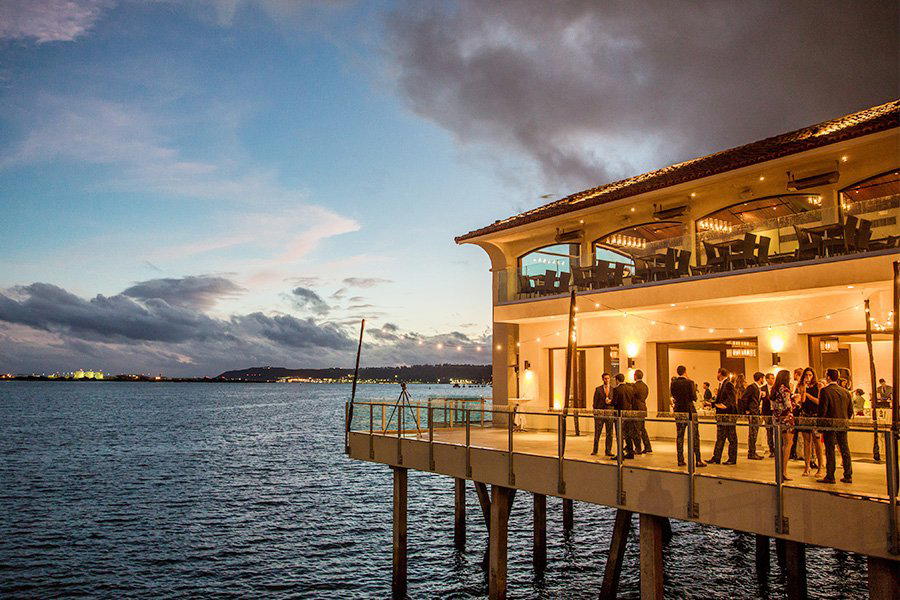
Approach Tom Hams Lighthouse from Harbor Island Drive and the logic of the place becomes clear before you reach the door. The structure sits on Harbor Island, with the downtown skyline filling the eastern horizon and the Coronado Bridge arcing south. This is a dining room where geography is the primary design decision. The water is not background scenery; it is the organizing principle around which everything else is arranged.
San Diego occupies a distinctive position in American coastal dining. It sits at the convergence of Pacific fishing routes and Baja California's agricultural and seafood supply chains, giving kitchens here access to ingredients that restaurants in Los Angeles, San Francisco, or New York have to work harder and pay more to source. The city's waterfront venues, by geography alone, are closer to that supply than almost anywhere else on the West Coast. Tom Hams Lighthouse is one of the addresses that has made that proximity central to its identity, operating on Harbor Island in a location that remains among the most direct expressions of San Diego's bay-front character.
The Sourcing Logic of a Harbor Address
The editorial conversation around ingredient sourcing in American dining has, over the past decade, tilted heavily toward farm-to-table narratives. Restaurants like Blue Hill at Stone Barns in Tarrytown or Single Thread Farm in Healdsburg have built entire identities around documented land-based sourcing relationships. The coastal equivalent, where provenance runs through fishing boats and Baja produce markets rather than farm fields, is a different but equally disciplined supply chain.
San Diego's position just north of the Mexican border gives it access to Ensenada's fish markets, Baja olive oil, Baja wine, and Pacific seafood landed at ports that supply some of the freshest catch available to California kitchens. A waterfront restaurant on Harbor Island is, in supply-chain terms, minutes from where much of that product enters the regional food system. That proximity has practical consequences for what arrives on the plate: species that degrade quickly in transit, shellfish that benefits from short cold chains, and fin fish that can be served at a quality tier that inland kitchens cannot reliably match.
This is the structural advantage that distinguishes San Diego's serious waterfront dining from coastal-themed restaurants elsewhere. The theatrics of ocean views are easy to replicate. The sourcing access is not. Venues at this address tier are not decorating plates with a maritime aesthetic; they are working with ingredients whose quality is a direct function of their physical location within the regional supply network.
Harbor Island in San Diego's Dining Map
San Diego's dining geography has become more differentiated over the past several years. The Gaslamp Quarter and Little Italy corridors serve high-volume, accessible dining. Hillcrest and North Park carry the city's independent, chef-driven energy. Harbor Island and the waterfront sit in a separate register entirely, one where the setting commands a premium and the audience skews toward travelers, celebratory occasions, and visitors who want the bay as part of the meal.
Within that waterfront tier, Tom Hams Lighthouse occupies a specific position. It is not in the modernist tasting-menu bracket represented by venues like Addison, San Diego's French Contemporary standard-bearer. It is not in the tight omakase format of Soichi, which operates at the precision end of the city's Japanese dining spectrum. Tom Hams Lighthouse sits in a different category: a full-service, setting-anchored dining room where the bay view and the menu work in combination, and where the occasion is often as much about where you are as what is on the plate.
For context on how waterfront dining functions in American cities more broadly, consider how destination seafood restaurants in other markets have built their identity. Le Bernardin in New York City built a global reputation on the rigor of its seafood technique. Providence in Los Angeles anchored itself to sustainable catch sourcing as an editorial and culinary commitment. Emeril's in New Orleans made Gulf Coast provenance central to its identity. What these venues share is a deliberate relationship between geography and plate, not just atmosphere and address. The stronger waterfront venues in San Diego operate along the same logic.
What the Setting Requires of the Kitchen
A dining room with a view this direct creates a specific editorial challenge for the kitchen: the setting is demanding. Guests arrive with expectations calibrated to the panorama outside, and a menu that does not match the ambition of the location reads as a gap. The strongest harbor-front kitchens in the United States have solved this by leaning into provenance with the same specificity that the view provides. The water outside is not abstract; it is San Diego Bay, with its particular tidal patterns, its proximity to the Pacific, and its position within a regional fishing ecosystem that stretches from the Channel Islands south to Ensenada.
That specificity, when it translates to the menu, is what separates a waterfront dining room from a restaurant with windows. 1450 El Prado operates in a different San Diego setting but reflects a similar principle: the dining room's physical context shapes what the kitchen is expected to deliver. Venues like 94th Aero Squadron in San Diego demonstrate how setting-led concepts build loyal audiences around experience as much as cuisine.
Planning Your Visit
Tom Hams Lighthouse is at 2150 Harbor Island Drive, San Diego, CA 92101, on the western edge of Harbor Island. The location is accessible by car with on-site parking; it is less convenient by public transit, and the island setting means walking from central downtown is not practical for most visitors. For those arriving by water, the bay-front position makes it one of the few San Diego dining addresses accessible by private boat.
Timing matters at a setting-driven venue. Sunset reservations are the most sought-after, as the western orientation across the bay delivers direct evening light over the water. Booking ahead is advisable for weekend evenings and for any occasion where a specific table position matters. The bay view is the draw for most guests, and the difference between a window table and an interior seat is significant in terms of the overall experience the venue promises.
How Tom Hams Lighthouse Compares to Nearby Dining Options
| Venue | Setting | Price Tier | Format |
|---|---|---|---|
| Tom Hams Lighthouse | Harbor Island, bay-front | Mid-to-upper | Full-service, occasion dining |
| Addison | Fairbanks Ranch, inland | $$$$ | French tasting menu |
| Soichi | Ocean Beach, neighborhood | $$$$ | Japanese omakase |
| 94th Aero Squadron | Kearny Mesa, airport-adjacent | Mid | Full-service, setting-led |
Standing Among Peers
Comparable venues nearby, for context on price, style, and recognition.
| Venue | Cuisine | Price | Awards | Notes |
|---|---|---|---|---|
| Tom Hams LighthouseThis venue — the venue you are viewing | Classic Seafood with Bay Views | $$$ | , | |
| Shorebird | Prime Steak & Seafood | $$$ | , | Downtown |
| Sally's Waterfront Dining | Baja Med Seafood & Steaks | $$$ | , | Downtown |
| Top of the Market | Fine Seafood Dining | $$$ | , | San Diego Bay |
| Vistal | Baja-Cali Sustainable Seafood | $$$ | , | Downtown |
| Water Grill San Diego | Fresh Seafood & Raw Bar | $$$ | , | Downtown |
Continue exploring
More in San Diego
Restaurants in San Diego
Browse all →
Bars in San Diego
Browse all →


At a Glance
- Scenic
- Iconic
- Classic
- Special Occasion
- Brunch
- Celebration
- Waterfront
- Historic Building
- Panoramic View
- Craft Cocktails
- Beer Program
- Waterfront
- Skyline
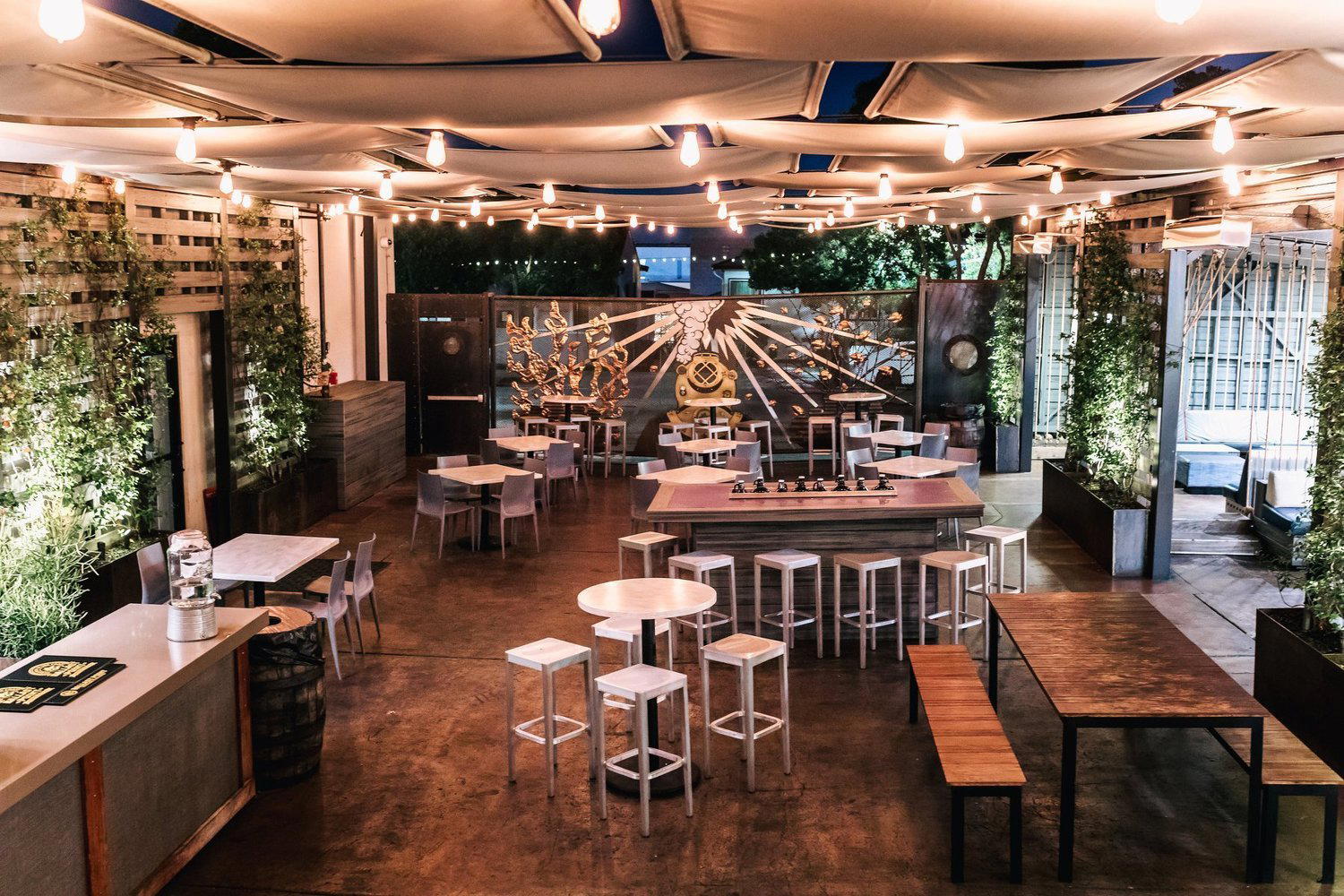
Nautical-themed with panoramic bay views, warm welcoming atmosphere, and elegant seafood dining.