Skip to Main Content
Korean Pub Food
← Collection
Price≈$25
Dress CodeCasual
ServiceCasual
NoiseLively
CapacityMedium

Toe Bang occupies a low-key address on West 6th Street in Koreatown, one of Los Angeles's most concentrated dining corridors. The restaurant draws regulars who know the neighbourhood's capacity to reward patience and repeat visits. For context on where it sits within the broader LA dining scene, our full Los Angeles restaurants guide maps the competitive field.

Pearl is the En Primeur Club membership app — saves, bookings, and concierge access live there. Same editors, same standards.

Plan your visit on PearlPlan Your Visit
Address
3465 W 6th St # 110, Los Angeles, CA 90020
Phone
+1 213 387 4905
Toe Bang restaurant in Los Angeles, United States
About

Koreatown's West 6th Street Corridor and Where Toe Bang Fits

Los Angeles's Koreatown is one of the few neighbourhoods in the United States where a single street can contain half a dozen different dining registers within a few blocks. West 6th Street runs through the middle of that density, mixing late-night barbecue houses, quiet tofu specialists, and the occasional room that locals have kept to themselves for years. Toe Bang is a Korean pub food restaurant in Los Angeles, with a casual dress code and a walk-in-friendly format. Toe Bang sits at 3465 W 6th Street, Suite 110, inside a low-profile building that signals nothing from the pavement. That physical reticence is not unusual for this stretch of Koreatown, where the assumption is that you already know where you're going.

The neighbourhood context matters because Koreatown's dining economy operates on different logic from, say, the West Side or Silver Lake. Foot traffic from tourists is lower; repeat neighbourhood clientele is higher. Rooms that survive here do so because they serve a function for the people who actually live and work nearby, not because they've cultivated a reservation queue or a social media following. Toe Bang's address places it squarely inside that dynamic.

For comparison, the city's high-visibility fine dining tier, represented by venues like Providence (Contemporary Seafood) and Somni (Molecular), operates on entirely different booking infrastructure and price architecture. Koreatown's leading rooms, by contrast, often reward walk-ins and local word of mouth over structured tasting menus and advance reservations. Kato (New Taiwanese, Asian) has moved between those two worlds as its profile has grown, while Hayato (Japanese) occupies a deliberately exclusive counter format in a separate part of the city. Toe Bang sits outside both of those trajectories.

The Role of Beverage Programs in Koreatown Dining

One of the less-discussed dimensions of Koreatown dining is how beverage programs have evolved alongside food. For much of the neighbourhood's history, the default pairing for Korean food was beer, soju, or makgeolli, all entirely appropriate and often the correct call. What has changed in the last decade is that a subset of Koreatown restaurants has started treating the beverage side with more considered curation, whether that means a thoughtful soju selection organised by distillery and region, a short wine list built around bottles that actually work with fermented and grilled flavours, or a bar program that integrates Korean spirits into a wider cocktail framework.

This shift mirrors broader national trends in how Asian-American restaurants approach drinks. In New York, Atomix has demonstrated that a Korean fine dining counter can support a beverage program as sophisticated as anything in the Western tasting menu world. In San Francisco, Lazy Bear built its identity in part on pairing depth alongside its tasting format. The principle translates: food with strong fermented, umami, and char-driven flavour profiles creates real pairing opportunity for sommeliers or bar directors who understand the interaction between acidity, carbonation, and heat.

What Draws People Back: Regulars and the Koreatown Loyalty Economy

Koreatown restaurants that build genuine repeat clientele tend to do so through consistency and specificity rather than novelty. The neighbourhood's dining culture is less oriented toward the opening-week rush than almost any other dense restaurant district in Los Angeles. A room that is crowded on a Tuesday in month six of operation is more meaningful than one that was full on opening weekend. That pattern of gradual loyalty-building is how many of the neighbourhood's most-visited spots have sustained themselves across years and, in some cases, decades.

For diners approaching Toe Bang as an addition to a broader Los Angeles itinerary, the relevant comparison set is not Osteria Mozza (Italian) or the multi-course tasting experiences that define the city's upper fine dining tier. It is more usefully compared to the other neighbourhood-anchored rooms in Koreatown that operate at street level, serve a functional community role, and hold their ground through food quality rather than atmosphere theatrics.

Planning Your Visit: Toe Bang in Context

The table below places Toe Bang's known logistics alongside its Koreatown and LA comparable set to help calibrate expectations before booking.

VenueNeighbourhoodPrice TierFormatBooking Approach
Toe BangKoreatown, W 6th StNot confirmedNot confirmedNot confirmed
KatoWest LA$$$$Tasting menuAdvance reservation
HayatoDowntown / Arts District$$$$Omakase counterMonths in advance
HolboxMercado La Paloma$$Counter / casualWalk-in
Sushi KaneyoshiLittle Tokyo$$$$OmakaseAdvance reservation

Toe Bang is priced at about $25 per person and is walk-in friendly. Visitors planning a Koreatown evening should treat West 6th Street as a destination corridor rather than a single-venue stop. The density of options means that flexibility rewards the visit.

For readers building a wider West Coast dining itinerary, the California restaurant spectrum includes The French Laundry in Napa, Single Thread Farm in Healdsburg, and Addison in San Diego. Nationally, points of reference for serious regional dining include Le Bernardin in New York City, Smyth in Chicago, Emeril's in New Orleans, Blue Hill at Stone Barns in Tarrytown, The Inn at Little Washington, Frasca Food and Wine in Boulder, and, for European context, Atelier Moessmer Norbert Niederkofler in Brunico.

Signature Dishes
kimchi fried rice
Frequently asked questions

Quick Comparison

Comparable venues nearby, for context on price, style, and recognition.

At a Glance
Vibe
  • Lively
  • Trendy
Best For
  • Casual Hangout
  • After Work
  • Late Night
Drink Program
  • Beer Program
Dress CodeCasual
Noise LevelLively
CapacityMedium
Service StyleCasual
Meal PacingStandard

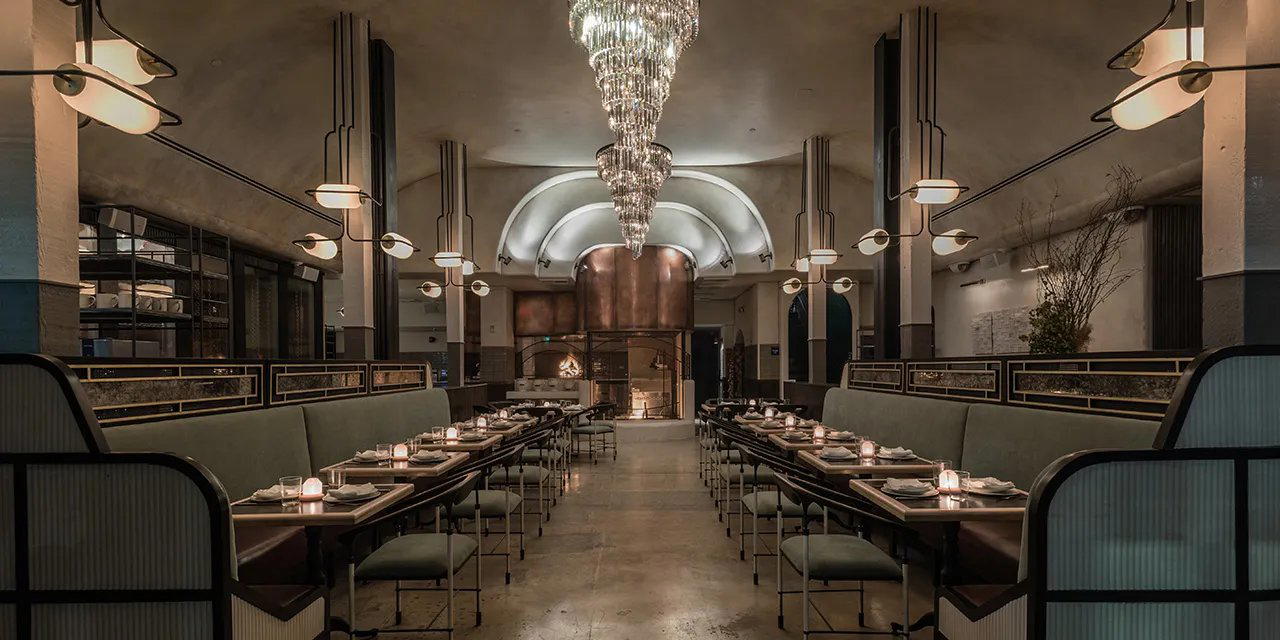
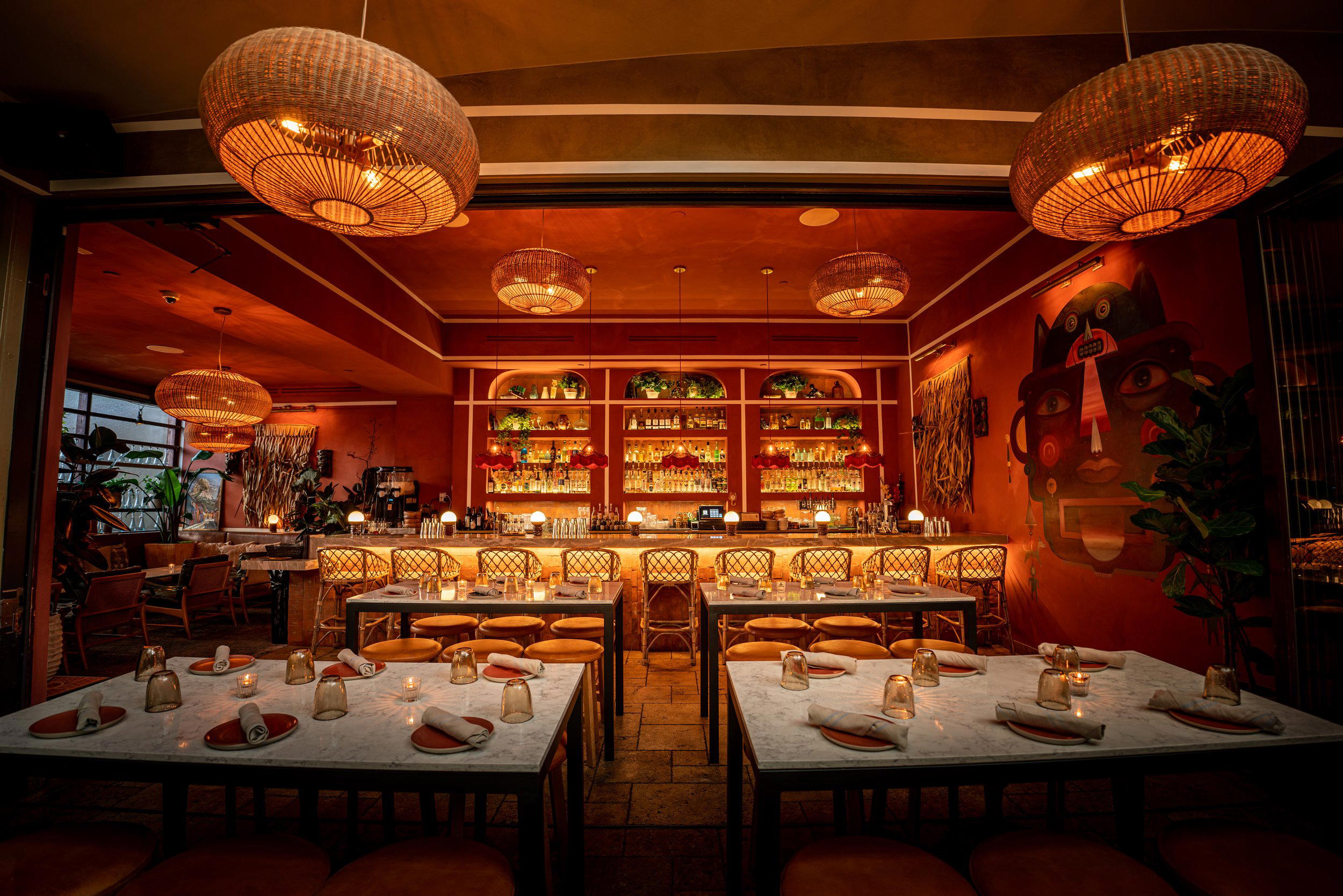
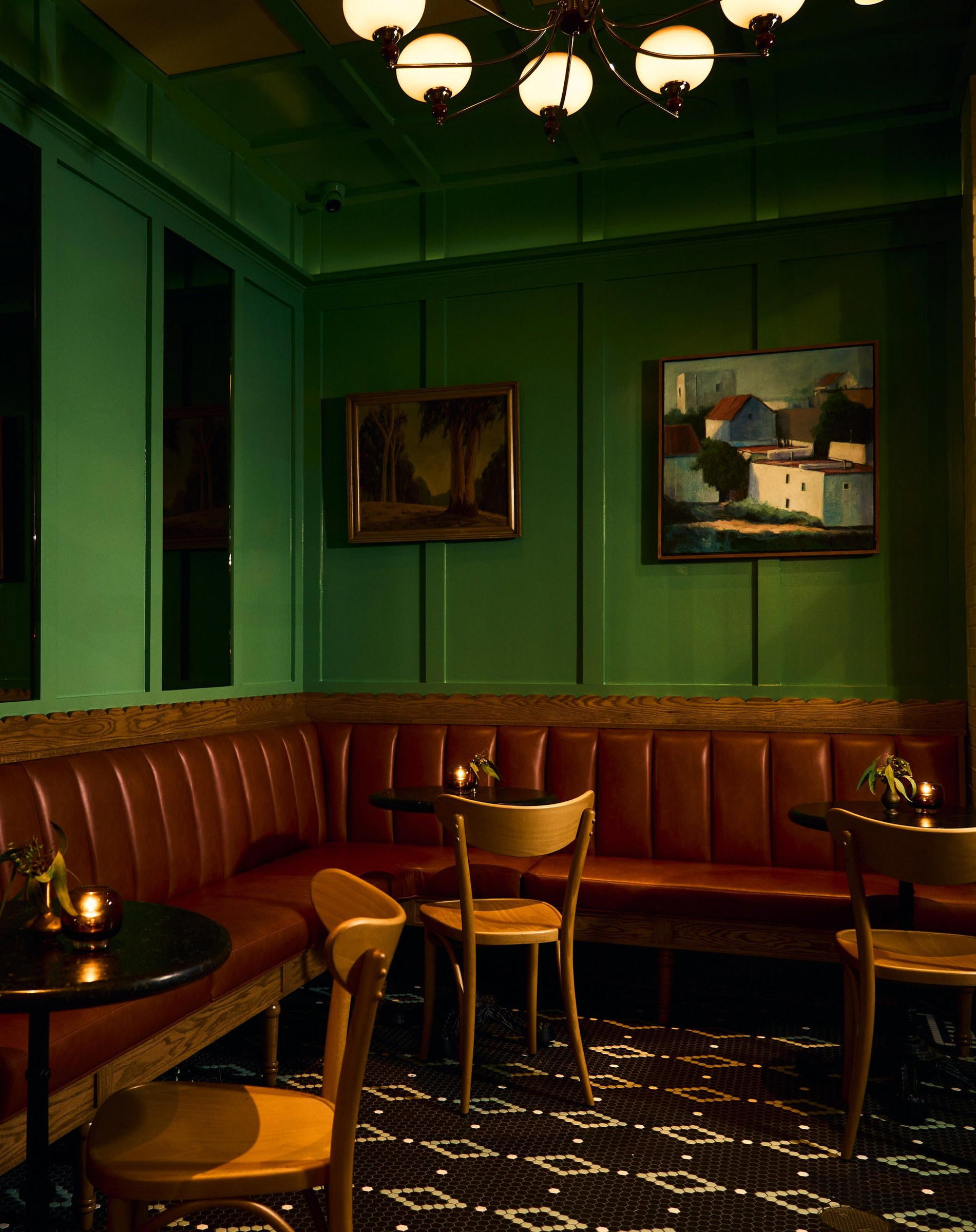
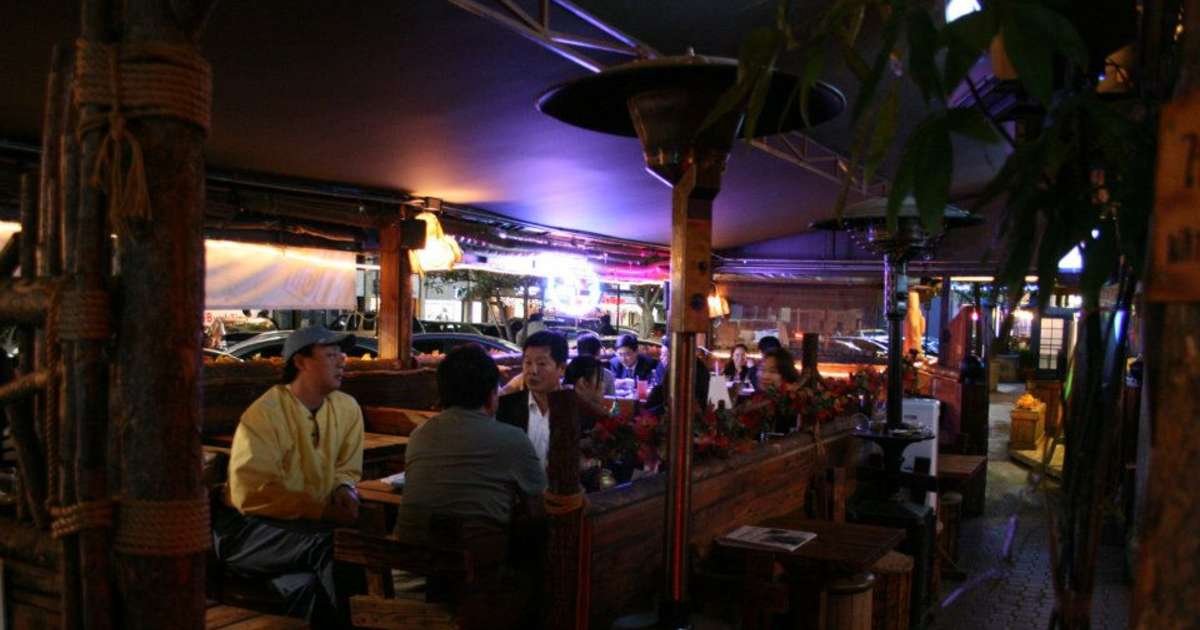
Trendy interior with hardwood floors, matchstick blinds, Korean calligraphy wallpaper, and poppy Korean/American top 40 music creating a vibrant, casual vibe.

Signature Dishes
kimchi fried rice