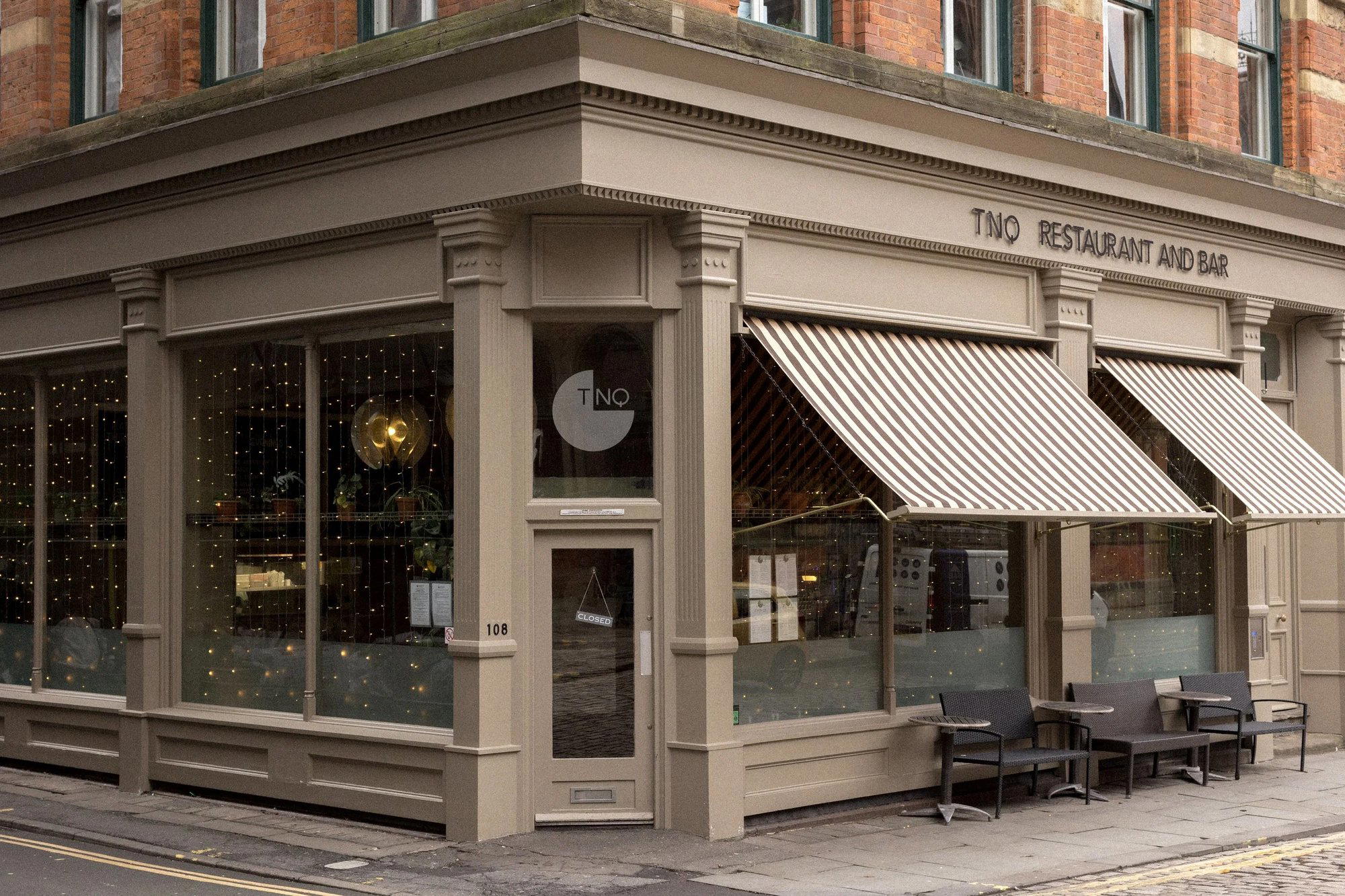
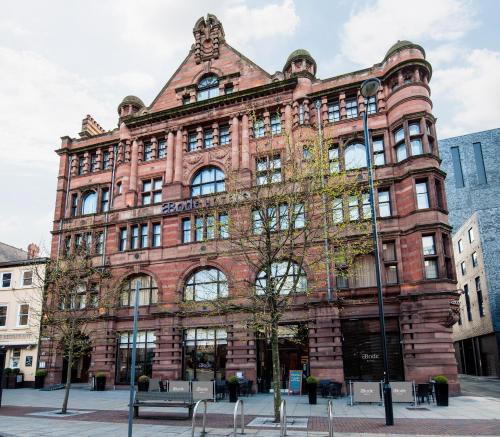
TNQ occupies a stretch of Manchester's Northern Quarter at 108 High Street, placing it inside one of the city's most active dining corridors. The kitchen works at the intersection of imported culinary technique and produce drawn from the wider British larder, a register that positions TNQ alongside the neighbourhood's more ambitious kitchens. Advance booking is advisable, particularly at weekends.
- Address
- 108 High St, Manchester M4 1HQ, United Kingdom
- Phone
- +441618327115
- Website
- tnq.co.uk
- Directions
- Get directions
The Northern Quarter as a Dining Address
Manchester's Northern Quarter has consolidated over the past decade into something more than a bar district with food attached. The streets around Tib Street and High Street now hold a range of kitchens operating at meaningfully different levels of ambition, from casual natural wine spots to restaurants that would not look out of place in London's more competitive postcodes. TNQ, at 108 High Street, occupies a mid-block position on one of the area's most-walked stretches, which gives it both the footfall advantage of a high-visibility address and the expectation pressure that comes with it. Diners arriving from the south end of High Street pass a succession of independent operators before reaching the door, which means the neighbourhood is already doing editorial work before anyone sits down.
This concentration of independent, chef-driven restaurants in a relatively compact geography is not accidental. The Northern Quarter attracted kitchen talent partly because rents remained lower than the city centre for longer, and partly because the area's existing reputation for independent retail and music gave new operators a ready-made audience that was already predisposed toward non-chain experiences. The result is a dining corridor where 10 Tib Lane and 20 Stories have helped establish a credibility ceiling, and where newer kitchens are measured against that benchmark whether they intend it or not.
Local Produce, Imported Method
The most interesting kitchens in northern England right now are working a specific tension: techniques imported from classical French training or contemporary Scandinavian or East Asian frameworks, applied to produce that is emphatically and specifically British. L'Enclume in Cartmel and Moor Hall in Aughton both operate in this register at their respective price points, drawing on Lancashire and Cumbrian sourcing while deploying technique that reads internationally. Manchester's better kitchens are working a version of the same question at a different scale and price tier.
TNQ's position on High Street places it inside this broader conversation. The Northern Quarter address suggests informality, but the better kitchens here have consistently pushed the register upward, producing food that sits closer to what you would find at Adam Reid at the French in intent, even if the format and setting differ. The editorial interest in a kitchen like this lies in how much of the British larder it actually reaches for, and how confidently it deploys those ingredients against technique that the diner can trace to a broader culinary tradition.
In peer cities, this kind of intersection produces some of the most compelling mid-tier dining. Opheem in Birmingham demonstrates how South Asian technique applied to British produce can generate a genuinely distinct culinary identity rather than a fusion gesture. The question for Manchester's High Street operators is whether they are building something similarly coherent or whether the technique is decorative. TNQ's longevity on this particular block suggests the kitchen has found a workable answer.
How TNQ Sits in Manchester's Competitive Set
Manchester's ambitious dining tier has become more stratified since the mid-2010s. At the leading end, mana holds a Michelin star and operates a tasting menu format that competes with national reference points rather than local ones. Skof has entered the creative bracket more recently, adding another option for diners who want a structured, chef-driven experience. TNQ operates in a different register from both, occupying the space between occasion dining and neighbourhood regular, which is a harder commercial position to sustain but often produces more honest cooking because the kitchen cannot rely on the tasting menu format to carry weak dishes.
The comparison set for TNQ is therefore less about Michelin-holding rooms and more about the cluster of independent Manchester operators who have built loyal followings without formal award recognition. In that peer group, consistency and a clear point of view about ingredient sourcing matter more than technical showmanship. The Northern Quarter diners who return regularly to a room on High Street are typically doing so because the kitchen gives them something reliable, not because each visit is a reconfigured experience.
For context on how Manchester's scene sits within the wider UK picture, the relevant comparisons are not with the three-star rooms at Waterside Inn in Bray or Le Manoir aux Quat'Saisons in Oxford, but with the mid-tier independents that have made cities like Cambridge (Midsummer House) and smaller market towns (Hand and Flowers in Marlow, hide and fox in Saltwood) worth travelling for. Manchester has the population density to support more of these kitchens than most UK cities outside London, and the Northern Quarter is the neighbourhood where that ambition has been most consistently expressed.
Internationally, the local-ingredient, global-technique framework has driven the most interesting mid-tier dining in cities from Seoul to New York. Atomix in New York City operates this logic at the fine-dining level; the same instinct, applied with less ceremony, is what drives the leading Northern Quarter kitchens. For the dedicated food traveller, Le Bernardin in New York City and CORE by Clare Smyth in London represent the ceiling of what technique plus ingredient provenance can produce; understanding those reference points sharpens the assessment of what Manchester's independents are attempting, and how far they have come.
Planning a Visit
TNQ is at 108 High Street, M4 1HQ, a short walk from the Northern Quarter's main cluster of bars and within easy reach of Piccadilly and Victoria stations. The Northern Quarter is compact enough to walk between venues, which makes it practical to pair a meal here with drinks elsewhere in the neighbourhood. Weekend evenings fill quickly on this block, and booking ahead rather than walking in is the more reliable approach. See our full Manchester restaurants guide for context on how TNQ sits within the city's wider dining geography.
Similar Picks
| Venue | Cuisine | Price |
|---|---|---|
| TNQThis venue — the venue you are viewing | This venue | Not listed |
| mana | Progressive Cuisine, Creative British | ££££ |
| Skof | Creative | ££££ |
| Erst | Wine Bar, British Contemporary | £££ |
| Higher Ground | Modern British | ££ |
| MAYA | Mexican, Modern Cuisine | ££ |
Continue exploring
More in Manchester
Restaurants in Manchester
Browse all →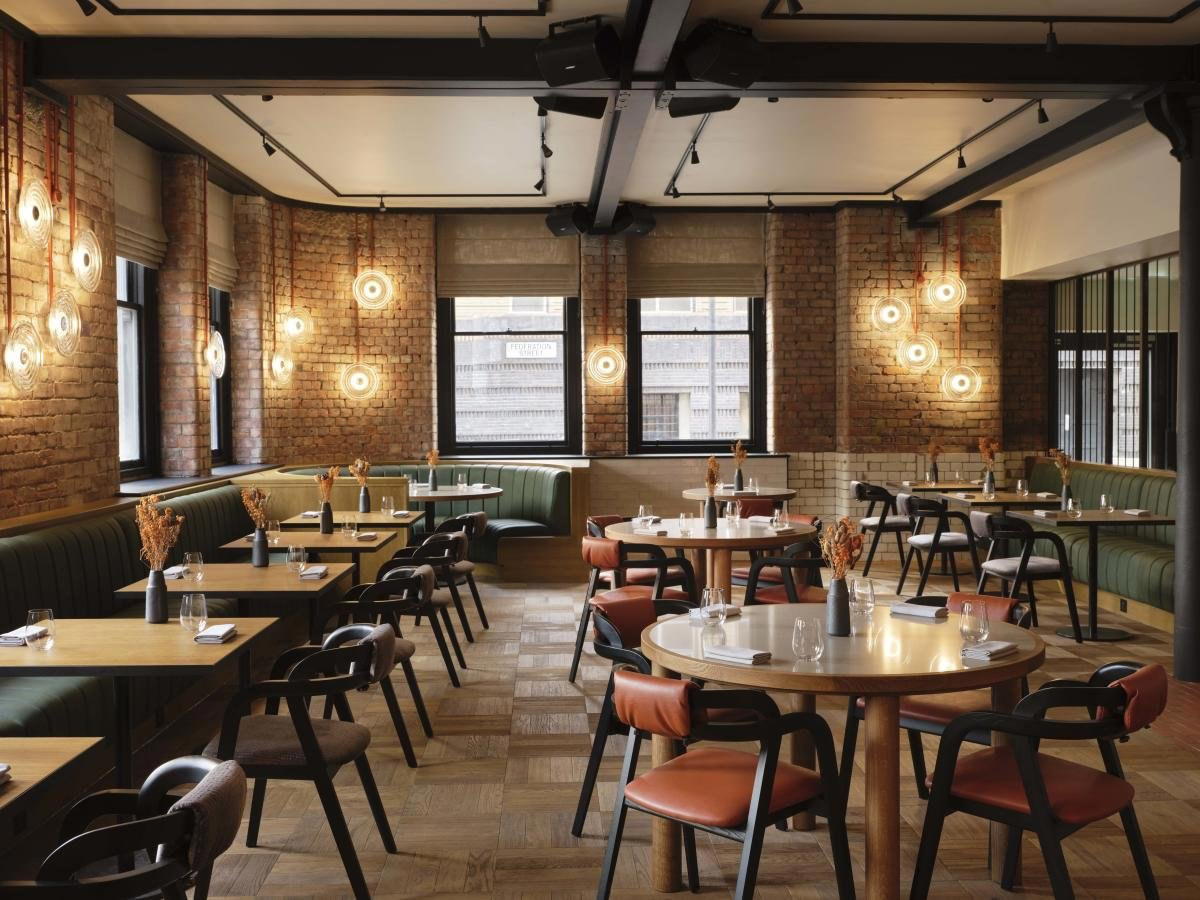
Bars in Manchester
Browse all →
At a Glance
- Classic
- Cozy
- Elegant
- Sophisticated
- Date Night
- Business Dinner
- Group Dining
- Family
- Casual Hangout
- Standalone
- Historic Building
- Extensive Wine List
- Local Sourcing
- Street Scene
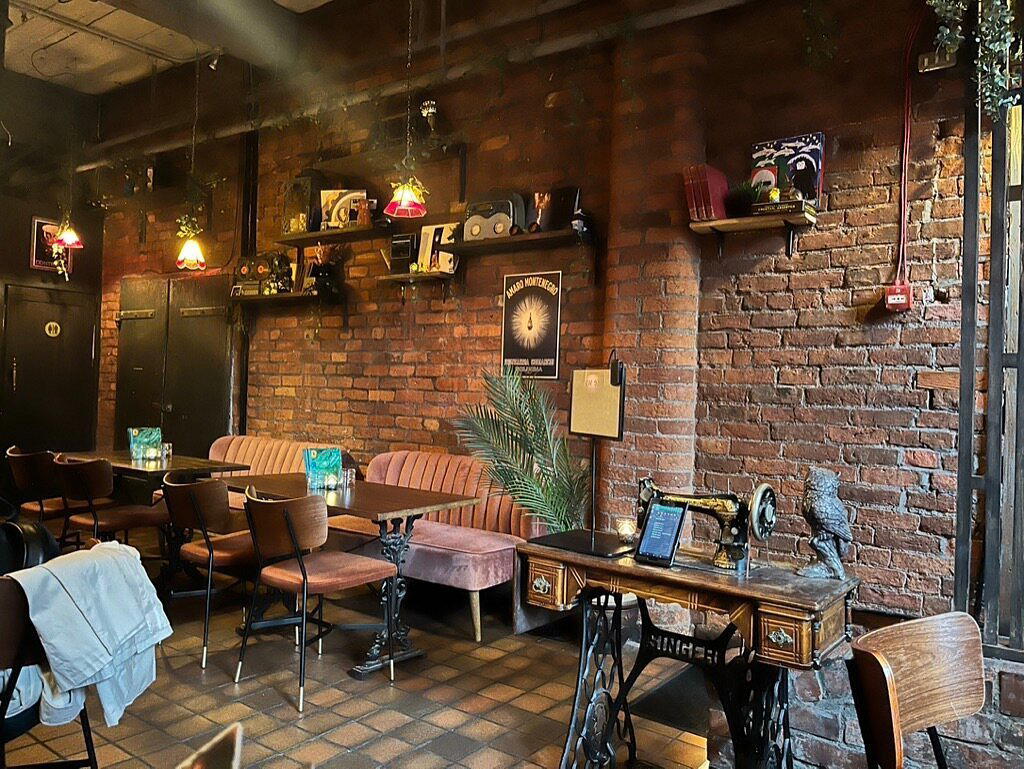
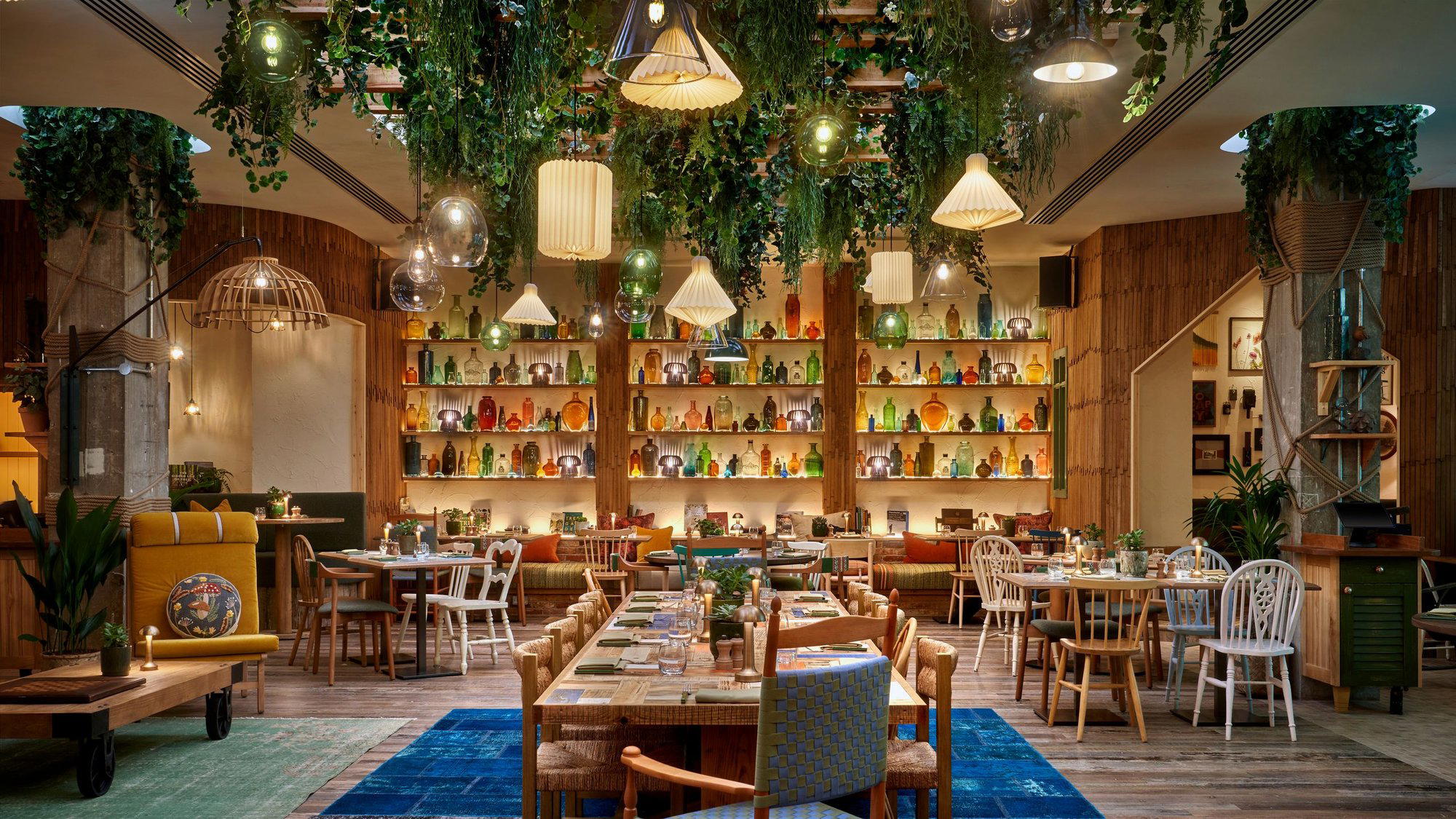
Relaxed and stylish with exposed wooden floors and grand windows showcasing the well-known Smithfield Fish Market; warm, welcoming neighborhood bistro atmosphere.
Know Before You Go
- Getting there
- 108 High St, Manchester M4 1HQ, United Kingdom