
Michelin Plate
Our verdict
A women's cooperative restaurant on a corner plot in Duayeri, Ürgüp, Tık Tık Kadın Emeği serves concise, home-style Cappadocian cooking in a room defined by creaking floorboards and red-and-white check upholstery. The manti — filled with local cheese and finished in tomato sauce — is the dish that draws visitors back. Arrive early; the menu sells out.

Pearl is the En Primeur Club membership app — saves, bookings, and concierge access live there. Same editors, same standards.
- Address
- Duayeri
- Phone
- +90 384 341 33 73
- Hours
- Daily 10 AM–6 PM
- Website
- tiktik.org.tr
- Directions
- Get directions
The menu
What to order
- Tık Tık Mantı
- Ürgüp Köftesi
- Yaprak Sarması
- Peravu
A Corner in Duayeri That Most Visitors Drive Past
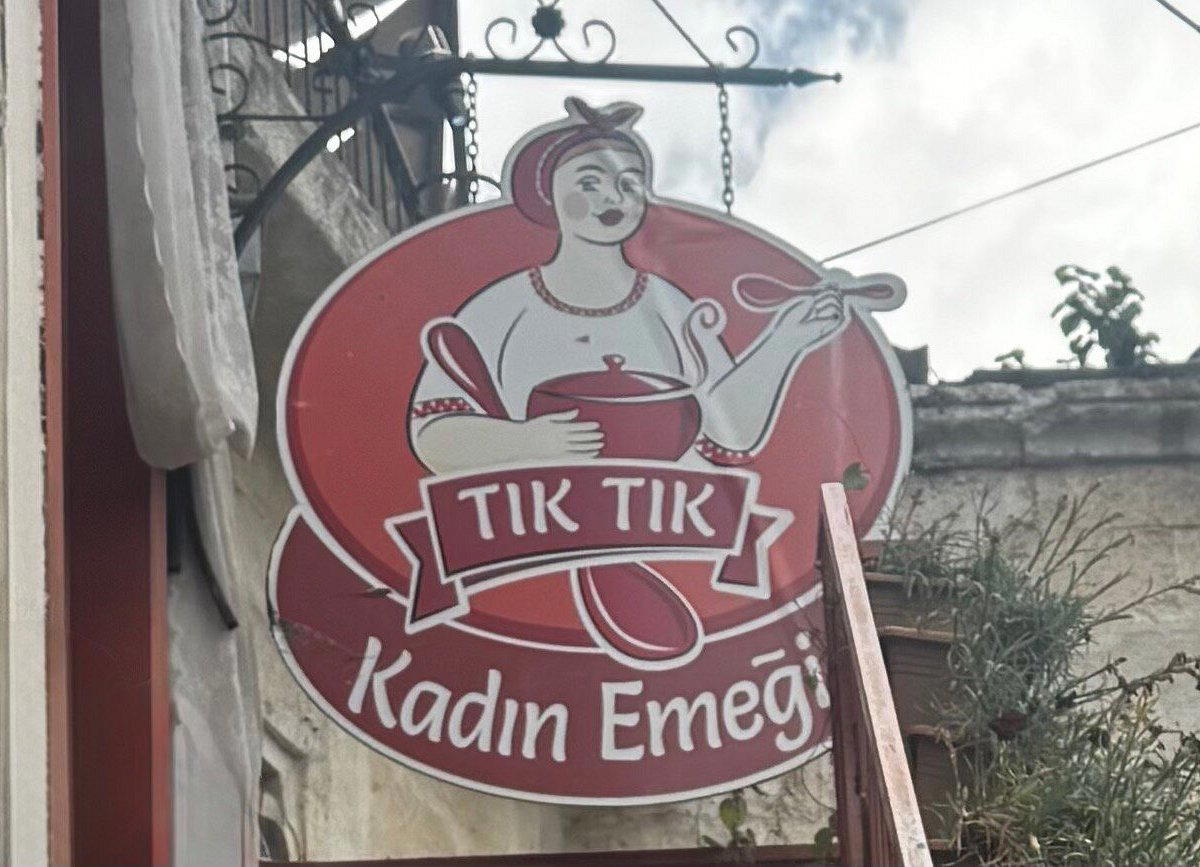
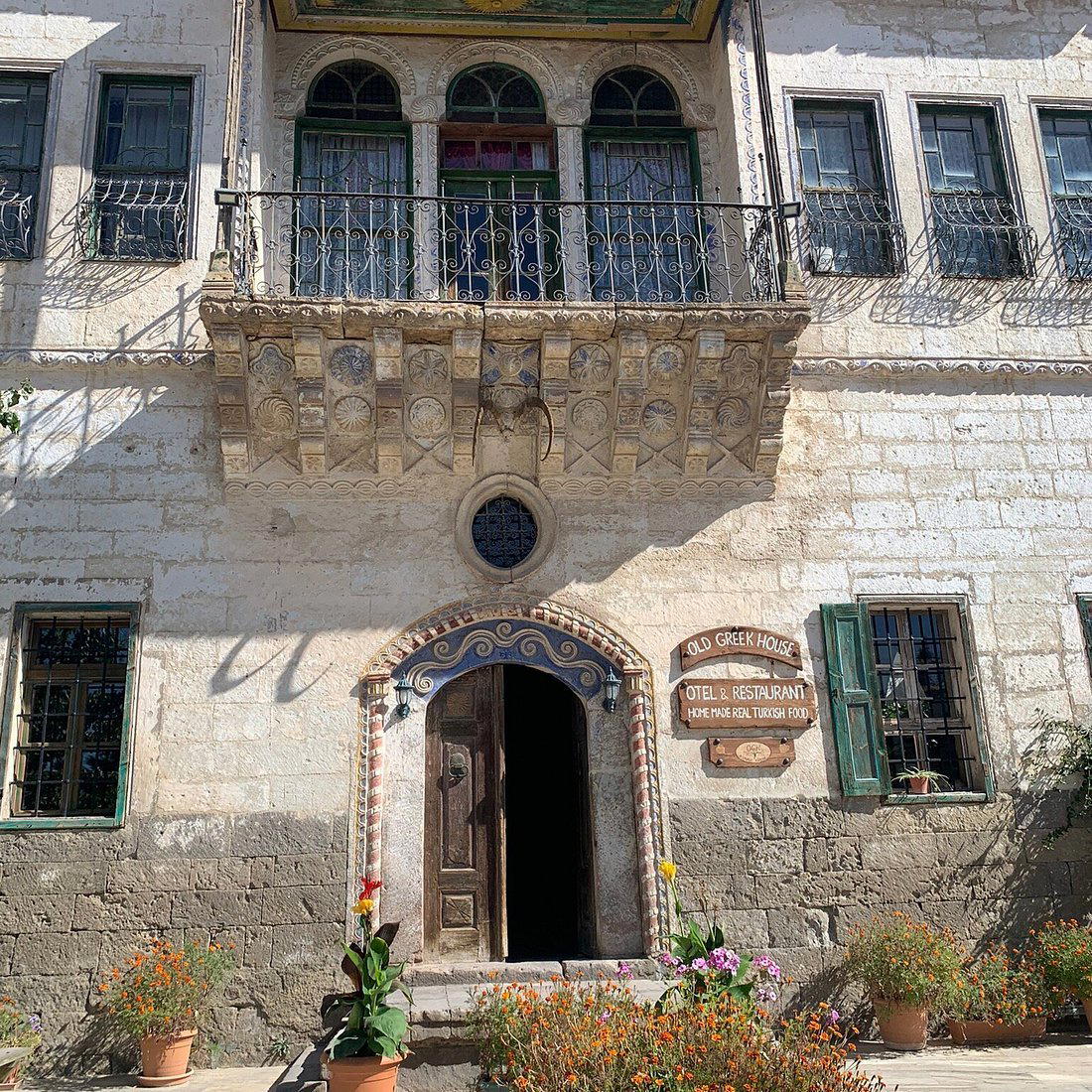
Cappadocia has a way of rewarding attention. The region's volcanic landscape draws visitors for the ballon flights and cave hotels, but the table culture — rooted in Anatolian home cooking, shaped by decades of women preserving techniques that never made it into restaurant guides — sits quieter, less announced. Tık Tık Kadın Emeği, occupying a corner-plot building on Duayeri in Ürgüp, belongs to that quieter register. The exterior gives almost nothing away: no bold signage, no terrace seating arranged to catch passing trade. It is the kind of place that demands a second look from the street, and many visitors give it none at all.
That is their loss. Inside, the room settles into the kind of worn, functional warmth that Turkish home cooking has always deserved as a backdrop: creaking wooden floors, red-and-white check upholstery, a kitchen open enough that you can watch the work happening. What distinguishes this place from the broader category of "traditional Anatolian restaurant" is the organisational model behind it. A women's cooperative runs the kitchen and the floor, and the menu reflects that structure directly, concise, seasonal in practice, and built entirely around dishes that come from home rather than from a culinary training programme.
What Home Cooking Means in This Context
Across Turkey's premium dining tier, from Turk Fatih Tutak in Istanbul to Maçakızı in Bodrum, the conversation around Anatolian cuisine has shifted toward fine-dining reinterpretation: reduced sauces, plated precision, sourcing narratives. That conversation has its own merit. But it operates at considerable remove from the cooking that actually defines how people in central Turkey eat at home, which is slower, plainer, and often far more satisfying as a record of place.
The manti at Tık Tık Kadın Emeği makes the point directly. Manti, the small stuffed dumplings that appear across Central Asian and Anatolian cooking traditions, is one of those dishes that reveals everything about the hands that made it: the tightness of the fold, the texture of the dough, the balance between filling and sauce. Here, the filling uses local cheese rather than the more common spiced ground meat, and the tomato sauce that goes over it carries the direct depth of something made from good ingredients and time, not technique. At places like Narımor in Izmir or Agora Pansiyon in Milas, regional cooking is similarly framed through the lens of place rather than professional kitchen output. The cooperative model here takes that a step further: there is no chef to credit, only a shared practice.
The meatballs, shaped by hand and cooked in a rich tomato jus, follow the same logic. These are not dishes shaped by menu development meetings. They are dishes that exist because someone's grandmother made them this way, and a group of women decided that was worth preserving and serving.
The Cooperative Model and What It Means for the Table
Women's cooperatives running food enterprises have a long history across rural Anatolia, though they remain underrepresented in any guide that prioritises the cosmopolitan dining corridors of Istanbul or the coastal resort circuits. In Cappadocia specifically, where tourism revenue has reshaped much of the local hospitality economy, a cooperative structure like this one functions as a meaningful counterweight: the money stays local, the cooking stays traditional, and the dynamic at the table is different from a commercially operated restaurant.
The result is a concise menu that changes with what the cooperative has prepared that day. This is not a kitchen running a printed card of twenty dishes across all service periods. Arrive late and you may find that what you wanted is gone. The practical implication is simple: go early, accept the constraints of the menu, and eat what is there. Ürgüp has other options for those who need more choice, Aravan Evi, Babayan Evi Restaurant, Gorgoli, Old Greek House, and Revithia all operate within the town's broader dining offer, but the constraint here is part of the point. You are eating what was made today.
Duayeri and the Neighbourhood Logic
Ürgüp sits at the eastern edge of the Cappadocia triangle, a quieter town than Göreme but with a more sustained local life. The Duayeri neighbourhood, where Tık Tık Kadın Emeği operates, is not the part of Ürgüp that tourists typically photograph. There are no fairy chimneys framing the street, no cave hotel reception desks visible from the corner. It is an ordinary residential and commercial pocket of a small Anatolian town, which is precisely why a cooperative-run home cooking restaurant belongs here rather than on the main tourist drag.
For visitors staying in Ürgüp, and the Ürgüp hotels guide covers the full range from cave suites to boutique properties, a meal here functions as something the cave hotel breakfast cannot provide: a direct encounter with how local women cook for their own families. The gap between that and what you get at most tourist-facing restaurants in the region is considerable.
Planning Your Visit
The practical intelligence on Tık Tık Kadın Emeği comes from the restaurant's own operating logic: arrive early in the lunch service, accept that the menu is limited and daily, and do not treat it as a place that accommodates extended deliberation. The room is small and warm. The kitchen is visible. The cooking is finished when it is finished.
For a broader orientation to eating and drinking in Ürgüp, the full Ürgüp restaurants guide maps the town's options across price points and formats. The Ürgüp bars guide, Ürgüp wineries guide, and Ürgüp experiences guide round out the picture for visitors spending more than a day in the area. The regional wine tradition is particularly worth attention alongside a meal like this one.
Across Turkey, the restaurants that hold the most culinary interest for a traveller willing to look past the obvious addresses are often structured exactly like this one: small, cooperative or family-run, working from a short and honest menu, and located somewhere that requires a deliberate decision to visit. From 7 Mehmet in Antalya to Ahãma in Göcek, the pattern of serious regional cooking appearing in unspectacular settings repeats across the country. Tık Tık Kadın Emeği fits that pattern and earns its place in it.
Frequently asked questions
Does Tık Tık Kadın Emeği work for a family meal?
The setting — creaking wooden floors, red-and-white check upholstery, a visible open kitchen — is relaxed and informal, which makes it comfortable for mixed-age groups. The menu is concise and based on recognisable home-cooked dishes like manti and meatballs in tomato jus, so there is little on the table that needs explaining to younger diners. Arriving early is the practical advice, as the restaurant fills quickly and operates on no documented booking system.
What kind of setting is Tık Tık Kadın Emeği?
It occupies a corner-plot building in the Duayeri neighbourhood of Ürgüp that reads as unassuming from the outside. Inside, the room has the character of a family dining space: wooden floors, checked upholstery, and a small kitchen open to view where the cooperative's cooks work through the day's menu. There is no website, no published phone number, and no booking infrastructure — it operates on the logic of a neighbourhood spot, not a tourist destination.
What kind of recognition has Tık Tık Kadın Emeği received?
Tık Tık Kadın Emeği has received recognition including: Be careful not to drive right past this rather unassuming-looking corner-plot building, as it would be a shame to miss this restaurant. Its cosy charm is irresistible, from the creaking wooden floor to the red-and-white check upholstery. Th….
What's the best thing to order at Tık Tık Kadın Emeği?
The manti — filled with local Cappadocian cheese and finished with tomato sauce — is the dish most directly tied to the cooperative's identity: made by hand in the kitchen you can watch from your seat. The meatballs cooked in a tomato jus are the other anchor of the menu. Given the short menu and the tendency to sell out, ordering both on arrival is the sensible approach.
What part of town is Tık Tık Kadın Emeği in?
Tık Tık Kadın Emeği is located at Duayeri, Ürgüp.
Just the Basics
Comparable venues nearby, for context on price, style, and recognition.
| Venue | Cuisine | Price | Awards | Notes |
|---|---|---|---|---|
| Tık Tık Kadın EmeğiThis venue — the venue you are viewing | Traditional Cappadocian Home Cooking | $1–10 | Michelin Plate | Not listed |
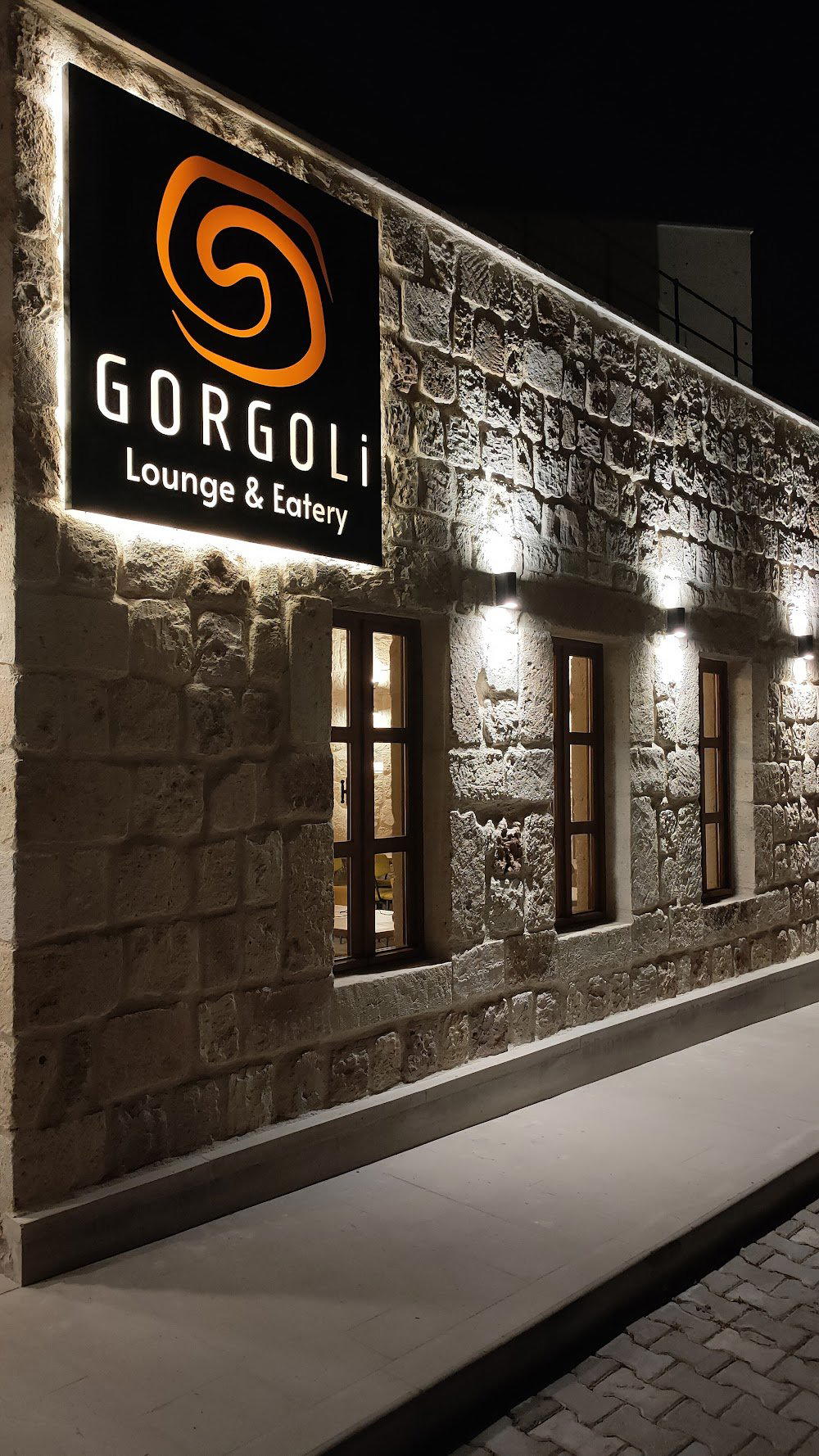
| Gorgoli | Traditional Turkish Regional Cuisine | $20–30 | Michelin Plate | Mustafapaşa, Traditional Turkish Regional Cuisine |
| Old Greek House | Traditional Turkish Country Cooking | $20–30 | Michelin Bib Gourmand | Mustafapaşa, Traditional Turkish Country Cooking |
| Aravan Evi | Traditional Turkish Farm-to-Table | $20–30 | Michelin Bib Gourmand | Ayvalı Köyü, Traditional Turkish Farm-to-Table |
| Barbarian Medieval Tavern | Turkish Steakhouse & Wine Bar | Not listed | Not listed | Urgup, Turkish Steakhouse & Wine Bar |
| Kemeralti Restaurant | Authentic Turkish | $10–20 | Not listed | Ortahisar, Authentic Turkish |
Recognition history
Dated appearances from independent guides and award organizations, with the underlying list record or original source where available.
Michelin Plate
Michelin · 2026 Michelin Plate

Details
- Cozy
- Rustic
- Intimate
- Family
- Group Dining
- Casual Hangout
- Special Occasion
- Open Kitchen
- Local Sourcing
- A La Carte
- Family Style
- Vegetarian Friendly
- Vegan Options
- Halal
Current opening hours
- Monday
- 10 AM–6 PM
- Tuesday
- 10 AM–6 PM
- Wednesday
- 10 AM–6 PM
- Thursday
- 10 AM–6 PM
- Friday
- 10 AM–6 PM
- Saturday
- 10 AM–6 PM
- Sunday
- 10 AM–6 PM
Hours can change for holidays and private events. Last verified .
Cosy charm with creaking wooden floors and red-and-white check upholstery; intimate setting that feels like dining in a family home with warm, welcoming atmosphere.