
Tabelog 100 #10
Our verdict
Tiger Curry belongs to Sapporo’s soup-curry culture rather than the city’s ramen shorthand: casual, heat-driven, and built around customization. Its Tabelog Curry EAST 100 selection in 2024, 18-seat format, and donabe service place it in the serious everyday-curry tier, where ritual matters more than ceremony.

Pearl is the En Primeur Club membership app, where members save venues, book tables and use the concierge.
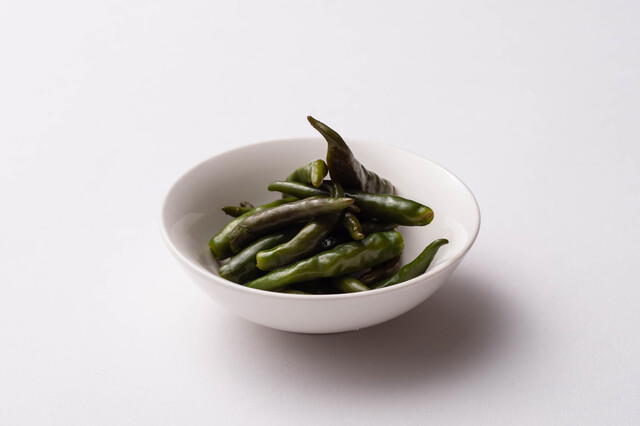
The menu
What to order
- Original soup curry
- Stamina soup curry
- Shrimp soup curry
- Pork kakuni soup curry
Approaching a Sapporo curry room differs from a sushi counter or kaiseki dining room. The ritual is less hushed, more practical: coats come off, spice decisions come early, and the meal is judged by warmth, broth character, and how rice, vegetables, and protein hold their shape in a loose curry structure. Tiger Curry sits inside that local grammar. It does not translate Hokkaido dining into luxury language; it serves the city’s cold-climate appetite for bowls that stay hot, portions that feel complete, and spice levels that make sense after moving through Sapporo snow or rain.
Sapporo’s soup-curry tradition rewards control. Unlike Japanese curry rice, where sauce and rice often merge, soup curry keeps separation as part of the pleasure: spoon, rice, broth, bite, repeat. The diner chooses intensity, manages broth against rice, and treats vegetables as structure rather than garnish. Heat is not decorative theatre in this format. It extends the curry’s usable pleasure, crucial in a dish whose appeal drops when the broth cools. The style slows the meal without making it formal.
Soup curry as a Sapporo ritual, not a side note to ramen
Visitors often reach Sapporo with ramen as the default reference, but curry has its own map here. Soup curry is a local category with rules distinct from thicker curry styles across Japan: loose broth, adjustable spice, vegetables with presence, and rice as companion rather than base. Tiger Curry’s category listing spans soup curry, bar, and yoshoku, a casual but not careless combination. It belongs to the city’s dining culture where lunch and dinner stay affordable while carrying enough craft for repeat attention.
The recognition signal helps because the category is crowded. A 2024 Tabelog Hyakumeiten listing places the restaurant within a curated field of notable specialists, not simply general neighborhood eateries. In Japan, these guides tend to reward consistency across ordinary visits, not only special-occasion polish. A Tabelog score of 3.61 reinforces the same point: this is a specialist address with sustained local approval, not a room built around spectacle.
Pricing also defines its casual tier. Chuka Soba Usagi and Sapporo Junren Kita 31 jou ten sit in an everyday ramen frame, while MEN SHOUKI and Indian Restaurant Ram occupy a similarly accessible dining range to Tiger Curry. sapporo soup curry dip shows how the same city can support more than one approach to the category without turning soup curry into fine dining. The decision is clear: Sapporo specificity without a long tasting-menu structure.
The soup-curry logic: heat, pacing, and choice
The defining logic is temperature. Soup curry lives or dies by heat because broth must carry spice, fat, and vegetable sweetness through the whole meal. Service that keeps the bowl warm gives a practical advantage: the last spoonful can stay aligned with the first. Ordering is part of the experience rather than a minor customization box. In Sapporo, that choice is central. Diners are calibrating spice and appetite, not simply choosing a dish.
The room’s usefulness comes from its everyday focus. Solo diners can treat it as a fast, concentrated stop; pairs or families can compare spice levels and portions at their own pace. This does not make the restaurant formal. It makes soup curry a controlled everyday ritual: direct service, flexible ordering, and a dish designed to stay hot. The categories attached to Tiger Curry, soup curry, bar, and yoshoku, also explain why the experience feels casual without becoming generic.
Practical planning should stay simple. Tiger Curry is in Sapporo, and its listed budget is Dinner: JPY 1,000 - JPY 1,999; Lunch: JPY 1,000 - JPY 1,999. That keeps it in the range of a focused casual meal rather than a destination built around ceremony. For many visitors, the point is not to chase a hard-to-reach address but to understand how Sapporo treats curry as a daily comfort with enough craft to reward attention.
How to place it in a Sapporo food day
Use Tiger Curry as a focused curry stop, not a substitute for Sapporo’s other food rituals. Pair it mentally with ramen, grilled meat, seafood, and bakeries rather than ranking categories against one another. Soup curry answers a different need: warmth, spice, vegetables, and a customizable bowl finished at a personal pace. It works especially well when the rest of the itinerary is light on vegetables or heavy on noodles and grilled food.
For a wider view of the city’s dining circuits, start with Our full Sapporo restaurants guide, then compare nearby or category-adjacent addresses such as Chuka Soba Usagi, Indian Restaurant Ram, MEN SHOUKI, Sapporo Junren Kita 31 jou ten, and sapporo soup curry dip. For the rest of the trip, the planning frame is broader than restaurants alone: Our full Sapporo hotels guide, Our full Sapporo bars guide, Our full Sapporo wineries guide, and Our full Sapporo experiences guide help place meals around the city rather than isolated pins.
Readers continuing through Japan can use the same category-first logic elsewhere: compare casual dining rooms, specialty counters, café culture, contemporary cooking, and regional formats without forcing every meal into a prestige ranking. Across the Pacific, Japanese formats also shift when transplanted abroad, changing pace, portion, and ritual while keeping recognizable cues. The useful comparison is not status; it is rhythm, and Sapporo soup curry has one of Japan’s clearest casual dining patterns.
Frequently asked questions
What price level is Tiger Curry?
Pricing at Tiger Curry is listed as Dinner: JPY 1,000 - JPY 1,999; Lunch: JPY 1,000 - JPY 1,999.
When can I go to Tiger Curry?
Check current opening hours directly with Tiger Curry before visiting.
How do I find Tiger Curry?
Tiger Curry is located in Sapporo.
What is Tiger Curry known for?
Tiger Curry is known for soup curry in Sapporo, with categories also listed as bar and yoshoku.
Cuisine Context
Nearby venues at a similar price tier for orientation.
| Venue | Cuisine | Price | Awards | Notes |
|---|---|---|---|---|
| Tiger CurryThis venue (the venue you are viewing) | Sapporo soup curry | $10–20 | Tabelog 100 #10 | Not listed |
| SOUL STORE | Sapporo soup curry house | $10–20 | Tabelog 100 #63 | Chūō |
| Umi Hachikyo Honten | Hokkaido seafood izakaya | $30–50 | Tabelog 100 #76 | Chūō |
| Rakkyo | Sapporo Soup Curry | $10–20 | Tabelog 100 #31 | Nishi |
| Curry no Furano Ya | Hokkaido soup & roux curry | $10–20 | Tabelog 100 #78 | Atsubetsu |
| North Continent Machi No Naka | Hokkaido-sourced Hamburg Steak & Western Grill | $20–30 | Tabelog 100 #63 | Chūō |
Recognition history
Dated appearances from independent guides and award organizations, with the underlying list record or original source where available.
Tabelog 100 #10 · No. 10
Tabelog · Tabelog 100 - Curry - EAST - 2024
Continue exploring
More in Sapporo
Restaurants in Sapporo
All restaurants in Sapporo →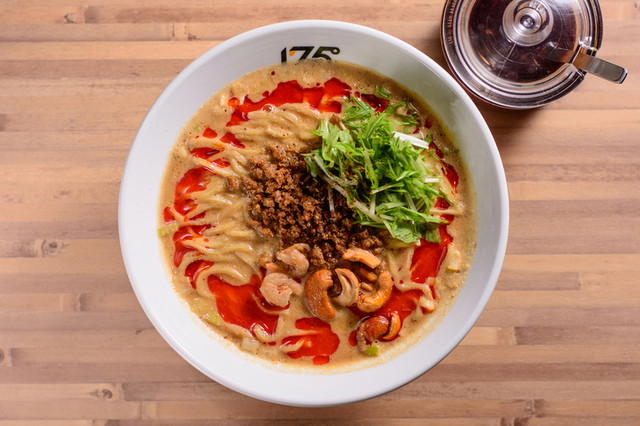
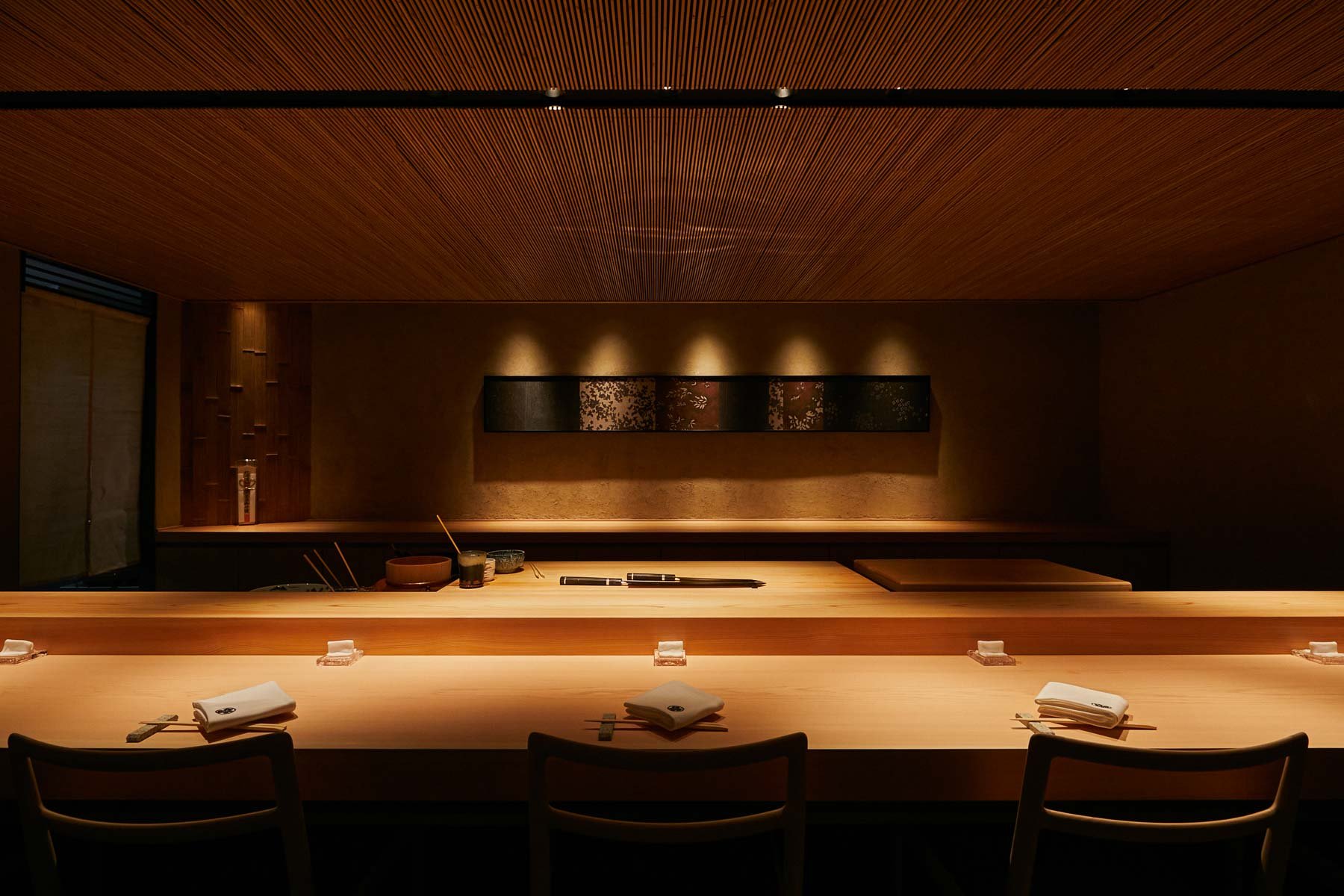
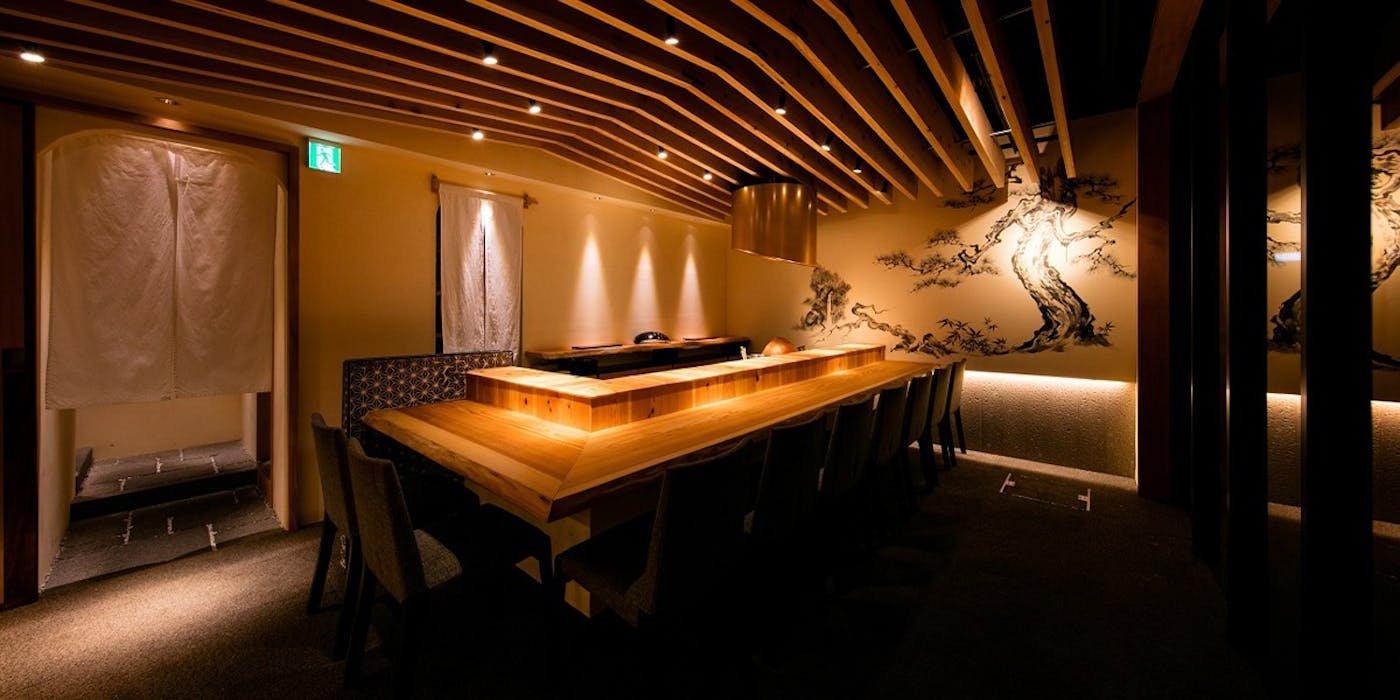
Bars in Sapporo
All bars in Sapporo →

Details
- Lively
- Casual
- Cozy
- Casual Hangout
- Family
- Group Dining
- Solo
- After Work
- Standalone
- A La Carte
- Soft Drinks
Current opening hours
- Monday
- 11:30 AM–2:30 PM, 5:30–9:30 PM
- Tuesday
- Closed
- Wednesday
- 11:30 AM–2:30 PM, 5:30–9:30 PM
- Thursday
- 11:30 AM–2:30 PM, 5:30–9:30 PM
- Friday
- 11:30 AM–2:30 PM, 5:30–9:30 PM
- Saturday
- 11:30 AM–9 PM
- Sunday
- 11:30 AM–9 PM
Hours can change for holidays and private events. Hours as of .
Casual, bustling soup-curry shop atmosphere with typical Hokkaido curry-house styling, suited to everyday meals rather than special-occasion dining.