Thistle & Rye
Our verdict
Thistle & Rye occupies a West End Avenue address that places it squarely between Nashville's downtown energy and the quieter residential stretch toward Vanderbilt. The space itself is the opening statement, setting a tone that separates it from the honky-tonk-adjacent dining that defines much of the city's visitor economy. For those tracking Nashville's more considered restaurant scene, it belongs on the same itinerary as Locust and Bastion.

Pearl is the En Primeur Club membership app — saves, bookings, and concierge access live there. Same editors, same standards.
- Address
- 1620 West End Ave, Nashville, TN 37203
- Phone
- (615) 327-8033
- Hours
- Mon–Thu 4–10 PMFri–Sat 4–11 PMSun 11:30 AM–6 PM
- Website
- thistleandrye.com
- Directions
- Get directions
- Booking
- Book on OpenTable
The menu
What to order
- Herb-Crusted Salmon
- Braised Short Ribs
- Artisan Cheese Board
- Seasonal Vegetable Medley
West End's Quieter Register
Nashville's dining reputation is still largely written by its downtown and East Nashville corridors, where noise levels and tourist volume shape the experience as much as what arrives on the plate. West End Avenue operates in a different register. The stretch between Vanderbilt and the interstate has developed a cluster of addresses that appeal to a more local, repeat-visit crowd, and Thistle & Rye, at 1620 West End Ave, sits within that context. The name itself signals something: botanical, a little austere, rooted in Northern European and American grain traditions rather than the Southern-comfort shorthand that still dominates Nashville's self-presentation to out-of-towners.
Understanding where Thistle & Rye sits in Nashville's current restaurant map requires placing it against the city's most discussed operators. Bastion, at the top of the city's price bracket, functions more as a destination counter. Thistle & Rye reads as something more accessible in spirit, even if the West End address carries its own set of expectations about service and finish.
The Physical Container
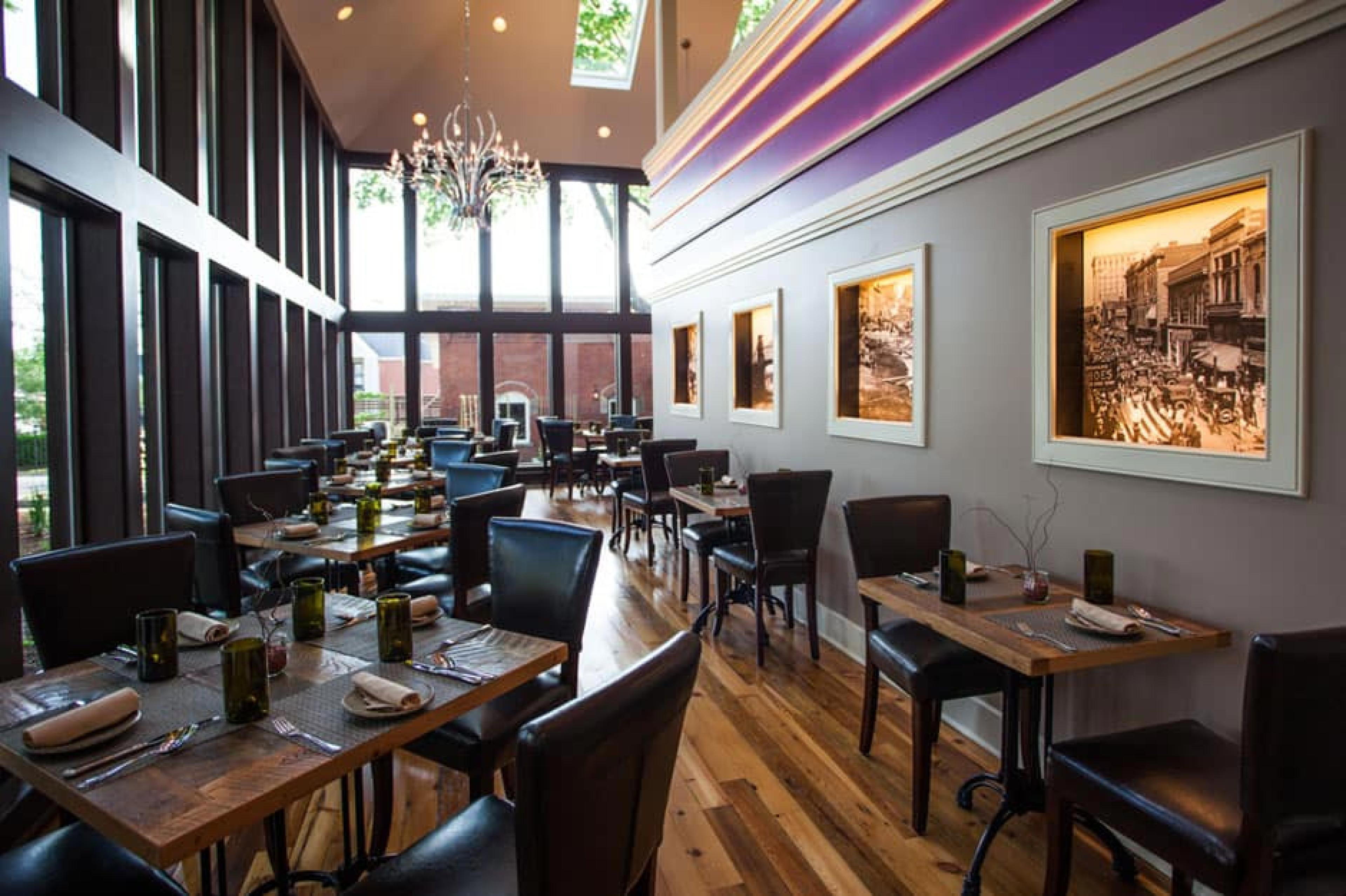
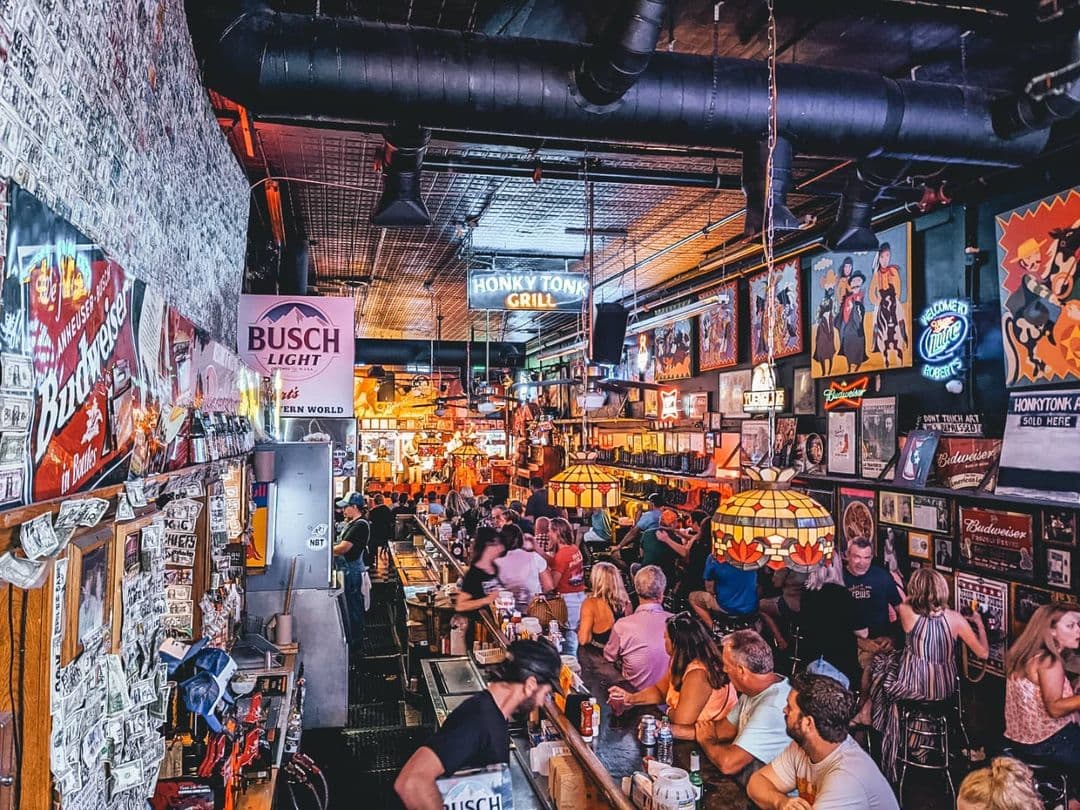
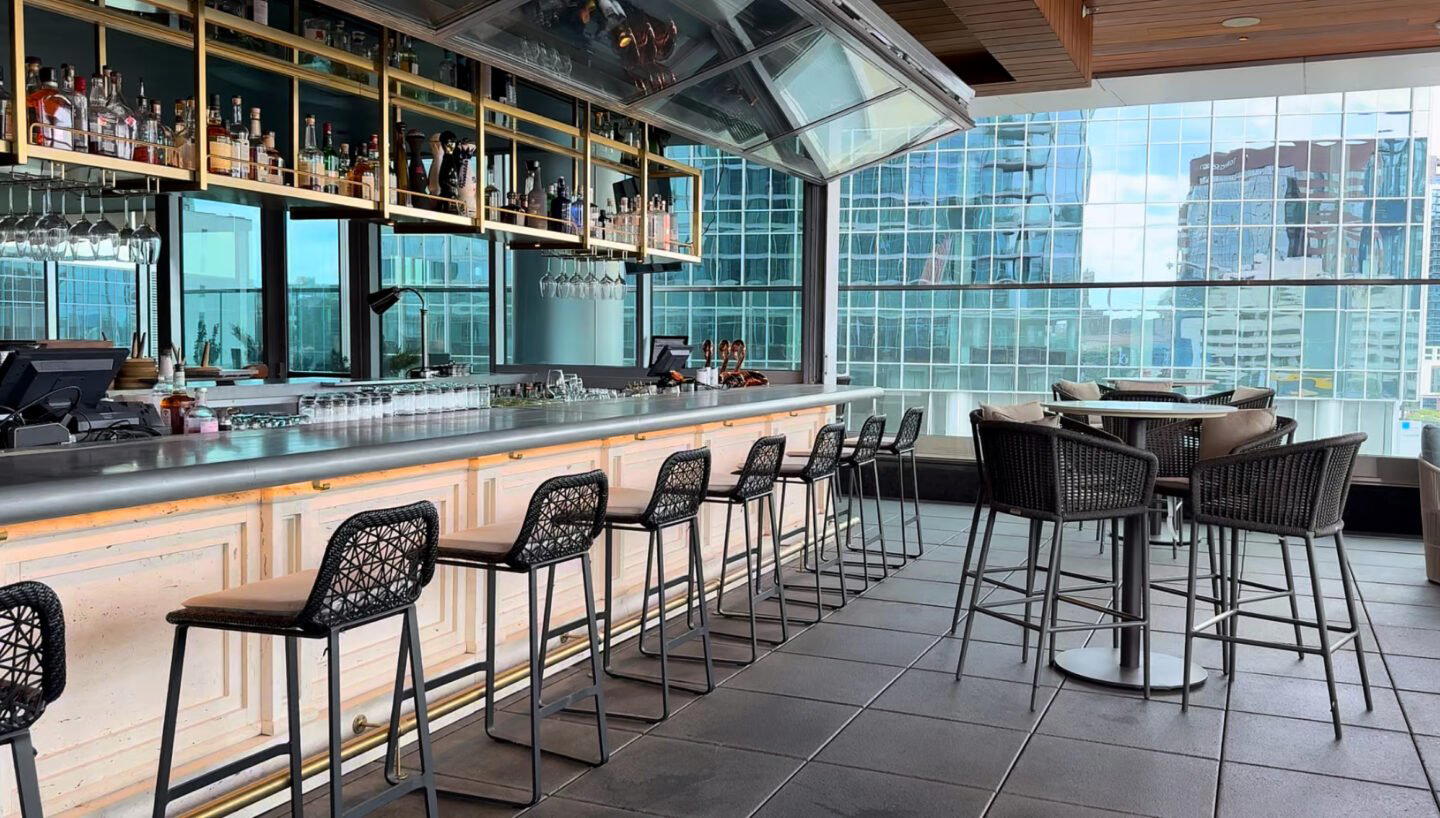
In Nashville's dining scene, the room often arrives before the food does as a statement. The city's decade of rapid growth has produced a wide range of spatial philosophies: converted industrial warehouses, glass-fronted new builds with views toward the skyline, and tighter neighborhood rooms that prioritize atmosphere over spectacle. West End Avenue tends toward the latter, and Thistle & Rye fits that pattern. The address at 1620 suggests a mid-block position on a corridor that moves between commercial and residential uses, a location type that typically produces rooms with more intimacy than the exposed-beam, high-ceiling formats found in The Gulch or SoBro.
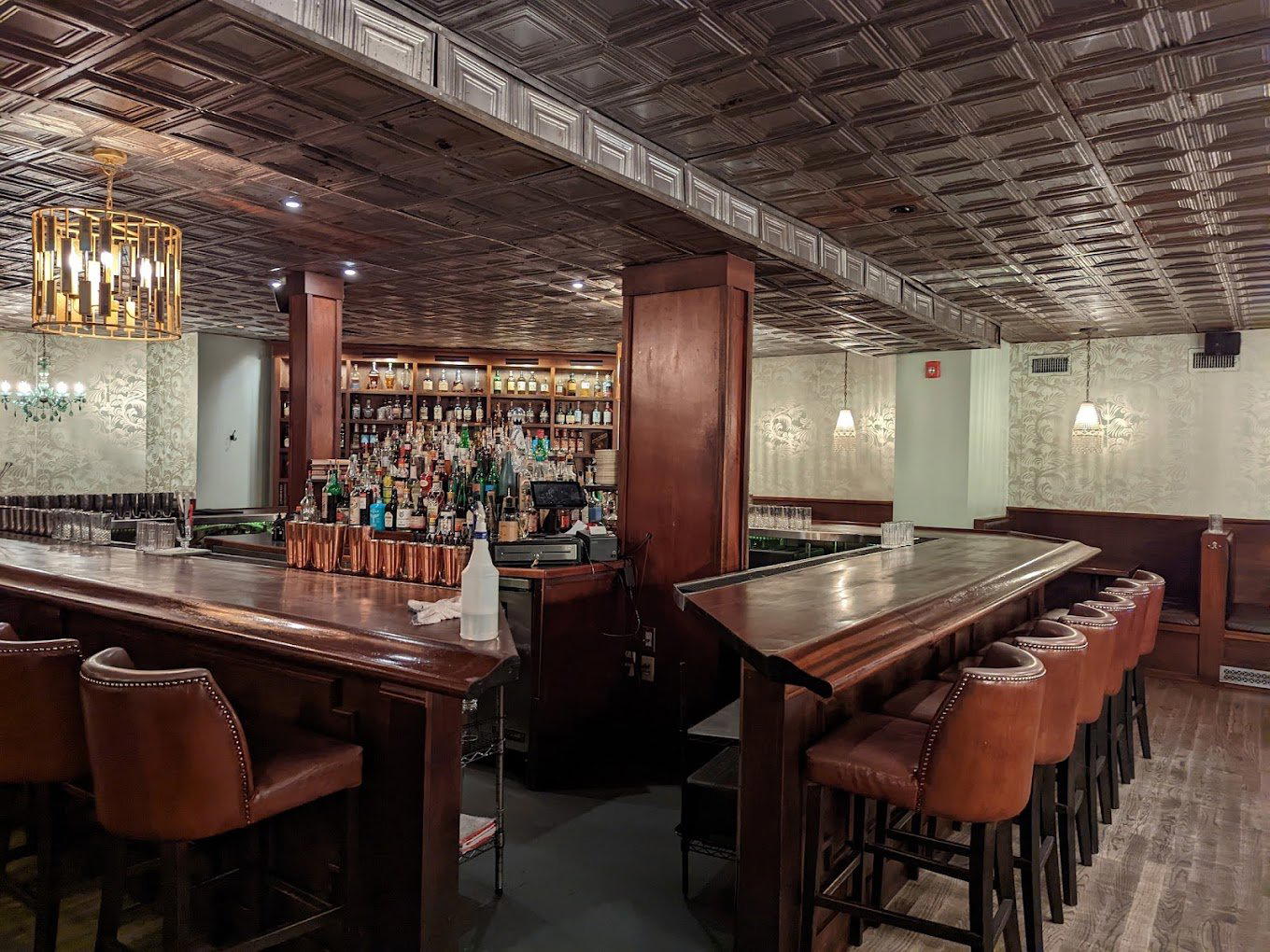
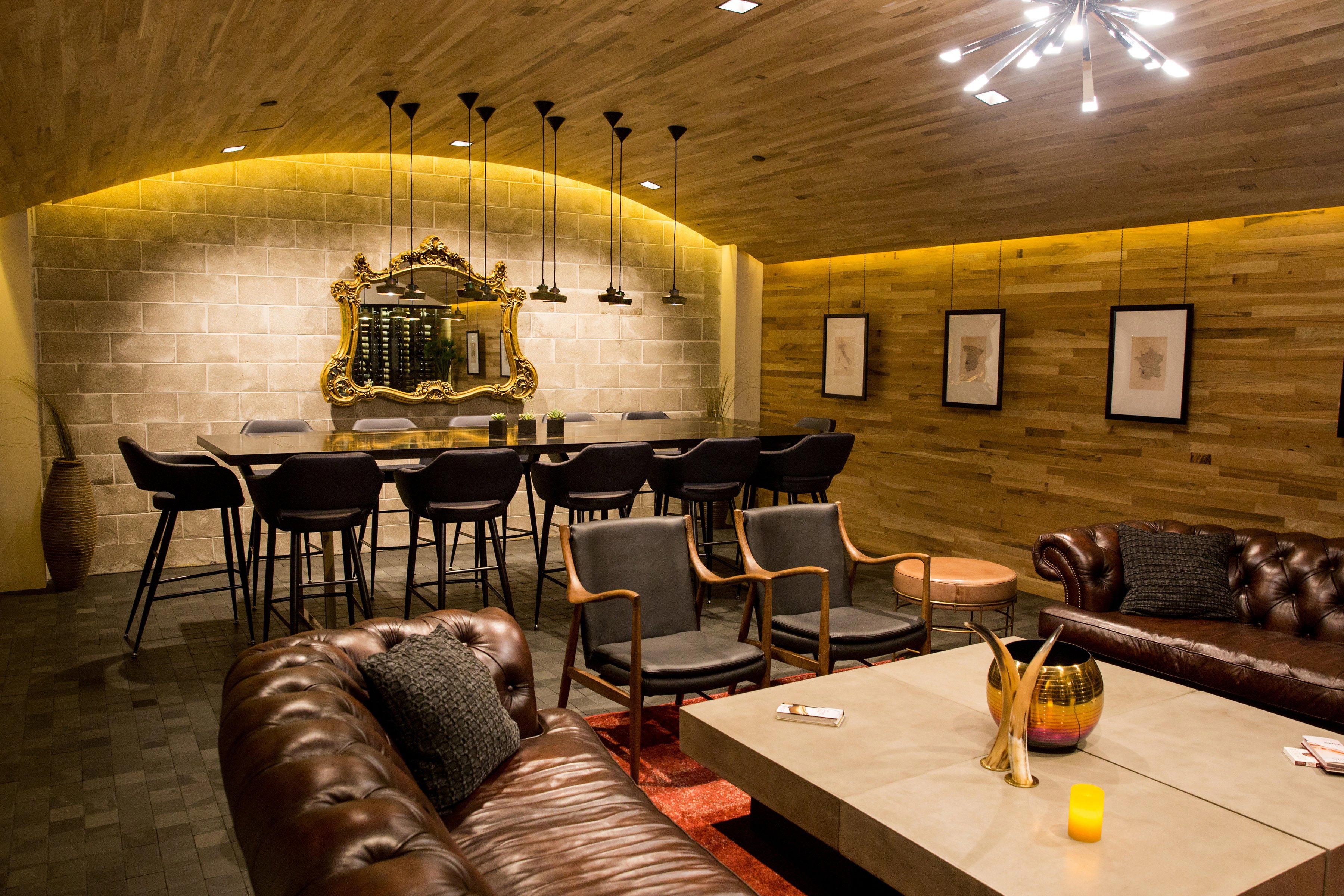
Interior architecture at this tier of Nashville dining increasingly functions as a counterargument to the city's louder visual vocabulary. Where venues built for the bachelorette-weekend circuit tend toward neon, mirrored surfaces, and maximum instagrammability, West End addresses more often work with material warmth: wood tones, lower ceilings, tighter table configurations. This spatial choice has a functional effect on the evening: it shapes conversation, slows the pace, and creates conditions where the food has to do more of the work than the room's spectacle. That's a meaningful curatorial decision, and one that aligns Thistle & Rye with Nashville's more considered operator cohort alongside The Catbird Seat and Peninsula.
Seating arrangement at mid-scale neighborhood restaurants in this part of Nashville typically balances a bar component with table service, allowing the space to serve both early-evening drinkers and dinner parties in the same footprint. That flexibility matters on West End, where the clientele skews toward Vanderbilt-affiliated professionals and neighborhood regulars rather than the conventioneer crowd that fills larger downtown rooms on weeknights.
Where Thistle & Rye Sits in a Broader National Frame
Nashville has moved, faster than most mid-sized American cities, from a regional dining identity built on meat-and-three and hot chicken into a market where progressive tasting menus and serious cocktail programs coexist with the older traditions. That shift mirrors patterns visible in other cities that experienced rapid growth in the 2010s, and the leading analog venues are now drawing comparisons to places like Lazy Bear in San Francisco or Blue Hill at Stone Barns in Tarrytown in terms of format ambition, even if the price points and critical recognition remain at different levels.
At the higher end of national dining, rooms like Alinea in Chicago, Le Bernardin in New York City, and The French Laundry in Napa set a benchmark for what serious dining spaces can ask of their architecture. Venues at this level treat the room as a deliberate argument about what kind of experience is being offered. Thistle & Rye operates at a different scale, but the underlying question, what does the space say before a single dish arrives, remains the same for any restaurant that wants to hold the attention of the city's more experienced diners.
For context on how other cities handle the neighborhood-restaurant-with-ambition tier, Providence in Los Angeles, Addison in San Diego, and Atomix in New York City each demonstrate how a mid-size room can carry critical weight without the surface area of a large-format destination restaurant. Nashville's equivalent tier is still forming, and Thistle & Rye's West End positioning puts it inside that formation.
The Nashville Neighborhood Restaurant Argument
The most durable restaurants in any American city are usually not the ones that peaked in a single awards cycle but the ones that became embedded in a neighborhood's weekly rhythm. On West End, that means competing for the loyalty of a clientele that has options ranging from the casual end, like 12 South Taproom and Grill, to the more technically ambitious end of the local spectrum. Holding that middle ground requires consistency in the room, in the food, and in the kind of evening the space reliably produces.
Cities like New Orleans have long understood this dynamic. Emeril's in New Orleans built an identity that was simultaneously local institution and visitor destination, a balance that is difficult to sustain when a city's dining scene accelerates as quickly as Nashville's has. The West End corridor gives Thistle & Rye a neighborhood anchor that some of the city's more prominent restaurants, located in areas that turn over heavily with out-of-town visitors, don't have. That anchor is worth something in the long term, even if it means operating slightly outside the city's highest-visibility dining conversation. For a fuller picture of where this fits in the city's current restaurant hierarchy, our full Nashville restaurants guide maps the key addresses by neighborhood and price tier.
Other national reference points worth tracking for anyone building a serious American restaurant itinerary: Single Thread Farm in Healdsburg, The Inn at Little Washington in Washington, and 8 1/2 Otto e Mezzo Bombana in Hong Kong each represent how a defined spatial identity reinforces the dining proposition at high levels of execution.
Know Before You Go
Address: 1620 West End Ave, Nashville, TN 37203
Neighbourhood: West End, between Vanderbilt and downtown Nashville
Phone: Not publicly listed — check directly via the venue or third-party booking platforms
Reservations: See FAQ below for walk-in guidance
Nearby: Vanderbilt University campus, Centennial Park
Frequently asked questions
What part of town is Thistle & Rye in?
Thistle & Rye is located at 1620 West End Ave, Nashville, TN 37203, Nashville.
How does Thistle & Rye fit into Nashville's wider dining scene beyond hot chicken and downtown honky-tonk corridors?
Thistle & Rye sits on West End Ave, a corridor that runs parallel to Nashville's louder tourist-facing dining strips without competing on the same terms. Nashville has shifted rapidly from a regional identity built on meat-and-three formats into a market drawing chefs and concepts with national ambitions, and West End addresses have become a practical address for operators targeting a local professional clientele over visitor foot traffic.
What do regulars order at Thistle & Rye?
What the West End Ave address does signal is a room positioned outside Nashville's downtown tourist circuit, where restaurants at this location tend to refine their menus around repeat local custom rather than one-time visitors. Check directly with the restaurant for current offerings.
Can I walk in to Thistle & Rye?
West End neighborhood restaurants of this profile often accommodate walk-ins at the bar or during off-peak hours mid-week, but weekend demand on that corridor has grown alongside Nashville's broader dining expansion. Calling ahead or checking the venue's current channels before arriving is the safer approach.
Peers Worth Knowing
Comparable venues nearby, for context on price, style, and recognition.
| Venue | Cuisine | Price | Notes |
|---|---|---|---|
| Thistle & RyeThis venue — the venue you are viewing | Global Street Food with Contemporary American | $30–50 | Not listed |
| The Butter Milk Ranch | American Bakery Cafe Brunch | $20–30 | 8th Ave South |
| Mitchell Delicatessen | American Deli Sandwiches | $10–20 | Dalewood |
| 12 South Taproom and Grill | American Gastropub | $20–30 | 8th Ave South |
| The Farmstead Nashville | Southern Farm-to-Table | $20–30 | South Nashville |
| Puckett's Restaurant | Southern BBQ & Comfort Food | $20–30 | Downtown |