Thewitchez Restaurant
Our verdict
Thewitchez Restaurant occupies a slip of Meeting House Lane in Brighton's North Laine quarter, a stretch that rewards walkers who slow down enough to notice what sits between the vintage stalls and independent coffee shops. The address alone places it inside one of the south coast's most characterful dining corridors, where independent operators have historically outpaced their chain-laden peers on personality if not always on consistency.

Pearl is the En Primeur Club membership app — saves, bookings, and concierge access live there. Same editors, same standards.
The menu
What to order
- Polish Sausage
- Rösti
- Witchelicious Burger
Meeting House Lane and the Case for Independent Brighton
Brighton's dining scene has never organised itself around a single dominant district the way London does around Mayfair or Soho. Instead, it operates through a series of micro-corridors: the seafront strip, the Lanes jewellery quarter, Kemptown's quieter neighbourhood tables, and the stretch of North Laine that includes Meeting House Lane. It is along this last corridor that Thewitchez Restaurant holds its address at number 3, sitting at the mouth of one of the city's most-walked pedestrian lanes. The surrounding blocks contain some of Brighton's most reliably independent food and drink businesses, and the concentration of foot traffic here is high enough that a restaurant either earns its repeat custom quickly or loses it to the next door along.
That context matters when assessing any operator on this lane. Brighton diners are not a passive audience. The city draws visitors from London who arrive with Michelin-shaped expectations, alongside a local population that has grown increasingly familiar with serious independent cooking. The comparison set for a restaurant on Meeting House Lane includes not just other Brighton addresses — Bamboo, Baqueano, Bocana, Bincho Yakitori, and Cafe Landwer among them — but also the implicit benchmark set by destination restaurants further afield. Visitors who have spent a weekend in the south of England with a stop at Waterside Inn in Bray or Gidleigh Park in Chagford carry those reference points into Brighton. The lane's restaurants absorb that comparison whether they invite it or not.
The Wine Angle on Brighton's Independent Operators
Across the United Kingdom's independent restaurant tier, wine list depth has become one of the more reliable indicators of a kitchen's ambition level. Operators who invest seriously in the cellar tend to invest equally seriously in the plate. The reverse is almost always true as well: thin, margin-maximising wine lists typically signal a kitchen that is not asking hard questions about provenance or technique. This is a pattern visible across the country's serious independents, from L'Enclume in Cartmel and Moor Hall in Aughton at the very best of the national tier down through regional operators doing genuinely considered work on both sides of the pass.
Brighton has historically punched below its weight on wine. The city's proximity to London means that operators can rely on visitor volume without necessarily building the kind of deep, recurring local clientele that drives serious cellar investment. The independents that break from that pattern tend to do so because the people running them come from backgrounds where wine was taught as a parallel discipline alongside cooking. The UK's most wine-literate independent restaurants, Hide and Fox in Saltwood, Midsummer House in Cambridge, and the London operators like CORE by Clare Smyth, demonstrate what happens when wine curation is treated as a core editorial function rather than an afterthought.
What the Address Signals
A restaurant at 3 Meeting House Lane occupies genuinely compressed real estate. The lane itself is narrow, the footfall is high, and the demographic arriving on a Saturday afternoon skews toward people who are actively looking for something to eat or drink rather than simply passing through. That is a useful built-in audience, but it also means that any serious operator must work harder to convert casual foot traffic into the kind of guest who returns for a considered dinner rather than a convenient lunch. Across North Laine more broadly, the restaurants that have built durable reputations have done so by establishing an identity distinct enough to pull guests from outside the immediate catchment.
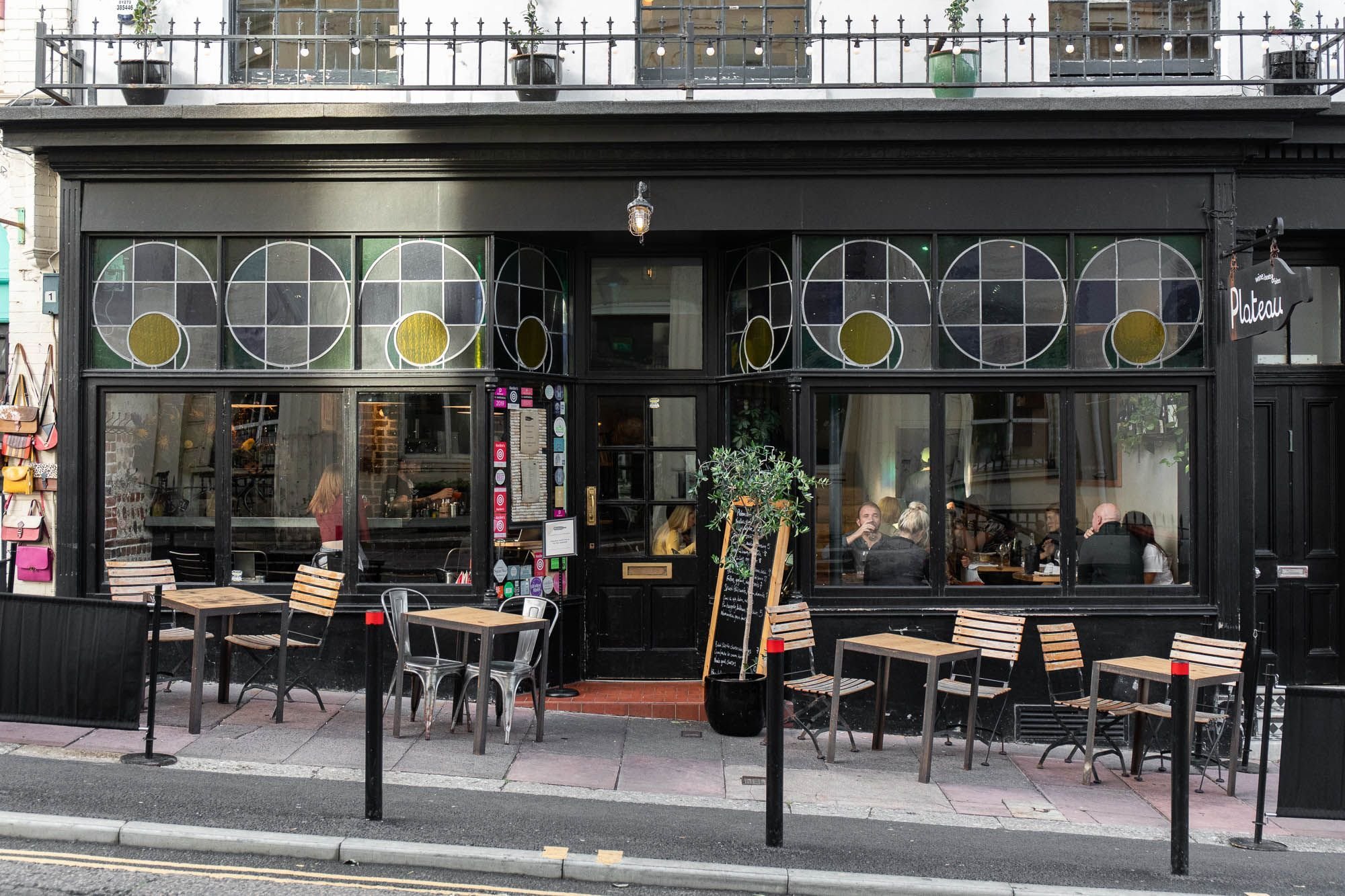
The question of atmosphere is relevant here. Meeting House Lane restaurants sit in a pedestrianised context that generates a certain ambient energy during trading hours: the lane is audible, the buildings are tightly packed, and the relationship between inside and outside is more permeable than in a quieter neighbourhood address. Operators who work with that energy rather than against it tend to fare better. Those who pitch their offering at a level of formality that the street context does not support end up with a mismatch that guests sense before they have ordered anything.
Brighton in the Broader UK Dining Picture
For readers cross-referencing Brighton against the broader map of UK serious dining, the city occupies a specific position: substantial enough to support genuine ambition, compact enough that a small number of operators define the city's reputation at any given moment. The nationally recognised addresses are clustered toward the upper end of the country, Le Manoir aux Quat'Saisons in Oxford, Hand and Flowers in Marlow, Opheem in Birmingham, with Brighton positioned as a coastal destination that attracts serious dining interest without having established itself as a consistent Michelin geography. That could change. The city's demographics, its proximity to London, and the increasing quality of its independent operator base all point toward a dining scene in structural transition.
International reference points reinforce how much geography shapes expectation. A wine-serious independent in New York, whether the technically exacting model of Le Bernardin or the precision-driven cellar approach at Atomix, operates inside a market where sommelier credentials are treated as a front-of-house primary qualification. UK coastal cities have not consistently reached that standard, but the gap is narrowing in the cities where operators are paying attention. Brighton, given its visitor volume and its proximity to London's talent pool, is better positioned than most to close it.
See our full Brighton restaurants guide for a wider map of the city's current independent operators and where they sit relative to one another.
Planning a Visit
Thewitchez Restaurant sits at 3 Meeting House Lane in central Brighton, within easy walking distance of Brighton train station, which receives direct services from London Victoria and London Bridge with journey times typically ranging from 50 to 70 minutes. The North Laine quarter is compact enough to cover on foot. Given the lane's foot traffic patterns, weekday visits generally offer more relaxed conditions than Saturday afternoons, when the pedestrian density along Meeting House Lane is at its highest.
Frequently asked questions
Where exactly is Thewitchez Restaurant?
Thewitchez Restaurant is located at 3 Meeting House Ln, Brighton and Hove, Brighton BN1 1HB, United Kingdom, Brighton.
What kind of atmosphere does Thewitchez Restaurant offer compared to other Brighton Lanes venues?
Thewitchez Restaurant sits at 3 Meeting House Lane, one of the narrower pedestrianised lanes within Brighton's historic Laines district — a setting that historically favours intimate room sizes and a neighbourhood character distinct from seafront or North Laine venues. Brighton's independent restaurant tier in this corridor tends to draw a local repeat-visitor crowd rather than purely tourist trade. For specifics on the room size and format, the venue itself is the most reliable source.
What's the signature dish at Thewitchez Restaurant?
The restaurant operates at 3 Meeting House Lane in central Brighton, a lane associated with independent operators rather than chain formats — visiting directly or checking current social channels will give the most accurate picture of what the kitchen is leading with.
Should I book Thewitchez Restaurant in advance?
Meeting House Lane runs through one of Brighton's highest-footfall corridors, and restaurants in this stretch of the Lanes typically fill quickly on weekends and bank holidays. Booking ahead is the safer approach, particularly for Friday and Saturday evenings.
What's the defining dish or idea at Thewitchez Restaurant?
What the address at 3 Meeting House Lane does signal is a commitment to operating in Brighton's most independent-facing dining corridor, which tends to attract operators with a clear point of view rather than broad-appeal menus.
Is Thewitchez Restaurant allergy-friendly?
No allergy or dietary accommodation data is recorded for Thewitchez Restaurant at this point. UK law requires restaurants to declare the 14 major allergens, so any kitchen operating here is legally obligated to provide that information on request — check the venue's official channels before visiting if allergies are a factor.
Is Thewitchez Restaurant overpriced or worth every penny?
Meeting House Lane in Brighton generally skews toward independent mid-range operators rather than high-end destination dining, which typically places restaurants in the area within a moderate spend bracket — but that should be verified with the venue before visiting.
Comparison Snapshot
Comparable venues nearby, for context on price, style, and recognition.
| Venue | Cuisine | Price | Awards | Notes |
|---|---|---|---|---|
| Thewitchez RestaurantThis venue — the venue you are viewing | Pan-European Eastern European | $20–30 | Not listed | Not listed |
| Yelken Restaurant | Turkish Mediterranean | $20–30 | Not listed | Kemptown |
| Ten Green Bottles | British Wine Bar | $20–30 | Star Wine List | North Laine |
| No No Please | Southeast Asian Fusion Small Plates | $30–50 | The Good Food Guide GFG Good | West Lanes |
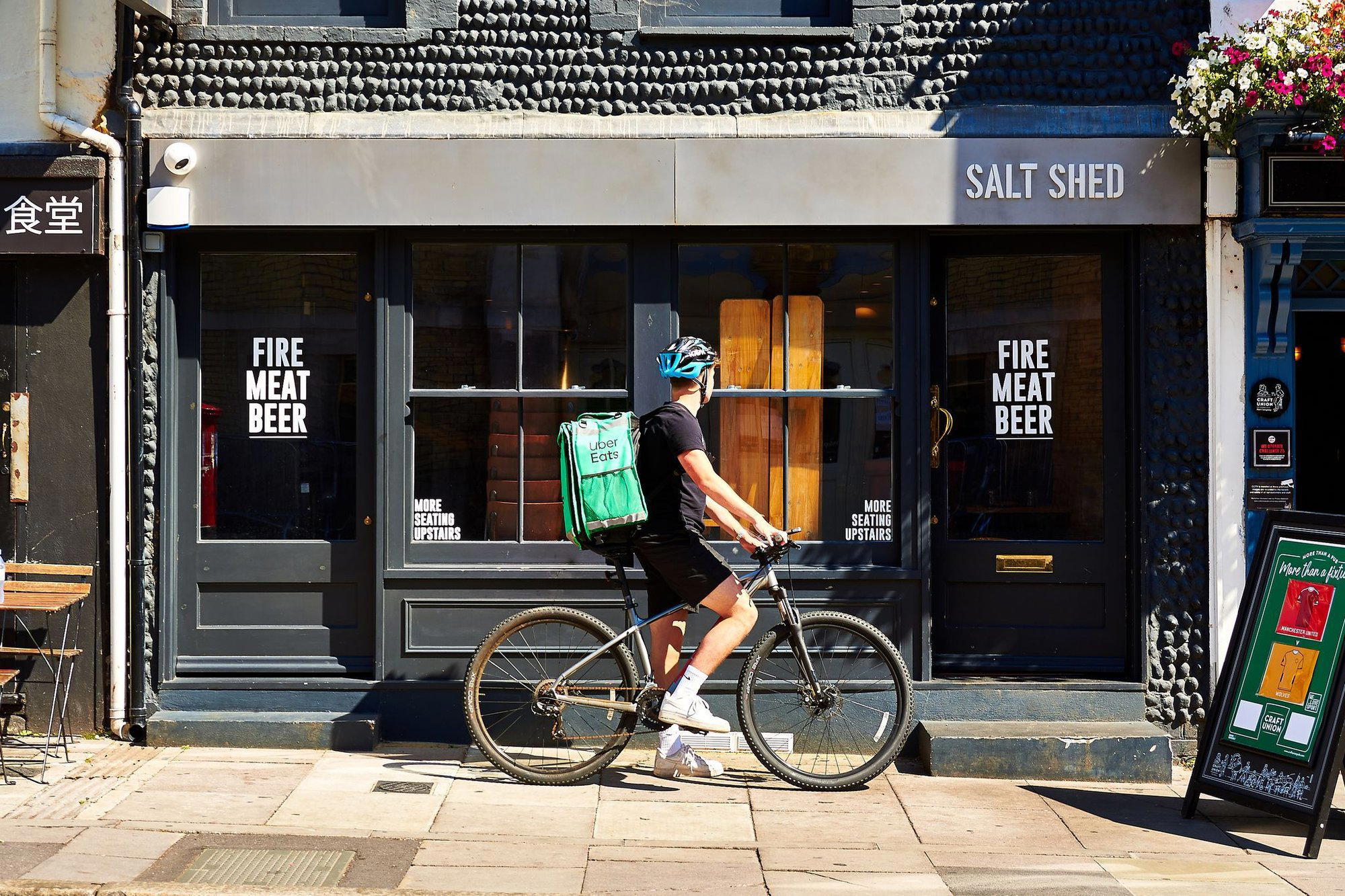
| Salt Shed | Modern British Fired Meats & Gastropub | $20–30 | World Best Burgers World's 101 Best Burgers #20 · World's Best Steaks 25 Best Burgers #20 | West Pier |
| The Chilli Pickle | Modern Regional Indian | $30–50 | The Good Food Guide GFG Good | The Lanes |
Continue exploring
More in Brighton
Restaurants in Brighton
All restaurants in Brighton →
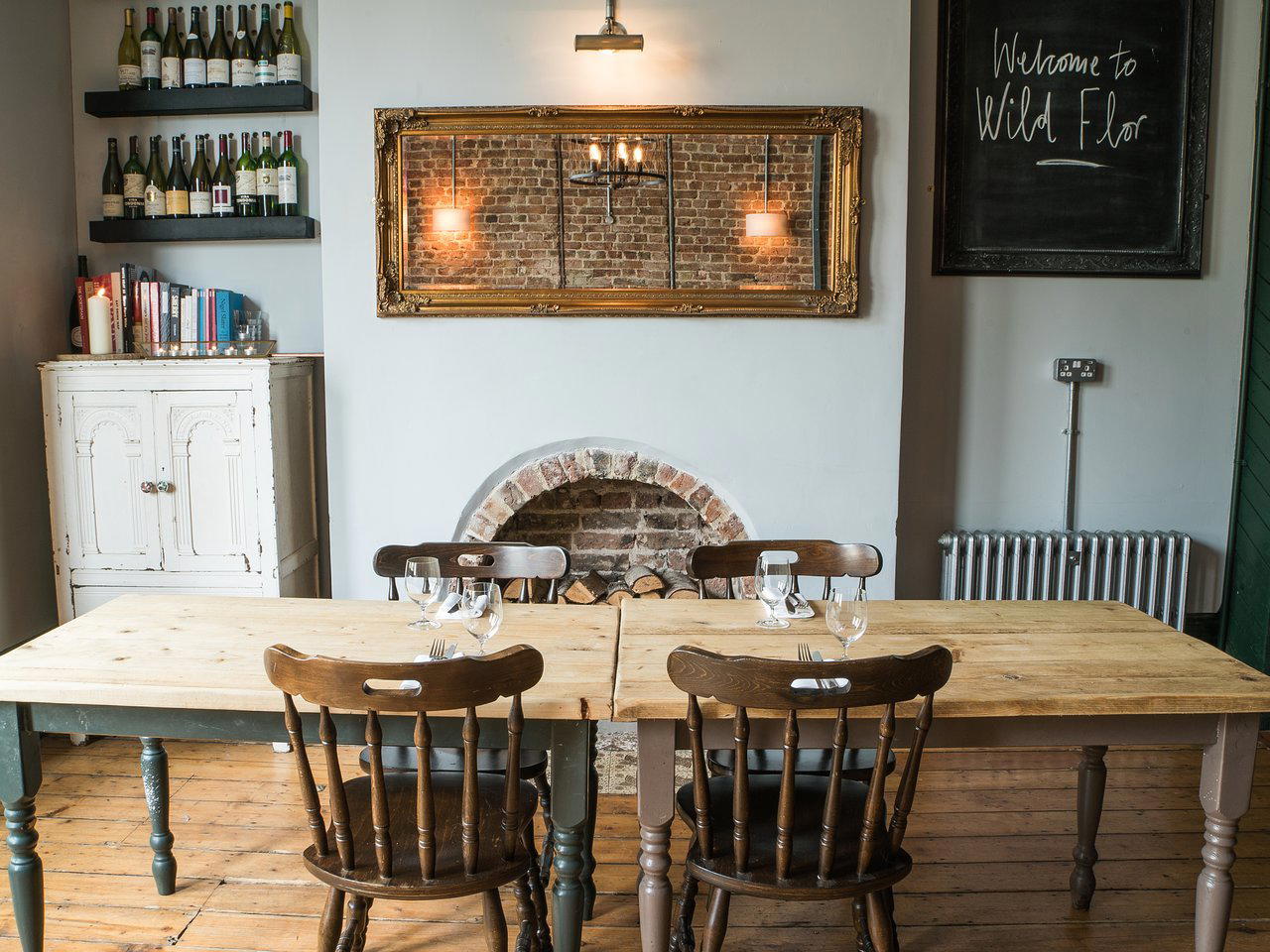
Bars in Brighton
Browse all →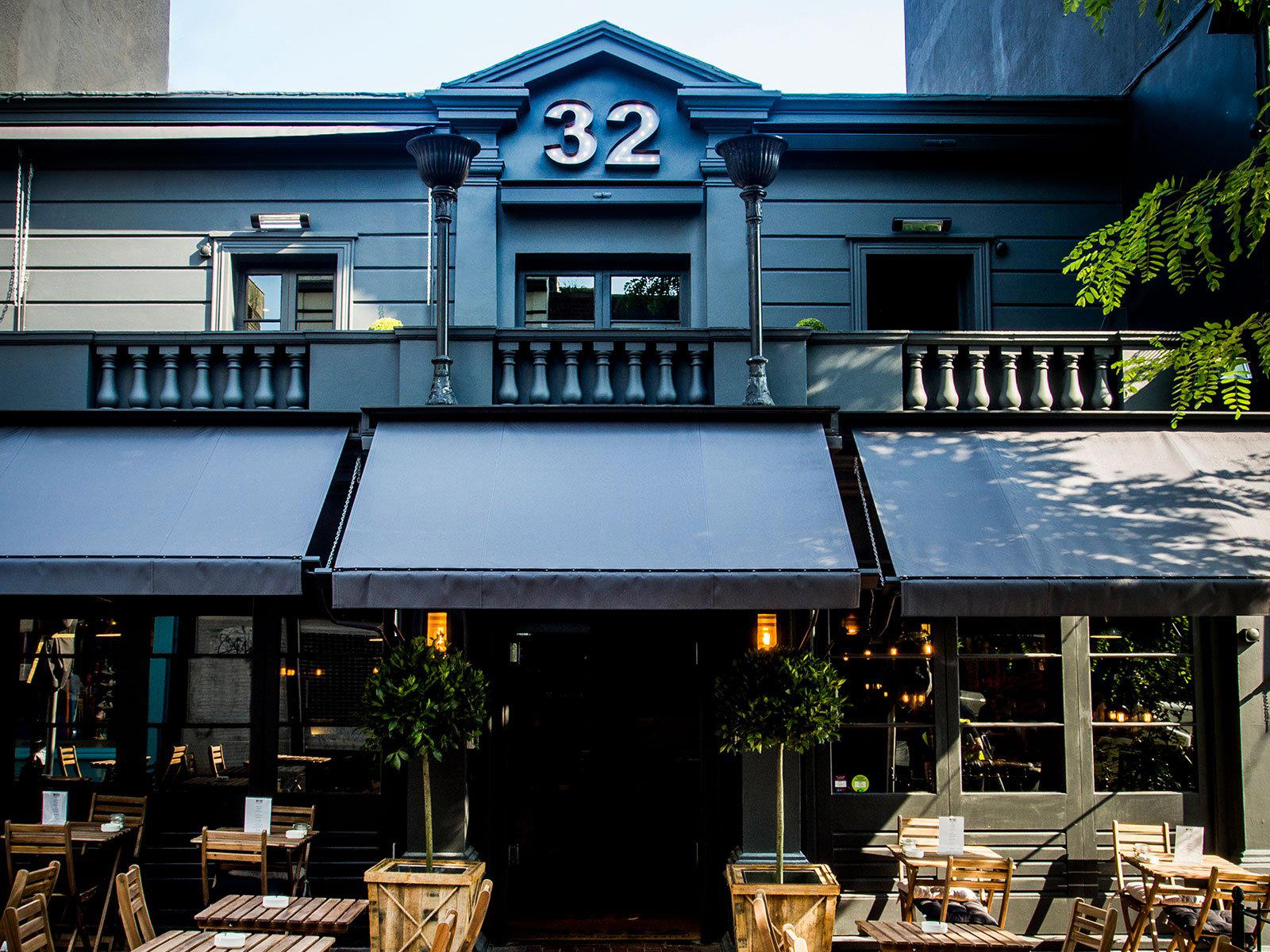
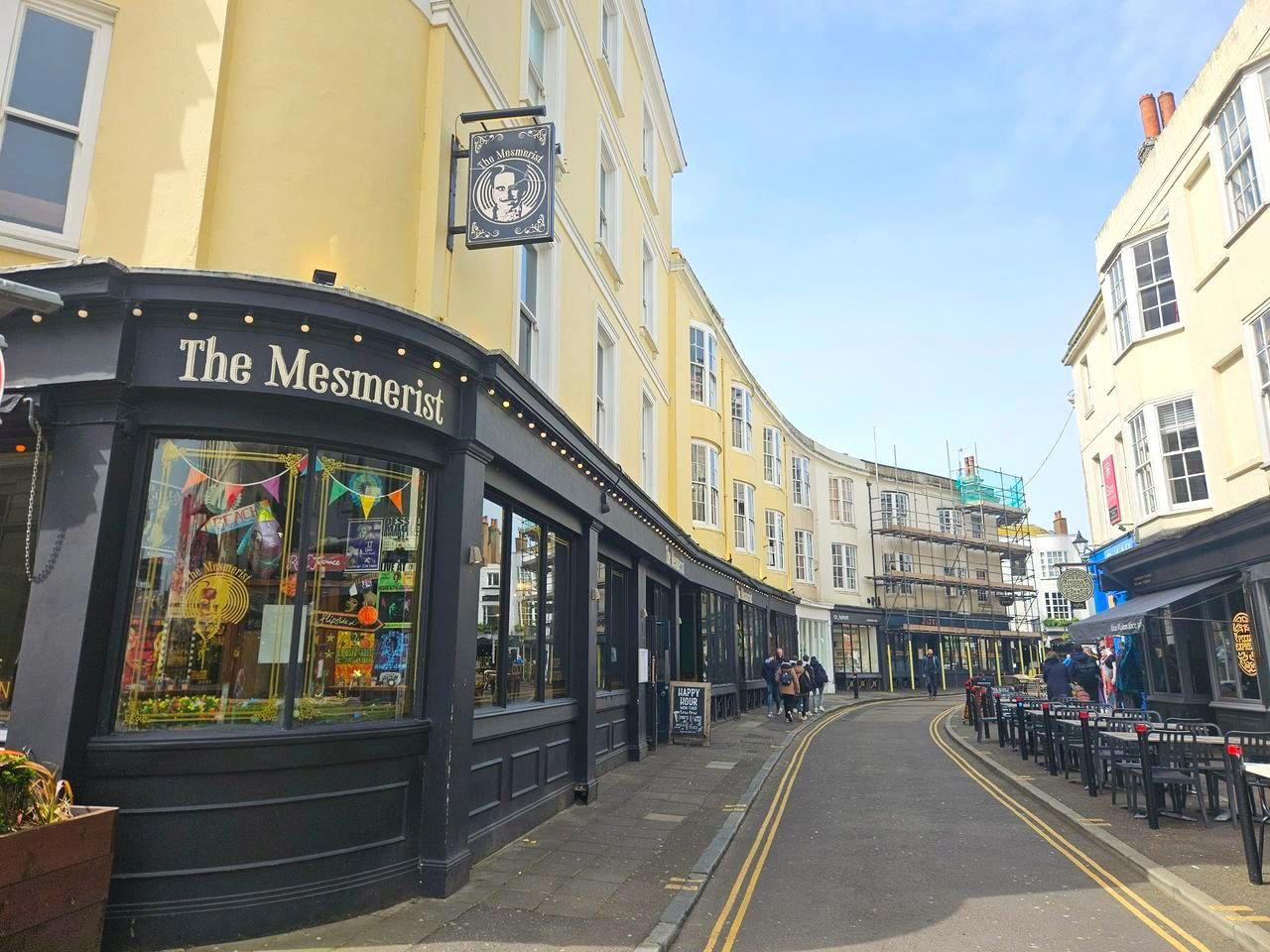

Thewitchez Restaurant
The wine
- Wine program
- Curated wine list
- Craft cocktails
Details
- Cozy
- Intimate
- Whimsical
- Trendy
- Date Night
- Special Occasion
- Design Destination
- Craft Cocktails
- A La Carte
- Vegetarian Friendly
- Vegan Options
- Gluten Free Options
Current opening hours
- Monday
- 4–11 PM
- Tuesday
- 4–11 PM
- Wednesday
- 4–11 PM
- Thursday
- 4–11 PM
- Friday
- 4–11 PM
- Saturday
- 1–11 PM
- Sunday
- 4–11 PM
Hours can change for holidays and private events. Last verified .
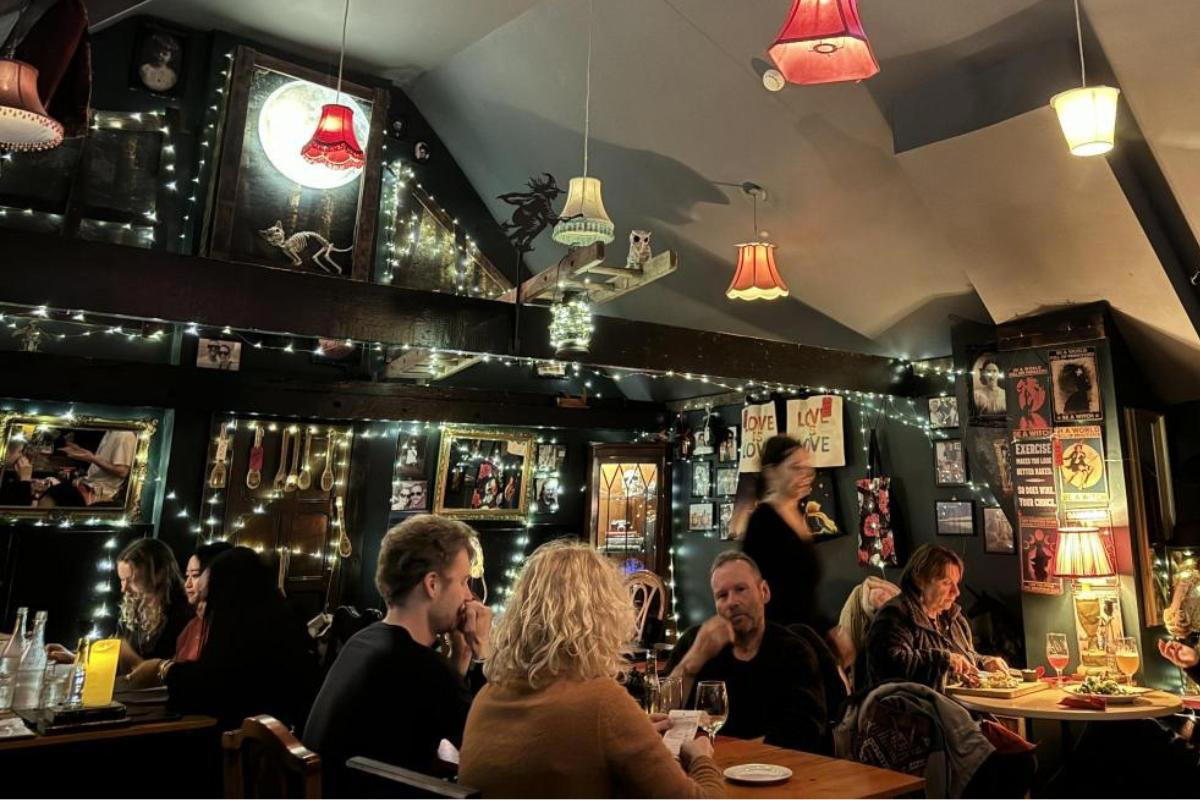
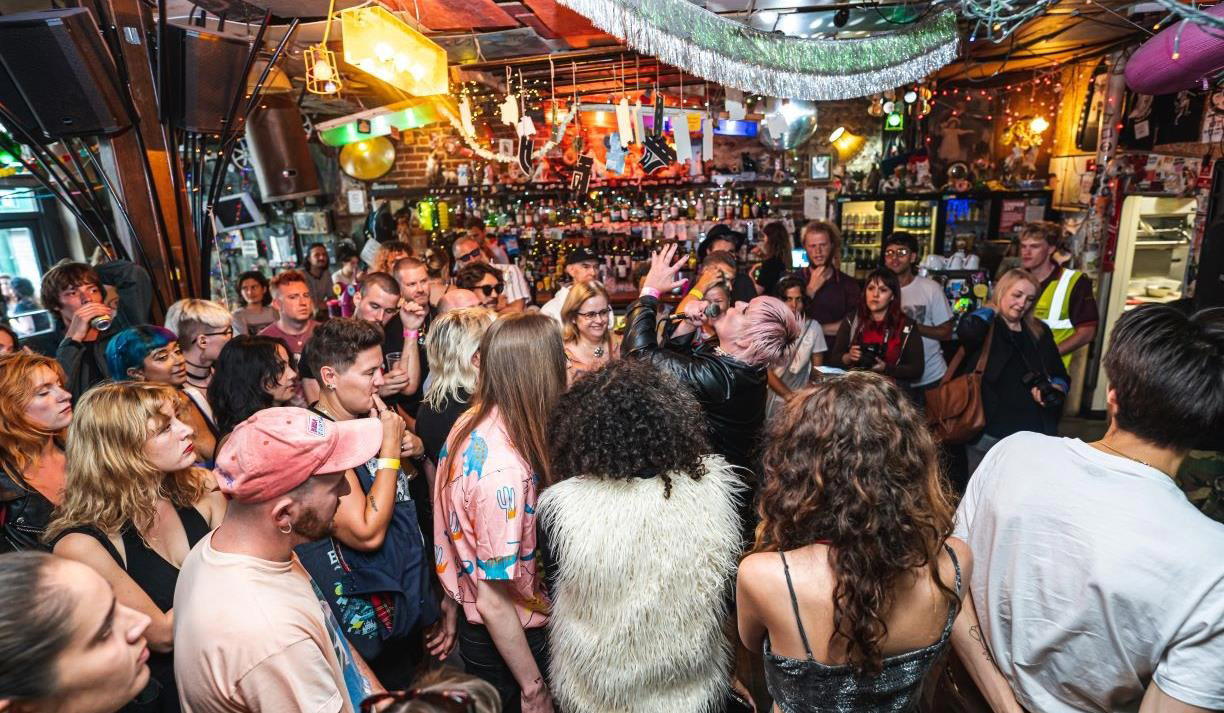
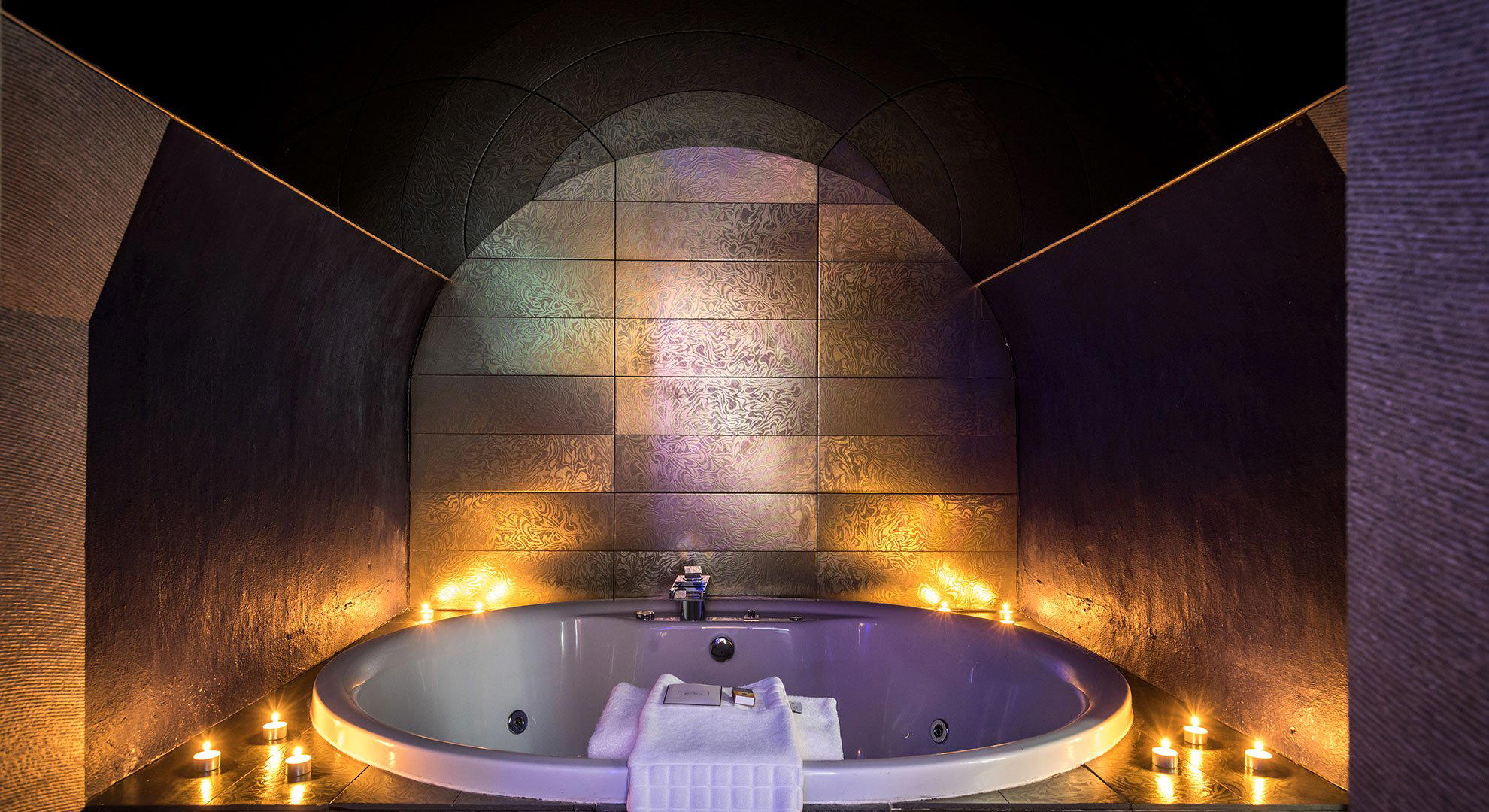
Cozy and intimate with quirky gothic decor, glittering lights, and a mystical witchy vibe creating an enchanting and relaxing adult-only setting.