The Chilli Pickle

The Good Food Guide GFG Good
Our verdict
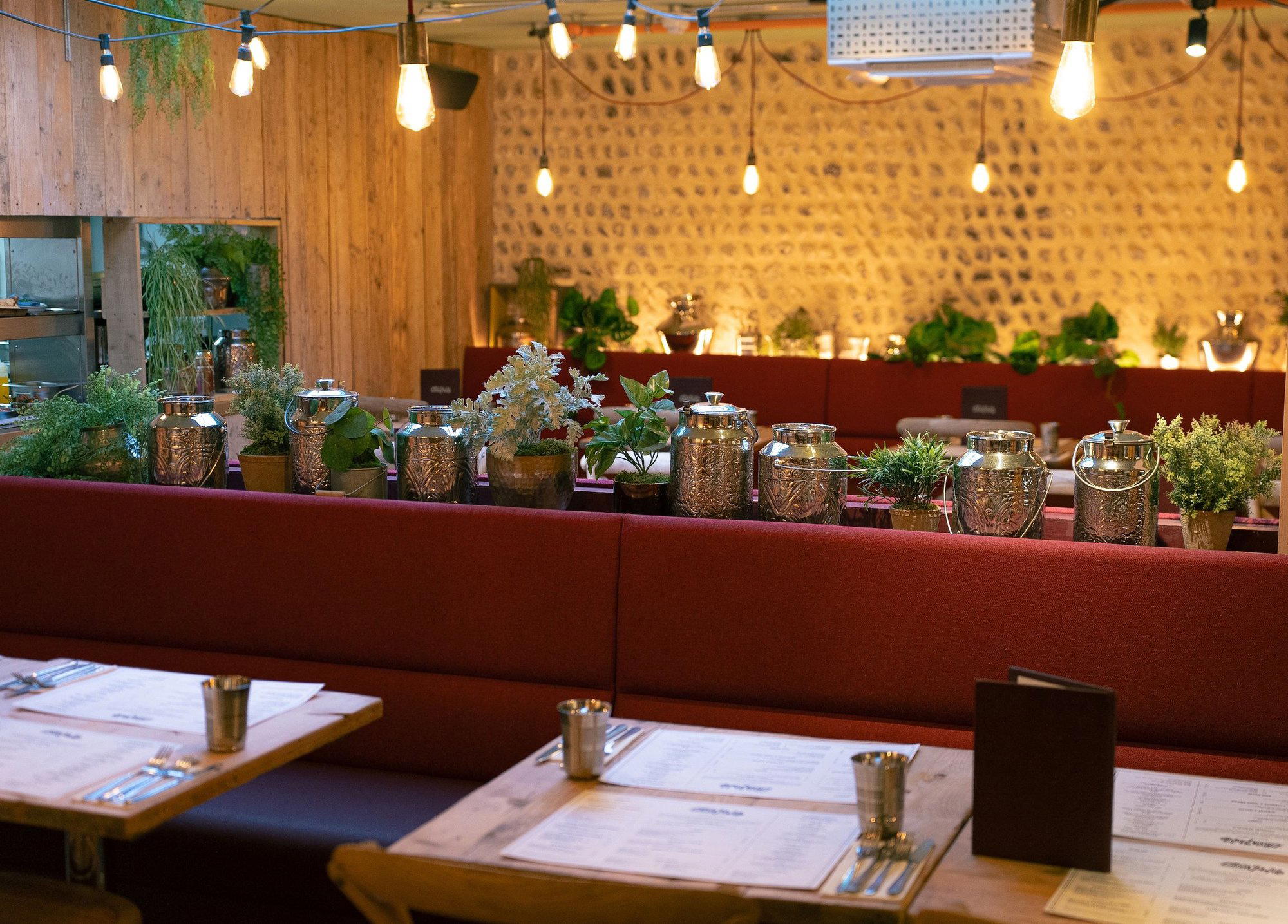
Where Meeting House Lane Gets Loud Opposite Brighton's Jubilee Library, on a lane that funnels foot traffic from the Lanes into the North Lace quarter, The Chilli Pickle occupies a position that suits its personality. The room is colourful and...

Pearl is the En Primeur Club membership app — saves, bookings, and concierge access live there. Same editors, same standards.
- Address
- 6-8 Meeting House Ln, Brighton and Hove, Brighton BN1 1HB, United Kingdom
- Phone
- +44 1273 442893
- Hours
- Mon 12–3 PM, 5:30–9:30 PMTue ClosedWed–Fri 12–3 PM, 5:30–9:30 PMSat 12–9:30 PMSun 12:30–8:30 PM
- Website
- thechillipickle.com
- Directions
- Get directions
- Booking
- Book on the venue's website
The menu
What to order
- Chicken Biryani
- Tandoori Chicken
- Onion Bhaji
- Thali
Where Meeting House Lane Gets Loud
Opposite Brighton's Jubilee Library, on a lane that funnels foot traffic from the Lanes into the North Lace quarter, The Chilli Pickle occupies a position that suits its personality. The room is colourful and it fills fast; on most evenings the noise level climbs well before the second round of drinks arrives, and that energy is less a side effect of success than a signal of it. This is a restaurant that works because people return to it, repeatedly and with purpose, and the cooking has had to develop to keep pace with that loyalty.
The Subcontinent as a Whole, Not a Shorthand
Indian cooking in British cities spent decades being filtered through a narrow set of regional references, and Brighton was no exception. What changed in the better rooms was a willingness to treat the subcontinent as a diverse culinary territory rather than a single cuisine with a handful of dial settings. The Chilli Pickle belongs firmly in that revised tradition. The menu draws from Punjabi, South Indian, Kashmiri, and Mangalorean registers without flattening them into a single generic curry-house idiom. Punjabi samosa chaats sit alongside BBQ Mangalore king prawns inspired by coastal South Indian traditions, and the Kashmiri top end of lamb in the surf-and-turf sizzler references a mountain spice culture entirely distinct from the tandoor-heavy north. For Brighton diners comparing notes across the city's broader scene, the regional specificity here sets a different standard from the approachable vegetarian-forward plates at Food for Friends or the plant-led abundance at Foodilic.
The Regulars' Unwritten Menu
The clearest evidence of a loyal returning clientele is the way they mourn the departure of a dish. Regulars who remember the oxtail Madras talk about it the way wine drinkers talk about discontinued vintages. That kind of attachment is not manufactured by marketing; it accumulates through repeated visits and becomes the texture of a restaurant's reputation. The trade-off the kitchen has made is to keep evolving the menu rather than preserve a fixed canon, which means any given regular is likely to encounter both the familiar and the unexpected in the same meal.
The tandoor and sigri grill are the stable anchors of that experience. The breads, described consistently as fabulous by returning customers, and whole sea bream from the grill give the kitchen a live-fire vocabulary that does not change register depending on the dish. Tandoori spiced monkfish served on the bone and the richly sauced tandoori butter chicken represent the range: one demands attention, the other accommodates a milder palate without apologising for it. Spicing is described as forthright across the menu, which in practice means the kitchen is not calibrating heat downward by default. That is a position, and regulars respect it.
Clay-pot sabsi curry with idli dumpling is among the more composed vegetarian options, and the kitchen's treatment of vegetables across the menu is not a concession to dietary requirements but a strand of the cooking that stands independently. Brighton's restaurant scene has a strong vegetarian tradition, anchored by venues like Food for Friends, and The Chilli Pickle's vegetarian output holds up within that context without pivoting away from the meat and seafood that defines the room's character.
Lunchtime Has a Different Logic
Midday format shifts toward street eats and small plates, which compress the menu's regional range into a faster-paced, lower-commitment structure. Generous thalis sit alongside the smaller plates as a lunchtime anchor, offering a way into the kitchen's breadth without committing to a full evening format. The street eats frame is common across the better Indian restaurants in British cities and works here because the cooking behind it is not simplified: a Punjabi samosa chaat done properly is a layered thing, and the version here draws on the same regional seriousness that runs through the dinner menu.
That lunchtime format also makes The Chilli Pickle accessible to a Brighton visitor who has a day rather than an evening to work with. The Lanes are walkable from the seafront, and a midday meal here sits logically between the city's coastal offerings and an afternoon in the independent retail and bar culture of the surrounding streets. For anyone building a wider picture of the city's food and drink scene, our full Brighton restaurants guide maps the range from the smoke-driven Japanese skewers at Bincho Yakitori to the Mediterranean plates at Med and the modern European approach at No No Please.
Drinks, Dessert, and the Case for Not Skipping Either
The wine list is arranged by style rather than by region or grape, with food-pairing notes embedded. That structure is a practical choice in a restaurant where the cooking spans multiple regional traditions with different spice profiles, and it shifts the selection decision away from varietal knowledge toward flavour compatibility. Cocktails and a range of beers extend the options for a table that does not want to commit to a bottle.
Dessert at The Chilli Pickle is not a formality. The maple gulab jamun is the kind of dish that regulars mention when recommending the restaurant to someone who has not been, which is a more reliable signal than any formal description. Each dish across the menu tends to arrive with its own bespoke accompaniments, including pickles and breads calibrated to the specific preparation, which means the experience of the meal is assembled in detail rather than left to generic side conventions.
Where It Sits in Brighton's Restaurant Culture
Brighton's dining scene does not operate at the tasting-menu register of rooms like The Ledbury in London, L'Enclume in Cartmel, or Moor Hall in Aughton, and The Chilli Pickle does not position itself in that tier. Its competitive set is the group of independent restaurants in British seaside and university cities that combine serious regional cooking with accessible formats and a room that functions as a social venue rather than a dining ceremony. Within that set, the depth of regional reference and the consistency that produces a loyal returning clientele are the credentials that matter.
Alun and Dawn Sperring's restaurant has been in that position long enough to have accumulated the kind of history that produces mourned dishes and devoted regulars. The location on Meeting House Lane, opposite a civic institution and in the middle of one of Brighton's most-walked retail corridors, keeps the room busy without depending on destination-dining occasion traffic. That footfall sustainability, combined with a kitchen willing to keep developing the menu, is what makes the loyalty durable rather than nostalgic.
For visitors building a broader Brighton itinerary, our full Brighton bars guide, hotels guide, wineries guide, and experiences guide cover the wider city. The Chilli Pickle sits at 6-8 Meeting House Lane, Brighton BN1 1HB, and reservations are advisable given the room's consistent occupancy levels.
Frequently asked questions
What is the atmosphere like at The Chilli Pickle?
The room is colourful and occupies Meeting House Lane opposite Brighton's award-winning Jubilee Library, in one of the city's most trafficked pedestrian corridors. When the place fills — which the kitchen's own following ensures happens consistently — the noise level rises considerably. It is a room built for groups and sharing plates, not quiet conversation.
What's The Chilli Pickle known for in terms of accolades?
The Chilli Pickle has received recognition including: 'Punjabi beef keema and marrow bone curry, tandoori spiced monkish served on the bone... hell yeah,' exclaimed one fan. The Chilli Pickle's menu is a tantalising proposition and one that has continued to develop over the years; any regulars….
What's the signature dish at The Chilli Pickle?
No single dish functions as a fixed calling card, partly because the menu draws from multiple regional traditions across the Subcontinent and continues to evolve. The tandoor and sigri grill anchor the kitchen: whole fish, breads, and the surf 'n' turf sizzler combining prawns and Kashmiri best end of lamb are among the more frequently cited plates. Regulars have historically mourned individual departures — the oxtail Madras being one documented example — which points to a menu with genuine depth rather than a single showpiece.
Where exactly is The Chilli Pickle?
The Chilli Pickle is located at 6-8 Meeting House Ln, Brighton and Hove, Brighton BN1 1HB, United Kingdom, Brighton.
The Minimal Set
Comparable venues nearby, for context on price, style, and recognition.
| Venue | Cuisine | Price | Awards | Notes |
|---|---|---|---|---|
| The Chilli PickleThis venue — the venue you are viewing | Modern Regional Indian | $30–50 | The Good Food Guide GFG Good | Not listed |
| Plateau | Modern European Small Plates | $30–50 | The Good Food Guide GFG Good | The Lanes, Modern European Small Plates |
| Planet India | Authentic Gujarati Vegetarian | $10–20 | We're Smart World 1 Radish | Richmond Parade, Authentic Gujarati Vegetarian |
| Baqueano | Authentic Argentinian Steakhouse | $30–50 | Not listed | Western Road, Authentic Argentinian Steakhouse |
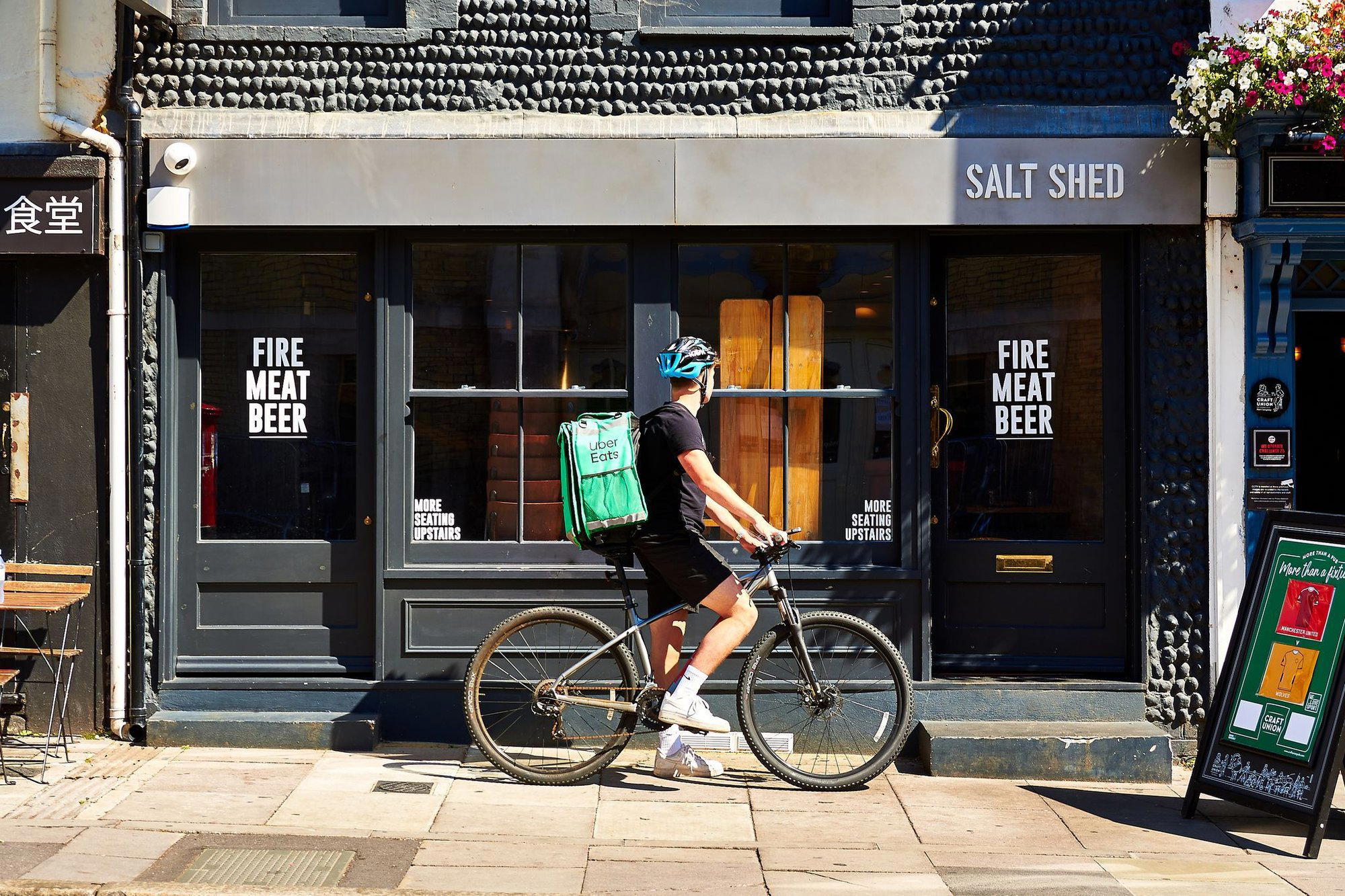
| Salt Shed | Modern British Fired Meats & Gastropub | $20–30 | World Best Burgers World's 101 Best Burgers #20 · World's Best Steaks 25 Best Burgers #20 | West Pier, Modern British Fired Meats & Gastropub |
| Yelken Restaurant | Turkish Mediterranean | $20–30 | Not listed | Kemptown, Turkish Mediterranean |
Recognition history
Dated appearances from independent guides and award organizations, with the underlying list record or original source where available.
The Good Food Guide GFG Good
The Good Food Guide
Continue exploring
More in Brighton
Restaurants in Brighton
Browse all →
Bars in Brighton
Browse all →
Hotels in Brighton
Browse all →

The Chilli Pickle
The wine
- Wine program
- Curated wine list
- Extensive wine list
- Craft cocktails
Details
- Lively
- Trendy
- Group Dining
- Casual Hangout
- Business Dinner
- Open Kitchen
- Extensive Wine List
- Craft Cocktails
- Local Sourcing
- Small Plates
- A La Carte
- Wine
- Cocktails
- Vegetarian Friendly
- Vegan Options
Current opening hours
- Monday
- 12–3 PM, 5:30–9:30 PM
- Tuesday
- Closed
- Wednesday
- 12–3 PM, 5:30–9:30 PM
- Thursday
- 12–3 PM, 5:30–9:30 PM
- Friday
- 12–3 PM, 5:30–9:30 PM
- Saturday
- 12–9:30 PM
- Sunday
- 12:30–8:30 PM
Hours can change for holidays and private events. Last verified .
Bustling and lively with colorful decor and authentic trinkets, creating a lively atmosphere especially during peak times.