The Tiny Diner
The Tiny Diner sits on East 38th Street in Minneapolis's Powderhorn neighborhood, operating at the intersection of diner tradition and community-rooted cooking. The format is casual and counter-forward, drawing a cross-section of south Minneapolis regulars. It occupies a niche in the city's dining scene where accessibility and neighborhood identity carry more weight than fine-dining credentials.
Pearl is the En Primeur Club membership app — saves, bookings, and concierge access live there. Same editors, same standards.
- Address
- 1024 E 38th St, Minneapolis, MN 55407
- Phone
- +1 612 767 3322
- Website
- tinydiner.com
- Directions
- Get directions
 Saves & bookings on Pearl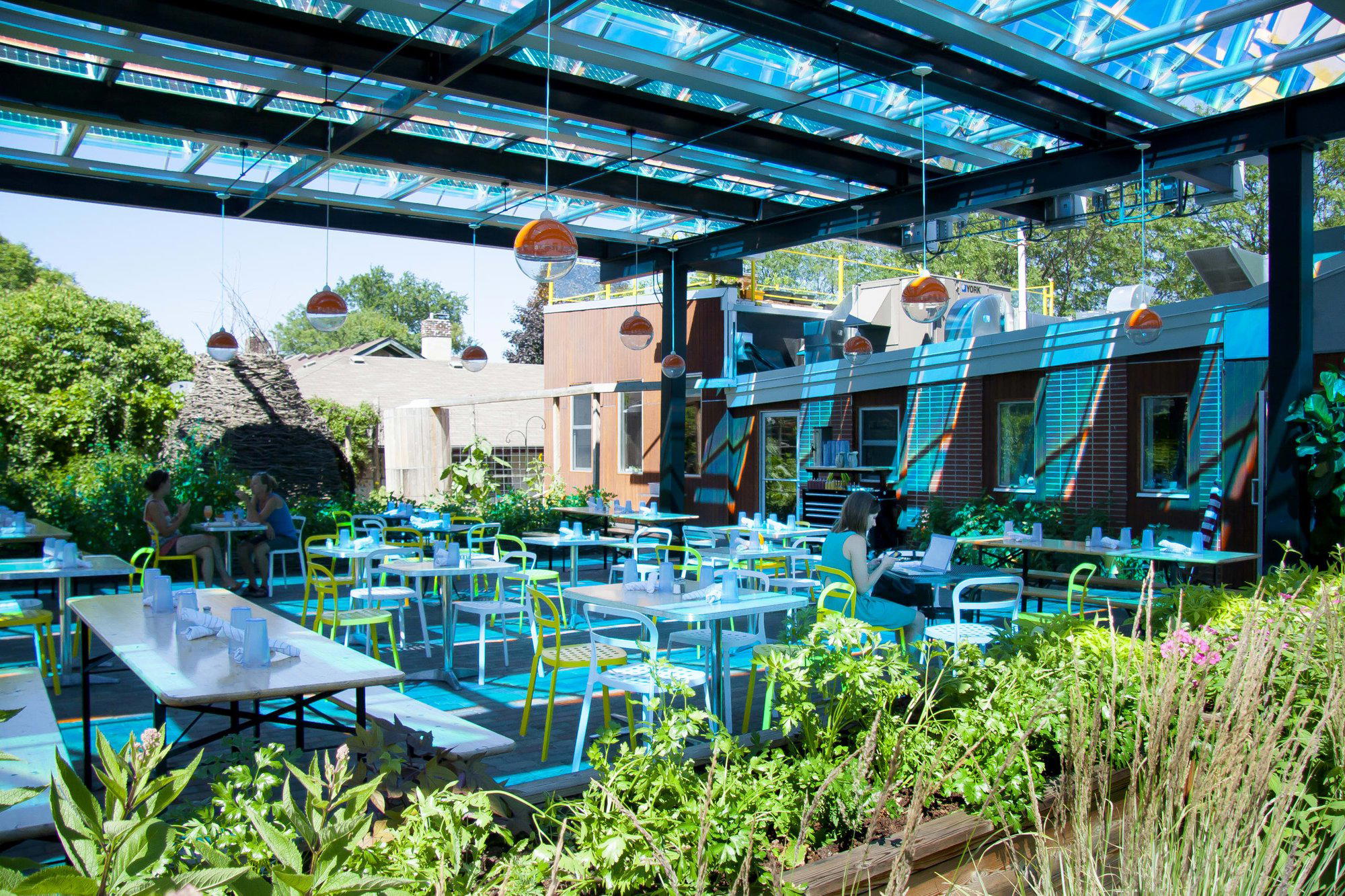
South Minneapolis and the Diner as Cultural Form
The Tiny Diner is a Sustainable American Diner in Minneapolis, with an estimated price tier of $20 per person. From the chrome-and-vinyl originals of the Northeast to the greasy spoons that anchor working-class neighborhoods across the Midwest, the diner persists because it performs a social function that no tasting menu or cocktail bar can replicate: it is the room where everyone fits. Minneapolis, a city whose dining identity has grown considerably more sophisticated over the past decade, still holds that tradition in its residential corridors, particularly on the south side, where the neighborhood restaurant operates less as a destination and more as a fixture.
The Tiny Diner, at 1024 E 38th Street in Powderhorn, sits inside that tradition. The address places it in one of Minneapolis's most ethnically and economically mixed neighborhoods, a few miles south of downtown and well outside the restaurant clusters that draw visitors to the North Loop or Eat Street. Restaurants in Powderhorn serve the people who live in Powderhorn.
The Diner Format in a City That Has Moved Upmarket
Minneapolis's dining scene has changed substantially since the mid-2010s. The city now hosts nationally recognized restaurants, Owamni, working with Indigenous foodways and ingredients, and other places that put Minneapolis on the map in ways few had predicted. Spoon & Stable brought polished New American cooking to the North Loop. Hai Hai, a James Beard-nominated restaurant, extended the conversation toward Southeast Asian-inflected cooking. And further afield in the region, venues like 4801 S Minnehaha Dr have pushed into more format-experimental territory.
Against that backdrop, the diner occupies a deliberately different register. Where the city's more celebrated addresses compete for attention alongside places like Smyth in Chicago or Le Bernardin in New York City, restaurants where the ambition is to be measured on a national or international scale, a neighborhood diner like The Tiny Diner opts out of that competition entirely. The comparable set is local. The measure of success is whether regulars return, not whether a critic makes the trip.
That is not a lesser ambition. In cities with strong diner cultures, the format's staying power rests on consistency, accessibility, and a physical space that signals welcome rather than exclusivity. The breakfast and brunch format, which the diner tradition has long anchored, also carries a specific cultural weight in the Upper Midwest, where weekend morning meals function as a genuine community ritual. On any given weekend morning in Minneapolis, the wait at the city's more popular breakfast spots rivals the booking difficulty of destinations that charge multiples of the price.
Powderhorn and the Neighborhood Restaurant Logic
Powderhorn Park is one of Minneapolis's older residential neighborhoods, built in the early twentieth century around the park it shares its name with. The commercial strips running through it, including E 38th Street, have historically mixed independent businesses, community organizations, and small restaurants that serve the immediate area rather than drawing from across the city. The dining culture here is shaped less by trend cycles and more by what the neighborhood actually wants on a Tuesday morning or a Sunday afternoon.
That logic produces a different kind of restaurant than what emerges from chef-driven destination dining. Venues in this mold, and the restaurant fits the pattern, tend to prioritize approachability over ambition, community over curation. The format signals that through physical scale, pricing register, and the kind of crowd it attracts. It is a counterpoint to the direction Minneapolis's dining scene has taken at its more celebrated addresses, and it is not incidentally a counterpoint: it is a deliberate positioning inside the neighborhood it serves.
For visitors constructing a Minneapolis itinerary around restaurant dining, this matters. The city's most discussed restaurants tend to cluster in the North Loop, Uptown, and along Nicollet Mall. South Minneapolis's contribution to the city's food identity operates on a different frequency, one that rewards exploration beyond those corridors. The comparison is less to The French Laundry in Napa or Blue Hill at Stone Barns in Tarrytown and more to the kind of place that locals return to because it is theirs.
The Diner in American Food Culture: A Wider Frame
The cultural weight of the American diner runs deeper than nostalgia. The format democratized restaurant dining at a moment when eating out was becoming standardized along class lines, and it retained that democratic character as the restaurant industry stratified around it. In cities where fine dining has pushed toward formats like the omakase counter, the chef's table, or the farm-to-table tasting menu, think Single Thread Farm in Healdsburg, Addison in San Diego, or Providence in Los Angeles, the diner has remained stubbornly itself.
That resistance to reinvention is a feature, not a limitation. The diner's value proposition rests on predictability, affordability, and the social ease of a space where no one needs to understand the format to feel comfortable. Contrast this with more conceptually demanding formats: the multi-course progression at Atomix in New York City, the seasonal farm framework at Lazy Bear in San Francisco, or the Alpine terroir focus at Atelier Moessmer Norbert Niederkofler in Brunico. These are restaurants that ask something of their guests. The diner asks nothing except that you sit down.
Planning a Visit
The restaurant is located at 1024 E 38th Street in Minneapolis's Powderhorn neighborhood, a residential address that sits south of the main dining clusters most visitors prioritize. Direct booking information, current hours, and menu details are best confirmed through the restaurant directly before visiting, as operational details are not centrally listed. The format and neighborhood positioning suggest a walk-in-friendly operation rather than a reservation-required model, which is consistent with how diner-format restaurants typically operate in Midwestern cities. Visitors arriving from the North Loop or downtown should plan for a fifteen-to-twenty-minute drive depending on traffic.
Comparable Options
Comparable venues nearby, for context on price, style, and recognition.
| Venue | Cuisine | Price | Notes |
|---|---|---|---|
| The Tiny DinerThis venue — the venue you are viewing | Sustainable American Diner | $$ | Not listed |
| Modern Times | Eclectic American Cafe | $$ | Central |
| Clancey's Meats • Deli • Market | American Deli Sandwiches | $$ | King Field |
| The Monte Carlo | Classic American Gastropub | $$ | North Loop |
| Ted Cooks 19th Hole BBQ | Pit-Smoked BBQ | $$ | Standish |
Continue exploring
More in Minneapolis
Restaurants in Minneapolis
Browse all →
Bars in Minneapolis
Browse all →



At a Glance
- Cozy
- Rustic
- Trendy
- Brunch
- Casual Hangout
- Family
- Garden
- Open Kitchen
- Farm To Table
- Local Sourcing
- Garden
Retro-mod with a focus on natural light from the garden patio, relaxed and eco-friendly atmosphere.