The Taste of Brazil
Our verdict
On Bustleton Avenue in Northeast Philadelphia, The Taste of Brazil occupies a stretch of the city where South American cooking has been quietly building a following for years. The restaurant addresses a gap in Philadelphia's dining map: serious Brazilian food in a neighborhood rarely covered by the city's food press. For those tracking how immigrant-driven cuisines evolve in mid-sized American cities, it merits attention.

Pearl is the En Primeur Club membership app — saves, bookings, and concierge access live there. Same editors, same standards.
The menu
What to order
- Picanha
- Rib eye
- Linguica sausage
- Grilled pineapple
Northeast Philadelphia and the Brazilian Table
Bustleton Avenue runs through a part of Philadelphia that most dining guides skip. The Northeast corridor has long functioned as a landing zone for successive immigrant communities, and its restaurant rows tend to reflect population shifts before the broader food press catches up. Brazilian cooking arrived here the same way it has in comparable neighborhoods in Newark, Somerville, and the outer boroughs of New York: quietly, serving a community first, with crossover appeal coming later if at all. The Taste of Brazil, at 6222 Bustleton Ave, sits inside that pattern.
Philadelphia's restaurant conversation concentrates heavily on Center City and a handful of adjacent neighborhoods. Venues like Fork (New American), Friday Saturday Sunday (New American), Kalaya, and Mawn (Cambodian, Pan-Asian) draw the editorial attention and the reservation traffic. That concentration means genuinely good cooking in the outer neighborhoods operates without the same visibility infrastructure. It does not mean the cooking is lesser.
How Brazilian Cooking Travels
Brazilian cuisine is one of the more poorly understood South American food traditions in the United States, often reduced to churrascaria formats — the revolving skewer, the tableside carving, the fixed-price meat parade. That model has commercial logic, but it flattens a food culture that encompasses feijoada (the slow-cooked black bean and pork stew that functions as Brazil's most debated national dish), moqueca (a coconut-milk seafood braise with deep Afro-Brazilian roots), pão de queijo (the chewy tapioca-flour cheese bread served at nearly every table), and a wide range of regional rice and bean preparations that vary significantly from São Paulo to Bahia to Minas Gerais.
In cities with established Brazilian communities, the neighborhood restaurant format — as opposed to the theatrical churrascaria, is where this regional complexity tends to survive. The economics are different: smaller rooms, lower price points, menus that shift with what the kitchen wants to cook rather than what a concept demands. For comparison, consider how Thai cooking in the United States split between the pad thai-and-curry shorthand of mainstream restaurants and the more regionally specific cooking that emerged in neighborhoods with actual Thai populations. Brazilian food in American cities is at an earlier stage of that same bifurcation.
The Evolution Question
The editorial angle that matters most for a restaurant like The Taste of Brazil is not where it started but where it is now. Neighborhood Brazilian restaurants in American cities have followed a recognizable arc over the past two decades: an initial phase of serving a diaspora community with little pressure to explain or translate the food, followed, in many cases, by a gradual adjustment as the neighborhood demographic shifts and the customer base diversifies. Some restaurants hold their original format. Others pivot toward accessibility, softening spice levels, adding familiar anchors to the menu, or shifting the room toward a look that reads more broadly.
What Bustleton Avenue's demographic history suggests is that the restaurant has operated in a neighborhood undergoing its own slow transitions, which tends to apply pressure on any community-serving restaurant to make choices about identity and audience. The restaurants that navigate that pressure most successfully tend to be those that hold their culinary specificity while becoming more legible to a wider room, not by diluting what they cook, but by contextualizing it better.
For broader context on what that kind of evolution looks like at the highest tiers of American dining, the gap between a neighborhood specialist and a destination restaurant is instructive. Venues like Le Bernardin in New York City, The French Laundry in Napa, Alinea in Chicago, and Blue Hill at Stone Barns in Tarrytown each built destination status through a long, deliberate process of compounding credibility. The neighborhood Brazilian restaurant operates at a different scale and with different goals, but the underlying question is the same: what does the restaurant stand for, and does the room reflect that?
Philadelphia's Wider Dining Context
Philadelphia has developed a genuinely diverse restaurant scene over the past decade, with particular strength in cuisines that reflect its immigrant communities. My Loup (French-Inspired) represents one end of the city's ambition range; the neighborhood specialists on corridors like Bustleton Avenue represent another. Both matter to the city's actual dining identity, even if only one tends to appear in national coverage.
For readers exploring the full range of what Philadelphia offers, our full Philadelphia restaurants guide maps the city's dining by neighborhood and cuisine type. The Northeast corridor appears there with appropriate context alongside Center City and South Philadelphia.
The comparison tier for a restaurant like The Taste of Brazil is not venues like Lazy Bear in San Francisco, Providence in Los Angeles, Atomix in New York City, or Addison in San Diego, those represent the formal tasting-menu tier operating with significant investment in front-of-house, PR, and sourcing infrastructure. Nor does it map cleanly onto Single Thread Farm in Healdsburg, Emeril's in New Orleans, The Inn at Little Washington in Washington, or 8 1/2 Otto e Mezzo Bombana in Hong Kong.
Planning Your Visit
The address is 6222 Bustleton Ave, Philadelphia, PA 19149, in the Northeast Philadelphia neighborhood. Before visiting, verify current hours directly, as neighborhood restaurants at this tier frequently adjust schedules seasonally or with little advance notice.
| Venue | Cuisine | Neighborhood | Booking Format |
|---|---|---|---|
| The Taste of Brazil | Brazilian | Northeast Philadelphia (Bustleton Ave) | Confirm directly |
| Fork | New American | Old City | Online / phone |
| Friday Saturday Sunday | New American | Rittenhouse | Online |
| Kalaya | Thai | Fishtown | Online |
Frequently asked questions
Where is The Taste of Brazil located?
The Taste of Brazil is located at 6222 Bustleton Ave, Philadelphia, PA 19149, Philadelphia.
Is The Taste of Brazil a good option for people unfamiliar with Brazilian food in Philadelphia?
A neighborhood Brazilian restaurant on Bustleton Ave in Northeast Philadelphia is one of the more practical settings to encounter Brazilian cooking outside a churrascaria format, because the menu reflects what people from Brazilian communities actually eat rather than what was adapted for American steakhouse audiences. Philadelphia's Northeast corridor has a South American dining presence that is smaller and less covered than the city's Southeast Asian or Mediterranean dining clusters, which means restaurants like The Taste of Brazil function as primary references for the cuisine in this part of the city.
What do regulars order at The Taste of Brazil?
At neighborhood Brazilian restaurants like The Taste of Brazil on Bustleton Ave, the anchor orders tend to be slow-cooked dishes that require real technique — feijoada being the clearest example, a black bean and pork stew that takes hours of proper attention. Rice, farofa, and braised meats round out the kind of plates that keep regulars returning on weekends rather than weekdays. These are dishes that reward patience in the kitchen and punish shortcuts, which is what distinguishes a serious neighborhood Brazilian table from a casual approximation.
What's the best way to book The Taste of Brazil?
Arriving early — particularly for weekend lunch, when Brazilian home-style cooking draws the strongest local turnout — is the most reliable strategy. Center City Philadelphia venues like Fork operate confirmed reservation platforms, but the Northeast corridor typically runs on a walk-in basis.
What has The Taste of Brazil built its reputation on?
The Taste of Brazil sits on Bustleton Avenue in Philadelphia's Northeast corridor, a stretch that has historically absorbed South American immigrant communities and their food traditions. That geographic position matters: restaurants in this part of the city tend to build credibility through consistency with a local residential audience rather than through awards or press coverage, which means the kitchen answers to diners who grew up eating this food rather than to critics passing through. In Philadelphia's broader dining context, that kind of community accountability is its own form of credential.
Credentials Lens
Comparable venues nearby, for context on price, style, and recognition.
| Venue | Cuisine | Price | Notes |
|---|---|---|---|
| The Taste of BrazilThis venue — the venue you are viewing | Brazilian Rodízio Steakhouse | $20–30 | Not listed |
| Picanha Brazilian Grill | Brazilian Rodizio Steakhouse | $30–50 | Castor Gardens |
| The Foodery | Craft Beer & Deli Sandwiches | $20–30 | Northern Liberties |
| BlackHen | Southern Fried Chicken | $20–30 | Old City |
| Tattooed Mom | Vegan-Friendly American Bar Food | $20–30 | South Street |
| DBG Philly | Gourmet American Burgers | $30–50 | Washington Square West |
Continue exploring
More in Philadelphia
Restaurants in Philadelphia
All restaurants in Philadelphia →

Details
- Rustic
- Cozy
- Family
- Group Dining
- Casual Hangout
- Open Kitchen
- Family Style
- Buffet
Current opening hours
- Monday
- 11 AM–10 PM
- Tuesday
- 11 AM–10 PM
- Wednesday
- 11 AM–10 PM
- Thursday
- 11 AM–10 PM
- Friday
- 11 AM–10 PM
- Saturday
- 11 AM–10 PM
- Sunday
- 11 AM–10 PM
Hours can change for holidays and private events. Last verified .
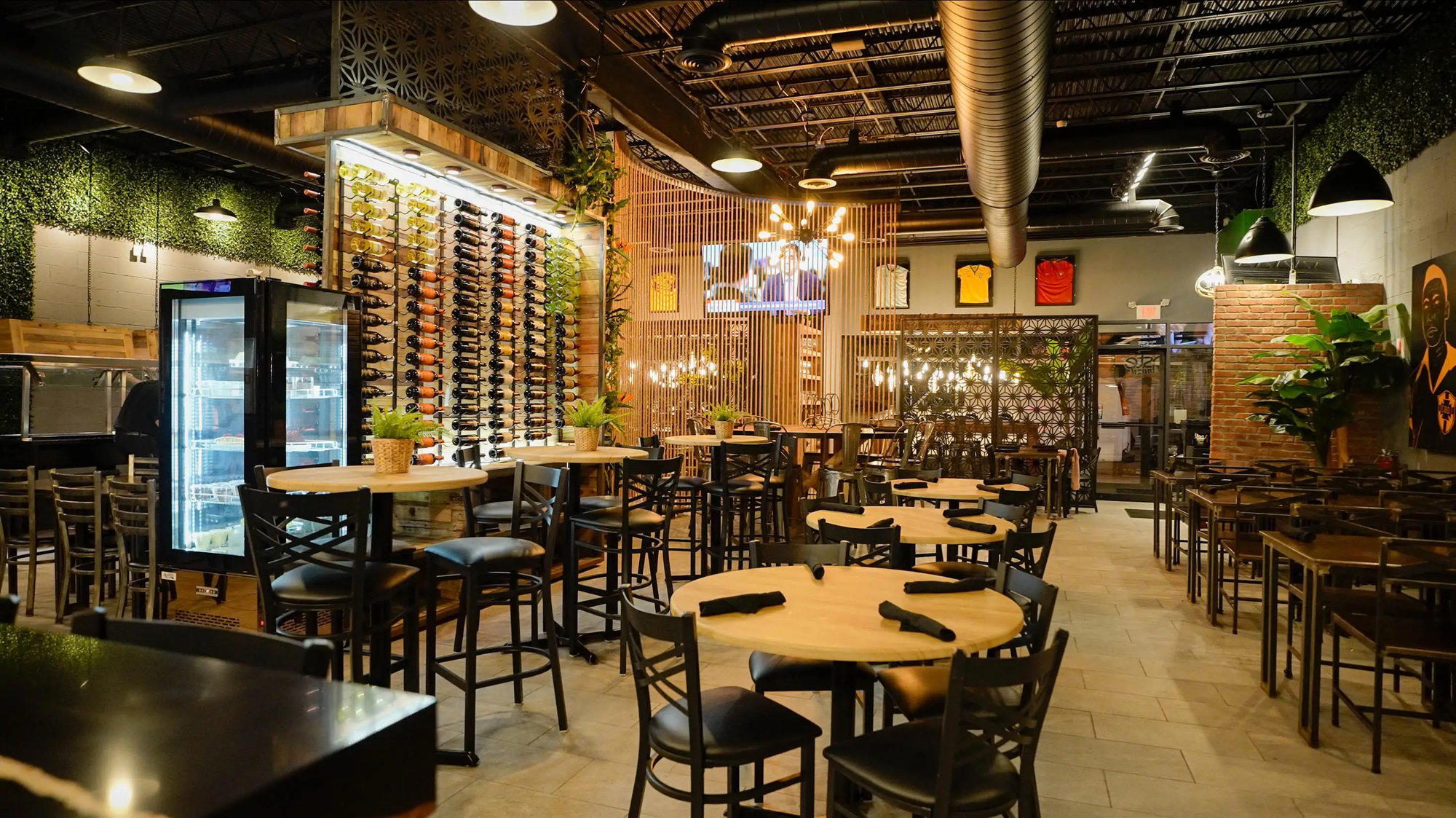
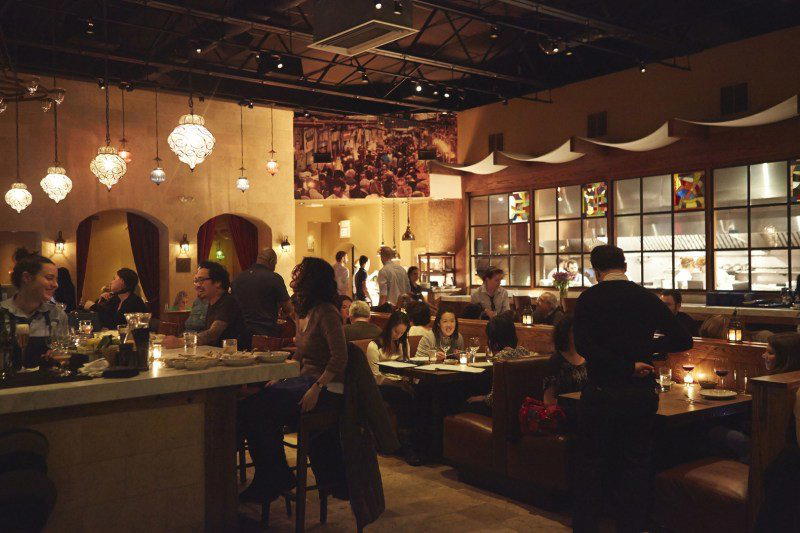
Spartan strip-mall setting with clean, welcoming atmosphere focused on hearty family-style dining.