Yowie Hotel

Michelin Selected
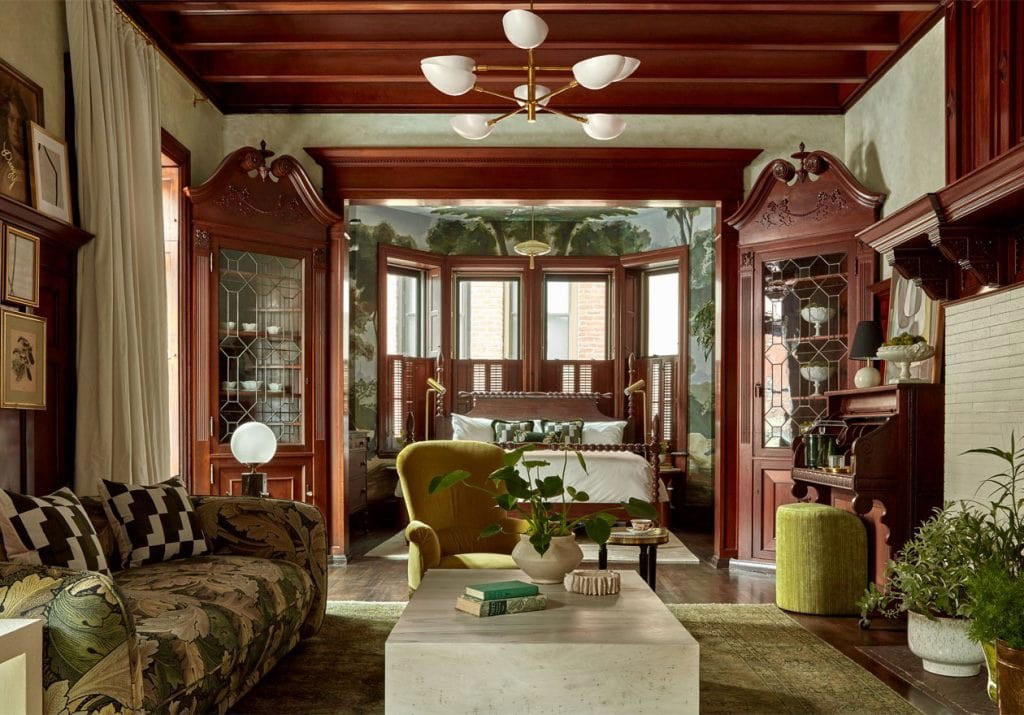
A Michelin Selected boutique hotel on South Street, Yowie occupies a restored 19th-century rowhouse in one of Philadelphia's most historically layered neighbourhoods. The property sits in the independent, design-led tier of the city's accommodation market, where building character and neighbourhood proximity carry more weight than brand affiliation or room count.

Pearl is the En Primeur Club membership app — saves, bookings, and concierge access live there. Same editors, same standards.
- Address
- 226 South St, Philadelphia, PA, USA
- Phone
- (215) 429-0568
- Directions
- Get directions
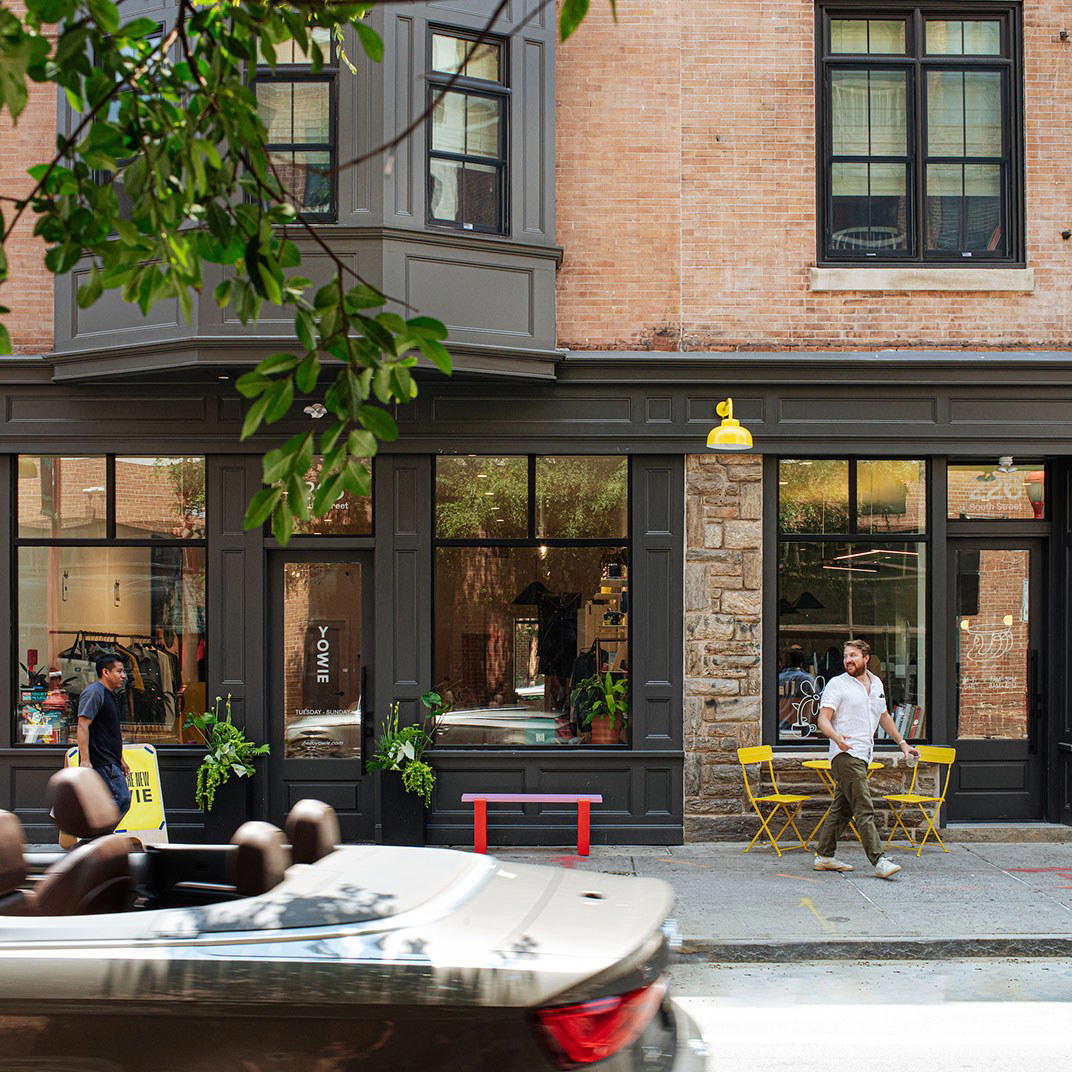
South Street, Stored Carefully
Arriving at 226 South Street means approaching a block where Philadelphia's 19th-century residential rowhouse fabric has survived largely intact. The street itself has gone through multiple reinventions — counterculture corridor in the 1970s, tourist-facing retail strip in later decades — but the bones of the built environment never changed. Yowie Hotel occupies that layered context directly, a property whose address is as much an argument about neighbourhood character as it is a location. For travellers who read a hotel's position within its city as editorial content, South Street in 2025 is a different proposition than it was even five years ago: quieter in some respects, more considered in others, with independent operators pushing back against the formula.
A Building That Predates the Brand
Philadelphia's premium accommodation market has fractured over the past decade into at least three distinct tiers. At one end sit the large-footprint flagships: the Four Seasons Hotel Philadelphia at Comcast Center, occupying the upper floors of the Comcast Technology Center tower, priced and positioned for corporate and international travel at scale. At the other end, a smaller cohort of independent and design-conscious properties has taken a different approach entirely, working from existing structures rather than purpose-built towers. Yowie belongs firmly to that second group.
What Michelin Selected recognition signals, in practical terms, is a property that has passed a level of editorial scrutiny most hotels in a given city do not. In Philadelphia's current accommodation field, that distinction places Yowie in a smaller cohort alongside properties like Guild House Philadelphia and Anna and Bel, each approaching the city's independent hospitality niche from a different physical and editorial angle. The The Rittenhouse Hotel represents an older model of Philadelphia luxury, established, neighbourhood-anchored on its own square, while Yowie's South Street address places it in a more mercurial, historically complex corridor.
The Heritage of the Rowhouse Format
Philadelphia's historic rowhouse stock is one of the most intact in any major American city. The form, two or three storeys, shared party walls, a front facade flush with the pavement, was the dominant residential typology from the 18th century through the early 20th, and tens of thousands of examples remain in use across the city's neighbourhoods. When a property converts this format into boutique accommodation, the building itself becomes part of the experience in ways that a purpose-built hotel cannot replicate: ceiling heights, stair configurations, room proportions, and the particular acoustic quality of thick masonry walls all carry forward from the structure's earlier life. This is the tradition Yowie Hotel draws from. The comparative reference point is not the branded tower hotel downtown but properties elsewhere in the United States that have similarly committed to adaptive reuse as a design and hospitality philosophy, places like Troutbeck in Amenia or Guild House Philadelphia, where the building's prior life remains legible in the finished rooms.
Internationally, the same logic applies at properties like Aman Venice, where the palazzo's 16th-century fabric is the central argument for the stay. The scale is different, but the editorial instinct is the same: let the building speak, rather than suppress its history behind uniform finishes. That instinct now has a clear market position in American hospitality, and Philadelphia's existing building stock makes it a more natural home for this approach than many comparable cities.
Where South Street Sits in Philadelphia's Geography
South Street marks the historical southern boundary of William Penn's original grid, the line below which the city, for centuries, was understood to become something else. That boundary role gave the street a character of productive friction: it attracted commerce, entertainment, and communities that operated at an angle to the more regulated neighbourhoods to the north. The area's proximity to the historic waterfront districts, to South Philadelphia's Italian Market corridor, and to the quieter residential streets of Queen Village and Bella Vista means that guests staying on South Street have access to the city's older, denser, more textured quarters without being absorbed entirely into the tourist-facing historic district concentrated around Independence Mall.
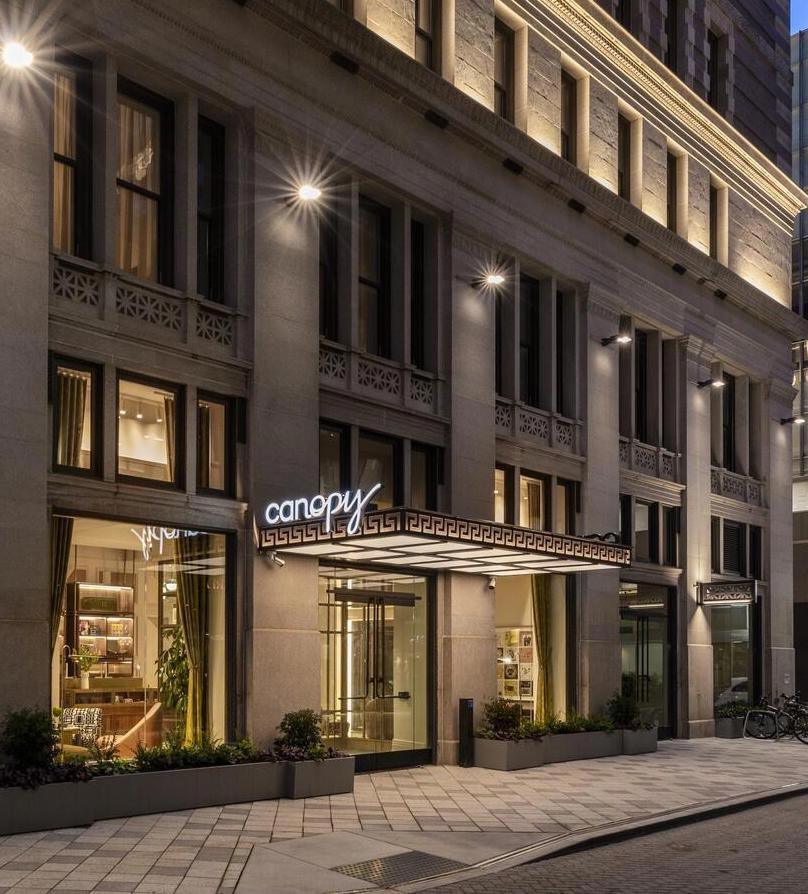
For comparison, the more central options in Philadelphia's accommodation market, Canopy By Hilton Philadelphia Center City, Kimpton Hotel Monaco Philadelphia, or Aloft Philadelphia Downtown, place guests within the conventional downtown grid, where proximity to convention facilities and business corridors is the primary value. South Street's value proposition is different: the neighbourhood is the destination, and the hotel is a legible part of it.
Planning Your Stay
Yowie Hotel is at 226 South Street, within walking distance of Queen Village and the South Philadelphia restaurant and market strip. Philadelphia is manageable without a car for guests staying in this corridor: the Broad Street Line subway runs north to City Hall and south toward the sports complex, and the city's bikeshare infrastructure has expanded significantly in recent years. Spring and autumn are the most comfortable seasons for exploring the neighbourhood on foot, summer humidity along the Delaware corridor can be significant, and the city's cultural calendar, including the Philadelphia Orchestra season and the fall museum programming, tends to concentrate the most interesting activity in September through November. Booking well ahead applies across the Michelin Selected cohort in Philadelphia, particularly for weekend stays when the city draws visitors from New York, Washington, and Baltimore within a two-hour drive. For a broader read of where Yowie sits within Philadelphia's full accommodation and dining picture, see our full Philadelphia restaurants guide.
Travellers calibrating this property against others in the independent and design-led American tier might also consider The Fifth Avenue Hotel in New York City, Raffles Boston in Boston, or further afield, Meadowood Napa Valley in Napa and SingleThread Farm Inn in Healdsburg for properties where the building fabric and surrounding landscape carry equivalent editorial weight. For those for whom remoteness and landscape are as important as architecture, Post Ranch Inn in Big Sur, Amangiri in Canyon Point, and Sage Lodge in Pray represent the wilderness end of the same philosophy. Also worth noting in the boutique urban tier: 1800 Walnut St offers another Philadelphia perspective on the same independent-property model.
Comparable Venues
Comparable venues nearby, for context on price, style, and recognition.
| Venue | Cuisine | Price | Awards | Notes |
|---|---|---|---|---|
| Yowie HotelThis venue — the venue you are viewing | design-forward boutique hotel with invisible service model | $100–200 | Michelin Selected | Not listed |
| Lokal Hotel Old City | Boutique apartment hotel with invisible service in historic building | $100–200 | Michelin Selected | Old City |
| Lokal Hotel Fishtown | invisible service apartment hotel | $200–300 | Michelin Selected | Fishtown |
| Kimpton Hotel Monaco Philadelphia | Adaptive reuse of historic landmark with modern boutique flair | Not listed | Michelin Selected | Old City |
| Le Méridien Philadelphia | Historic landmark with modern boutique design | Not listed | Not listed | Avenue of the Arts |
| Thomas Bond House | Restored 1769 Georgian-style historic residence with classical revival architecture. | $100–200 | Not listed | Old City |
Recognition history
Dated appearances from independent guides and award organizations, with the underlying list record or original source where available.
Michelin Selected
Michelin
Continue exploring
More in Philadelphia
Hotels in Philadelphia
Browse all →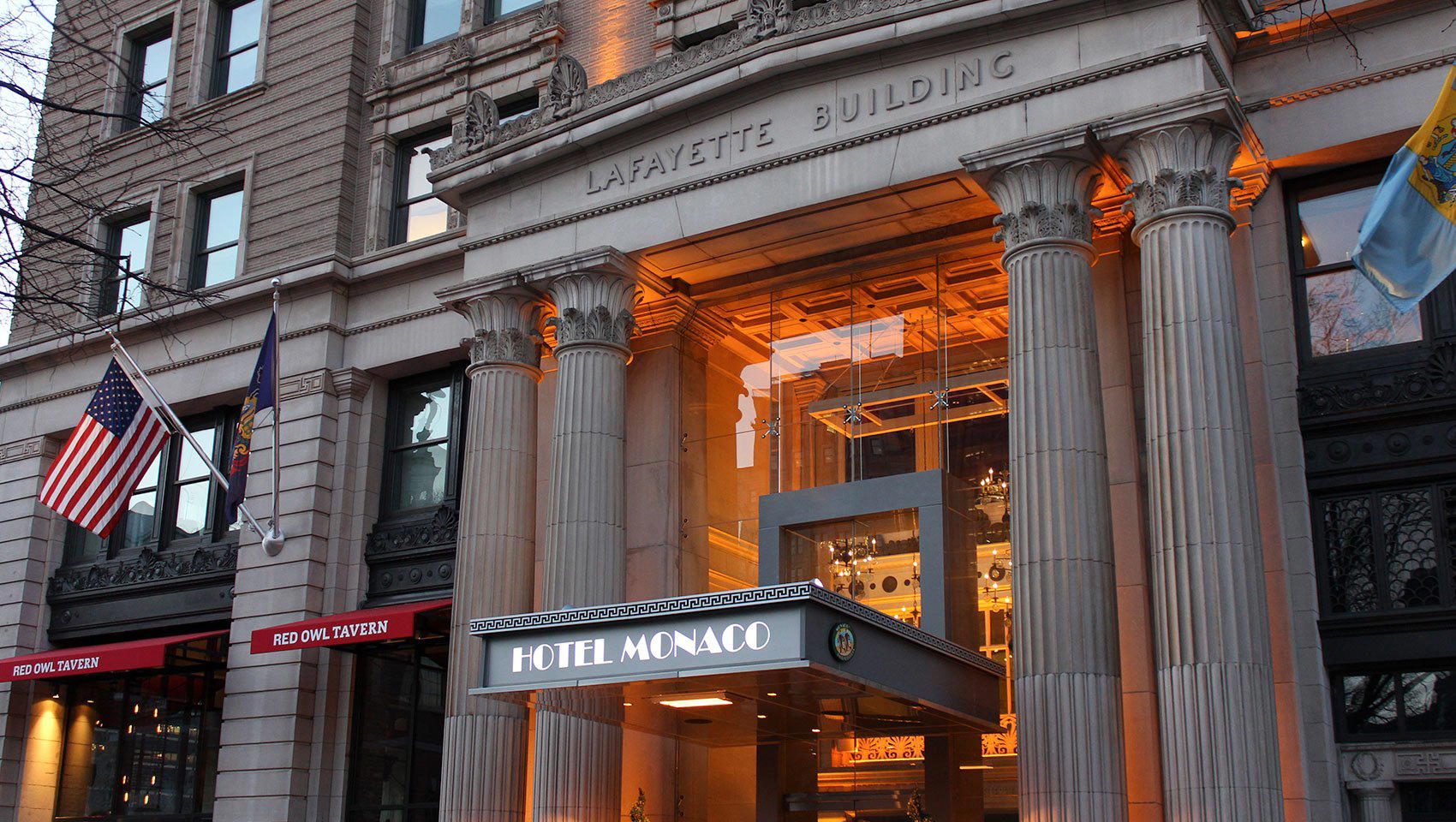
Bars in Philadelphia
Browse all →
Details
- Modern
- Minimalist
- Cozy
- Whimsical
- Sophisticated
- Weekend Escape
- Family Vacation
- Business Trip
- Group Retreat
- Design Destination
- Historic Building
- Wi Fi
- Elevator
- Street Scene
- Wheelchair Accessible
- Elevator
- Step Free Entrance
Bright, colorful, eclectic, and gallery-like, with a cozy apartment-like feel and warm, discreet service.