The Taj
The Taj occupies the second floor of Koror's PDC Building in Medalaii, placing it among the small cluster of sit-down dining options in Palau's commercial hub. With limited restaurant infrastructure across the archipelago, venues like this serve both resident and visiting populations in a city where dining out carries real social weight. Confirm current hours and availability directly before visiting.
Pearl is the En Primeur Club membership app — saves, bookings, and concierge access live there. Same editors, same standards.
- Address
- PDC Building, 2nd Floor, Medalaii, Koror 96940, Palau
- Phone
- +680 488 2227
- Website
- tajpalau.com
- Directions
- Get directions
 Saves & bookings on Pearl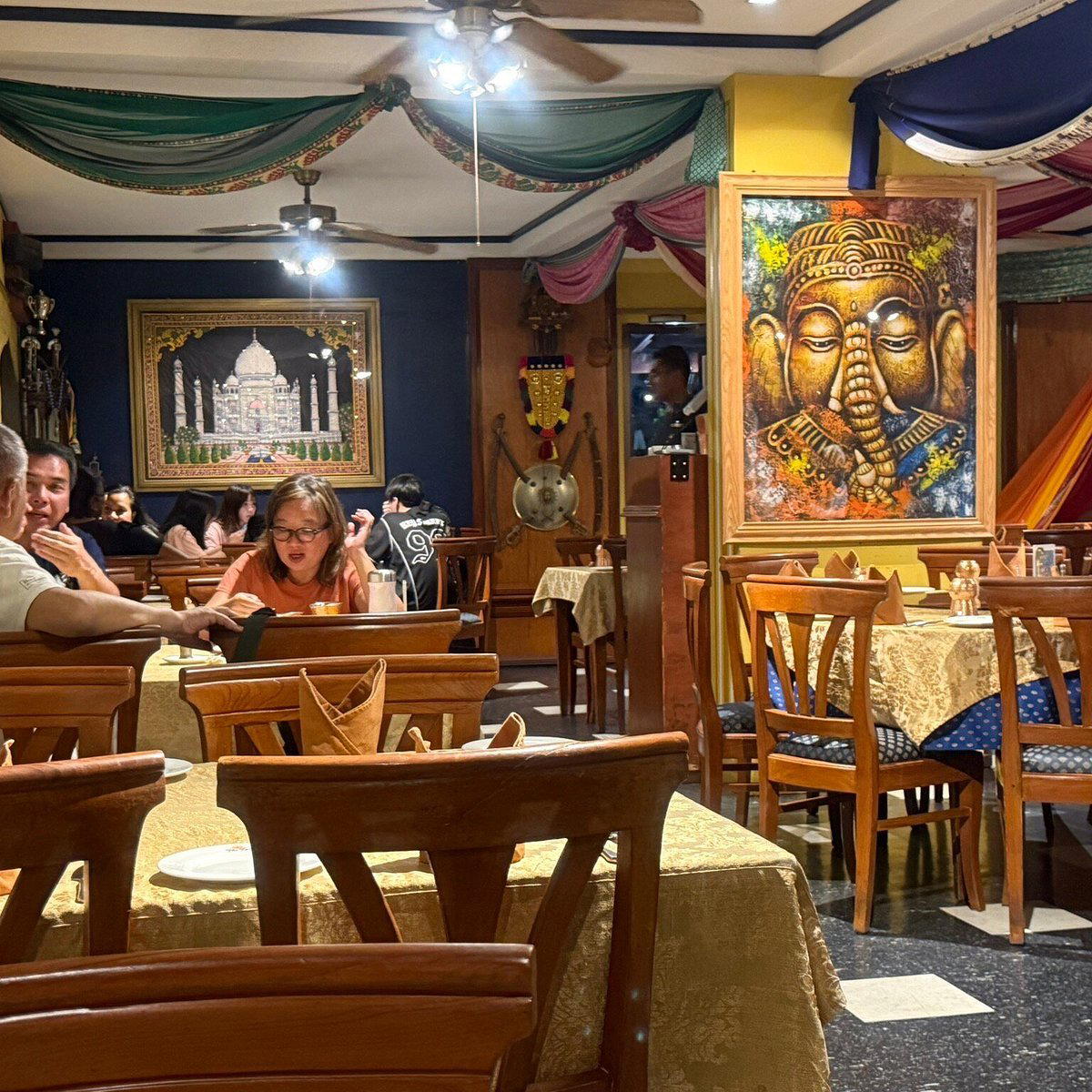
Dining in Koror: Context Before the Plate
Palau's dining scene operates under conditions that most Pacific capitals would find familiar: a small resident population, a tourism economy that surges and contracts with international flight schedules, and a food supply chain that depends heavily on imports across open ocean. Koror, as the commercial and administrative center of the archipelago, concentrates nearly all of Palau's sit-down restaurant infrastructure within a walkable radius. That concentration means individual venues carry outsized significance. When a restaurant closes or changes format, the gap is felt immediately by both the expat community and the growing number of visitors who arrive expecting something beyond resort buffets.
The Taj sits on the second floor of the PDC Building in Medalaii, one of Koror's busier commercial strips. Second-floor dining rooms are a pattern across smaller Pacific cities: ground-level retail and services occupy prime frontage, while restaurants take the floor above, gaining separation from street noise and, in some cases, better cross-ventilation. The address places The Taj within walking distance of Koror's central business activity, which in a city of this scale means it draws from the lunchtime office crowd, evening residents, and travelers staying in the nearby accommodation cluster.
Indian Cuisine in the Pacific: A Longer Tradition Than It Appears
The presence of an Indian restaurant in Koror is less surprising than it might seem to visitors arriving with no regional context. South and South-East Asian diaspora communities have maintained a presence across Micronesia for decades, and Indian culinary traditions have followed those networks. The cuisine itself travels well in this context: spice-forward cooking that relies on shelf-stable pantry staples, techniques that adapt to whatever protein the local supply chain provides, and a flavor architecture that many Pacific Island palates find familiar through historical contact with Southeast Asian trade routes.
Indian restaurants in small Pacific cities tend to serve a dual function. For the diaspora and long-term expat community, they operate as social anchors, places where familiar flavors offset the homesickness that comes with island posting. For tourists and short-term visitors, they offer a break from the seafood-dominant local menu that can feel repetitive by day four of a dive trip. Both audiences matter economically, and restaurants that serve them simultaneously tend to keep broader menus and longer hours than more specialized operations. That dynamic shapes what venues like The Taj are likely to offer, even when specific menu details are not publicly confirmed.
For a sense of how Indian cooking fits into the broader Pacific dining conversation, it helps to look at peer cities. Comparable archipelago capitals across Micronesia and Polynesia typically support one or two Indian restaurants at most, and those that survive multi-year operating cycles do so by building consistent regulars rather than relying on tourist foot traffic alone. Longevity in this environment is itself a credential, one that carries more weight than any single review.
Where The Taj Sits in Koror's Dining Structure
Koror's restaurant options split broadly into resort-attached dining, local Palauan canteens, and a small tier of independent sit-down restaurants that draw from multiple cuisine traditions. The Taj occupies that independent tier alongside venues like Kramer's and options further along the coastline such as Coconut Terrace in Ngerekebesang. For seafood-focused dining, Seafood House in Palau represents a different point in the same independent tier. Each venue in this set draws from a different cuisine tradition, which means the competitive dynamic is less about head-to-head comparison and more about which type of meal a visitor is in the mood for on a given evening.
The PDC Building address gives The Taj a commercial-district positioning rather than a waterfront or resort-adjacent one. In practical terms, this means the room likely prioritizes function over atmosphere, the clientele skews toward regulars over first-timers, and the pricing probably reflects Koror's cost-of-living realities rather than the premium that waterfront venues can command. None of that is a criticism. In small island cities, the commercial-district restaurant is often the most honest expression of what a local dining scene actually looks like, stripped of the scenery markup.
Planning Your Visit
Given the limited publicly available data on The Taj, confirming operational details directly before visiting is the practical move. Koror's restaurant hours shift with seasonal tourism patterns: the dry season between October and April brings higher visitor volumes and more consistent service, while the wet season months can see reduced hours or temporary closures at independently operated venues. The PDC Building address in Medalaii is a reliable anchor for navigation within Koror's compact center, and the second-floor location means the entrance may not be immediately visible from street level.
For travelers building a broader Koror dining itinerary, the city rewards a mix of venue types rather than reliance on any single restaurant. The independent dining tier that includes The Taj sits alongside a wider EP Club guide to the area; our full Koror State restaurants guide maps the options across cuisine type and neighborhood. For reference points from other dining traditions at entirely different price points and award tiers, the contrast with venues like Le Bernardin in New York City, Atomix in New York City, or Alinea in Chicago illustrates how different the infrastructure assumptions are across global dining markets. Koror operates at a different scale entirely, and that scale shapes everything from sourcing to service to what constitutes a reliable dinner reservation.
Other internationally recognized venues like Emeril's in New Orleans, Lazy Bear in San Francisco, 8 1/2 Otto e Mezzo Bombana in Hong Kong, Alain Ducasse at Louis XV in Monte Carlo, Alléno Paris au Pavillon Ledoyen, Amber in Hong Kong, Aponiente in El Puerto de Santa María, Aqua in Wolfsburg, Arpège in Paris, Arzak in San Sebastián, and Atelier Crenn in San Francisco all operate within dense, well-documented dining markets where data is abundant. The Taj operates in a different kind of environment, one where the fact of continued operation is itself meaningful information.
Price Lens
Comparable venues nearby, for context on price, style, and recognition.
| Venue | Cuisine | Price | Notes |
|---|---|---|---|
| The TajThis venue — the venue you are viewing | Not listed | $$ | Not listed |
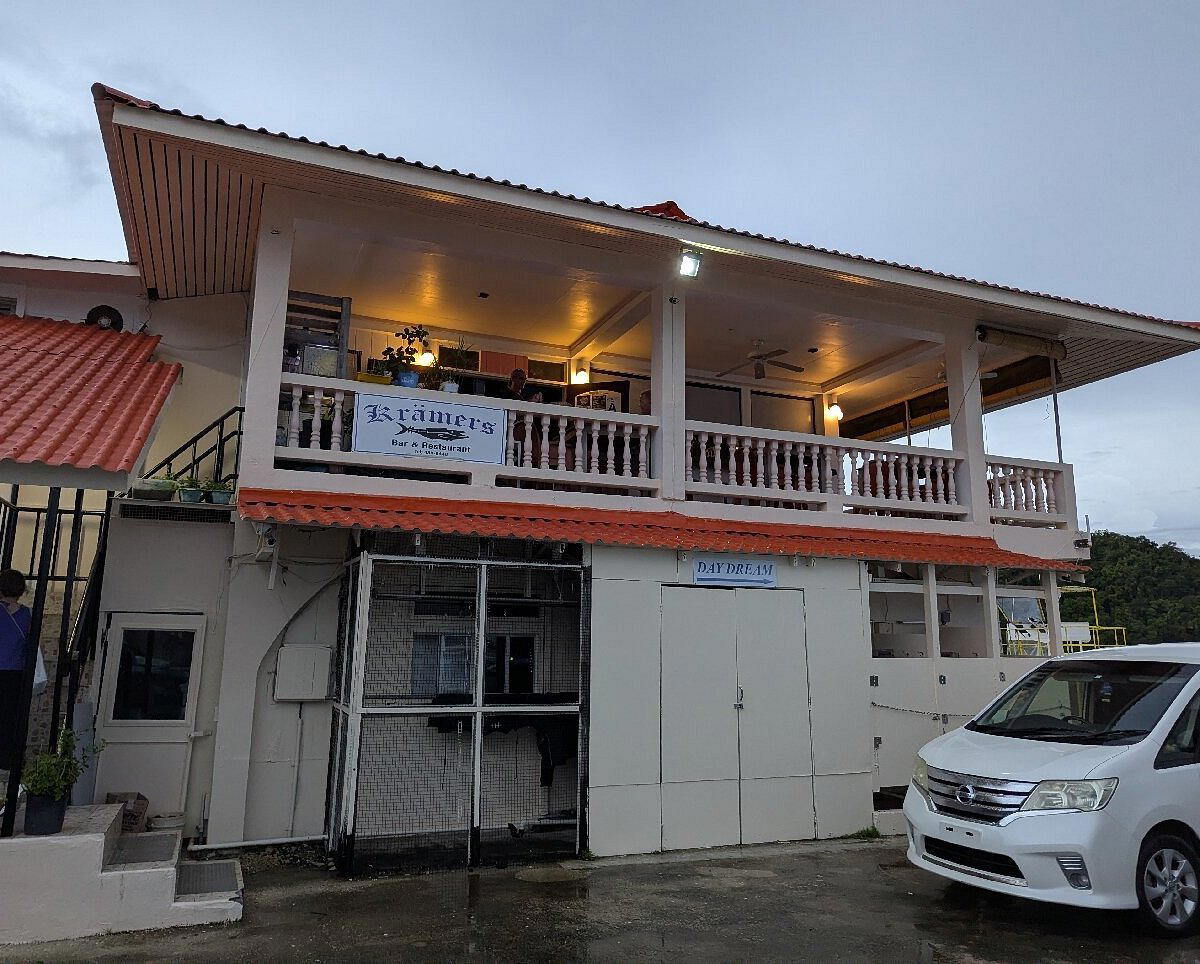
| Kramer's | Not listed | $$ | Koror, Fresh Seafood with International Influences |
| Mog Mog | Not listed | $$ | Koror, Japanese Seafood with Palauan Influences |
| Kim's restaurant | Koror, Authentic Korean | $$ | Not listed |
| Seafood House | seafood | $ | Not listed |
| Coconut Terrace | Ngerekebesang, International | $$$ | Not listed |
Continue exploring
More in Koror State
Restaurants in Koror State
Browse all →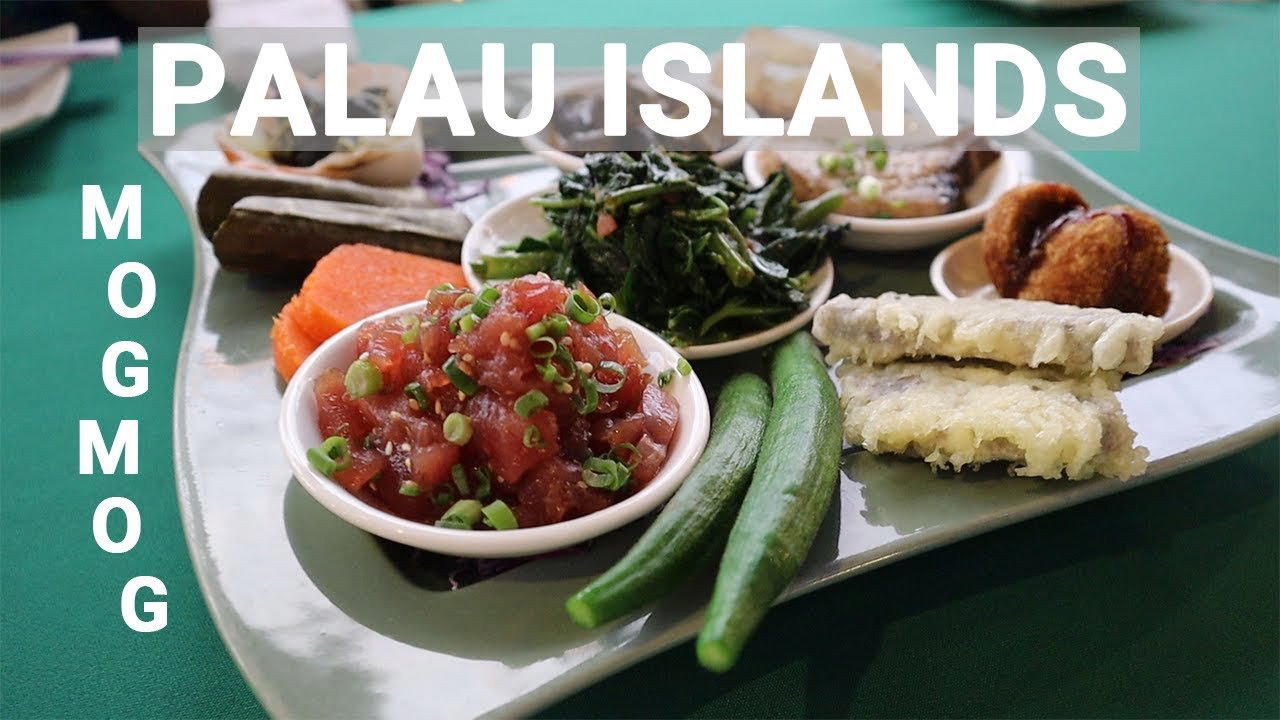
At a Glance
- Lively
- Elegant
- Group Dining
- Celebration
- Casual Hangout
- Special Occasion
- Live Music
- Hotel Restaurant
- Craft Cocktails
- Local Sourcing
Current opening hours
- Monday
- 11 AM–2 PM, 5–10 PM
- Tuesday
- 11 AM–2 PM, 5–10 PM
- Wednesday
- 11 AM–2 PM, 5–10 PM
- Thursday
- 11 AM–2 PM, 5–10 PM
- Friday
- 11 AM–2 PM, 5–10 PM
- Saturday
- 11 AM–2 PM, 5–10 PM
- Sunday
- 11 AM–2 PM, 5–10 PM
Hours can change for holidays and private events. Last verified .
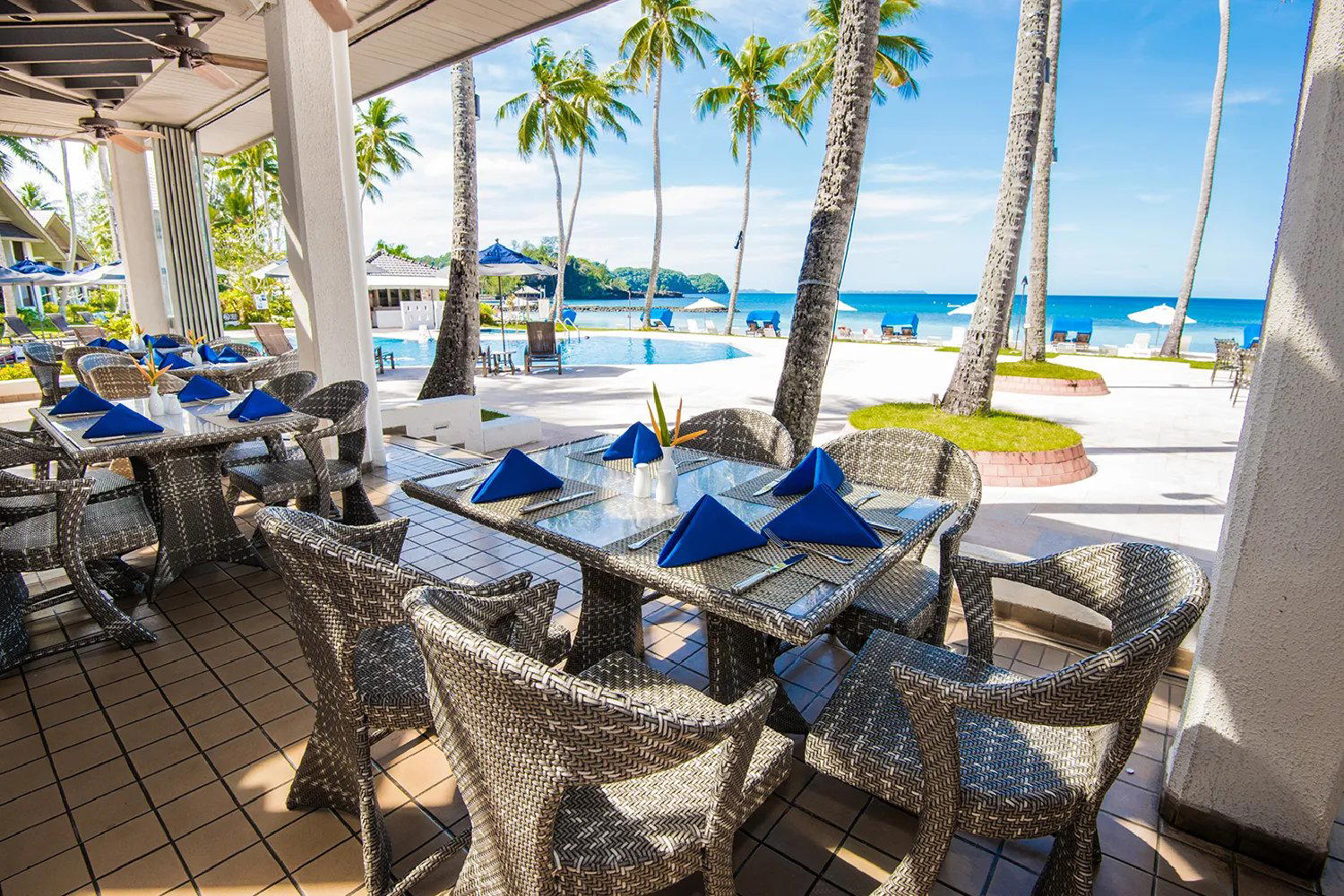
Warm and inviting with traditional Indian decor, spacious dining area, and energetic atmosphere especially during evening events.
Know Before You Go
- Getting there
- PDC Building, 2nd Floor, Medalaii, Koror 96940, Palau