Palau's surrounding waters are among the most biodiverse in the Pacific, and Seafood House draws directly from that supply chain. In a country where the reef ecosystem defines both the economy and the plate, this is a kitchen with an unusually short distance between ocean and table. For visitors working through Koror's dining scene, it sits alongside Il Paguro and La Gritta as part of the island's core seafood offer.
Pearl is the En Primeur Club membership app — saves, bookings, and concierge access live there. Same editors, same standards.
- Address
- Palau, Palau
- Directions
- Get directions
 Saves & bookings on Pearl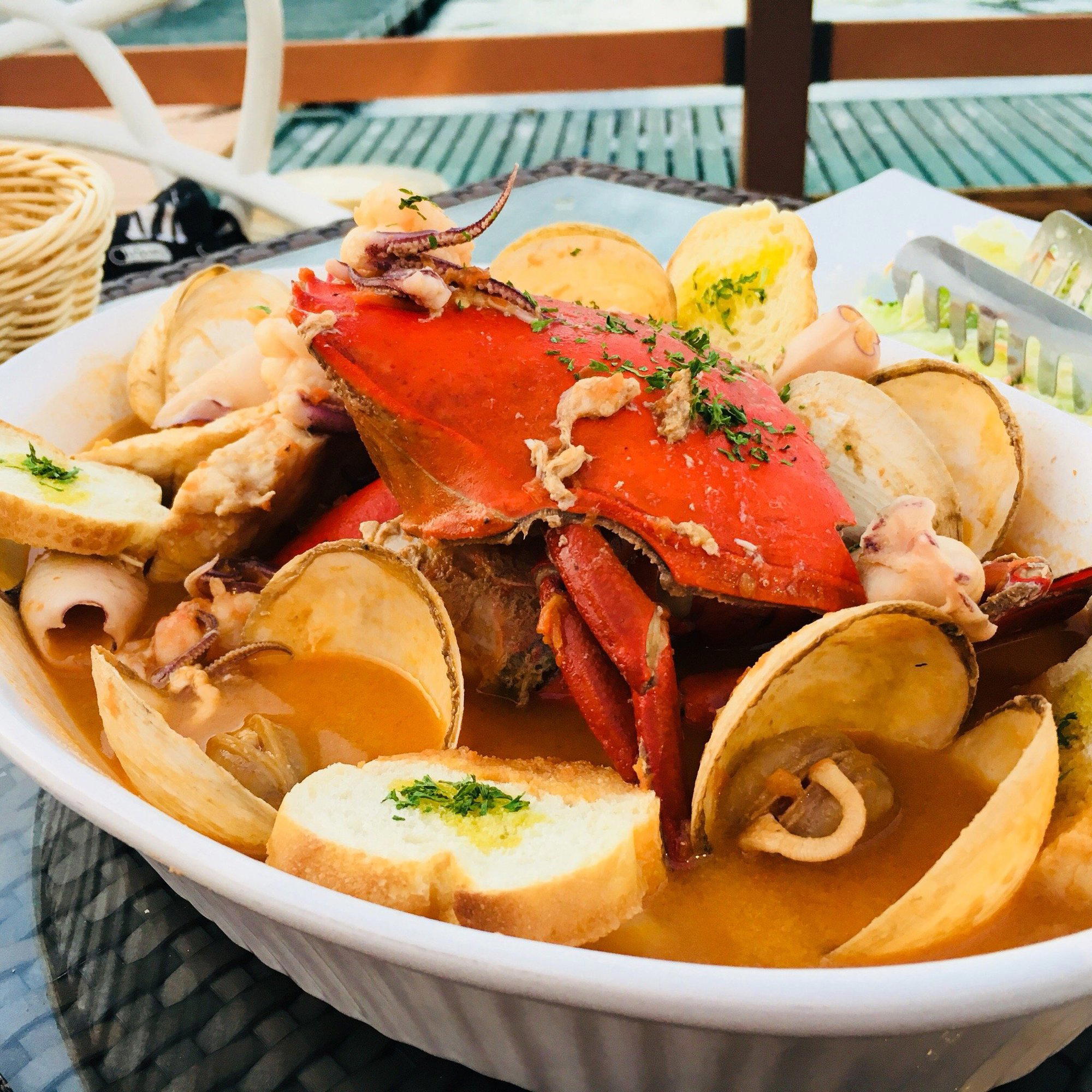
Where the Pacific Puts Itself on a Plate
Arriving in Koror, the scale of the surrounding ocean becomes immediately legible. The Philippine Sea and the Pacific meet at Palau's reef systems, and the archipelago's restaurants — from casual waterfront spots to more considered dining rooms — are shaped entirely by what those waters yield. Seafood House operates in this context: a kitchen in one of the world's most ecologically significant marine environments, where sourcing isn't a marketing point but a geographic inevitability. The distance between the catch and the plate here is measured in hours, not supply-chain days.
Palau's dining scene is small and tightly clustered around Koror, the commercial centre of the archipelago. There is no sprawling restaurant district, no neighbourhood differentiation of the kind you find in larger Pacific cities. What exists instead is a handful of places working with the same extraordinary raw material, fish and shellfish pulled from reefs that sit inside one of the Pacific's most protected marine ecosystems. Il Paguro and La Gritta (Seafood) occupy the upper end of that local set, with La Gritta carrying a price point in the €€€ bracket. Seafood House sits in this same orbit, serving a visitor base that arrives largely for the diving and encounters the food scene as a secondary but increasingly considered part of the trip.
The Source Argument for Pacific Island Seafood
The case for eating seafood in Palau rests on geography first. The Republic of Palau sits within the Coral Triangle, a region recognised by marine biologists as the centre of marine biodiversity on the planet. Its waters support over 1,300 species of fish and 700 species of coral. The government's conservation legislation, including a shark sanctuary established in 2009 and a domestic fishing zone that restricts industrial extraction, means the reef systems around the archipelago are in materially better condition than most comparable island environments in the Pacific. What this produces at the restaurant level is access to species and quality that are genuinely difficult to replicate elsewhere.
At the more considered end of global seafood dining, kitchens earn recognition precisely by closing the gap between source and service. Le Bernardin in New York City built its reputation over decades on sourcing discipline and technique applied to premium fish. Aponiente in El Puerto de Santa María operates an entire culinary philosophy around underutilised marine ingredients from the Bay of Cádiz. In Palau, the starting material is comparable in quality, even if the kitchen register is different. A venue working honestly with local reef fish, tuna, and shellfish in this location has access to a supply chain that most international chefs would find remarkable.
Reading the Room: Palau's Dining Register
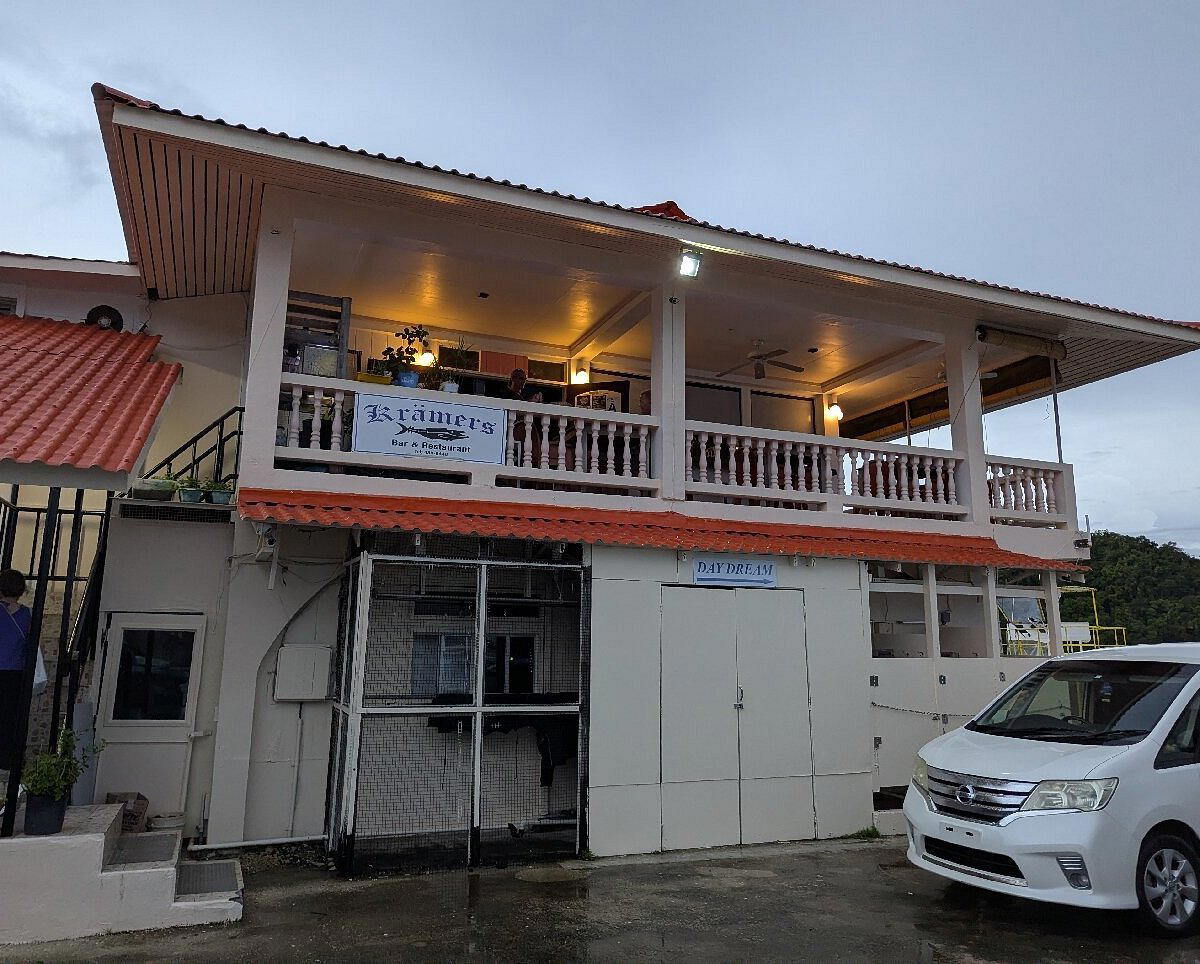
Koror's restaurant scene is oriented toward international visitors, divers, eco-tourists, and travellers using Palau as a longer-stay destination rather than a transit point. The dining infrastructure reflects this: menus tend to be English-first, service is calibrated to guests unfamiliar with local ingredients, and the format is generally direct dining-room service rather than counter-led or tasting-menu formats. Coconut Terrace in Ngerekebesang and Kramer's in Koror State serve similar visitor profiles across different price points.
The atmosphere at places like Seafood House is therefore less about refined minimalism, the kind of precision environment you associate with Atomix in New York City or Alinea in Chicago, and more about open, accessible dining in a context where the environment itself provides most of the drama. The Pacific is visible or audible from much of Koror's dining stock. The dining register is relaxed by design, matching the pace of an island where the main event happens underwater at dawn.
For those cross-referencing against a wider Pacific or Asian dining context, the three-Michelin-star benchmarks, 8 1/2 Otto e Mezzo Bombana in Hong Kong, Amber in Hong Kong, represent a different tier entirely, both in format and in price. Palau's dining scene doesn't compete at that register and doesn't need to: its value proposition is access to exceptional raw material at island-casual prices, in a setting that no metropolitan dining room can reproduce.
How to Approach the Menu
In an environment where the supply chain is this short, ordering strategy is simple: follow what is freshest and most local. Pacific reef fish, the species vary by season and catch, will consistently outperform anything imported or frozen. Shellfish from Palauan waters reflects the same principle. The broader Koror dining set, including Seafood House, operates within a cuisine framework shaped by Micronesian culinary tradition alongside influences from the Philippines, Japan, and the United States, all of which have had historical presence in the archipelago. Japanese influence is particularly evident in how fresh fish is handled across many local kitchens.
Visitors planning a wider dining sweep of the island should use our full Palau restaurants guide to map the available options across price tiers and formats. The selection is not large, but it is coherent, and the leading meals in Koror tend to share a common denominator: Pacific fish treated with minimal intervention.
Planning a Visit
Palau's high season runs roughly from October through April, when visibility underwater is at its finest and weather conditions are most stable. This is also when Koror's restaurants operate at full capacity and reservations at the more sought-after spots carry more lead time. The wet season from June through September brings fewer visitors and lower prices across the board, though some smaller operators adjust their hours or close periodically. For Seafood House specifically, contact details and current hours are best confirmed locally on arrival or through accommodation staff, who typically maintain current information on the island's restaurant scene.
For those building a broader reference frame for what Pacific and global seafood dining looks like across different registers, the EP Club covers a range of relevant addresses: Lazy Bear in San Francisco, Emeril's in New Orleans, Arpège in Paris, Alain Ducasse Louis XV in Monte Carlo, Alléno Paris au Pavillon Ledoyen, Aqua in Wolfsburg, and Arzak in San Sebastián each represent a different approach to sourcing and technique at the upper tier of their respective markets.
How It Stacks Up
Comparable venues nearby, for context on price, style, and recognition.
| Venue | Cuisine | Price | Notes |
|---|---|---|---|
| Seafood HouseThis venue — the venue you are viewing | seafood | $ | Not listed |
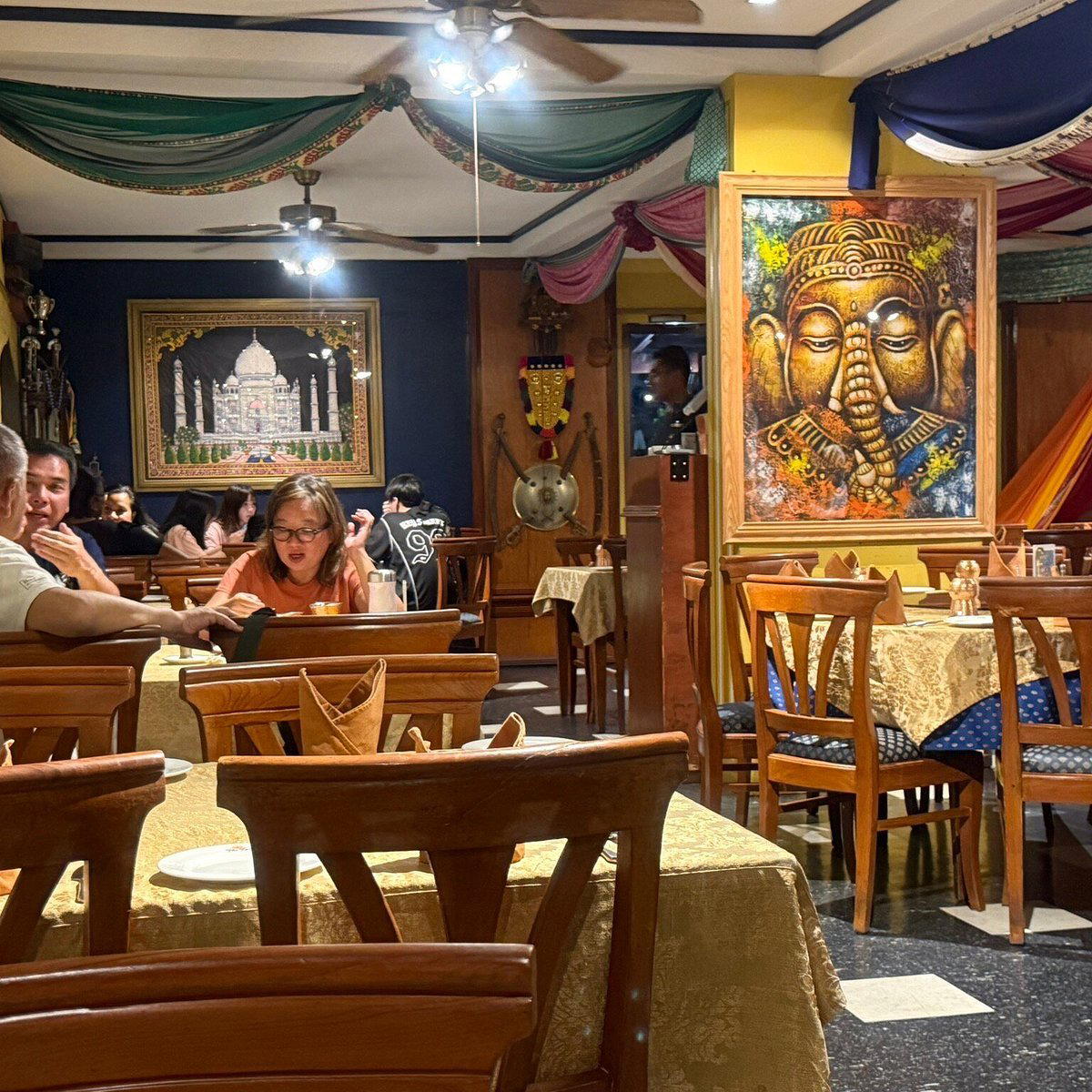
| The Taj | Authentic North and South Indian | $$ | Downtown Koror |
| Kramer's | Fresh Seafood with International Influences | $$ | Koror |
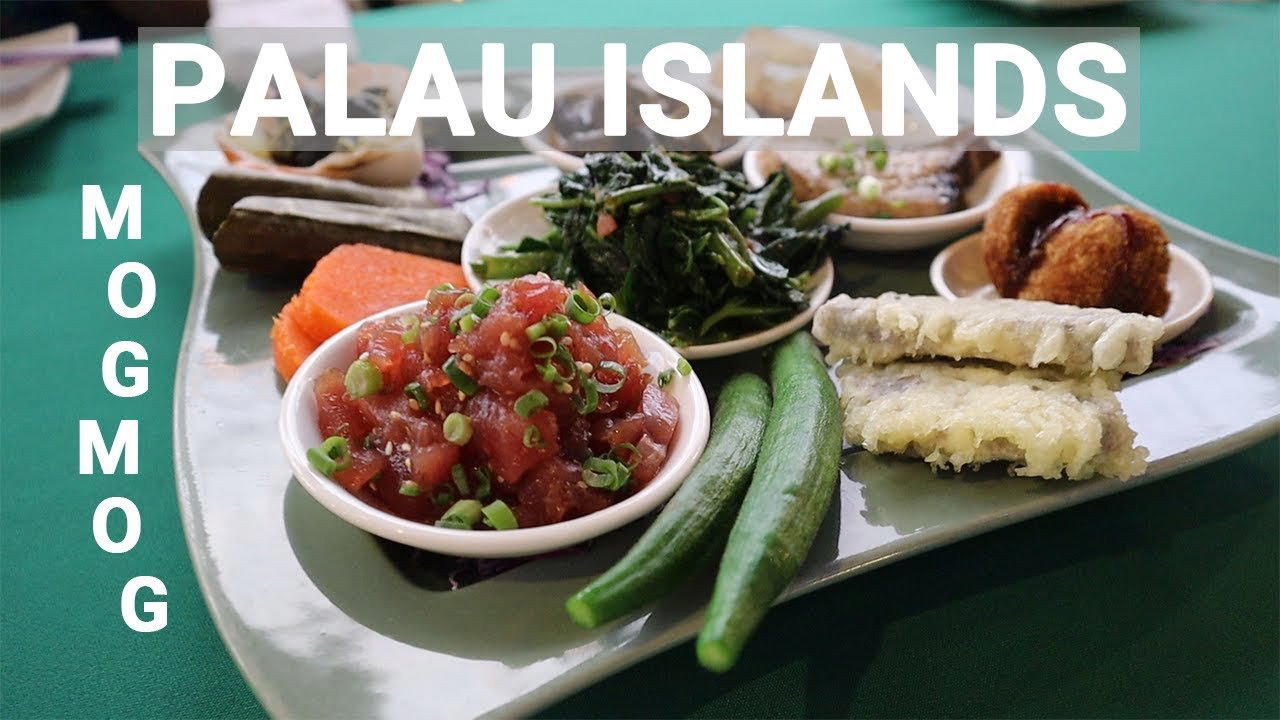
| Mog Mog | Japanese Seafood with Palauan Influences | $$ | Koror |
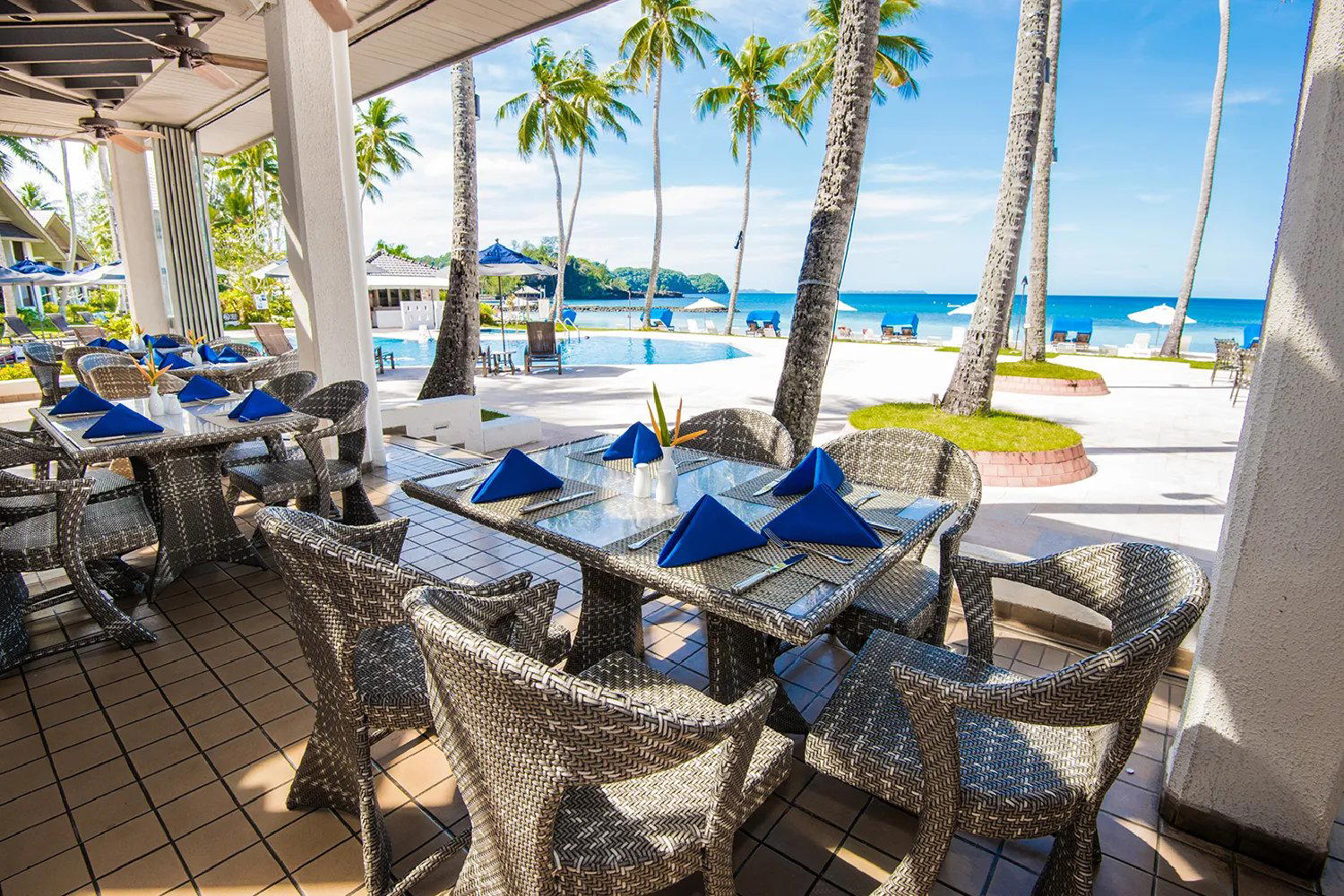
| Coconut Terrace | International | $$$ | Ngerekebesang |
| Kim's restaurant | Authentic Korean | $$ | Koror |
Continue exploring