Kramer's
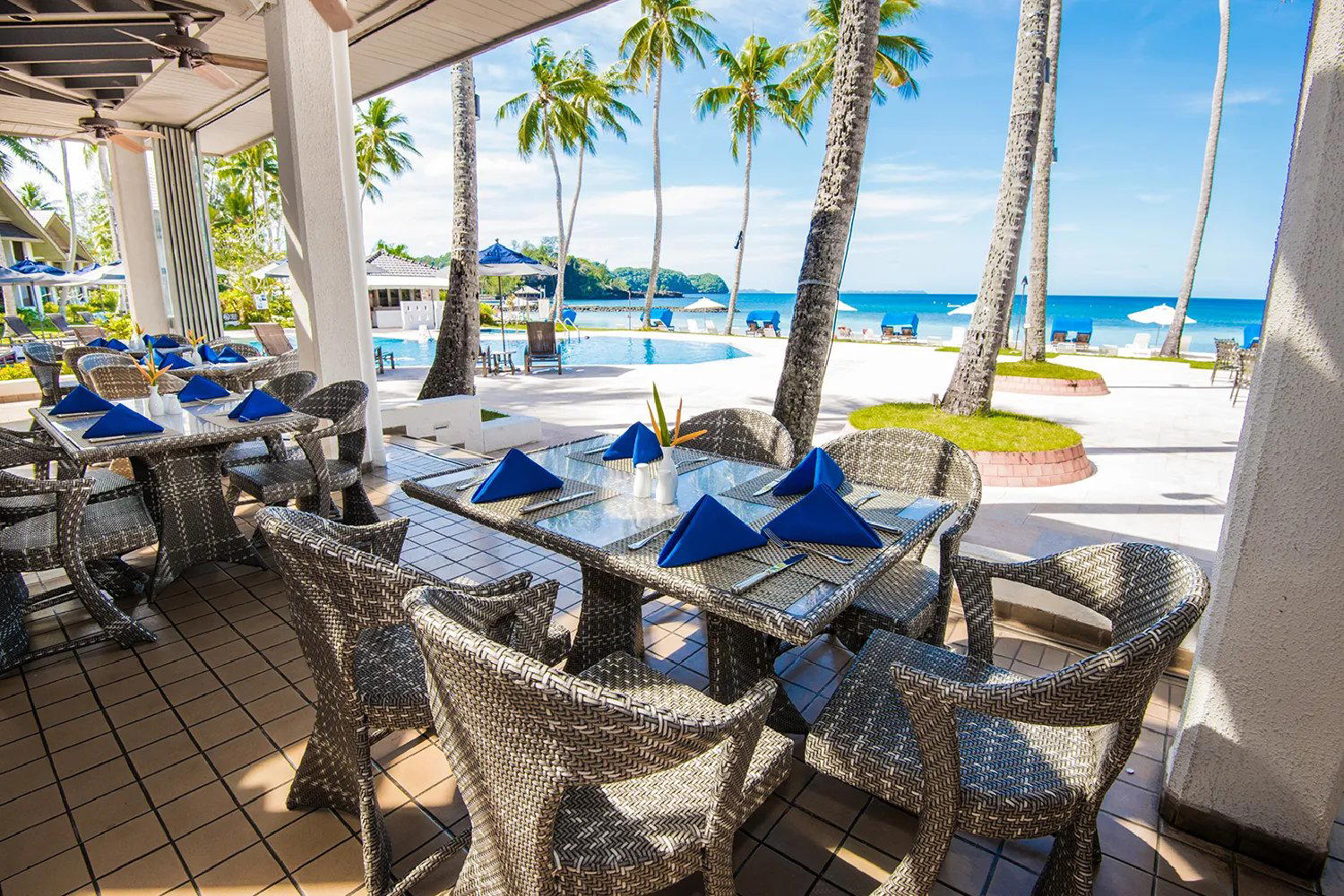
Kramer's occupies Malakal, the compact island district that anchors Koror's working waterfront, where the supply chain between ocean and plate is measured in minutes rather than miles. In a country where reef-to-table is a geographical reality rather than a marketing position, this address places ingredient provenance at the centre of the eating experience. For visitors already exploring Palau's broader dining scene, it represents a grounded alternative to resort dining.
Pearl is the En Primeur Club membership app — saves, bookings, and concierge access live there. Same editors, same standards.
- Address
- Malakal, Koror State Koror 96940
- Directions
- Get directions
 Saves & bookings on Pearl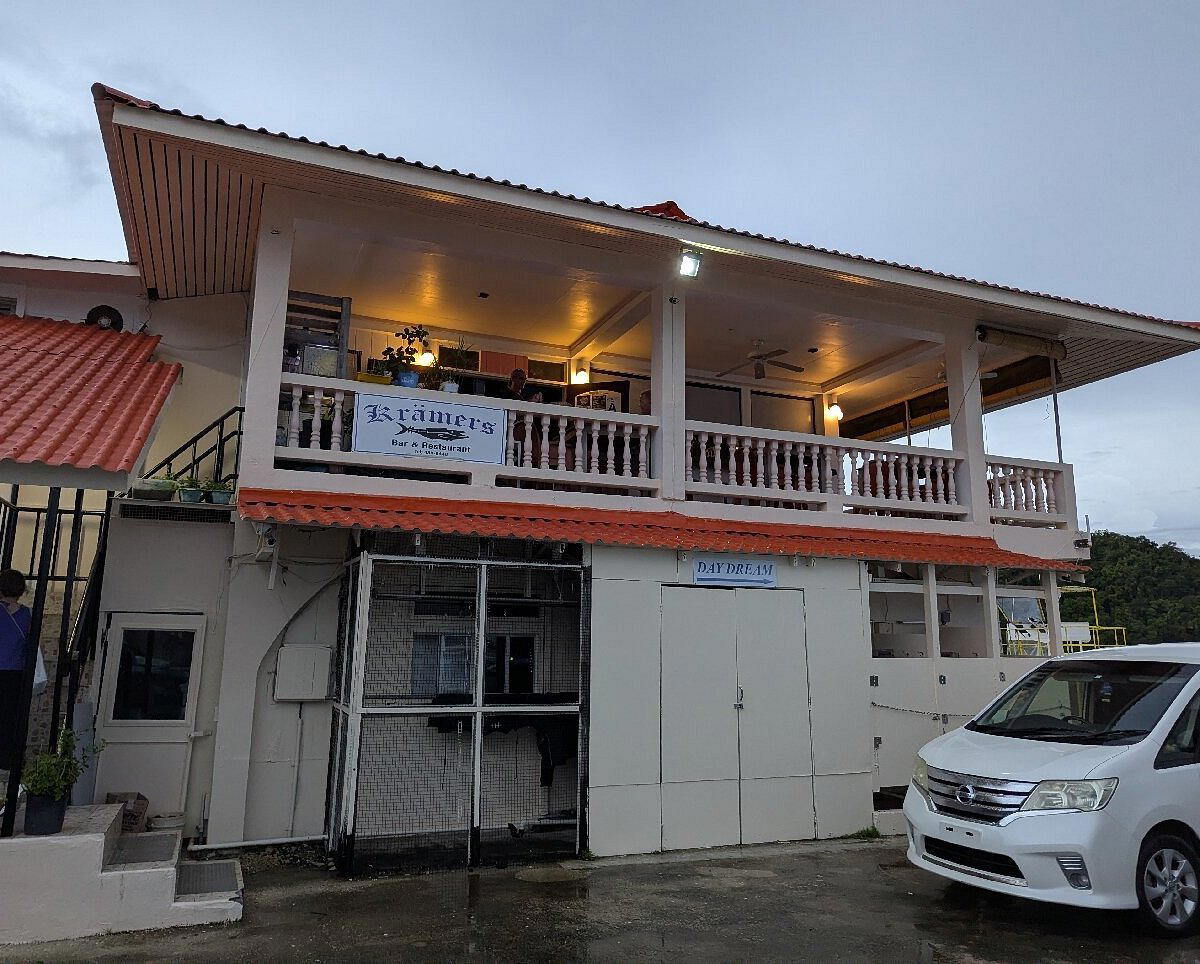
Where the Reef Begins: Malakal and the Logic of Eating in Koror
Malakal is not Palau's tourist waterfront in any polished sense. The island sits just off Koror's western edge, connected by a short causeway, and its character is determined more by the proximity of the marine station, the dive operators, and the inter-island boat traffic than by any hospitality infrastructure. That geography matters when thinking about food. Restaurants that operate in Malakal do so in a context where the source of what ends up on the plate is often visible from the dining room window, and where the supply logic of a remote island nation compresses the distance between ocean and kitchen to something closer to a practical minimum.
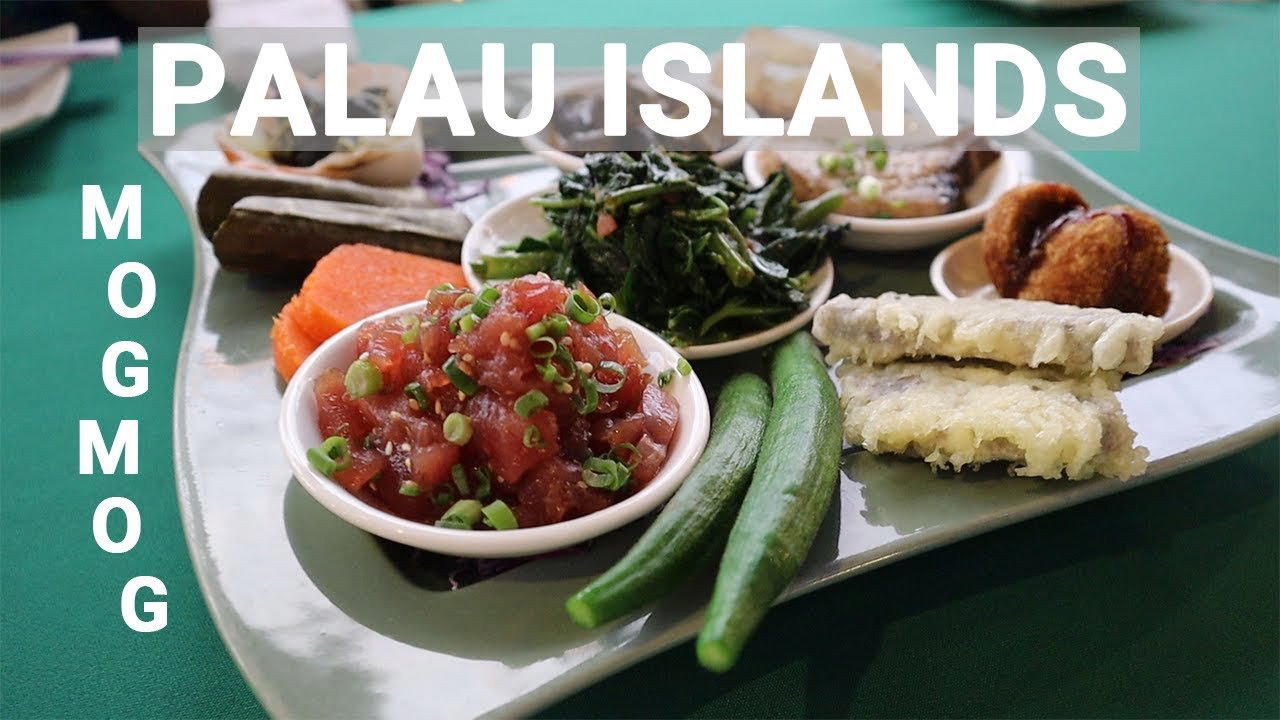
Palau's broader food culture is shaped by a specific constraint: the country imports a significant proportion of its processed goods, which means that the ingredients most reliably fresh are those pulled from local waters or grown within the archipelago. This is not a philosophical position adopted to appeal to a particular diner; it is a function of geography and economics. The reef systems that Palau has worked to protect through its Palau National Marine Sanctuary — covering some 500,000 square kilometres and placing around 80 percent of its waters off-limits to commercial fishing — create a situation where legal, local seafood carries a provenance that is both traceable and, by regional standards, tightly controlled.
Kramer's in the Malakal Frame
Kramer's sits inside this context at its Malakal address. The specifics of its format, menu structure, and kitchen approach are not documented in available records, which makes categorical claims about its operation difficult to substantiate. What the location itself signals is that it operates at proximity to Koror's working waterfront, and that any seafood-oriented offering at this address would draw from a supply chain shaped by the same island logistics that define Palauan eating more broadly.
For context on how Koror's restaurant scene distributes itself, our full Koror State restaurants guide maps the broader options across the island.
Ingredient Provenance in a Protected Archipelago
The question of where ingredients come from carries different weight in Palau than it does in most dining markets. In cities with developed wholesale infrastructure, provenance is a differentiating claim. In Koror, it is closer to a structural condition. The fish that arrives in any kitchen here has not passed through a continental distribution system; it has come off a boat, through a local market or direct from a fishing operator, and into the kitchen within a timeframe that larger markets cannot replicate. The same applies to the tropical produce that supplements whatever protein anchors a given menu, though Palau's agricultural output is modest and certain categories of ingredients remain import-dependent.
This positions Koror's dining scene in interesting comparative territory when measured against the kind of ingredient-traceability programs that define serious kitchens globally. Restaurants like Arpège in Paris or Aponiente in El Puerto de Santa María have built Michelin-recognised programs around the integrity of sourcing and the ethical framing of ingredients. In Palau, the equivalent integrity is less a program than a condition of operating in a place where the marine ecosystem is both the primary economic asset and the subject of active legal protection. The sourcing story writes itself; the question for any kitchen is whether it is used to productive effect.
How Koror Eats: The Wider Pattern
Koror's restaurant density is low relative to the tourism numbers that pass through, particularly during the high season running from roughly October through May when diving conditions in the Rock Islands attract visitors from Japan, South Korea, Taiwan, and increasingly Europe. The eating options that have developed in that context tend toward practicality, with a handful of establishments offering something more considered. The city does not have the layered competitive dining culture of, say, Atomix in New York City or the kind of fine dining benchmark represented by Le Bernardin, and it does not pretend to. What it has is a small number of places operating with a directness about ingredients and place that more complex urban dining markets often have to work hard to simulate.
Establishments in this category, of which Kramer's is one, function within a logic where the overhead of elaborate technique is secondary to the quality and freshness of what is being handled. That is not a consolation position; it is a different set of values applied to a different set of conditions. The diner arriving from a market shaped by restaurants like Lazy Bear in San Francisco or Alinea in Chicago will need to recalibrate expectations, not downward, but laterally, toward a mode of eating where proximity to source is the primary form of quality.
Planning Around Kramer's
Practical details for Kramer's, including hours, booking method, and pricing, are not publicly documented in available records. Malakal is accessible by short taxi from central Koror, and the island's compact footprint means most points within it are walkable once you arrive. For visitors building a dining itinerary around Koror, the practical recommendation is to verify current operating status locally on arrival or through accommodation staff, who typically maintain current information on which neighbourhood operations are open during a given week. The dining market in Koror is small enough that information travels quickly between hotels, dive operators, and guesthouses. Given the absence of a formal booking infrastructure for many of the city's independent restaurants, walk-in remains the operating assumption unless confirmed otherwise.
Fast Comparison
| Venue | Cuisine |
|---|---|
| Kramer'sThis venue — the venue you are viewing | This venue |
Continue exploring
More in Koror State
Restaurants in Koror State
Browse all →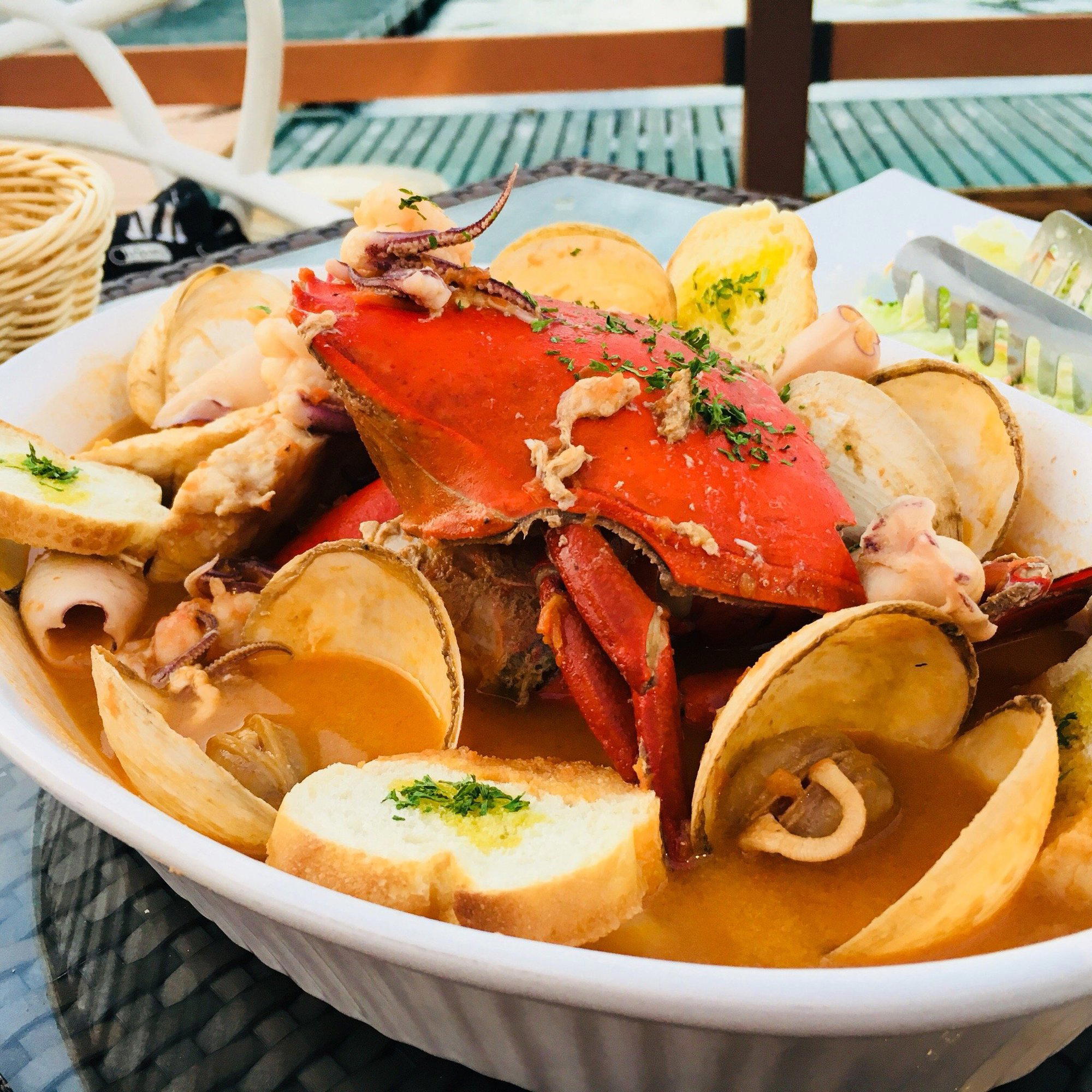
At a Glance
- Cozy
- Scenic
- Relaxed
- Casual Hangout
- Waterfront
- Terrace
- Craft Cocktails
- Local Sourcing
- Waterfront
Know Before You Go
- Getting there
- Malakal, Koror State Koror 96940