The Salt Room

On Brighton's seafront at 106 King's Road, The Salt Room pairs fire-cooked seafood with floor-to-ceiling views of the English Channel. The format is deliberately social, market fish from the blackboard, shared on the bone, alongside a wine list anchored in coastal whites. It's a loud, energetic room that reads the city accurately.
Pearl is the En Primeur Club membership app — saves, bookings, and concierge access live there. Same editors, same standards.
- Address
- 106 King's Road Brighton East Sussex BN1 2FN GB
- Phone
- 01273 929488
- Website
- saltroom-restaurant.co.uk
- Directions
- Get directions
 Saves & bookings on Pearl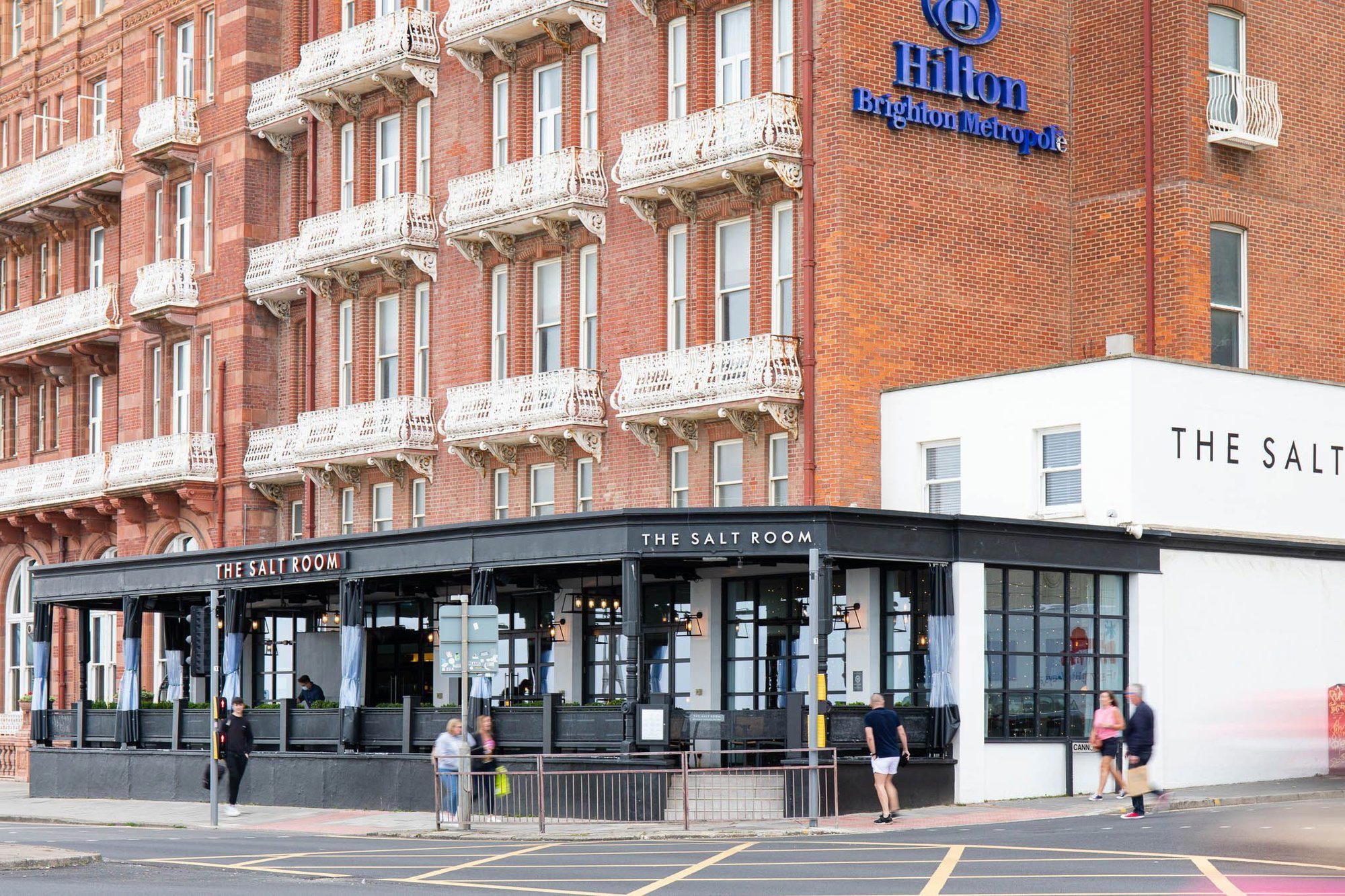
Glass, Coal, and the Channel: The Salt Room in Context
Brighton's seafront dining has always operated at a tension between location and execution. The view is the selling point the city hands every restaurant on King's Road; what separates them is what happens inside. The Salt Room is a seafood grill at 106 King's Road in Brighton, known for live-fire cooking and Channel views. That combination, the physical container and the cooking method, is less common than it sounds. Most waterfront restaurants in British seaside towns default to battered fish or safe European bistro menus. A live-fire seafood programme with serious wine credentials is a sharper proposition.
The room itself earns attention before the food arrives. Crittal glazing, the steel-framed industrial window style that migrated from factory architecture into restaurant design over the past decade, is doing real structural work here rather than serving as decorative gesture. Depending on where you're seated, the Channel fills your sightline from most angles. There is a terrace, though the A259 coast road running directly in front of the building is an unavoidable fact of the location. Brighton is not a city that promises calm, it promises energy, and the Salt Room's interior registers that correctly. The space is large, and it is loud. This is not a room for a quiet conversation; it is a room for a table that wants to share a whole fish and argue about the wine list.
Fire as the Organizing Principle
Live-fire cooking in British restaurants consolidated as a serious movement in the early 2010s and has since split into distinct tiers: high-concept wood-fire tasting menus at one end, and casual grill formats at the other. The Salt Room sits between those poles. The technical commitment is real, the blackboard lists market fish cooked over hot coals, and the kitchen follows through with technique rather than theatre, but the format remains accessible and social rather than ceremonial.
The blackboard is the right place to start if you are eating with someone willing to share. Brighton sea bass or Cornish brill, offered filleted or on the bone, arrives with potatoes, vegetables, lemongrass, and seaweed consommé. The on-the-bone option is explicitly framed as something to divide between the table, which is an accurate read of how British diners are now comfortable eating. A decade ago, that instruction would have needed more explanation. Today, it is assumed.
The menu's broader logic favours seafood without excluding other categories. Himalayan salt-aged ribeye appears alongside tempura king oyster mushrooms, which means the table with mixed preferences does not require separate restaurant strategies. First courses lean into the kitchen's confidence with cured and fermented preparations: mackerel 'nduja as a rillette with salted ricotta and pickled shallots is a first course that earns its place through acidity and fat balance rather than novelty. Tuna crudo with spicy ponzu is the alternative for those who prefer rawness to richness. Among mains, cod treated with precision and served with cauliflower in multiple preparations and a shellfish bisque of reported depth shows the kitchen working beyond the grill when it needs to. Cornish monkfish given the barbecue treatment alongside white beans and 'nduja completes a picture of a menu that returns to certain flavour registers, smoke, cure, brine, without repeating itself mechanically.
Desserts include a board of seaside-themed treats; one reader specifically cited a choux bun with passion fruit and mango crémeux as the meal's high point, which suggests the pastry section is not the afterthought it can be in fire-focused kitchens.
Where The Salt Room Sits in Brighton's Dining Picture
Brighton's restaurant offer is broader and more technically serious than its reputation as a weekend destination sometimes suggests. The city has a strong vegetarian and plant-based tradition, exemplified by long-running operations like Food for Friends and Foodilic. It has a confident Asian grill presence in Bincho Yakitori, which operates a different but adjacent fire-cooking logic. Mediterranean formats have their own slot, with Med occupying that space. The restaurant is positioned in none of those categories. Its comparable set is the group of British restaurants where a live-fire cooking programme and a waterfront site overlap, a small group nationally.
For comparison, the fire-and-produce approach that defines the restaurant's ambition connects to a broader national conversation about British ingredient sourcing and cooking method. That conversation includes places like Moor Hall in Aughton and L'Enclume in Cartmel at the formal end, and extends through mid-market fire-focused formats across the country. The restaurant's version is explicitly not formal: the room is big and social, the format is shareable, and the entry price is accessible. That distinction matters. Restaurants like Waterside Inn in Bray or The Ledbury in London occupy a different register entirely, classical French technique, controlled environments, long booking lead times. The restaurant is making a case for a Brighton version of serious seafood cooking.
Internationally, the fire-and-seafood intersection is well-mapped. Le Bernardin in New York City represents one precise end of seafood-focused fine dining. Emeril's in New Orleans demonstrates a different model where technique and regional character coexist at scale. The restaurant's local ambition is narrower in scope but no less specific in execution for a seaside city that has historically underperformed its ingredient access.
The Wine List and How to Use It
The wine list opens with a section called 'Coastal Whites', which traces a geographical arc from Kefalonia to Cape Agulhas. That framing is editorial rather than arbitrary: it signals an intention to match the room's seafood focus with wines from coastline-influenced wine regions, where salinity and acidity tend to read well against fish and shellfish. Bottles start at £25, and the list includes sufficient options by the glass and carafe to allow a table to calibrate spend across the meal rather than committing to a full bottle at the start. For a loud, social room where the format encourages sharing, carafe availability is a practical design choice, not just a pricing option.
Planning Your Visit
The restaurant is at 106 King's Road, Brighton, a few minutes' walk from Brighton Pier along the seafront. The terrace is the obvious target in good weather, though the coast road will be present regardless of season. The Crittal-windowed interior offers Channel views from most interior positions, so the trade-off between terrace exposure and indoor comfort is one to make based on conditions and tolerance for road noise rather than view quality. No No Please is among the nearby alternatives if the restaurant is not the right fit for a given evening.
Credentials Lens
Comparable venues nearby, for context on price, style, and recognition.
| Venue | Cuisine | Price | Notes |
|---|---|---|---|
| The Salt RoomThis venue — the venue you are viewing | Seafood Grill | $$$ | Not listed |
| Bocana | Seafood Grill | $$ | Lewes Road |
| Baqueano | Authentic Argentinian Steakhouse | $$$ | Western Road |
| Med | Modern Mediterranean Small Plates | $$ | The Lanes |
| Terre à terre | Modern Vegetarian Small Plates | $$$ | The Lanes |
| Planet India | Authentic Gujarati Vegetarian | $$ | Richmond Parade |
Recognition history
Dated appearances from independent guides and award organizations, with the underlying list record or original source where available.
The Good Food Guide GFG Good
The Good Food Guide
Continue exploring
More in Brighton
Restaurants in Brighton
Browse all →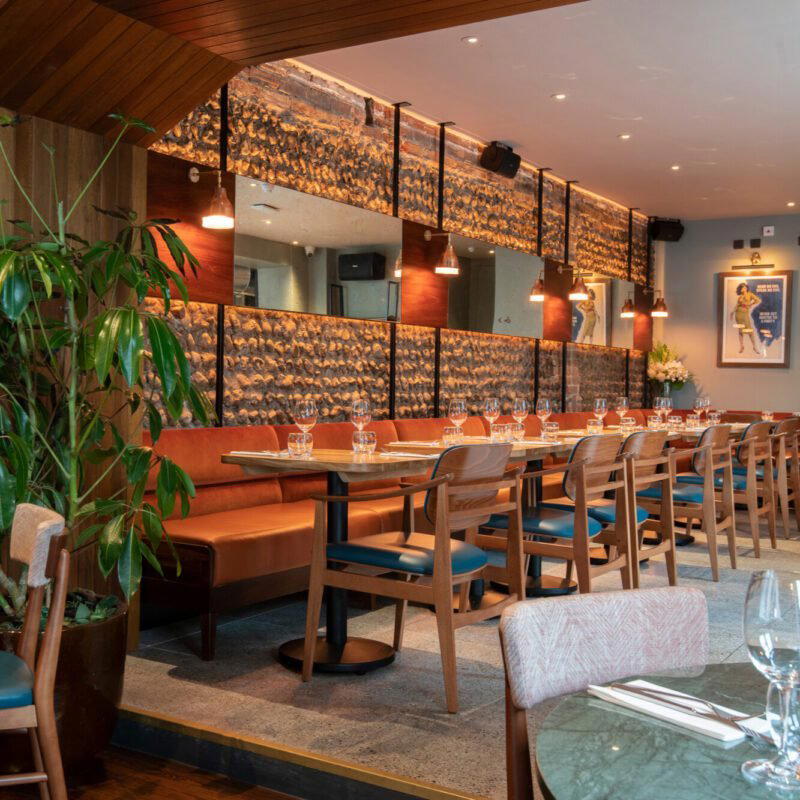
Bars in Brighton
Browse all →

Hotels in Brighton
Browse all →
At a Glance
- Elegant
- Sophisticated
- Romantic
- Date Night
- Special Occasion
- Waterfront
- Open Kitchen
- Extensive Wine List
- Craft Cocktails
- Local Sourcing
- Waterfront
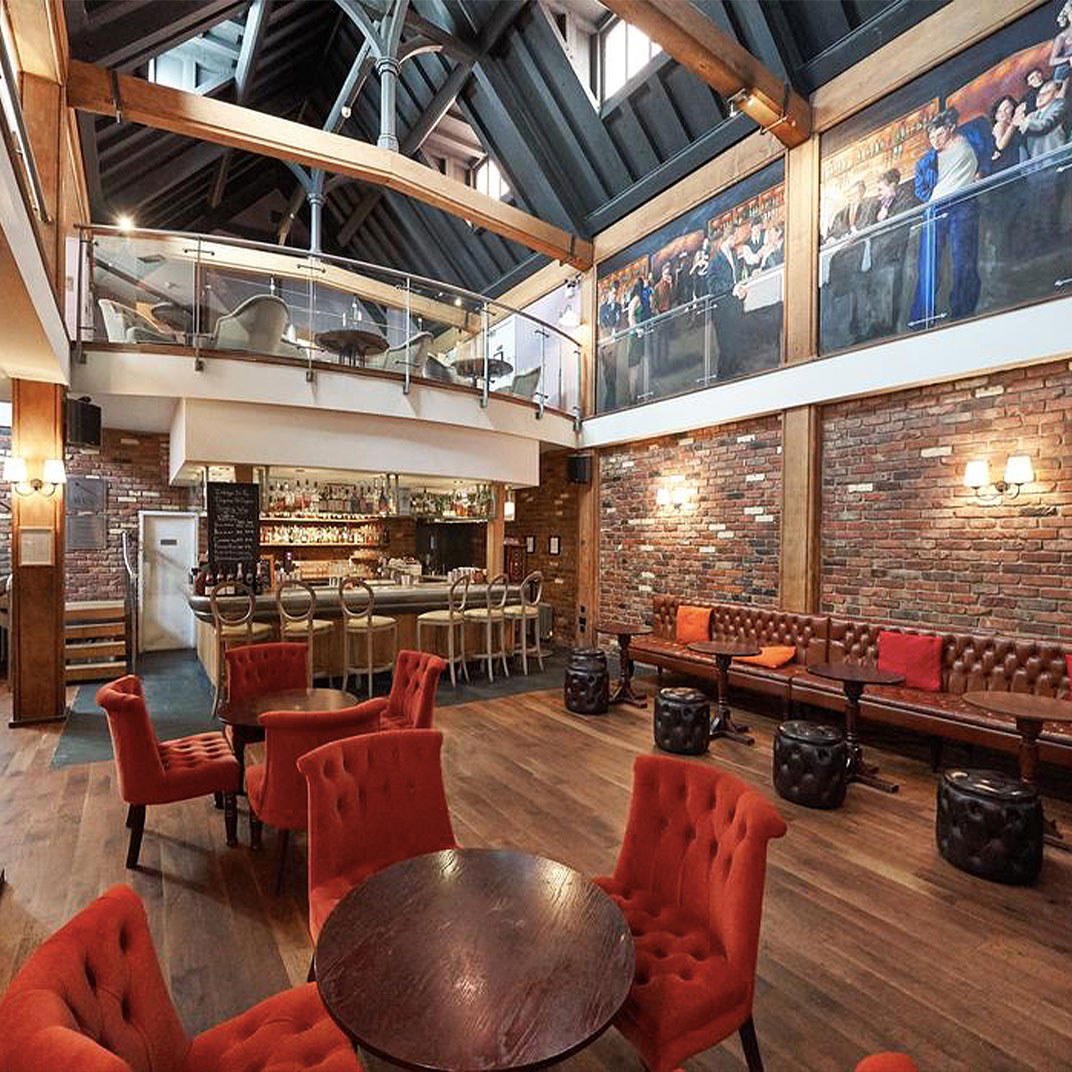
Buzzy and atmospheric with high ceilings, airy feel, and tables nicely spaced, overlooking the sea.