The Salt Cellar
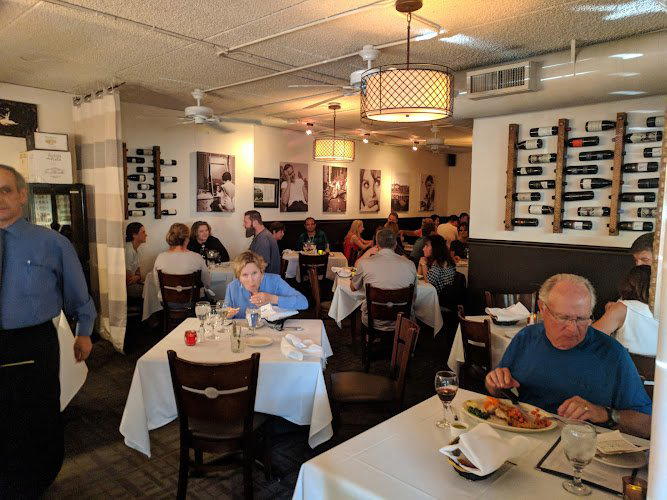
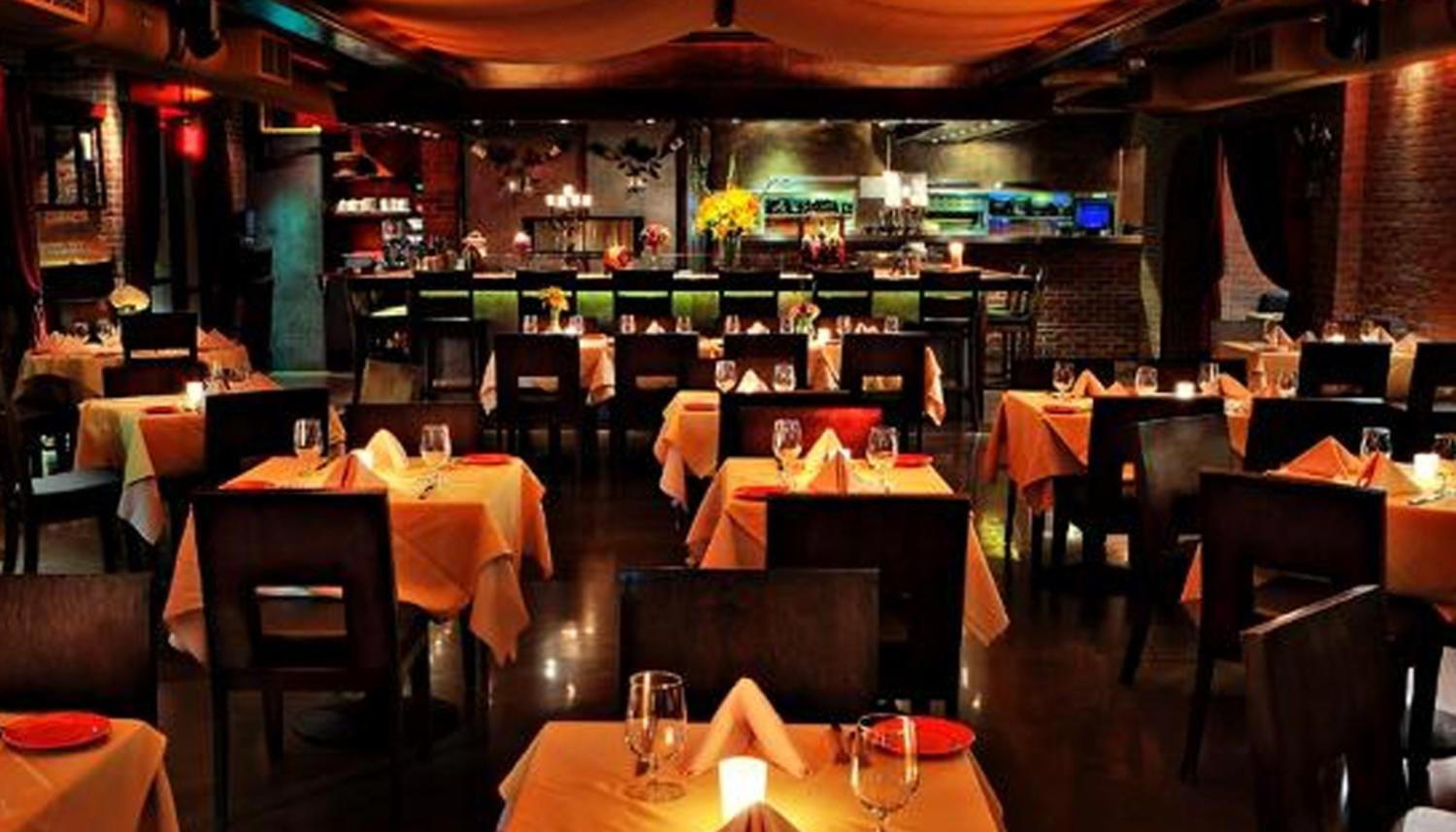
One of Scottsdale's most recognized seafood destinations, The Salt Cellar occupies a subterranean dining room at 550 Hayden Rd that separates it architecturally from the desert city above. The below-grade space sets the tone for a menu focused on fresh seafood in a landlocked state, a premise that has sustained a loyal following across decades of Arizona dining.
Pearl is the En Primeur Club membership app — saves, bookings, and concierge access live there. Same editors, same standards.
- Address
- 550 Hayden Rd, Scottsdale, AZ 85257
- Phone
- +14809471963
- Website
- saltcellarrestaurant.com
- Directions
- Get directions
 Saves & bookings on Pearl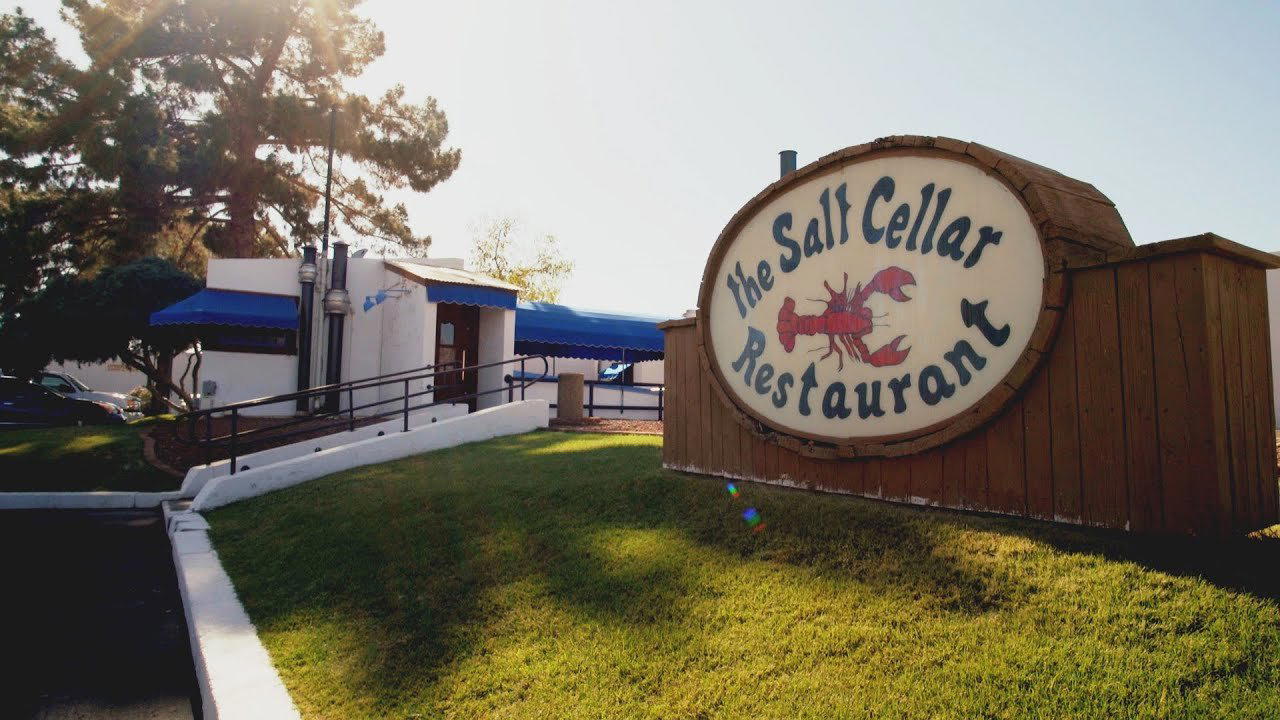
Below the Desert Floor
Scottsdale's dining scene tends toward open-air terraces, warm sandstone, and sightlines to the McDowell Mountains. The Salt Cellar inverts that logic entirely. Located at 550 Hayden Rd in the Papago corridor between Old Town and Tempe, it is built into the ground rather than on top of it, and the descent into the dining room is the first signal that the experience operates on different terms than most of what surrounds it. In a city where rooftop concepts like Afternoon Tea at the Phoenician and desert-facing rooms define the premium end, a subterranean format carries its own deliberate character.
Underground dining rooms in warm climates have a logic beyond novelty. The ambient temperature differential, the reduction in ambient light, and the insulation from street noise all work to orient attention inward, toward the table and the plate. Where open-air formats in Scottsdale rely on the landscape as a backdrop, The Salt Cellar constructs a self-contained environment. The architecture becomes the argument for the cuisine: if you are going to serve cold-water seafood in the Sonoran Desert, you build the room to match the temperature associations.
Space as Editorial Statement
The design logic of The Salt Cellar belongs to a category of American dining rooms that were conceived in an era when permanence and enclosure signaled seriousness. The below-grade structure, with its vaulted or cellar-like spatial grammar, aligns with a generation of American seafood and steakhouse formats that built physical weight into the experience as a proxy for culinary credibility. These were rooms that did not want to feel casual, and they accomplished that through ceiling height, material density, and deliberate separation from the street.
This approach reads differently today. Contemporary premium dining in American cities has largely moved toward lightness and transparency, as illustrated by formats at Atlas Bistro in Scottsdale and at nationally recognized houses like Lazy Bear in San Francisco or Single Thread Farm in Healdsburg, where the room is designed to recede and let the hospitality and food occupy the foreground. The restaurant's spatial grammar belongs to an older idiom, and whether that reads as anachronism or as integrity depends largely on what you want the room to do for you.
For a certain category of Scottsdale diner, the cellar format is precisely the point. The enclosure works as occasion-marking, the same function served by the private dining rooms at The French Laundry in Napa or the formalist interiors at Le Bernardin in New York City, even if the price tier and Michelin profile differ considerably.
Seafood in the Desert: The Structural Argument
Arizona has no coastline, which makes the operational premise of a dedicated seafood house in Scottsdale worth examining on its own terms. The American interior has sustained serious seafood programs historically through reliable air freight networks and, in some cases, direct supplier relationships with coastal fisheries. The restaurant has built and maintained those supply chains over time.
The peer comparison for landlocked American seafood destinations is instructive. Programs like Providence in Los Angeles and Addison in San Diego operate in coastal markets where sourcing friction is lower. In contrast, inland seafood destinations have to work harder to establish credibility on freshness, and the ones that survive long-term tend to do so through customer trust built over repeated visits rather than through editorial recognition cycles. The restaurant's place in Scottsdale's dining history reflects that slower, loyalty-driven model.
Where It Sits in the Scottsdale Pecking Order
Scottsdale's fine-dining tier is anchored by steakhouses and New American formats. The steakhouse adjacency is relevant because the restaurant shares a price point and occasion type with that category while offering an alternative protein focus. Visitors choosing between a surf-and-turf-oriented room and a seafood-specialist house are making a category distinction, and the restaurant has occupied the specialist position in Scottsdale for long enough to become the default reference point for that choice.
Nationally, the fine-dining seafood specialist is a thin category outside coastal cities. Houses like Blue Hill at Stone Barns in Tarrytown and Atomix in New York City represent the technically rigorous end of American fine dining, while destination operators like The Inn at Little Washington and Alinea in Chicago have built reputations on editorial accumulation over decades. The restaurant's model is different: it draws on local institutional status rather than national press, which in practice means it operates with a stable customer base that is less contingent on award cycles than its more headline-driven peers such as Emeril's in New Orleans or 8 1/2 Otto e Mezzo Bombana in Hong Kong.
Timing and Practical Considerations
Scottsdale's shoulder seasons, roughly October through November and March through May, are especially comfortable for evening dining when outdoor and rooftop alternatives become more competitive. During the summer months, when the city's heat index suppresses foot traffic on street-level terraces, an underground dining room carries a practical appeal that reinforces its conceptual identity. The insulation from external temperature extremes is, in this context, a literal as well as figurative quality.
Know Before You Go
- Address: 550 Hayden Rd, Scottsdale, AZ 85257
- Format: Subterranean seafood dining room; occasion-oriented
- Leading season: Summer months, when the below-grade environment provides relief from Scottsdale heat; also strong in shoulder seasons (Oct-Nov, Mar-May)
- Reservations: Recommended
- Nearby context: Located in the Papago corridor between Old Town Scottsdale and Tempe
Peers in This Market
Comparable venues nearby, for context on price, style, and recognition.
| Venue | Cuisine | Price | Notes |
|---|---|---|---|
| The Salt CellarThis venue — the venue you are viewing | Classic Fresh Seafood | $$$ | Not listed |
| La Locanda on 5th Avenue | Authentic Northern Italian | $$$ | Old Town Scottsdale |
| Tapas Papa Frita | Authentic Spanish Tapas & Paella | $$$ | Old Town Scottsdale |
| Toscana - Wood Fired Italian | Wood-Fired Tuscan Italian | $$$ | North Scottsdale |
| AC Kitchen | European Continental Breakfast | $$$ | Old Town Scottsdale |
| Arrivederci Pinnacle Peak | Authentic Italian Trattoria | $$$ | Pinnacle Peak |
Continue exploring
More in Scottsdale
Restaurants in Scottsdale
Browse all →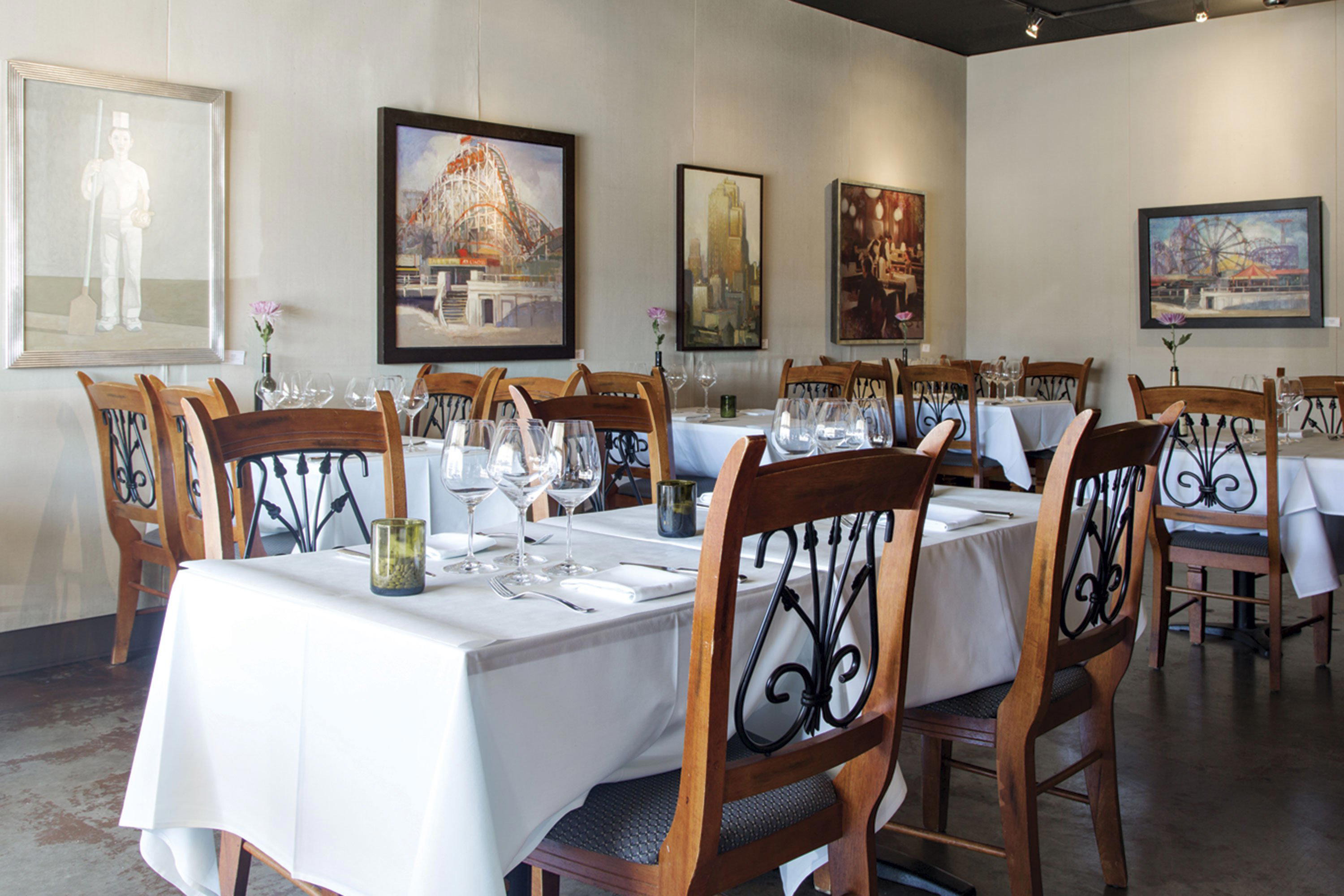
Bars in Scottsdale
Browse all →
At a Glance
- Romantic
- Cozy
- Elegant
- Intimate
- Sophisticated
- Date Night
- Special Occasion
- Business Dinner
- Historic Building
- Extensive Wine List
- Sustainable Seafood
Current opening hours
- Monday
- 4–11 PM
- Tuesday
- 4–11 PM
- Wednesday
- 4–11 PM
- Thursday
- 4–11 PM
- Friday
- 4–11 PM
- Saturday
- 4–11 PM
- Sunday
- 4–11 PM
Hours can change for holidays and private events. Last verified .
Romantic and welcoming subterranean space with candlelit tables, fine linens, and a cozy cellar atmosphere.