Toscana - Wood Fired Italian
Wood-fired Italian cooking in north Scottsdale, where the format centers on live-fire technique and the kind of ingredient-driven menu that treats the oven as the primary seasoning tool. Toscana sits in a neighborhood strip that has become a reliable destination for residents seeking serious Italian without the resort-corridor markup. A practical choice for weeknight dinners and weekend gatherings alike.
Pearl is the En Primeur Club membership app — saves, bookings, and concierge access live there. Same editors, same standards.
- Address
- 16580 N 92nd St #100, Scottsdale, AZ 85260
- Phone
- +14805977160
- Website
- toscanascottsdale.com
- Directions
- Get directions
 Saves & bookings on Pearl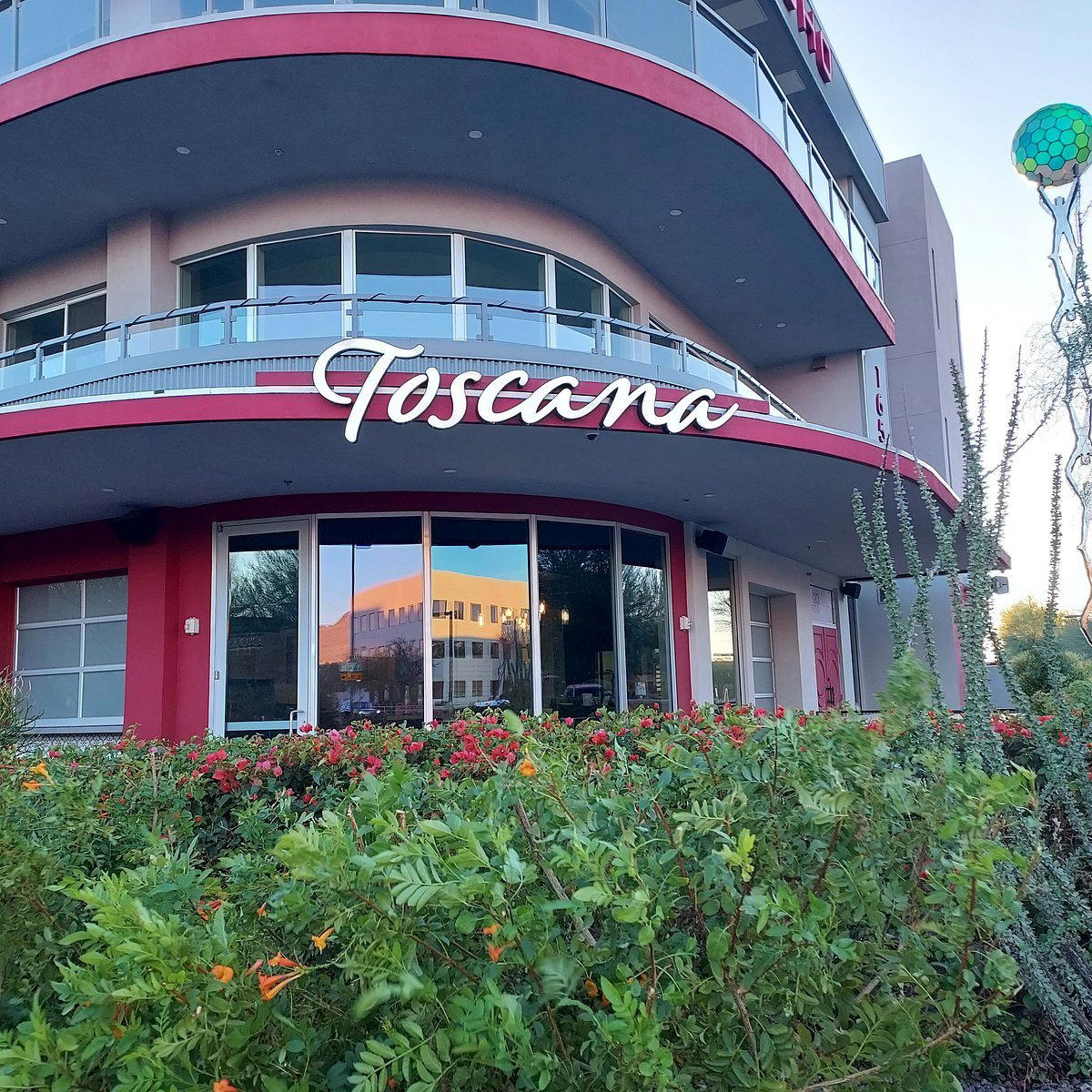
Fire as Method, Not Theater
Wood-fired cooking has a longer history than its current restaurant-menu prominence suggests. Long before wood ovens became a design statement in American dining rooms, they were simply the most efficient tool available for building depth in bread, meat, and vegetable dishes. In north Scottsdale, that tradition finds a natural home at Toscana - Wood Fired Italian, located at 16580 N 92nd St in the 85260 zip code, where the live-fire format is the organizing principle of the kitchen rather than a decorative flourish.
The broader Italian-American dining scene in Scottsdale splits between casual neighborhood trattoria formats and more polished, resort-adjacent rooms. Toscana operates in the former register, in a strip-center setting that places it alongside the kind of regulars-driven, repeat-visit restaurants that sustain themselves on consistency rather than occasion-dining foot traffic. That positioning matters for understanding what the kitchen is optimized to do: cook confidently and repeatedly, for guests who return because the product holds.
The Sustainability Case for Wood Fire
There is an environmental argument embedded in wood-fired cooking that rarely gets articulated clearly. When kitchens commit to a wood oven as the primary cooking instrument, they reduce their dependence on electricity-heavy equipment like convection ovens, broilers, and salamanders running simultaneously. A single well-managed wood fire can do the work of several appliances at once, and the radiant heat it produces allows proteins and vegetables to cook with less intervention and less energy expenditure overall.
More directly, the wood-fire format encourages ingredient selection discipline. You cannot hide a poorly sourced tomato or a thin cut of meat under the intense, unforgiving heat of a live-fire oven the way you might mask it with heavy sauce or extended braising on a gas burner. This is the structural reason why wood-fired Italian restaurants, when they are operating at their leading, tend to source more carefully than equivalent kitchens using conventional equipment: the fire demands it. The technique and the sourcing ethic reinforce each other.
In the American Southwest, there is also a regional argument for this approach. Arizona has access to mesquite and other native hardwoods that carry distinct aromatic profiles, distinct from the oak and cherry wood typical of Italian and East Coast wood-fire traditions. Whether Toscana draws on those regional fuel sources is not confirmed in available records, but the geography makes the possibility worth noting for guests with an interest in how local materials intersect with imported culinary traditions.
Italian in Scottsdale: Where Toscana Fits
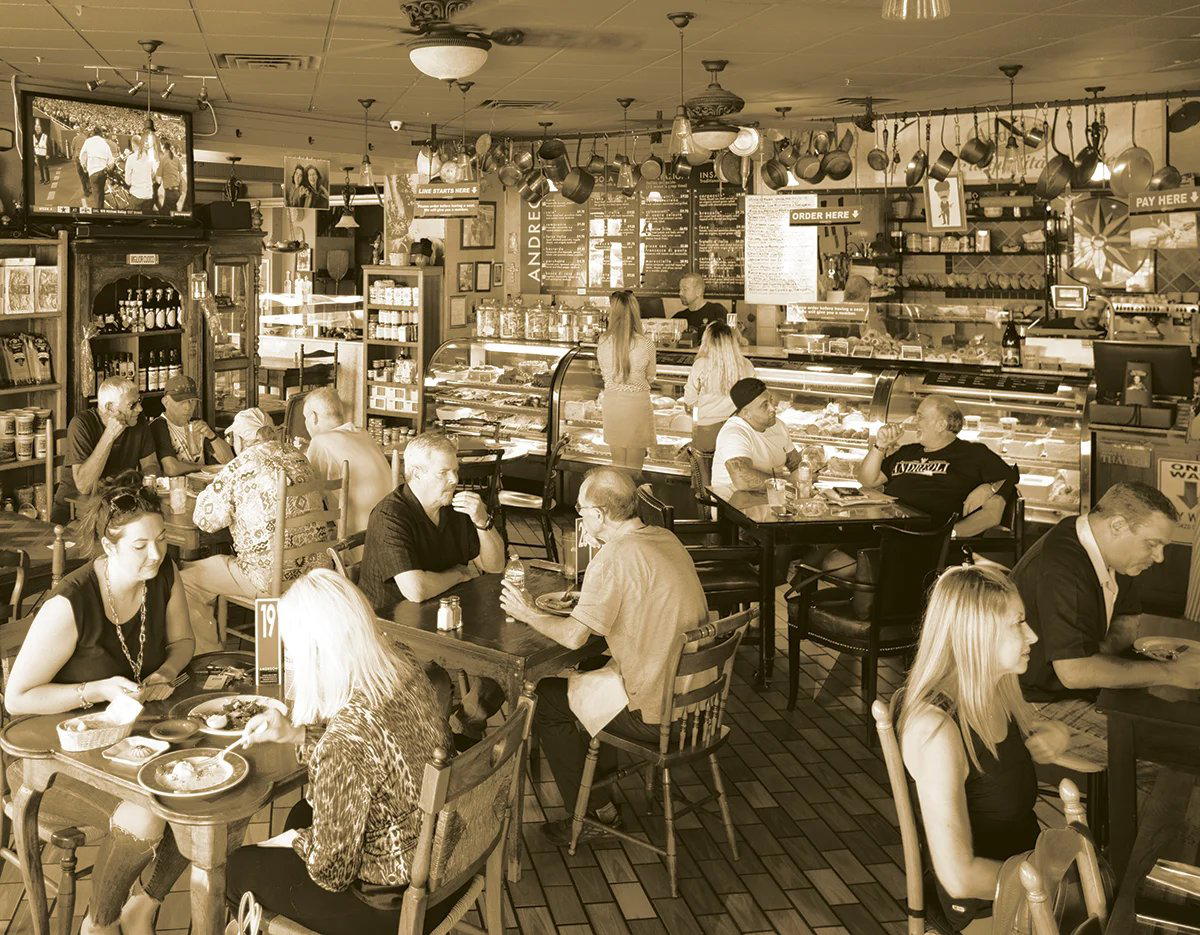
The Italian dining category in Scottsdale has meaningful range. Andreoli Italian Grocer operates as a deli-first, restaurant-adjacent format with a strong Italian import ethos. Arrivederci Pinnacle Peak occupies a neighborhood Italian niche further north. Toscana's wood-fire identity places it in a distinct sub-category: not a grocer, not a pasta-forward trattoria, but a kitchen where the oven itself is the selling point and the menu is built around what that oven does well.
For context on how this format scales at the highest level, consider restaurants like Single Thread Farm in Healdsburg or Blue Hill at Stone Barns in Tarrytown, both of which treat live-fire and ethical sourcing as inseparable editorial positions. Toscana operates at a different price point and scale, but the underlying logic connecting technique to ingredient sourcing runs through the same tradition. The wood-fire Italian format at the neighborhood level is, in many ways, a democratized version of the farm-to-fire ethos those destination restaurants helped formalize.
Scottsdale's broader dining scene offers plenty of comparison points. Atlas Bistro operates a New American format with a serious wine program. Afternoon Tea at the Phoenician sits at the formal, resort-experience end of the market. AC Kitchen covers the European-inspired continental breakfast tier. Toscana carves a different space: casual but committed, Italian-specific, and format-defined in a way that most mid-tier restaurants in the market are not.
What the Live-Fire Format Signals to the Guest
Choosing a wood-fired restaurant is implicitly choosing a particular kind of dining experience. The rhythm of service is different. Dishes emerge when they are ready rather than on a strict timed sequence, because the oven operates on its own thermal logic. Tables that understand this tend to order more freely, covering the table with shared plates and letting the kitchen sequence dishes as the fire allows.
This format also has practical implications for dietary range. Wood-fired Italian menus typically anchor on protein and bread, with vegetables playing a strong secondary role because high heat caramelizes them in ways that no other cooking method replicates as efficiently. For guests with specific dietary requirements, it is worth confirming directly with the restaurant which menu sections the kitchen can adapt, since the fire-centric approach does constrain modification in some directions while enabling more creativity in others.
For those planning a broader Scottsdale itinerary, our full Scottsdale restaurants guide covers the range of formats and price points across the city, from resort dining rooms to neighborhood specialists like Toscana.
Comparable Fire-Forward Thinking at Scale
The live-fire Italian conversation extends well beyond Scottsdale. At the national level, destinations like Addison in San Diego, Providence in Los Angeles, and Lazy Bear in San Francisco each demonstrate how technique-led kitchens build identity around a primary cooking philosophy rather than a broad menu. Alinea in Chicago and Atomix in New York City take that further into precision and research. Toscana's positioning is deliberately more accessible, but the principle of organizing a restaurant around a single technique runs through all of them.
Internationally, the wood-fire Italian format carries weight from its Tuscan origins. 8 1/2 Otto e Mezzo Bombana in Hong Kong demonstrates how Italian culinary traditions translate across cultural contexts when the technique is grounded rather than decorative. Toscana's name signals a Tuscan reference point, suggesting the kitchen draws from that central Italian tradition of simplicity, fire, and high-quality base ingredients rather than from the heavier, sauce-forward cooking of the south.
Know Before You Go
Address: 16580 N 92nd St #100, Scottsdale, AZ 85260
Cuisine: Wood-fired Italian
Setting: Strip-center neighborhood restaurant, north Scottsdale
Price range: Not confirmed in available records; contact the restaurant directly for current pricing
Reservations: Booking method not confirmed; calling ahead is advisable for weekend visits given the neighborhood restaurant format
Parking: Strip-center location typically provides surface parking adjacent to the entrance
Hours: Not confirmed in available records; verify directly before visiting
Continue exploring
More in Scottsdale
Restaurants in Scottsdale
Browse all →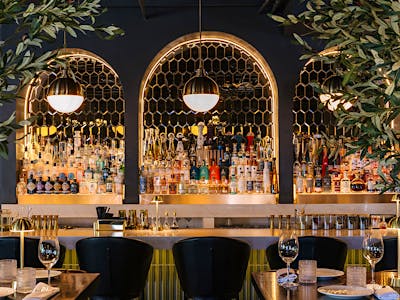
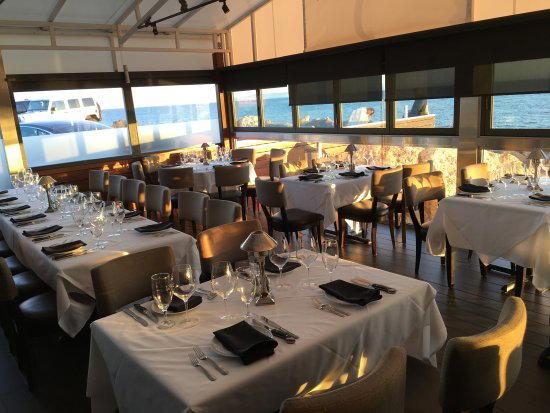
Bars in Scottsdale
Browse all →

At a Glance
- Cozy
- Elegant
- Rustic
- Romantic
- Date Night
- Family
- Celebration
- Special Occasion
- Open Kitchen
- Private Dining
- Extensive Wine List
Current opening hours
- Monday
- Closed
- Tuesday
- 4–9 PM
- Wednesday
- 4–9 PM
- Thursday
- 4–9 PM
- Friday
- 4–10 PM
- Saturday
- 5–10 PM
- Sunday
- Closed
Hours can change for holidays and private events. Last verified .
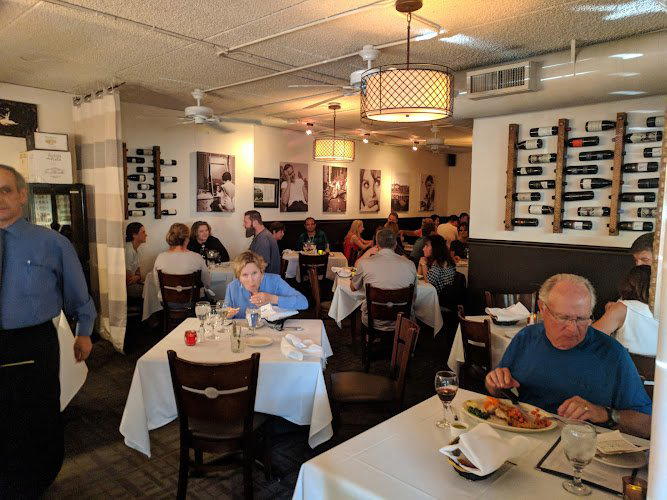
Warm, inviting, and cozy atmosphere with elegant indoor and outdoor patio seating, well-suited for romantic dinners and celebrations.
Know Before You Go
- Getting there
- 16580 N 92nd St #100, Scottsdale, AZ 85260