
Tabelog 100 #76
Our verdict
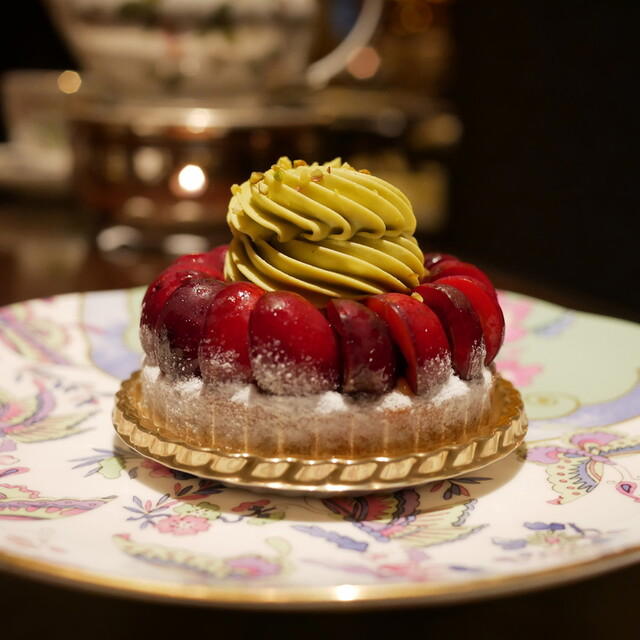
A take-out sweets counter inside The Ritz-Carlton Osaka, focused on cake, bread and chocolate in Umeda’s hotel dining orbit. Recognition from Tabelog 100 - Sweets - WEST - 2023 places it in the region’s serious pastry conversation, while the spend range sits at JPY 1,000 - JPY 1,999.

Pearl is the En Primeur Club membership app — saves, bookings, and concierge access live there. Same editors, same standards.
The menu
What to order
- Signature Ritz-Carlton cake
- Assorted breads and viennoiserie
- Chocolate and confectionery gifts
Hotel pastry counters in Osaka have a choreography: polished vitrines, quiet staff, gift boxes handled with ceremony, and customers split between house guests, office workers and locals buying something precise rather than lingering. The Ritz Carlton Gourmet Shop fits that genre: a sweets-focused format where cake, bread and chocolate do the work a dining room usually would. In Osaka, where food halls and hotel lounges compete for the same afternoon appetite, that matters. Osaka’s sweet culture is not only patisserie as dessert; it is omiyage, small-format luxury, seasonal gifting and the Japanese habit of turning takeaway into a considered exchange.
Osaka’s hotel dining often divides between full-service rooms and portable craftsmanship. The former includes high-spend destinations such as Shantao, Xiang Tao, La Baie and Splendido; the latter is quieter, more daily and more useful for travellers wanting a credible taste of the city without a long meal. The Gourmet Shop sits in that second lane. Its Tabelog 100 - Sweets - WEST - 2023 selection is the signal: not a generic luxury-property counter, but part of the regional sweets field where technical pastry, disciplined packaging and repeat local custom count.
Hotel pastry in Osaka, built for gifting rather than lingering
The format explains the experience. As a shop for cake, bread and chocolate, it sits closer to Osaka’s retail sweets culture than to the tasting-menu economy around it. That distinction helps travellers. A hotel patisserie can borrow luxury retail’s visual language, but in Japan it is judged by different habits: how cleanly a cake travels, whether chocolate suits a formal gift, whether bread works for a hotel breakfast table or train ride, and whether packaging respects the occasion.
The categories are practical: cake, bread and chocolate. They also show the cross-current behind contemporary Japanese pastry. International technique provides part of the grammar; Japanese retail culture controls the cadence: small portions, careful wrapping, seasonal awareness and the expectation that sweets may be bought for someone else. The result is less theatrical than a restaurant dessert counter and exacting in its own way. A cake shop in Osaka must survive comparison with hotel peers and the food retail counters residents use constantly.
City context sharpens the point. Osaka is a transport and commerce engine as well as a dining city, so portable food is unusually competitive. Nearby reference points are less important than the broader urban rhythm: quick purchases, careful gifts, and sweets that need to justify being carried away. The Gourmet Shop is more formal than everyday bakery-and-café stops, but competes for the same decision: what is worth carrying away.
Global technique, Japanese retail discipline
Editorial interest is not a chef biography, since no individual name is central to the public identity here. It is how hotel pastry in Japan translates broad technical methods into local use. Chocolate and cake carry luxury associations, but the decisive details are Japanese: clean finish, restrained portioning, gift suitability and reliability. The shop is less about one signature than a system. Luxury hotel infrastructure gives the counter consistency; Osaka’s sweets market forces it to stay useful.
That balance separates it from a lounge experience such as The Lobby Lounge, where spend and setting move toward seated afternoon service. It also separates it from full restaurants in the same luxury orbit, where service, wine and pacing enter the bill. A sweets counter has fewer places to hide. The product either reads well in the case, travels well in the box and makes sense at home, or it does not. Tabelog’s sweets recognition gives the format a public credential, but the practical argument is simpler: this is the right category for a traveller wanting hotel-level pastry without building a day around it.
For Osaka dining beyond sweets, the contrast is instructive. Other Osaka dining rooms show outside influences adapting to local expectations in restaurants; the Gourmet Shop does the same through pastry retail. The city comfortably absorbs outside forms and makes them serve Osaka habits. That is why a cake, bread and chocolate counter can reveal as much as a formal dining room.
How to use it in an Osaka itinerary
The smart use case is targeted, not leisurely. Treat the shop as a short Osaka stop for hotel pastry, a gift purchase, or a controlled alternative to a longer afternoon service. Its cake, bread and chocolate focus suits a moment before onward travel, after shopping, or ahead of a hotel evening better than the anchor of a meal. The appeal is practical as much as polished: a recognized sweets counter with a clear category and a listed price band.
For a wider city read, pair it with EP Club’s broader Osaka coverage: Our full Osaka restaurants guide, Our full Osaka hotels guide, Our full Osaka bars guide, Our full Osaka wineries guide and Our full Osaka experiences guide. For comparison outside Osaka, it is enough to look generically at how Japanese food culture travels through format as much as flavor: sweets counters, gift shops, bakeries and casual takeaway all shape the way a city eats. The Gourmet Shop belongs to that format-driven side of the dining map.
The Ritz Carlton Gourmet Shop is strongest on those terms: a polished Osaka sweets address with a recognized regional credential, useful for gifting and pastry rather than spectacle. In a city that treats portable food seriously, that is enough to make it part of the Osaka conversation.
Frequently asked questions
Where is The Ritz Carlton Gourmet Shop in Osaka?
Osaka.
Is The Ritz Carlton Gourmet Shop expensive?
Pricing at The Ritz Carlton Gourmet Shop is listed as JPY 1,000 - JPY 1,999.
Can I walk in to The Ritz Carlton Gourmet Shop?
The Ritz Carlton Gourmet Shop is a cake, bread and chocolate venue in Osaka. For current visit details, contact the shop directly at +81-6-6343-7000. It was selected for Tabelog 100 Sweets WEST 2023.
What is The Ritz Carlton Gourmet Shop known for?
The Ritz Carlton Gourmet Shop is known for cake, bread and chocolate in Osaka, with a Tabelog score of 3.65 and Tabelog 100 Sweets WEST 2023 recognition.
Cost Snapshot
Comparable venues to calibrate price, style, and recognition.
| Venue | Cuisine | Price | Awards | Notes |
|---|---|---|---|---|
| The Ritz Carlton Gourmet ShopThis venue (the venue you are viewing) | Hotel patisserie & gourmet shop | $10–20 | Tabelog 100 #76 | Not listed |
| Yamaguchi Kudamono | Seasonal Fruit Parlor & Café | $10–20 | Tabelog 100 #65 | Chūō, Seasonal Fruit Parlor & Café |
| Ren | Cocktail bar with light bar food | $20–30 | Tabelog 100 #13 | Kita, Cocktail bar with light bar food |
| ELMERS GREEN CAFE | Coffee Shop & Bakery Café | $10–20 | Tabelog 100 #83 | Chūō, Coffee Shop & Bakery Café |
| cocoo cafe | Nishi, Kakigori dessert cafe | $10–20 | Tabelog 100 #9 | Not listed |
| MONDIAL KAFFEE 328 | Specialty Coffee & Café with House-Roasted Beans and Sweets | $10–20 | Tabelog 100 #62 | Nishi, Specialty Coffee & Café with House-Roasted Beans and Sweets |
Recognition history
Dated appearances from independent guides and award organizations, with the underlying list record or original source where available.
Tabelog 100 #76 · No. 76
Tabelog · Tabelog 100 - Sweets - WEST - 2023
Continue exploring
More in Osaka
Restaurants in Osaka
All restaurants in Osaka →

Bars in Osaka
All bars in Osaka →
Hotels in Osaka
All hotels in Osaka →


Wineries in Osaka
Browse all →
Details
- Modern
- Elegant
- Cozy
- Solo
- Casual Hangout
- After Work
- Family
- Hotel Restaurant
- Design Destination
- A La Carte
- Coffee
- Tea
- Juice
- Wine
Located off the Ritz-Carlton Osaka lobby, the shop feels like a refined hotel patisserie: bright display cases of cakes and breads, polished but relaxed counter-style service, and a calm, elegant atmosphere suited to quick visits and gift shopping rather than long sit-down meals.