The Restaurant at Sanderson
The Restaurant at Sanderson occupies a distinctive position in London's Fitzrovia dining scene, operating inside one of the neighbourhood's most architecturally considered hotel spaces. Its wine program and European-leaning menu sit within a category of hotel restaurants that compete on atmosphere and cellar depth as much as on plate. For visitors anchored in the West End, it offers a coherent evening in one address.
Pearl is the En Primeur Club membership app — saves, bookings, and concierge access live there. Same editors, same standards.
- Address
- 50 Berners St, London W1T 3NG, United Kingdom
- Phone
- +442073001400
- Website
- book.ennismore.com
- Directions
- Get directions
 Saves & bookings on Pearl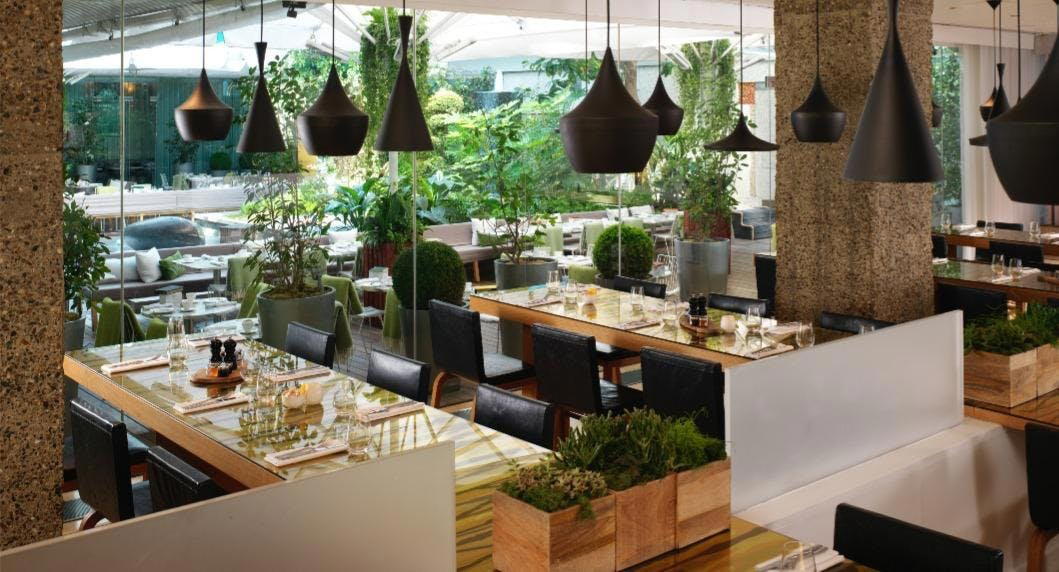
Fitzrovia's Hotel Dining Tier and Where Sanderson Sits Within It
London's hotel restaurant category has undergone a sustained recalibration over the past two decades. What was once a reliable shorthand for overpriced conventionality has split into genuinely distinct tiers: destination restaurants that happen to be inside hotels, credible neighbourhood options operating under a hotel flag, and legacy dining rooms coasting on address rather than ambition. The Restaurant at Sanderson is a Modern Italian restaurant at 50 Berners St, London, in the Sanderson hotel.
Fitzrovia itself is a useful lens for understanding the competitive pressure the restaurant operates under. The neighbourhood sits between Soho's density and Marylebone's composure, and its dining scene has matured accordingly. Within a short walk, diners have access to some of London's more considered independent restaurants, which means a hotel dining room in this postcode earns its repeat custom on merit rather than proximity alone. That geographic context sets a higher bar than it would in a less restaurant-saturated part of the city.
The Wine Program as the Central Argument
In hotel dining rooms at this level, the wine list tends to be either the strongest or weakest element of the offer. A well-resourced hotel can maintain cellar depth that standalone restaurants at similar price points rarely achieve, the capital base and storage infrastructure are simply different. The more interesting question is curation: whether the list reflects genuine wine literacy or merely purchasing power directed at recognisable labels.
Hotel wine programs in London's West End have historically leaned toward the latter: heavy on Burgundy grand crus and Bordeaux classified growths selected for recognisability rather than precision of fit to the menu. The more considered programs, those that treat the list as an editorial statement rather than a trophy cabinet, tend to include producers from less commercially obvious regions alongside the anchoring classics, and tend to show some internal logic about why a given bottle appears on the list.
Diners who prioritise cellar depth and sommelier engagement as part of their evening tend to find hotel dining rooms more reliable than standalone restaurants in the same price bracket, precisely because the economics of maintaining a serious cellar are more sustainable under a hotel's operational structure. That applies here, in a West End hotel with the infrastructure to support a program of genuine range.
European Cooking in a West End Context
Hotel restaurants in London's West End largely converge on European cooking as their default register, French technique, British seasonal ingredients, and Mediterranean influences forming the core vocabulary. This isn't laziness; it reflects what the market at this price tier and guest demographic consistently supports. The more differentiated positions in London hotel dining tend to be held by restaurants with a named chef of significant independent reputation, where the cooking has a distinct authorial identity that overrides the category defaults.
Restaurants operating without that kind of named-chef anchor tend to compete on execution consistency, atmosphere, and, critically, the wine and service program. These are areas where hotel infrastructure genuinely supports quality delivery in ways that smaller independents find harder to sustain.
The Sanderson Space: Atmosphere as Infrastructure
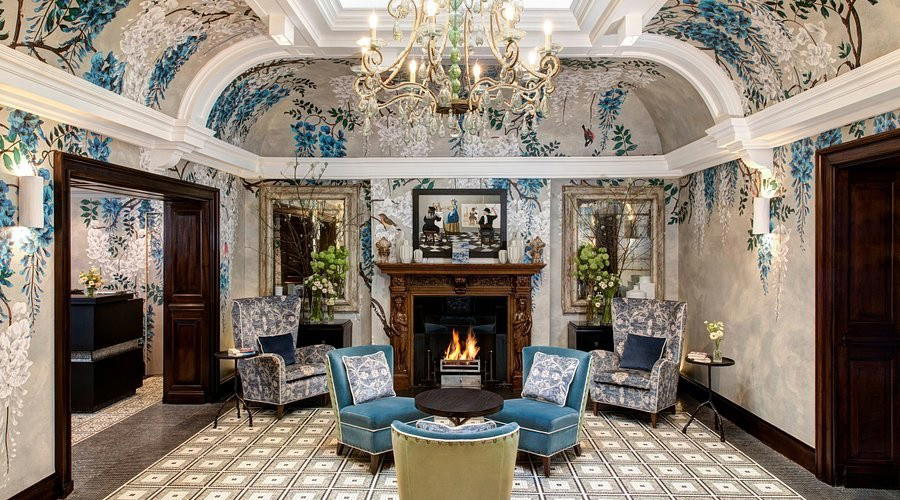
The Sanderson hotel was designed by Philippe Starck and opened in 2000, giving the dining room a design pedigree that remains legible in the interior even two decades on. Starck-designed hotel spaces from that period traded on surrealist theatrical gestures, furniture at unexpected scales, materials in counterintuitive combinations, spaces that refused the conventions of what a hotel lobby or dining room was supposed to look like. That design language, now familiar through repetition and imitation, still creates a distinct atmosphere that differentiates the space from the more neutral luxury interiors that followed in its wake.
For hotel dining, atmosphere functions as part of the experience, as material to the evening as the food or the wine list. A dining room with genuine design history carries a different kind of authority than a recently refurbished space chasing the same look through contemporary means. The Sanderson's 2000 Starck interior gives it a specific period authority that its competitors in the neighbourhood do not share.
Beyond London: Comparable Dining Formats Across the UK
The hotel dining room with serious wine credentials is a format that appears consistently across the UK's upper-tier destinations. Le Manoir aux Quat'Saisons in Oxford and the Waterside Inn in Bray represent the format at its most refined, where the restaurant and the hotel property operate as a unified proposition. Gidleigh Park in Chagford follows a similar logic in the southwest. In the north, Moor Hall in Aughton and L'Enclume in Cartmel extend the format into destination-restaurant territory where accommodation is secondary. Restaurant Andrew Fairlie in Auchterarder demonstrates the format's viability in Scotland.
City-centre hotel dining rooms like the Sanderson's operate under different constraints than countryside destination properties, they compete against a denser set of restaurant alternatives and serve a higher proportion of guests who are in the building for meetings or short stays rather than for the dining experience as the primary purpose of the trip. The programming of such a restaurant, from wine list to menu register to service tempo, has to accommodate that range of motivation.
Elsewhere in the global context, Le Bernardin in New York City and Atomix in New York City show how different the reference points become once you move from hotel-format dining to independent destination restaurants, different risk profile, different wine program economics, different relationship between chef identity and the overall offer. Midsummer House in Cambridge, Opheem in Birmingham, and hide and fox in Saltwood round out the UK picture at the Michelin-recognised tier. Hand and Flowers in Marlow remains a useful reference point for the pub-format alternative at serious price points.
A Quick Peer Check
Comparable venues nearby, for context on price, style, and recognition.
| Venue | Cuisine | Price | Notes |
|---|---|---|---|
| The Restaurant at SandersonThis venue — the venue you are viewing | Modern Italian | $$$$ | Not listed |
| Bernardi's | Modern Italian | $$$ | Marble Arch |
| Il Pampero | Authentic Italian Trattoria | $$$ | Belgravia |
| Mercante | Contemporary Italian Market Cuisine | $$$ | Mayfair |
| Il Portico | Traditional Emilia Romagna Italian | $$$ | South Kensington |
| Cibo | Rustic Italian | $$$ | Holland Park |
Continue exploring
More in London
Restaurants in London
Browse all →
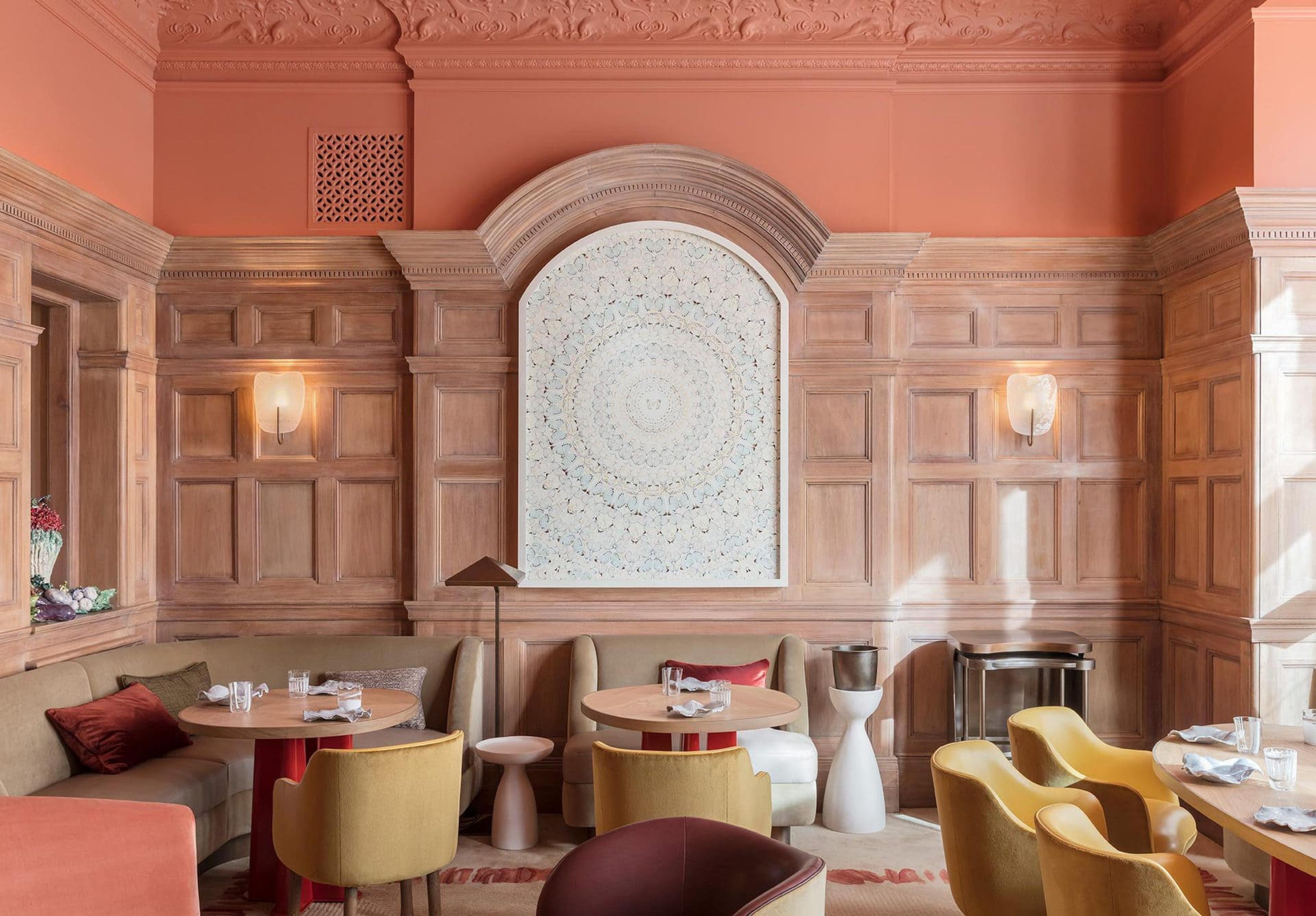
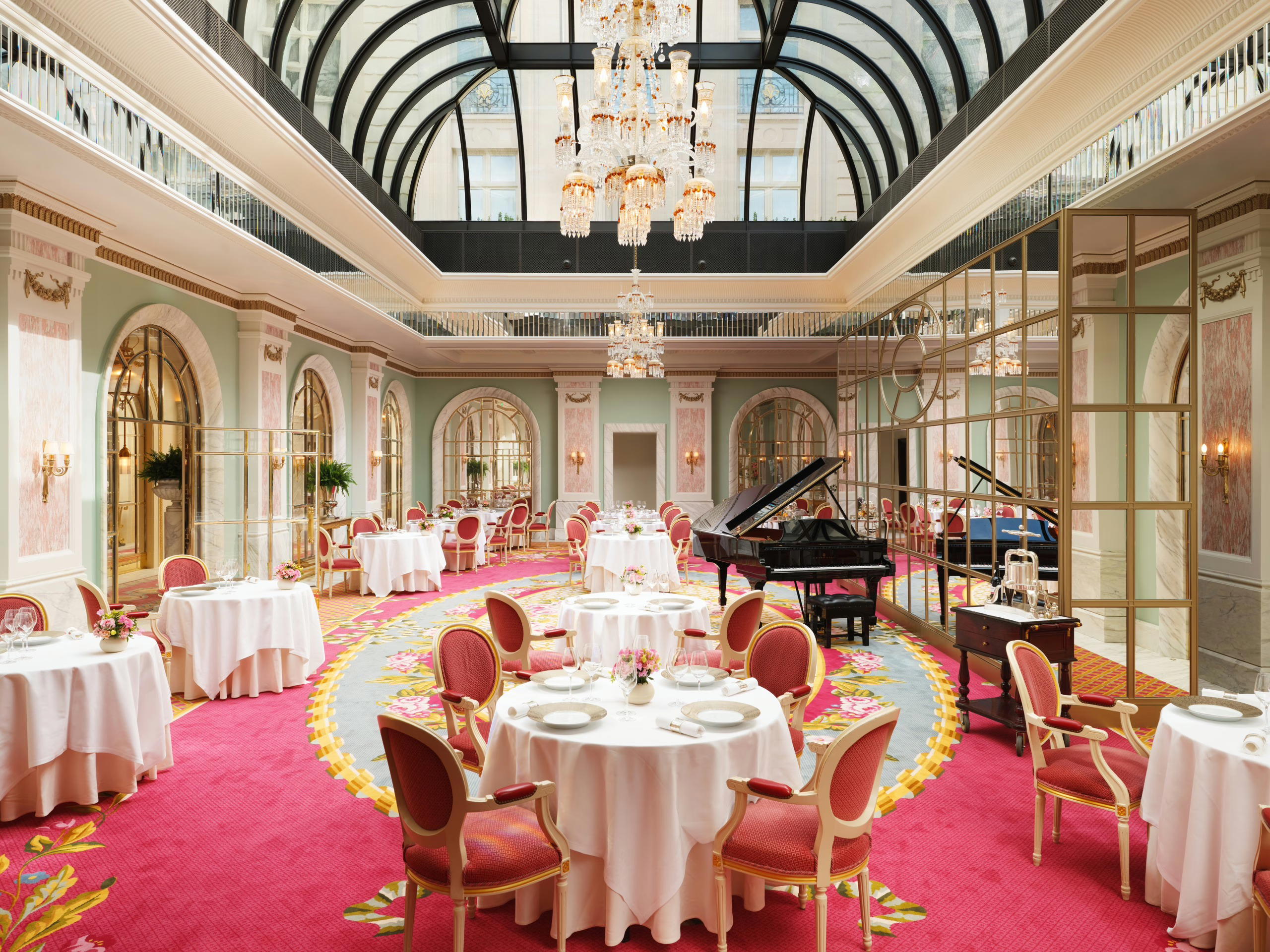
Bars in London
Browse all →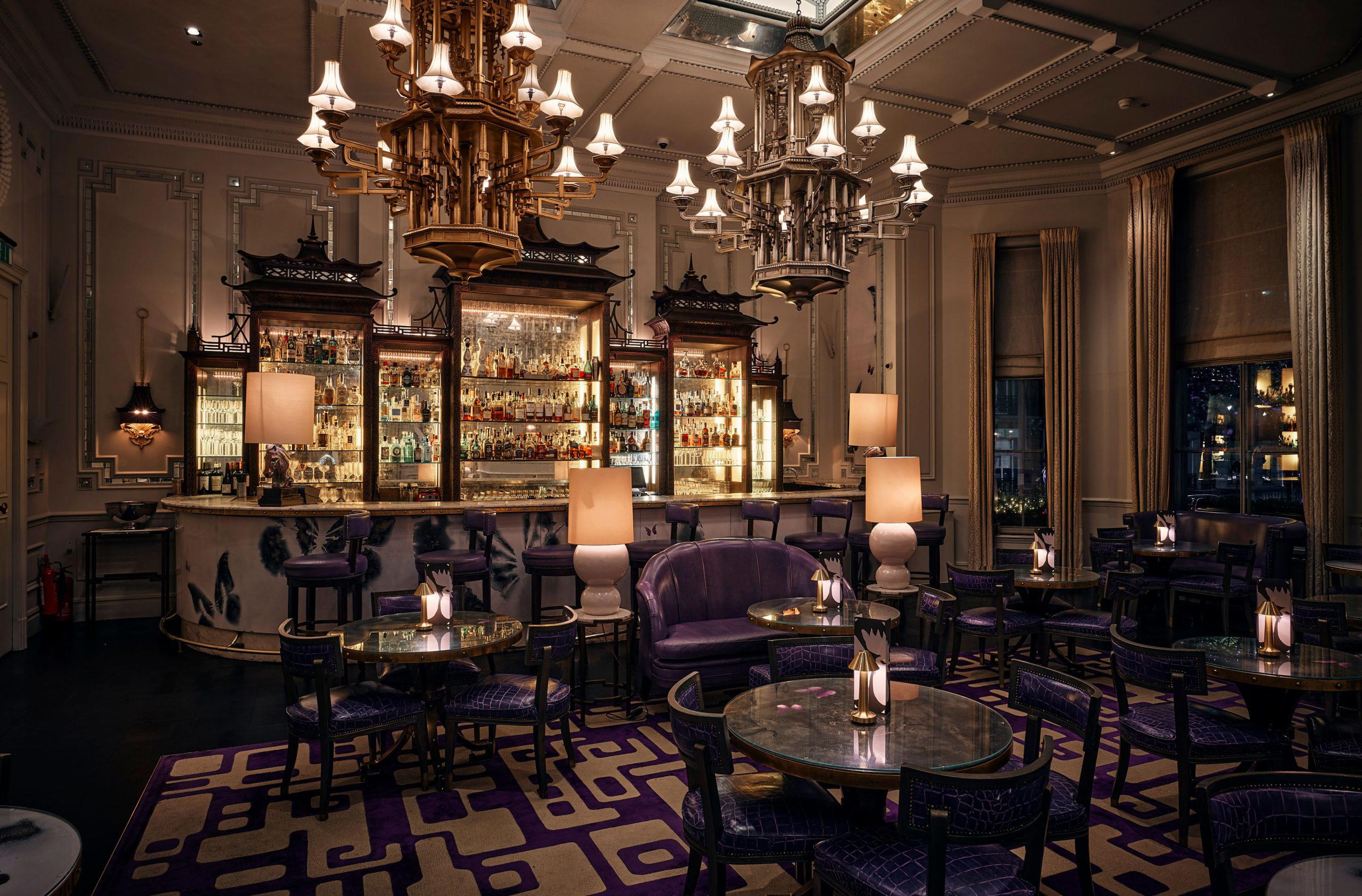
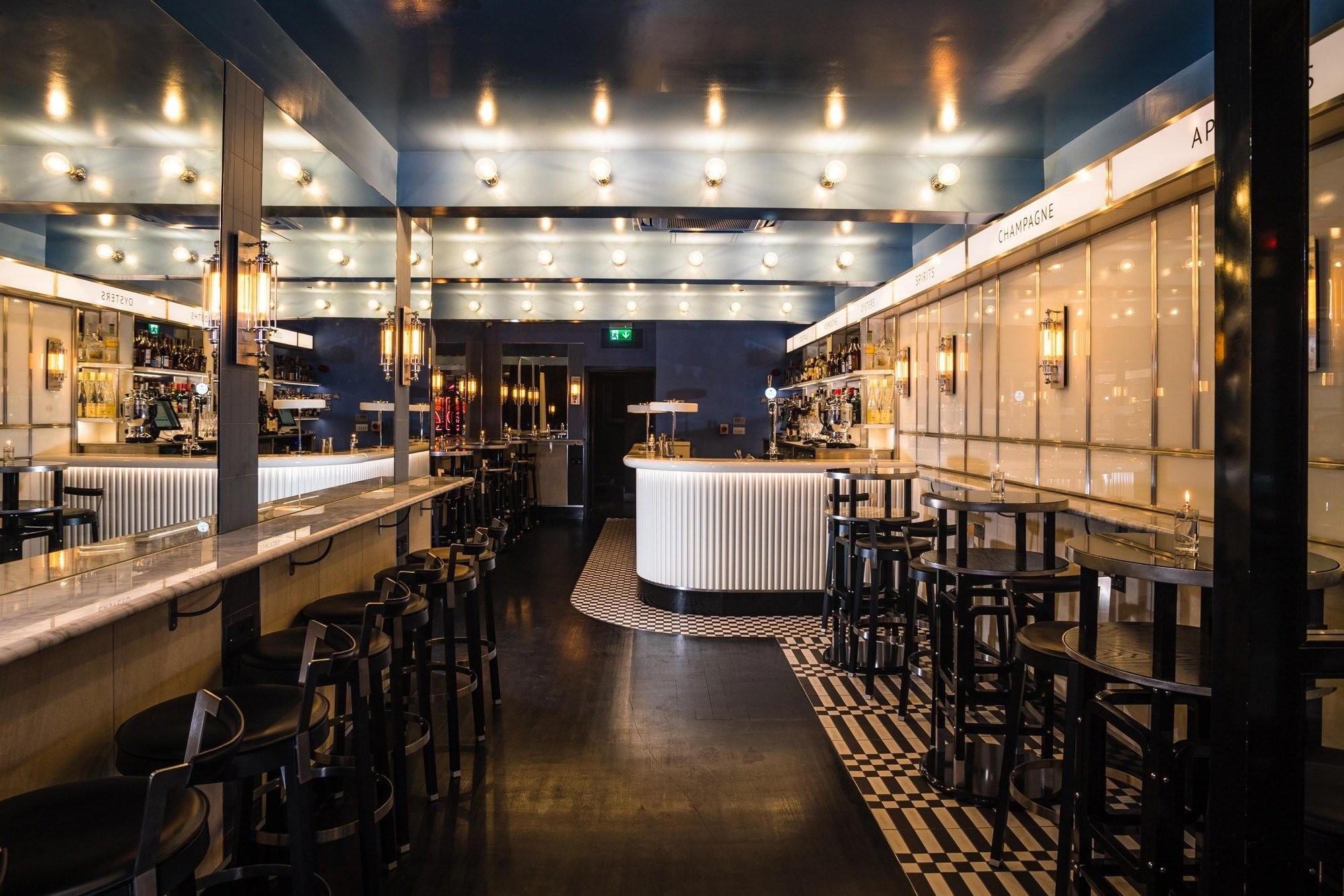
Hotels in London
Browse all →


At a Glance
- Modern
- Elegant
- Sophisticated
- Date Night
- Special Occasion
- Hotel Restaurant
- Private Dining
- Extensive Wine List
- Craft Cocktails
Current opening hours
- Monday
- 7–10:30 AM, 12–10:30 PM
- Tuesday
- 7–10:30 AM, 12–10:30 PM
- Wednesday
- 7–10:30 AM, 12–10:30 PM
- Thursday
- 7–10:30 AM, 12–10:30 PM
- Friday
- 7–10:30 AM, 12–11 PM
- Saturday
- 7–11 AM, 12–11 PM
- Sunday
- 7–11 AM, 12–10:30 PM
Hours can change for holidays and private events. Last verified .
Light and modern space with polished service and stylish atmosphere.