The Perfect Caper
On East Marion Avenue in downtown Punta Gorda, The Perfect Caper occupies a quiet corner of a city whose dining scene punches well above its size. The restaurant draws a committed local following and positions itself at the upper end of Charlotte County's casual-to-serious dining spectrum, making it a reference point for anyone mapping the area's better tables.
Pearl is the En Primeur Club membership app — saves, bookings, and concierge access live there. Same editors, same standards.
- Address
- 121 E Marion Ave, Punta Gorda, FL 33950
- Phone
- +19415059009
- Website
- theperfectcaper.com
- Directions
- Get directions
 Saves & bookings on Pearl
Punta Gorda's Dining Register and Where Fine Dining Fits
Southwest Florida's Gulf Coast cities occupy an interesting middle tier in the American dining conversation. They are too small to attract the kind of chef-driven investment that reshapes a neighbourhood overnight, yet they carry enough affluent year-round and seasonal population to sustain restaurants operating well above the strip-mall seafood baseline. Punta Gorda sits at the compact end of this spectrum: a city of roughly 20,000 permanent residents, a historic waterfront district, and a dining scene that rewards patience from anyone willing to look past the obvious. Within that context, a restaurant on East Marion Avenue in the heart of the old downtown carries real locational weight. The address puts it in a walkable cluster of independent businesses that form the closest thing Punta Gorda has to a genuine dining corridor.
The Cultural Grammar of American Fine Dining in Smaller Cities
To understand what a serious independent restaurant means in a market like Punta Gorda, it helps to place it against the national pattern. American fine dining has concentrated its flagship energy in a handful of dense urban markets. Le Bernardin in New York City and Alinea in Chicago operate inside ecosystems where competition, press, and a critical mass of demanding diners continuously sharpen the offer. Lazy Bear in San Francisco and The French Laundry in Napa draw on regional agricultural depth and wine-country culture to give their menus a specific sense of place. Single Thread Farm in Healdsburg and Blue Hill at Stone Barns in Tarrytown have built identities around farm-to-table specificity at a level that requires significant land and infrastructure investment.
None of that translates directly to a Gulf Coast city of 20,000. What does translate is the underlying principle: that guests in smaller markets increasingly want restaurants with a considered point of view, not just efficient execution of a familiar format. This is the cultural opening that serious independents in secondary Florida markets occupy. They are not competing with Providence in Los Angeles or Addison in San Diego for the same guest. They are competing for the attention of a local population that could easily drive to Sarasota or Fort Myers for dinner and chooses not to, because the offer at home has become worth staying for.
The Scene at 121 East Marion Avenue
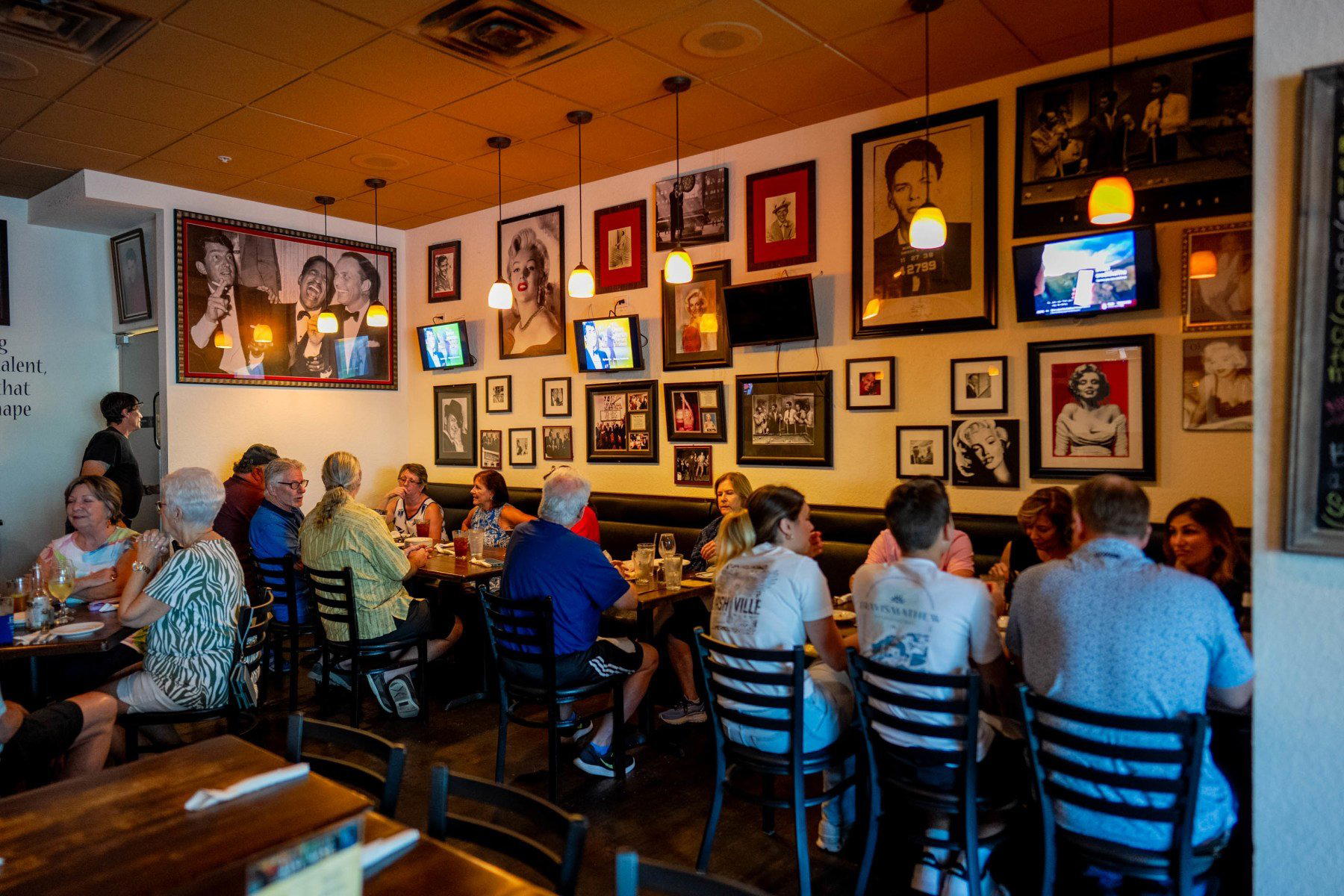
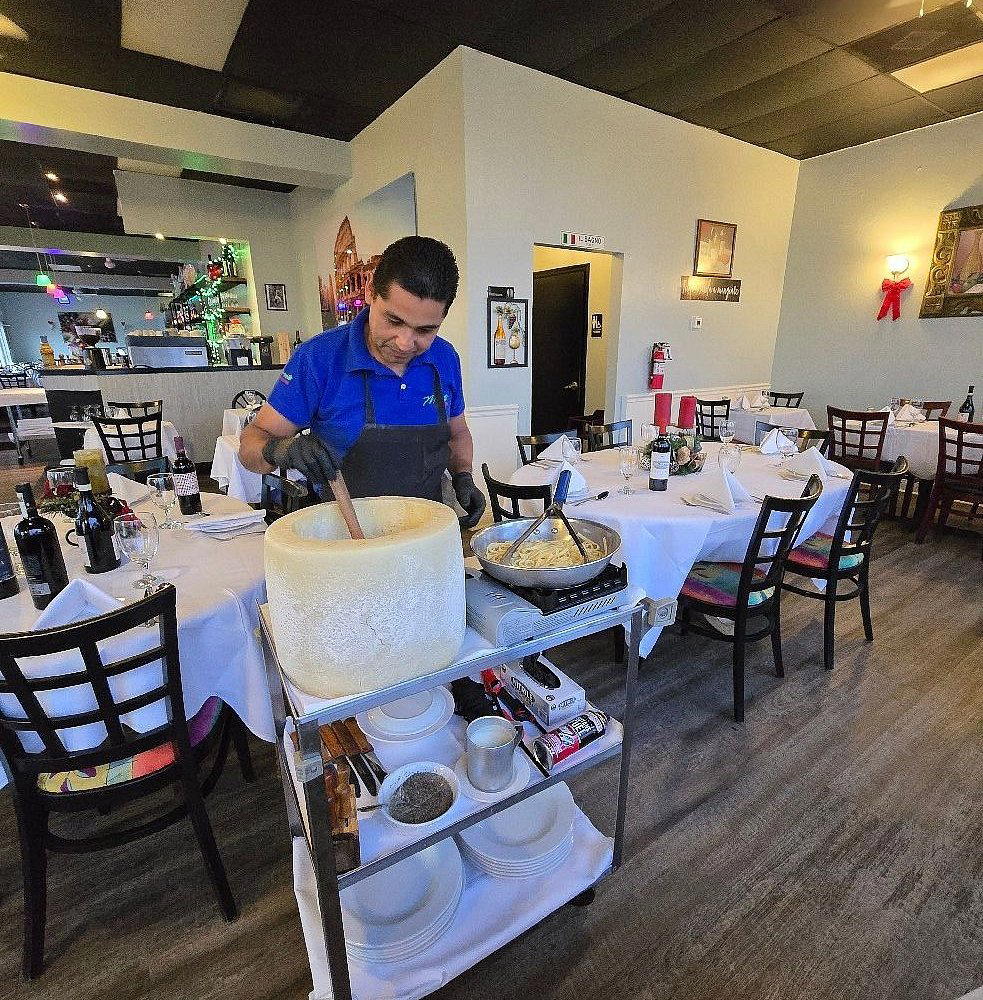
Downtown Punta Gorda's built fabric is low-rise and historically modest, which means restaurants here work with intimate spaces rather than dramatic room volume. The address at 121 East Marion Ave places The Perfect Caper within a short walk of the city's waterfront, in a block that functions as an anchor for evening foot traffic from the surrounding residential streets and the marina district nearby. This proximity to the water matters in Florida dining culture: Gulf Coast restaurants with easy walking access to marinas tend to draw a guest who has arrived by boat as often as by car, which shapes both the timing of service and the expectations around hospitality. The tone here is relaxed without being casual in the dismissive sense, the kind of environment where the food can be taken seriously without the room requiring it.
Other independent operators in the same downtown cluster, including Grace's Restaurant and The Grille Room at Heritage Landing, occupy different positions on the price-and-formality axis, which gives the area genuine range rather than redundancy. That kind of peer differentiation is what allows a small dining district to function as a district rather than a collection of interchangeable options.
Gulf Coast Culinary Roots and What They Demand of a Kitchen
Florida's Gulf Coast carries a culinary inheritance that is genuinely distinct from the rest of the American South. The proximity to the Gulf means that fresh fish and shellfish are not a seasonal luxury but a structural baseline expectation. Stone crab, grouper, snook, and Gulf shrimp move through the region's leading kitchens with the kind of frequency that rewards sourcing relationships over menu engineering. Restaurants that understand this tend to build their credibility on product quality first, technique second. Those that treat the Gulf's produce as interchangeable with commodity seafood tend to flatten out at a middling level, however polished their room might be.
The broader American fine dining conversation has produced notable work with regional seafood specificity. Emeril's in New Orleans built an identity partly on Gulf-adjacent ingredients treated with French-Creole rigour. Bacchanalia in Atlanta has long argued that the American South's produce deserves the same kitchen discipline applied to European ingredients. More recently, restaurants like Causa in Washington, D.C., Brutø in Denver, and Atomix in New York City have demonstrated that cultural specificity at the ingredient and technique level produces more durable reputations than format novelty alone. Even in an international frame, the argument holds: 8½ Otto e Mezzo Bombana in Hong Kong and The Inn at Little Washington have sustained reputations across decades by anchoring to a clear culinary identity rather than chasing trends. The pattern across all of these is consistent: knowing what you are, and executing it with precision, outlasts novelty.
For a restaurant in Punta Gorda, this suggests that the competitive advantage is not in replicating what urban flagship restaurants do, but in doing something that only works here, with the ingredients and the guest culture that the Gulf Coast actually provides.
Planning Your Visit
The Perfect Caper sits at 121 East Marion Avenue in downtown Punta Gorda, within the walkable core of the historic district. Given the size of the market and the limited number of serious independent restaurants operating at this level in Charlotte County, booking ahead is advisable, particularly on weekends and during the winter season when the area's snowbird population swells the customer base substantially. Southwest Florida's dining peak runs roughly from November through April, when seasonal residents return and competition for good tables tightens. Arriving in the shoulder months of May or October offers a quieter room and, often, more attentive service rhythms.
Booking and Cost Snapshot
Comparable venues nearby, for context on price, style, and recognition.
| Venue | Cuisine | Price | Notes |
|---|---|---|---|
| The Perfect CaperThis venue — the venue you are viewing | Punta Gorda, California-Asian Fusion | $$$ | Not listed |
| The Grille Room at Heritage Landing | Heritage Landing, American Grill | $$ | Not listed |
| Bargean Miami | Not listed | $$$ | Little Havana, LatinAegeo (Latin-Mediterranean Fusion) |
| bin6south | downtown, Modern Seasonal Fusion | $$$ | Not listed |
| Sajoma Latin Fusion | Central Florida, Latin Fusion | $$$ | Not listed |
| Amazónico | Brickell, Latin American Fusion | $$$$ | Not listed |
Continue exploring
More in Punta Gorda
Restaurants in Punta Gorda
Browse all →

Bars in Punta Gorda
Browse all →
At a Glance
- Elegant
- Sophisticated
- Intimate
- Date Night
- Special Occasion
- Private Dining
- Craft Cocktails
- Local Sourcing
Current opening hours
- Monday
- 4–9 PM
- Tuesday
- 4–9 PM
- Wednesday
- 11:30 AM–9 PM
- Thursday
- 11:30 AM–9 PM
- Friday
- 11:30 AM–10 PM
- Saturday
- 4–10 PM
- Sunday
- 4–9 PM
Hours can change for holidays and private events. Last verified .
Casually elegant neighborhood atmosphere with superior service.