The Ollerod

A 15th-century inn on Prout Hill, The Ollerod has served Beaminster with a seasonal, Dorset-focused menu since its opening, drawing on local seafood from Poole and Portland, and produce from the surrounding Wessex countryside. Note that the restaurant closes permanently on 1 March 2026, after which the property continues as a B&B with bar. House wine opens around £24.
Pearl is the En Primeur Club membership app — saves, bookings, and concierge access live there. Same editors, same standards.
- Address
- 3 Prout Hill, Beaminster DT8 3AY, United Kingdom
- Phone
- +44 1308 862200
- Website
- theollerod.co.uk
- Directions
- Get directions
 Saves & bookings on Pearl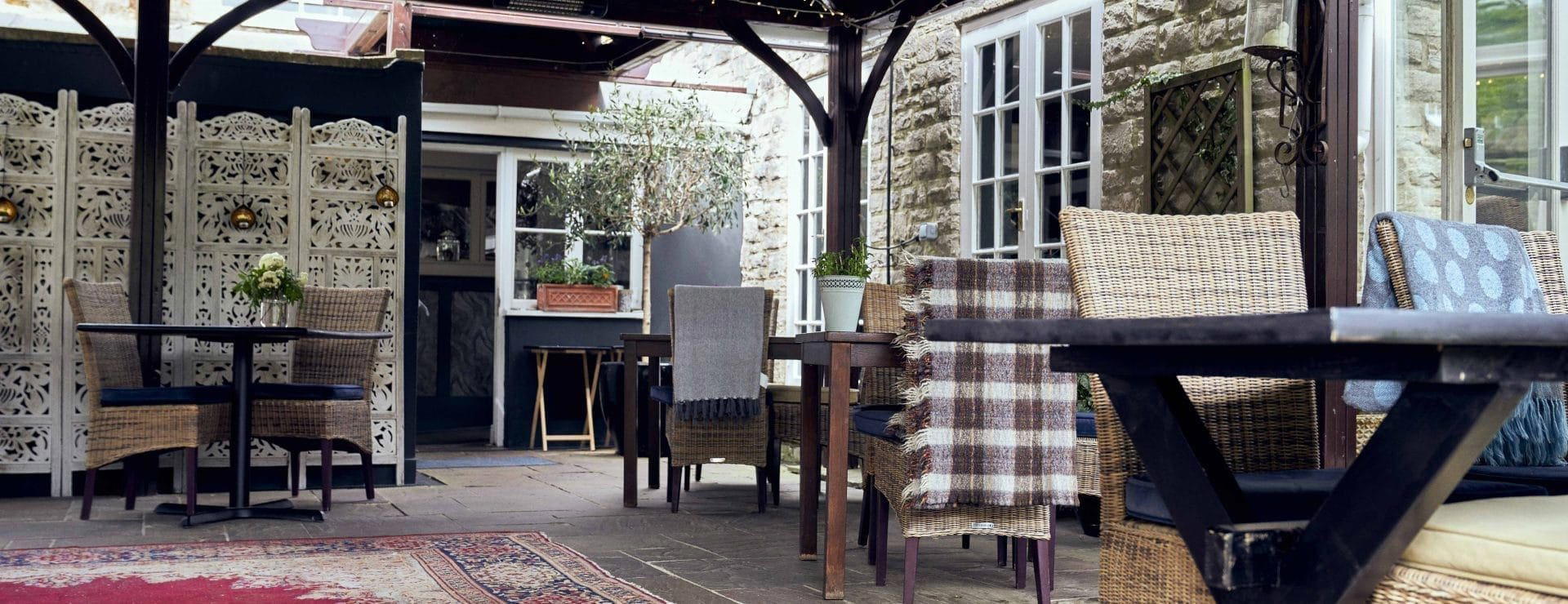
Thomas Hardy Country on a Plate
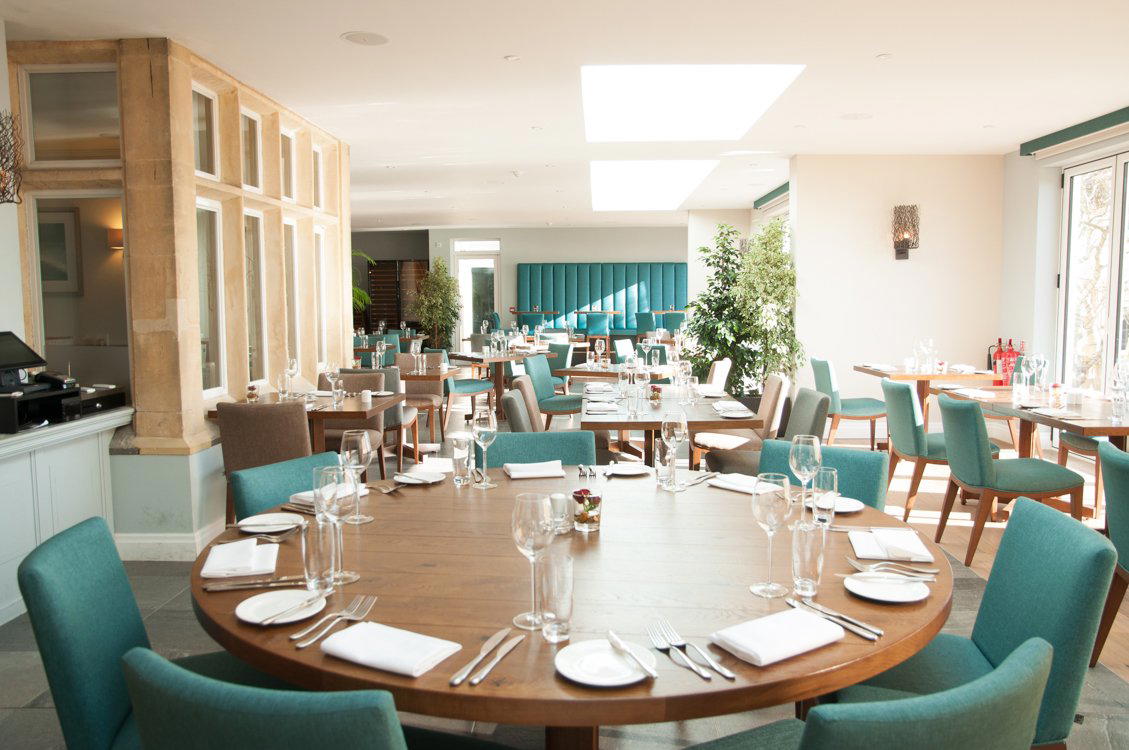
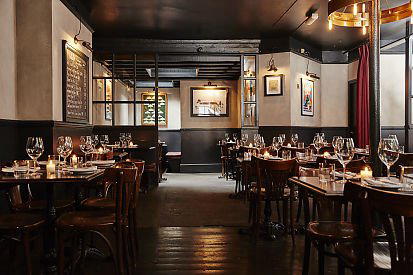
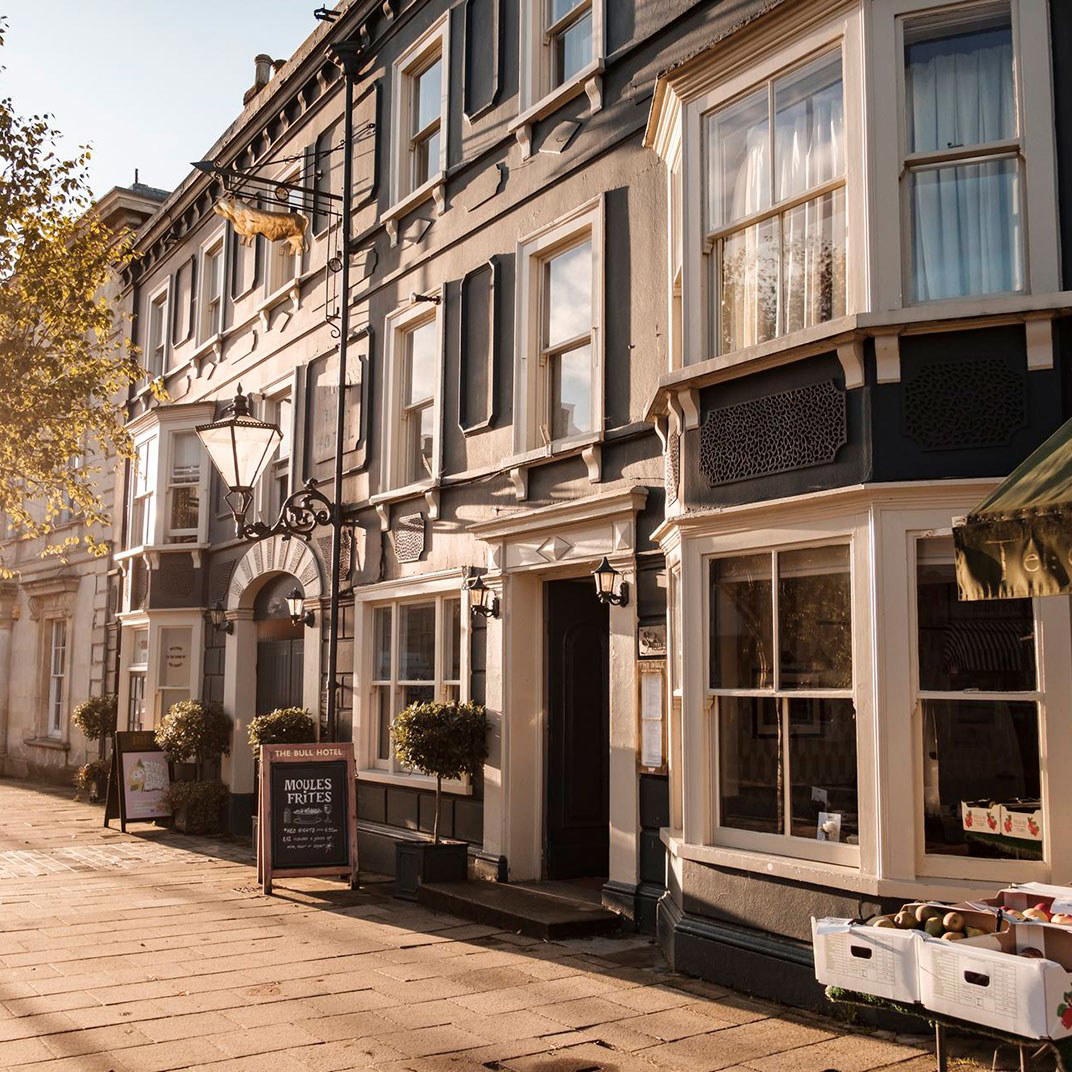
Beaminster sits in a fold of west Dorset hills that has changed relatively little since Thomas Hardy mapped it into fiction as 'Emminster' in Tess of the d'Urbervilles. The town's independent dining scene reflects that geography: small-scale, rooted in what the surrounding farms and coastline produce, and largely indifferent to the kind of metropolitan trend cycles that drive menus in Bristol or London. The Ollerod, the name is Dorset vernacular for cowslip, the yellow flower that covers these hills each spring, sits squarely inside that tradition. Its 15th-century building on Prout Hill announces its character before you reach the door: low beams, stone walls, a wood burner in an ancient hearth. In winter, that combination makes the dining room one of the warmer propositions in west Dorset. In summer, the conservatory at the rear opens onto the kind of light that reminded Hardy why he kept returning to this part of England.
The restaurant is closing permanently on 1 March 2026. After that date, the property will continue to operate as a B&B with bar, but the kitchen will cease full restaurant service. That makes the remaining months a fixed window for anyone who has been meaning to visit.
Dorset's Larder, Seven Miles from the Sea
Beaminster is roughly seven miles from the Jurassic Coast, and The Ollerod's menu has always reflected that proximity. The south Dorset shoreline runs from Weymouth to Lyme Regis and encompasses some of England's more productive inshore fishing grounds. Poole harbour, further east, supplies oysters that appear on the starter list. Portland, the limestone peninsula that juts into the Channel, contributes crab, served potted with grilled fennel. Swanage lobsters appear on the specials board when available, whole and grilled in the tradition of British coastal cooking that treats the ingredient as the event rather than a component.
The broader pattern here is familiar from the better village and market-town restaurants across the south-west of England: a European framework applied to whatever the local land and sea produce at a given moment. That approach places The Ollerod in a loosely comparable set to hide and fox in Saltwood or Gidleigh Park in Chagford in the sense that geography drives the sourcing, though the restaurant operates at a more informal register and a lower price point than either. It is worth distinguishing this model from the high-investment destination restaurants that have defined British fine dining over the past two decades, places like L'Enclume in Cartmel, Moor Hall in Aughton, or The Ledbury in London. The restaurant has never pursued that tier. Its proposition is a well-cooked seasonal meal in a historic room, priced and formatted for the local market as much as for visitors.
A Menu That Moves Between Registers
What distinguishes the restaurant's menu from a straightforwardly conventional country-pub kitchen is its willingness to shift registers. The European core, fish mains built around whole grilled sea bream with spinach, samphire, crushed potatoes and a confit tomato salsa verde; a chicken liver parfait with homemade chutney, sits alongside elements that reflect the owner's South African background. Biltong appears as a side, a detail that signals a kitchen comfortable with mixing its references rather than enforcing stylistic consistency. Burgers, steaks, takeaway pizzas and lunchtime sandwiches round out the offer, extending the range beyond what a purely destination-focused operation would attempt.
Wednesday evenings operate on a different model entirely: the kitchen closes and a Mexican pop-up takes over in the evenings. In a town of Beaminster's size, that kind of programming flexibility is unusual and practical, it keeps the space active mid-week without requiring the core kitchen team to work every service. For visitors planning specifically around the restaurant rather than the pop-up, Wednesday evenings are worth noting in advance.
Desserts follow the logic of the rest of the menu: chocolate brownie with honeycomb, a mixed berry Eton mess. These are not dishes making arguments about technique. They are the kind of ending that confirms the kitchen's priorities: satisfaction over statement. The wine list opens with house selections from around £24, positioning the room as accessible rather than aspirational on the beverage side.
Beaminster's Dining Context
Beaminster is a market town of under three thousand people. Its dining options are limited by that scale, but what exists tends toward the independent and place-specific. Brassica, the Mediterranean-focused restaurant on the square, has earned wider recognition and represents a different point on the local dining spectrum. Parnham Restaurant adds further depth to what is, for a town this size, a more considered eating scene than most visitors expect.
For context on what the south-west England country-dining tradition looks like at its most formal end, Le Manoir aux Quat' Saisons in Great Milton, Waterside Inn in Bray, and Hand and Flowers in Marlow represent the upper register of British country-house and village-inn dining. Internationally, the seasonal-local model that drives kitchens like The Ollerod finds different expression at places such as Midsummer House in Cambridge, Le Bernardin in New York City, and Emeril's in New Orleans, each operating inside a different culinary geography but sharing the principle that sourcing specificity gives a menu its character.
Planning a Visit Before March 2026
The restaurant is at 3 Prout Hill, Beaminster DT8 3AY. Given the confirmed March 2026 closure of the restaurant operation, anyone intending to eat there rather than stay in the B&B should book sooner rather than later. Wednesday evenings are covered by the Mexican pop-up rather than the regular kitchen, so factor that in when choosing a date. The restaurant operates seasonally in its programming, and the conservatory is the preferred room in summer months when the Wessex light is worth sitting in. House wine starts from around £24.
Pricing, Compared
Comparable venues nearby, for context on price, style, and recognition.
| Venue | Cuisine | Price | Awards | Notes |
|---|---|---|---|---|
| The OllerodThis venue — the venue you are viewing | Not listed | $$$ | Not listed | Not listed |
| Parnham Restaurant | Beaminster, Modern British | $$$$ | Michelin Plate | Not listed |
| Brassica | Not listed | $$$ | Michelin Plate | Beaminster town centre, Modern Mediterranean |
| Davies and Brook | Mayfair, Modern British Fine Dining | $$$$ | Not listed | Not listed |
| Old Bushmills Distillery | Bushmills, British Comfort Food | $$ | Not listed | Not listed |
| Whiteleys Kitchen | Bayswater, Hyper-seasonal modern British | $$$$ | Not listed | Not listed |
Recognition history
Dated appearances from independent guides and award organizations, with the underlying list record or original source where available.
The Good Food Guide GFG Good
The Good Food Guide
Continue exploring
More in Beaminster
Restaurants in Beaminster
Browse all →
Bars in Beaminster
Browse all →

At a Glance
- Cozy
- Romantic
- Classic
- Elegant
- Date Night
- Special Occasion
- Celebration
- Historic Building
- Garden
- Terrace
- Hotel Restaurant
- Sommelier Led
- Local Sourcing
- Garden
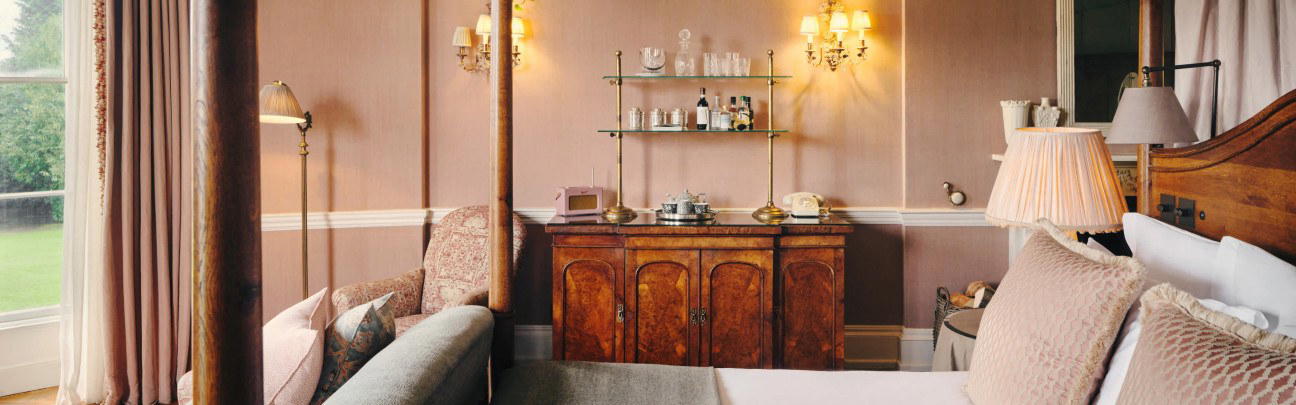
Light and airy with wonderful period features including low beams, wood burner in an ancient hearth, and subtle lighting creating a relaxed yet refined atmosphere.