Parnham Restaurant

Michelin Plate
Our verdict
Parnham Restaurant sits within the grounds of Parnham Park, a walled-garden estate outside Beaminster, and channels the produce of the surrounding Dorset countryside through a seasonality-led menu. Foraged ingredients, estate-adjacent sourcing, and dishes like pintxos-style snacks and Jerusalem artichoke with Cornish gouda define its approach. The dining room faces an open kitchen; a glasshouse extension looks out directly onto the garden.

Pearl is the En Primeur Club membership app — saves, bookings, and concierge access live there. Same editors, same standards.
- Address
- Parnham Park
- Phone
- +44 1308 341341
- Hours
- Mon–Tue ClosedWed–Thu 10 AM–10 PMFri–Sat 9 AM–10 PMSun 9 AM–4 PM
- Website
- parnhampark.co.uk
- Directions
- Get directions
- Booking
- Book on OpenTable
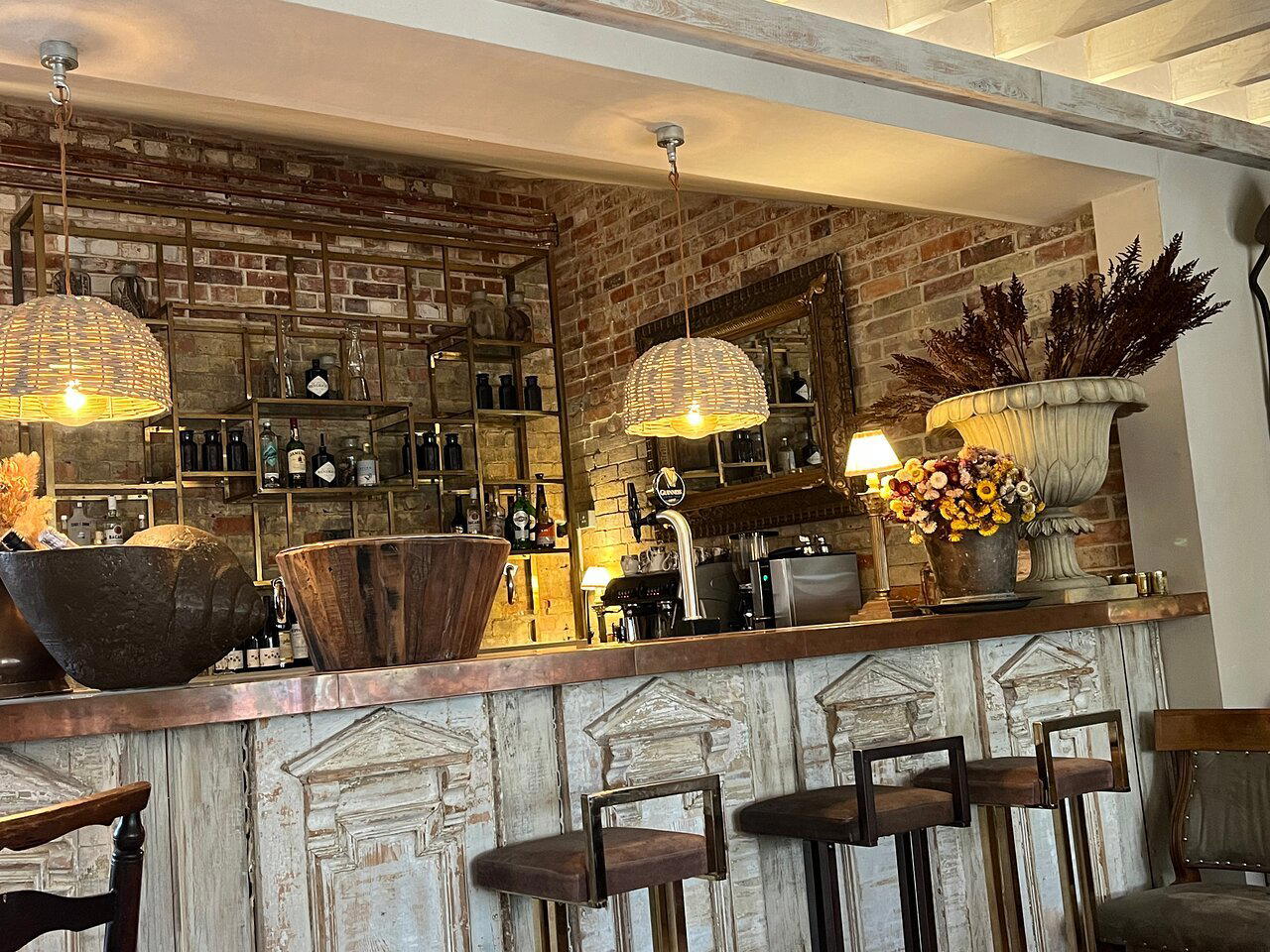
Arriving at Parnham Park
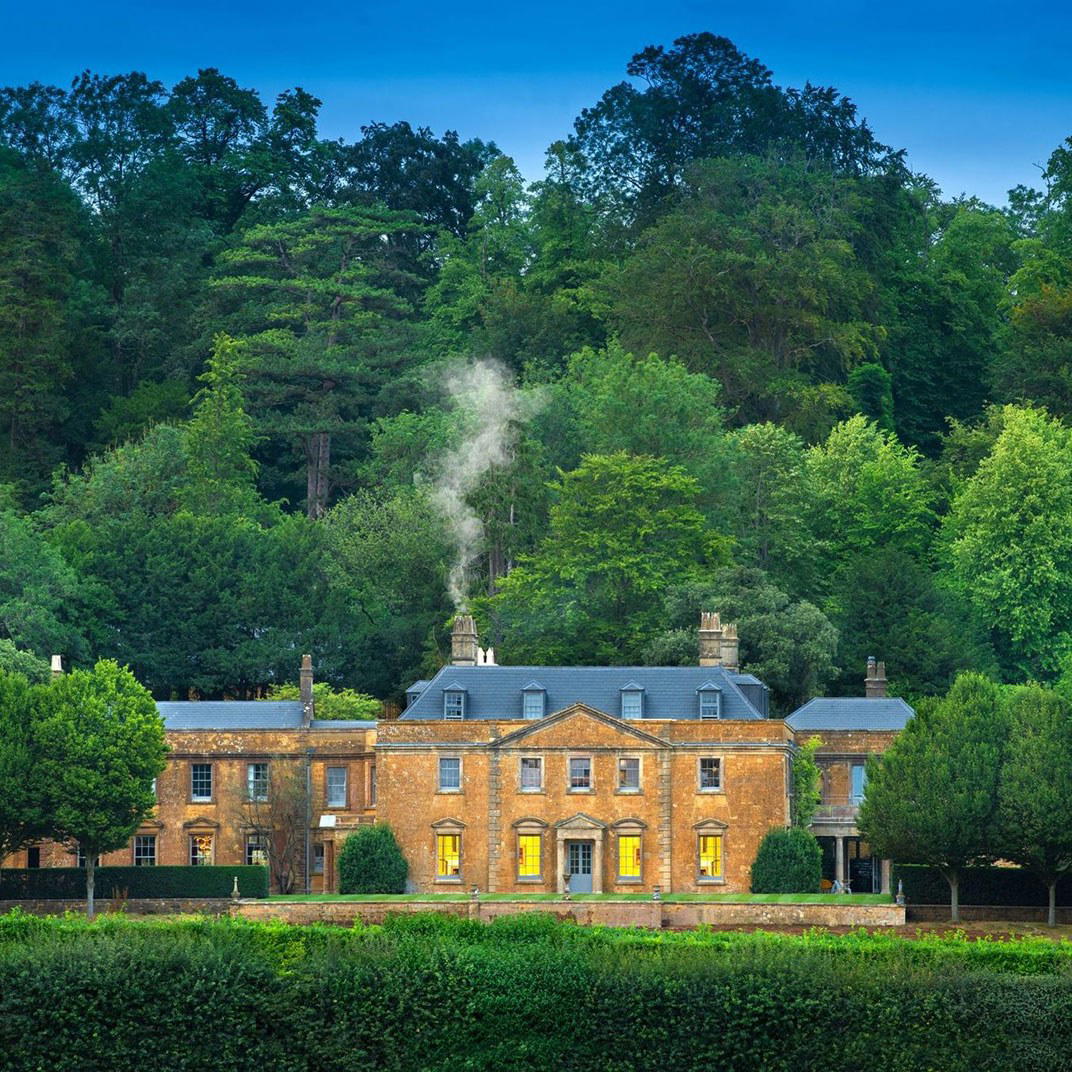
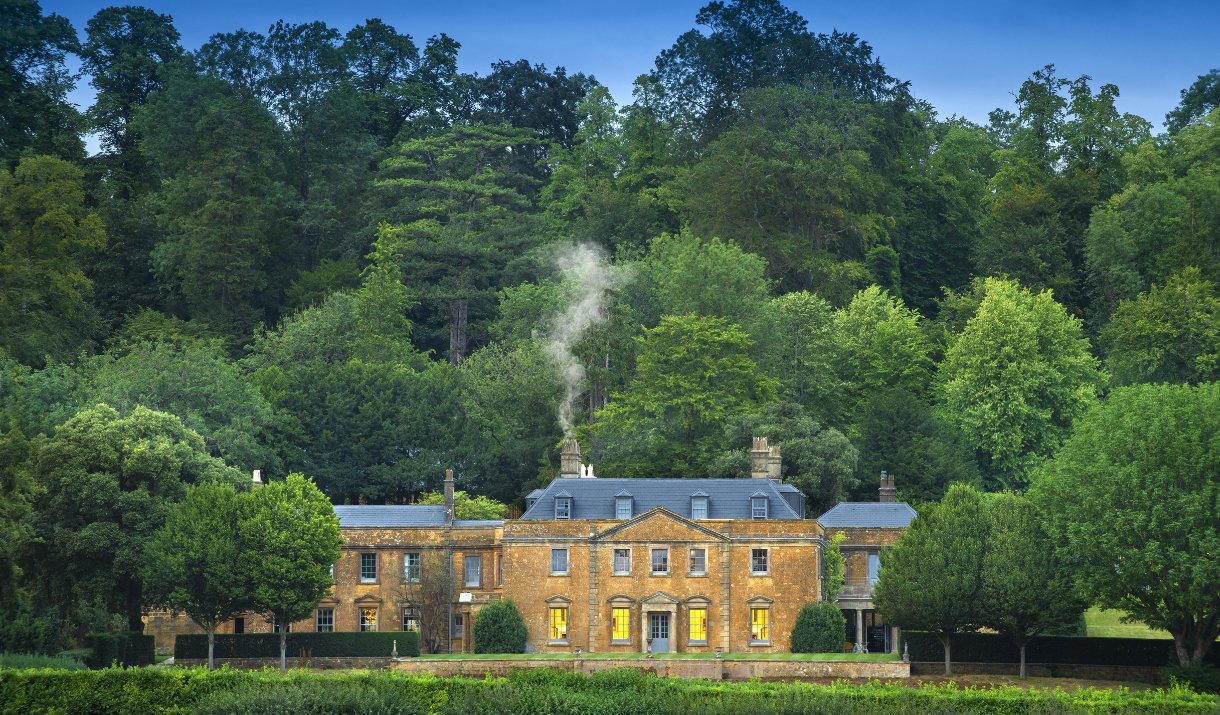
The approach to Parnham Restaurant does a significant amount of editorial work before a dish is served. The route in follows a tree-lined drive through the Parnham Park estate, the kind of slow, deliberate arrival that rural British dining rooms have historically used to signal a shift in register. By the time the walled garden comes into view, complete with sculpture and carefully tended grounds, the setting has already established what kind of meal this is going to be: grounded, place-specific, and attentive to its surroundings in a way that purely urban restaurants rarely manage.
This matters because the relationship between landscape and plate is not incidental here. In West Dorset, where estate-kitchen traditions run deep and the gap between field and fork is shorter than in most English counties, a restaurant embedded in a working park carries a different set of obligations and opportunities than one occupying a high street unit. Parnham leans into that geography. The cooking is framed around seasonality and natural flavour, and the sourcing logic flows directly from where the building sits.
Two Rooms, One Kitchen
The dining space divides between a rustic-chic main room positioned around an open kitchen, and a glasshouse extension at the rear where floor-to-ceiling glazing puts the walled garden directly in view. Both formats deliver the same menu but different atmospheres: the kitchen-facing room is active and engaged, with the rhythm of service visible throughout the meal; the glasshouse is quieter and more contemplative, light shifting with the weather and season.
This kind of dual-format dining room has become a recognisable feature of destination restaurants built into historic estates. Properties like Le Manoir aux Quat' Saisons, a Belmond Hotel in Great Milton and Gidleigh Park in Chagford have long demonstrated that the architectural envelope of a country-house restaurant is part of the value proposition, not merely a backdrop. At Parnham, the walled garden plays that role. It is not decorative scenery; it actively participates in the meal through what it supplies and how it frames the experience of sitting down to eat.
Where the Ingredients Come From, and Why It Matters
The menu at Parnham is built around what the surrounding area produces, and that orientation shows in both the structure and the specifics of the dishes on offer. The opening snack course, offered as 'Parnham Pintxos', adapts a Basque bar format to a Dorset context, using the small-plate sequence as a vehicle for showcasing local produce in an accessible, convivial register before the main courses begin. It is a smart structural move: pintxos at their leading are about ingredient quality rather than complexity, which makes the format a useful lens through which to read sourcing provenance.
The foraging strand is equally telling. Dishes built around foraged mushrooms with Jerusalem artichokes and Cornish gouda demonstrate an interest in the intersection of wild-gathered and cultivated produce, and in the kind of cross-regional sourcing that characterises serious ingredient-led kitchens in the British south and west. Cornish gouda is not a casual inclusion: it signals engagement with the growing network of artisan dairy producers operating across the south-west peninsula, producers who have spent the better part of two decades establishing the region as a credible source for aged, washed, and semi-hard cheeses that hold their own in a composed dish.
This places Parnham within a broader pattern visible across West Dorset and East Devon, where a cluster of independently minded restaurants has built reputations on hyper-local sourcing rather than imported luxury ingredients. Brassica, also in Beaminster, operates in a similar register, as does The Ollerod nearby. The town punches above its size for food, and Parnham contributes a distinct voice to that conversation, one defined by its estate setting and the sourcing relationships that setting enables.
Compare this to the approach taken by restaurants in the metropolitan fine-dining tier, where the emphasis often falls on technique over provenance. Places like The Ledbury in London, Moor Hall in Aughton, and L'Enclume in Cartmel each operate at different points on the provenance-technique spectrum, but all work at a scale and ambition that requires a more formalised supply chain. Parnham's estate context allows for a closer, less mediated relationship with its ingredients, which is a structural advantage worth understanding before you visit.
The Style of Cooking
The kitchen's declared emphasis is on natural, flavour-forward dishes, a phrase that in current British dining carries specific implications. It suggests restraint in manipulation, a preference for allowing primary ingredients to carry the plate, and an avoidance of the heavy sauce work or elaborate textural layering that defined a previous generation of country-house cooking. The foraging component reinforces this: wild mushrooms and foraged ingredients generally resist heavy-handed treatment and reward cooking that stays close to the ingredient's own character.
This places the style broadly in the territory occupied by hide and fox in Saltwood and, at a different scale, Midsummer House in Cambridge, both of which build menus around a close reading of seasonal British produce. The Parnham version of this approach is shaped by Dorset's particular agricultural calendar and the estate's own growing season, which narrows the flavour register in any given month but deepens the specificity of what lands on the plate.
Planning a Visit
Parnham Restaurant is located within Parnham Park, outside Beaminster in West Dorset, a market town that rewards slower travel and repays visitors who treat it as a base rather than a detour. The drive in through the estate is part of the experience, and arriving with time to spend in the walled garden before or after eating makes sense given the setting. For those building a wider itinerary around the area, our full Beaminster hotels guide covers accommodation options in the town and surrounding countryside. For drinking and broader exploration, our full Beaminster bars guide, our full Beaminster wineries guide, and our full Beaminster experiences guide provide additional context. A full picture of the town's restaurant options is available in our full Beaminster restaurants guide.
Given the estate location and the format, booking ahead is advisable, particularly for the glasshouse section, which is smaller and more in demand during the summer months when the garden is at its most active. The open kitchen positions are suited to those who want to engage with the rhythm of service; the glasshouse is better for quieter meals where the garden view takes precedence.
Frequently asked questions
Would Parnham Restaurant be comfortable with kids?
The estate setting at Parnham Park, with its walled garden and open sculpture, gives children more to engage with than a typical restaurant arrival. The glasshouse dining room offers garden views that tend to hold younger attention. That said, the cooking is precise and ingredient-led, so families with older children who eat adventurously will get more from the menu than those with fussy eaters.
What kind of setting is Parnham Restaurant?
Parnham Restaurant sits within a historic parkland estate outside Beaminster in West Dorset, reached via a tree-lined drive through Parnham Park. Guests choose between a rustic-chic dining room built around an open kitchen and a glasshouse extension at the rear with direct garden views. The surrounding walled garden is filled with sculpture, making the approach and setting as considered as the food itself.
What distinctions does Parnham Restaurant have?
Parnham Restaurant has received recognition including: Few restaurants come with as delightful a setting as this. You arrive via a slow drive through the majestic tree-lined Parnham Park estate, culminating at a wonderful walled garden filled with impressive objets d’art. Take your seat in eith….
What should I eat at Parnham Restaurant?
Start with the Parnham Pintxos, the kitchen's signature snack format and a reliable indicator of the cooking's flavour priorities. The menu follows strict seasonality, drawing on local and foraged produce, with dishes such as foraged mushrooms with Jerusalem artichokes and Cornish gouda representing the kitchen's natural, produce-led approach. Ordering the full progression rather than cherry-picking gives the clearest picture of what this kitchen does.
Comparison Snapshot
Comparable venues nearby, for context on price, style, and recognition.
| Venue | Cuisine | Price | Awards | Notes |
|---|---|---|---|---|
| Parnham RestaurantThis venue — the venue you are viewing | Modern British | Not listed | Michelin Plate | Not listed |
| Brassica | Modern Mediterranean | $30–50 | Michelin Plate | Beaminster town centre |
| The Ollerod | Modern European with Seasonal British Accents | $50–100 | The Good Food Guide GFG Good | Beaminster |
| The Warwick | Refined Seasonal British Fine Dining | $100–150 | Michelin Plate | Harbury Lane |
| The Hambrough | Modern British Fine Dining | $50–100 | Michelin Plate | Ventnor |
| Cycene at Blue Mountain School | Modern British Fine Dining with Eastern Asian Influences | $200–300 | 1 Michelin Star | Shoreditch |
Recognition history
Dated appearances from independent guides and award organizations, with the underlying list record or original source where available.
Michelin Plate
Michelin
Continue exploring
More in Beaminster
Restaurants in Beaminster
Browse all →
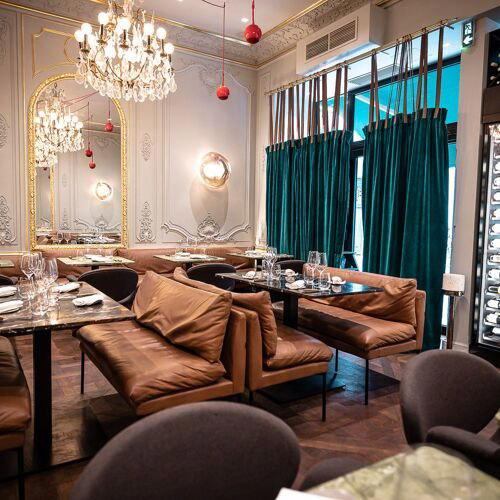
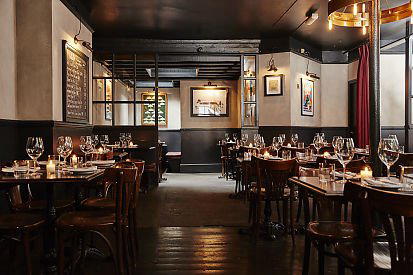
Bars in Beaminster
Browse all →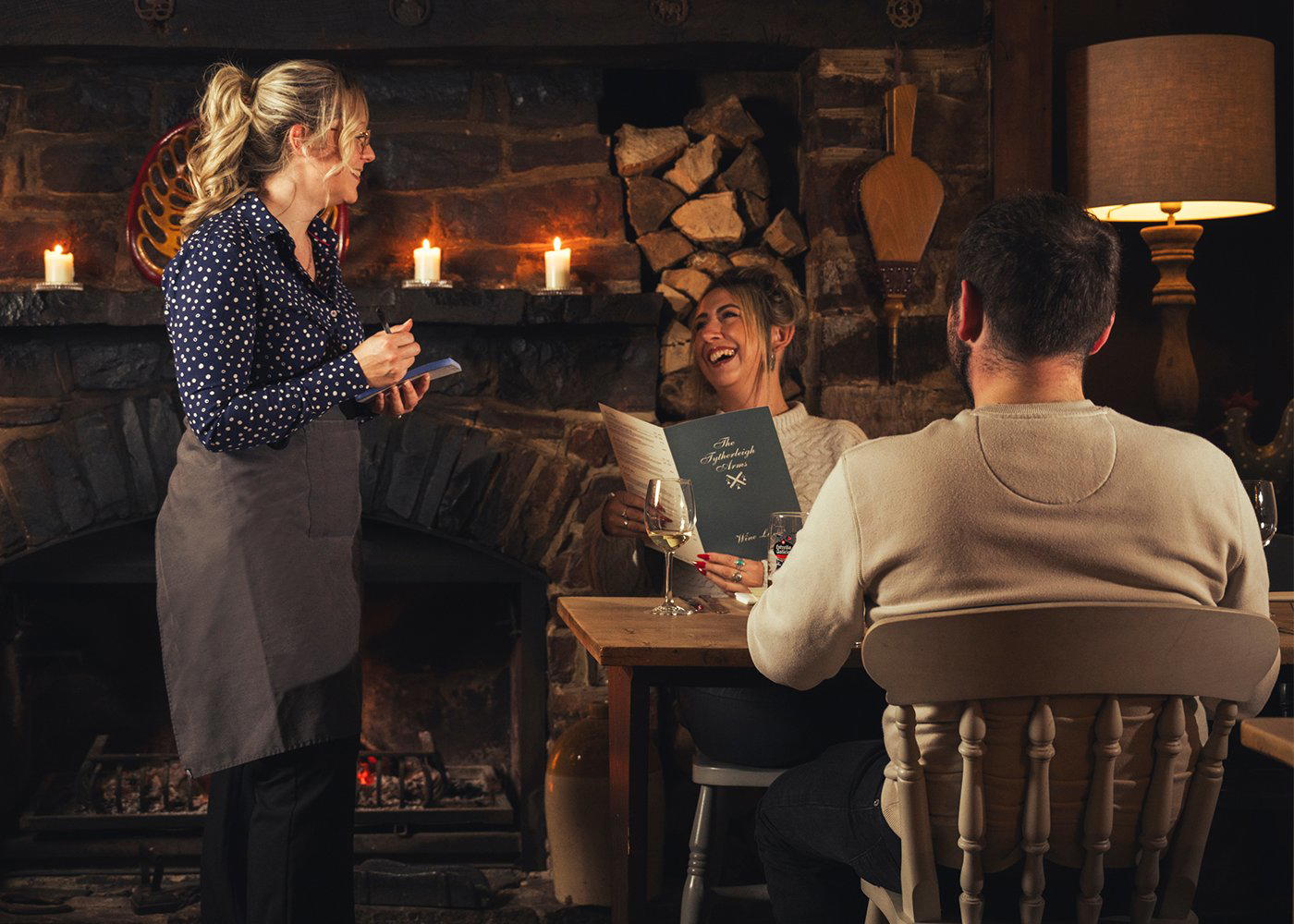
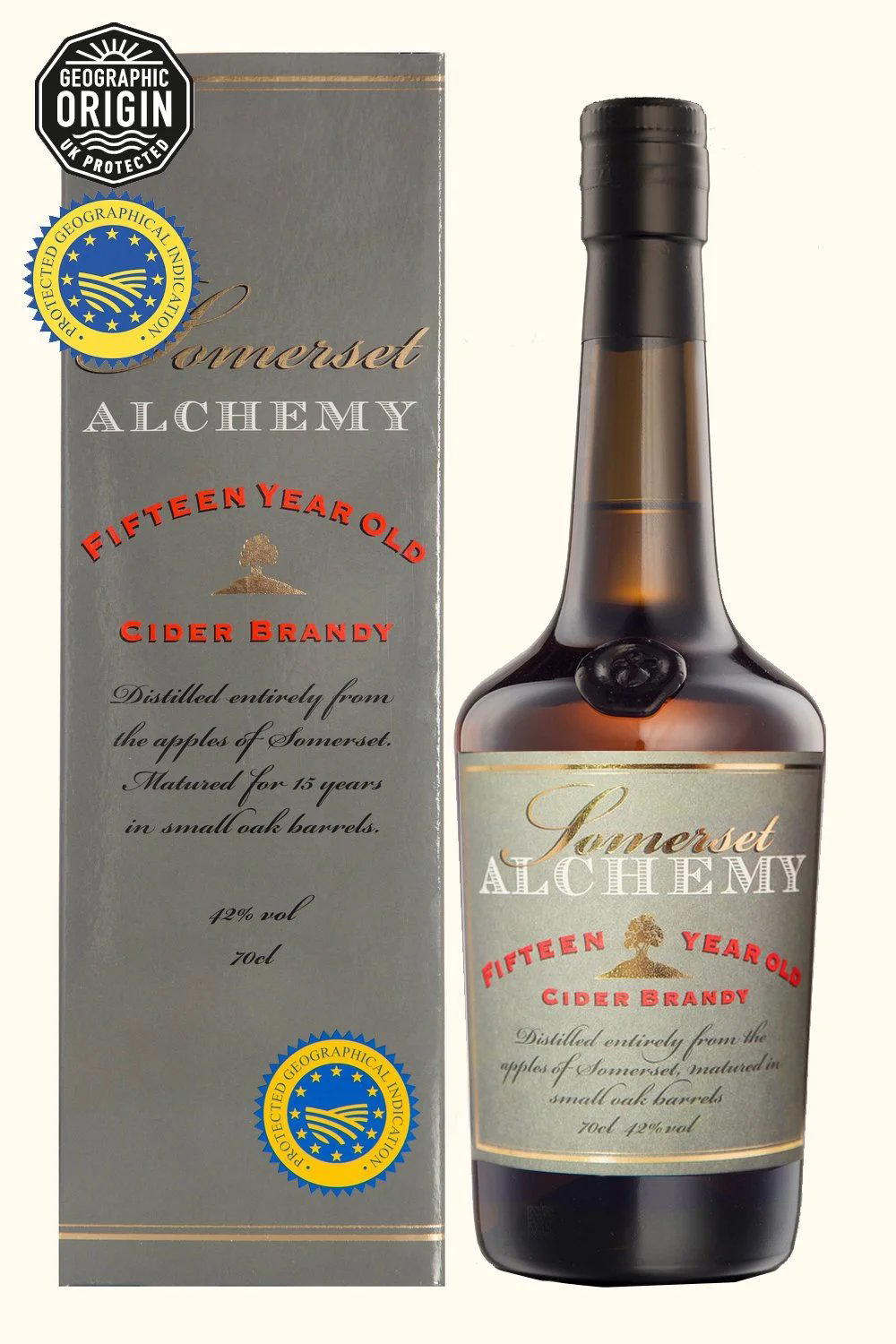
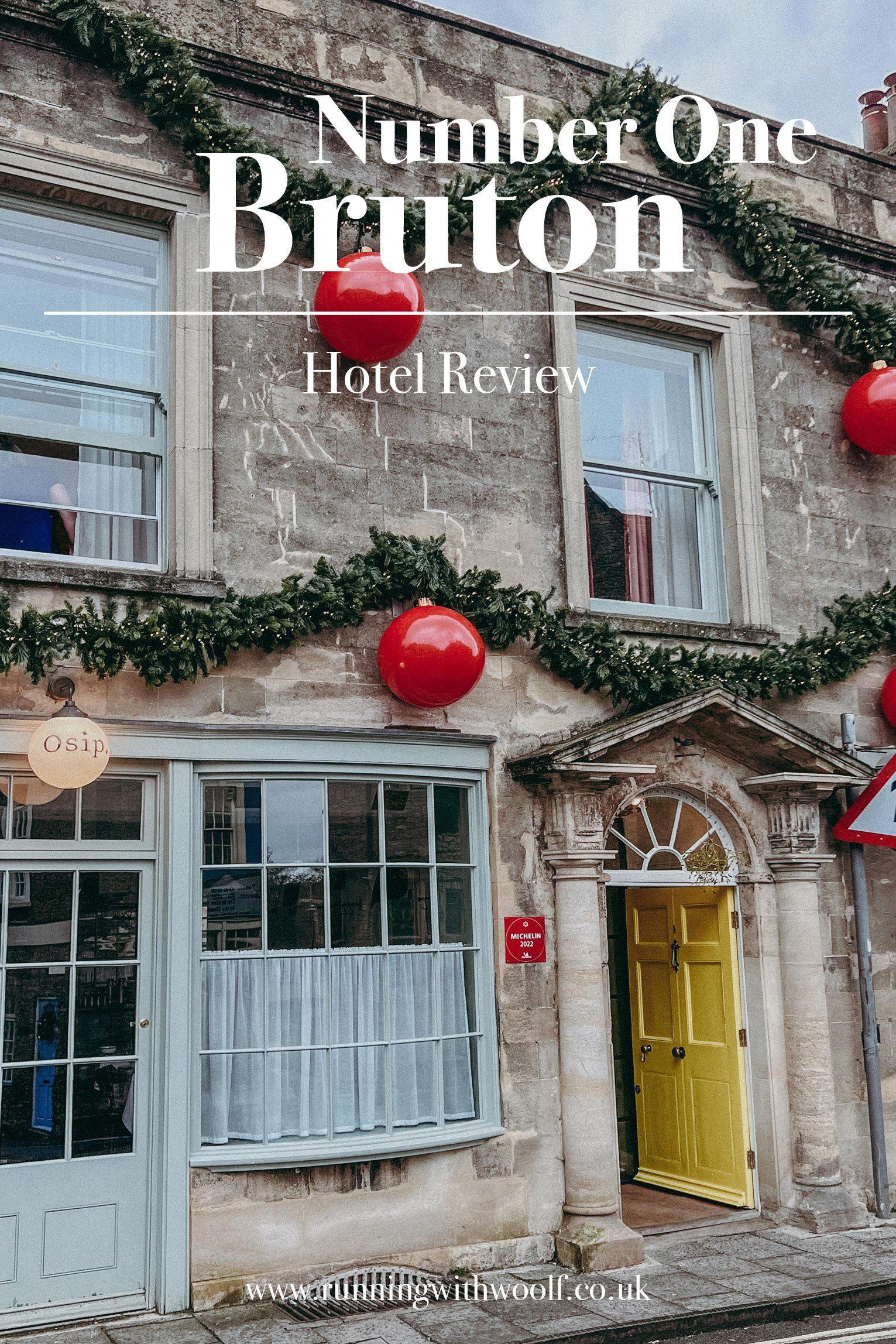
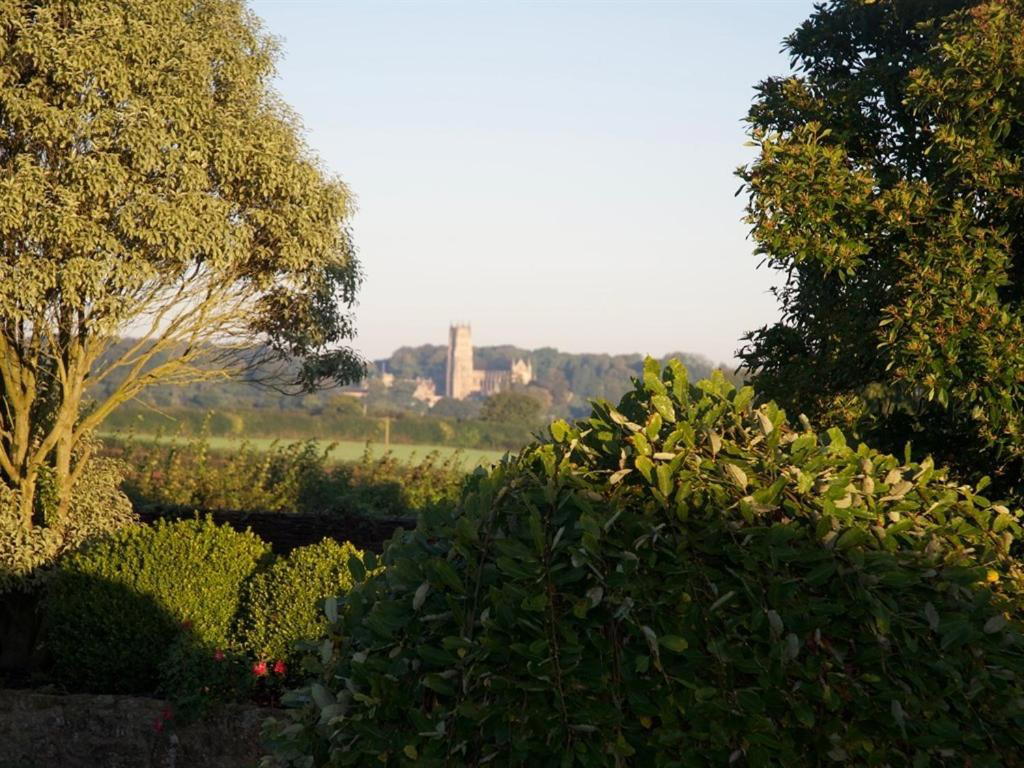
Hotels in Beaminster
Browse all →
Wineries in Beaminster
Browse all →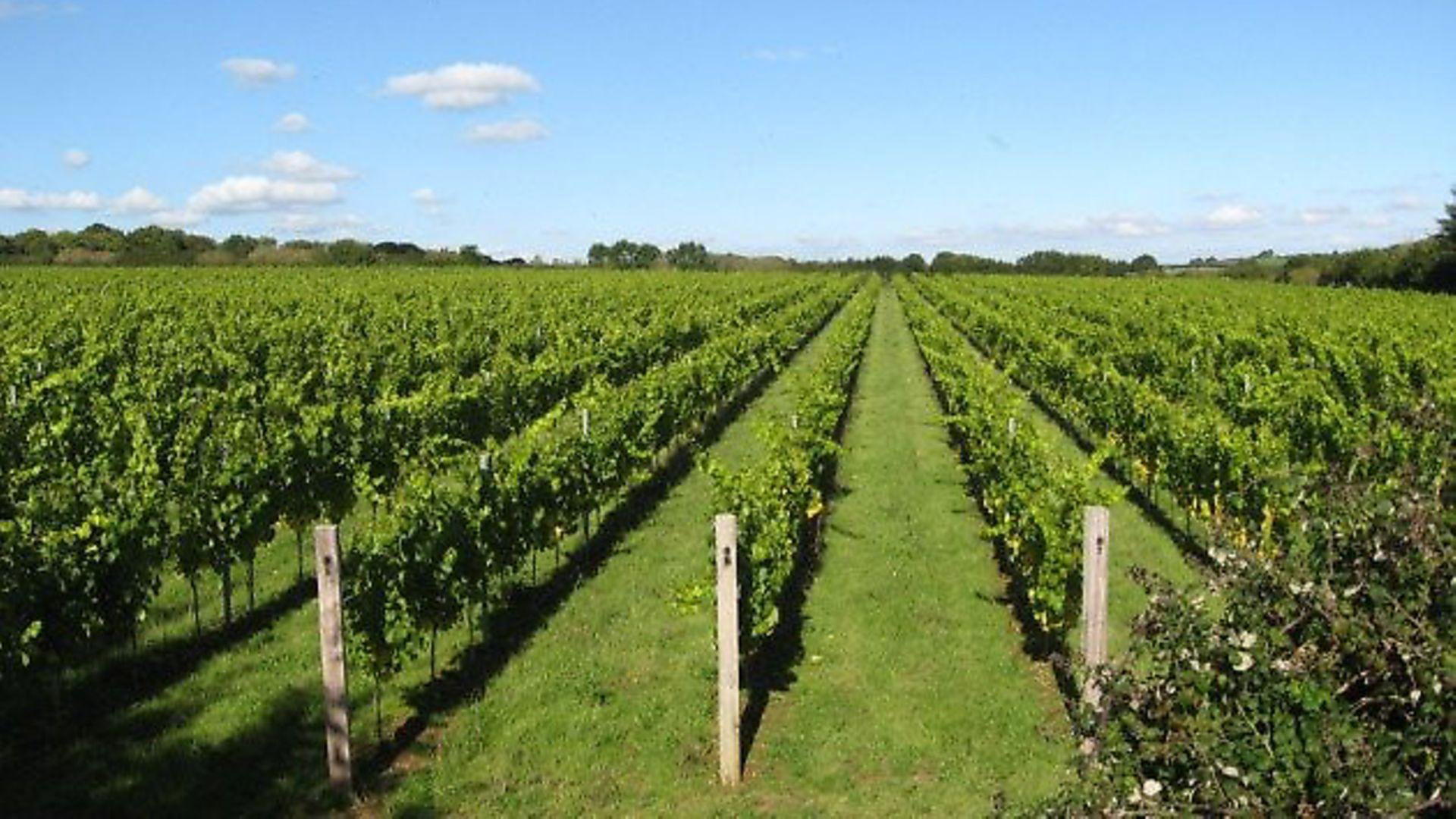

Details
- Rustic
- Elegant
- Cozy
- Scenic
- Intimate
- Date Night
- Special Occasion
- Celebration
- Garden
- Open Kitchen
- Private Dining
- Farm To Table
- Local Sourcing
- Garden
- Small Plates
- Tasting Menu
Current opening hours
- Monday
- Closed
- Tuesday
- Closed
- Wednesday
- 10 AM–10 PM
- Thursday
- 10 AM–10 PM
- Friday
- 9 AM–10 PM
- Saturday
- 9 AM–10 PM
- Sunday
- 9 AM–4 PM
Hours can change for holidays and private events. Last verified .
Rustic-chic dining room with open kitchen or glasshouse offering glorious garden views, relaxed yet elegant atmosphere.