The Old Stamp House




Occupying the cellar of a Church Street building where William Wordsworth once worked as Distributor of Stamps for Westmorland, The Old Stamp House serves an eight-course tasting menu for £105 that has drawn La Liste recognition two years running. Ryan and Craig Blackburn's 'A Journey Around Cumbria' format places this among the most seriously sourced regional cooking in the Lake District, at a price point that has few peers in contemporary British fine dining.
 Discover on Pearl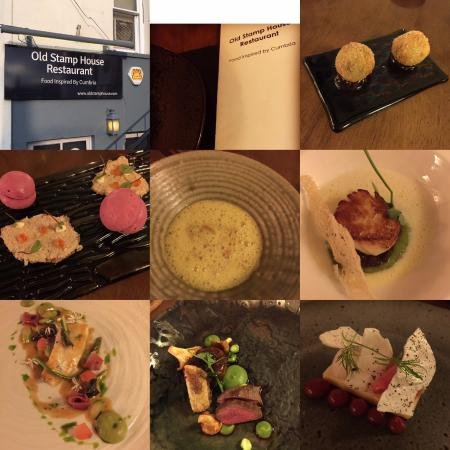
Below Street Level, Above Expectation
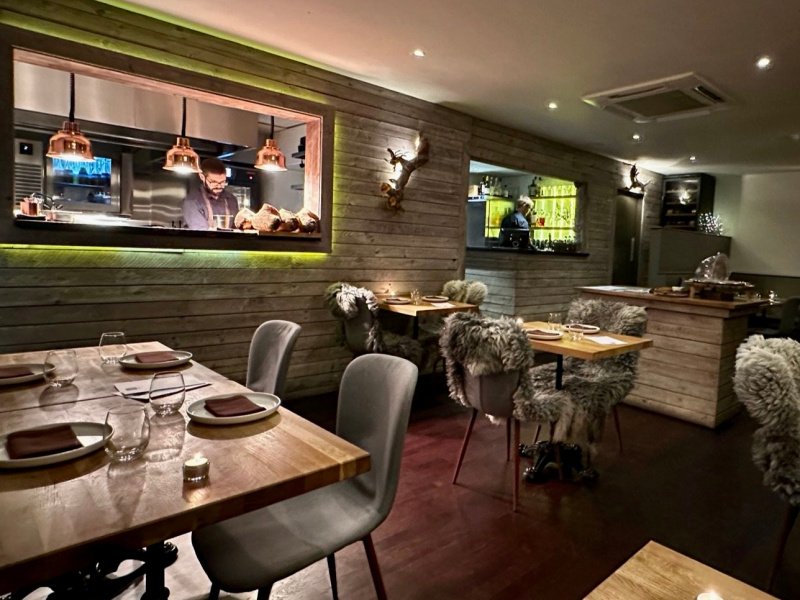
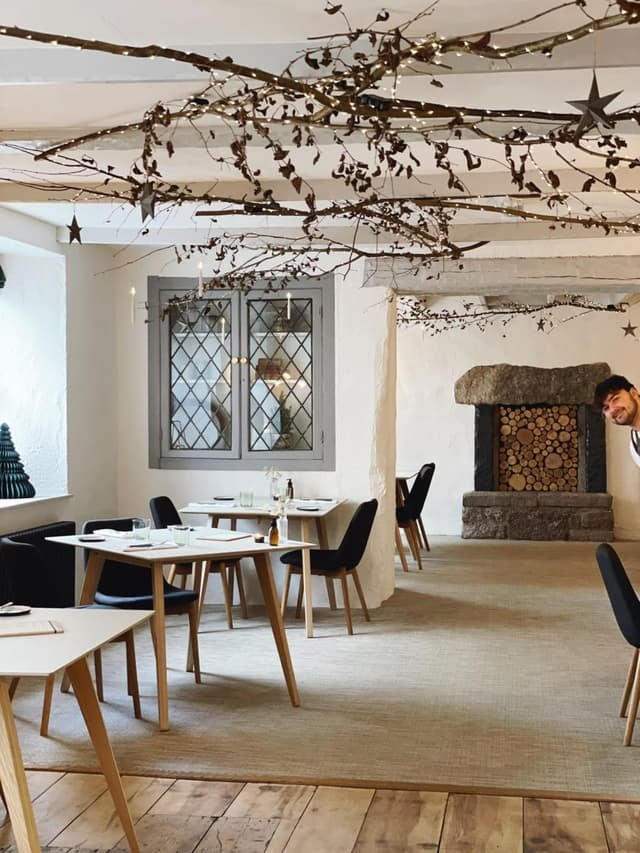
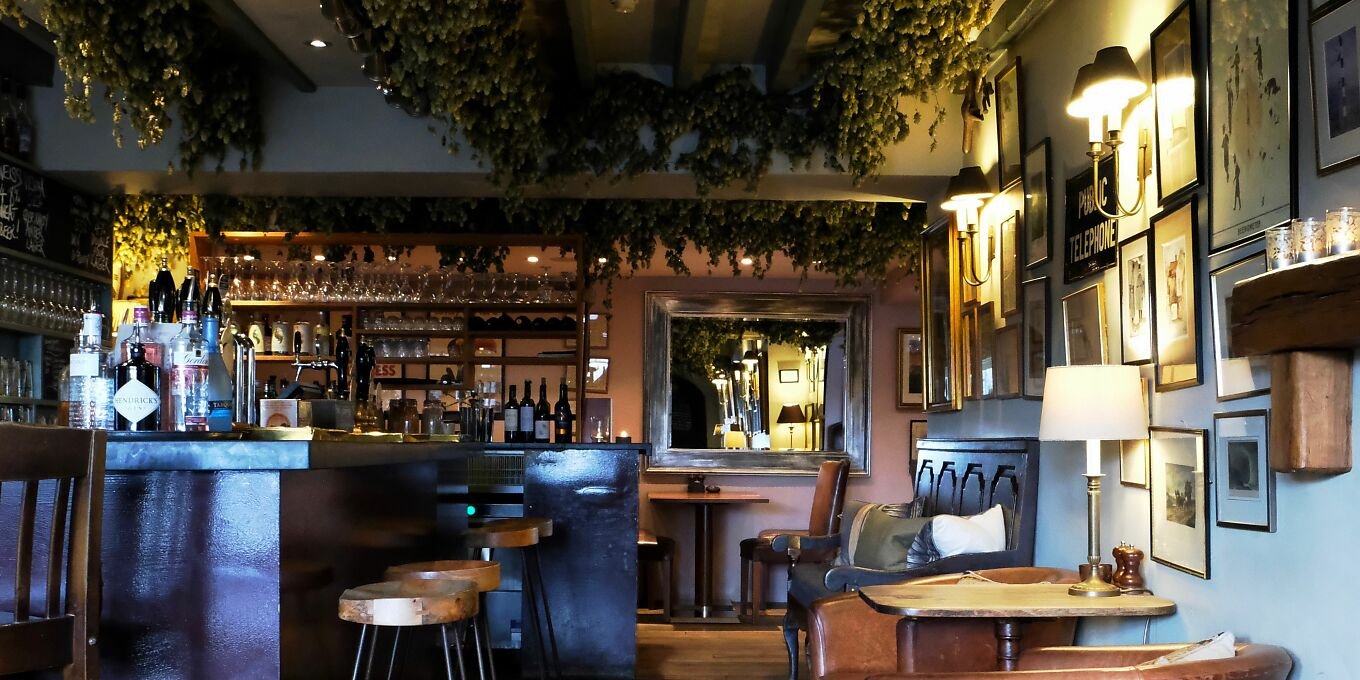
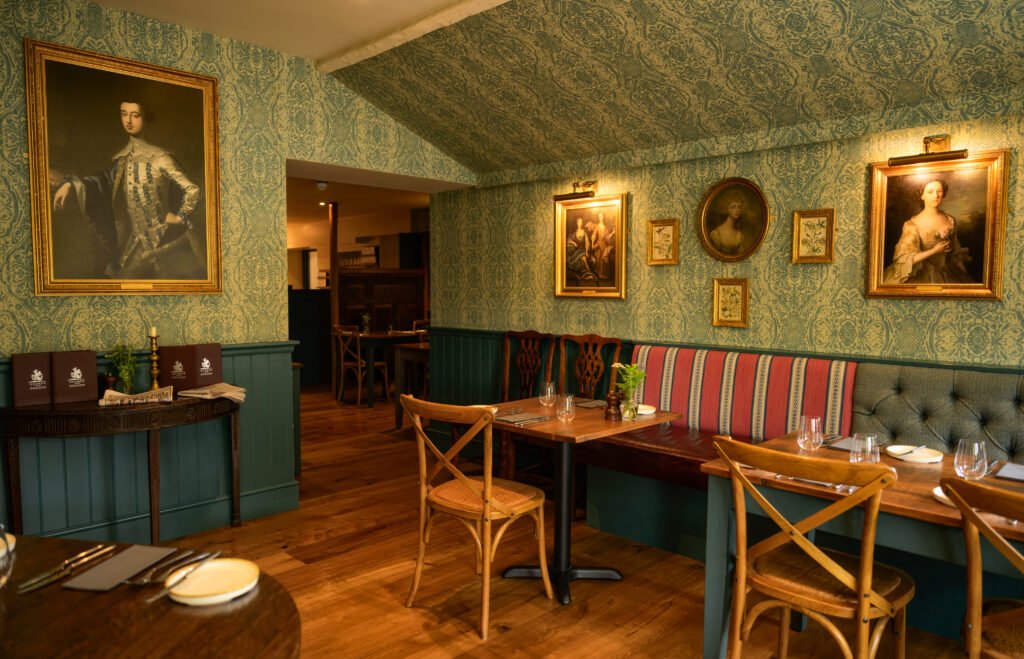
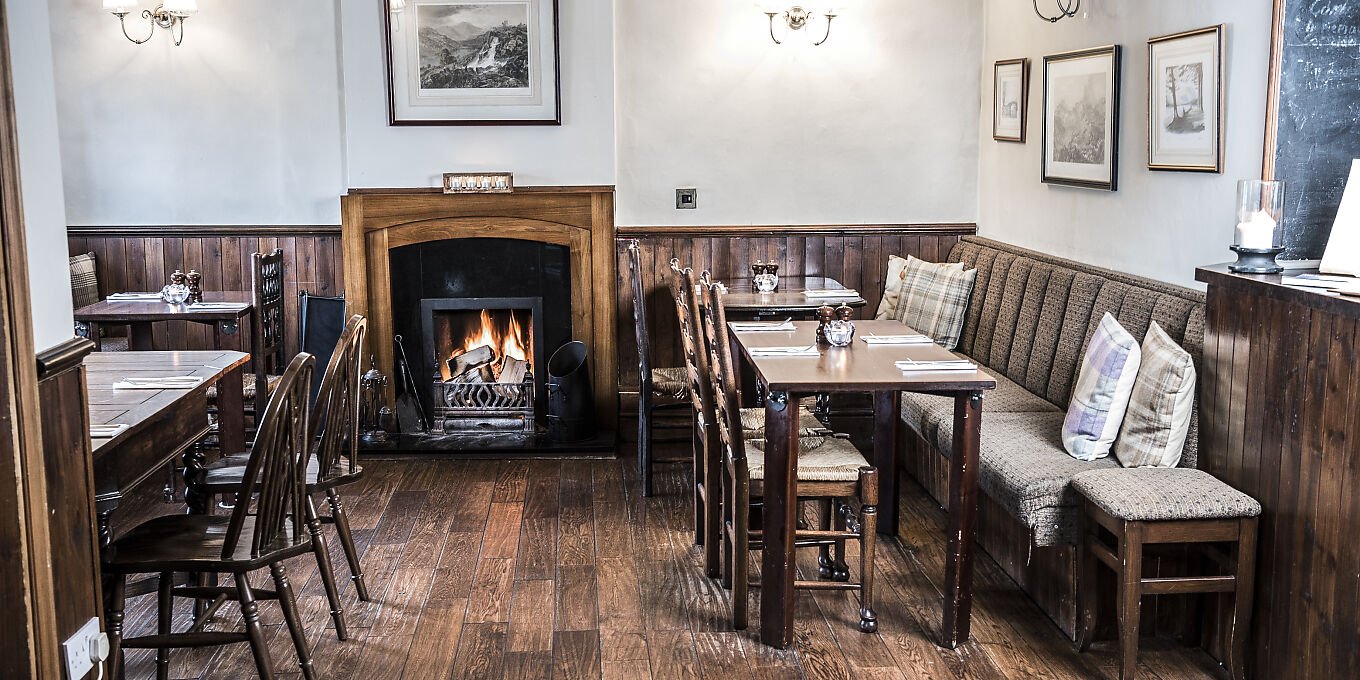
Church Street in Ambleside runs the way most Lake District market-town streets do: stone facades, a fell visible at the end of the road, the particular quiet of somewhere that empties after the day-walkers leave. The Old Stamp House sits below that street, down a short flight of steps into a rough-walled cellar space that occupies what was once the office of William Wordsworth in his role as Distributor of Stamps for Westmorland. The low ceilings, aged stone, and careful lighting give the room a density that most contemporary British restaurants spend a great deal of money trying to manufacture. Here it is structural, unrepeatable, and it sets the register for everything that follows.
That register is worth stating plainly: this is serious cooking served without the ceremony that usually accompanies it. The dining room seats a modest number of guests, and the format is tasting-menu-led. The atmosphere reads as informal and genuinely warm rather than performatively relaxed, which is a more difficult thing to achieve than it sounds. Ryan Blackburn leads the kitchen; his brother Craig runs the floor and the wine programme. The operation is coherent in the way that sibling-led restaurants sometimes are: consistent in emphasis, clear in its priorities, low on hierarchy.
A Journey Around Cumbria: Regional Cooking as Editorial Act
The current format at The Old Stamp House is structured around a concept the kitchen calls 'A Journey Around Cumbria', and the phrase earns its weight. The eight-course tasting menu, priced at £105 per person, moves systematically through the county's ingredient landscape: its fells, its forests, its coastline at Morecambe Bay, its upland breeds, its freshwater systems. That specificity is the cooking's primary argument.
The Lake District sits within a wider north-of-England dining conversation that includes L'Enclume in Cartmel and Moor Hall in Aughton at the nationally recognised end of that spectrum. What distinguishes the Old Stamp House within its peer set is a commitment to Cumbrian specificity at a price point substantially below those reference points. The £105 tasting menu draws direct comparisons with the value argument made by destination-casual formats like The Hand and Flowers in Marlow, where serious cooking and informal delivery have coexisted profitably for years. La Liste placed the Old Stamp House at 84 points in 2025 and 82 points in 2026, scores that position it comfortably within the tier of nationally relevant regional restaurants rather than purely local dining.
Within Ambleside itself, the restaurant occupies a different bracket from Drunken Duck Inn and Rothay Manor, both of which operate at lower price points and with less tasting-menu formality. It sits closer in ambition to Lake Road Kitchen and The Samling, though each of those operates with a different relationship to the region. THE SCHELLY is worth noting as a lower price-point option in town for those building a multi-day itinerary.
Pastry, Brik, and the Craft of Enclosure
The editorial angle for this restaurant that consistently emerges from documented accounts of the menu is not simply what the kitchen sources, but how it handles enclosure: the technical decision to wrap, pot, fold, or contain an ingredient. Brik pastry, a North African technique that has been absorbed into the vocabulary of European fine dining, appears in the form of a shatteringly thin cylinder around potted Arctic char, dotted with horseradish cream and trout roe. The pastry work is precise enough to be described in published accounts as a defining textural moment, the kind of detail that separates competent tasting-menu cooking from cooking with genuine craft investment.
The rabbit cannelloni, cited specifically in guest documentation as among the menu's standouts, belongs to the same tradition: pasta as a structural and flavour-concentrating device rather than a bulk-add. Cannelloni in fine-dining contexts has been treated as either a nostalgic reference or a high-technique vessel, and the version here appears to use the format to concentrate the character of rabbit rather than extend it. That is the correct use of the form.
Potted preparations that appear elsewhere on the menu, Morecambe Bay brown shrimps potted and served with a scallop in a curried mead velouté, connect the kitchen to a longer British tradition of preservation and concentration through fat. Potting is one of the oldest savoury techniques in British food culture, and its reappearance at this level of cooking reflects a broader return to pre-industrial British methods that is visible across the country's better regional restaurants, from Gidleigh Park in Chagford to The Connaught in London.
On the sweet side, the pear soufflé represents a technique that has largely retreated from tasting menus across the country as kitchens have moved toward frozen, set, or pre-prepared dessert formats. A properly executed soufflé requires timing, oven discipline, and service coordination. Its presence on the menu is itself a signal: this kitchen invests in technique for its own sake rather than defaulting to simpler preparations. The rhubarb dessert has also been singled out in published accounts, and the combination of rhubarb and the structural demands of soufflé-adjacent pastry work positions the kitchen squarely within a classically trained British dessert tradition, the kind found at The Fat Duck in Bray and The Ledbury in London, though here refracted through an entirely different sense of place.
The Halibut, the Hogget, and the Logic of the Menu Arc
The menu at The Old Stamp House is structured with a clear arc from sea to fell. Lakeland waters supply Arctic char in multiple preparations, seaweed-cured and vivid alongside compressed apple, pickled cucumber, and trout roe, as well as a piece of steamed halibut singled out in multiple accounts as the standout fish course. Morecambe Bay provides the brown shrimps. The move inland takes the menu through Herdwick hogget and venison, the hogget braised and stuffed into a glazed lamb-fat bun with a Madeira-warmed broth, the venison accompanied by a celeriac pocket filled with spinach and hen of the woods mushroom. The shredded shank, folded into a celeriac and truffle mousse, extends the animal across two preparations in a way that signals both economy of waste and depth of flavour intent.
This arc from coastal to upland is not merely thematic. It reflects the actual geography of Cumbria in sequence: the county's western coast, its river systems, its high fells, its managed upland pasture. The menu is, in that sense, a course-by-course map.
Planning Your Visit
The Old Stamp House opens for dinner from Wednesday through Saturday, with lunch service running Thursday through Saturday from 12:30 PM. The restaurant is closed Sunday and Monday. The eight-course tasting menu is priced at £105 per person; a six-course lunch menu is available at £65, which represents one of the more competitive access points for cooking at this level anywhere in the north of England. Bookings require advance planning: tables at the cellar counter are limited, and given the restaurant's documented recognition, forward planning of several weeks is advisable for dinner, particularly at weekends. The address is Church Street, Ambleside, LA22 0BU. For those building a broader Ambleside stay, the full range of dining, drinking, and accommodation options is covered in our full Ambleside restaurants guide, our full Ambleside hotels guide, our full Ambleside bars guide, our full Ambleside wineries guide, and our full Ambleside experiences guide.
Compact Comparison
These are the closest comparables we have in our database for quick context.
| Venue | Notes | Price |
|---|---|---|
| The Old Stamp House | This venue | |
| Lake Road Kitchen | Creative, ££££ | ££££ |
| THE SCHELLY | Regional Cuisine, ££ | ££ |
| The Samling | Modern Cuisine, ££££ | ££££ |
| Drunken Duck Inn | Modern British, ££ | ££ |
| Rothay Manor | Modern British, £££ | £££ |
Continue exploring