SOURCE at Gilpin Hotel




SOURCE at Gilpin Hotel holds a Michelin star and a place in La Liste's 2026 Top Restaurants, operating from a series of intimate dining rooms within the Gilpin Hotel in Windermere. Chef Mario Comitale works in a modern British register that draws freely on Japanese ingredients, pairing smoked sake with turbot and hōjicha with white chocolate. It is one of the Lake District's more considered one-star addresses.
Pearl is the En Primeur Club membership app — saves, bookings, and concierge access live there. Same editors, same standards.
- Address
- Crook Road, Windermere LA23 3NF, United Kingdom
- Phone
- +44 15394 88818
- Website
- thegilpin.co.uk
- Directions
- Get directions
 Saves & bookings on Pearl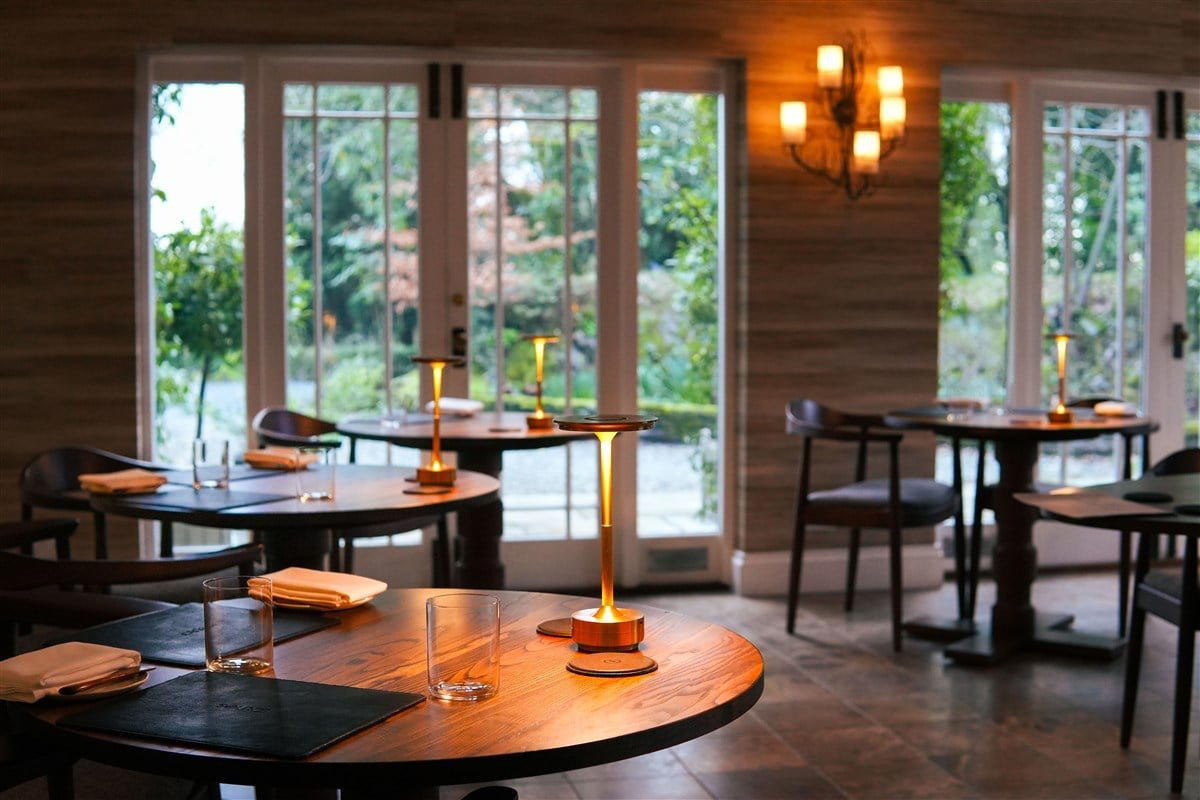
Intimate Rooms, Considered Cooking
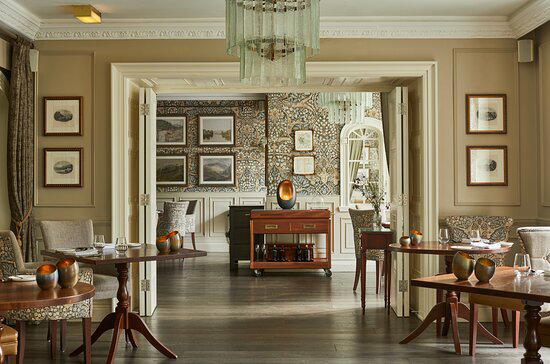
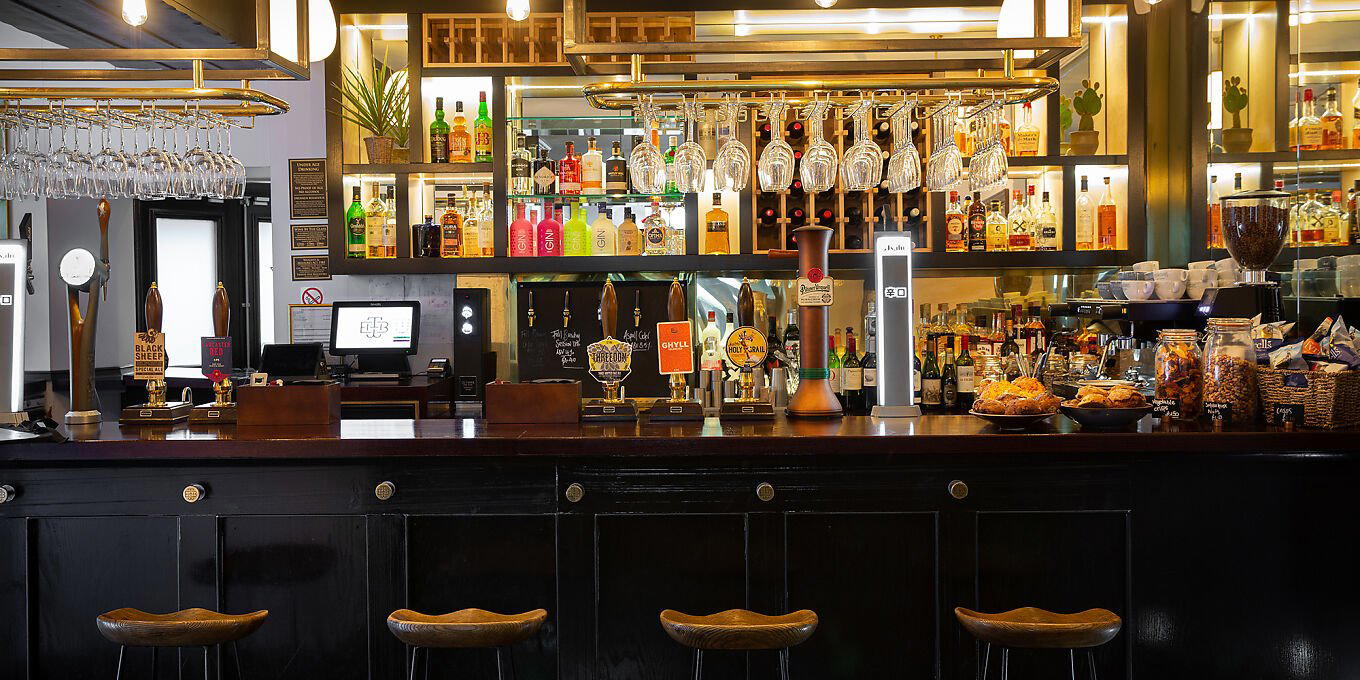
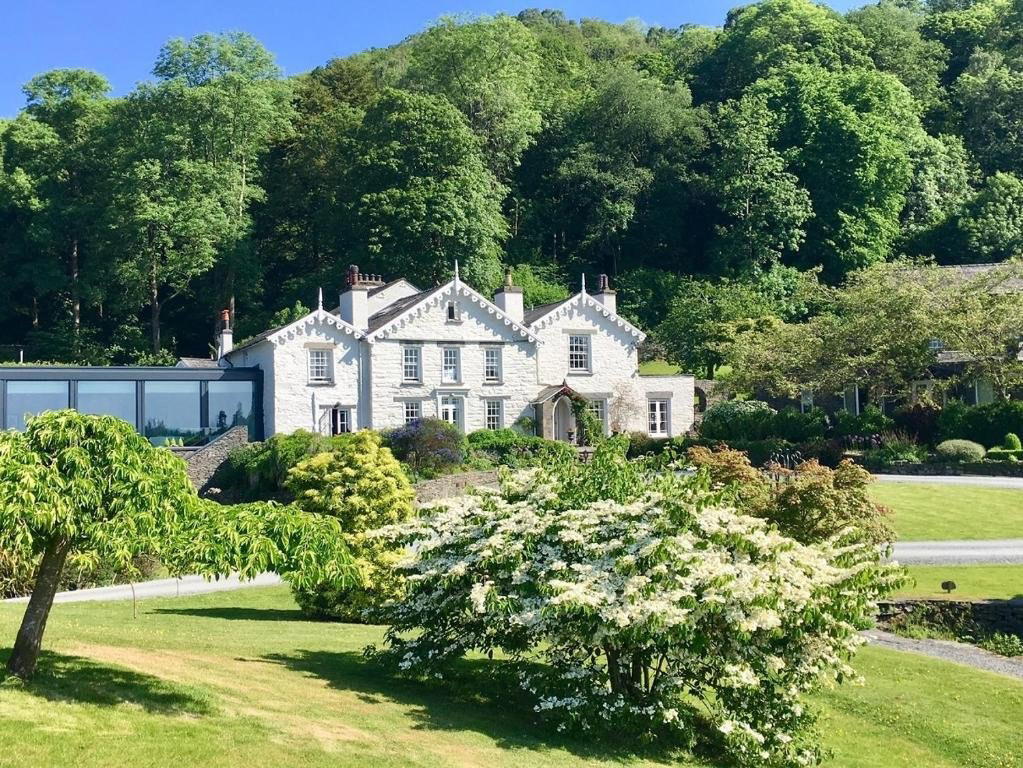
The country house hotel dining room is a format with deep roots in the British fine dining tradition. At its weakest, it produces ornate spaces that feel disconnected from the food served in them. At its most coherent, the architecture of the room, the rhythm of the service, and the register of the cooking align into something that feels genuinely settled. SOURCE at Gilpin Hotel in Windermere is a 1 Michelin Star restaurant serving Modern British with Japanese Influences and priced at about $130 per person. SOURCE at Gilpin Hotel & Lake House belongs to the second category. The restaurant occupies several intimate dining rooms across the property, and the convention here, noted in Michelin's own entry, is to begin with an aperitif in the bar or one of the sitting rooms before moving through to eat. That sequence matters: it gives the meal a sense of arrival rather than simply a table, and it places SOURCE in the company of British country house restaurants that treat the full evening as the unit of hospitality, not just the plates.
Where SOURCE Sits in the Lake District Dining Conversation
The Lake District has built a credible concentration of serious restaurants for a region of its size. L'Enclume in Cartmel has long anchored the area's reputation at stronger examples from the national conversation, while Moor Hall in Aughton has reinforced the north of England's claim to a dining tier that was once assumed to belong only to London. SOURCE operates in a different register: a one-star address that earns its place through precision and a clear point of view rather than through institutional scale. Its 2025 Michelin star and its appearance in the Opinionated About Dining European rankings at position 517 in 2025, alongside 77 points from La Liste's 2026 Leading Restaurants assessment, place it within a comparable set of British country house restaurants that have earned external recognition without building a media profile around spectacle.
Relevant comparison set extends beyond the Lakes. Properties like Holbeck Ghyll in Windermere and Gidleigh Park in Chagford represent the traditional country house restaurant model, where the landscape does a portion of the work. SOURCE earns its recognition on tighter culinary grounds. The Michelin citation flags a cooking style described as modern and sometimes playful, with Japanese ingredients woven into a British framework in a way that goes beyond tokenism. This is now a recognisable strand in British fine dining, practised with varying degrees of coherence at addresses from The Fat Duck in Bray to The Ledbury in London, but it requires careful calibration to avoid the Japanese elements feeling like seasoning applied after the fact.
The Japanese Ingredient Question in Modern British Cooking
Incorporation of Japanese ingredients into British fine dining has moved from novelty to pattern over the past decade. What began as occasional yuzu or miso cameos has, at the more considered end of the market, become a genuine dialogue between technique traditions. At SOURCE, the pairings cited by Michelin, smoked sake with turbot, nori with veal sweetbread, hōjicha with white chocolate, suggest a kitchen working with these elements at the level of flavour architecture rather than decoration. Smoked sake with turbot addresses the question of umami and smoke simultaneously; nori with sweetbread brings iodine brightness against the richness of offal; hōjicha's roasted, slightly bitter tea profile against white chocolate is a well-established modern pastry move that requires precision in balance.
This approach to baking and pastry is where the editorial angle on SOURCE sharpens. The hōjicha and white chocolate combination points to a kitchen where the pastry programme is doing genuine work, not acting as a sweet finale but as an extension of the savoury meal's logic. In British fine dining at this tier, the pastry course is often where particularly considered flavour combinations appear, precisely because it operates at a remove from the savouriness that dominates the main sequence. At SOURCE, the Japanese ingredient thread appears to run continuously through the meal from aperitif through to dessert, which is a harder editorial trick to pull off than simply deploying one or two headline pairings. The Michelin note that these flavours are used liberally rather than sparingly is significant: liberal use of Japanese ingredients in a British framework is a statement of culinary confidence, and it reads differently from the restrained single-ingredient deployment that characterises more cautious kitchens.
For context on the broader British country house dining tradition and how it handles pastry and baking craft, particularly instructive comparisons are houses like Le Manoir aux Quat' Saisons in Great Milton, where the pastry kitchen operates as a distinct discipline, and Hand and Flowers in Marlow, which approaches the pub-restaurant format with the same seriousness of purpose that SOURCE applies to the country house model. Restaurant Andrew Fairlie in Auchterarder and Palé Hall in Llandderfel represent comparable propositions in the British countryside: Michelin-recognised addresses within hotel properties in non-metropolitan settings, where the full evening format is central to the offer. Le Bernardin in New York City offers an international point of comparison for the precision-led treatment of fish in a fine dining context, a relevant reference given SOURCE's documented turbot preparation.
Chef Mario Comitale and the Gilpin Kitchen
Chef Mario Comitale leads the kitchen at SOURCE. What the record confirms is the output: a Michelin-starred kitchen working in a modern British register with an integrated Japanese ingredient programme. The Gilpin Lodge Country House Hotel context places SOURCE within a property that has built its reputation incrementally, and the restaurant functions as the culinary flagship of that property. The cooking classification listed in external records as Cooking Classics alongside the star suggests a kitchen that anchors its playfulness in recognisable technique rather than working in a purely experimental direction.
Planning a Visit to SOURCE
SOURCE sits on the Gilpin Hotel property on Crook Road in Windermere, LA23 3NF. Windermere itself is reachable by train from London Euston via Oxenholme, with a change onto the branch line to Windermere station, making it accessible for a weekend visit without a car, though driving gives more flexibility around the surrounding area. Bookings for a Michelin-starred country house restaurant in the Lake District, particularly on weekend evenings, reward forward planning.
What to Eat at SOURCE at Gilpin Hotel
The documented dishes from Michelin's citation give the clearest direction: turbot paired with smoked sake, veal sweetbread with nori, and a white chocolate and hōjicha dessert. These are the combinations that appear in SOURCE's award citations and represent the clearest expression of the kitchen's Japanese-inflected British approach. Given the Michelin description of a playful and modern style, the menu will shift with season and supply, but the structural logic of pairing Japanese umami and smoke elements against British proteins appears to be consistent. Arrive in time for the aperitif in the bar or sitting rooms; the Michelin entry specifically flags this as part of the intended experience, and it frames the meal correctly.
A Lean Comparison
Comparable venues nearby, for context on price, style, and recognition.
| Venue | Cuisine | Price | Notes |
|---|---|---|---|
| SOURCE at Gilpin HotelThis venue — the venue you are viewing | British Fine | $$$$ | Not listed |
| Holbeck Ghyll | Windermere, Modern British Fine Dining | $$$$ | Not listed |
| Francine’s | Windermere, Traditional French Bistro | $$$ | Not listed |
| Hrishi | Not listed | $$$$ | Bowness-on-Windermere, Modern British-Asian Fusion |
Recognition history
Dated appearances from independent guides and award organizations, with the underlying list record or original source where available.
La Liste Top Restaurants
La Liste
Michelin 1 Star
Michelin
Opinionated About Dining Top Restaurants in Europe Recommended
Opinionated About Dining
Relais Chateaux Award
Relais Chateaux
Michelin 1 Star
Michelin
Opinionated About Dining Top Restaurants in Europe Ranked #517
Opinionated About Dining
Relais Chateaux Award
Relais Chateaux
Michelin 1 Star
Michelin
Continue exploring
More in Windermere
Restaurants in Windermere
Browse all →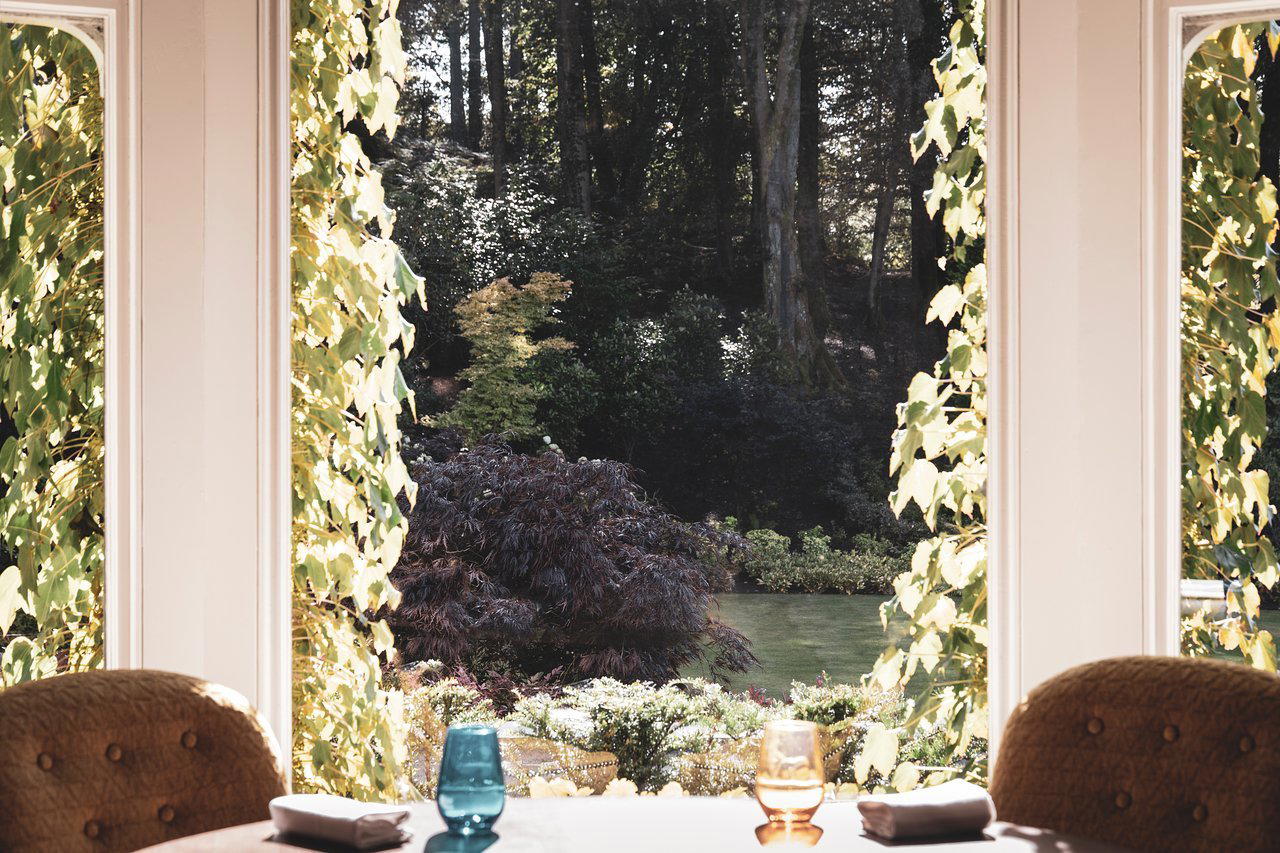
Bars in Windermere
Browse all →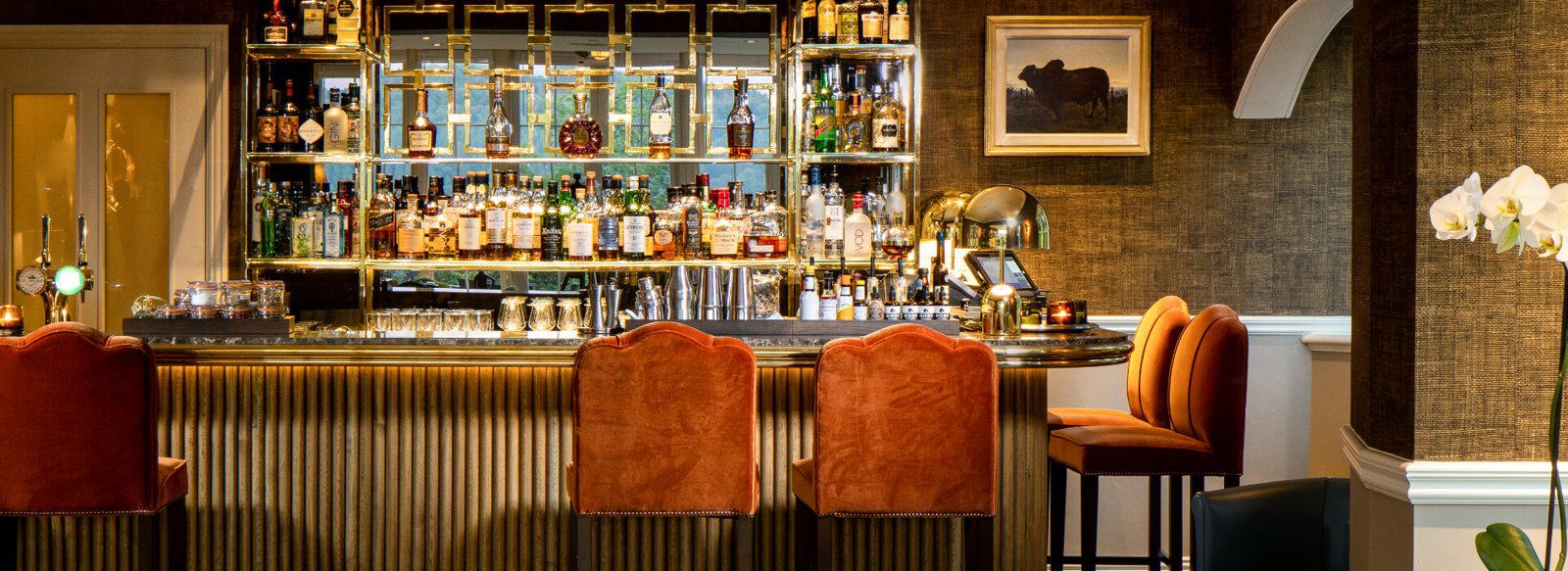

At a Glance
- Elegant
- Intimate
- Sophisticated
- Cozy
- Date Night
- Special Occasion
- Hotel Restaurant
- Private Dining
- Extensive Wine List
- Sommelier Led
- Local Sourcing
- Sustainable
- Garden
Current opening hours
- Monday
- 6–9 PM
- Tuesday
- 6–9 PM
- Wednesday
- 6–9 PM
- Thursday
- 6–9 PM
- Friday
- 6–9 PM
- Saturday
- 6–9 PM
- Sunday
- 6–9 PM
Hours can change for holidays and private events. Last verified .
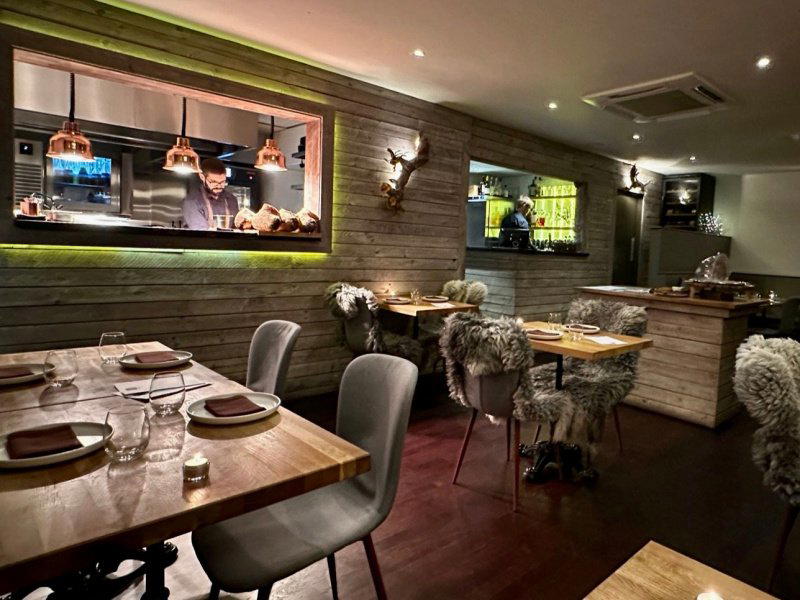
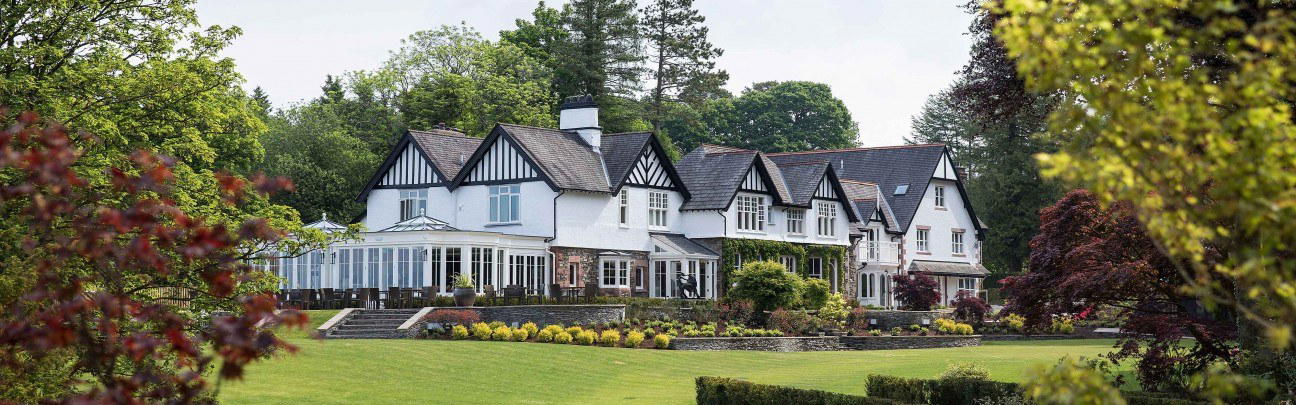
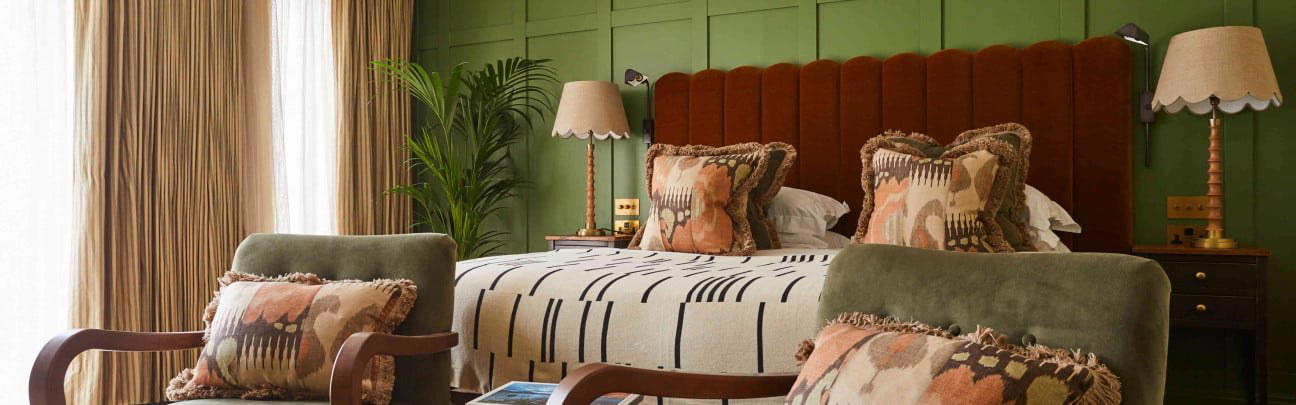
Relaxed and cosy with intimate dining rooms, conservatory overlooking the garden, open fires, and welcoming lounges.