The Little Oliva
Our verdict
The Little Oliva operates from a strip-mall address in Rolling Hills Estates that belies the seriousness of its Mediterranean-inflected kitchen. In a part of the South Bay where ingredient-driven cooking is still finding its footing, this Palos Verdes Peninsula spot draws a loyal local following willing to detour from the coastal dining corridor. It earns its place in any considered survey of Peninsula Center's dining scene.

Pearl is the En Primeur Club membership app — saves, bookings, and concierge access live there. Same editors, same standards.
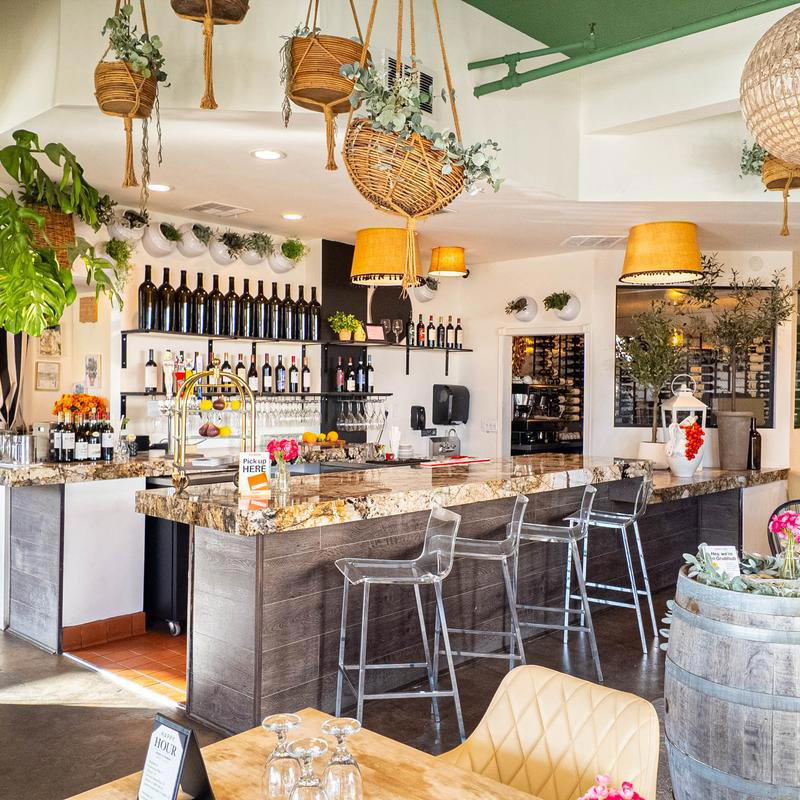
Where the South Bay Meets the Mediterranean Table
Rolling Hills Estates sits on the Palos Verdes Peninsula at a remove from the restaurant corridors that define Los Angeles dining conversation. The stretch of Deep Valley Drive around Peninsula Center is working retail — parking lots, dry cleaners, neighborhood anchors — and it is precisely this kind of address that tends to incubate the most earnest cooking in any American city. When a restaurant is not trading on a fashionable postcode, it has to earn its repeat customers through the plate. The Little Oliva at 700 Deep Valley Dr occupies that position, and the name itself signals its register: Mediterranean, produce-led, scaled for a neighborhood rather than a destination audience. For a broader survey of where this fits in the local dining picture, our full Peninsula Center restaurants guide maps the area's options across price points and cuisines.
The Ingredient Argument in Southern California
Southern California's proximity to some of the country's most productive agricultural land, the Central Valley, the Santa Monica Farmers Market supply chain, the year-round growing conditions of the region's coastal microclimates, creates both an opportunity and a kind of test for any restaurant positioning itself around Mediterranean cooking. The tradition that name invokes, whether Catalan, Ligurian, Lebanese, or Greek, is fundamentally one of restraint and sourcing: good oil, fresh alliums, vegetables at the right moment, proteins handled simply enough that their provenance remains legible on the plate.
That sourcing argument is what separates Mediterranean restaurants that use the label as aesthetic shorthand from those that take it seriously as a culinary framework. At the upper end of the American fine-dining spectrum, the relationship between place and plate is made explicit: Blue Hill at Stone Barns in Tarrytown anchors its entire identity to the farm behind the house, while Single Thread Farm in Healdsburg operates its own farm as a production unit feeding the kitchen directly. At that tier, sourcing is infrastructure. In a neighborhood restaurant, it is more often a philosophy expressed through menu language and supplier relationships rather than a vertically integrated operation.
What Mediterranean-framed cooking does well in Southern California is connect to a growing local literacy around olive varieties, citrus seasons, and the quality differential between commodity and small-producer versions of pantry staples. The Palos Verdes Peninsula has enough discretionary income and enough traveled residents that a restaurant making those distinctions can find an audience. The Little Oliva's name, referencing the olive specifically, suggests the kitchen wants to be measured against that more thoughtful register.
Reading the Room: Neighborhood Scale and What It Implies
Strip-mall restaurants in Southern California carry their own set of codes. The format self-selects for certain things: lower overhead that can translate into more money spent on product rather than rent and theater, a loyal local base rather than a tourist rotation, menus calibrated to how people actually eat rather than how they eat on special occasions. The trade-off is that the physical environment rarely contributes to the experience in the way that a designed room does. You are there for the food, and the regulars know it.
This is a different register from the destination restaurants that define national critical conversation. Alinea in Chicago and The French Laundry in Napa operate in spaces where the architecture is part of the proposition. Lazy Bear in San Francisco turns the communal dining format into the experience itself. Even regionally proximate names like Providence in Los Angeles and Addison in San Diego operate in purpose-built environments with corresponding price structures. The Little Oliva is not competing in that tier. It is competing for the mid-week dinner, the reliable neighborhood choice, the place you return to because the kitchen is consistent and the bill does not require a conversation afterward.
That is a legitimate and underserved category in many American suburbs.
Mediterranean Cooking in the American Context
The Mediterranean category in American restaurants has expanded significantly over the past decade, driven by both dietary trend and genuine culinary interest. Kitchens across the country are drawing on Levantine herb palettes, Spanish charcuterie traditions, and Italian approaches to pasta and legumes with increasing fluency. The question for any given restaurant is whether the execution matches the ambition: whether the oil being used is actually worth tasting, whether the vegetables are being sourced at the right moment, whether the simplicity is earned rather than lazy.
In cities with deep ingredient cultures, Bacchanalia in Atlanta built its reputation around exactly this kind of sourcing discipline in the American South, Mediterranean-adjacent cooking can carry real authority. In suburban Southern California, where the supply chain exists but the dining culture is still maturing, restaurants doing this work occupy a gap between fast-casual Mediterranean chains and the full-service fine-dining tier. The Little Oliva appears to sit in that gap, making a case for neighborhood-scale cooking that takes its ingredients seriously without the overhead of a destination restaurant.
For readers interested in how other American restaurants are making similar sourcing arguments in different regional contexts, Brutø in Denver, Causa in Washington, D.C., and ITAMAE in Miami each represent a version of ingredient-driven cooking that has found critical traction in its local market. The comparison is instructive: each of those kitchens is doing something specific to its place and its supply chain. The same discipline, applied to Southern California's Mediterranean-adjacent pantry, is the version of the argument The Little Oliva is positioned to make.
Planning Your Visit
The restaurant sits at 700 Deep Valley Dr in Rolling Hills Estates, a direct drive from the South Bay beach communities and accessible from the 110 freeway corridor. Peninsula Center is a standard suburban shopping complex, so parking is not a consideration.
Frequently asked questions
Is The Little Oliva suitable for children?
Mediterranean cooking — built around shared plates, olive oil-forward preparations, and familiar grain and vegetable dishes — tends to translate well for younger diners. Rolling Hills Estates is a family-oriented residential community, and restaurants at 700 Deep Valley Dr in the Peninsula Center serve a local clientele that includes families. check the venue's official channels to confirm seating arrangements for groups with children.
What is the atmosphere like at The Little Oliva?
The Little Oliva occupies a strip-mall address at 700 Deep Valley Dr in Rolling Hills Estates, a format common across Southern California that typically trades theatrical room design for lower overhead and a more focused kitchen operation. In this part of the Palos Verdes Peninsula, the dining room scale tends toward the intimate, drawing a neighbourhood crowd rather than a destination-seeking one from across Los Angeles.
Is The Little Oliva a good option for a Mediterranean meal on the Palos Verdes Peninsula?
The Palos Verdes Peninsula has limited restaurant density compared to the broader South Bay, making a dedicated Mediterranean kitchen at Rolling Hills Estates notable within that local context. The Little Oliva sits at 700 Deep Valley Dr, positioning it as one of the more accessible dining options for residents across the peninsula communities of Rolling Hills, Rancho Palos Verdes, and Palos Verdes Estates. Mediterranean cooking suits Southern California's ingredient access and climate, and the format here appears oriented toward the neighbourhood rather than the broader Los Angeles dining circuit.
What should I eat at The Little Oliva?
The restaurant's name signals an olive-forward, Mediterranean orientation, which in Southern California often means dishes shaped by seasonal produce from regional suppliers, including the Central Valley agricultural corridor. For specifics on current menu items or signature dishes, check directly with the restaurant, as menus in this category frequently shift with seasonal availability.
Where do I go for The Little Oliva?
The Little Oliva is located at 700 Deep Valley Dr, Rolling Hills Estates, CA 90274, Peninsula Center.
How hard is it to get a table at The Little Oliva?
Rolling Hills Estates has a concentrated local dining audience with fewer restaurant options than denser Los Angeles neighbourhoods, which can create consistent demand at well-regarded spots. The Peninsula Center location at 700 Deep Valley Dr is accessible rather than destination-remote, meaning walk-in availability may vary by day and time. Calling ahead is advisable, particularly on weekends when the South Bay residential crowd is most active.
Comparable Venues
Comparable venues nearby, for context on price, style, and recognition.
| Venue | Cuisine | Price | Awards | Notes |
|---|---|---|---|---|
| The Little OlivaThis venue — the venue you are viewing | Mediterranean | $20–30 | Not listed | Not listed |
| Boxi Kitchen | Mediterranean | Not listed | Not listed | Jack London Square |
| Taboon Mediterranean | Authentic Mediterranean & Middle Eastern | $20–30 | Not listed | Bixby Knolls |
| The Semi-Tropic | Mediterranean Bar Food | $30–50 | Not listed | Echo Park |
| Mini Kabob | Armenian Kabob & Mediterranean Grill | $20–30 | LA Times 101 Best Restaurants #46 | Glendale Galleria |
| Elena's Estiatorio | Mediterranean & Armenian Grill | Not listed | Not listed | Burbank |
Continue exploring
More in Peninsula Center
Restaurants in Peninsula Center
All restaurants in Peninsula Center →
Bars in Peninsula Center
Browse all →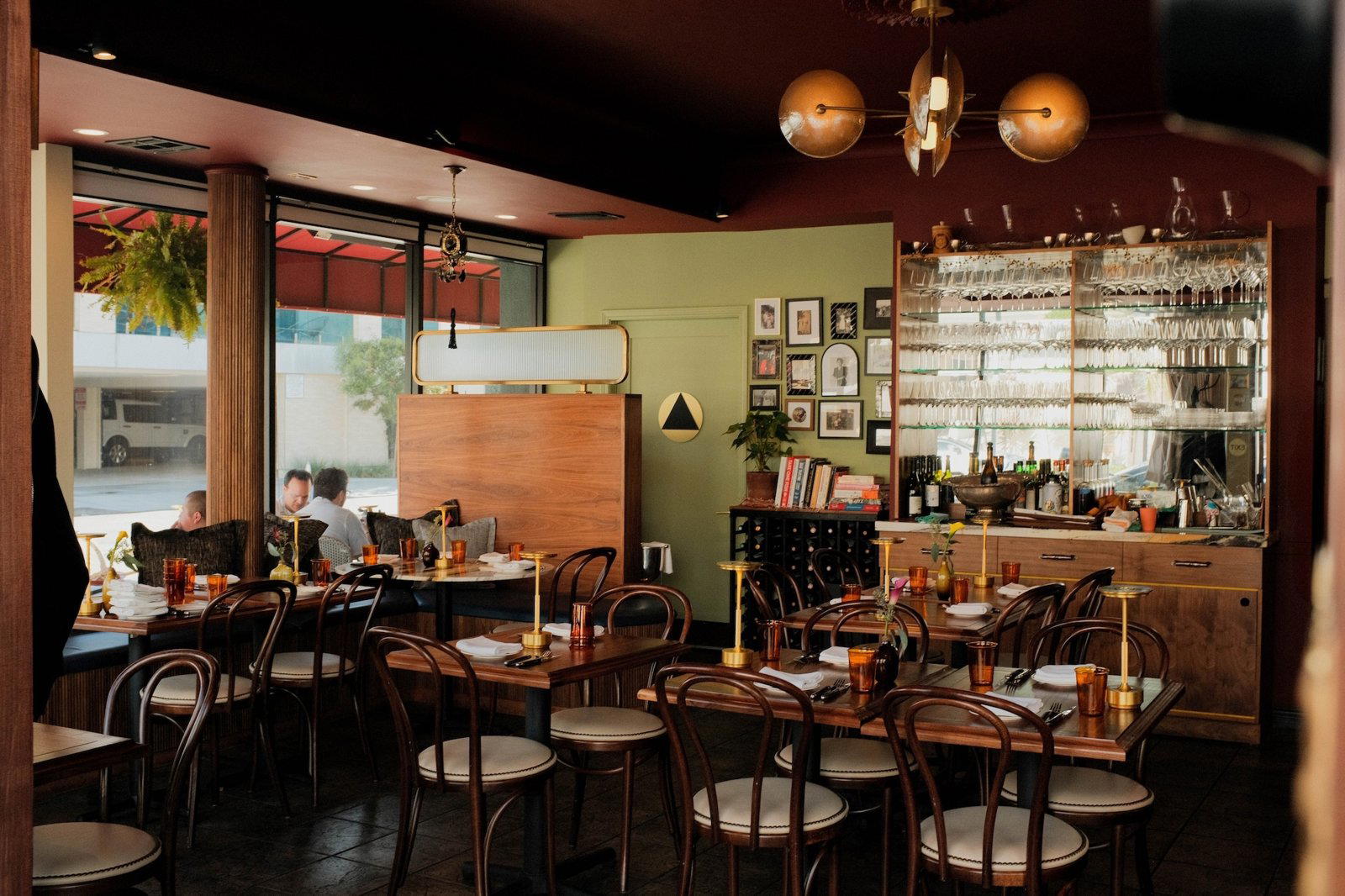
Hotels in Peninsula Center
Browse all →
Wineries in Peninsula Center
Browse all →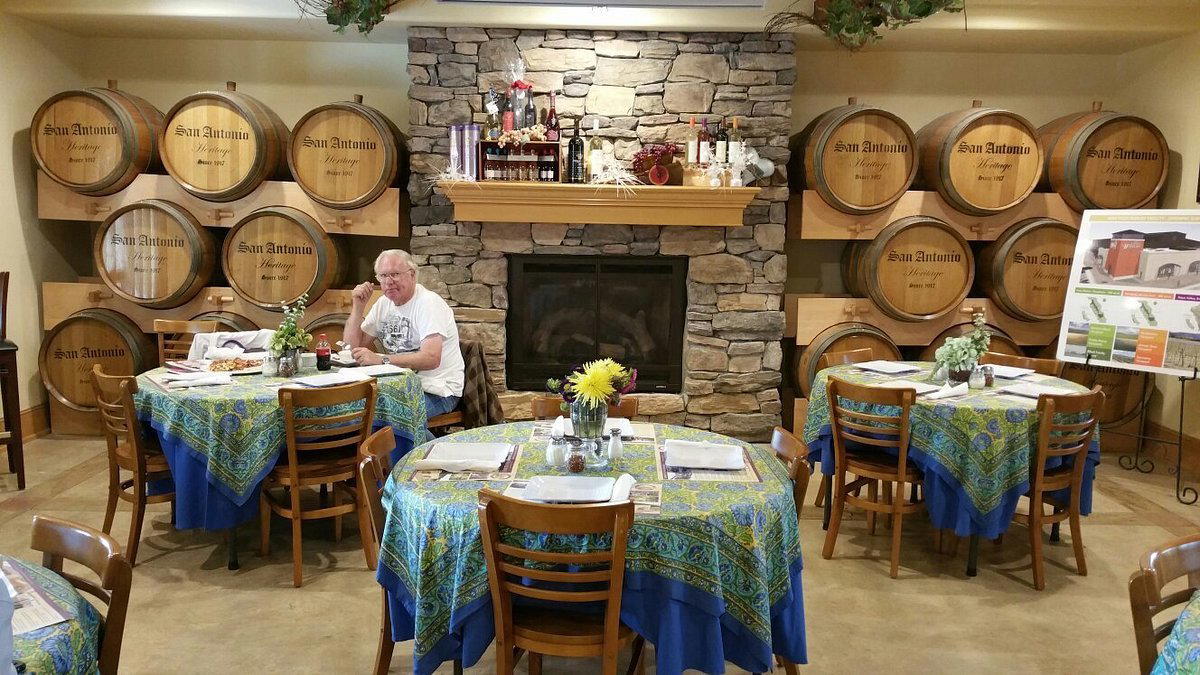
Details
- Cozy
- Casual Hangout
- A La Carte
- Small Plates
- Vegetarian Friendly
Current opening hours
- Monday
- 11 AM–9 PM
- Tuesday
- Closed
- Wednesday
- 11 AM–9 PM
- Thursday
- 11 AM–9 PM
- Friday
- 8 AM–9 PM
- Saturday
- 8 AM–9 PM
- Sunday
- 8 AM–9 PM
Hours can change for holidays and private events. Last verified .
Cozy indoor settings resembling a sundrenched Mediterranean escape even on gray evenings.