The Helmand
The Helmand brings Afghan cooking to Cambridge's First Street, occupying a distinct position in a city where Middle Eastern and Central Asian cuisines remain underrepresented at the dinner-table level. The kitchen draws on the aromatic traditions of Afghan cuisine, from lamb preparations to pumpkin dishes, in a setting that suits both a quiet weeknight meal and a longer group dinner.
Pearl is the En Primeur Club membership app — saves, bookings, and concierge access live there. Same editors, same standards.
- Address
- 143 First St, Cambridge, MA 02142
- Phone
- +16174924646
- Website
- helmandrestaurant.com
- Directions
- Get directions
 Saves & bookings on Pearl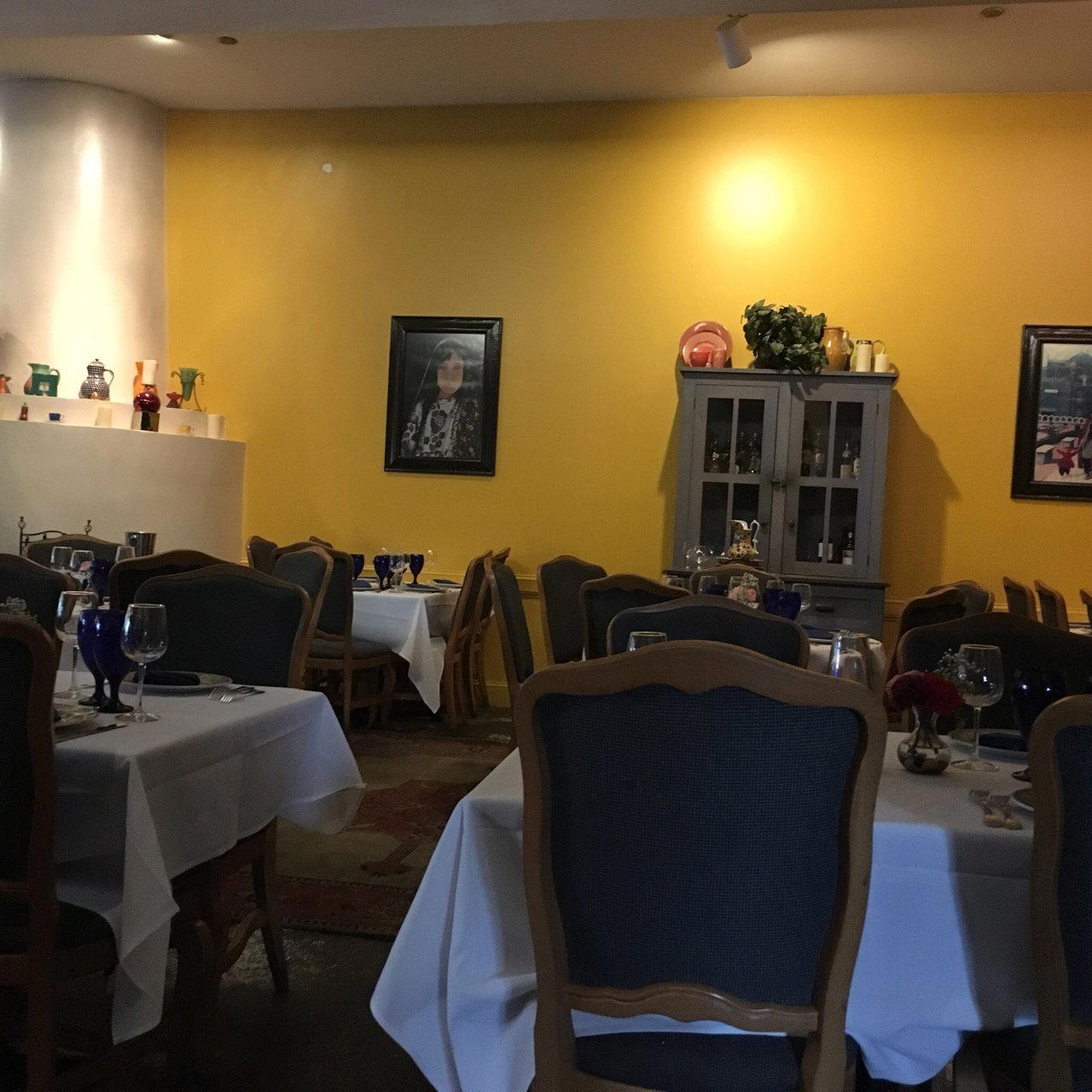
Afghan Cooking in a College Town That Rarely Sits Still
Cambridge, Massachusetts runs on intellectual restlessness. The dining scene reflects that: it shifts quickly, absorbs influences from a transient academic population, and tends to reward specificity over generalism. Against that backdrop, Afghan cuisine occupies a narrow but coherent niche. Where much of the city's restaurant energy concentrates on New American formats, farm-to-table frameworks, or the kind of tasting-menu ambition you find at Midsummer House or Restaurant Twenty-Two, Afghan cooking arrives from a different culinary tradition entirely: one built on slow-cooked meats, aromatic rice preparations, and a spice logic that sits closer to the Silk Road than to either South Asia or the Middle East.
The Helmand, at 143 First St in Cambridge's Kendall Square-adjacent corridor, has held its position in that niche long enough to become a reference point. It sits on a stretch of First Street that has grown considerably denser with tech-sector offices over the past decade, which means the restaurant now draws a mixed crowd: the university contingent that has always been part of its base, and a newer wave of workers from the surrounding innovation district.
What Arrives on the Table, and Why It Reads Differently at Lunch and Dinner
The lunch-versus-dinner divide is worth spelling out for anyone planning a first visit, because the two services read quite differently in terms of pacing, menu scope, and room energy.
At lunch, the room operates at a more compressed tempo. The academic and office crowd tends toward shorter stays, and the menu naturally lends itself to single-course or two-course formats built around rice dishes, kebab preparations, and the kind of legume-based dishes that form the backbone of Afghan home cooking. The midday light through the windows changes the room's register: it feels less formal, more functional, and considerably easier to drop into without a reservation or a plan.
Evening service is where the full range of the kitchen's repertoire becomes visible. Afghan cuisine at the dinner level is a slower affair by design. Dishes like aushak (leek-filled dumplings with a yogurt and meat sauce) or qabili palaw (the rice preparation that functions as something close to a national dish, built around lamb and a sweet-savory spice profile of cardamom, raisins, and carrots) require time at the table to appreciate properly. The room correspondingly shifts in mood: quieter, more deliberate, better suited to conversation that stretches across courses. For a city where so many dinner options trend toward either the very casual or the very expensive, the Helmand occupies a middle register that Cambridge actually needs more of.
Across the wider US dining spectrum, Afghan restaurants have remained fewer in number than their culinary depth would suggest. Cities like New York, Washington DC, and the San Francisco Bay Area have small but established Afghan dining communities; Cambridge's version is smaller still, which places The Helmand in a competitive set of essentially one at this level of execution. That is a different kind of positioning than you find at, say, the tasting-menu tier represented nationally by venues like Alinea in Chicago, The French Laundry in Napa, or Le Bernardin in New York City, but the logic of occupying an underserved cuisine category applies across price tiers.
The Room Itself
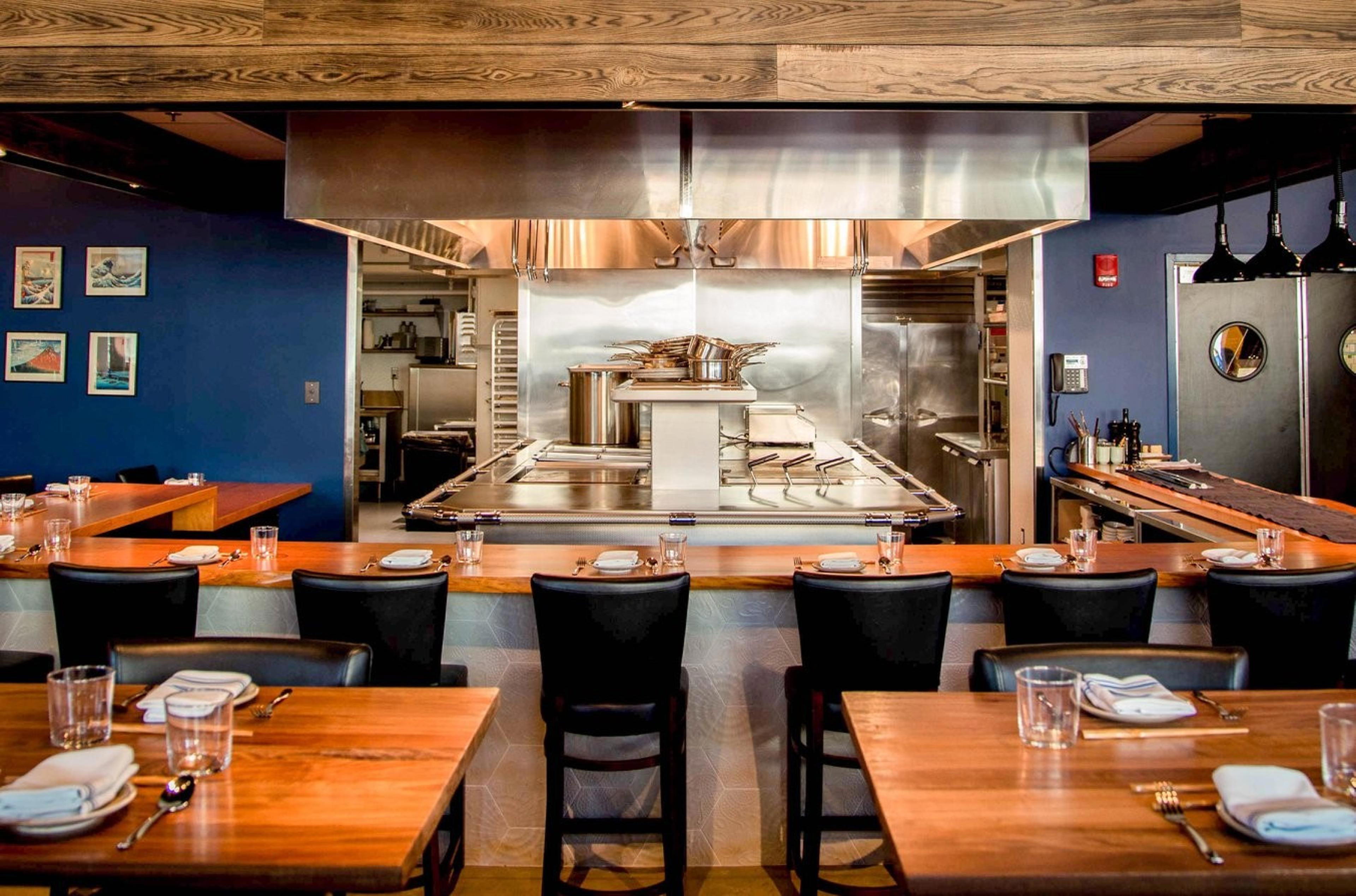
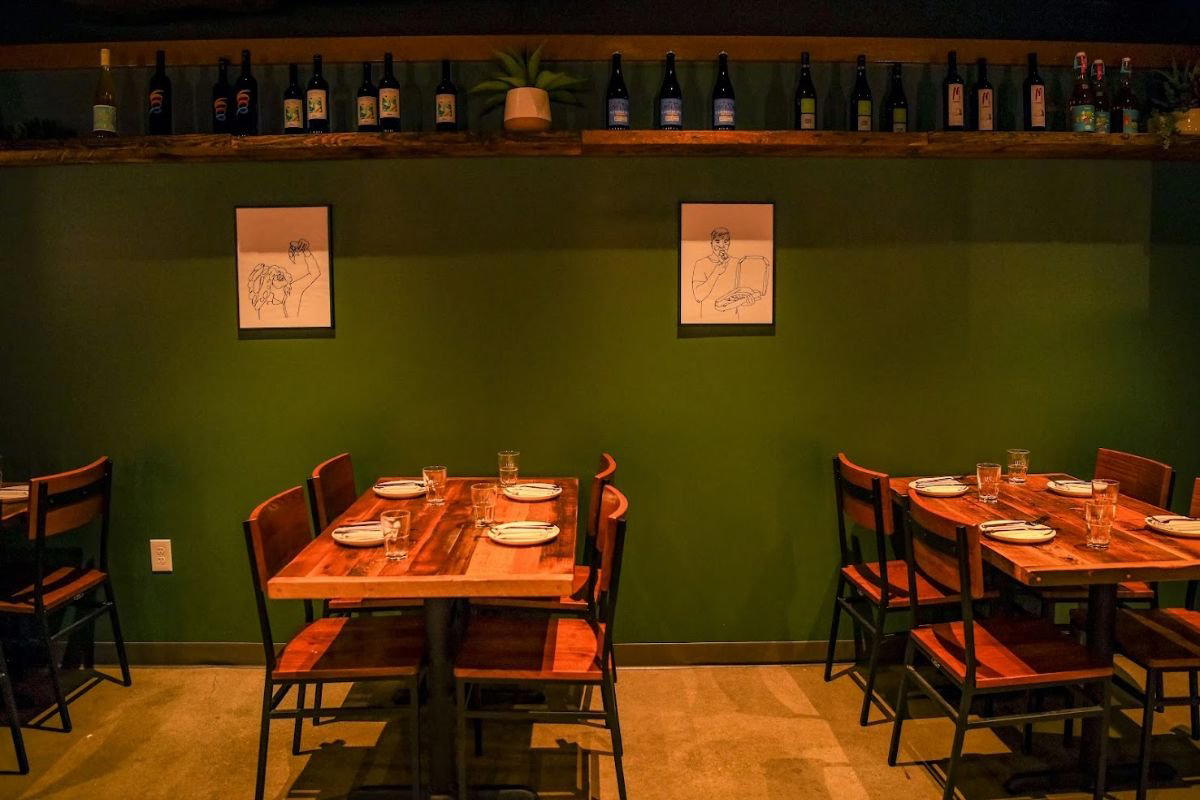
The physical space on First Street signals its intentions without overreaching. The interior sits in the category of warm without being theatrical: exposed brick, wood tones, and a scale that allows for private conversation without the acoustical problems that plague larger open-plan dining rooms. It is the kind of room that accommodates a range of social configurations, from a two-person dinner that doesn't want to feel on display, to a table of six working through a meal together.
The Kendall Square location means that approaching the restaurant from the Red Line involves a short walk through a neighborhood that has changed faster than almost any other part of Cambridge in the past fifteen years. The area now has more in common with a tech campus than a traditional Boston-area commercial district, which makes the persistence of an independent Afghan restaurant at this address a meaningful data point about the neighborhood's underlying character.
How It Sits Within Cambridge's Broader Dining Picture
Cambridge's restaurant spectrum in 2024 runs from neighborhood coffee anchors like 1369 Coffee House through mid-range neighborhood bars like 730 Tavern, Kitchen and Patio up to destination-level tasting menus. The Helmand occupies a distinct band in the middle of that range, where the cuisine itself, rather than format or price, does the differentiating work.
For a comparative read on Central Asian and adjacent Middle Eastern cuisines in the city, Afghan Flavour offers a more casual entry point into similar culinary territory. The Helmand sits a step above in terms of service formality and room quality, which positions it for a different kind of occasion rather than a different kind of diner.
Anyone building a broader itinerary around American regional dining with genuine culinary range might cross-reference the farm-driven formats at Blue Hill at Stone Barns in Tarrytown or the ingredient-led approach at Single Thread Farm in Healdsburg, both of which share with The Helmand a focus on culinary identity over format theatrics, even if the cuisine categories sit miles apart. Our full Cambridge restaurants guide maps the wider field if you are building a multi-meal itinerary across the city.
Nationally, the conversation around depth and specificity in American dining has been driven largely by restaurants operating at higher price points, from Atomix in New York City to Providence in Los Angeles to Addison in San Diego and The Inn at Little Washington. The Helmand's contribution to that conversation is quieter, but the argument it makes, that a single cuisine handled with care earns a permanent seat in a city's dining life, is one the Cambridge dining scene still needs to hear from time to time. See also Lazy Bear in San Francisco, Emeril's in New Orleans, and 8½ Otto e Mezzo Bombana in Hong Kong for other cases where a kitchen's distinctive culinary identity has sustained long-term relevance in competitive dining cities.
Planning Your Visit
First Street's Kendall Square end is most easily reached via the Red Line's Kendall/MIT station, with a walk of several minutes to the restaurant's address at number 143. Given the neighborhood's growing office density, weekday lunch reservations are worth making in advance, particularly for tables of four or more. Evening dining tends to suit a relaxed two-to-three-hour pace if you are moving through multiple courses. The room's scale and noise level make it workable for families with older children, though the evening ambiance is calibrated more for adult conversation.
How The Helmand Cambridge compares with similar nearby venues.
| Venue | Cuisine |
|---|---|
| Toscannini’s | Ice Cream |
Continue exploring
More in Cambridge
Restaurants in Cambridge
Browse all →
Bars in Cambridge
Browse all →
Hotels in Cambridge
Browse all →
Wineries in Cambridge
Browse all →
At a Glance
- Cozy
- Intimate
- Classic
- Date Night
- Family
- Special Occasion
- Open Kitchen
- Extensive Wine List
Current opening hours
- Monday
- 5–10 PM
- Tuesday
- 5–10 PM
- Wednesday
- 5–10 PM
- Thursday
- 5–10 PM
- Friday
- 5–11 PM
- Saturday
- 5–11 PM
- Sunday
- 5–10 PM
Hours can change for holidays and private events. Last verified .
Warm and cozy atmosphere with traditional decor including carpets, wall paintings, a wood-burning oven baking fresh bread, and a small fireplace.
Know Before You Go
- Getting there
- 143 First St, Cambridge, MA 02142