The General Muir
.png)
The General Muir brings New York-style Jewish deli tradition to Atlanta's Emory Point, earning consecutive Michelin Plate recognition in 2024 and 2025. The menu reads like a deli archive: house-cured pastrami, house-baked breads, and breakfast service that runs through the afternoon. At the $$$ price tier, it occupies a practical middle ground in Atlanta's dining spectrum, between casual neighborhood spots and the city's tasting-menu circuit.
Pearl is the En Primeur Club membership app — saves, bookings, and concierge access live there. Same editors, same standards.
- Address
- 1540 Avenue Pl B-230, Atlanta, GA 30329
- Phone
- (678) 927-9131
- Website
- thegeneralmuir.com
 Saves & bookings on Pearl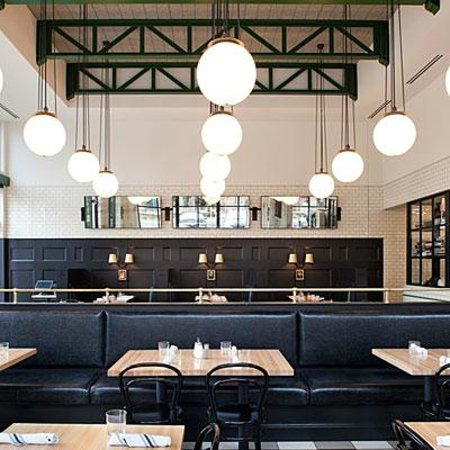
Where the Deli Format Gets Taken Seriously
American Jewish deli culture has been in a long, complicated conversation with itself for decades. The grand delis of New York's Lower East Side, the pastrami counters of Los Angeles, and the smoked-meat institutions of Montreal all established templates that newer operations either chase or consciously depart from. In Atlanta, a city whose dining identity has historically been shaped by Southern cooking and a wave of ambitious New American restaurants, the deli format is not the obvious anchor for a critically recognized address. The General Muir holds Michelin Plate recognition for 2024 and 2025, and its 4.5 Google rating across more than 2,100 reviews suggests it is doing something the format demands: maintaining consistency and craft at a scale that casual dining often abandons.
The Emory Point location, at 1540 Avenue Pl B-230 in the northeast quadrant of Atlanta, places the restaurant in a mixed-use retail and residential corridor rather than the more densely trafficked Buckhead or Inman Park dining zones. That geography matters. The neighborhood draws a professional and university-adjacent crowd, and the all-day format, breakfast running alongside lunch and dinner across a single integrated menu, reflects the practical rhythms of that audience. For visitors calibrating Atlanta's dining map, Emory Point sits at a deliberate remove from the concentrated restaurant clusters, which means the clientele is largely intentional rather than foot-traffic driven.
How the Menu Is Organized, and What That Tells You
The deli menu structure, done properly, is a form of editorial curation. Unlike the tasting-menu format at places like Lazy Betty or Bacchanalia, where the kitchen controls sequence and pacing, a deli menu hands agency back to the diner. The architecture is categorical rather than progressive: baked goods and breakfast plates anchor one end, sandwich builds occupy the center, and hot plates and sides extend the range toward dinner territory. What the structure reveals is a kitchen committed to housemade production at each category rather than outsourcing the components that most mid-range operations quietly purchase.
In the deli tradition, the credibility of a menu rests on a small number of cornerstone items: the quality of the bread, the cure on the pastrami, the texture of the smoked fish. These are not decorative elements; they are the architecture beneath the architecture. A deli that sources its rye externally and slices commercial pastrami is running a different operation entirely from one that controls those inputs in-house. The Michelin Plate recognition signals that the execution here meets a threshold beyond the neighborhood-restaurant baseline.
The all-day format also carries structural implications. Running a menu from morning through dinner without a hard break requires a kitchen that can hold production standards across service windows that most restaurants treat as discrete. Breakfast dishes and dinner plates coexist on the same order ticket, which places operational demands on the team that a lunch-only or dinner-only kitchen does not face. For the diner, it means the decision calculus is different: a 10 a.m. visit and a 7 p.m. visit are drawing from the same conceptual menu, and the format rewards repeat visits without the commitment of a reservation-dependent tasting experience.
Atlanta's Deli Gap and Where The General Muir Sits
Atlanta's restaurant scene has accumulated considerable depth at the upper end of the spectrum. The Michelin Guide's presence in the city has formalized what locals already understood: that Hayakawa, Mujō, and Atlas occupy a different register than the broader dining field. The General Muir operates in a different tier and category entirely, but the Michelin Plate designation places it inside the same quality-recognition framework, at the $$$ price point rather than the $$$$ bracket that defines Atlanta's tasting-menu circuit.
The deli fills a gap that most Southern cities have not historically prioritized. Cities like New York and Chicago, where Lardon represents the charcuterie-forward interpretation of the same broad deli tradition, developed deli cultures tied to specific immigration patterns and neighborhood demographics. Atlanta's version, transplanted but not derivative, occupies territory that would otherwise go unclaimed. The comparison set for The General Muir is not the $$$$ New American restaurants that define Atlanta's critical attention; it is a national cohort of serious deli operations, including destinations like SumiLicious in Toronto, that treat the deli format as a discipline.
For visitors whose Atlanta itinerary already includes dinner reservations at the upper tier, The General Muir answers a different question: where to eat breakfast or lunch without defaulting to hotel dining or casual chains. The 4.5 Google rating across 2,228 reviews reflects a constituency that returns regularly, which is the reliability signal that matters most for an all-day format. Starred-level novelty does not drive that kind of volume and consistency; execution does.
Across the wider category, the best-performing deli operations in American cities share a structural trait: they are among the hardest restaurants to replicate because the production depth required, house curing, house baking, house smoking, creates a quality floor that is difficult to undercut at comparable price points. That is the tradition The General Muir is working within, and the consecutive Michelin recognition suggests the execution is meeting the standard the format requires.
Know Before You Go
- Address: 1540 Avenue Pl B-230, Atlanta, GA 30329
- Cuisine: American Jewish Deli
- Price tier: $$$ (mid-range; below Atlanta's $$$$ tasting-menu tier)
- Recognition: Michelin Plate 2024 and 2025
- Google rating: 4.5 from 2,149 reviews
- Format: All-day diner; breakfast, lunch, and dinner from a single integrated menu
- Location note: Emory Point mixed-use corridor, northeast Atlanta; intentional-visit territory rather than a walk-in dining district
Cuisine and Credentials
Comparable venues nearby, for context on price, style, and recognition.
| Venue | Cuisine | Price | Awards | Notes |
|---|---|---|---|---|
| The General MuirThis venue — the venue you are viewing | Modern New York Jewish Deli | $$$ | Michelin Plate | |
| Miller Union | Farm-to-Table Southern American | $$$ | Michelin Plate | West Midtown |
| The Chastain | New American Bistro | $$$ | Michelin Plate | Chastain Park |
| NALA KITCHEN & COCKTAILS | Contemporary American Tapas with African Influences | $$$ | , | Sandy Springs |
| Gunshow | Modern Southern Dim Sum-Style | $$$ | Michelin Plate | Glenwood Park |
| So. Fox | Seasonal American Small Plates with Natural Wine | $$$ | , | Virginia-Highland |



At a Glance
- Classic
- Brunch
- Casual Hangout
- Group Dining
- Open Kitchen
- Craft Cocktails
- Local Sourcing
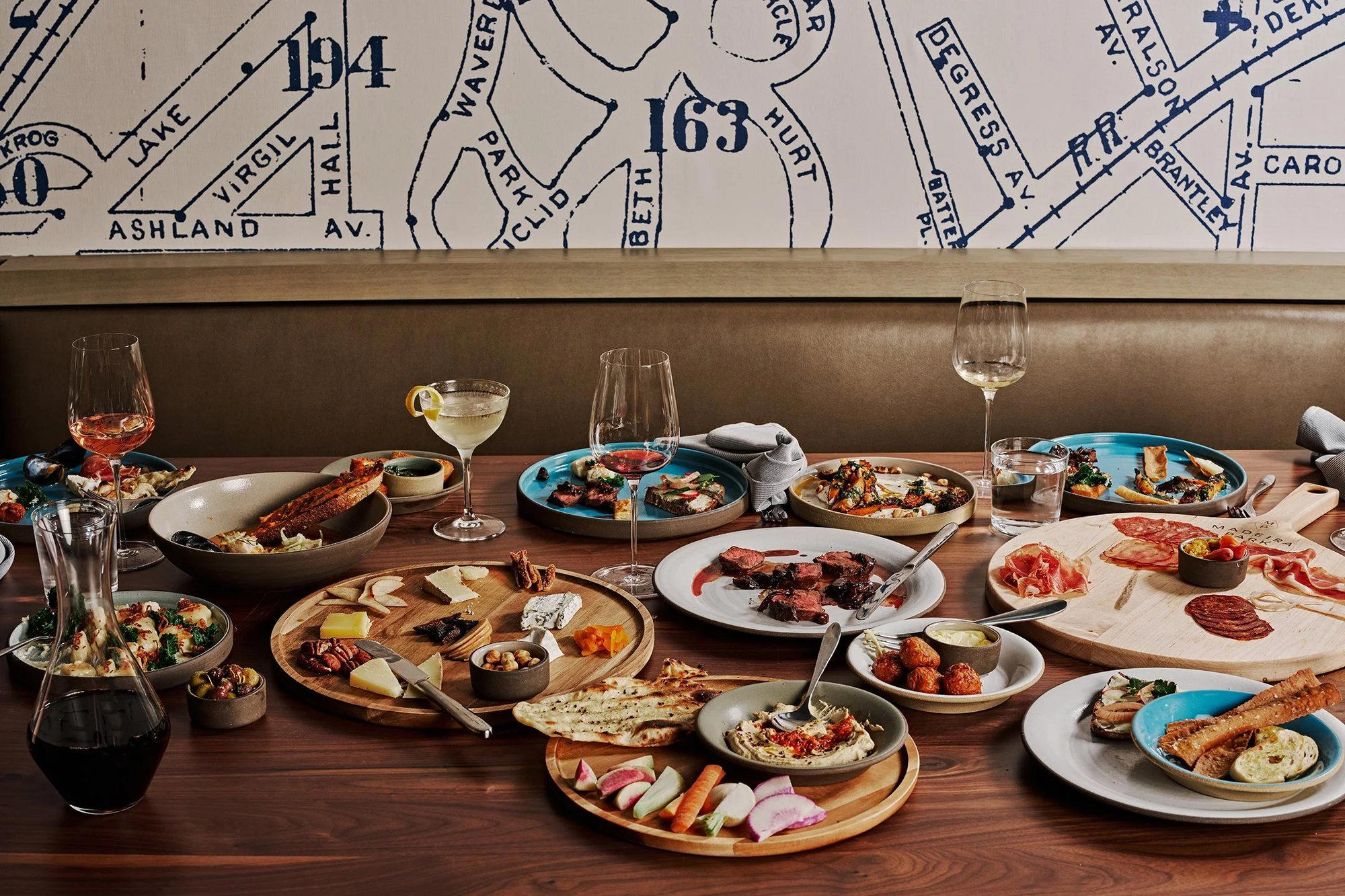
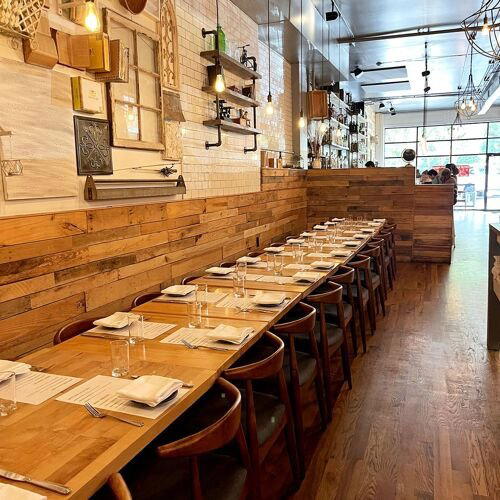
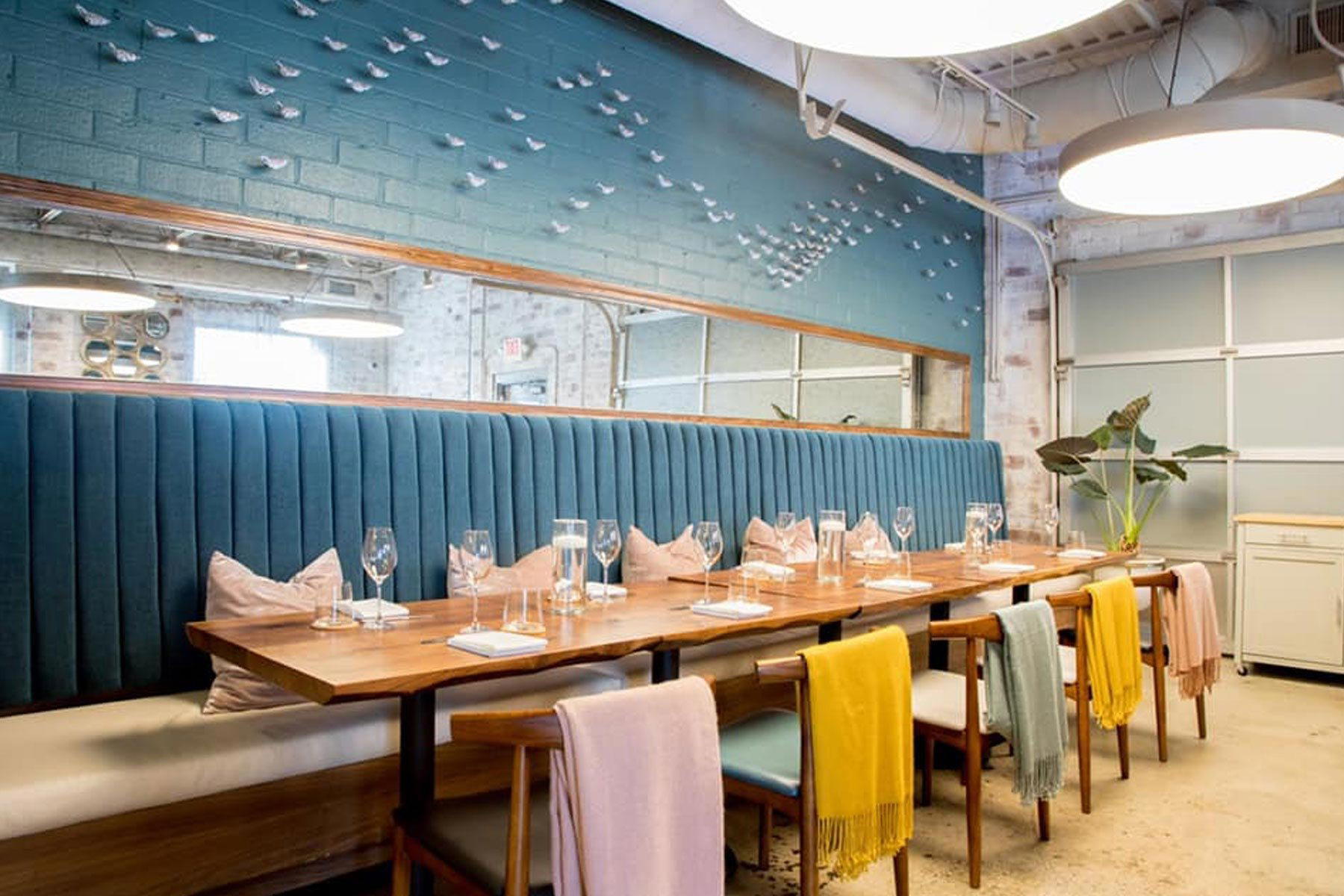
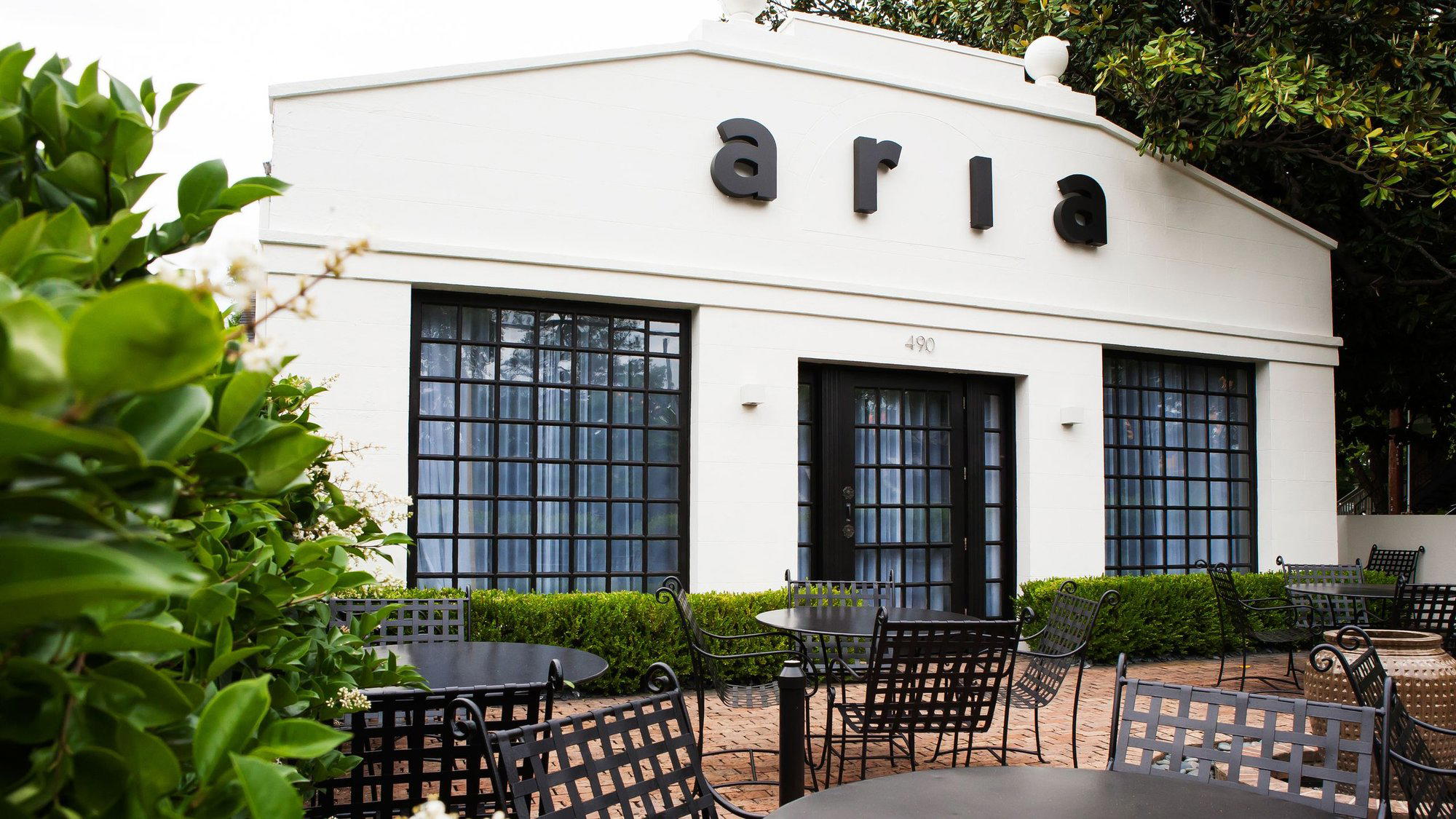
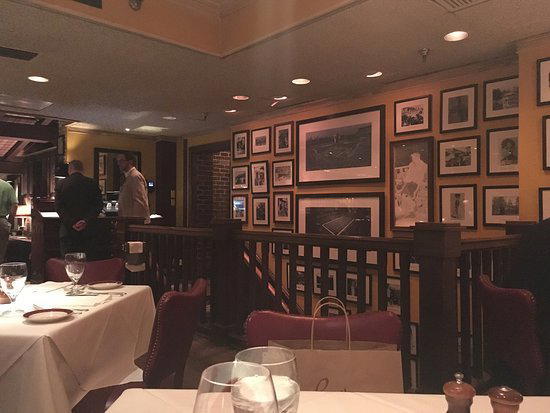
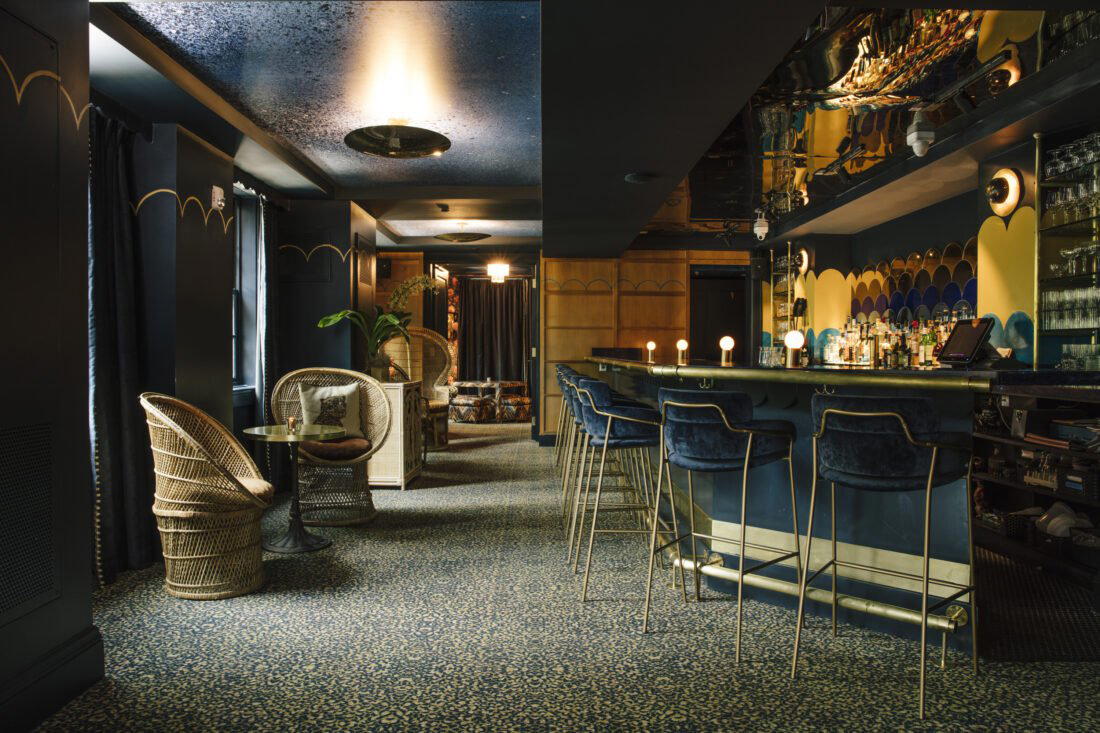
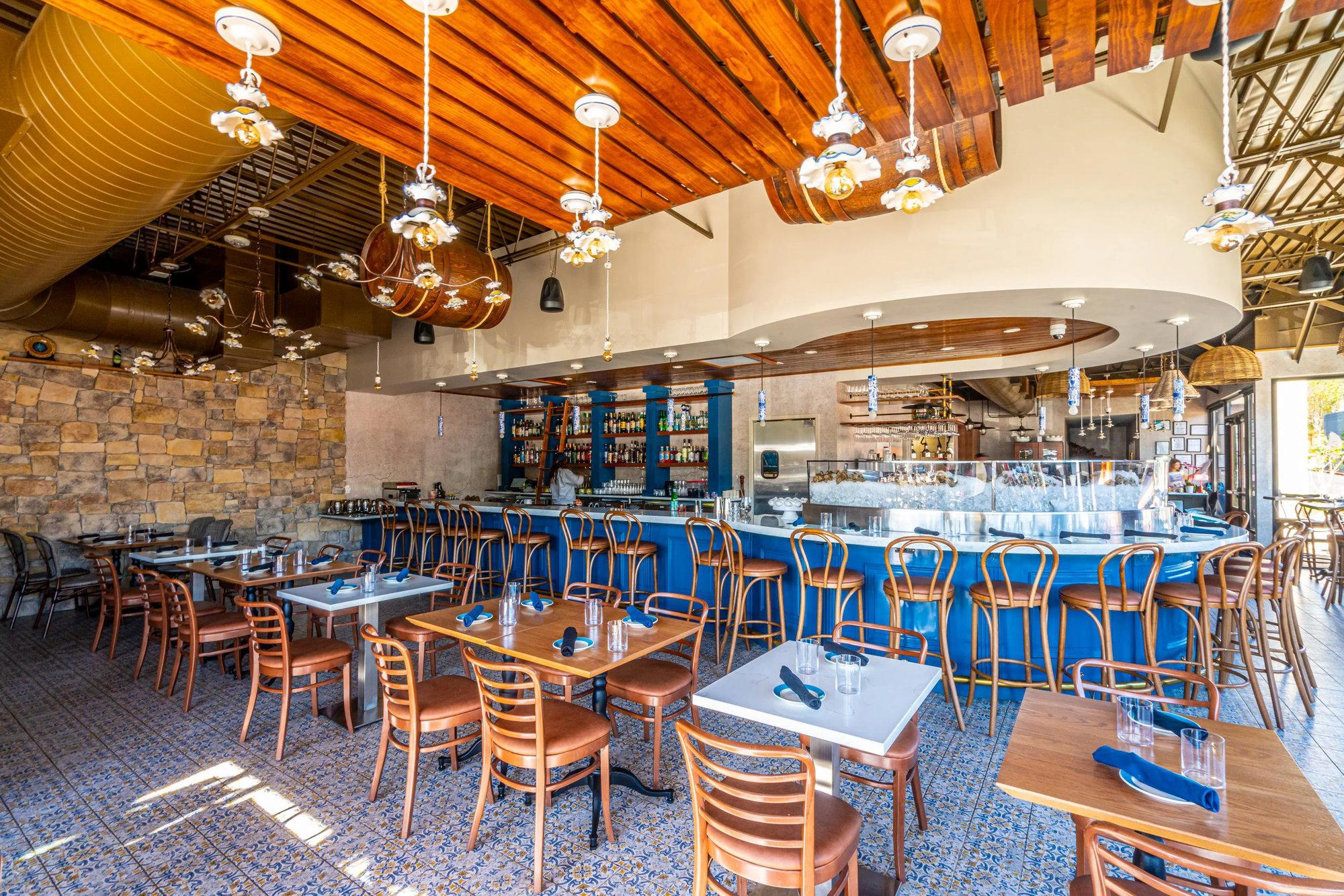
Light-filled space with clean, comfortable retro-chic style featuring black-and-white photos and subway tiles.