Croft 3
Our verdict
Croft 3 sits at Fanmore on the Isle of Mull, placing it among the island's most remotely sited dining addresses. The setting alone separates it from Tobermory's harbour-front options, with the Atlantic coastline as an immediate backdrop. For those making the crossing to Mull, it represents a different register of the island's food scene entirely.

Pearl is the En Primeur Club membership app, where members save venues, book tables and use the concierge.
The menu
What to order
- Haggis with cornbread and salsa verde
- Half lobster with niçoise salad
Where the Road Runs Out and the Table Begins
There is a particular category of dining address in the British Isles that earns its reputation not through urban critical mass but through the discipline of isolation. The Hebrides have long operated this way: restaurants and supper clubs that require genuine effort to reach, where the journey itself becomes part of the framework. Croft 3, located at Fanmore on the Isle of Mull, belongs to that tradition. It sits on the western shore of the island, well beyond the cluster of visitor infrastructure around Tobermory, on a road that thins out as it approaches the Atlantic. The physical reality of arriving here, across single-track roads and past working croft land, is inseparable from what the table means once you sit down at it.
This is not the kind of dining address you stumble upon. On an island that already requires a ferry crossing from Oban on the Scottish mainland, Fanmore sits at a further remove, the kind of location that filters its visitors by intention. That filtering has a long tradition in Scottish food culture, where some of the country's most serious kitchens operate in settings that urban diners might find improbable. Ynyshir Hall in Machynlleth and Restaurant Andrew Fairlie in Auchterarder both demonstrate that British fine dining has never required a city postcode to command serious attention. Mull's food scene is smaller but follows a similar logic: the island's leading tables reward those who plan around them.
The Isle of Mull's Food Character
Mull's culinary identity is built almost entirely on proximity to ingredient sources that most British chefs spend money and logistics trying to simulate. The Sound of Mull and the surrounding sea lochs produce shellfish of a quality that makes the island a reference point rather than a footnote for Scottish seafood. Langoustines, crab, and hand-dived scallops move from water to kitchen within timeframes that larger, more accessible venues cannot replicate. The island also sits within range of Highland game and beef, and the grazing conditions on the island's interior produce lamb with a flavour profile shaped by coastal grasses.
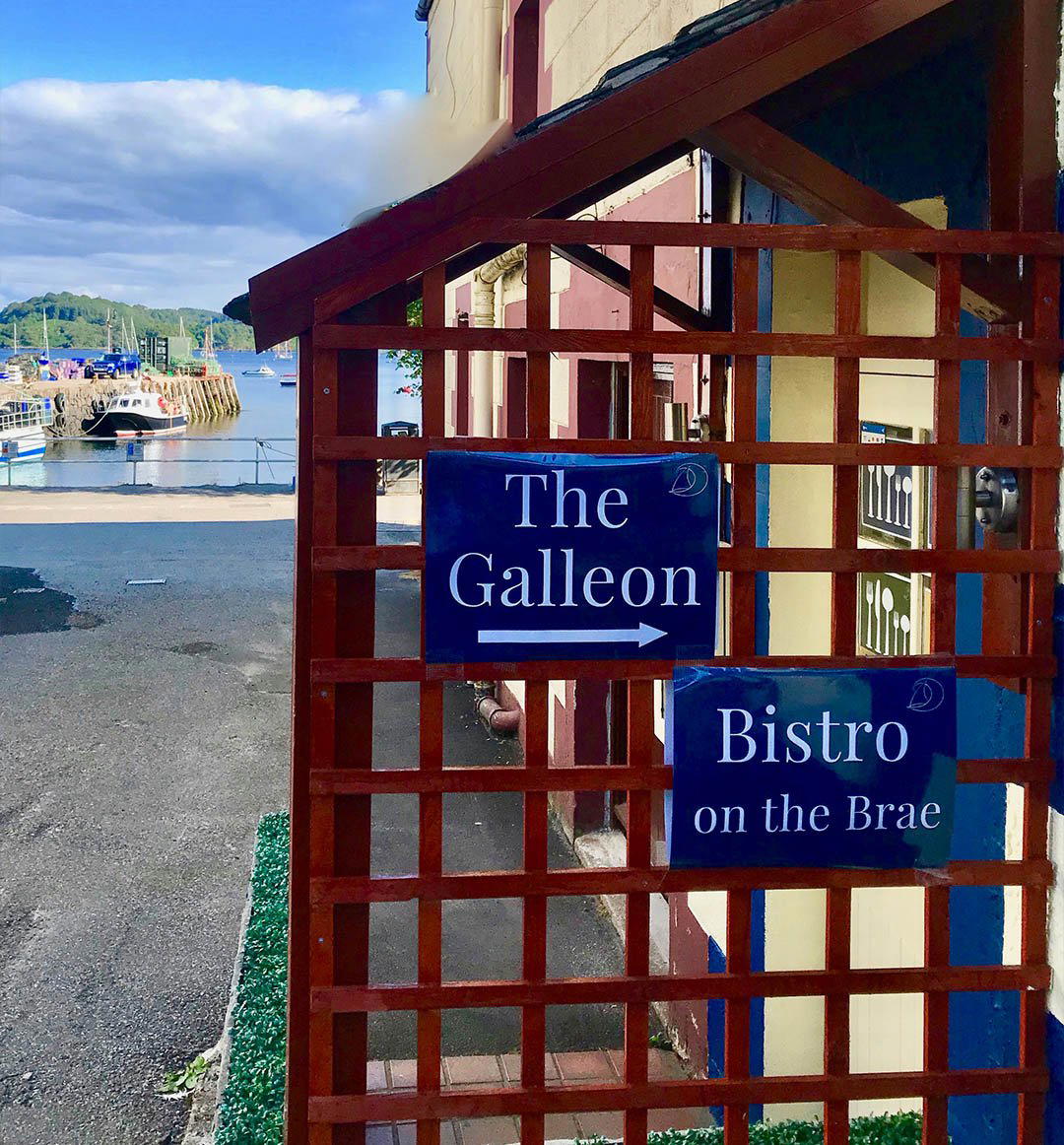
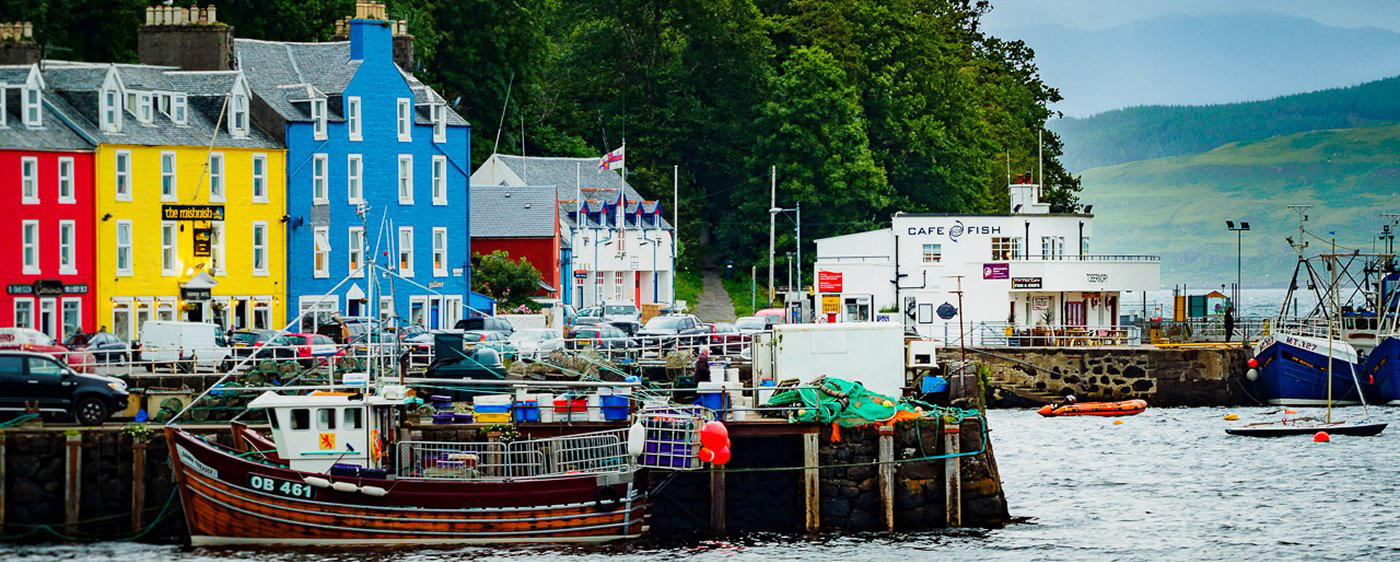
This ingredient context is what makes Mull's dining scene coherent despite its small size. Venues here are not approximating a style developed elsewhere; they are working directly with what the land and sea provide. That positioning distinguishes the island from urban Scottish dining, where sourcing from the Hebrides is a premium selling point rather than a daily operational reality. Café Fish in Tobermory has built its reputation on that directness, and Ar Bòrd and The Galleon Bistro represent the island's broader range of accessible seafood and local produce dining. Croft 3 at Fanmore occupies the more remote end of that map.
Rural Scottish Hospitality and the Croft Tradition
The word "croft" carries specific cultural weight in the Hebrides. Crofting is the smallholder land tenure system that has shaped the social and agricultural fabric of the Scottish Highlands and Islands for centuries, and a croft as a place of hospitality has deep roots in that tradition. Feeding visitors from what the land provides, without ceremony or pretension, is a practice older than any restaurant category. When a modern dining address uses that framework, it references a way of receiving guests that predates the formal hospitality industry by generations.
This matters for how you read Croft 3's positioning within the broader British fine dining conversation. Venues like L'Enclume in Cartmel and Moor Hall in Aughton have redefined what rural English dining can mean at the highest level, operating with the ingredient advantages of countryside locations while competing directly with urban benchmarks. The Scottish equivalent of that conversation is still developing, and remote island settings like Fanmore represent one pole of it: places where the cultural context of the location is as load-bearing as any kitchen credential. For a counterpoint to the kind of dining that happens at Waterside Inn in Bray or Le Manoir aux Quat' Saisons in Great Milton, the Hebrides offer something structurally different: not a refinement of classical European hospitality, but a distinct local mode with its own logic.
How Croft 3 Fits the Island's Current Dining Map
Mull's restaurant provision remains limited relative to its summer visitor numbers, which means demand consistently outpaces capacity across the island's better-regarded tables. This is a structural feature of island dining economics rather than a marketing position. The pattern is familiar from other remote high-quality food destinations, whether in coastal Norway, rural Basque country, or the more isolated reaches of New Zealand's South Island. Scarcity of tables is built into the geography. It is also worth noting that the island dining scene operates within strong seasonal rhythms, with the majority of visitor traffic concentrated between April and October and reduced provision in winter months.
For those comparing Mull's dining register to destinations further afield, the reference points shift considerably. The kind of hyper-local, produce-first cooking that requires significant travel to access has become a recognised format internationally, from Lazy Bear in San Francisco to supper-club formats in Scandinavia. The remote Scottish croft table sits within that global tradition even as it remains distinctly local in character. Venues operating in this mode, including those at the more casual end of the register alongside those with more formal kitchen ambitions, share a common logic: the setting is not incidental but constitutive of the experience.
Planning a Visit to Fanmore
Reaching Croft 3 requires planning at several stages. The Caledonian MacBrayne ferry from Oban to Craignure is the primary crossing, with the journey taking approximately 45 minutes; during peak summer months, vehicle space on ferries books out well in advance, and foot passengers have considerably more flexibility. From Craignure, Fanmore lies on the western side of the island, a drive of roughly 30 to 40 minutes depending on road conditions and the inevitable single-track delays. Those without a vehicle can reach Tobermory by bus, but onward travel to Fanmore from there is not served by regular public transport, making a car effectively necessary for this particular address. Given the isolation, contacting the venue directly before travel is advisable to confirm current operation, as remote island dining addresses in this category may operate seasonally or by prior arrangement. For a full picture of where Croft 3 sits within Mull's dining options, the EP Club Isle of Mull restaurants guide maps the island's full range.
Those building a broader UK fine dining itinerary around a Mull visit might consider that the journey to the island from the central belt passes within reach of several significant tables. CORE by Clare Smyth in London, Gidleigh Park in Chagford, Hand and Flowers in Marlow, hide and fox in Saltwood, Midsummer House in Cambridge, Opheem in Birmingham, and Le Bernardin in New York City all represent reference-point dining in their respective categories. But the Mull detour, Croft 3 included, offers something that none of those addresses can replicate: a table at the edge of the Atlantic, in a landscape shaped by a hospitality tradition older than any Michelin guide.
Frequently asked questions
Is Croft 3 okay with children?
Croft 3 sits at a working croft in Fanmore, a genuinely rural setting at the western edge of Mull with no urban amenities nearby. The remote location and the nature of small-capacity croft dining suggest it suits older children comfortable with a slower, adult-paced meal rather than young families expecting flexible seating or children's menus. check the venue's official channels to confirm what they accommodate.
Is Croft 3 formal or casual?
The address, a croft at Fanmore on the Isle of Mull, points firmly toward the informal end of the spectrum. Croft dining in the Hebrides is rooted in smallholder hospitality, not ceremony, and the effort required to reach Fanmore by ferry and single-track road tends to self-select guests who arrive for the food and setting rather than occasion dressing. Expect relaxed rather than dressed-down.
How do you get to Croft 3 at Fanmore on the Isle of Mull?
Croft 3 is located at Fanmore, PA73 6LX, on the western side of the Isle of Mull, one of the more remote points on an already remote island. The standard route is the Caledonian MacBrayne ferry from Oban to Craignure, followed by a drive of roughly 45 minutes across Mull on single-track roads toward Fanmore. Car ferry spaces book ahead in peak season, so reserving both your crossing and your table at the same time is practical planning.
What should I order at Croft 3?
At a croft-based venue in Fanmore, the likely logic is ingredient-led and seasonal rather than choice-heavy. Ask when booking what is being served on your date, as the menu almost certainly reflects what is available that week.
Where is Croft 3 in Isle Of Mull?
Croft 3 is located at Croft 3, Fanmore, Isle of Mull PA73 6LX, United Kingdom, Isle Of Mull.
Is Croft 3 reservation-only?
Given the small scale of croft dining and Mull's pattern of demand consistently outpacing capacity across the island's limited restaurant provision, arriving without a booking at Croft 3 in Fanmore would be a significant risk. Reaching the venue involves a Caledonian MacBrayne ferry from Oban and a drive to the island's western edge, making a failed walk-in a costly outcome. Book well in advance and confirm your reservation before travel.
A Pricing-First Comparison
Comparable venues nearby, for context on price, style, and recognition.
| Venue | Cuisine | Price | Awards | Notes |
|---|---|---|---|---|
| Croft 3This venue (the venue you are viewing) | Modern Scottish Croft Dining | Not listed | Not listed | Not listed |
| The Galleon Bistro | Modern British Bistro with Local Seafood | $50–100 | Not listed | Tobermory, Modern British Bistro with Local Seafood |
| Ar Bòrd | Modern Scottish Local Produce | $50–100 | Not listed | Dervaig, Modern Scottish Local Produce |
| Café Fish | Fresh Local Seafood | $50–100 | The Good Food Guide GFG Good | Tobermory, Fresh Local Seafood |
| Claridge's Bakery | Mayfair, Modern British bakery & café | Not listed | Not listed | Not listed |
| Bread Street Kitchen & Bar | Modern British restaurant & bar by Gordon Ramsay | $50–100 | Not listed | City of London, Modern British restaurant & bar by Gordon Ramsay |
Continue exploring
More in Isle of Mull
Restaurants in Isle of Mull
All restaurants in Isle of Mull →
Hotels in Isle of Mull
Browse all →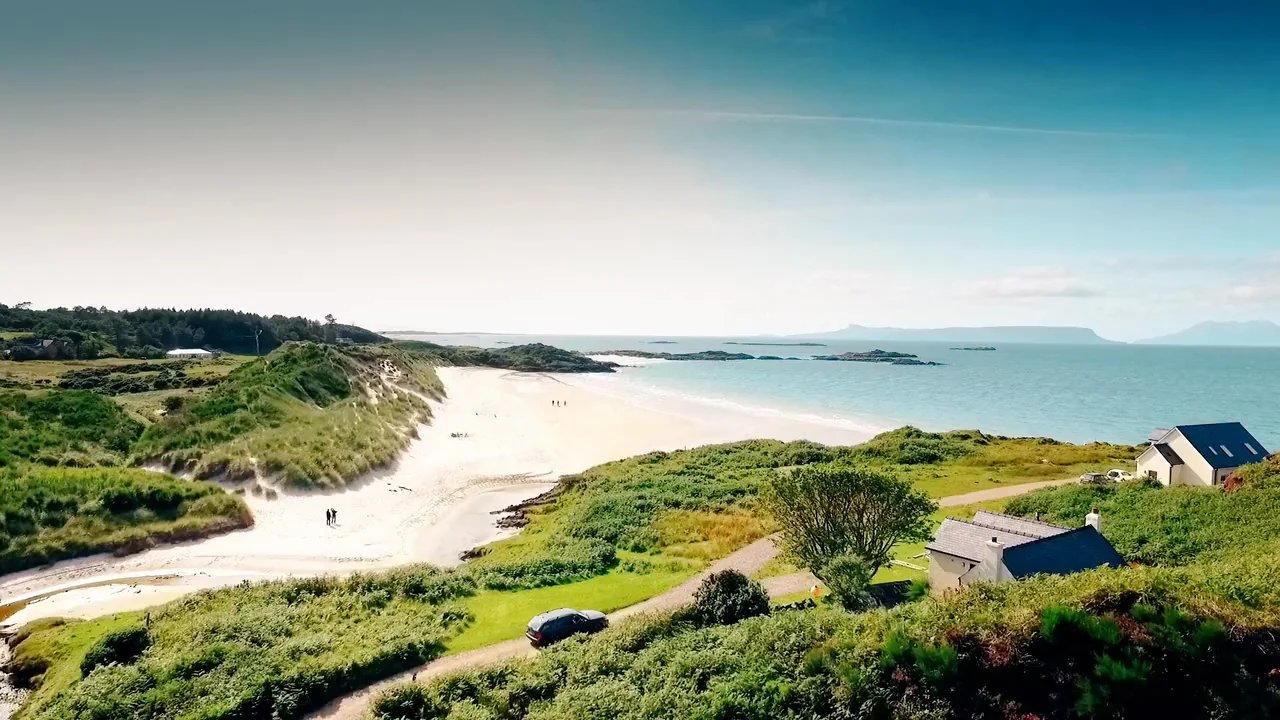
Details
- Cozy
- Rustic
- Scenic
- Intimate
- Family
- Casual Hangout
- Special Occasion
- Waterfront
- Historic Building
- Natural Wine
- Local Sourcing
- Farm To Table
- Waterfront
- A La Carte
- Small Plates
- Vegetarian Friendly
- Vegan Options
Current opening hours
- Monday
- Closed
- Tuesday
- Closed
- Wednesday
- 11 AM–2 PM, 6–10 PM
- Thursday
- 11 AM–2 PM, 6–10 PM
- Friday
- 11 AM–2 PM, 5–10 PM
- Saturday
- 11 AM–2 PM, 6–10 PM
- Sunday
- 1–4 PM
Hours can change for holidays and private events. Hours as of .
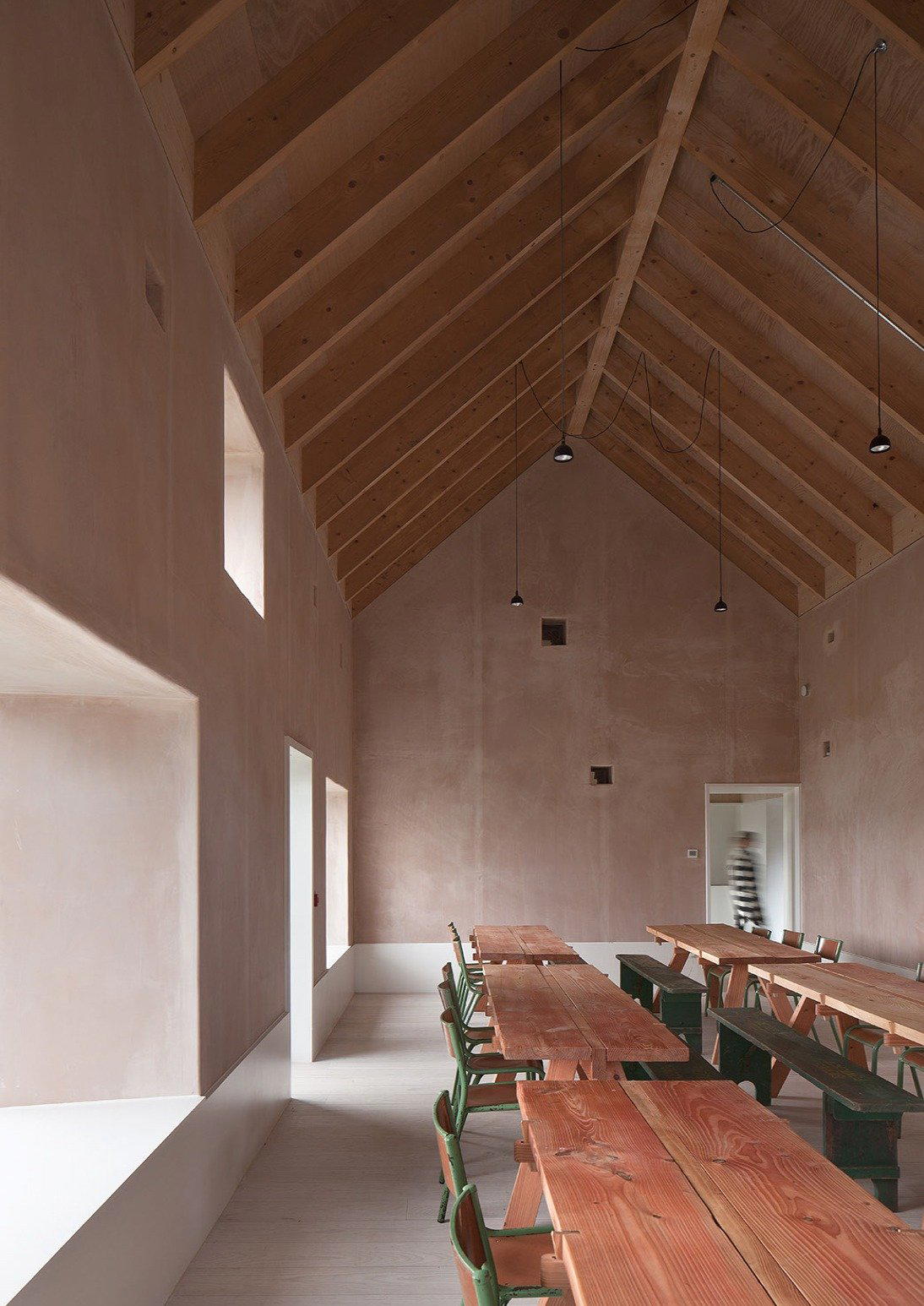
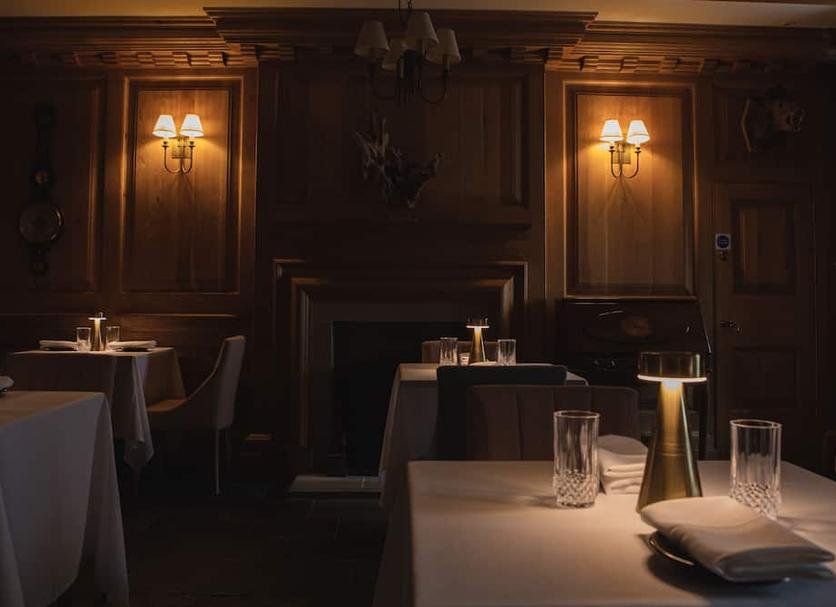
Monastic feel with communal tables, narrow windows, clean lines, and calming atmosphere.