Ar Bòrd

Our verdict
Ar Bòrd occupies a quiet corner of Dervaig, one of Mull's smallest villages, where the sourcing radius is measured in walking distance rather than supply-chain spreadsheets. The restaurant sits at the intersection of Scottish island cooking and serious culinary intent, drawing visitors who make the ferry crossing specifically for the table. For a full picture of eating on Mull, see our Isle of Mull restaurants guide.

Pearl is the En Primeur Club membership app, where members save venues, book tables and use the concierge.
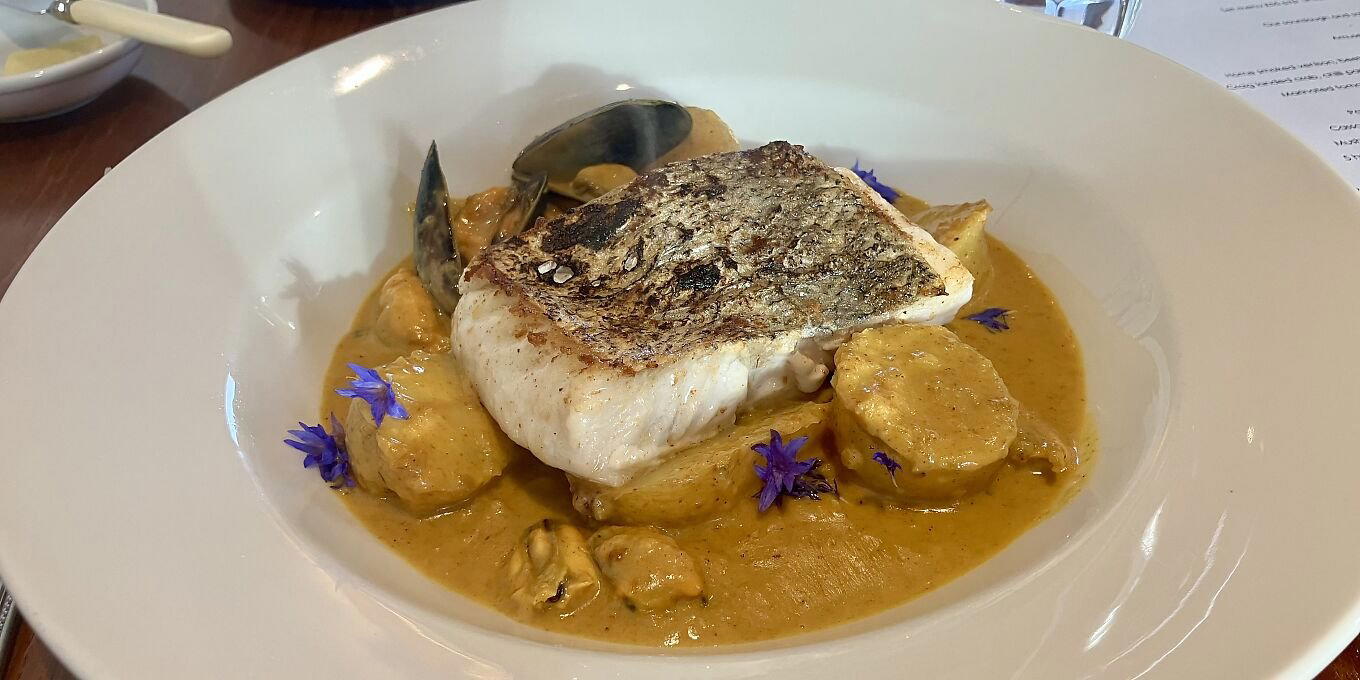
Dervaig and the Discipline of Eating at the Edge of Scotland
The village of Dervaig sits near the northern tip of Mull, reached by a single-track road that winds through open moorland and past freshwater lochs. There are no traffic lights, no chain restaurants, and no ambient noise beyond weather and livestock. When a restaurant operates in this context, the sourcing question answers itself before the menu is printed: what arrives on the plate is largely what surrounds the building. That geographical constraint, which would be a limitation in most culinary settings, is the entire point of Ar Bòrd.
The name translates from Scottish Gaelic as "at the table," a phrase that carries more weight on an island than it does in a city. Getting to a table here involves a CalMac ferry from Oban, a drive across Mull's single main road, and then a further turn north. The journey selects for guests who have already decided that the destination matters, not merely the dining room. That self-selecting audience shapes the tone of the experience before a single course is served.
What Island Sourcing Actually Means in Practice
Broader conversation about provenance in British fine dining has shifted considerably over the past decade. Restaurants like L'Enclume in Cartmel have demonstrated that hyper-local sourcing, when applied with technical rigour, produces a different category of cooking from supply-chain provenance. Moor Hall in Aughton and Ynyshir Hall in Machynlleth have each built reputations on place-specific ingredients handled with precision. The logic at Ar Bòrd runs on the same principle, but the island geography enforces it with a rigour that no mainland kitchen can fully replicate.
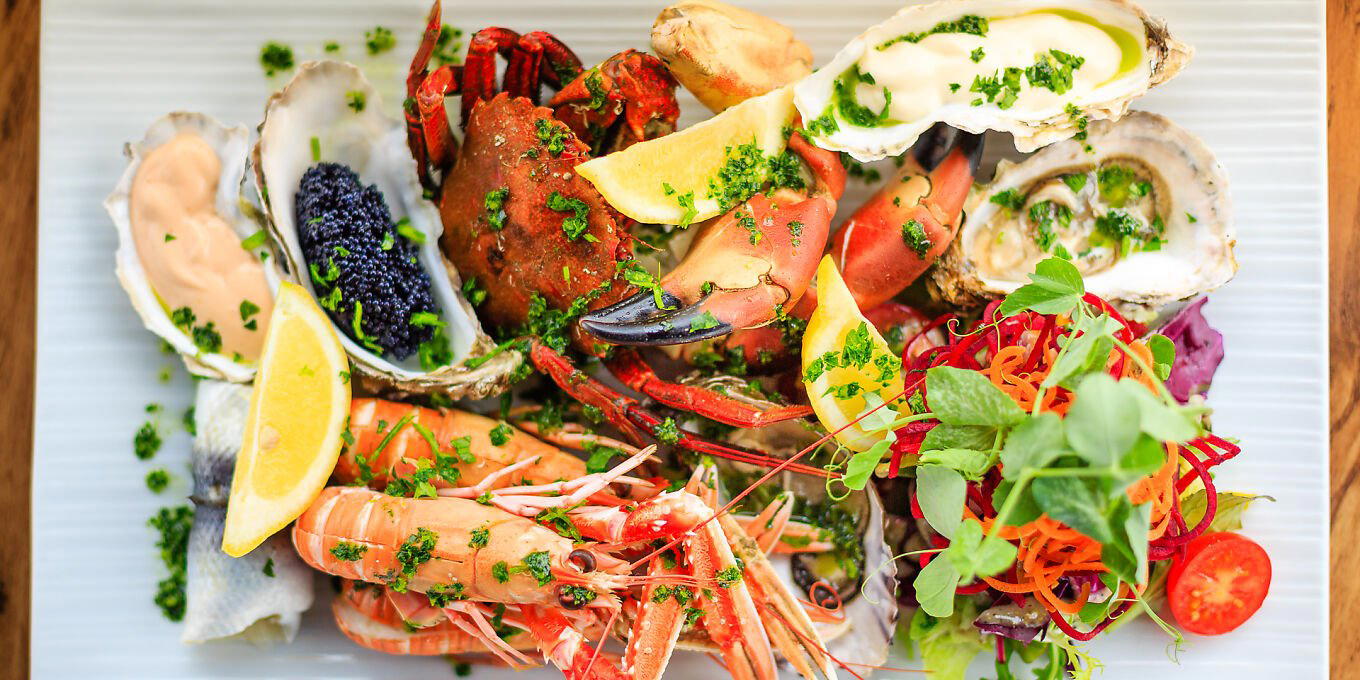
Mull's larder is specific and generous in its own terms. The surrounding waters carry langoustine, crab, and scallops. The island runs a significant cattle-farming tradition, with Highland cattle producing beef that carries the flavour of coastal grass. Foraging on the island yields sea vegetables, fungi, and herbs that don't exist in the same form a hundred miles south. A kitchen that draws on this geography is not performing localism for marketing purposes; it is working with the only ingredients readily available. The result is cooking that tastes of a particular place at a particular time of year, which is exactly what serious eating in a remote setting should deliver.
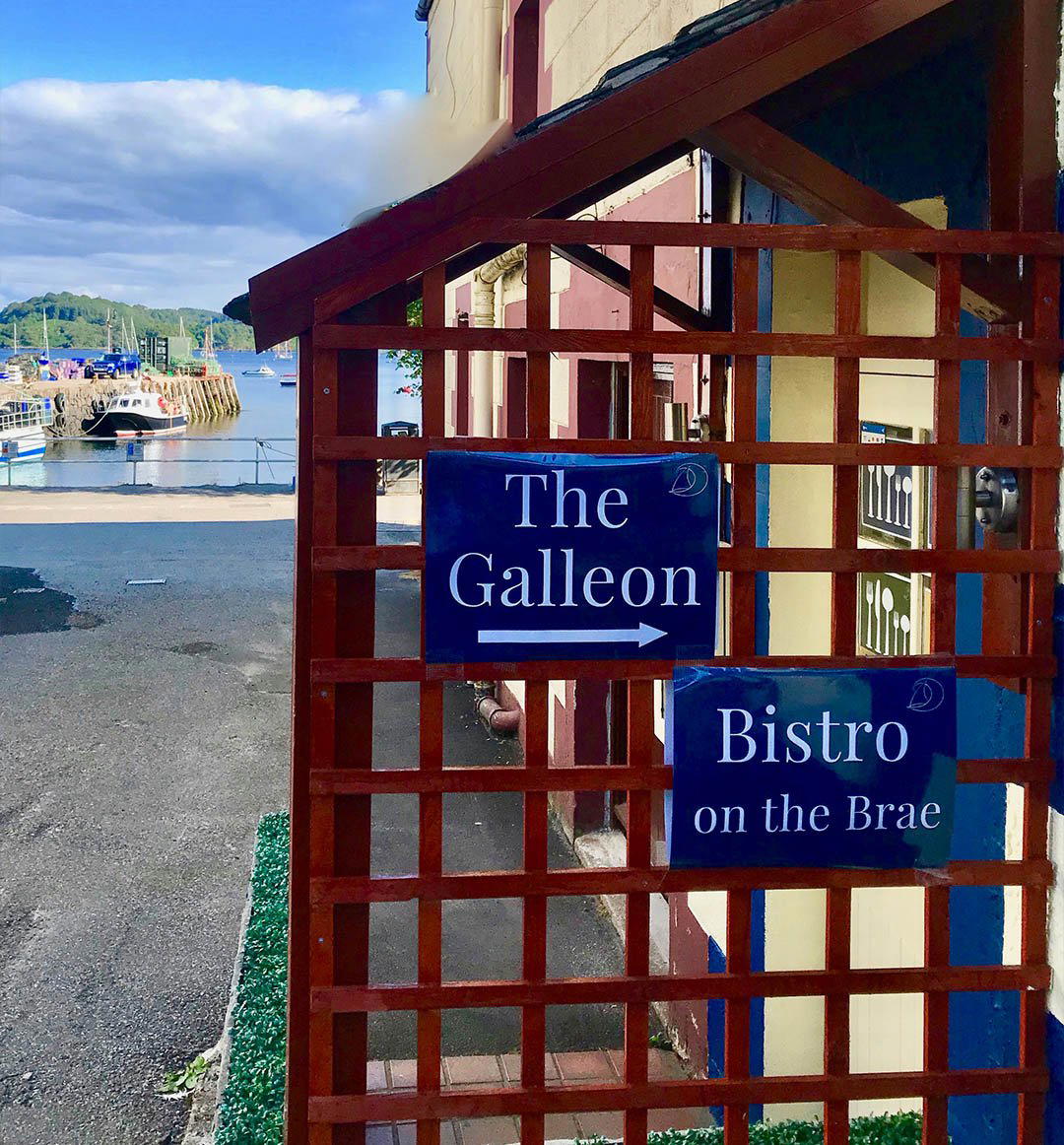
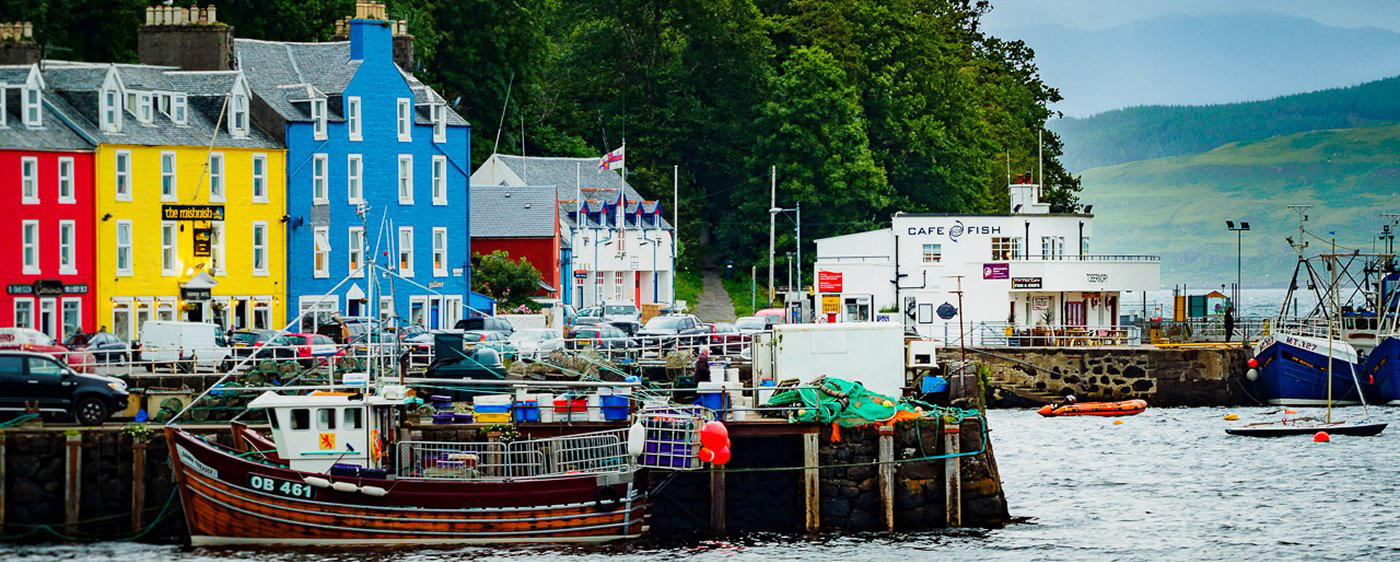
For comparison, Café Fish in Tobermory takes a more direct approach to Mull's seafood, with an emphasis on immediate simplicity rather than elaboration. Croft 3 operates with a different register entirely. Ar Bòrd positions itself at the more considered end of the island's dining options, where sourcing discipline and kitchen craft intersect. The Galleon Bistro rounds out the island offer at a more casual pitch. Our full Isle of Mull restaurants guide maps these options across the island's geography.
The British Context: Remote Dining as a Category
Remote destination dining has developed into a recognisable sub-category within the British culinary conversation. The Waterside Inn in Bray, represented on EP Club by the Waterside Inn in Bray listing, built its identity partly on a riverside setting that required guests to travel deliberately. Gidleigh Park in Chagford operates on similar logic in Devon. Le Manoir aux Quat' Saisons in Great Milton draws visitors who factor the journey into the experience. What these places share is the understanding that geographical remove creates a different kind of attention in the guest. The drive or ferry crossing strips away the distraction of urban access and focuses the meal.
On an island, that effect compounds. There is no popping out for a better option down the street. The meal you have is the meal you planned for. Ar Bòrd exists within that dynamic, and the kitchen operates with the awareness that guests have committed significant time and logistics to arrive. That changes the implicit contract between kitchen and table in ways that are difficult to replicate in Edinburgh or Glasgow, let alone London.
For those building a broader itinerary around Scottish dining, Restaurant Andrew Fairlie in Auchterarder remains the benchmark for formal Scottish fine dining on the mainland. Cities further south offer additional reference points: CORE by Clare Smyth in London, Hand and Flowers in Marlow, hide and fox in Saltwood, Midsummer House in Cambridge, and Opheem in Birmingham each represent the breadth of serious British cooking in different registers and price tiers. Further afield, Le Bernardin in New York City and Lazy Bear in San Francisco offer international reference points for committed-journey dining built around ingredient integrity.
Planning the Visit
Mull is accessible year-round via CalMac ferry from Oban, with crossings taking approximately 45 minutes to Craignure on the island's east coast. Dervaig lies further north and west, adding another 30 to 40 minutes by road. Visitors staying on the island typically base themselves in Tobermory, the largest settlement, or in one of several self-catering properties near Dervaig itself. The island's accommodation options range from small hotels to independent cottages; demand peaks in July and August, when both beds and restaurant bookings should be secured as far in advance as possible. Given the limited dining options in Dervaig specifically, planning the meal around accommodation (or the accommodation around the meal) is a practical approach rather than an indulgence.
The restaurant's location in a small village means that walk-in access is unlikely to be reliable, particularly in peak season.
Frequently asked questions
What's the address for Ar Bòrd?
Ar Bòrd is located at Dervaig, Isle of Mull PA75 6QN, United Kingdom, Isle Of Mull.
Is Ar Bòrd worth the journey from Oban for a day trip?
The CalMac ferry from Oban to Craignure takes approximately 45 minutes, and Dervaig is a further drive across the island, making Ar Bòrd a genuine commitment rather than a casual detour. Restaurants at this level of geographic remove tend to reward visitors who build an overnight stay around them rather than treating it as a return-same-day excursion. The distance from Craignure to Dervaig means planning transport on Mull itself, where car hire or pre-arranged transfers are the realistic options.
What's the signature dish at Ar Bòrd?
Specific menu details for Ar Bòrd are not published in advance, which is consistent with the island-sourcing approach the restaurant represents, what's available depends on what Mull and its surrounding waters yield. Dervaig's position on the northern tip of the island, far from supply chains that mainland restaurants take for granted, shapes the menu more than any fixed signature item. check the venue's official channels for current offerings.
How hard is it to get a table at Ar Bòrd?
Ar Bòrd sits in Dervaig, a small village reached by single-track road near the northern tip of Mull, the logistics of the location alone filter demand considerably. That said, remote destination restaurants in the British Isles increasingly attract dedicated visitors willing to plan around ferry schedules and rural roads, so booking well ahead is advisable. No publicly confirmed booking window is available, so reaching out early through whatever contact details the restaurant provides is the practical approach.
Quick Comparison
| Venue | Cuisine | Price | Awards |
|---|---|---|---|
| Ar BòrdThis venue (the venue you are viewing) | Modern Scottish Local Produce | $50–100 | Not listed |
| Café Fish | Fresh Local Seafood | $50–100 | The Good Food Guide GFG Good |
| Croft 3 | Modern Scottish Croft Dining | Not listed | Not listed |
| The Galleon Bistro | Modern British Bistro with Local Seafood | $50–100 | Not listed |
Recognition history
Dated appearances from independent guides and award organizations, with the underlying list record or original source where available.
The Good Food Guide Good Food Guide Best Local Restaurant #3
The Good Food Guide
Continue exploring
More in Isle of Mull
Restaurants in Isle of Mull
All restaurants in Isle of Mull →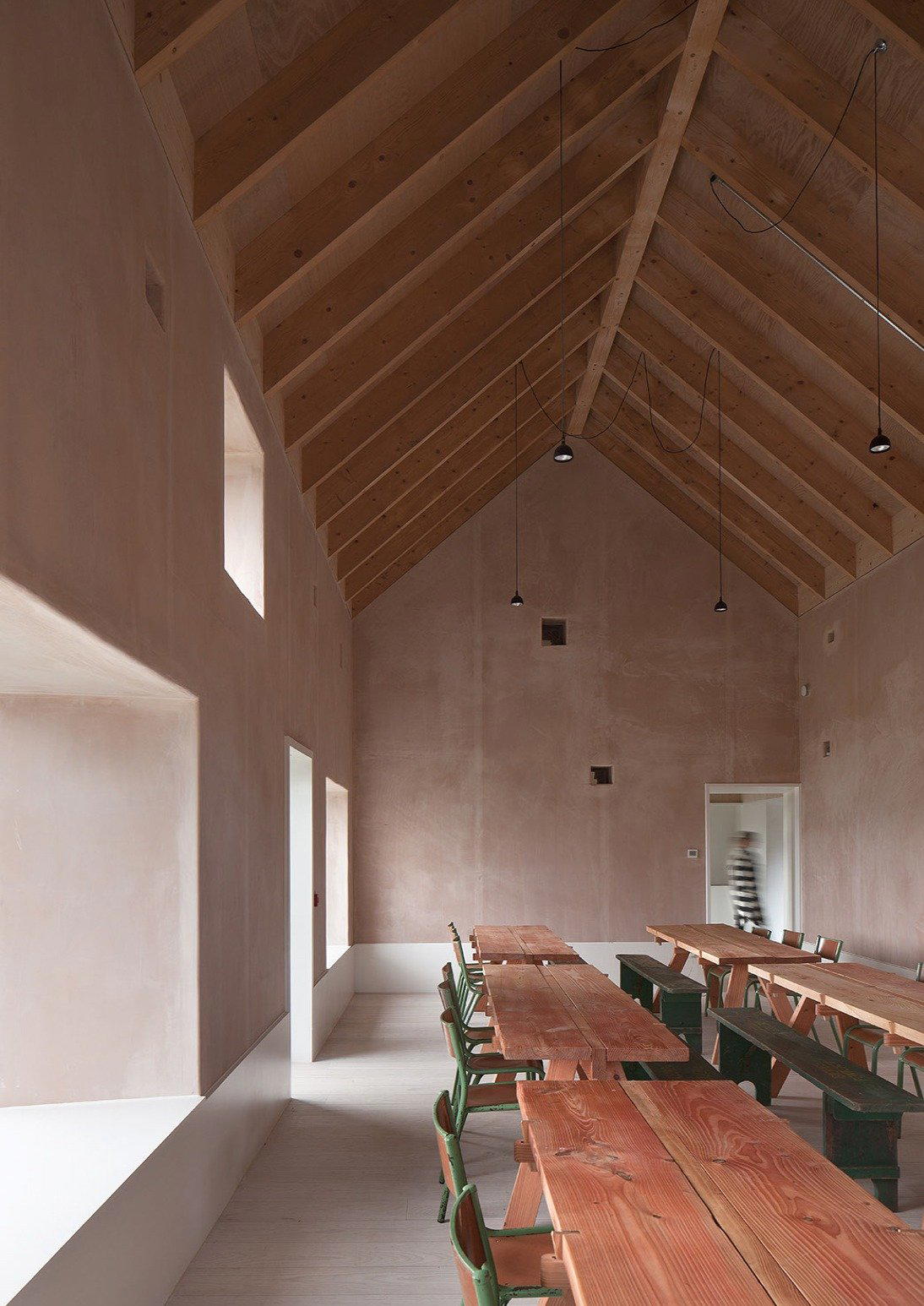
Hotels in Isle of Mull
Browse all →
Details
- Cozy
- Rustic
- Intimate
- Special Occasion
- Standalone
- Byob
- Local Sourcing
- Set Menu
Current opening hours
- Monday
- Closed
- Tuesday
- Closed
- Wednesday
- 5:30–9 PM
- Thursday
- 6:30–9 PM
- Friday
- 6:30–9 PM
- Saturday
- 5:30–9 PM
- Sunday
- Closed
Hours can change for holidays and private events. Hours as of .
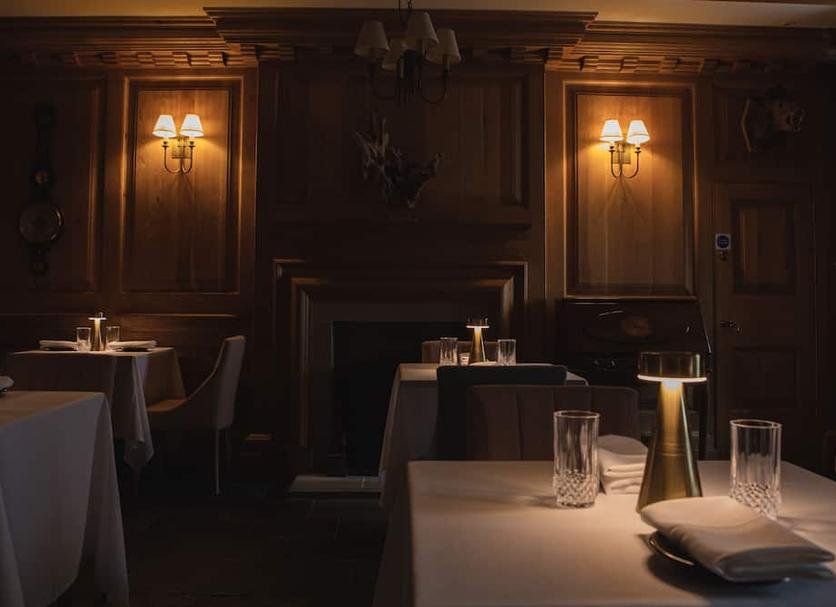
Spacious front room busy with conversation, warm and welcoming with natural hosting creating lively informal atmosphere.